Introduction
The coral plant is a striking addition to any garden or indoor space, known for its vibrant colors and unique appearance. Whether grown as a succulent or a small tree, coral plants bring aesthetic charm and practical benefits to homes and landscapes. Gardeners often appreciate the coral plant for its resilience and minimal maintenance requirements, while indoor enthusiasts enjoy its air-purifying qualities and decorative appeal. Popular varieties, including coral plant succulents and coral plant trees, adapt well to tropical and subtropical regions, particularly in Florida. With proper coral plant care, these plants thrive and enhance spaces with their bold foliage and vibrant flowers.
What is a Coral Plant?
Definition and Botanical Background
A coral plant refers to several species known for their bright, coral-like structures. Two prominent examples include Jatropha multifida, commonly called coral jatropha, and Erythrina, known as the coral tree erythrina. Coral jatropha is a succulent-like shrub featuring intricate, deeply lobed leaves, while the coral tree erythrina is a small flowering tree with showy blooms. Varieties differ in size, growth habit, and flowering patterns. When asking “is coral a plant” or “is coral plant,” it refers to these terrestrial species cultivated for ornamental purposes rather than marine corals.
Coral Plant vs. Coral Animal Confusion
Many people confuse the term “coral plant” with marine coral found in oceans. To clarify, a coral plant is a terrestrial plant, while corals in reefs are marine animals. Questions like “coral plant or animal” or “is coral plant or animal” often arise due to similar naming. Unlike coral reefs, which form living colonies underwater, coral plants grow in soil, can flower, and are part of the horticultural world rather than the marine ecosystem.
Types and Varieties of Coral Plants
-
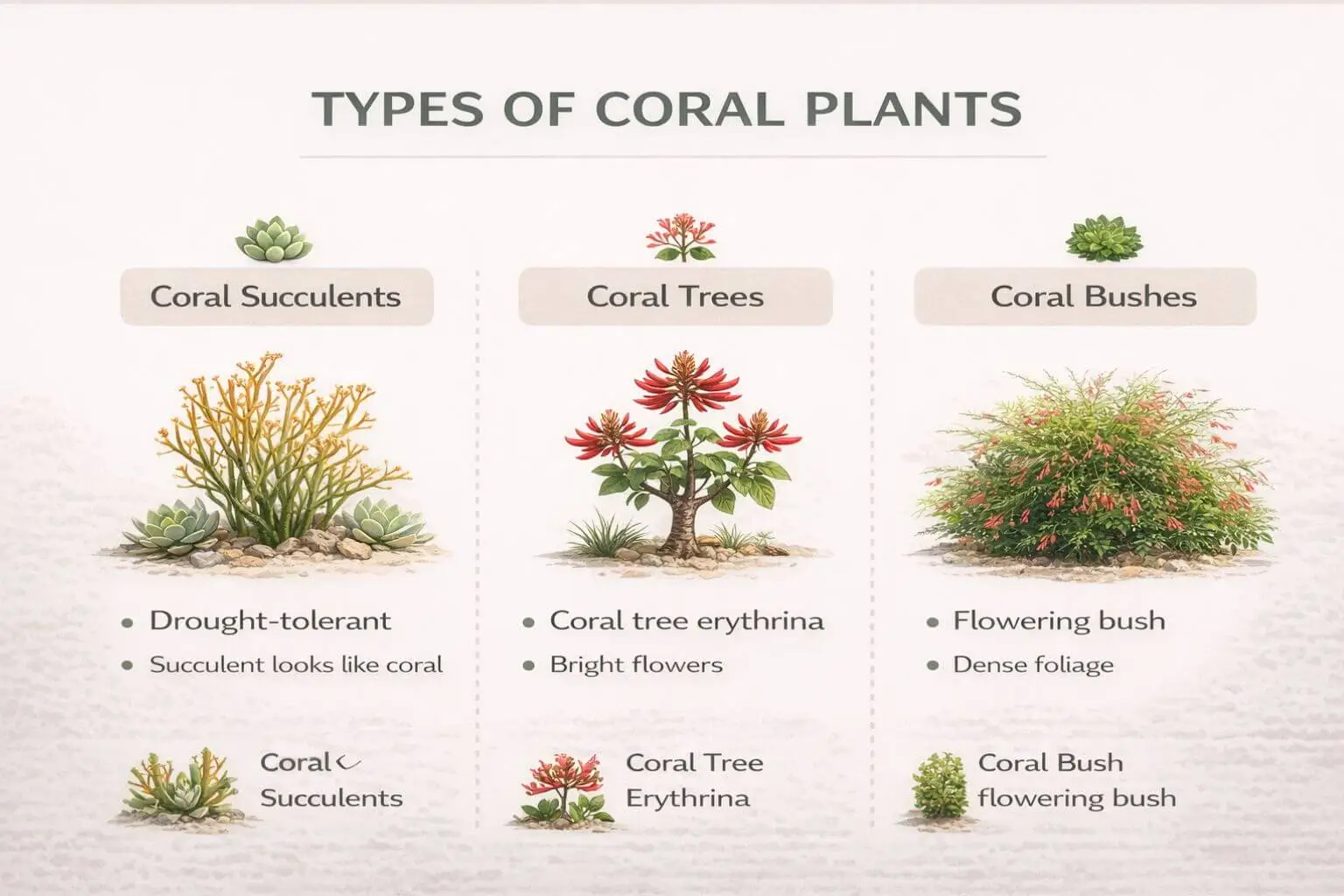
Coral Succulents
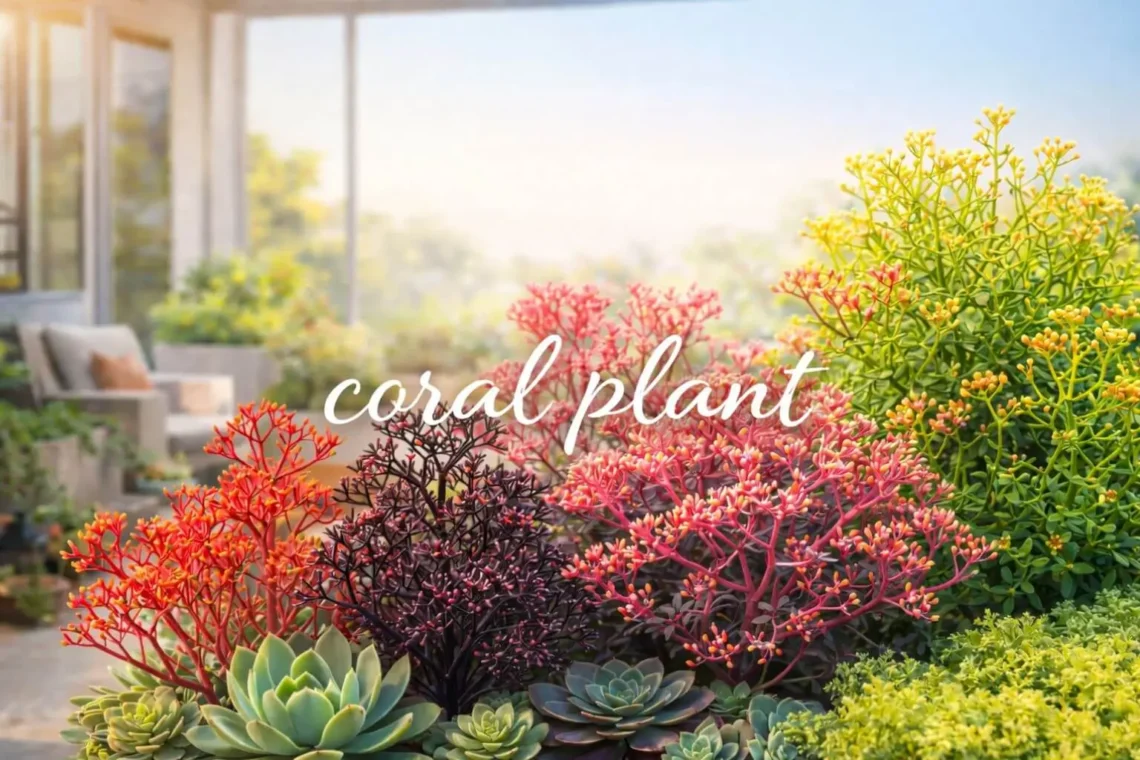
Coral succulents are compact plants resembling coral structures, making them perfect for indoor décor and container gardens. Known as coral succulent plants, these varieties are drought-tolerant and visually striking. Their sculpted leaves often mimic the texture of underwater coral, giving the impression of a miniature coral reef in a pot.
-
Coral Trees
Coral trees are ornamental trees celebrated for their vibrant blooms. Varieties like coral tree erythrina or erythrina coral tree produce fiery red, orange, or pink flowers in clusters known as coral tree flowers. These trees thrive in subtropical regions, adding vertical interest to gardens and attracting pollinators.
-
Coral Bushes and Other Varieties
Coral bushes are smaller, shrubby varieties suitable for hedges or flowering borders. Popular types include coral bush plants and coral bush trees, often recognized for their dense foliage and prolific blooming, known as coral bush flowering bushes.
-
Color Variations
Coral plants come in diverse hues to complement any garden design:
- Black coral plant – deep, dramatic foliage
- Red coral plant – classic, vibrant blooms
- Green coral plant – lush, leafy appearance
- Pink coral plant – soft, ornamental flowers
- Lemon coral plant – bright yellow blossoms
Coral Plant Care Guide
-
Light and Water Requirements
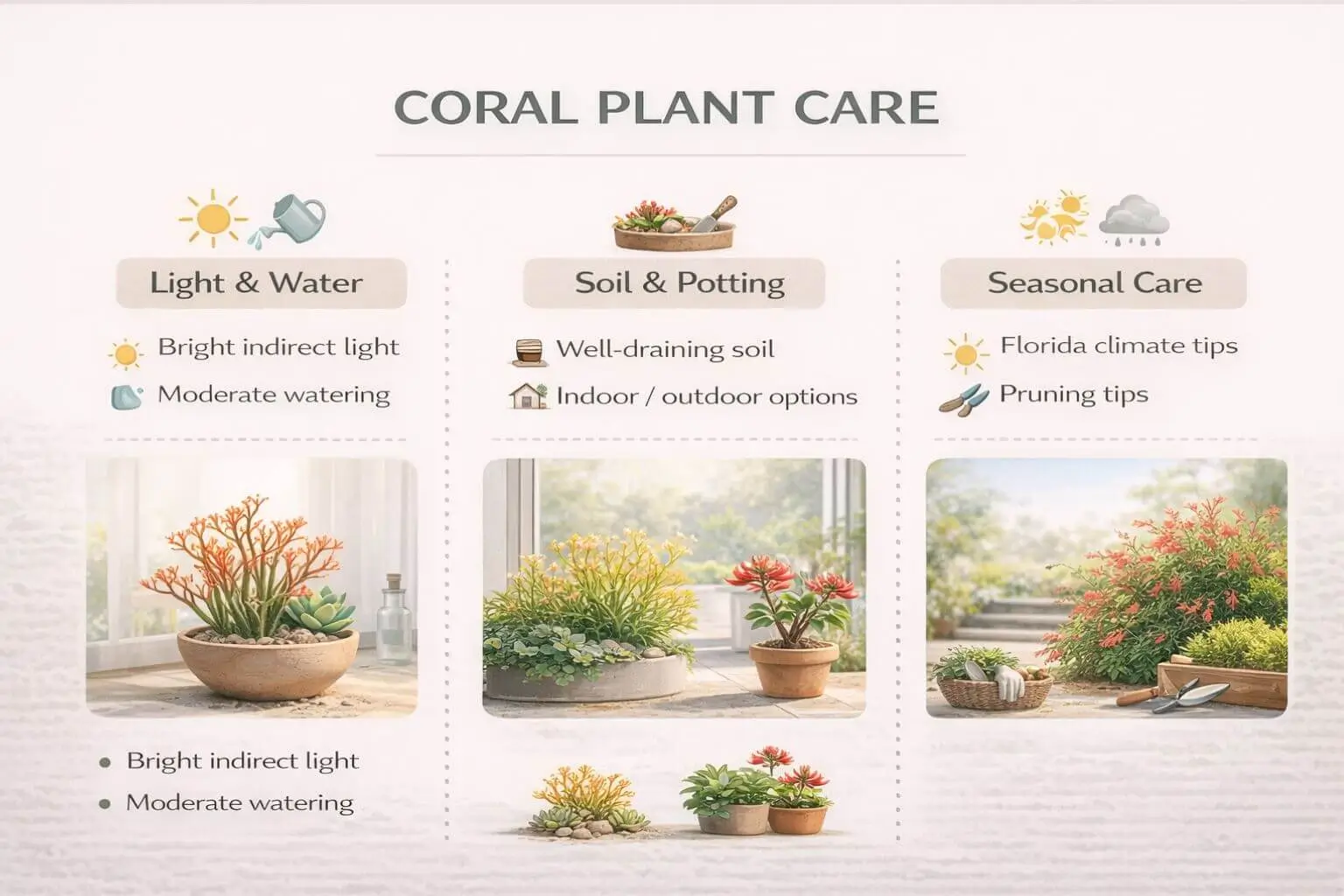
Proper coral plant care depends on light and watering balance. Most coral plants prefer bright, indirect sunlight, though coral tree erythrina tolerates full sun. Water succulents sparingly, allowing the soil to dry between watering, while trees and bushes need moderate hydration. Lemon coral plant care and jatropha multifida care require consistency to maintain leaf and flower health. Caring for a jatropha multifida includes avoiding overwatering to prevent root rot.
-
Soil and Potting Recommendations
Use well-draining soil for all coral plant types. Succulents thrive in cactus mix, while trees and bushes benefit from nutrient-rich, loamy soil. Indoor coral plants require pots with drainage holes to prevent waterlogging, while outdoor varieties can be planted directly in garden beds with adequate space for root growth.
-
Seasonal Care
In tropical and subtropical regions like Florida, coral plants flourish year-round. Protect potted plants during cold snaps and prune flowering branches to encourage growth. Adjust watering during dry and rainy seasons to maintain healthy development.
Benefits and Uses of Coral Plants
-
Ornamental and Landscaping Uses
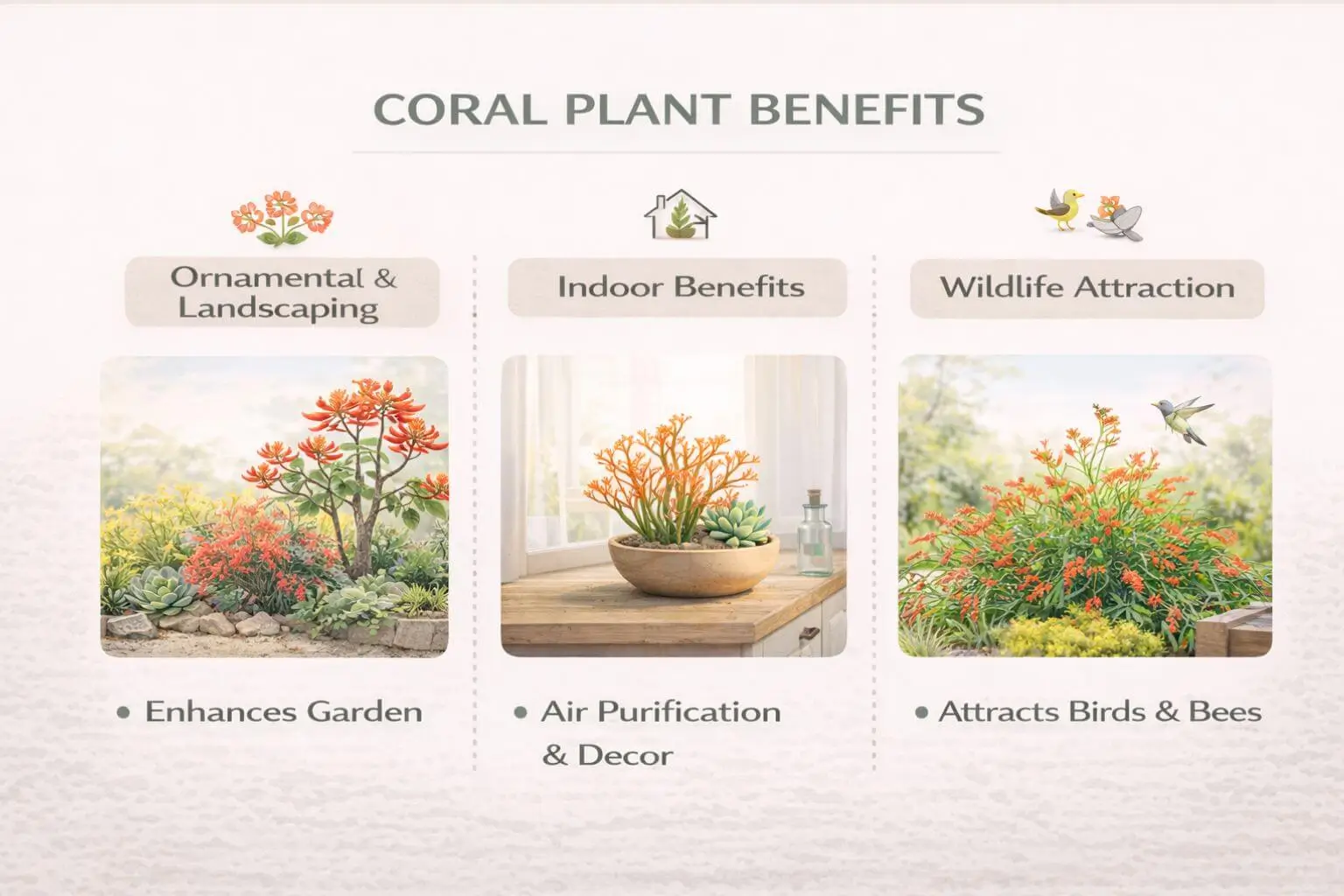
Coral plants are highly valued for coral plant uses in landscaping. They serve as striking focal points, hedges, or borders. Coral flowering bushes and coral plant trees enhance both outdoor gardens and indoor decorative schemes, combining structure with vibrant color.
-
Indoor Benefits
Indoor coral plants improve air quality while adding aesthetic appeal. Their bold foliage and flowers complement décor, and coral plant succulents fit perfectly in small indoor spaces, bringing natural elegance and a sense of calm to living areas.
-
Wildlife Attraction
Coral plants, particularly flowering varieties, attract birds, bees, and other pollinators. The coral tree flower and coral bush blooms provide nectar sources, supporting biodiversity while enhancing garden beauty.
Where to Buy Coral Plants
Online and Local Nurseries
Coral plants are widely available through nurseries and online sellers. Look for coral plant for sale, buy coral bells, coral bells plants for sale, or buy coral bells plants online to find quality specimens suited for your region.
Selecting Healthy Plants
Choose healthy plants with firm leaves, vibrant color, and free from pests or diseases. For succulents, ensure the soil is dry and roots are firm. For bushes and trees, check for well-formed branches and strong root systems to guarantee successful planting.
Common Questions About Coral Plants
Propagation Methods
Coral plants can be propagated via seeds, cuttings, or division. Succulents respond well to stem cuttings, while trees and bushes can be grown from seeds or root division. Proper care after propagation ensures strong, healthy plants.
Pests and Problems
Common issues include aphids, mealybugs, and fungal infections. Prevent problems by maintaining proper watering, adequate sunlight, and clean surroundings. Regular pruning and inspection help sustain plant health.
Conclusion
Coral plants offer a wide range of varieties, colors, and benefits, from succulents to trees and flowering bushes. With proper care and selection, these plants enhance gardens, homes, and indoor spaces. Consider adding coral plants to your collection for vibrant color, aesthetic charm, and practical benefits in your environment.
Learn more: 7+ Stunning Reasons to Grow a Mexican Grass Tree Today
FAQs
- Is coral plant a succulent or a tree?
Coral plants include both succulents, like coral jatropha, and trees, like coral tree erythrina, depending on the species and variety. - How do I care for a coral plant in Florida?
In Florida, ensure coral plant Florida varieties receive bright sunlight, well-draining soil, and moderate watering. Protect from cold snaps and prune flowering branches seasonally. - What is the difference between coral plants and coral reefs?
Coral plants are terrestrial ornamental plants, whereas coral reefs consist of marine animals forming underwater structures. They are unrelated despite similar names. - Can coral plants grow indoors?
Yes, succulents and smaller coral bushes thrive indoors with bright, indirect light and proper watering. They also improve air quality and décor aesthetics. - Where can I buy healthy coral plants online?
Healthy coral plants can be purchased from online nurseries offering coral plant for sale, coral bells plants for sale, and other verified sellers. Always select plants with firm roots and vibrant foliage.