Introduction
Agave angustifolia is a striking agave species valued for both its ornamental appeal and functional uses. Known widely as a Caribbean agave plant and an important Mexican agave variety, it features a refined form that works beautifully in modern landscapes. Within the broader agave plant family, agave angustifolia stands out for its narrower leaves, manageable size, and adaptability. Many people searching for what is agave want to understand how different agave plants vary in appearance and use. The agave angustifolia plant answers that curiosity by offering a balanced combination of structure, resilience, and cultural significance that sets it apart from larger, more aggressive agave species.
What Is Agave Angustifolia?
Botanical Overview
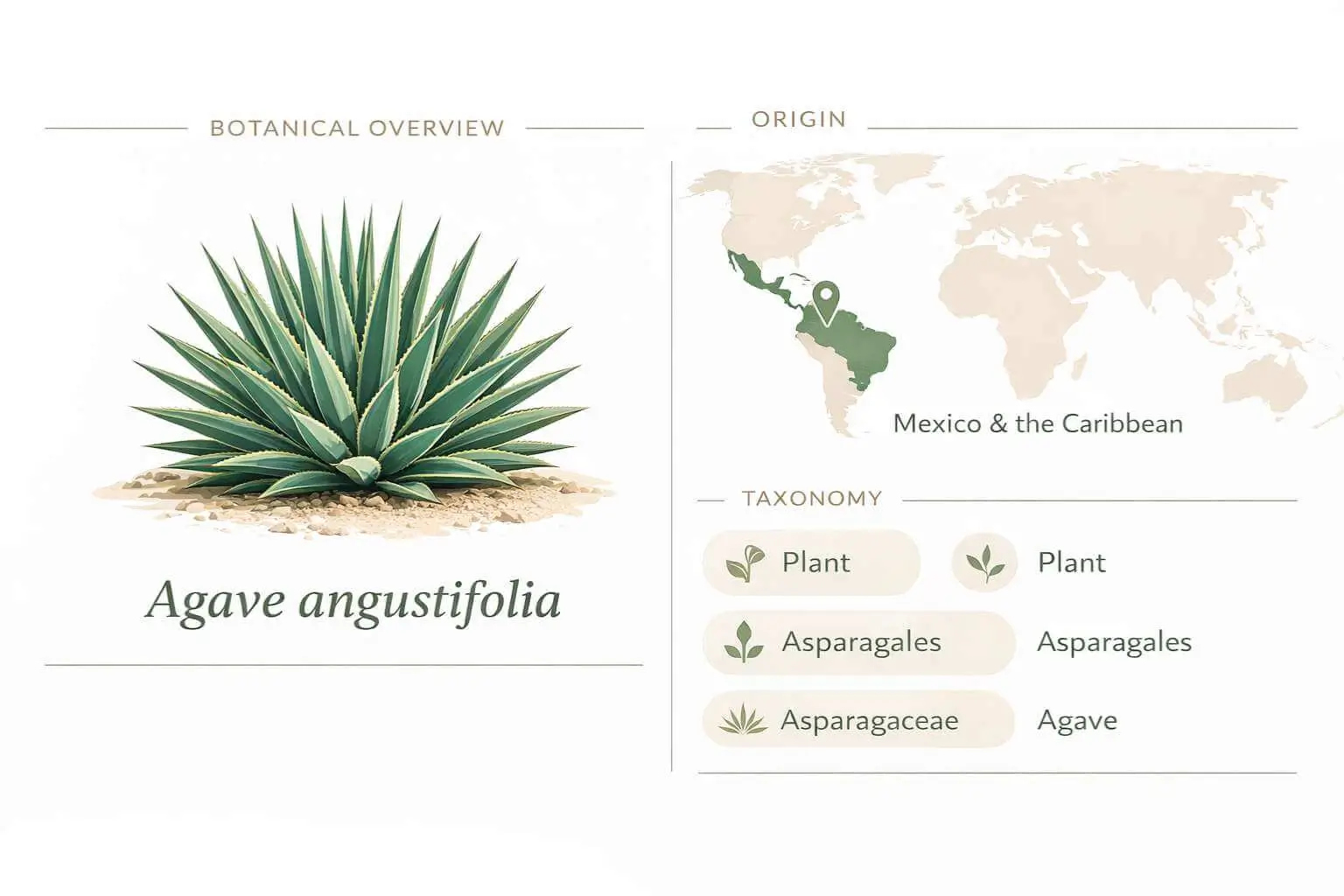
Agave angustifolia is the scientific name of this species, commonly referred to as angustifolia agave. It belongs to the Asparagaceae family, within the Agavoideae subfamily. Native primarily to Mexico, it is closely tied to agave Mexican plants found in coastal and arid regions. The species is also associated with the traditional maguey plant group, a term historically used for useful agave species. Like many traditional agave species, it has long been valued for its structure, durability, and cultural relevance.
What Is Agave and Where Does It Come From?
To understand what is agave, it helps to see it as a group of succulent plants adapted to dry climates. A simple explanation of what is a agave is a rosette-forming plant with thick leaves designed to store water. When people ask what plant does agave come from, the answer is the agave plant itself, not a tree or shrub. Generic agave refers to the entire group, while specific species like agave angustifolia describe distinct forms with unique size, leaf shape, and uses.
Caribbean Agave vs Other Agave Types
Caribbean Agave Characteristics
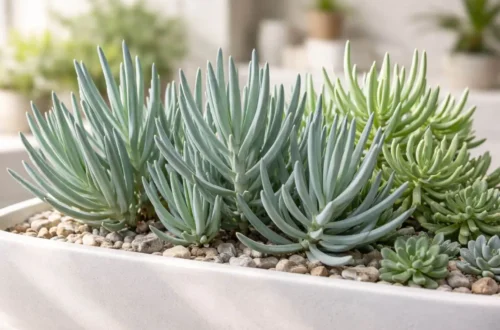
Caribbean agave, often used to describe agave angustifolia in island landscapes, has a compact growth habit. The leaves are long, narrow, and arching, with smooth surfaces and subtle spines. Color ranges from soft green to blue-green, depending on light exposure. Striped Caribbean agave and variegated Caribbean agave are popular in designed landscapes, where their contrasting leaf patterns add structure without overwhelming nearby plants.
Agave Angustifolia vs Agave Americana
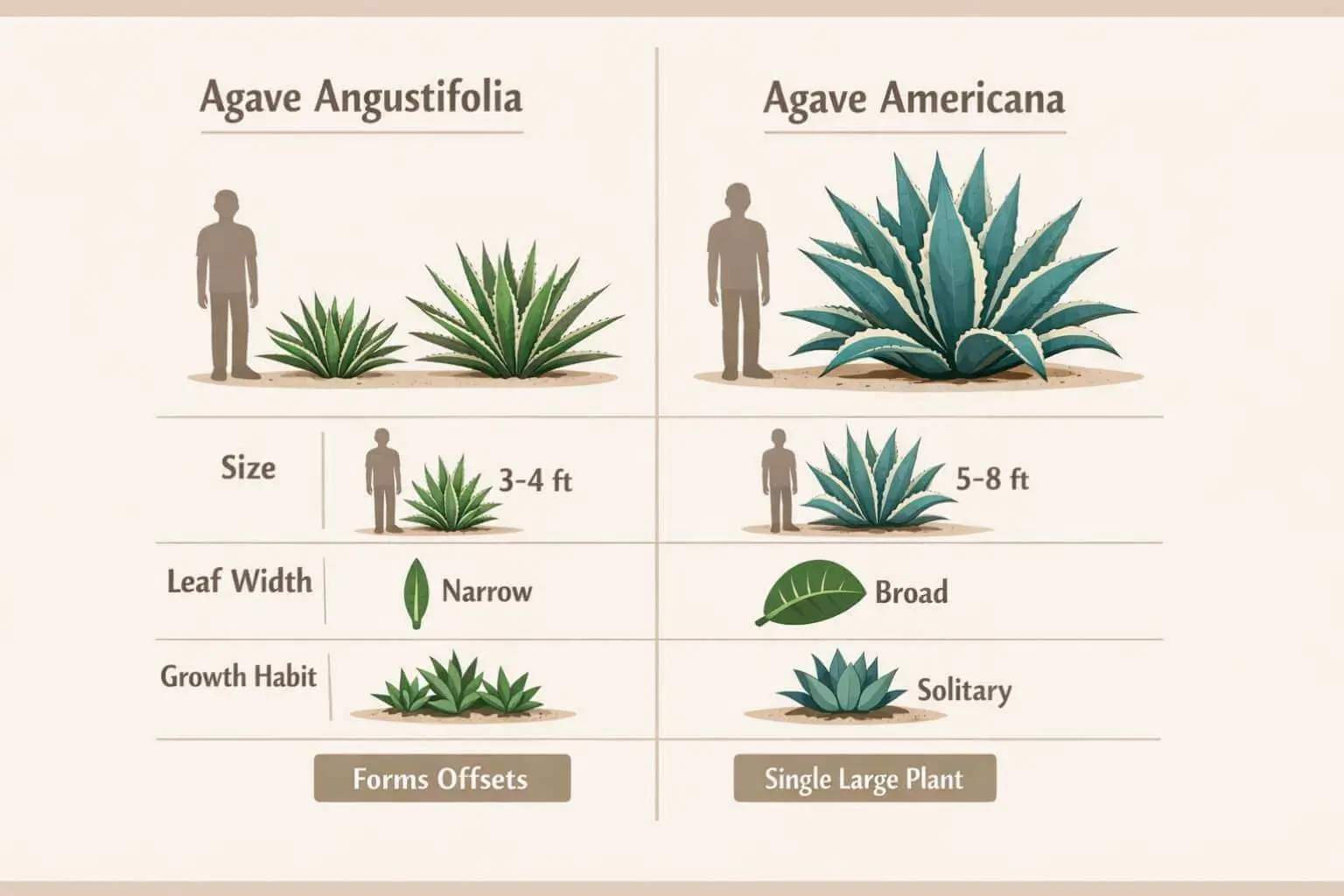
When comparing agave angustifolia vs agave americana, size is the most obvious difference. Agave americana, including blue agave americana and the agave americana succulent forms, grows significantly larger and more aggressive. The agave americana century plant is often confused with century agave because of its long bloom cycle. Agave angustifolia, by contrast, remains more controlled and is easier to manage in smaller gardens.
Varieties of Agave Angustifolia
-
Agave Angustifolia Variegata
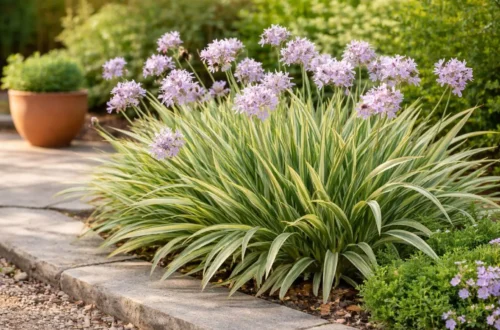
Agave angustifolia variegata is prized for its dramatic leaf coloration. Creamy yellow or pale white stripes run along the edges or center of each leaf. The difference between agave angustifolia variegated forms and standard green types lies entirely in visual impact, not care requirements. Variegated plants are commonly used as focal points in containers or accent plantings.
-
Agave Angustifolia Marginata
Agave angustifolia marginata features sharply defined leaf margins that create a crisp, architectural look. Unlike agave marginata, which may refer to different agave species with edge coloration, this variety maintains the narrow leaf profile of angustifolia. It performs well in containers, patios, and structured landscape beds where clean lines are desired.
Growth Habit, Size, and Appearance
-
Leaf Structure and Color
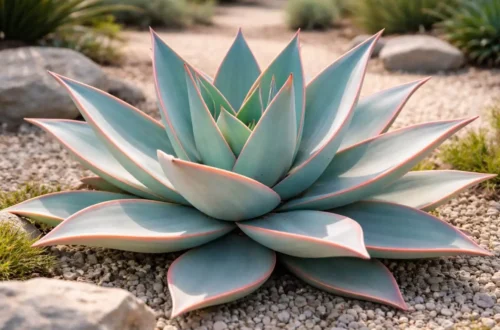
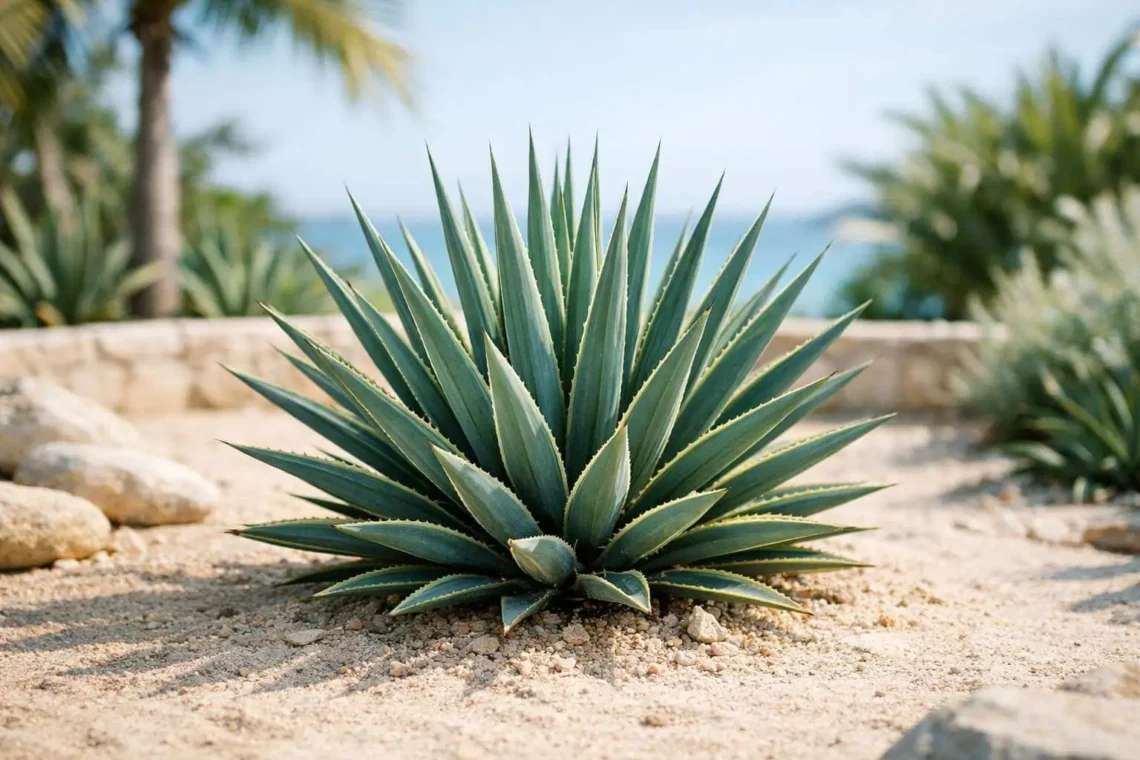
The agave angustifolia plant forms a symmetrical rosette of narrow, pointed leaves. This shape gives it a lighter appearance compared to broader-leaved species. While it shares some visual similarities with the americana agave plant, angustifolia is more refined and less bulky.
-
Mature Size and Longevity
Agave angustifolia follows a slow, steady growth timeline and can live for several decades. Agaves are often called century plant or agave century plant because of the myth that they take 100 years to bloom. In reality, even the American century plant blooms much sooner under proper conditions.
Agave Angustifolia Flower and Bloom Cycle
-
Flowering Timeline
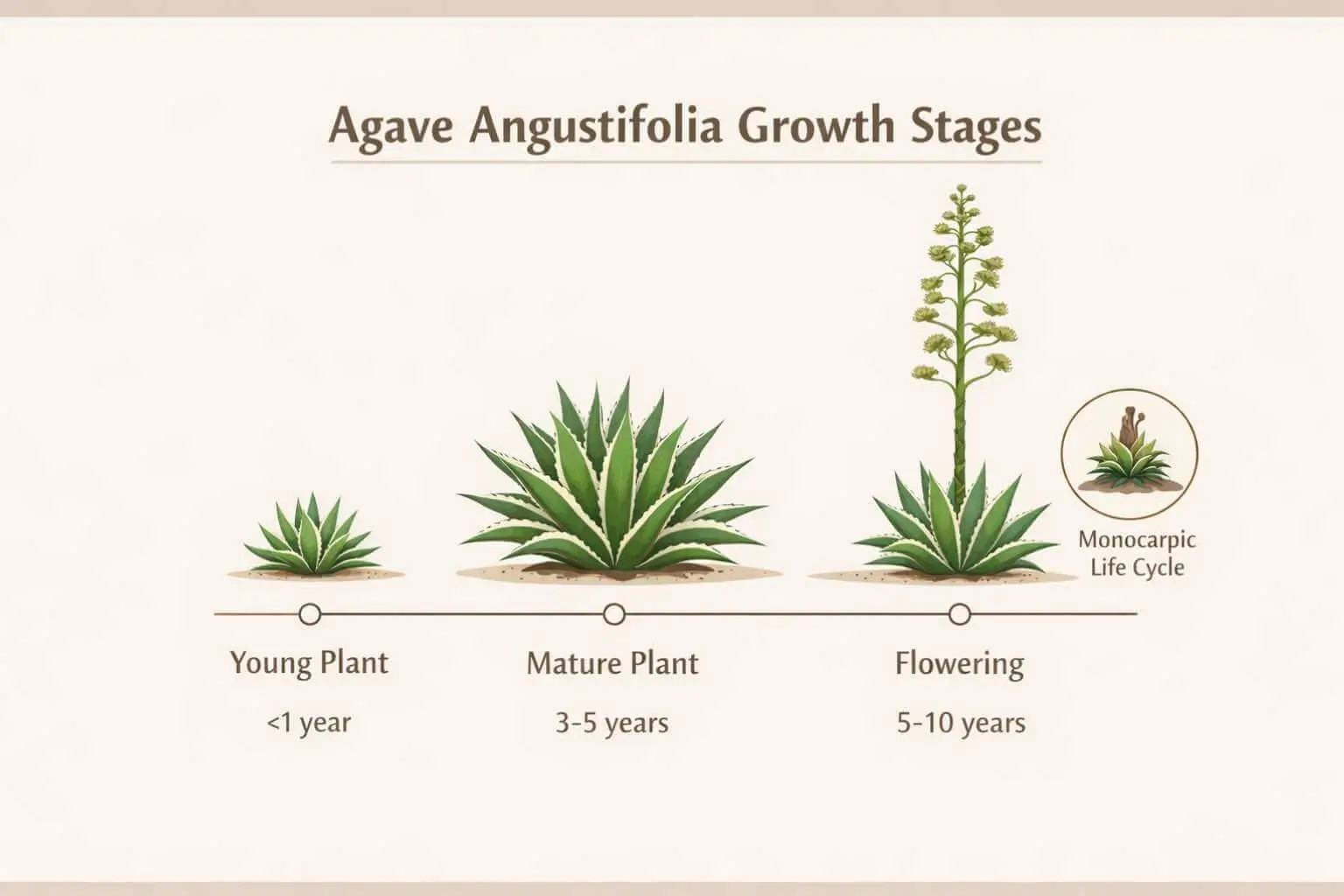
The agave angustifolia flower appears once the plant reaches maturity, typically after 10 to 25 years. Its tall flower stalk resembles the Caribbean agave flower seen in similar climates.
-
Bloom vs Death Cycle
Like most agaves, agave angustifolia is monocarpic, meaning it flowers once and then dies. This process mirrors the century plant flower and agave americana bloom cycle, though angustifolia often produces offsets before completing its life cycle.
Uses of Agave Angustifolia
-
Ornamental & Landscaping Uses
Agave angustifolia is popular in tropical, desert, and coastal gardens. Its moderate size makes it favored over larger agave americana in residential landscapes. It works well in rock gardens, borders, and container designs.
-
Traditional & Cultural Uses
This species is connected to the mezcal plant tradition, especially in Mexico. It also holds cultural importance in Caribbean regions, where agave plants have historically been used for fiber, tools, and symbolic purposes.
How to Care for Agave Angustifolia
-
Light, Soil, and Water Needs
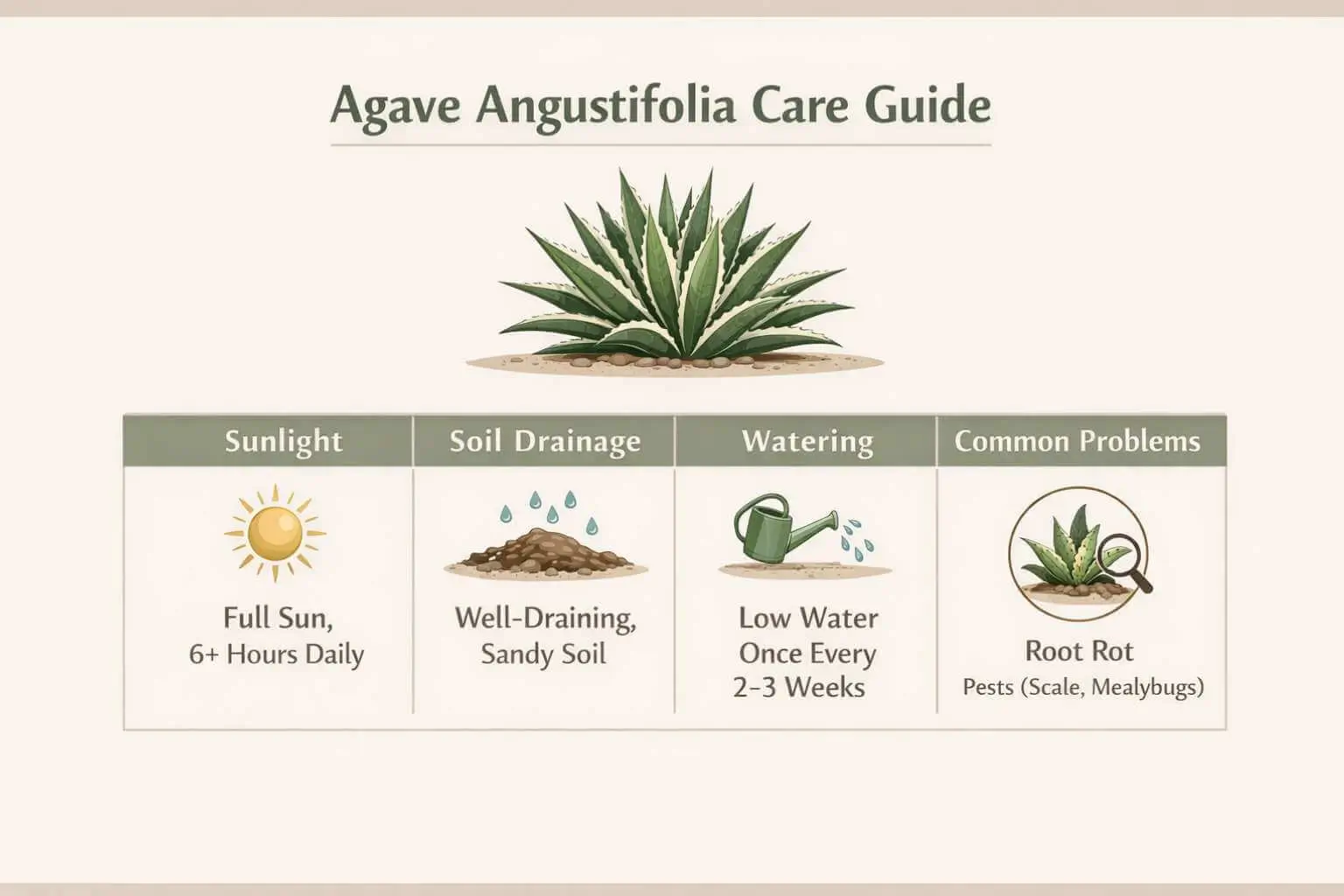
Agave angustifolia thrives in full sun to partial shade, well-draining soil, and minimal watering. Agave plant care differs from typical succulents in that agaves prefer deeper soil and less frequent watering.
-
Common Problems and Maintenance
Common issues include pests, root rot, and damage from overwatering. Long-term care for agave plants involves proper spacing, dry soil conditions, and removing dead leaves to maintain airflow.
Agave Angustifolia vs Other Century Plants
Is Agave Angustifolia a Century Plant?
Many people search for century agave when learning about agaves. While agave angustifolia shares traits with the agave americana century plant, it is not a true century plant in the traditional sense and has a shorter, more predictable bloom cycle.
Learn more: False Agave Plant: 7+ Stunning Facts Gardeners Love
Conclusion & Call to Action
Agave angustifolia is an ideal choice for gardens and landscapes that need structure without excessive size. Its adaptability, visual appeal, and cultural relevance make it a standout agave species. Choosing the right agave depends on available space and climate. Explore more agave varieties, detailed care guides, and landscaping ideas to find the perfect fit for your garden.
Learn more: 7 Stunning Tuscan Plants for a Timeless Mediterranean Garden
FAQs About Agave Angustifolia
- What is agave angustifolia and how is it different from other agave plants?
Agave angustifolia is a narrow-leaved agave species known for its moderate size and refined form compared to larger agave plants. - Is agave angustifolia the same as Caribbean agave?
Caribbean agave commonly refers to agave angustifolia grown in Caribbean regions, though the term is informal. - How long does agave angustifolia take to flower?
It typically flowers after 10–25 years, depending on growing conditions. - What’s the difference between agave angustifolia variegata and marginata?
Variegata has striped leaf coloration, while marginata emphasizes defined leaf edges. - Is agave angustifolia considered a century plant?
It is often confused with century plants, but it does not follow the same long bloom timeline as agave americana.