
Introduction
Olive trees are often described as slow, steady growers—but how true is that in real conditions? Understanding are olive trees fast growing depends on climate, variety, and care methods. While some conditions can accelerate growth, olive trees are generally known for their gradual development and long lifespan. This guide explains how fast olive trees grow, what factors influence their growth rate, and how to optimize their development whether planted in the ground or grown in pots. Olive trees are often described as slow, steady growers—but how true is that in real conditions? The olive tree (Olea europaea) is a long-living Mediterranean species known for its resilience and gradual growth.
Quick Summary
- Olive trees are moderate to slow growers, not typically fast-growing
- Average growth is 12–24 inches per year under ideal conditions
- Growth speed depends on variety, climate, and care
- Some varieties like Manzanillo olive tree grow faster than others
Are Olive Trees Fast Growing or Slow Growing?
Olive trees are generally slow to moderate growers, not fast-growing compared to most fruit trees. Their growth rate improves in warm, Mediterranean-like climates, but they still develop gradually over time rather than rapidly.
Key Points:
- Olive trees are generally slow to moderate growers
- Growth rate improves in warm climates
- They grow slower initially but have a long lifespan
Olive trees are often misunderstood when described as “fast growing olive trees.” In reality, while they may appear quick in ideal conditions, their natural growth pattern is steady and controlled. So when asking are olive trees fast or slow growing or are olive trees quick growing, the accurate answer is that they lean toward slow growth with moderate potential under optimal care. Compared to other Mediterranean trees, growth patterns can vary—for example, Bay Tree Growth Rate highlights how similar species develop under ideal conditions.
Olive Tree Growth Rate Explained
How Fast Do Olive Trees Grow Per Year?
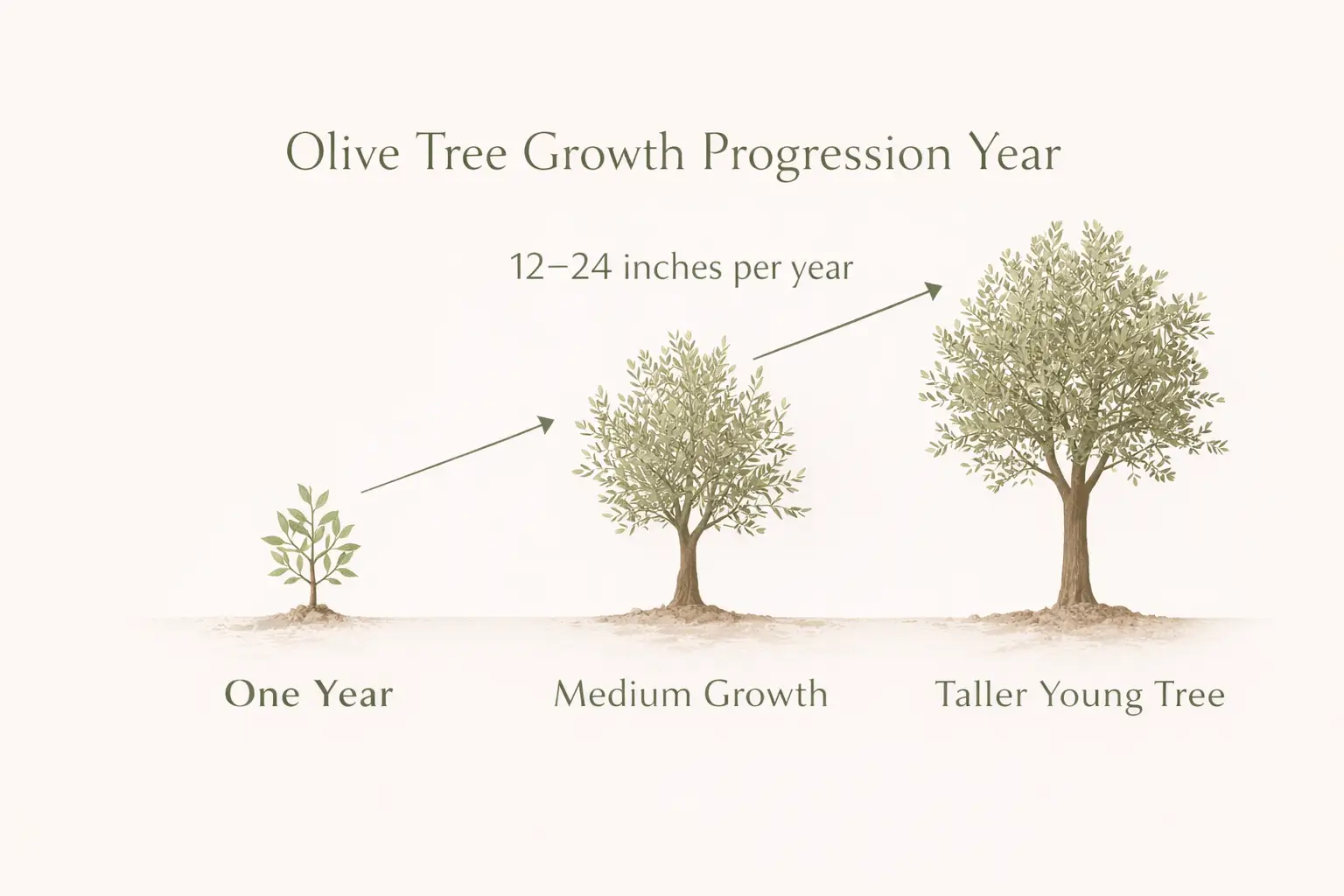
Olive trees typically grow 12–24 inches per year under ideal conditions, though this can vary depending on environmental and care factors. The olive tree growth rate depends heavily on sunlight, soil quality, and temperature. If you’re comparing fruit tree growth speeds, see Pineapple Guava Tree Growth Rate Revealed! for a useful contrast.
Bullet Breakdown:
- 12–24 inches per year in optimal conditions
- Slower growth in poor soil or colder climates
- Faster growth during early years than in maturity
The olive tree growth rate depends heavily on sunlight, soil quality, and temperature. Younger trees tend to grow faster, while mature trees focus more on structure and fruit production rather than height.
How Long Do Olive Trees Take to Grow Fully?
Growth Timeline from Young Tree to Maturity
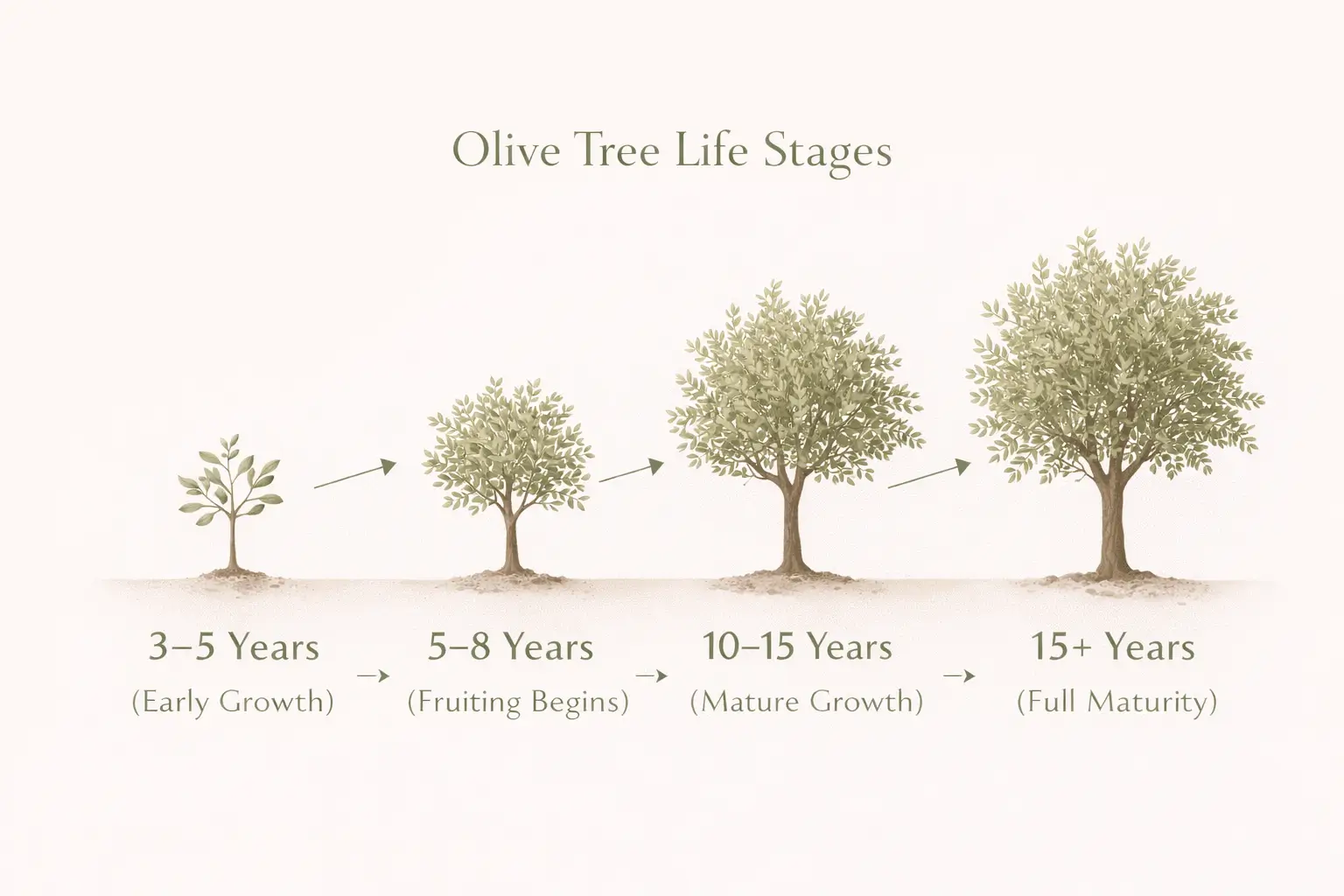
Olive trees follow a predictable growth pattern from early development to full maturity.
Bullet Breakdown:
- 3–5 years: early growth phase
- 5–8 years: start fruiting
- 15+ years: full maturity
When considering how long do olive trees take to grow, it’s important to distinguish between structural growth and fruiting maturity. While a tree may reach a decent size within a few years, full maturity and consistent fruit production take significantly longer.
Growth Differences by Environment (Indoor, Pots, Climate)
How Fast Do Olive Trees Grow in Pots?
Olive trees grow slower in pots due to restricted root space and limited access to nutrients. Olive trees grow slower in pots due to restricted root space and limited access to nutrients. For smaller spaces, choosing compact varieties can help—see Dwarf Olive Trees Guide for container-friendly options.
Indoor vs Outdoor Growth Speed
Indoor olive trees grow slower because they receive less sunlight and reduced airflow, while outdoor trees benefit from natural conditions that support faster development. Indoor olive trees grow slower because they receive less sunlight and reduced airflow. If you’re exploring indoor plant care in general, see our Guide to House Plants for broader growing strategies.
Climate Impact (Australia, Sydney, etc.)
Olive trees grow faster in warm climates like Australia or Sydney, while colder climates can significantly slow growth.
Bullet Breakdown:
- Pots limit root expansion
- Indoor environments reduce light intensity
- Mediterranean climates boost growth
Whether asking are olive trees fast growing indoors or are olive trees fast growing in pots, the answer remains consistent—growth is slower in controlled environments compared to outdoor planting in warm regions.
Fastest Growing Olive Tree Varieties
Which Olive Tree Grows Fastest?
Some olive tree varieties grow faster than others, though none are considered truly fast-growing compared to other fruit trees.
Comparison Table:
| Variety | Growth Speed | Notes |
| Manzanillo olive tree | Moderate-fast | Popular, adaptable |
| Arbequina | Moderate | Early fruiting |
| Mission | Moderate | Hardy, versatile |
The fastest growing olive tree varieties include Manzanillo and Arbequina, which show relatively quicker development under good conditions. However, even these are moderate growers rather than rapid ones.
Olive Tree Growth Stages and Development
How Do Olive Trees Grow Over Time?
Olive trees grow through distinct biological stages, transitioning from early development to fruit production.
Bullet Breakdown:
- Germination or cutting stage
- Vegetative growth
- Flowering stage
- Fruit production
Understanding olive tree growth stages helps explain why growth appears slow—energy is distributed between root development, canopy formation, and eventual fruiting.
When Do Olive Trees Start Producing Fruit?
Olive Tree Fruiting Timeline
Olive trees typically begin producing fruit within 3–8 years, depending on variety and care.
Bullet Breakdown:
- Begins around 3–8 years
- Influenced by care and climate
- Full yield takes longer
Olive tree fruiting is gradual. Early fruit production may be limited, but yields increase as the tree matures and stabilizes.
Propagation: Growing Olive Trees Faster from Cuttings
How to Propagate Olive Tree Successfully
Propagation through cuttings is a faster way to grow olive trees compared to seeds.
Bullet Breakdown:
- Take healthy olive tree cuttings
- Use rooting hormone
- Plant in well-draining soil
- Maintain warmth and moisture
Can You Grow an Olive Tree from a Cutting?
Yes, growing from cuttings is faster and more reliable than seed propagation.
Comparison: Growing from Seed vs Cutting
| Method | Speed | Difficulty | Time to Fruit |
| Seed | Slow | Easy | 8–12 years |
| Cutting | Faster | Moderate | 3–5 years |
Cuttings allow the tree to bypass early developmental stages, resulting in quicker growth and earlier fruiting.
Ideal Growing Conditions That Affect Growth Speed
Olive Growing Conditions Explained
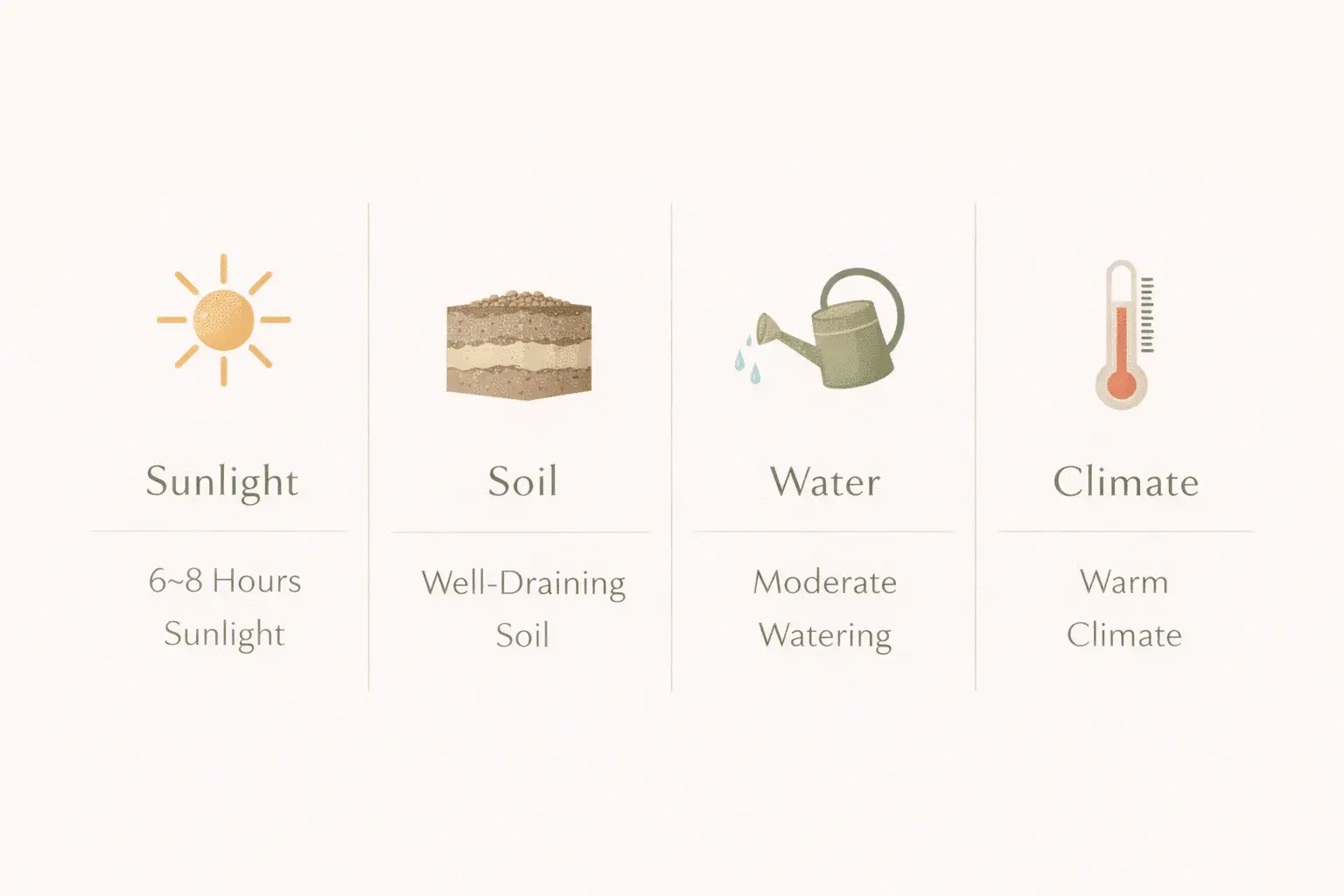
Olive trees grow best under specific environmental conditions that directly influence their growth speed.
Bullet Breakdown:
- Full sunlight (6–8 hours daily)
- Well-draining soil
- Moderate watering
- Warm climate
Proper olive growing conditions are essential for maintaining healthy growth. Poor conditions can significantly slow development regardless of variety.
Size and Height: How Big Do Olive Trees Get?
Mature Size and Growth Limits
Olive trees can grow into medium-sized trees with a wide canopy.
Bullet Breakdown:
- Height: 15–30 feet
- Wide canopy spread
- Smaller when grown in pots
The final olive tree height depends on pruning, environment, and whether the tree is grown in open ground or containers.
Common Growth Problems and How to Fix Them
Why Olive Trees Grow Slowly
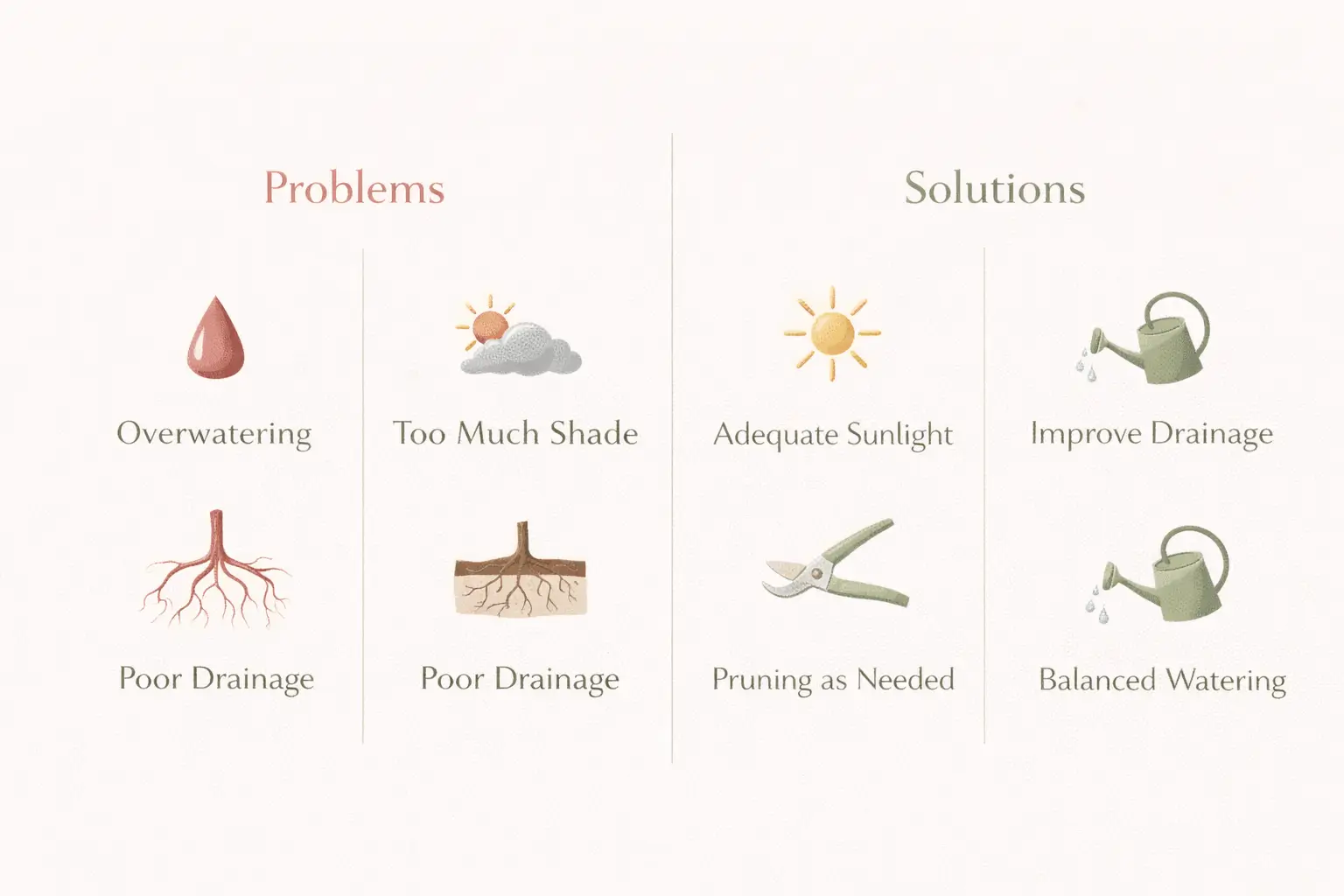
Olive trees often grow slowly due to environmental or care-related issues.
Bullet Breakdown:
- Poor drainage
- Lack of sunlight
- Overwatering
- Nutrient deficiency
How to Fix and Prevent Slow Growth
Bullet Breakdown:
- Improve soil drainage
- Increase sunlight exposure
- Adjust watering schedule
Addressing these issues can significantly improve growth rate and overall tree health.
Beginner Mistakes That Slow Olive Tree Growth (DIFFERENTIATION)
Common beginner mistakes include:
- Overwatering roots
- Growing indoors without sufficient light
- Using poor soil mix
These practical issues are among the most frequent causes of slow olive tree growth and are often overlooked.
Conclusion
Olive trees are not typically classified as fast-growing, but under the right conditions, they can grow steadily and efficiently. Understanding are olive trees fast growing depends on variety, environment, and care. With proper sunlight, soil, and propagation methods, their growth speed and overall health can be significantly improved.
FAQs
1. Are olive trees fast growing compared to other fruit trees?
No, olive trees are generally slower than many fruit trees but live much longer.
2. How fast do olive trees grow in pots?
They grow slower in pots due to limited root space and nutrient access.
3. What is the fastest growing olive tree variety?
The Manzanillo olive tree is often considered one of the faster-growing varieties.
4. How long does it take an olive tree to produce fruit?
Most olive trees start producing fruit within 3–8 years.
5. Can olive trees grow faster with better care?
Yes, proper sunlight, watering, and soil conditions can significantly improve growth speed.
6. Is growing from cuttings faster than seeds?
Yes, cuttings produce faster-growing trees and earlier fruiting.