Introduction
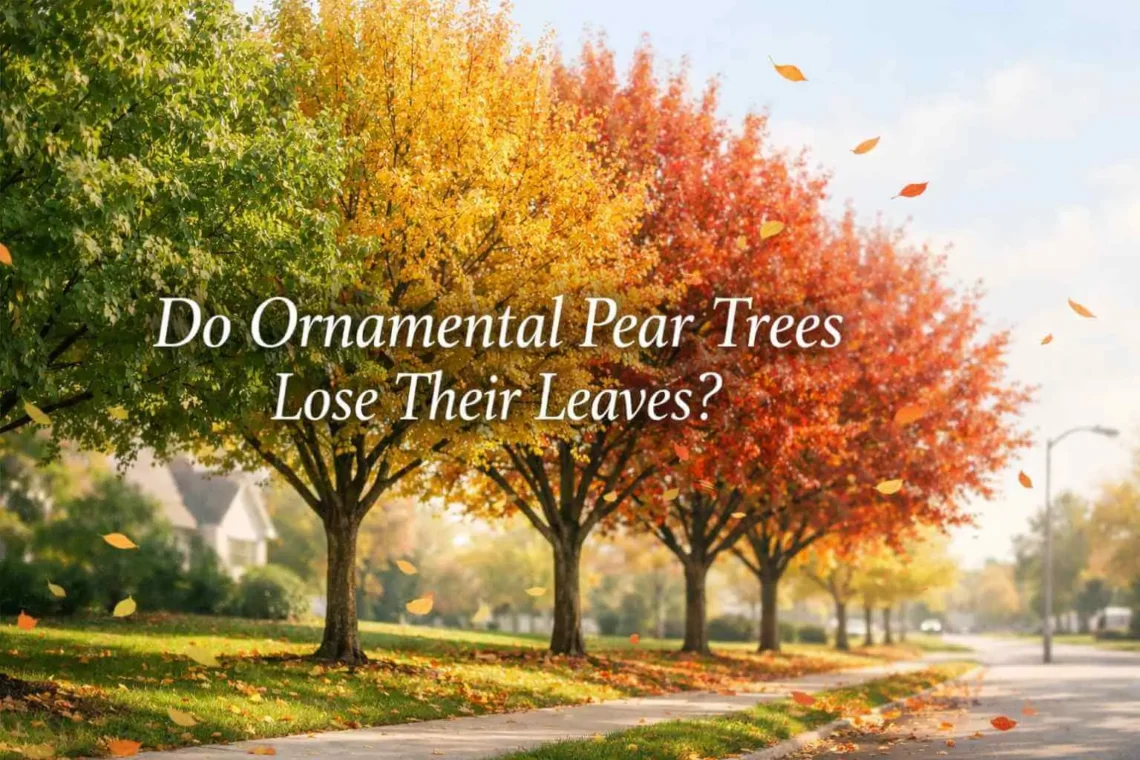
Ornamental pear trees do lose their leaves, and in most cases, this is completely normal. These trees are primarily deciduous, meaning they shed their foliage seasonally as part of their natural growth cycle. However, not all ornamental pears behave exactly the same. Some varieties may retain leaves longer or appear semi-evergreen in mild climates. Factors such as species, climate conditions, and specific varieties like Manchurian pear, Capital pear, and Everscreen ornamental pear all influence how and when leaves fall. Understanding these differences helps distinguish normal seasonal leaf drop from potential problems.
Quick Summary
- Most ornamental pear trees lose their leaves in winter because they are deciduous
- Some varieties, like Everscreen, are semi-evergreen in mild climates
- Leaf drop timing depends on temperature, stress, and tree health
- Summer leaf loss often indicates problems rather than seasonal change
Do Ornamental Pear Trees Lose Their Leaves? (Core Explanation)
Yes, ornamental pear trees lose their leaves as part of their natural seasonal cycle. Most ornamental pear trees are deciduous, meaning they shed all their leaves annually during autumn or early winter before entering dormancy.
Deciduous trees, including ornamental pears, drop their leaves to conserve energy and water during colder months. In contrast, evergreen trees retain their foliage year-round. After the dormant period, ornamental pear trees regrow fresh leaves in spring as temperatures rise. To better understand how deciduous trees differ from evergreens, read Deciduous vs Evergreen.
Key Points:
- Ornamental pear trees are typically deciduous
- Leaves fall in autumn or winter as part of natural dormancy
- New leaves regrow in spring
When Do Ornamental Pear Trees Lose Their Leaves?
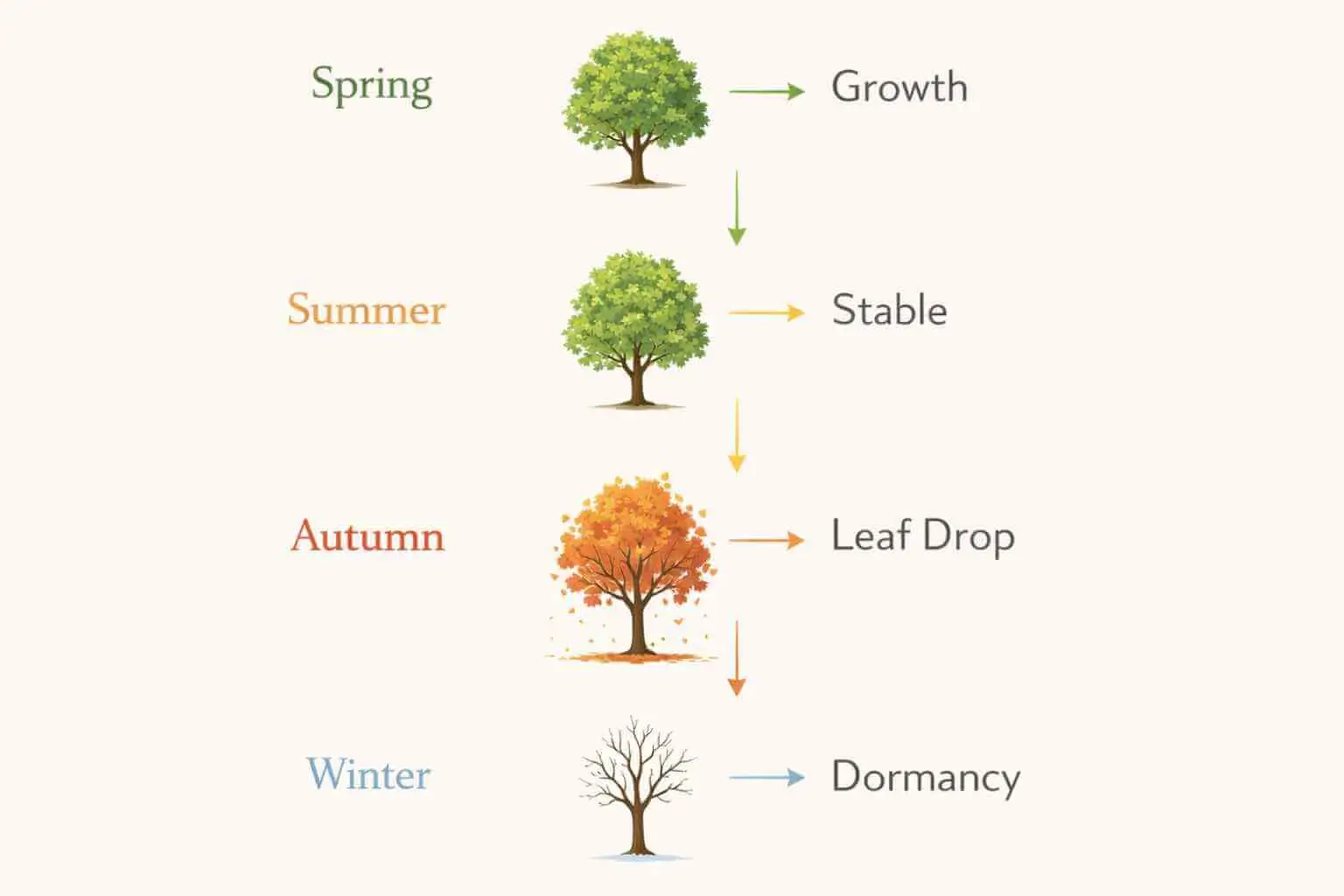
Ornamental pear trees lose their leaves primarily in autumn, although the exact timing depends on climate conditions. In some regions, this process may extend into early winter.
In cooler climates, leaf drop usually occurs during autumn when temperatures decline and daylight shortens. In warmer climates, such as parts of Australia, trees may retain leaves longer or shed them gradually rather than all at once.
Key Points:
- In cooler climates: leaf drop occurs in autumn
- In warmer climates: delayed or partial leaf drop
- Some varieties may hold leaves longer depending on conditions
Are Ornamental Pear Trees Evergreen or Deciduous?
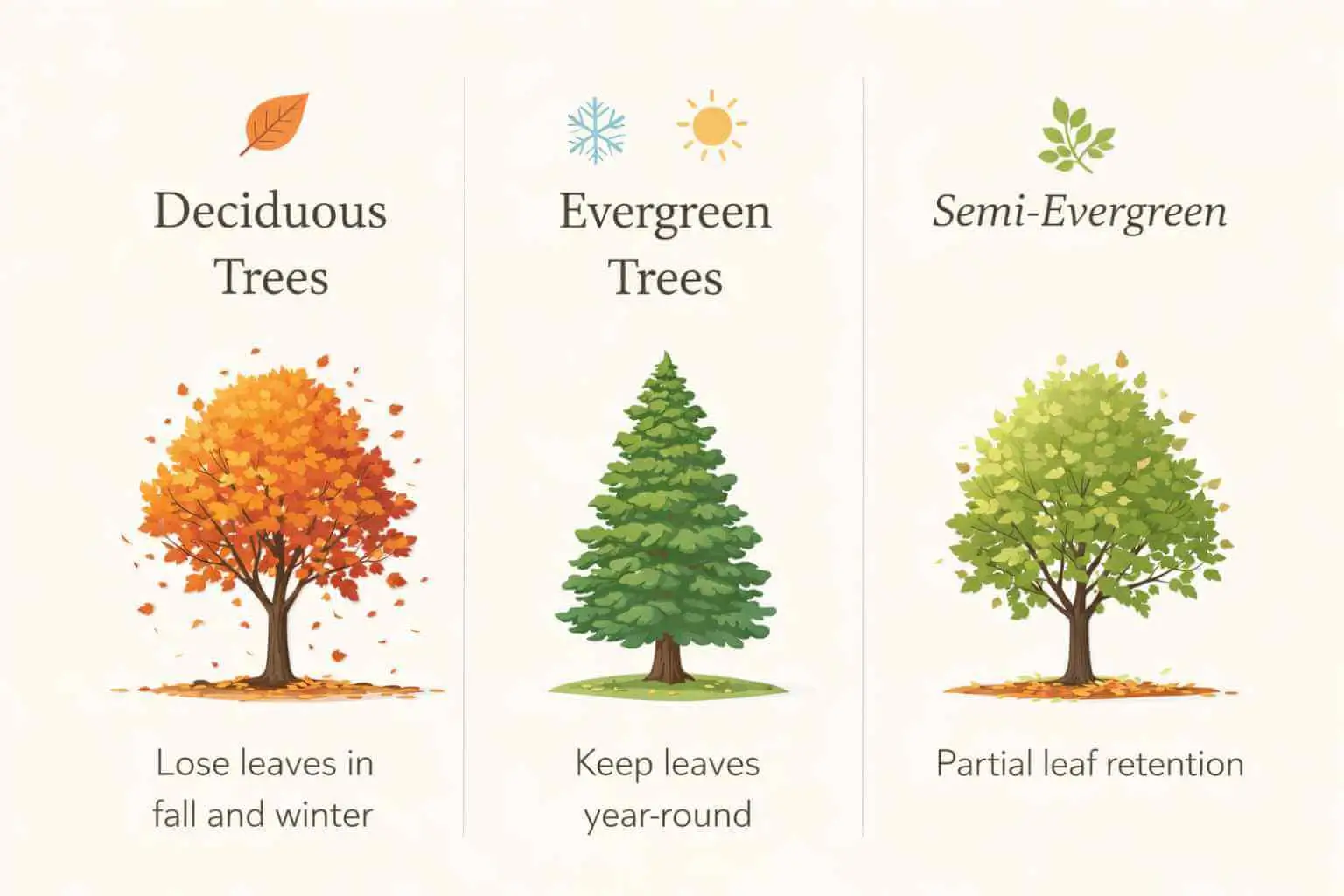
Ornamental pear trees are generally deciduous, but some varieties can behave as semi-evergreen in suitable climates. This means they may retain part of their foliage instead of shedding all leaves at once. If you want a deeper understanding of evergreen behavior and how it compares to deciduous types, see our guide on Evergreen Pear Tree.
The confusion arises because certain cultivated varieties, such as Pyrus everscreen ornamental pear, can hold onto leaves longer in mild environments. However, they are not truly evergreen in a botanical sense.
Comparison of Leaf Behavior
| Type | Leaf Behavior | Example Varieties | Climate Suitability |
| Deciduous | Lose all leaves | Manchurian pear | Cool climates |
| Semi-evergreen | Partial leaf retention | Everscreen ornamental pear | Mild climates |
| Evergreen-like | Rare | Some cultivated types | Warm regions |
Differences Between Popular Ornamental Pear Varieties
Manchurian Pear (Pyrus ussuriensis)
The Manchurian pear is strongly deciduous and reliably sheds its leaves in autumn. Known scientifically as Pyrus ussuriensis, this variety performs well in cooler climates and displays consistent seasonal behavior. For a detailed breakdown of different types, see Manchurian Pear Varieties.
Bradford Pear (Pyrus calleryana)
The Bradford pear, or Pyrus calleryana, is also deciduous and is recognized for its dramatic autumn leaf color. While visually appealing, it is also known for producing flowers with a strong, often unpleasant smell. The Bradford pear, scientifically known as Pyrus calleryana, is widely used as an ornamental tree but is also known for its strong-smelling flowers.
Everscreen Ornamental Pear
The Everscreen ornamental pear exhibits semi-evergreen behavior, especially in warmer climates. It may retain leaves longer than other varieties and only partially shed them during cooler months.
Winter Glow / Capital Pear
Winter Glow and Capital pear varieties are deciduous but may hold onto their leaves longer than typical types. These trees are commonly used as ornamental street trees and adapt well to urban environments.
Why Leaves May Fall Early or Unexpectedly
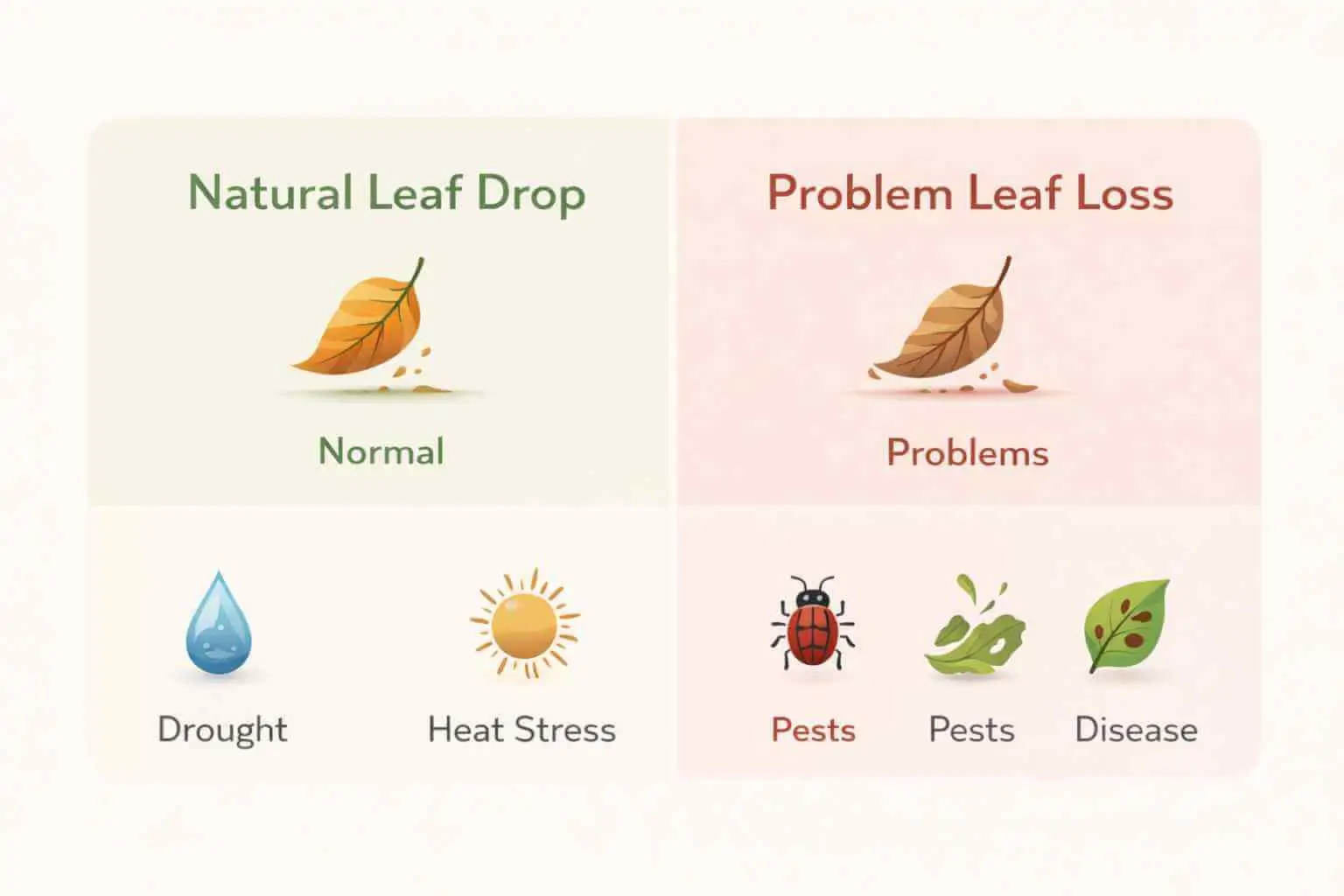
Early or unexpected leaf loss in an ornamental pear tree usually indicates stress rather than natural seasonal change. While leaf drop in autumn is normal, losing leaves in summer or early spring often points to environmental or health issues.
Common Causes:
- Drought or insufficient watering
- Heat stress, especially in hot climates
- Pest infestations
- Fungal or bacterial diseases
- Poor soil conditions
Common Ornamental Pear Tree Problems (Australia Focus)
In Australia, ornamental pear trees may experience specific environmental and biological challenges that affect leaf health and retention.
Common Problems:
- Heat stress and irregular watering patterns
- Leaf-eating insects damaging foliage
- Fungal diseases causing leaf spotting or drop
- Root stress due to compacted or poorly drained soil
These issues can lead to premature leaf drop and reduced tree vigor if not addressed.
Do Ornamental Pear Trees Have Other Notable Traits?
Yes, ornamental pear trees have several additional traits that are commonly discussed.
Key Traits:
- Most ornamental pears produce small, hard, inedible fruit
- Some varieties emit a strong, unpleasant odor during flowering
- Trees are typically thornless, although this varies by species
These characteristics often influence planting decisions in residential and urban landscapes.
Care Factors That Influence Leaf Health
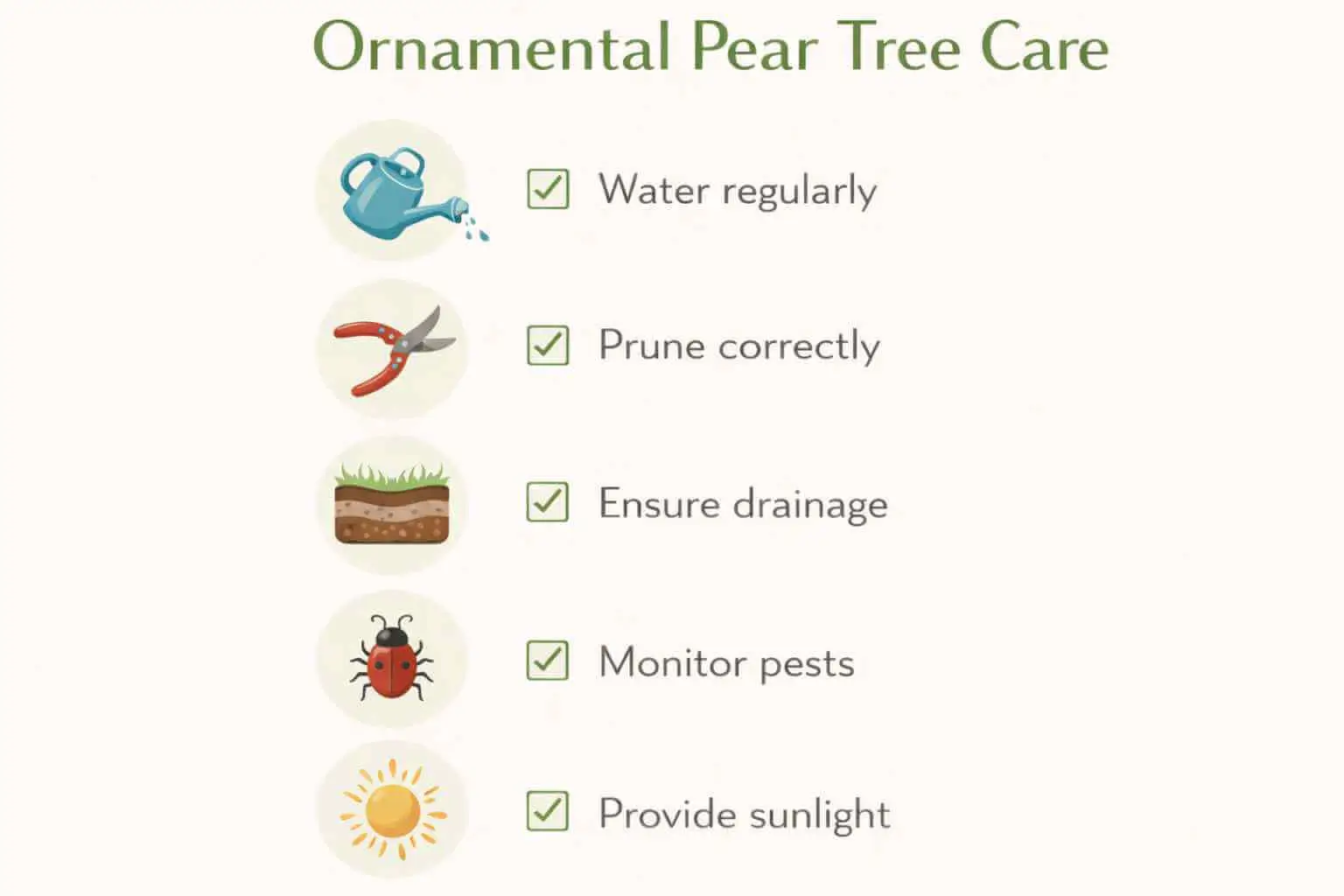
Proper care directly affects how well an ornamental pear tree retains healthy leaves throughout the growing season.
Important Care Factors:
- Consistent watering, especially during dry periods
- Pruning at the correct time to avoid stress
- Well-draining soil with adequate nutrients
Maintaining these conditions helps support strong foliage and reduces the risk of premature leaf drop.
Beginner Mistakes That Affect Leaf Loss
Several common mistakes can lead to unnecessary leaf loss in ornamental pear trees, particularly for beginners.
Common Mistakes:
- Overwatering, which can cause root rot
- Pruning at inappropriate times of year
- Ignoring early signs of pests or disease
- Planting trees in unsuitable climate conditions
Avoiding these issues improves overall tree health and leaf retention.
Do Ornamental Pear Trees Have Invasive Traits?
Some ornamental pear trees can exhibit invasive characteristics, depending on the variety and region. Certain types, such as Callery pear, may spread aggressively in some environments.
Key Points:
- Some varieties can become invasive under the right conditions
- Root systems are generally non-invasive but can spread outward
- Local regulations regarding planting may vary
Understanding the ecological impact of specific varieties is important before planting.
Conclusion
Ornamental pear trees do lose their leaves, and this is a normal feature of their deciduous nature. Most varieties shed their foliage seasonally in autumn or early winter, although timing can vary depending on climate and specific tree type. Some varieties, such as Everscreen, may behave as semi-evergreen in mild environments. When leaf drop occurs outside the typical season, it often signals stress or care-related issues. Proper understanding of variety differences, environmental conditions, and care practices ensures healthier trees and predictable seasonal behavior.
FAQs
Do ornamental pear trees lose their leaves every year?
Yes, most ornamental pear trees are deciduous and shed their leaves annually as part of their natural growth cycle.
Why is my ornamental pear tree losing leaves in summer?
This usually indicates stress such as heat, drought, pests, or disease rather than normal seasonal leaf drop.
Are there evergreen ornamental pear trees?
Most ornamental pear trees are deciduous, but some varieties like Everscreen are semi-evergreen in warm climates.
Do ornamental pear trees produce fruit?
They may produce small, hard fruit, but it is typically not edible and mainly serves ornamental purposes.
What causes bad smell from ornamental pear trees?
Certain varieties, such as Bradford pear, produce flowers with a strong and unpleasant odor due to natural chemical compounds.
How can I keep ornamental pear tree leaves healthy?
Proper watering, timely pruning, good soil conditions, and pest management are essential for maintaining healthy foliage.