Introduction
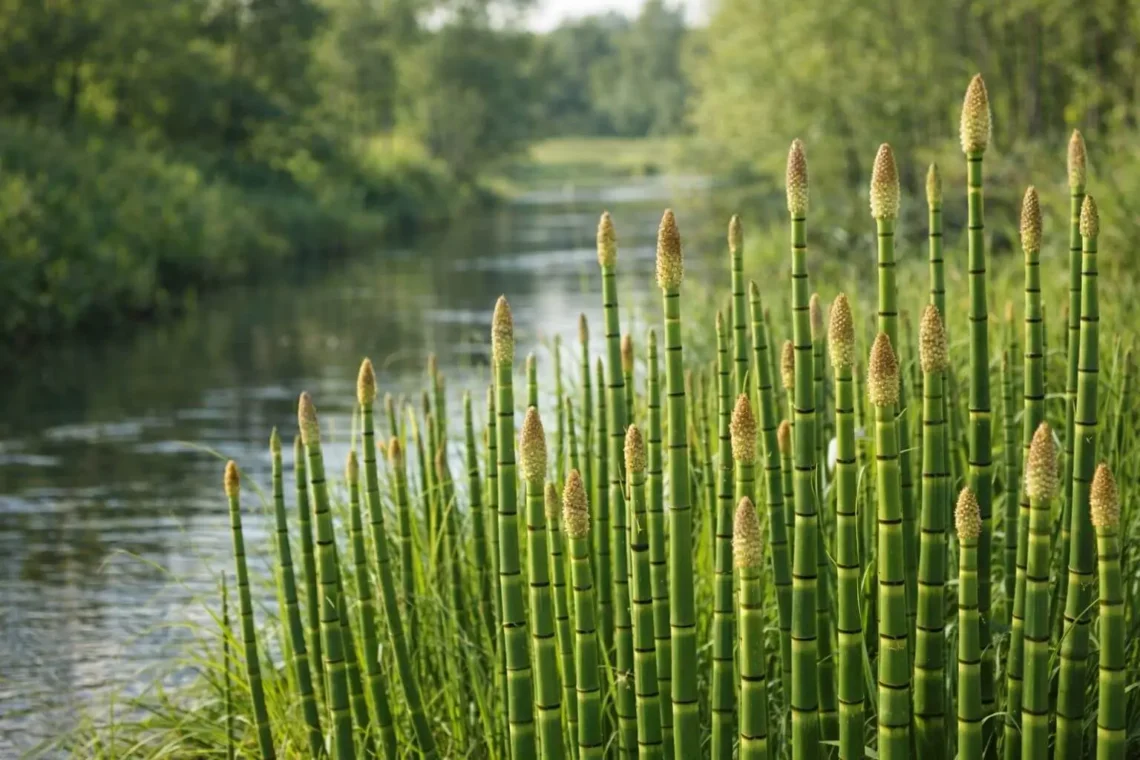
Horsetail plants are ancient, non-flowering species belonging to the genus Equisetum, known for their segmented, reed-like stems. These plants hold significant historical and ecological importance, having existed for over 100 million years. Horsetails have been used in herbal medicine for centuries due to their silica-rich stems and natural antioxidant properties. Understanding facts about horsetail plants provides insights into both their botanical uniqueness and their contributions to ecosystems. This article presents a detailed overview of horsetail plants, covering their types, growth, uses, reproduction, and ecological value.
What Are Horsetail Plants?
Definition and Classification
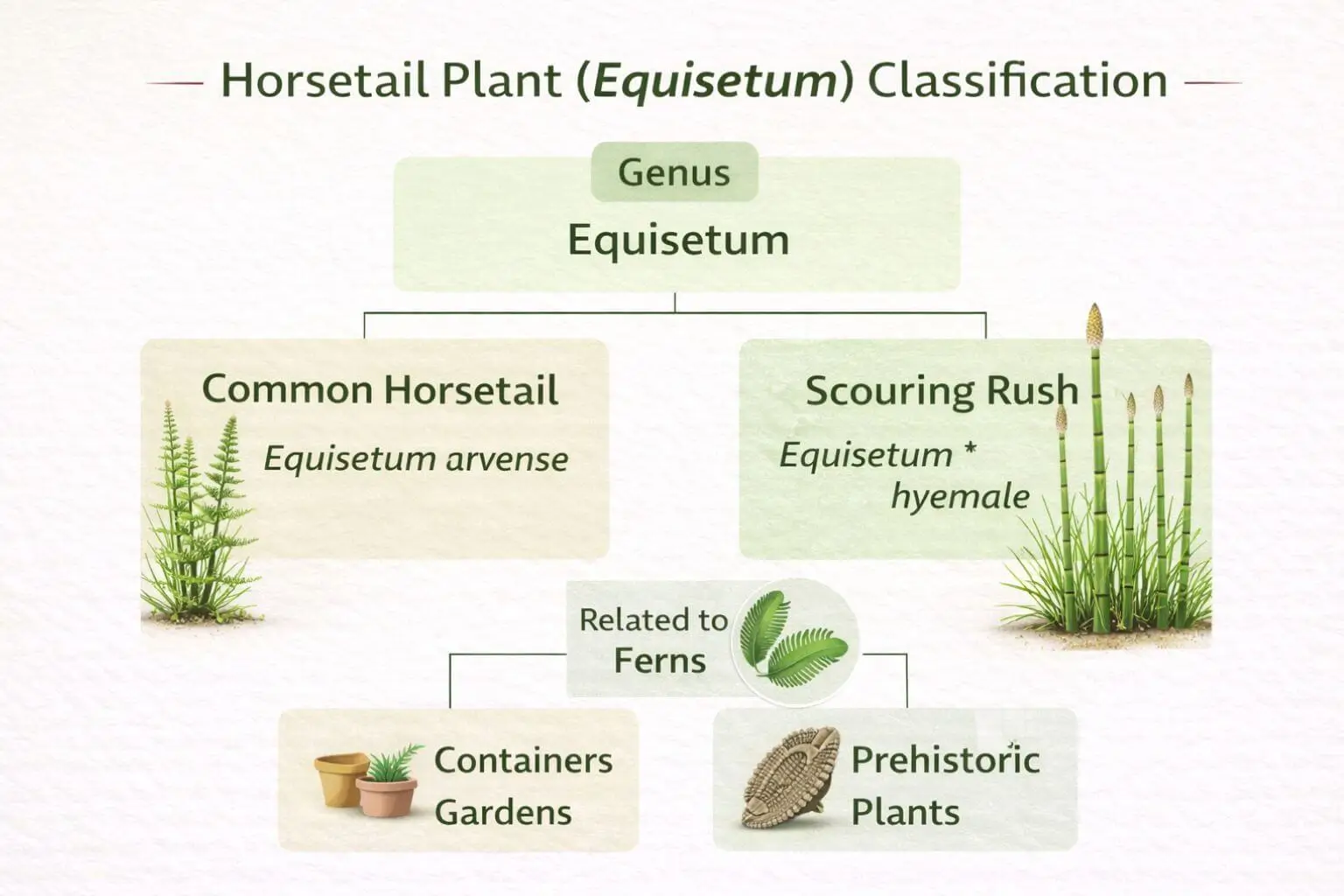
Horsetail plants belong to the genus Equisetum, which consists of non-flowering vascular plants with hollow, jointed stems and reduced leaves. These plants are closely related to ferns and are considered prehistoric horsetail plants due to their ancient lineage. Equisetum species are known for their ability to thrive in moist soils and wetlands, often forming dense colonies. Their unique segmented stems and spore-based reproduction set them apart from most modern plants.
Historical Significance
Fossil records indicate that horsetail plants prehistoric species existed over 100 million years ago, forming part of extensive forests during the Paleozoic era. These plants played a crucial role in prehistoric ecosystems, contributing to soil formation and providing habitats for early amphibians and insects. Studying horsetails helps understand how old are horsetail plants and their evolutionary adaptations over millions of years.
Types and Varieties of Horsetail Plants
Common Species
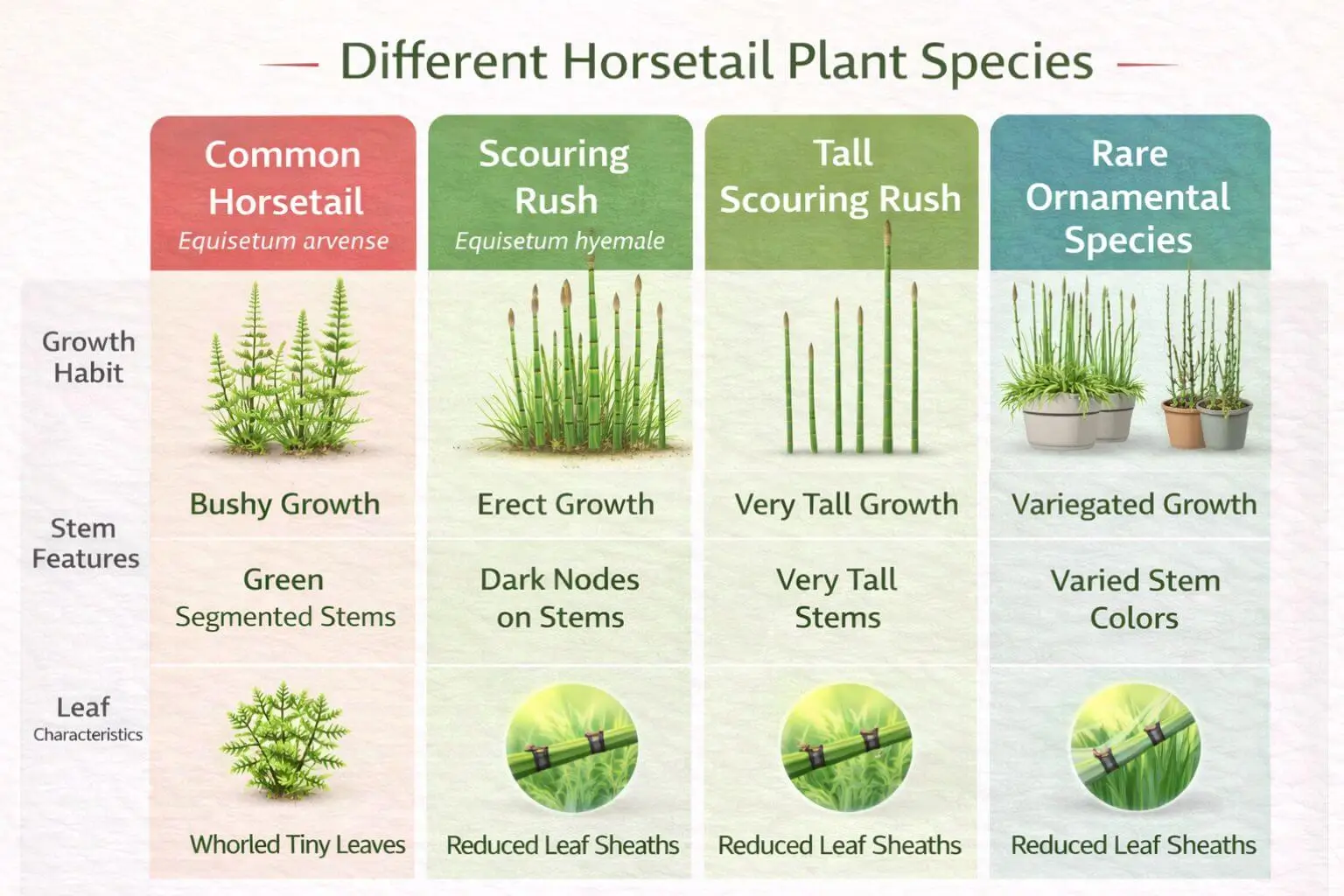
- Equisetum arvense (common horsetail) – Characterized by slender, green stems and small scale-like leaves, often found in fields and damp soil.
- Equisetum hyemale (scouring rush) – Known for tall, rigid, dark green stems, sometimes called tall scouring rush or hyemale Equisetum. These species are hardy and can spread rapidly in suitable habitats.
Other Notable Species
Rare or ornamental species of horsetail are valued for their ecological role in water filtration and soil stabilization. They may also be used for decorative purposes in naturalistic gardens, though they are not typically commercially cultivated.
Identification Guide
Horsetail species can be distinguished by:
- Stems: Segmented, hollow, or ribbed
- Leaves: Tiny scales at each node
- Spores: Cone-like structures at the tips of fertile stems
Growth and Habitat
Natural Habitats
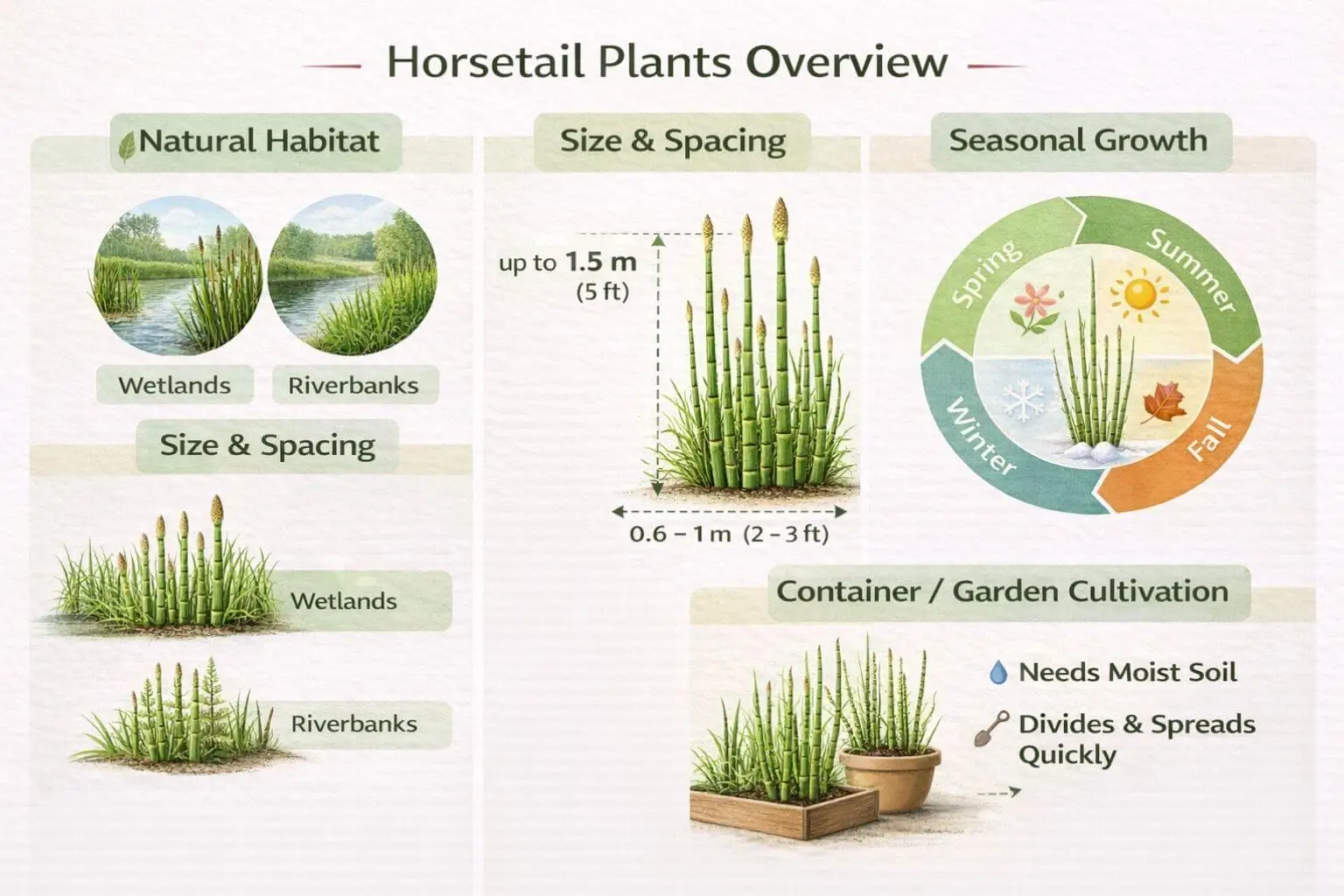
Horsetail plants are commonly found in wetlands, riverbanks, and temperate regions. They prefer moist, sandy, or clay soils and often form dense colonies along water bodies.
Growth Characteristics
These plants typically reach heights of 1 to 4 feet, with seasonal growth cycles that see young shoots emerge in spring and mature stems persisting through summer. Horsetail plant facts include their rapid vegetative spread and adaptability to nutrient-poor soils.
Growing Horsetail in Containers or Gardens
Horsetail plants can thrive in pots or garden containers with well-draining, moist soil. They require partial sunlight and consistent water. Regular pruning helps manage their growth in confined spaces.
Horsetail Plant Uses and Benefits
Herbal and Medicinal Uses
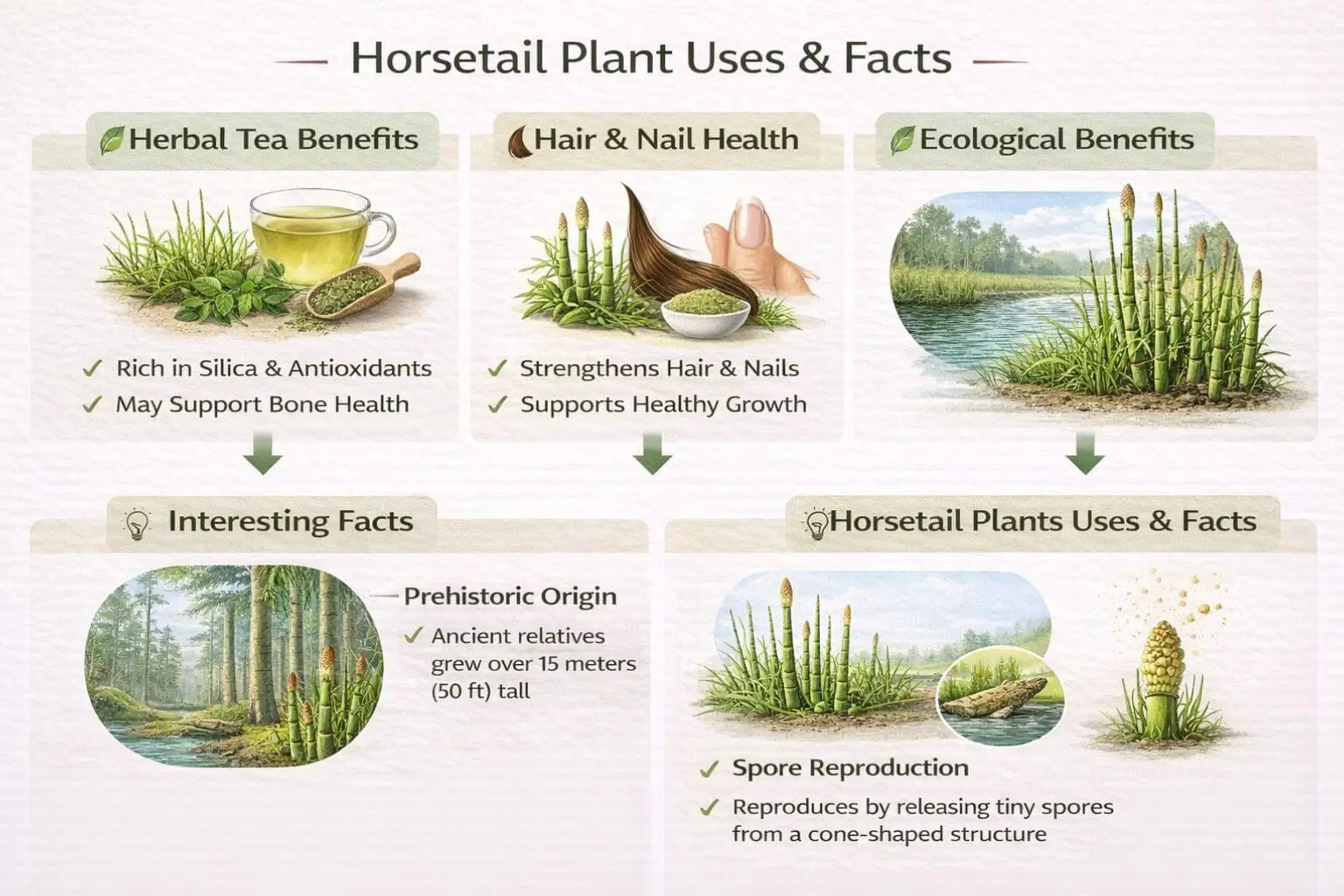
Horsetail herb and horsetail tea are valued for their silica and antioxidant content. Regular use supports hair, nails, and skin health, and horsetail extract is used in natural remedies for strengthening connective tissues.
Ecological and Garden Benefits
Horsetail contributes to soil stabilization, supports biodiversity, and serves as a companion plant in certain garden ecosystems. Known as horsetail grass or horsetail reed plant, it plays a key role in wetland health.
Fun Facts and Interesting Facts
- Horsetail plants are prehistoric, dating back over 100 million years.
- They reproduce via spores, not seeds, and can survive in nutrient-poor soils.
Horsetail Plant Reproduction
Spore Formation
Horsetails reproduce through spores produced on specialized stems, making them unique among vascular plants that typically produce seeds.
Life Cycle Overview
From young shoots to mature segmented stems, horsetail plants complete their life cycle similar to ferns, with alternating stages of vegetative growth and spore production.
Managing Horsetail Plants
Controlling Growth in Gardens
To limit unwanted spread, remove shoots regularly and plant horsetails in containers. Mulching and maintaining dry conditions can reduce their invasiveness.
Environmental Considerations
Horsetail plants can influence local soil chemistry and compete with native flora, making responsible management essential for balanced ecosystems.
Conclusion
Horsetail plants are ancient, ecologically significant species with unique reproduction and medicinal value. From common Equisetum arvense to scouring rush, their adaptability, ecological benefits, and herbal applications make them fascinating subjects for study. Exploring horsetail herb benefits and their growth patterns provides insight into the persistence of prehistoric plants in modern ecosystems.
Learn more: Red Dipladenia: 7+ Stunning Facts Every Gardener Should Know
FAQs
- What are horsetail plants?
Horsetail plants are non-flowering, vascular plants from the genus Equisetum, known for their segmented stems and spore-based reproduction. - Where do horsetail plants naturally grow?
They thrive in wetlands, riverbanks, and temperate regions, often in moist soils. - What are the main types of horsetail plants?
Common types include Equisetum arvense (common horsetail) and Equisetum hyemale (scouring rush). - Are horsetail plants useful for health?
Yes, horsetail herb and tea contain silica and antioxidants, supporting hair, nail, and skin health. - How do horsetail plants reproduce?
Horsetail plants reproduce via spores produced on specialized stems, not seeds or flowers. - Can horsetail plants be grown in pots?
Yes, they can grow in containers with well-draining, moist soil, and partial sunlight. - What are two interesting facts about horsetail plants?
Horsetail plants are prehistoric, dating back over 100 million years, and they can survive in harsh, nutrient-poor soils.