Introduction
The slowest growing tree refers to species that develop at an exceptionally low rate, often taking decades or centuries to reach maturity. Unlike fast-growing trees that prioritize rapid expansion, these trees focus on survival, structural strength, and environmental adaptation. Their growth patterns are influenced by harsh climates, nutrient-poor soils, and limited water availability. Understanding slow growing trees provides insight into how certain species become some of the oldest living organisms on Earth. Their unique biology allows them to endure extreme conditions while maintaining stability over long periods.
Quick Summary
- The slowest growing trees increase only a few millimeters to centimeters annually.
- Species like the bristlecone pine are among the oldest living organisms.
- Slow growth is linked to extreme environments and limited resources.
- These trees often live significantly longer than fast-growing species.
What Is the Slowest Growing Tree?
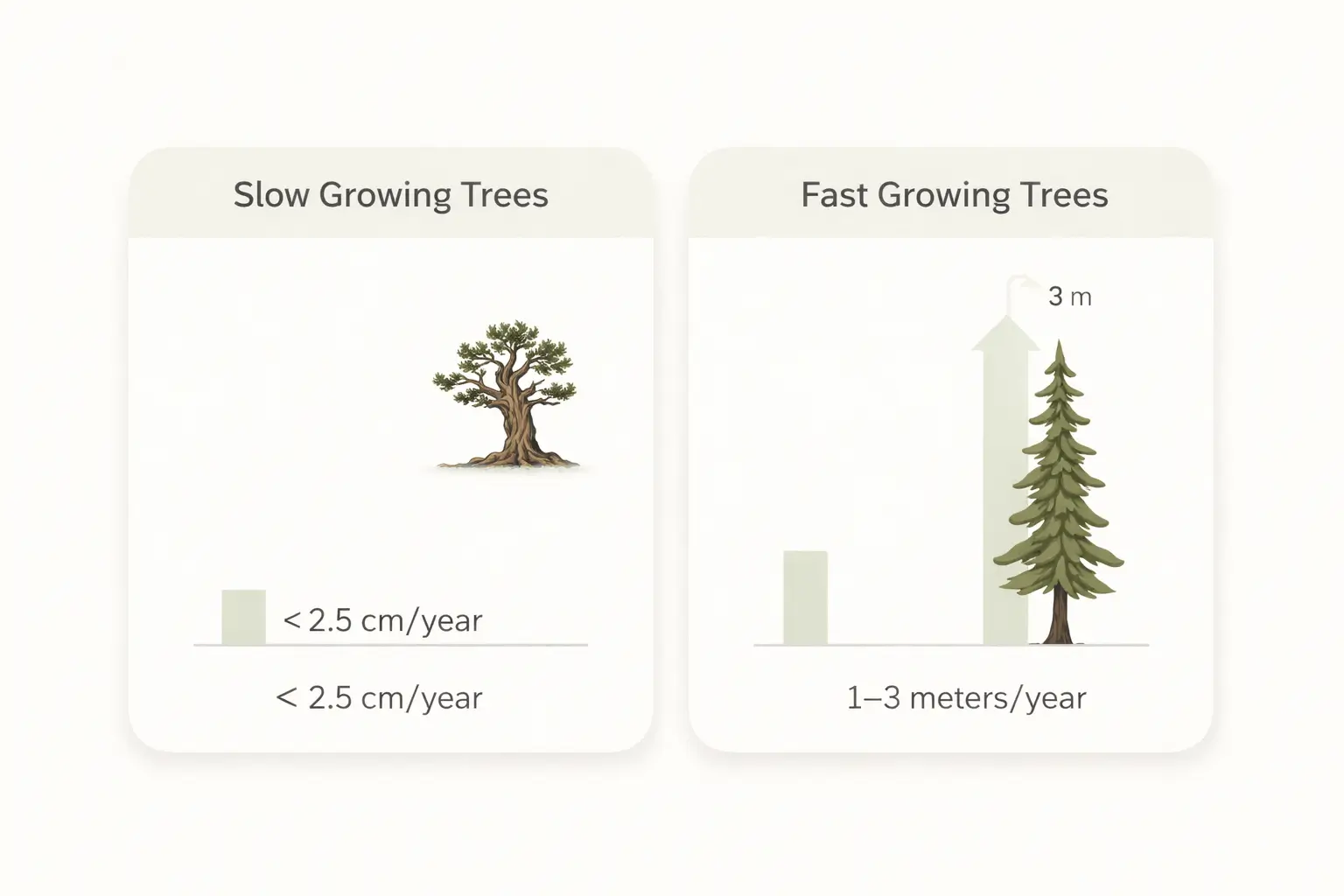
A slowest growing tree is defined by extremely low annual growth rates, typically measured in height increase and trunk diameter expansion. In many cases, these trees grow less than 2.5 cm per year, depending on environmental conditions.
Tree growth is evaluated using:
- Height increase per year
- Trunk diameter expansion (annual rings)
Growth rates vary significantly based on:
- Climate conditions (temperature, altitude)
- Soil nutrient availability
- Water supply
In colder or nutrient-poor regions, even typically moderate-growing trees may exhibit slow growth. Therefore, the definition of the slowest growing tree can vary by region, but it consistently refers to species with minimal annual development. Growth rates vary widely between species—for example, some trees can grow rapidly under ideal conditions, as explained in this guide on Jacaranda growth rate and timelines, highlighting the contrast between slow and fast development.
The Slowest Growing Tree in the World
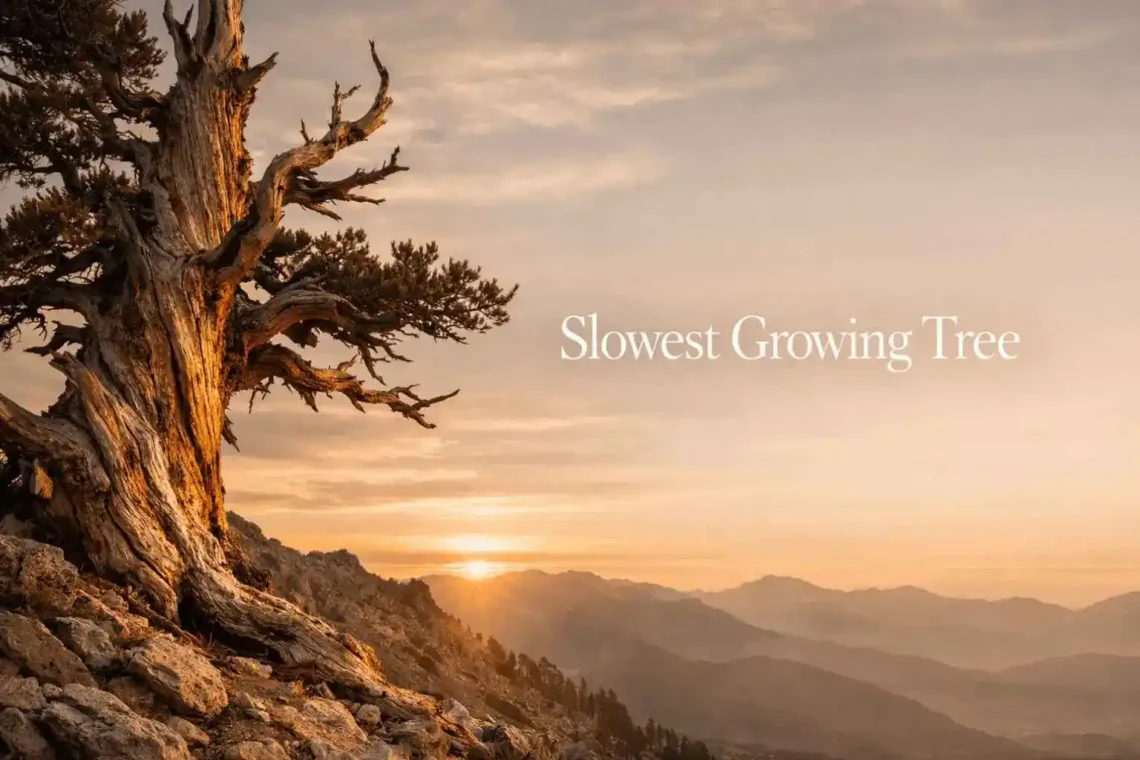
The Great Basin bristlecone pine (Pinus longaeva) is widely considered the slowest growing tree in the world. It grows in harsh, high-altitude environments where conditions limit rapid development. The Great Basin bristlecone pine is widely studied for its longevity and extreme growth conditions, with detailed botanical information available through sources like Great Basin bristlecone pine.
This tree exhibits:
- Extremely slow cellular growth
- Minimal annual ring formation
- Exceptional longevity exceeding 4,000–5,000 years
Its slow growth allows it to conserve resources and withstand environmental stress, contributing directly to its long lifespan. Some specimens are among the oldest known living organisms on Earth.
Why Do Some Trees Grow So Slowly?
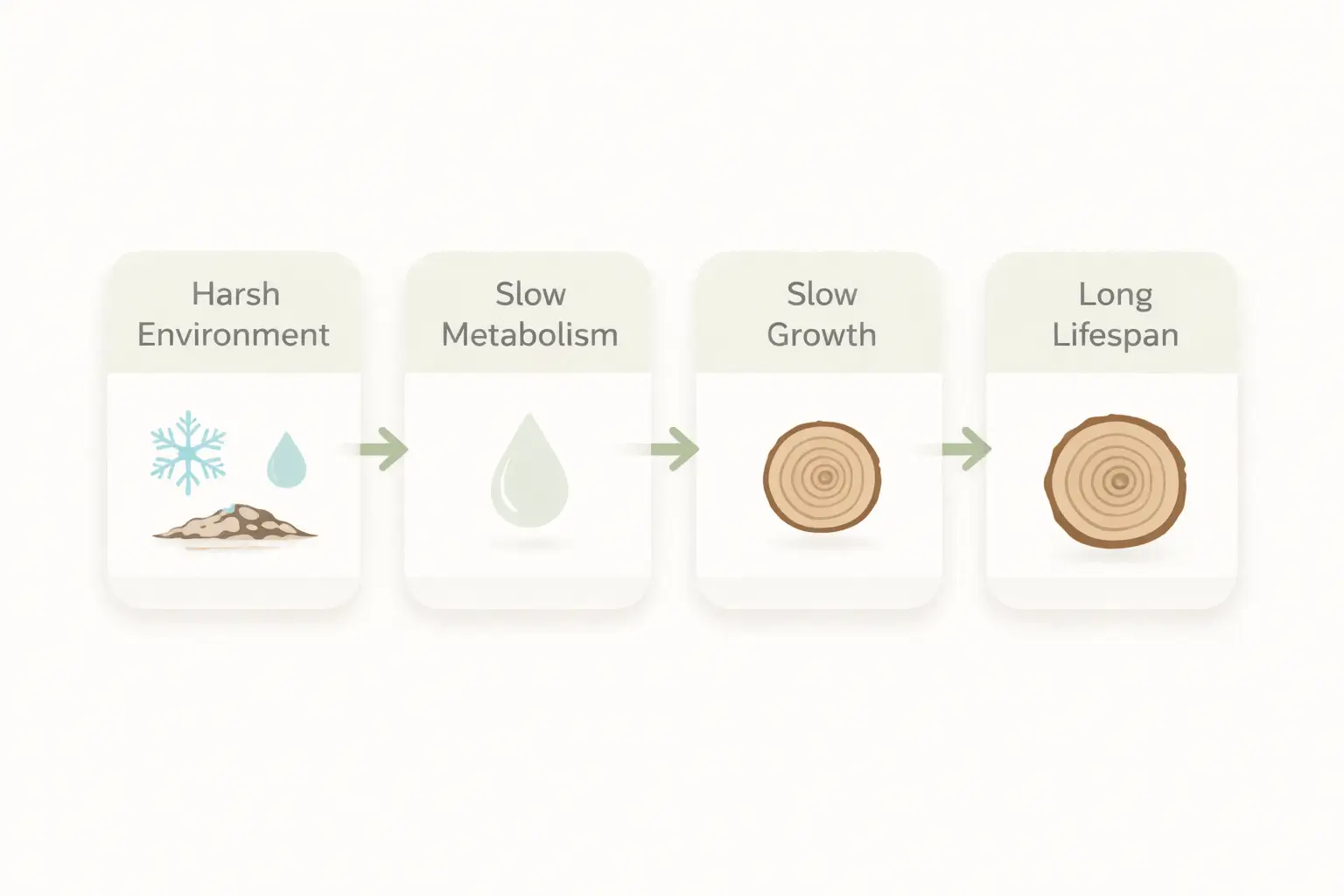
Trees grow slowly primarily due to environmental stress and survival strategies that prioritize longevity over rapid expansion. Instead of investing energy in growth, these trees allocate resources to structural integrity and resistance.
Key factors include:
- Poor soil conditions with low nutrient availability
- Cold or arid climates that limit metabolic activity
- Limited water supply
- Energy allocation toward survival rather than rapid growth
Cause → Effect Relationship:
- Harsh environment → reduced metabolism → slow growth → extended lifespan
This adaptation enables trees to survive in environments where faster-growing species would fail.
Characteristics of Slow Growing Trees
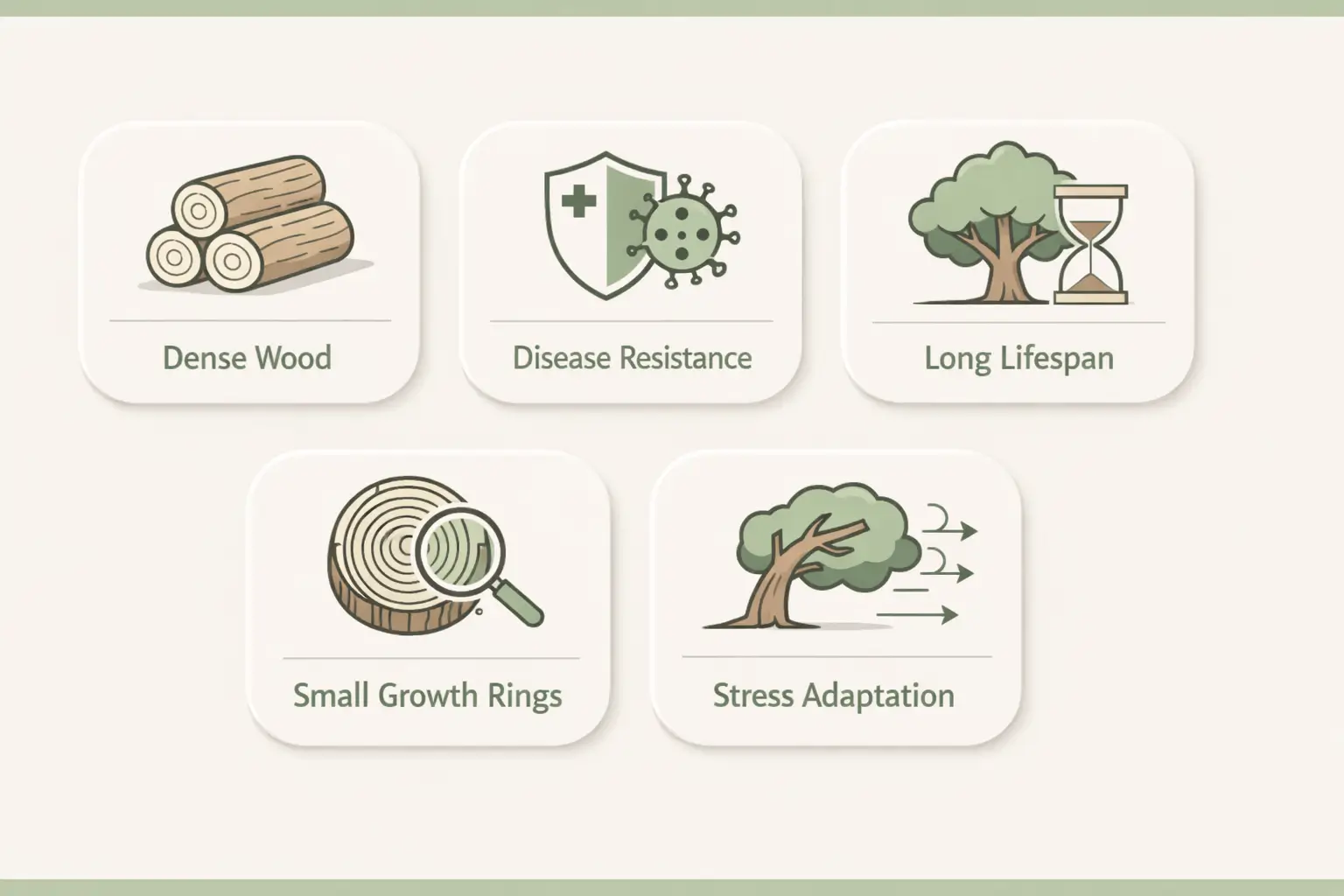
Slow growing trees share several defining traits that distinguish them from faster-growing species.
Common characteristics:
- Dense wood structure for strength and durability
- High resistance to pests and diseases
- Longevity, often lasting centuries or millennia
- Small annual growth rings, indicating slow development
- Adaptation to environmental stress, such as drought or cold
Compared to general growing trees, slow growers invest in long-term survival rather than rapid canopy expansion. Some conifer species, such as those discussed in this pencil pine growth and care guide, also demonstrate slower growth patterns combined with strong structural resilience.
Examples of Slowest Growing Tree Species
Bristlecone pine
The bristlecone pine is one of the oldest known tree species. It grows extremely slowly in high-altitude regions, where harsh winds and poor soil conditions limit growth.
Ginkgo biloba
Ginkgo biloba is an ancient species often referred to as a “living fossil.” It grows slowly but steadily and is highly resistant to pollution and disease.
Blackthorn (Sloe Tree)
The blackthorn (Prunus spinosa) is a slow-growing shrub or small tree. It produces small, dark berries and is commonly found in hedgerows.
White cedar
White cedar grows at a moderate to slow rate depending on climate. It is commonly found in subtropical and dry regions, where growth conditions vary.
Slow Growing Trees vs Fast Growing Trees
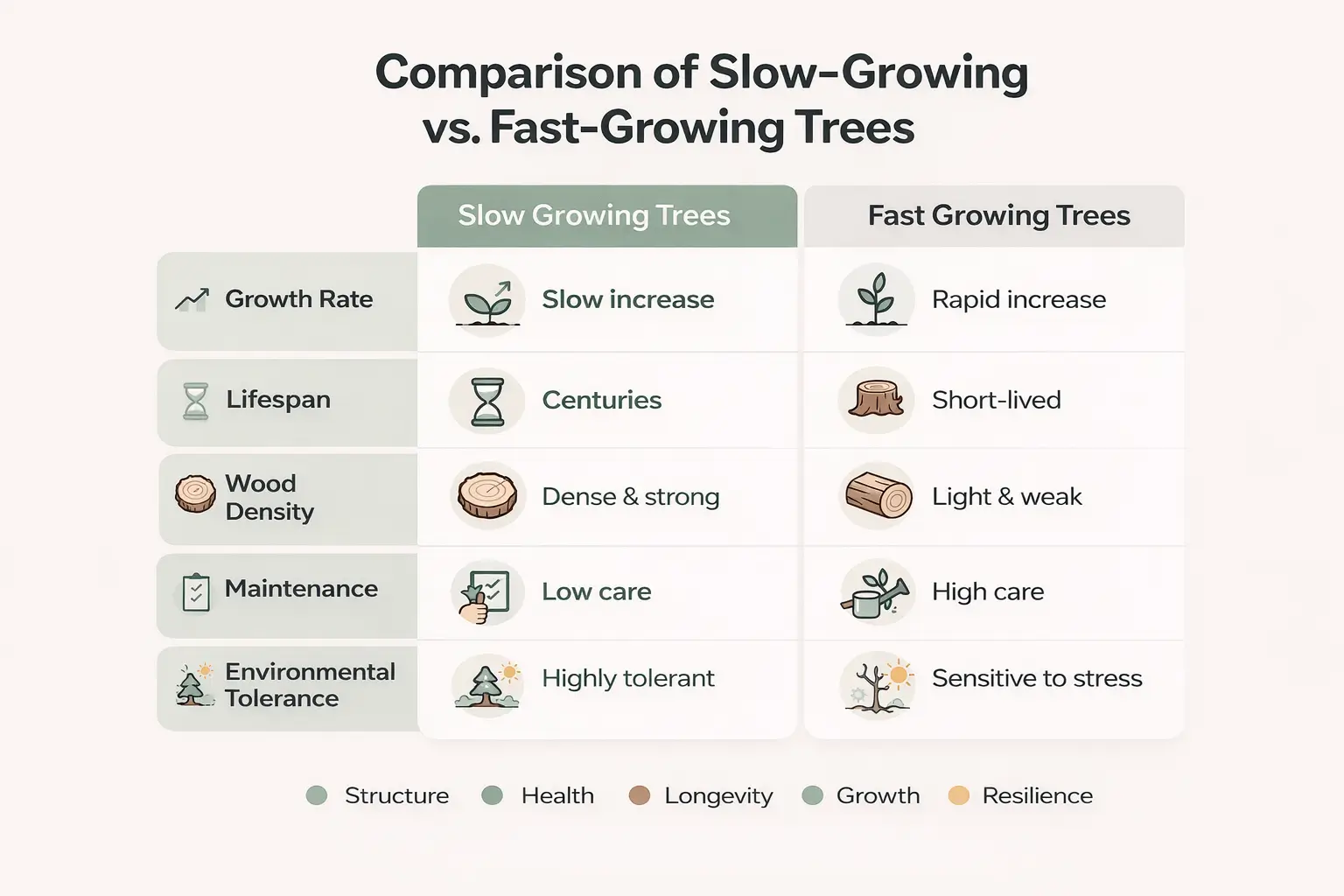
| Feature | Slow Growing Trees | Fast Growing Trees |
| Growth Rate | Very low (cm/year) | Rapid (meters/year) |
| Lifespan | Very long (1000+ years) | Shorter lifespan |
| Wood Density | High | Lower |
| Maintenance | Low | Higher |
| Environmental Tolerance | High | Moderate |
Slow growing trees emphasize durability and long-term survival, while fast growing trees prioritize rapid expansion and short-term canopy development. For a deeper understanding of faster-growing species, this breakdown of bay tree growth rate and growth factors provides useful insights into how environmental conditions accelerate tree development.
Slowest Growing Trees by Region
Slow growing tree species vary depending on geographic and climatic conditions.
- North America:
Bristlecone pine thrives in high mountain regions - Canada:
Slow-growing conifers in the Great Lakes region - UK:
Blackthorn and other hedgerow species - Australia:
White cedar in dry and subtropical climates
Regional conditions such as temperature, rainfall, and soil quality significantly influence growth rates.
Relationship Between Slow Growth and Tree Lifespan
Slow growth directly contributes to longer lifespans by reducing structural stress and increasing durability. Trees that grow slowly develop dense wood, which is more resistant to decay and environmental damage.
Key connections:
- Slower growth reduces internal stress
- Dense wood improves resistance to rot and pests
- Long lifespan is supported by stable growth patterns
Species like the bristlecone pine demonstrate how minimal growth can lead to lifespans of thousands of years.
Common Misconceptions About Slow Growing Trees
There are several misconceptions about slow growing trees that can lead to confusion.
- Not all pine trees grow slowly; only specific species do
- Slow growth does not mean weak or unhealthy
- Some trees grow slowly only under certain environmental conditions
Understanding these distinctions helps avoid incorrect assumptions when selecting tree species.
Problems and Limitations of Slow Growing Trees
Slow growing trees present practical challenges, especially in landscaping and gardening.
Problems:
- Long time required to reach maturity
- Limited shade in early growth stages
- Slow recovery from physical damage
Solutions:
- Choose planting locations carefully
- Combine with faster-growing companion plants
- Protect young trees from damage and stress
These strategies help maximize the benefits of slow growing trees while minimizing limitations.
When to Choose Slow Growing Trees
Slow growing trees are ideal in situations where longevity and low maintenance are priorities.
Best use cases include:
- Long-term landscaping projects
- Low-maintenance gardens
- Harsh or resource-limited environments
- Bonsai cultivation and ornamental design
They are especially useful in areas where durability and resilience are more important than rapid growth. For a broader understanding of how different plants fit into indoor and outdoor environments, refer to this comprehensive plants for homes and gardens guide, which helps in selecting the right plant types for long-term use.
Beginner Mistakes When Growing Slow Trees
Beginners often misunderstand the nature of slow growing trees, leading to avoidable mistakes.
Common mistakes:
- Expecting rapid growth results
- Overwatering, which can damage roots
- Using poor or unsuitable soil
- Planting in climates that do not support the species
Practical insight: slow growing trees require patience and consistent care, rather than frequent intervention.
Conclusion
The slowest growing tree represents a unique survival strategy where longevity and resilience outweigh speed. From the ancient bristlecone pine to adaptable species like Ginkgo biloba, these trees demonstrate how slow growth contributes to extraordinary lifespans. Understanding their growth patterns, characteristics, and environmental needs helps in making informed decisions for both ecological study and long-term landscaping.
FAQs
What is the slowest growing tree in the world?
The Great Basin bristlecone pine is widely considered the slowest growing tree, with extremely minimal annual growth.
Why do slow growing trees live longer?
They produce dense wood and experience less structural stress, which enhances durability and longevity.
Are all pine trees slow growing?
No, only specific species such as the bristlecone pine exhibit extremely slow growth rates.
What is the difference between slow growing and fast growing trees?
Slow growing trees focus on strength and longevity, while fast growing trees prioritize rapid height and canopy expansion.
Can slow growing trees be used in landscaping?
Yes, they are well-suited for long-term landscaping, low-maintenance gardens, and ornamental purposes.