Introduction
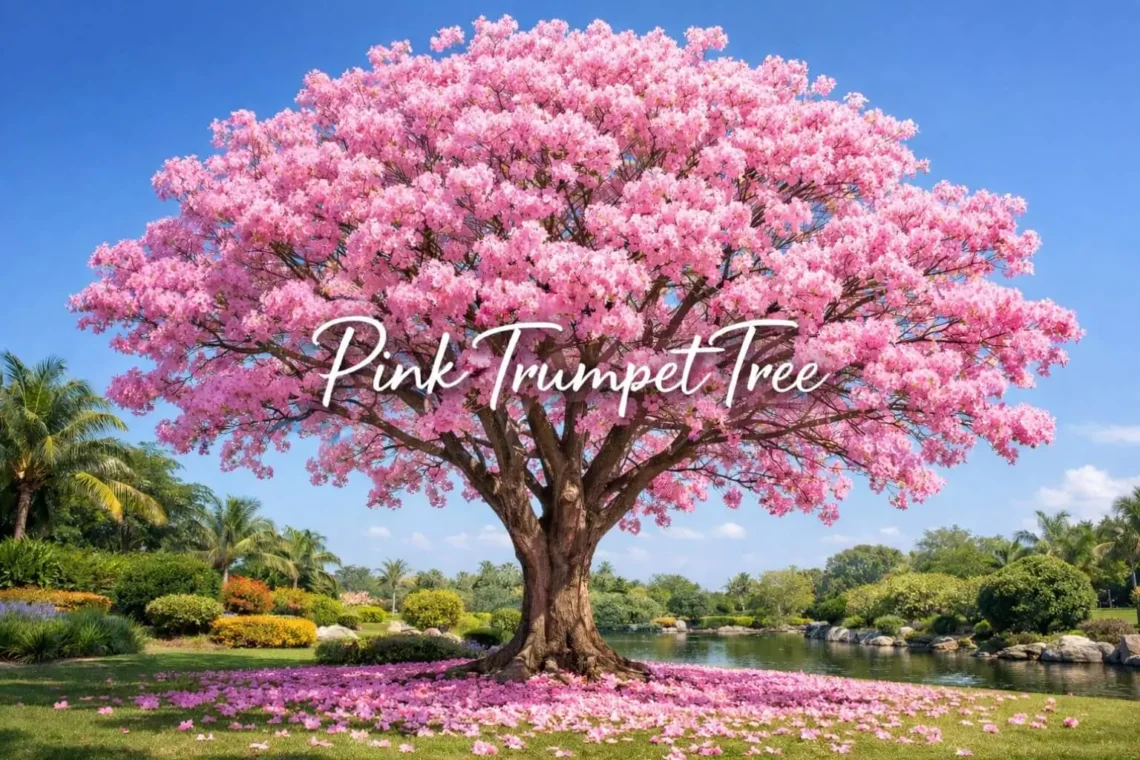
The pink trumpet tree is a striking ornamental tree admired for its seasonal floral display and tropical elegance. Known for producing abundant pink trumpet tree flower clusters, it transforms landscapes with vibrant color during its bloom period. This tree with pink trumpet flowers is widely used in landscaping and ornamental gardens due to its visual impact, adaptability, and relatively low maintenance needs. Belonging to the Tabebuia species, the pink trumpet tree offers a bold canopy shape paired with showy blossoms that appear before leaf growth in many climates. Often called the rosy trumpet tree, it is valued in residential gardens, parks, and streetscapes for adding height, structure, and seasonal beauty without demanding intensive care.
What Is a Pink Trumpet Tree?
Pink Trumpet Tree Botanical Name & Classification
The pink trumpet tree belongs to the genus Tabebuia, a group of flowering trees native to tropical and subtropical regions. Common species include Tabebuia rosea, Tabebuia impetiginosa, and Tabebuia heterophylla. These species are part of the broader tabebuia tree family, known for trumpet-shaped flowers and deciduous or semi-deciduous growth habits. Each species varies slightly in flower tone, growth rate, and climate tolerance.
Pink Trumpet Tree in Spanish
In Spanish-speaking regions, the pink trumpet tree is commonly known as roble rosado, apamate, or palo de rosa, depending on the country. These names are widely used in Central America, the Caribbean, and parts of South America where tabebuia trees are native and culturally significant.
Common Types of Pink Trumpet Trees
- Cuban pink trumpet tree: Known for dense flowering and strong tropical adaptation
- Florida trumpet tree: Popular in warm coastal regions and urban landscapes
- Rosy trumpet tree: Valued for softer pink tones and ornamental symmetry
These varieties collectively represent pink trumpet trees commonly sold as tabebuia pink trumpet tree selections.
Pink Trumpet Tree Flowers & Blooming Season
-
Pink Trumpet Tree Flower Characteristics
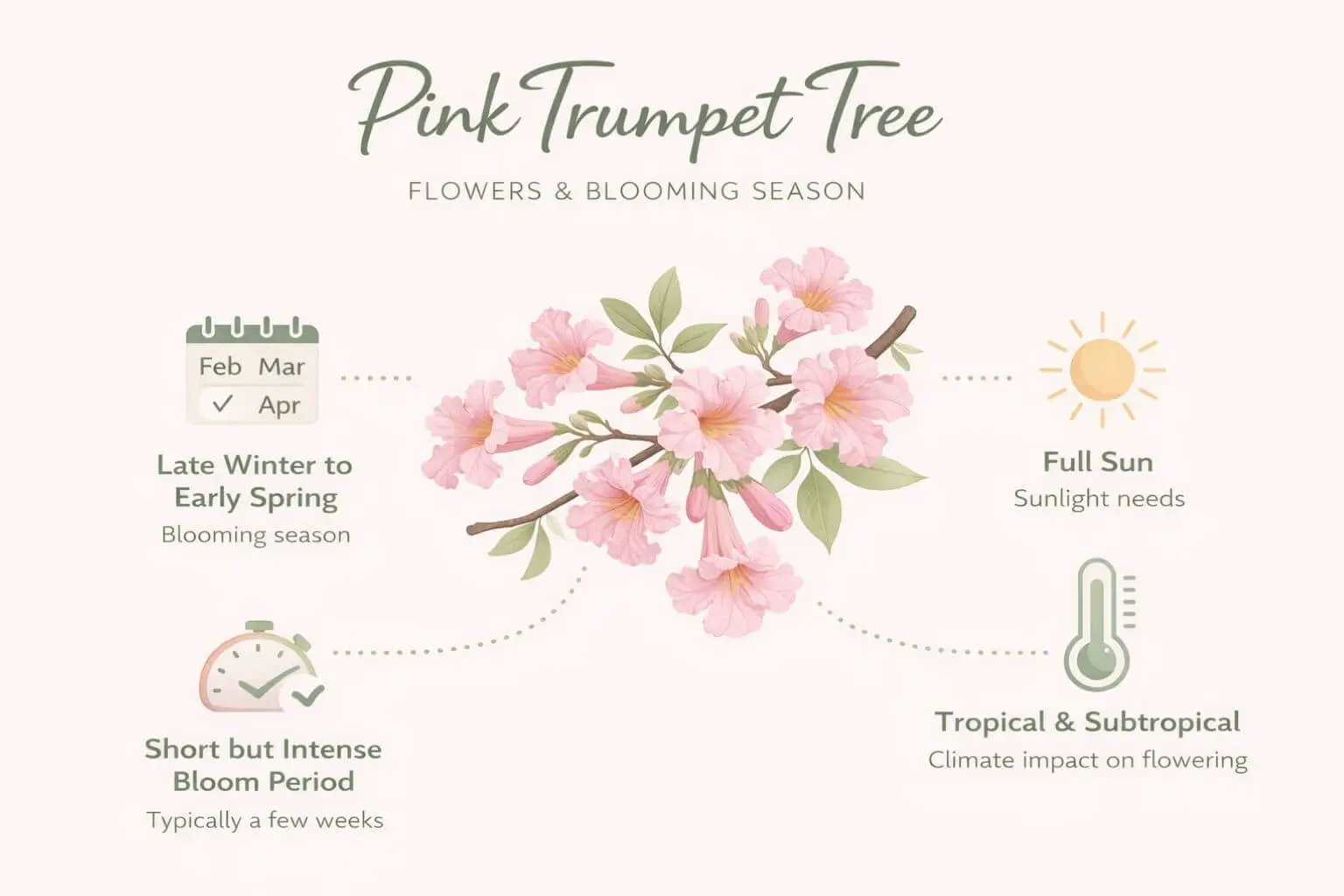
Pink trumpet tree flowers are large, trumpet-shaped blooms arranged in clusters. Colors range from pale blush to deep rose pink. Unlike the pink bell flower tree, which may bloom sporadically, trumpet trees produce dramatic, short-term flowering events that cover bare branches.
-
Pink Trumpet Tree Blooming Season
Blooming typically occurs in late winter to early spring, though timing varies by climate. Warmer regions encourage earlier flowering, while cooler zones may delay blooms. Improper climate conditions, pruning at the wrong time, or nutrient imbalance can contribute to pink trumpet tree not flowering problems.
-
Pink Trumpet Tree vs Cherry Blossom
Pink trumpet trees bloom in warmer climates and offer larger, trumpet-shaped flowers. Cherry blossoms prefer temperate zones and produce smaller, delicate blooms. In landscaping, trumpet trees are favored for tropical settings, while cherry blossoms suit cooler ornamental gardens.
Pink Trumpet Tree Leaves, Fruit, and Seed Pods
-
Pink Trumpet Tree Leaves
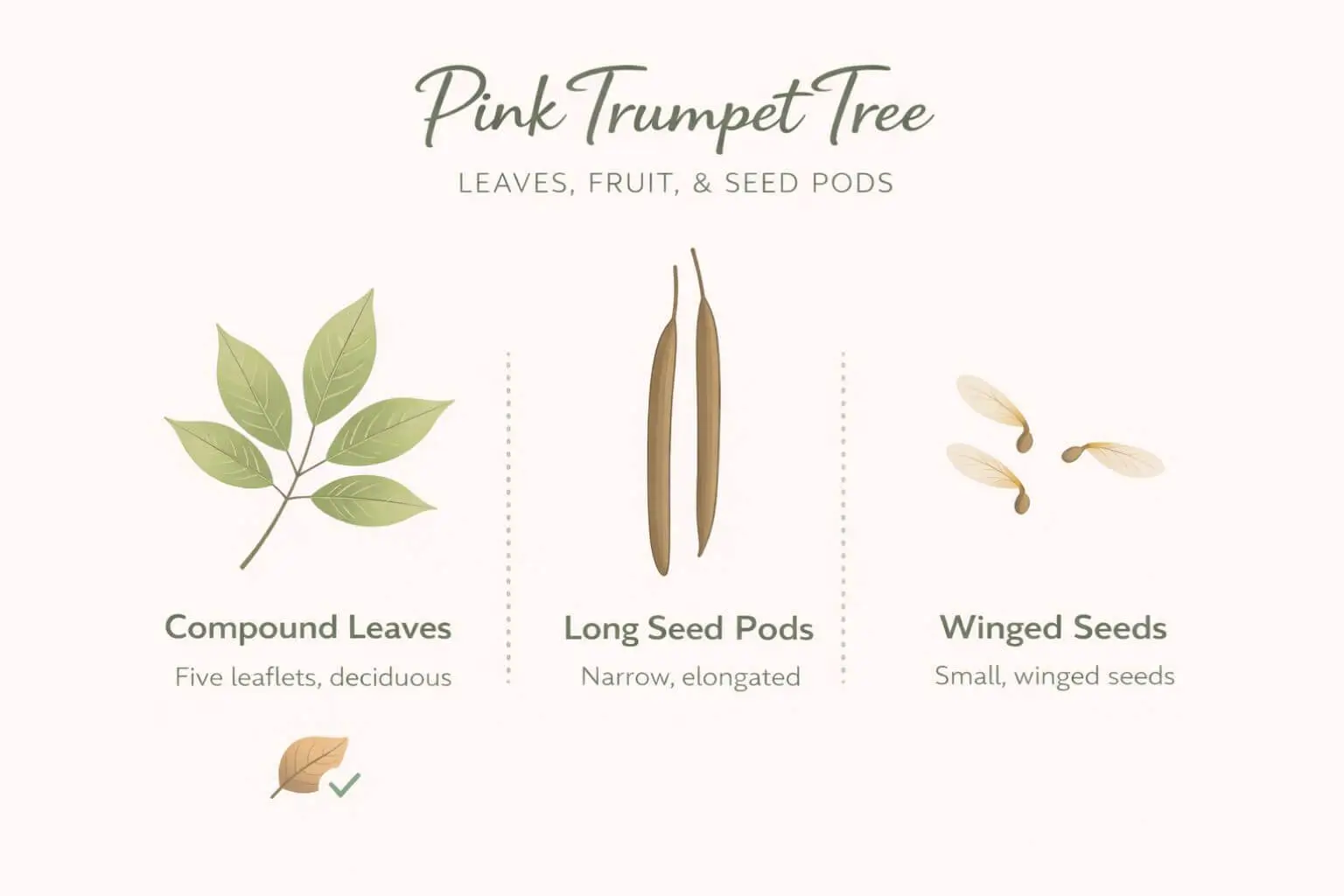
Leaves are palmately compound, typically consisting of five leaflets. Pink tabebuia leaves may shed seasonally, especially before flowering, creating a brief leafless phase.
-
Pink Trumpet Tree Fruit & Seed Pods
The fruit forms as long, narrow seed pods containing winged seeds. These are often mistaken for fruit, but pink trumpet tree seeds are the primary reproductive structure.
-
Is the Pink Trumpet Tree Poisonous?
Pink trumpet trees are generally considered non-toxic to humans and pets. However, ingestion of plant material is not recommended, and fallen seed pods should be cleared from play areas.
Pink Trumpet Tree Growing Zones & Climate Requirements
-
Pink Trumpet Tree Growing Zone
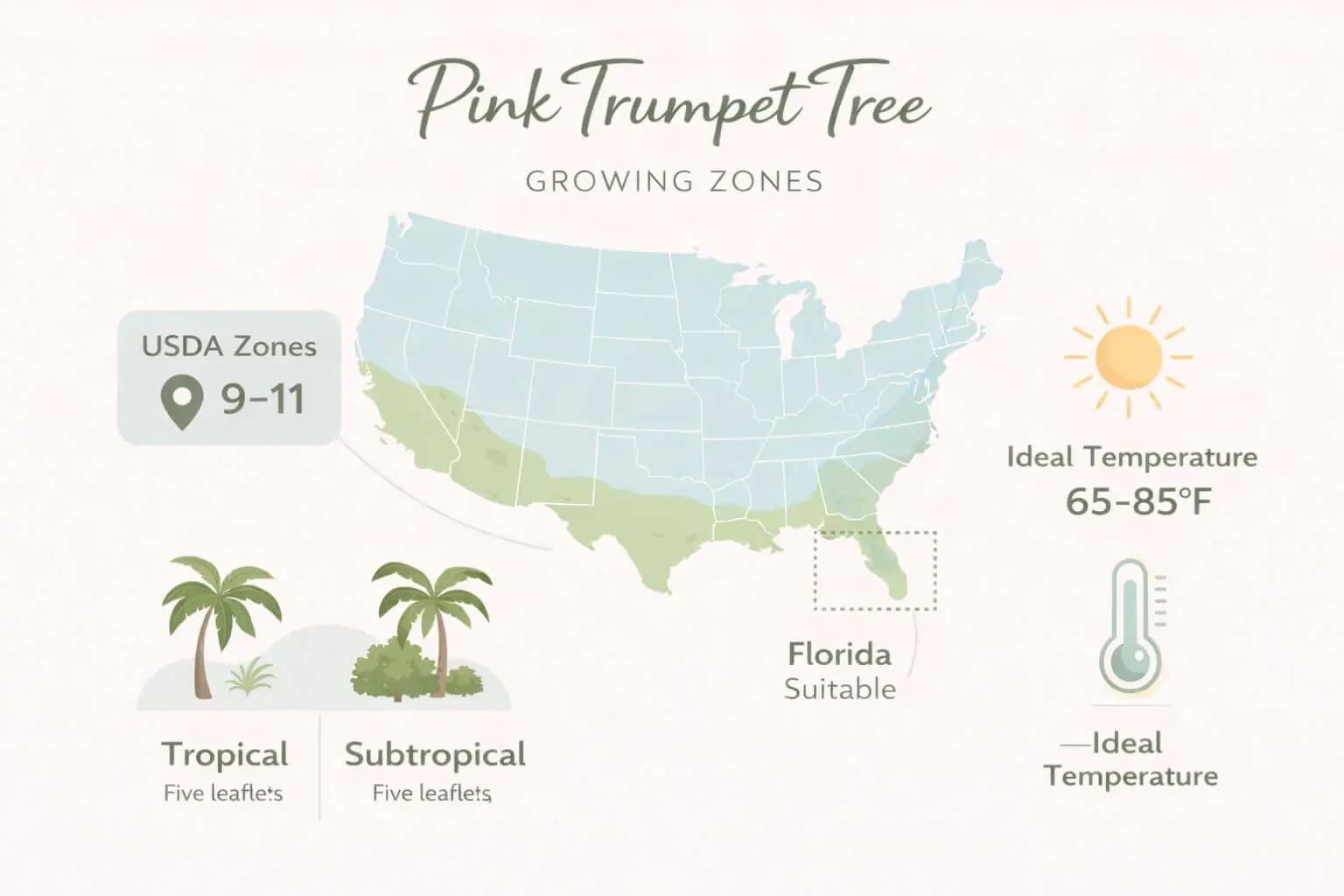
Pink trumpet trees grow best in USDA zones 9–11. They thrive in tropical and subtropical climates with warm temperatures and seasonal dry periods.
-
Pink Trumpet Tree Florida Growth
Florida provides ideal conditions due to warmth, humidity, and well-draining soils. This makes tabebuia tree Florida plantings common, especially for pink tabebuia tree Florida landscapes.
Pink Trumpet Tree Growth Rate & Size
-
Pink Trumpet Tree Growth Rate
Growth is moderate, averaging 1–2 feet per year. Compared to other trumpet trees, growth is balanced and manageable for residential landscapes.
-
How Long Does a Pink Trumpet Tree Take to Grow?
Flowering typically begins 3–5 years after planting. Sun exposure, soil quality, and climate strongly affect maturity timelines.
Pink Trumpet Tree Care Guide
Soil, Sunlight & Water Requirements
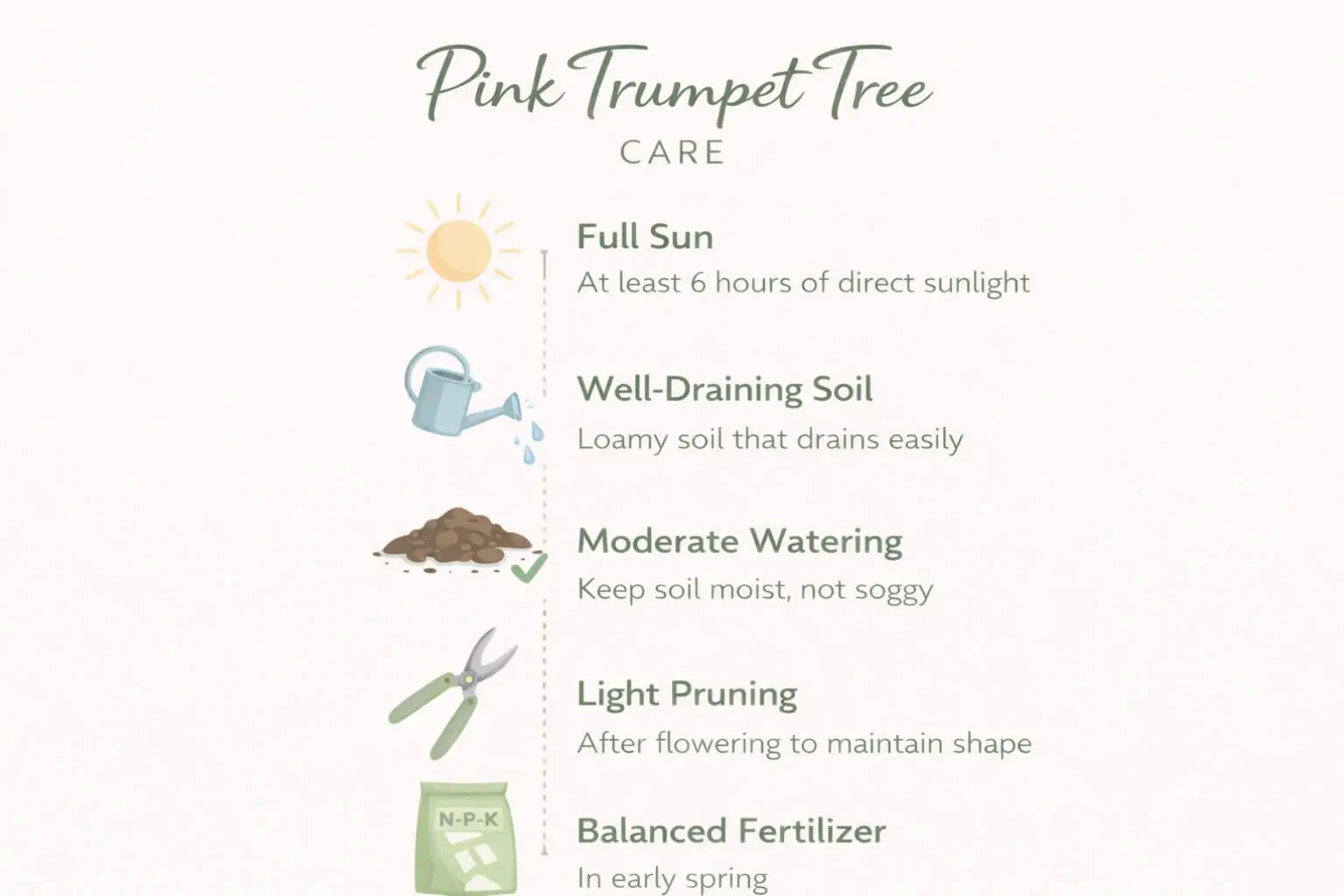
- Full sun for optimal flowering
- Well-draining soil
- Moderate watering once established
- High drought tolerance
Pink Trumpet Tree Maintenance Tips
- Light pruning after flowering
- Fertilize once or twice annually
- Avoid excessive nitrogen
Reasons a Pink Trumpet Tree Is Not Flowering
- Over-pruning
- Poor sunlight
- Nutrient imbalance
- Climate stress
Pink Trumpet Tree Pros and Cons
Benefits of Growing Pink Trumpet Trees
- Exceptional ornamental beauty
- Low maintenance after establishment
- Strong landscape presence
Readers looking for additional planting references, landscape ideas, and educational materials can explore the pink trumpet tree resource center for a broader collection of helpful resources.
Drawbacks to Consider
- Seasonal leaf drop
- Short flowering window
Buying a Pink Trumpet Tree
Pink Trumpet Tree for Sale – What to Look For
Choose healthy trees with:
- Strong trunk
- No leaf discoloration
- Well-developed root systems
Where to Buy Tabebuia Tree
- Local nurseries
- Specialized tree sellers
- Online stores offering tabebuia trees for sale
Pink Trumpet Tree Facts & Landscaping Uses
Interesting Pink Trumpet Tree Facts
Native to the Americas, pink trumpet trees are symbolic of renewal and seasonal change in many cultures.
Landscaping Ideas with Pink Trumpet Trees
- Street planting
- Garden focal points
- Alternatives to trumpet tree pink varieties
Conclusion
The pink trumpet tree stands out as an exceptional ornamental tree with bold seasonal color and adaptable growth habits. Choosing the right variety for your climate ensures reliable flowering and long-term success. Explore more flowering tree guides or planting tips to enhance your landscape with confidence.
Learn more: 7+ Stunning Kohuhu Plants to Transform Your Garden Today
FAQs — Pink Trumpet Tree
- What is the botanical name of the pink trumpet tree?
Common species include Tabebuia rosea, Tabebuia impetiginosa, and Tabebuia heterophylla. - When does the pink trumpet tree bloom?
Most trees bloom in late winter to early spring. - Is the pink trumpet tree poisonous to pets?
It is generally considered non-toxic, though ingestion should be avoided. - How fast does a pink trumpet tree grow?
Average growth is 1–2 feet per year. - Can pink trumpet trees grow in Florida?
Yes, Florida’s climate is ideal for pink trumpet tree growth. - Why is my pink trumpet tree not flowering?
Common causes include insufficient sunlight, improper pruning, or nutrient imbalance.