Introduction
Butterfly attracting flowers are plants that provide nectar and habitat resources essential for butterfly feeding, reproduction, and survival. These plants are naturally designed to appeal to pollinators through bright colors, landing-friendly structures, and abundant nectar. Many of these flowers also support hummingbirds and other beneficial insects, creating biodiverse gardens. Understanding which flowers attract butterflies—and how they overlap with hummingbird-friendly plants—allows gardeners to design vibrant, pollinator-rich spaces that support ecological health while enhancing garden beauty. Choosing the right combination ensures continuous blooms and seasonal pollinator activity.
How Butterfly Attracting Flowers Work
Nectar, Color, and Flower Shape That Attract Pollinators
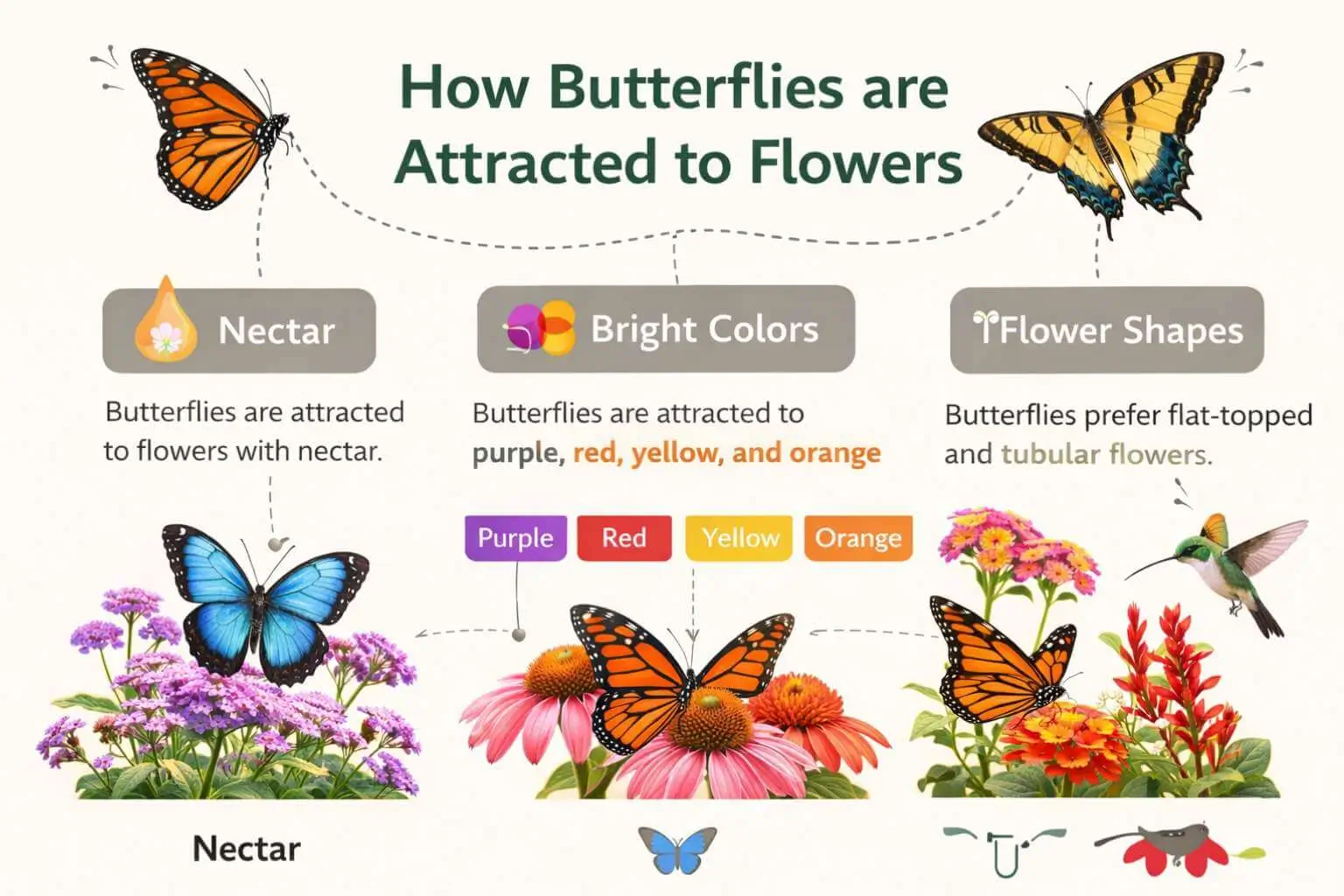
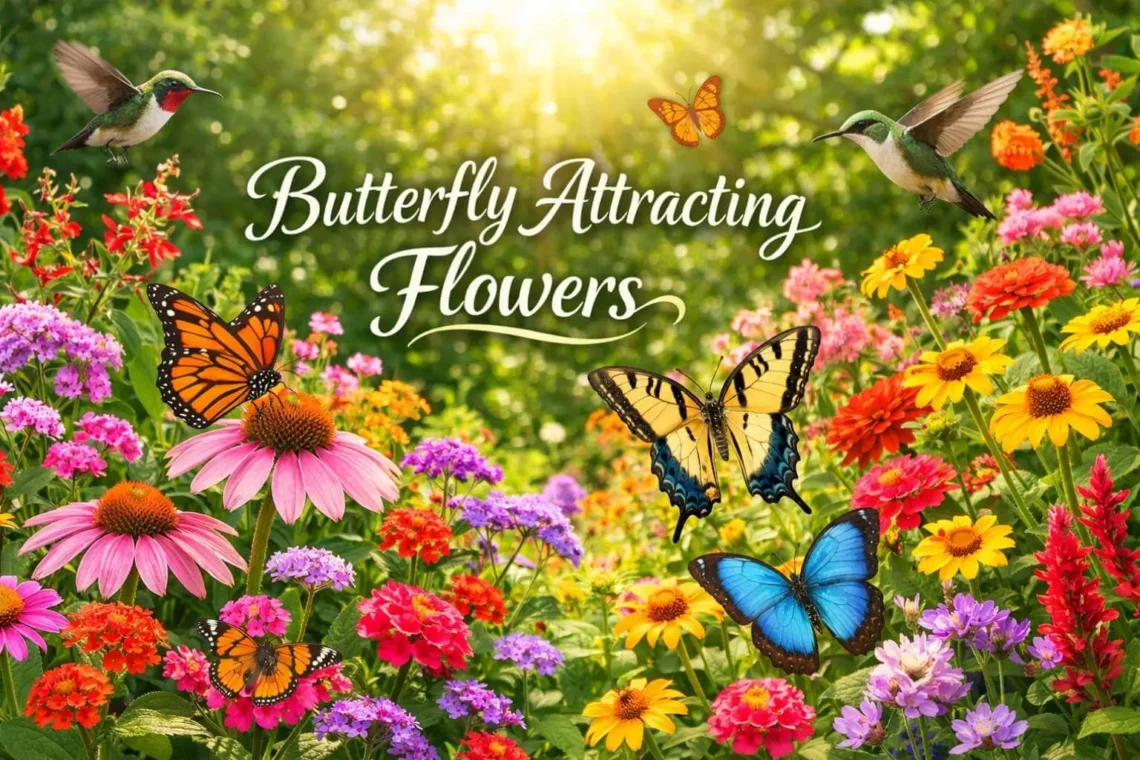
Butterflies are drawn to flowers primarily for nectar, which provides essential energy. Flowers with abundant nectar attract more pollinators, while their bright colors—especially purple, red, orange, and yellow—signal a food source. Flat-topped or clustered blooms provide landing platforms, making it easier for butterflies to feed. Flower shape and accessibility are critical; tubular flowers may attract specific butterflies with long proboscises, while open blooms appeal to a wider range of species. Butterflies are key pollinators, helping plants reproduce by transferring pollen while feeding on nectar.
Why Some Flowers Also Attract Hummingbirds
Many flowers that attract butterflies also appeal to hummingbirds due to overlapping nectar needs. Tubular blooms, red or orange petals, and high nectar production are preferred by hummingbirds. Plants such as bee balm, salvia, and phlox serve both pollinators, allowing gardens to support multiple species simultaneously. This overlap enhances ecological interactions and ensures consistent visitation by a variety of pollinators.
Best Butterfly Attracting Flowers for Pollinator Gardens
-
Nectar-Rich Garden Flowers Butterflies Prefer
Butterflies favor nectar-rich flowers such as coneflower, lantana, milkweed, zinnia, and verbena. These plants provide reliable energy sources and are visually attractive, making them staples for pollinator gardens. Their diverse bloom shapes and colors accommodate different butterfly species, promoting frequent visitation and reproduction. Purple trailing lantana is one popular nectar-rich option; you can explore its full benefits in our article on purple trailing lantana.
-
Wildflowers That Naturally Attract Butterflies
Native and wildflower species are crucial for sustaining butterfly populations. Plants like black-eyed Susan, goldenrod, and wild bergamot provide nectar and serve as host plants for caterpillars. Incorporating wildflowers enhances biodiversity and supports pollinators in natural cycles.
-
Plants That Attract Both Butterflies and Hummingbirds
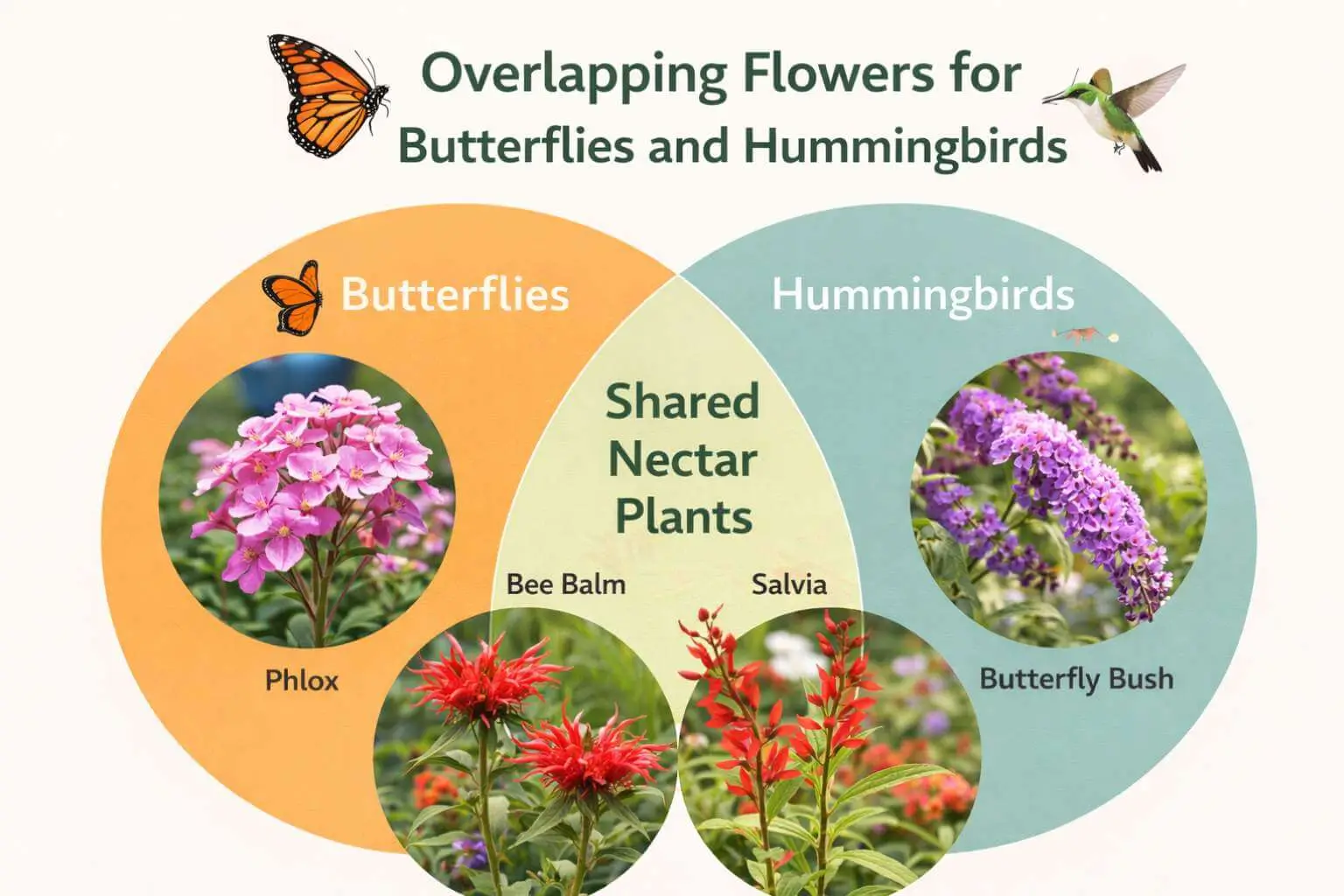
Certain flowers effectively attract both butterflies and hummingbirds due to shared nectar preferences. Examples include bee balm, salvia, and phlox, which provide high nectar levels and visually appealing blooms. These plants maximize garden pollinator diversity while ensuring continuous ecological activity.
-
Popular Garden Plants for Both Pollinators
Gardeners often use butterfly bush, phlox, bee balm, and salvia to attract multiple pollinators. These plants are strategically placed in sunny areas with easy access to landing platforms. Combining species that appeal to both butterflies and hummingbirds strengthens garden resilience and pollination efficiency.
-
Perennial Butterfly Attracting Flowers for Long-Term Gardens
Perennials provide recurring blooms and reduce maintenance while sustaining pollinator populations. Plants such as milkweed, coneflower, and bee balm return yearly, ensuring long-term nectar availability and habitat stability. For detailed guidance on perennial species that attract hummingbirds and butterflies, see our comprehensive guide on perennial flowers for hummingbirds.
-
Perennial Flowers That Support Butterflies and Hummingbirds
Perennial flowers like salvia, phlox, and butterfly bush simultaneously support butterflies and hummingbirds. Their long blooming periods and repeated seasonal growth make them ideal for sustainable pollinator-friendly gardens.
-
Advantages of Planting Perennial Pollinator Gardens
Perennial pollinator gardens offer extended bloom seasons, reduce planting effort, and provide consistent resources for butterflies and hummingbirds. They also enhance ecological stability and attract diverse pollinators over multiple years.
How to Attract Butterflies to Your Garden
Creating a Butterfly-Friendly Garden Habitat
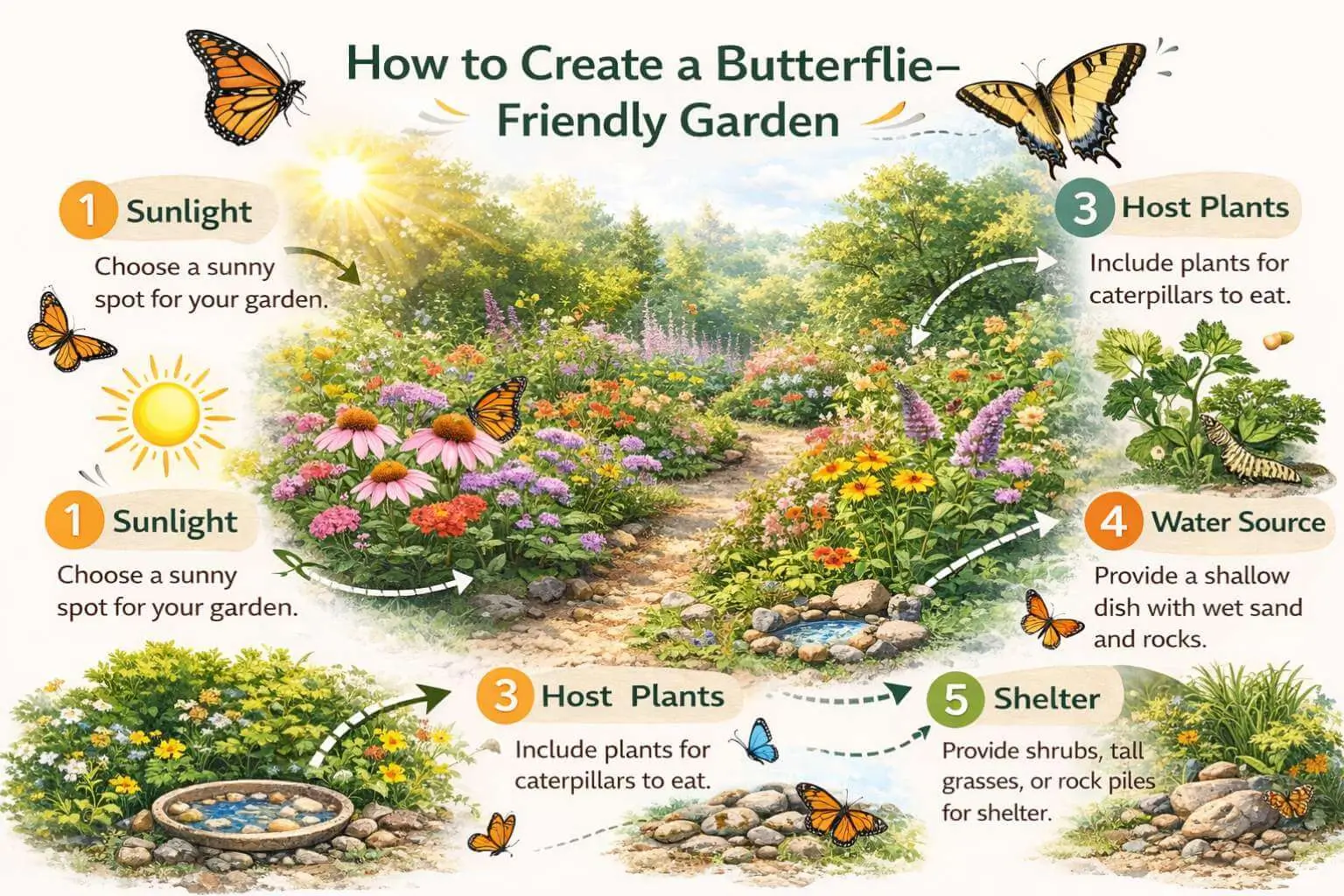
To attract butterflies, gardens should provide sunlit areas, nectar sources, shelter, and water. Incorporating host plants for caterpillars, diverse flower shapes, and seasonal blooms ensures continuous butterfly activity. Small puddling areas with moist soil provide essential minerals.
What Plants Attract Butterflies Most Effectively
Diverse plantings with staggered bloom times attract butterflies most effectively. Combining nectar-rich flowers, native wildflowers, and host plants ensures that pollinators have food and breeding sites throughout the growing season.
Can You Attract Butterflies Without Flowers?
Yes. Butterflies also rely on host plants for reproduction, fruit sources, and puddling areas. Plants like milkweed for monarchs or parsley for swallowtails provide caterpillar food. Fallen fruits and moist patches supply nutrients, supporting butterfly survival even without flowering blooms.
Common Mistakes When Planting Butterfly Attracting Flowers
-
Overusing Pesticides
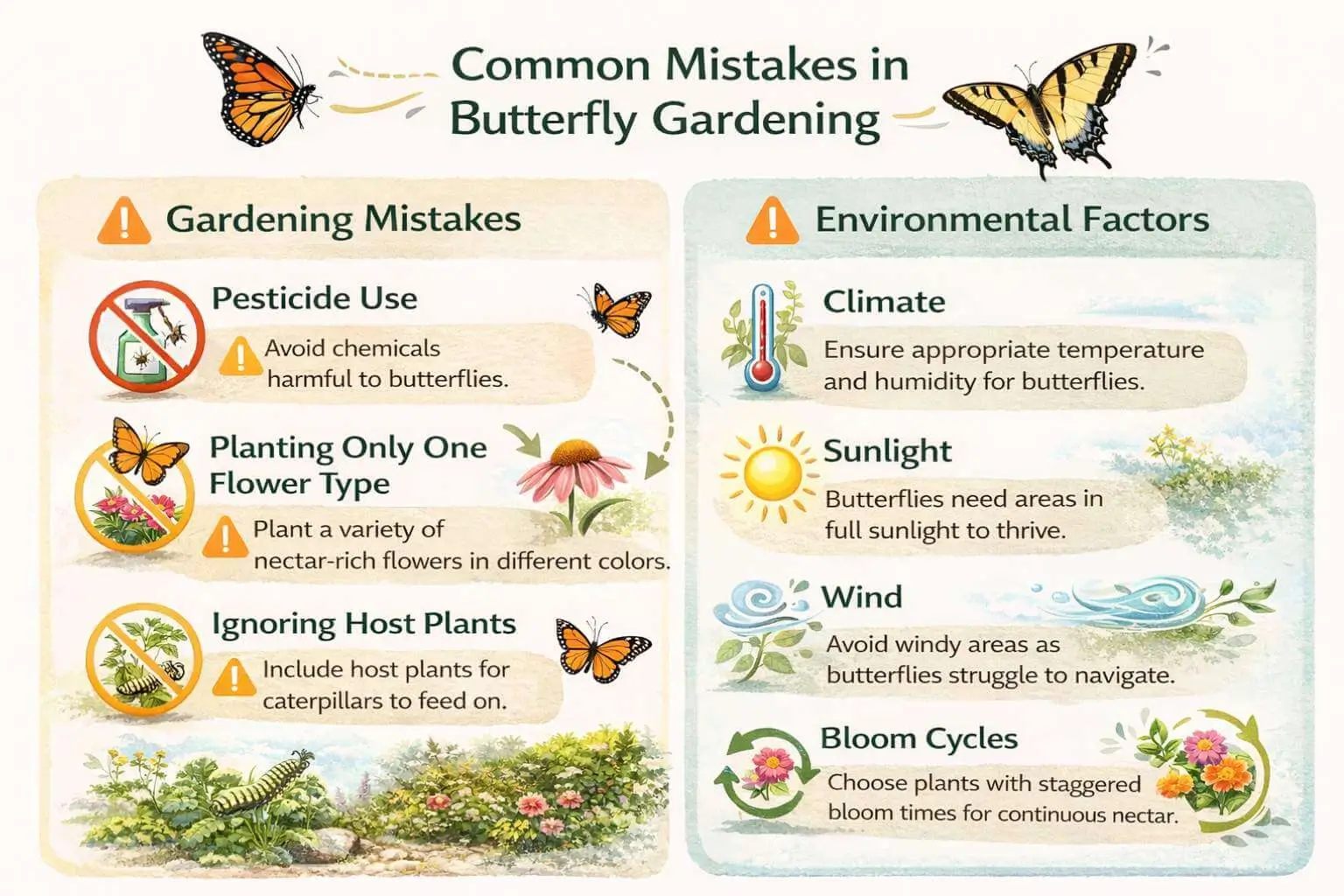
Pesticides harm butterflies and other pollinators, reducing garden visitation. Avoid chemical sprays and choose organic alternatives to protect pollinator populations.
-
Planting Only One Flower Type
Monocultures reduce bloom diversity, limiting nectar availability. Gardens should include multiple flower species to sustain butterflies throughout the season.
-
Ignoring Host Plants for Caterpillars
Butterflies require specific host plants for egg-laying and caterpillar development. Including milkweed, parsley, or fennel ensures proper life cycle support.
-
Environmental Factors That Affect Butterfly Activity
Climate, sunlight, wind, and bloom cycles impact butterfly behavior. Warm, sunny, and sheltered garden areas with staggered bloom times promote consistent pollinator activity.
Pollinator-Friendly Plants That Also Support Bees
Many butterfly-attracting plants, such as zinnia, coneflower, and bee balm, also provide nectar for bees. Incorporating these species increases garden biodiversity and strengthens pollination across multiple insect species.
Deer-Resistant Butterfly Garden Plants
Certain plants resist deer browsing while supporting butterflies, including artemisia, lavender, and sage. These species protect pollinator resources while reducing damage from wildlife, making them effective for sustainable gardens.
Conclusion
Butterfly attracting flowers are essential for creating vibrant, pollinator-friendly gardens. By planting nectar-rich flowers, combining perennials and wildflowers, and designing suitable habitats, gardeners can attract butterflies while supporting hummingbirds and bees. A well-planned garden enhances ecological value, supports pollinator diversity, and creates long-lasting beauty and functionality.
FAQs
- What are the best butterfly attracting flowers for a garden?
Nectar-rich flowers such as milkweed, coneflower, lantana, zinnia, and butterfly bush attract a variety of butterfly species and provide essential energy sources. - What plants attract hummingbirds and butterflies at the same time?
Overlapping nectar plants like bee balm, salvia, and phlox effectively support both pollinators, offering tubular blooms and abundant nectar. - How can you attract butterflies to your garden naturally?
Provide sunlight, diverse nectar plants, host plants, water sources, and shelter. Planting a mix of flowers with staggered blooms ensures seasonal visitation. - Do butterflies prefer native plants or garden flowers?
Native plants and wildflowers are often preferred as they provide both nectar and host resources for caterpillars, supporting the full butterfly life cycle. - Can butterflies be attracted without planting flowers?
Yes. Butterflies use host plants for reproduction, fruit sources for nutrients, and puddling areas for minerals, allowing attraction without direct flowering plants.