Introduction
A drain tree is any tree whose root system can invade, damage, or obstruct underground drainage and sewer systems. Understanding drain trees is crucial for homeowners, landscapers, and urban planners because tree roots seeking moisture often infiltrate sewer lines, leading to blockages, pipe cracks, or full collapses. Awareness of tree species near drains, soil drainage properties, and potential root issues allows for informed planting, preventive maintenance, and reduced plumbing repair costs.
Quick Summary
- Drain trees can damage sewer and stormwater lines through invasive root growth.
- Certain trees are safer to plant near houses and sewer pipes.
- Soil drainage improvements help mitigate root-related plumbing issues.
- Identifying worst-performing trees for plumbing protection is key for landscaping planning.
Understanding Drain Trees
Definition and Characteristics of Drain Trees
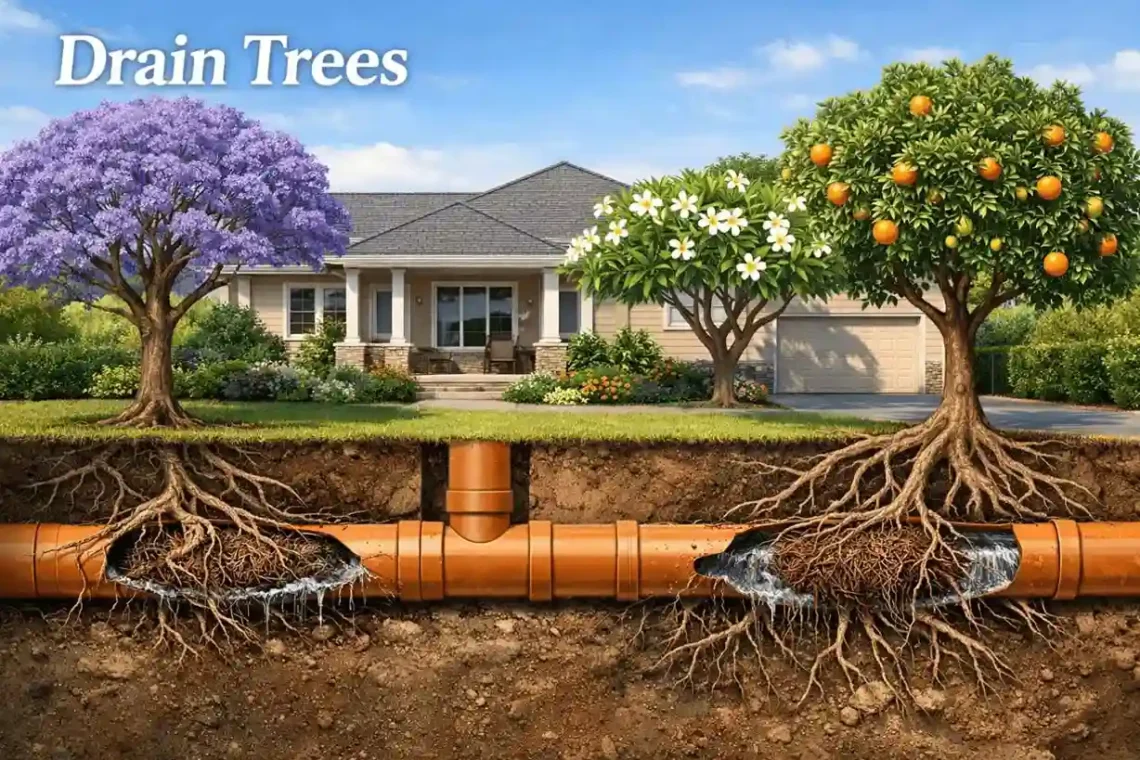
Drain trees are species known for aggressive root growth that can infiltrate sewer pipes, storm drains, and irrigation lines. Their roots are naturally drawn to moist, nutrient-rich environments, making underground plumbing systems prime targets. Drain trees vary by size, growth rate, and root structure, and not all trees pose the same risk.
Common Species Associated with Drain Issues
Some commonly referenced drain trees include:
- Jacaranda (Jacaranda mimosifolia)
- Frangipani (Plumeria spp.)
- Citrus trees (Citrus spp.)
- Willow (Salix spp.)
These species often exhibit deep, wide-spreading roots capable of penetrating weak or cracked pipe joints.
Ecological Role in Rainforests
Drain trees also serve important ecological functions. In the Daintree Rainforest, certain trees, sometimes referred to as “daintree drain trees,” contribute to soil stabilization, biodiversity, and water filtration. While their roots are beneficial in natural ecosystems, they can conflict with urban infrastructure if planted near pipelines.
How Tree Roots Affect Sewer Lines
Why Roots Seek Moisture in Sewer Systems
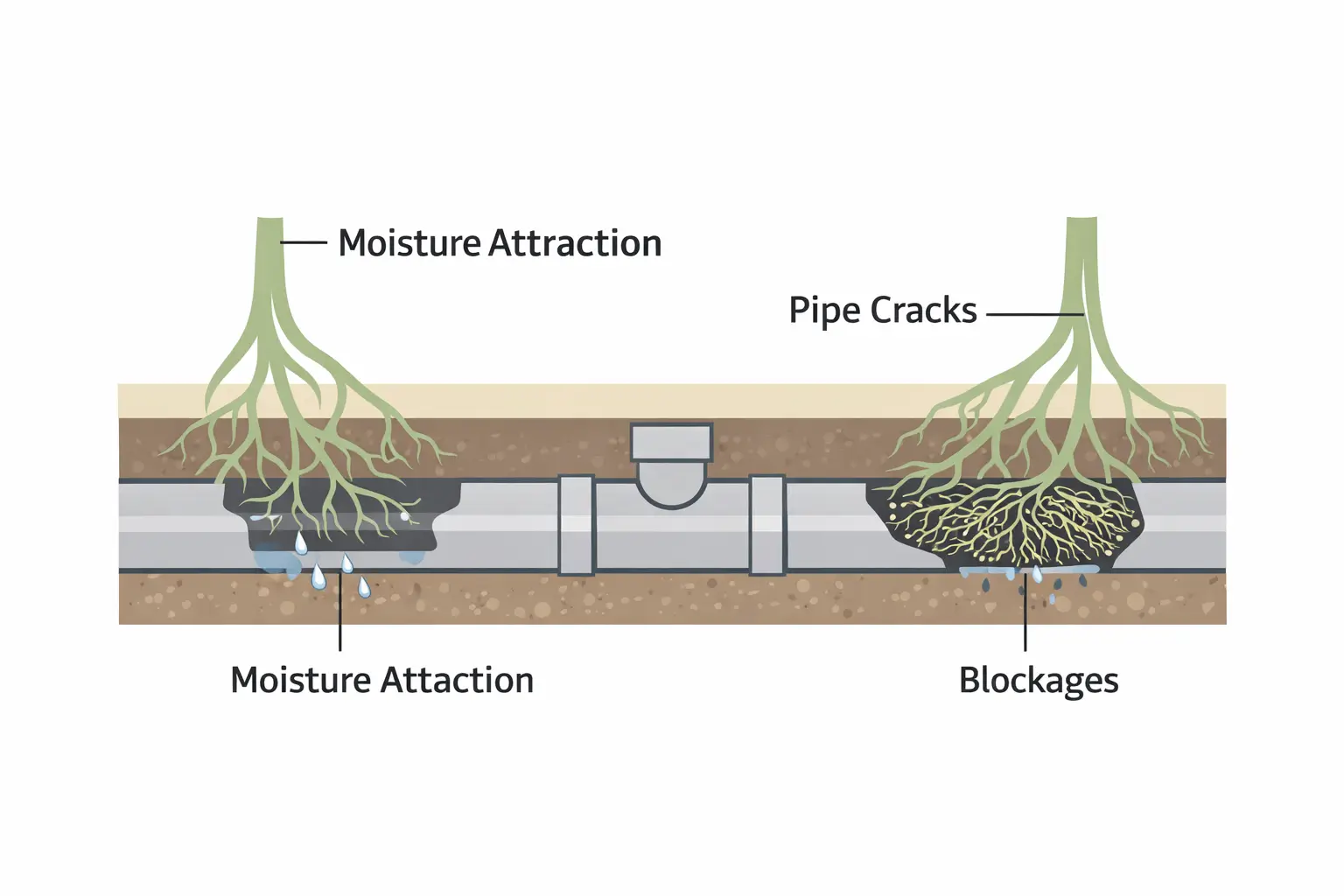
Tree roots naturally grow toward moisture and nutrients. Sewer lines offer a consistent water supply, making them attractive to invasive roots. Roots can exploit small cracks or joints, gradually expanding the damage. Tree roots are naturally attracted to the moisture in underground pipes, especially sewerage systems, where cracks or joints provide easy access.
Mechanisms of Pipe Damage and Blockages
- Cracking and displacement: Roots can exert pressure on pipes, causing fractures.
- Blockages: Roots entangle solids, creating clogs that restrict flow.
- Corrosion acceleration: Root penetration can introduce moisture that accelerates pipe degradation.
Signs of Sewer Line Intrusion by Tree Roots
- Slow-draining sinks, showers, or bathtubs
- Gurgling noises in drains
- Frequent pipe blockages despite cleaning
- Visible roots or cracks near pipe access points
Comparison of Trees with High vs Low Root Invasiveness
| Tree Species | Root Aggressiveness | Likely Impact on Pipes |
| Jacaranda | High | Frequent blockages and pipe damage |
| Frangipani | High | Moderate to severe intrusion |
| Citrus | Moderate | Possible minor blockages |
| Ginkgo | Low | Minimal risk |
Best Trees to Plant Near Sewer Pipes and Houses
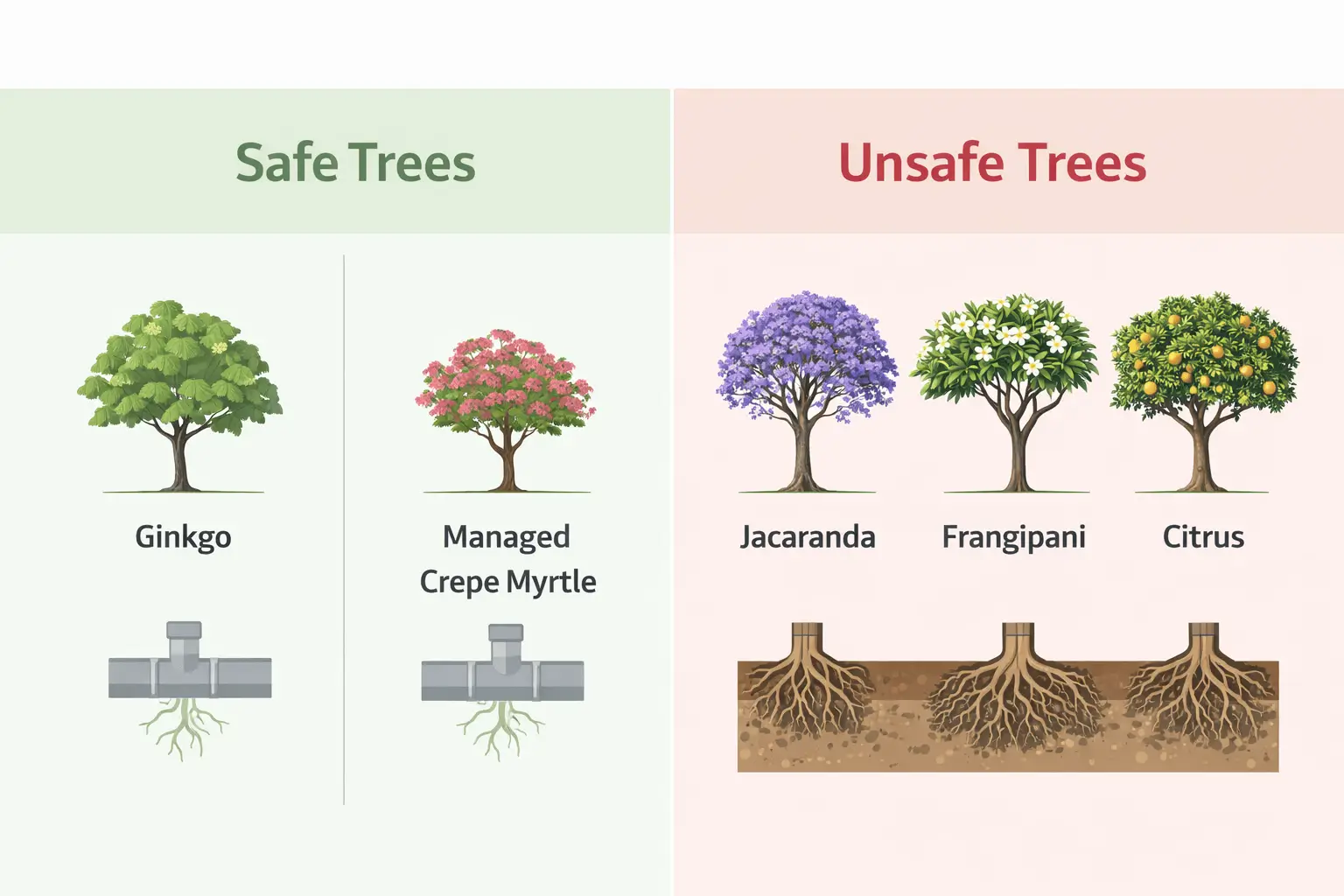
Criteria for Safe Planting Near Plumbing
- Shallow root systems
- Slow root growth
- Non-invasive root architecture
- Distance of at least 3–5 meters from underground pipes
Top Recommended Species in Australia
- Ginkgo biloba
- Crepe Myrtle (with managed root systems)
- Jacaranda alternatives with less aggressive roots
- Native shrubs and small trees with contained root structures
Growth Patterns That Reduce Risk
Trees with upright, contained roots or those that respond poorly to underground moisture intrusion reduce potential sewer damage. Regular monitoring enhances safety.
Recommended vs Unsafe Trees for Sewer Proximity
| Category | Examples |
| Safe Trees | Ginkgo, Crepe Myrtle (controlled), Native wattles |
| Unsafe Trees | Jacaranda, Frangipani, Willows, Large Citrus |
Worst Trees for Sewer Lines
High-Risk Species
- Jacaranda tree roots – highly invasive, fast-growing
- Frangipani roots – thick and capable of penetrating small cracks
- Citrus trees – roots can damage older plumbing
- Crepe Myrtle – potential to damage pipes if planted too close
The Jacaranda tree roots are highly invasive and fast-growing; learn more about their growth patterns (Jacaranda Growth Rate: 1–3 ft/yr Smart Guide & Timeline).
Why Certain Species Cause Plumbing Problems
Aggressive roots expand into small openings and exploit pipe weaknesses. Fast-growing species increase pressure on joints and can block lines within a few years of planting.
How Root Structure Correlates with Drainage Intrusion
Trees with deep taproots or wide lateral roots tend to reach sewer systems more readily, while shallow-rooted or compact species exert less risk. Pipe material and soil type also influence susceptibility.
Crepe Myrtle roots can damage pipes if planted too close; check detailed growth info (7+ Stunning White Crepe Myrtle Tree).
Improving Soil Drainage
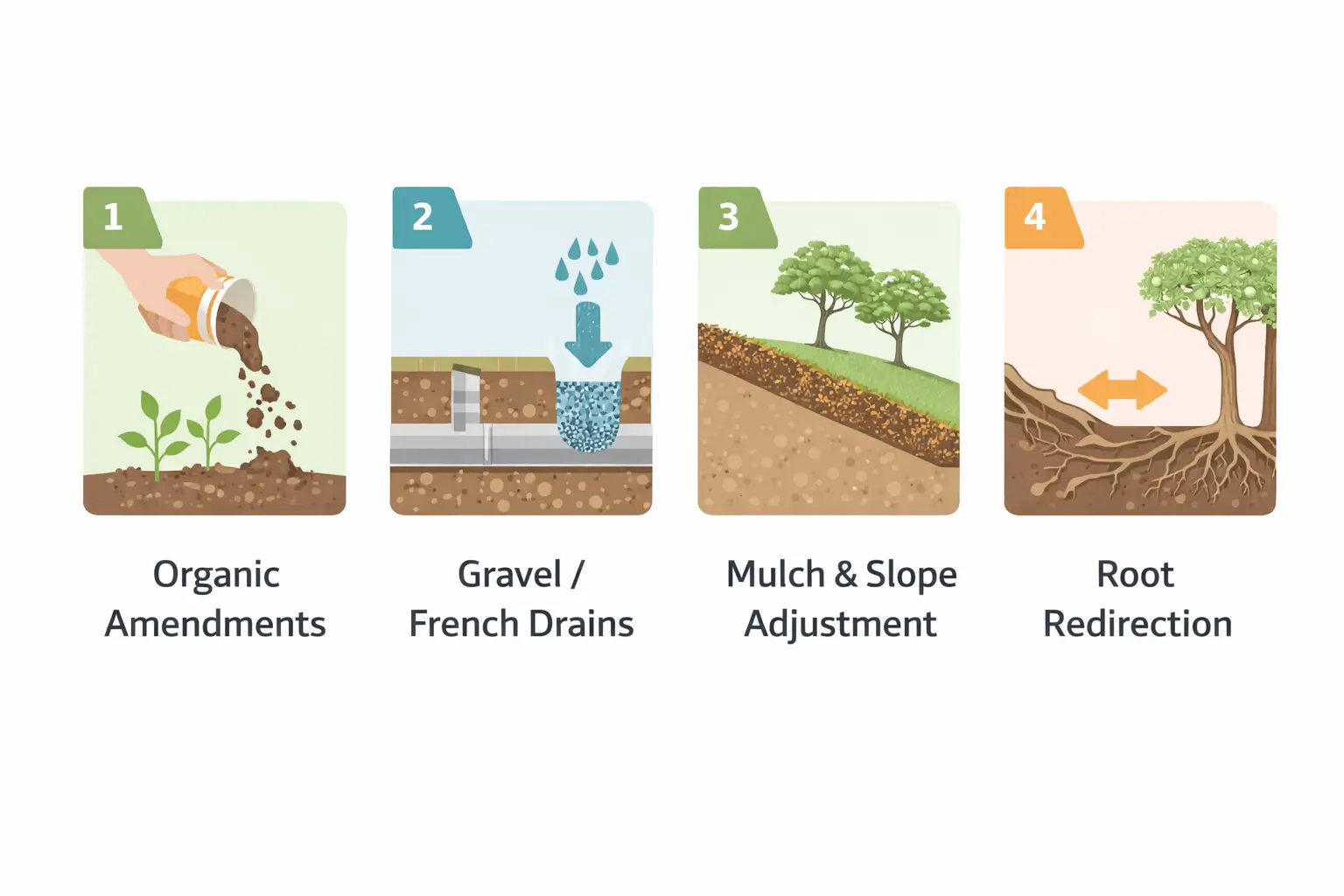
Methods to Improve Soil Porosity
- Incorporate organic amendments such as compost
- Add gravel layers beneath planting zones
- Use mulch to retain moisture without creating root competition
Drainage Patterns and Root Growth
Arranging soil to allow water to flow away from pipes mimics natural drainage, reducing root intrusion pressure. French drains or layered soils can guide roots toward safe zones.
Simple Steps to Enhance Drainage Around Trees
- Dig trenches or install pipe-safe drainage channels
- Mix sand or coarse materials into heavy clay soils
- Monitor water pooling and adjust slope to reduce pipe exposure
Drain Tree Problems and Troubleshooting
Common Root-Related Issues
- Clogged sewer lines
- Blocked storm drains
- Pipe cracking or displacement
Step-by-Step Solutions for Root Intrusion
- Mechanically remove roots using root cutters or augers
- Apply main drain root killer safely following product guidelines
- Replace damaged pipe sections with root-resistant materials
Preventive Measures for Future Blockages
- Regular inspections of sewer-adjacent trees
- Prune roots carefully without destabilizing the tree
- Use soil amendments to discourage aggressive root expansion
Case Studies and Examples
Real-World Examples in Australia
Suburban neighborhoods in Sydney and Brisbane have reported frequent drain tree problems from Jacaranda and Frangipani trees. Proper species selection and soil management reduced sewer intrusion in recent urban projects. Urban planners and homeowners can refer to local selections for low-risk trees, such as those recommended in (Feature Trees Brisbane: 7+ Smart Picks & Expert Tips).
Comparison of Suburban vs Rainforest Tree Impacts
- Suburban plantings: fast-growing ornamentals with minimal ecological benefit but high sewer risk
- Rainforest species: native drain trees provide ecosystem services but require spatial planning near infrastructure
Lessons Learned for Urban Planning
- Prioritize planting non-invasive species near houses
- Integrate soil drainage improvements in new developments
- Educate homeowners on tree-root management
Environmental and Landscaping Considerations
Balancing Ecological Value vs Plumbing Safety
- Plant native species with limited root invasiveness
- Avoid monocultures of high-risk trees near pipes
Environmental Limitations
- Soil type: clay-heavy soils increase root-seeking behavior
- Rainfall: high-moisture environments accelerate root growth toward drains
- Native vegetation: consider local ecological benefits
Sustainable Planting Near Homes and Drains
- Use root barriers to guide roots safely
- Incorporate shallow-rooted groundcovers
- Plan spacing between trees and underground utilities
Preventive Maintenance for Drain Trees
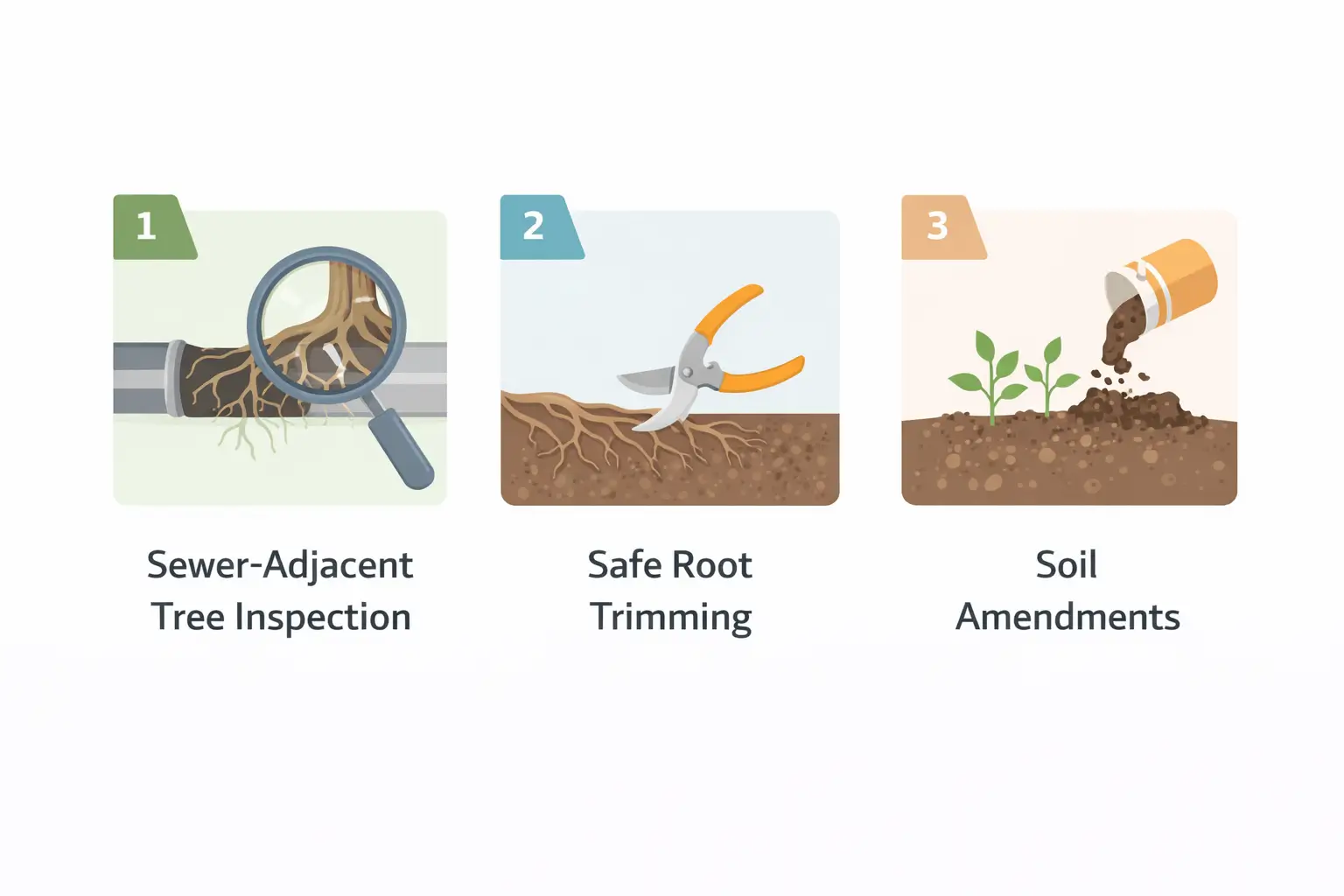
Inspection Schedules
- Visual checks every 6–12 months
- Professional CCTV pipe inspections every 2–3 years
Safe Root Trimming Techniques
- Cut roots away from pipes without disturbing the main root ball
- Avoid over-pruning that stresses the tree
Using Soil Amendments to Discourage Aggressive Growth
- Incorporate mulch and sand layers to redirect roots
- Maintain moderate soil moisture near pipes
Conclusion
Drain trees pose a significant risk to sewer systems through root intrusion, blockages, and pipe damage. Understanding which species are safe or high-risk, combined with proper soil drainage and preventive maintenance, ensures long-term plumbing health. Homeowners and landscapers can reduce damage by selecting appropriate trees, monitoring growth, and managing roots proactively.
FAQs
- What is a drain tree and why is it a concern for plumbing?
A drain tree is a tree whose roots can infiltrate and damage sewer or stormwater lines. Roots are attracted to moisture, potentially causing blockages and pipe damage. - Which trees are safest to plant near sewer pipes in Australia?
Safe trees include Ginkgo biloba, managed Crepe Myrtle, and native shrubs with shallow or non-invasive roots. - Can citrus or crepe myrtle trees damage underground plumbing?
Yes. Citrus and Crepe Myrtle roots can damage older pipes or poorly maintained sewer lines if planted too close. - How can I improve soil drainage to protect my sewer lines?
Enhance soil porosity using organic amendments, gravel layers, French drains, and slope adjustments to redirect water away from pipes. - What tools or methods remove drain tree roots from blocked pipes?
Use root cutters, mechanical augers, or main drain root killer products. Pipe replacement with root-resistant materials is also effective. - How do jacaranda and frangipani roots affect drainage systems?
Both species have aggressive, spreading roots that can penetrate joints, block lines, and crack pipes over time. - What preventive measures can homeowners take to avoid tree root intrusion?
Regular inspections, careful pruning, soil amendments, proper tree selection, and installing root barriers help prevent sewer damage.