
Introduction
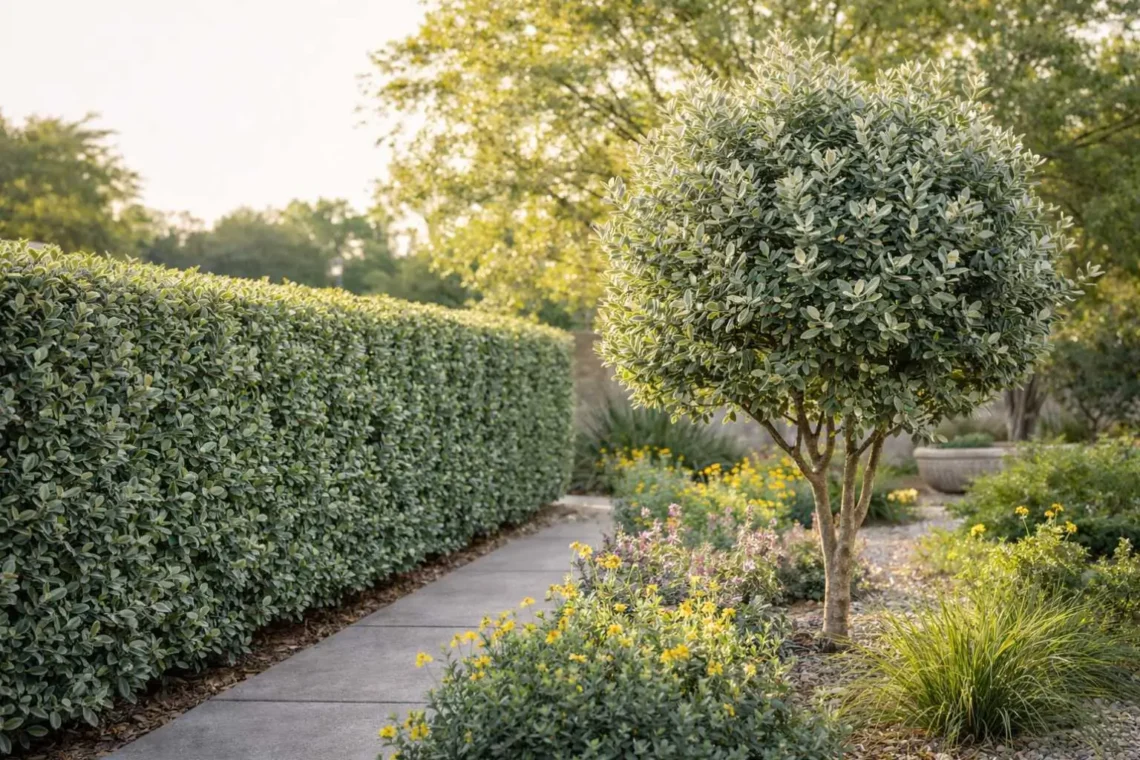
Kohuhu, a versatile native plant from the Pittosporum genus, is highly valued in gardening and landscaping. Known for its adaptability, the kohuhu plant can be cultivated as a decorative kohuhu tree, a practical kohuhu hedge, or a standalone ornamental feature. Its dense foliage, elegant growth patterns, and ease of care make it a favorite among gardeners seeking low-maintenance yet visually appealing greenery. Whether used for privacy screens, garden accents, or ornamental trees, pittosporum kohuhu offers both functionality and aesthetic charm in various outdoor settings.
What is Kohuhu?
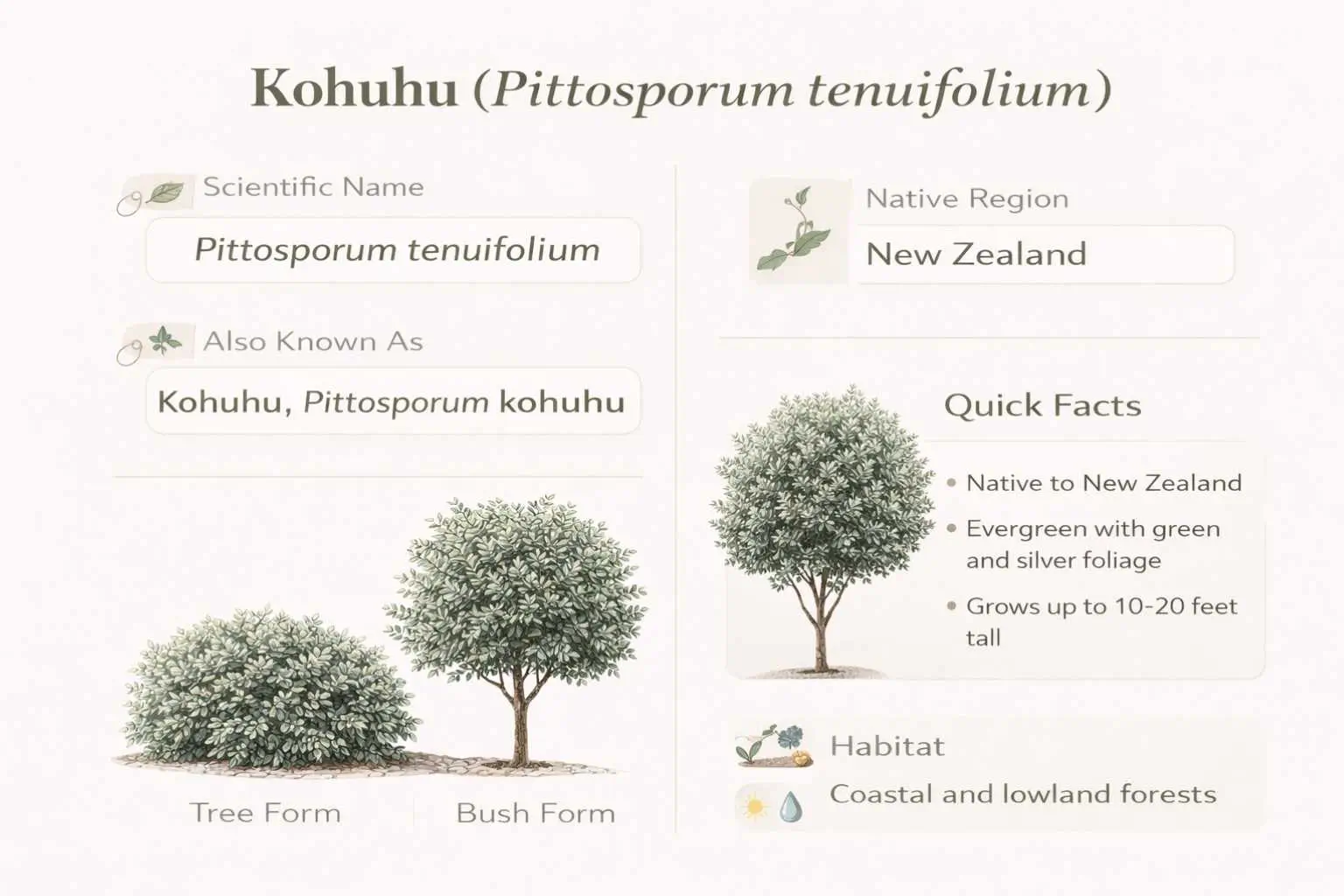
The kohuhu plant, scientifically known as Pittosporum tenuifolium, is a native species found primarily in New Zealand. It thrives in coastal and lowland forests and is renowned for its resilience and adaptability. Commonly referred to as pittosporum kohuhu or kohuhu pittosporum, this plant can grow in diverse soil types and is appreciated for its ornamental qualities, making it suitable for both hedges and standalone trees.
-
Characteristics of Kohuhu
Kohuhu features narrow, glossy leaves that vary from dark green to a subtle silver hue. Its growth pattern allows it to develop either as a compact kohuhu pittosporum bush or a taller kohuhu pittosporum tenuifolium tree. Among its popular variants, the silver sheen kohuhu stands out with its metallic foliage, commonly known as pittosporum silver sheen or silver sheen kohuhu, which adds a striking visual element to gardens and landscapes.
-
Growth and Size
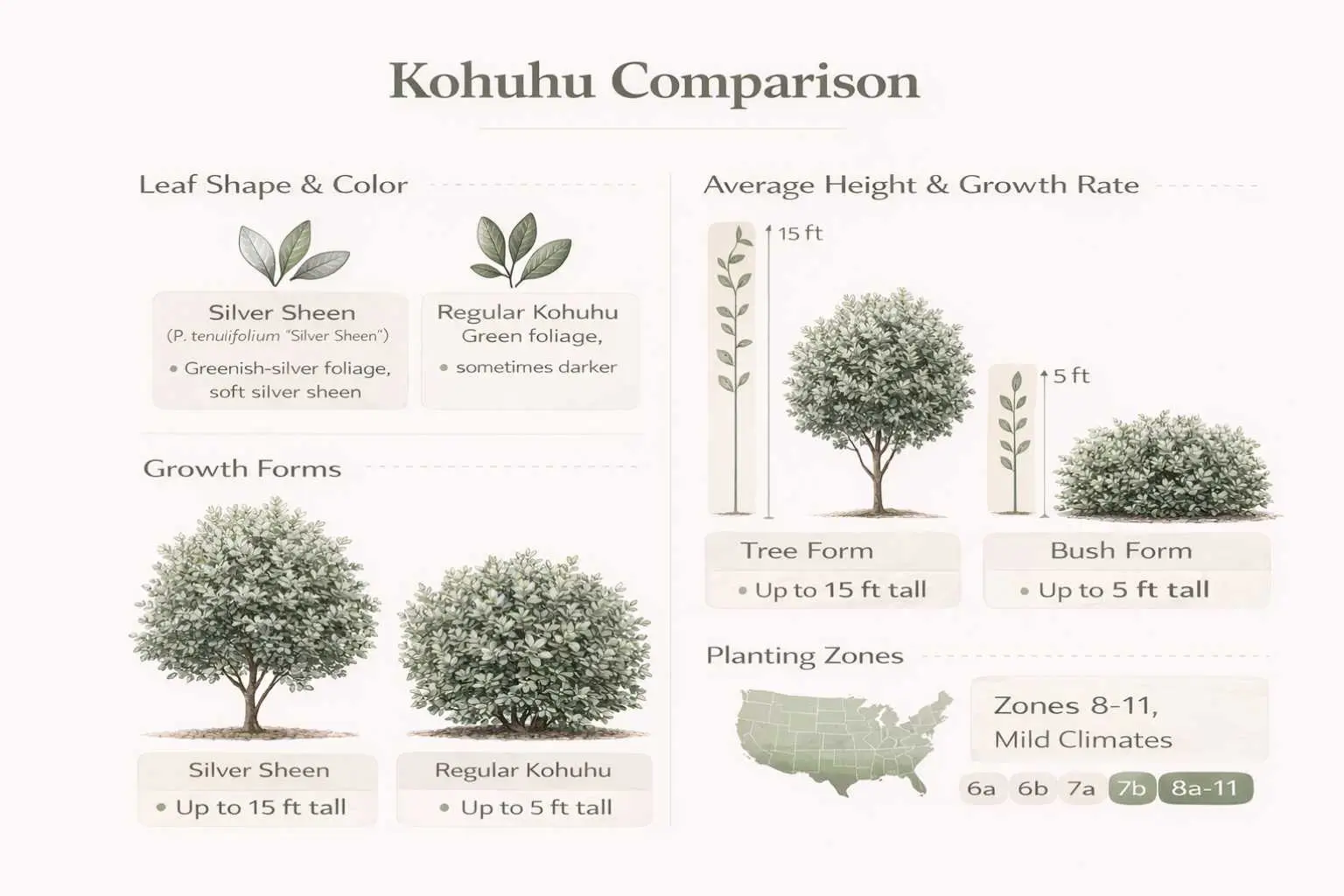
The pittosporum tenuifolium tree generally reaches a height of 6 to 10 meters when fully mature, while the silver sheen pittosporum variant often grows slightly slower but maintains a dense canopy. This plant is suitable for various planting zones and thrives in areas with mild to moderate climates, making it versatile for both urban and suburban gardens.
Planting and Caring for Kohuhu
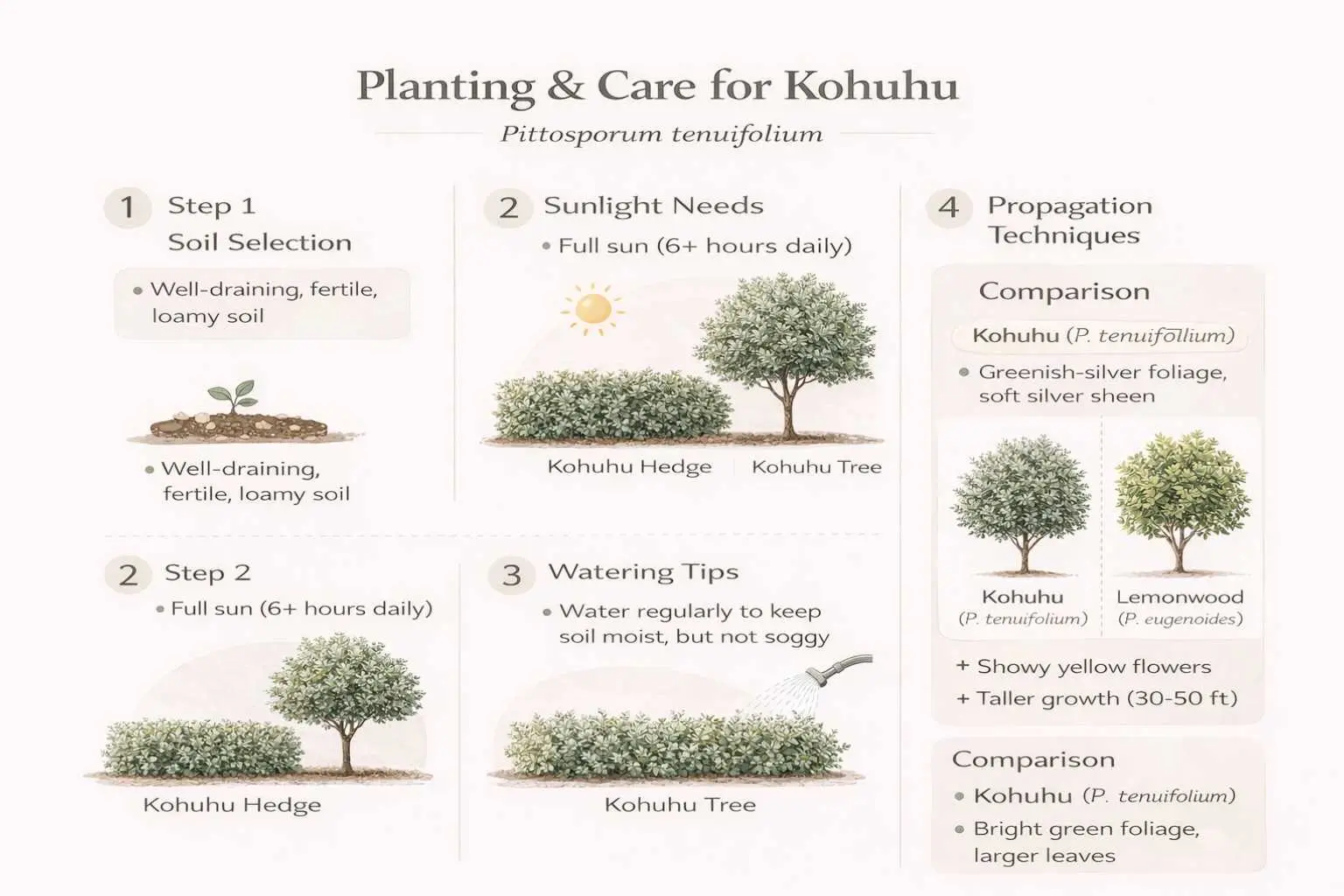
Kohuhu prefers well-draining soils enriched with organic matter. For optimal growth, it requires full sun to partial shade and regular watering, especially during the first year after planting. When planting kohuhu hedge or standalone trees, proper spacing is essential to ensure healthy development. Pittosporum eugenioides can be used for comparison, as it shares similar soil and sunlight preferences but differs in leaf structure and growth patterns.
-
Maintenance Tips
Pruning is essential to maintain the shape and health of the kohuhu plant. Regular trimming encourages dense foliage and promotes a well-formed canopy. The species is generally resistant to common pests and diseases. During flowering season, pittosporum tenuifolium flowers appear, adding delicate accents, while silver sheen plants offer added ornamental value.
-
Landscaping Uses
Kohuhu is ideal for privacy hedges, garden borders, or ornamental placements. Its adaptability allows it to blend seamlessly with other native plants. The silver sheen kohuhu pittosporum, also known as the silversheen tree, is particularly popular for creating visual contrast, while planting alongside a lemonwood plant can enhance overall garden aesthetics.
Popular Kohuhu Varieties
- Silver Sheen Kohuhu: Known for its glossy leaves and exceptional ornamental appeal.
- Other varieties and hybrids offer different leaf colors and growth habits, suitable for various landscaping needs. Keywords include tenuifolium silver sheen and pittosporum silver sheen tree.
Kohuhu vs. Related Plants
Compared to lemonwood and kowhai, kohuhu provides similar structural and ornamental benefits. While kowhai trees are recognized for their bright yellow kowhai flowers, kohuhu offers dense greenery with minimal maintenance. Lemonwood shares growth patterns with kohuhu, but its foliage and scent differ. Using these plants together can create visually engaging native gardens. Keywords include kowhai tree, yellow kowhai tree, and kowhai flower.
Benefits of Kohuhu
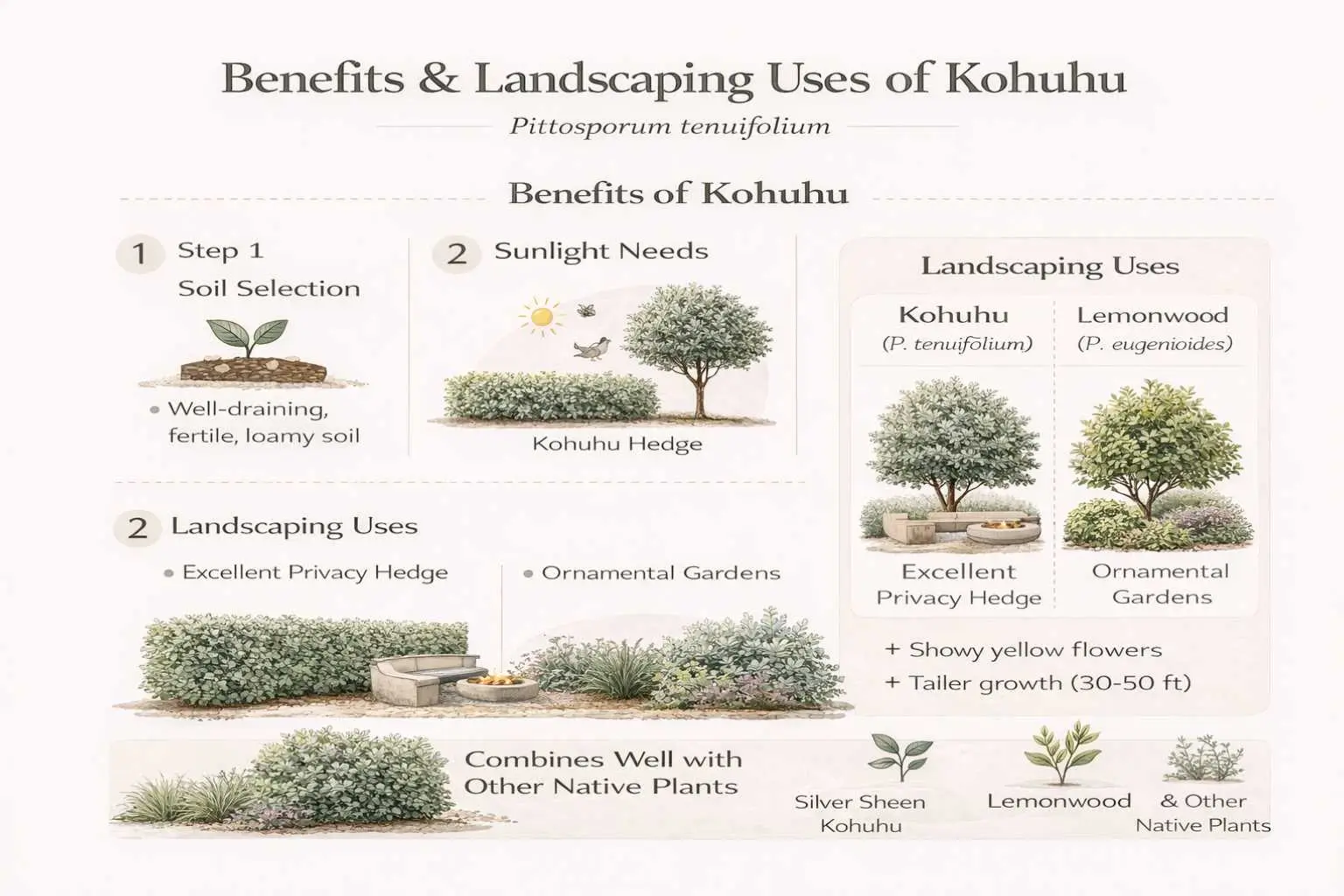
- Eco-Friendly Landscaping: Supports sustainable gardening practices.
- Supports Local Wildlife: Provides shelter and food for native species.
- Low-Maintenance Gardening Plant: Thrives with minimal care, ideal for urban and suburban gardens.
Conclusion
Kohuhu is a beautiful, versatile native plant perfect for hedges, gardens, and ornamental tree uses. By incorporating pittosporum kohuhu or exploring varieties like the silver sheen kohuhu, gardeners can enhance both the functionality and aesthetics of outdoor spaces. Its adaptability, low-maintenance needs, and ecological benefits make kohuhu an excellent choice for any landscaping project.
Learn more: 5+ Stunning Purple Hopseed Bush Ideas to Transform Your Garden
Frequently Asked Questions (FAQs)
- What is a Kohuhu plant?
Kohuhu is a native New Zealand plant from the Pittosporum genus, valued for hedging, ornamental trees, and garden borders. - How tall does a Kohuhu tree grow?
The pittosporum tenuifolium tree typically reaches 6–10 meters, depending on the variety and growing conditions. - Can Kohuhu be used as a hedge?
Yes, the kohuhu hedge is popular due to its dense foliage, adaptability, and ease of pruning. - What are the differences between Silver Sheen and regular Kohuhu?
Silver Sheen Kohuhu has metallic, glossy leaves and slower growth, whereas regular kohuhu has standard green foliage and faster growth. - How do you care for a Kohuhu tree or bush?
Plant in well-draining soil with full to partial sun, water regularly during the first year, and prune as needed for shape and health. - Is Kohuhu similar to lemonwood or kowhai?
Kohuhu shares growth and ornamental qualities with lemonwood and kowhai but differs in foliage, flower color, and maintenance needs. - Where is Kohuhu naturally found?
Kohuhu is native to New Zealand, thriving in coastal and lowland forest habitats.