Introduction
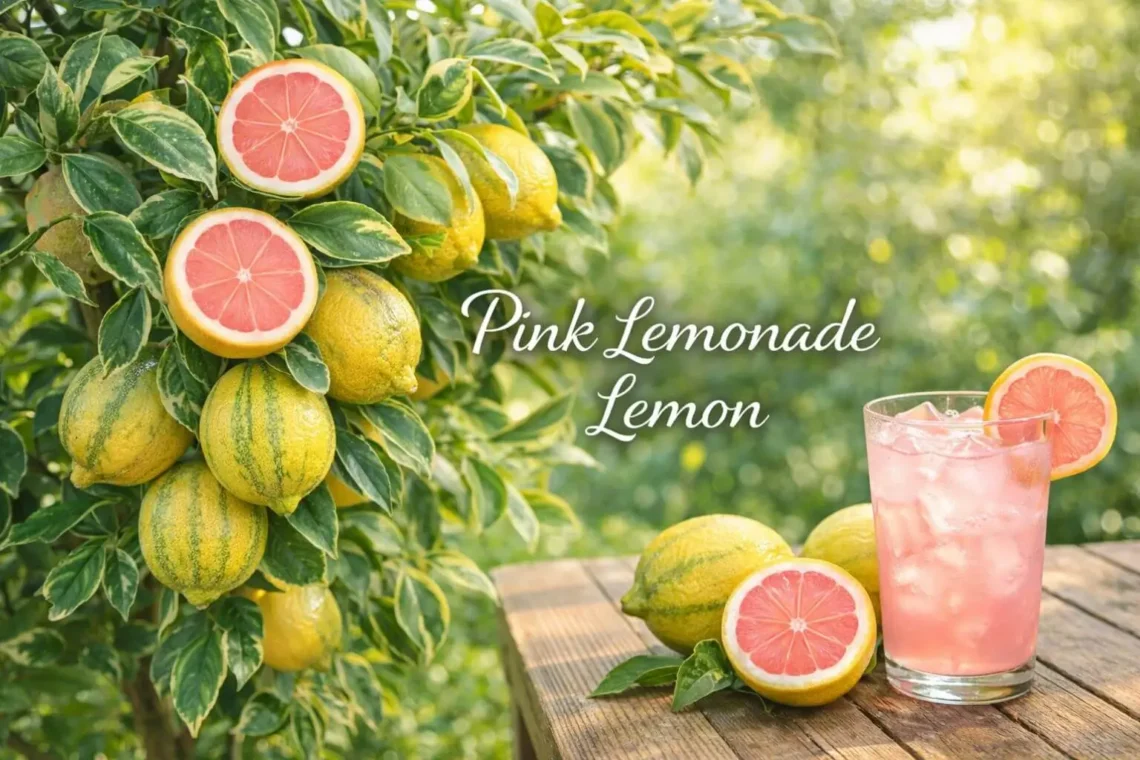
Pink lemonade lemon is a citrus fruit known for its distinctive pinkish flesh and subtly sweet, tart flavor. Unlike regular lemons, pink lemonade lemons have a naturally rosy hue that gives beverages and desserts a visually appealing tint. The pink lemonade flavor originated in the United States during the late 19th century, initially inspired by the fruit’s natural coloration. While some pink lemonade drinks are made from yellow lemons with added coloring, authentic pink lemonade often comes from pink lemons, providing a milder, sweeter taste. Understanding the origins and characteristics of pink lemonade helps clarify the difference between this specialty lemonade and traditional yellow lemonade. Pink lemonade lemon is a citrus fruit, a unique variety of lemon known for its pink flesh and sweet-tart flavor.
Understanding Pink Lemonade Lemons
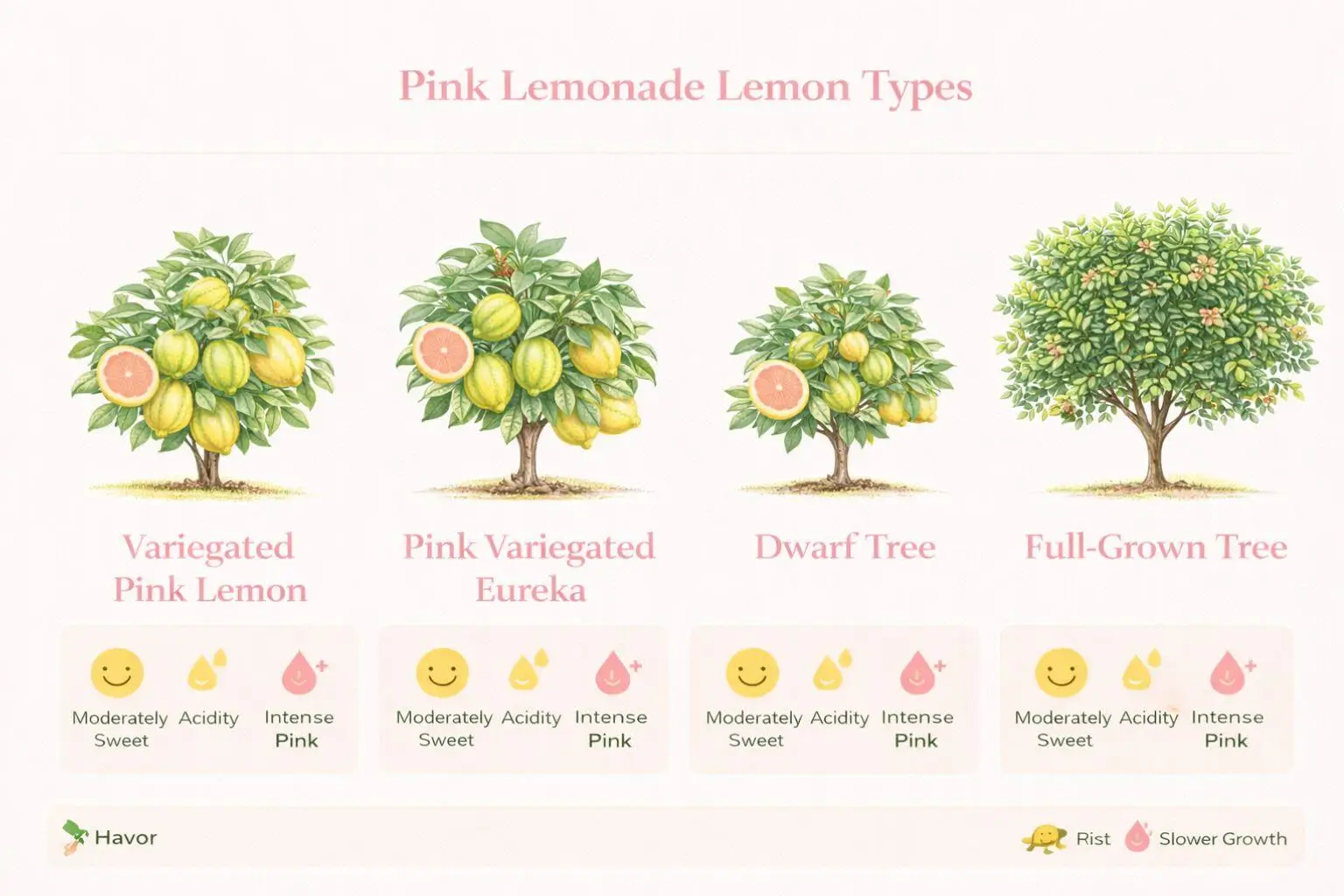
Pink lemonade lemons belong to the citrus family, typically grown on medium-sized trees. Their fruits are similar in size to standard lemons but are distinguishable by their pink interior and sometimes variegated foliage. Varieties include the variegated pink lemon and the pink variegated Eureka lemon, each offering a balance of sweetness and acidity. The pink hue contributes not only to visual appeal but also to a slightly softer flavor compared to yellow lemons. Pink lemonade lemons are often prized for both culinary and ornamental purposes.
Varieties of Pink Lemonade Lemons
Dwarf pink lemon trees are ideal for container growing and indoor gardens, offering compact growth while producing vibrant fruits. Full-grown variegated pink lemon trees can reach heights suitable for traditional orchards, bearing abundant pink lemons with striking foliage. Other cultivars include the standard pink lemonade lemon tree, known for its consistent fruiting and robust flavor. Growth conditions typically involve full sun exposure, well-draining soil, and regular watering. Flowers bloom seasonally, attracting pollinators, and proper care ensures optimal fruit development. Just as understanding the Pineapple Guava Tree growth rate helps gardeners optimize fruit production, knowing the growth patterns of dwarf and variegated pink lemonade lemon trees ensures healthy yields and vibrant fruits.
How Pink Lemonade is Made
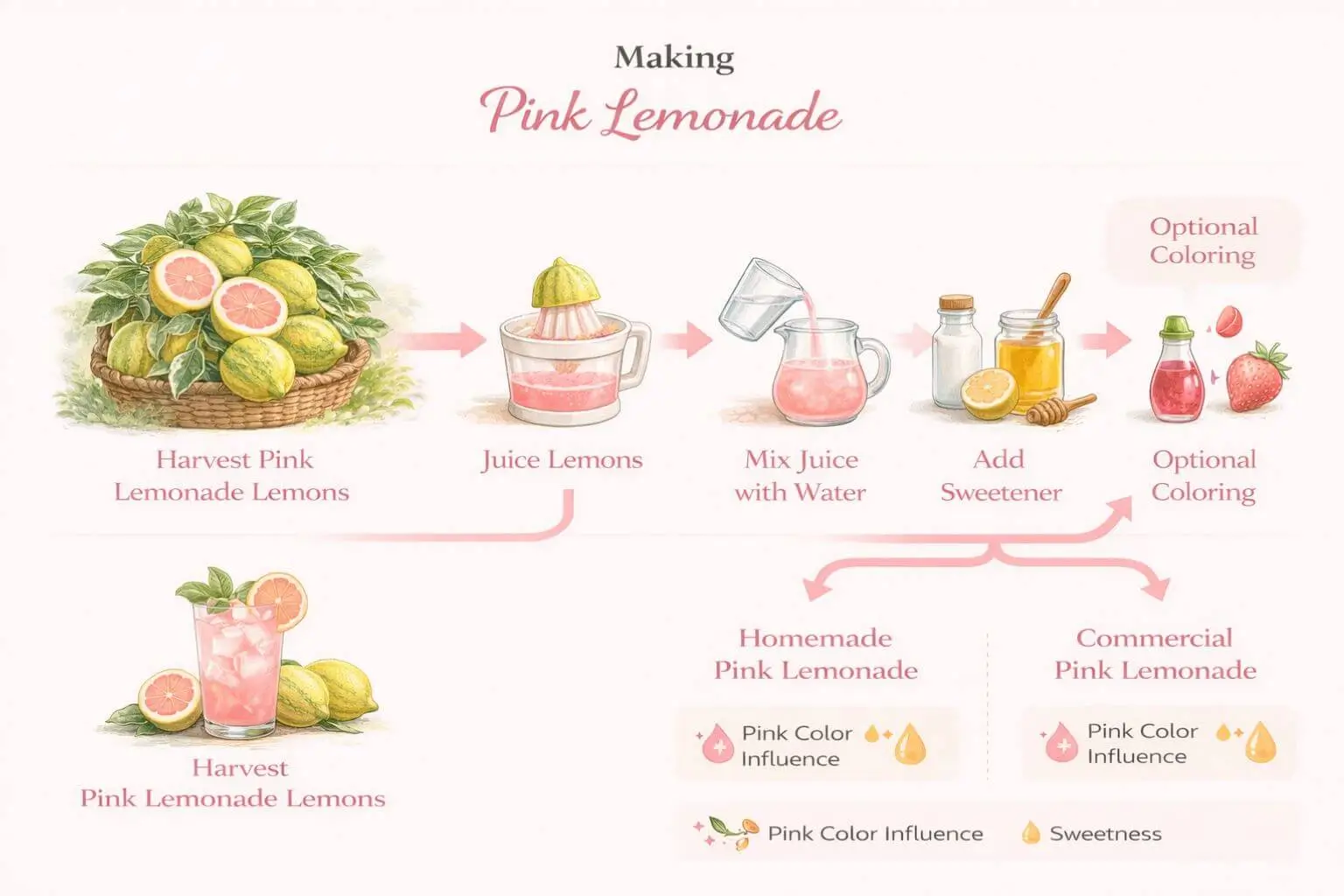
Pink lemonade is created by extracting juice from pink lemonade lemons and combining it with water and sweeteners. Traditional homemade methods rely entirely on the fruit’s natural pink flesh, producing a lightly colored, refreshing beverage. Commercially, some pink lemonades incorporate yellow lemon juice with added red or pink coloring or flavoring agents to mimic the appearance of natural pink lemonade. The color and flavor depend on whether authentic pink lemons are used or artificial additives are included, impacting both taste and nutritional value.
Pink Lemonade Lemon Recipes and Uses
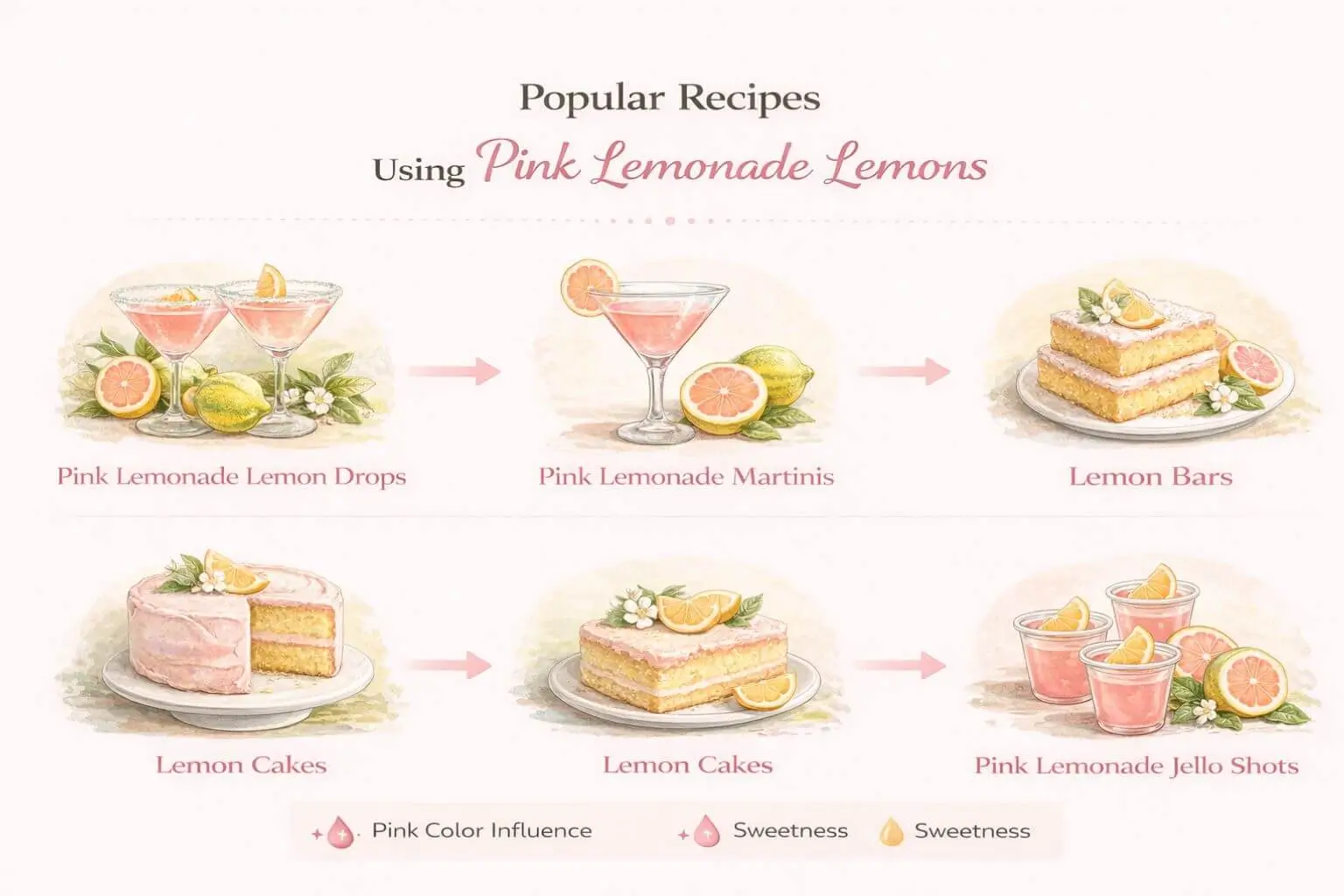
Pink lemonade lemons are versatile in culinary applications. They are used in beverages, desserts, and creative cocktails. Popular recipes include pink lemonade lemon drops, pink lemonade lemon drop martinis, and pink lemonade lemon bars, each highlighting the fruit’s color and flavor. In baking, pink lemonade lemons enhance cakes, jello shots, and confections with juice or zest, adding both aroma and mild tartness. Their natural sweetness makes them ideal for balancing flavors in both drinks and desserts.
-
Cocktails and Drinks
Pink lemonade lemons are commonly incorporated into martinis, shots, and mocktails. Recipes like Tito’s Pink Lemonade Lemon Drop Martini and Freezer Door Pink Lemonade Lemon Drop showcase the fruit’s aesthetic and taste qualities. Using fresh pink lemonade lemon juice elevates drinks with a subtle pink tint and sweet-tart balance, providing a distinctive cocktail experience.
-
Desserts and Sweet Uses
In desserts, pink lemonade lemons contribute juice and zest to lemon bars, cakes, and jellies. Pink lemonade lemon bars and pink lemonade lemon cake utilize the fruit’s flavor and color to create visually appealing and flavorful sweets. The mild acidity combined with natural sweetness enhances baked goods and confections without overpowering other ingredients.
Differences Between Pink Lemonade and Regular Lemonade
Pink lemonade differs visually and in flavor from traditional yellow lemonade. Naturally pink lemonade made from pink lemons is sweeter and less acidic, whereas artificially colored pink lemonade mimics the appearance but may not replicate the authentic taste. Compared with strawberry lemonade, pink lemonade is generally fruitier with a subtle citrus essence rather than a dominant berry flavor. Understanding these distinctions helps clarify consumer expectations and culinary applications.
Growing and Caring for Pink Lemonade Lemon Trees
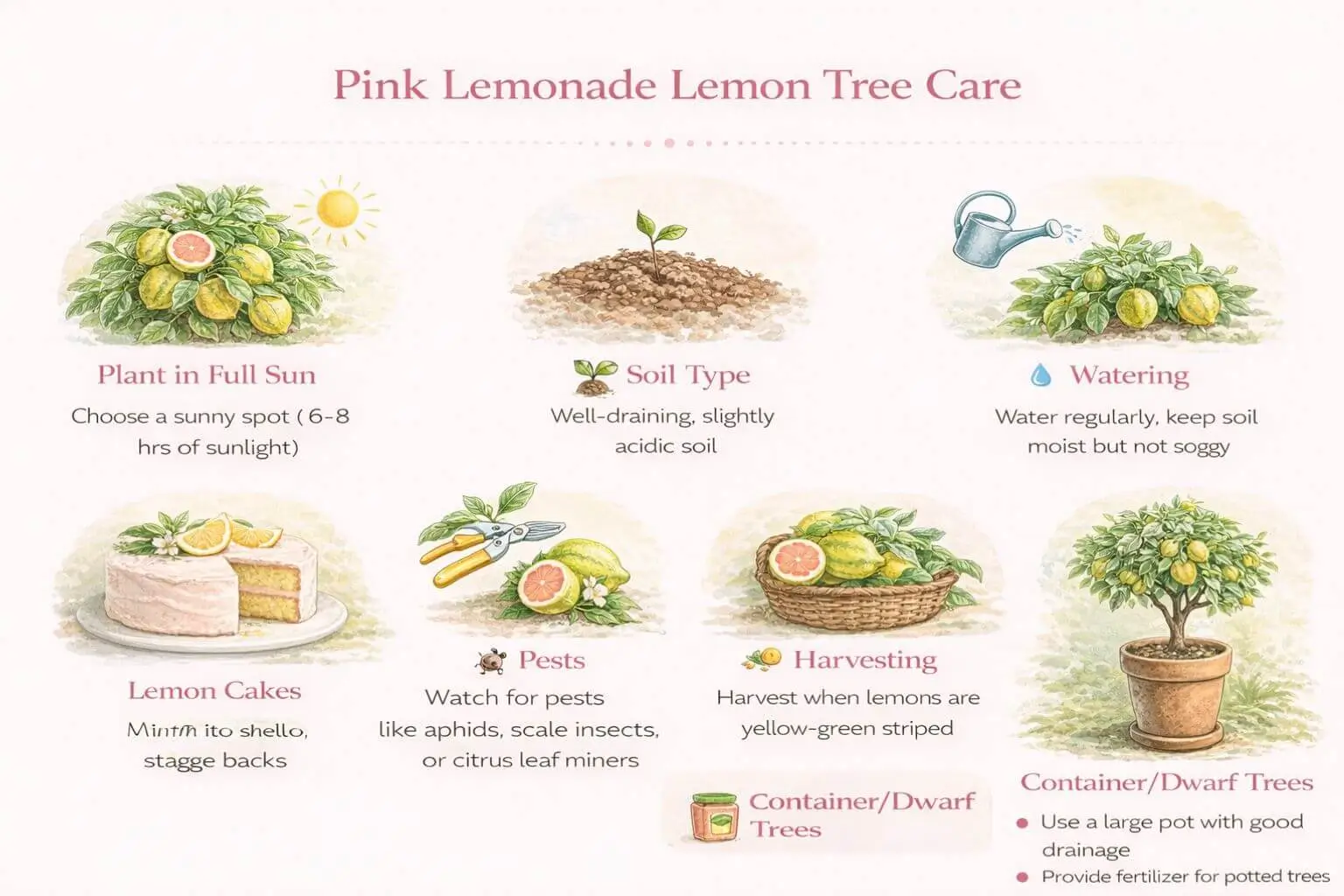
Successful cultivation of pink lemonade lemon trees requires full sunlight, fertile and well-draining soil, and consistent watering. Dwarf varieties thrive in containers and can be grown indoors or outdoors in suitable climates, while full-grown variegated trees require space and seasonal pruning. Pests like aphids and scale insects should be monitored, and flowers should be allowed to develop naturally for fruit production. Harvesting occurs when fruits achieve a rosy pink hue, signaling peak flavor. Similar to how a Cape Honeysuckle Wall transforms spaces, pink lemonade lemon trees can be grown in containers or gardens to add vibrant color and ornamental appeal.
Fun Facts and Trivia About Pink Lemonade Lemons
Pink lemonade lemons have inspired cultural references, including songs such as James Bay’s “Pink Lemonade”. They also provide nutritional benefits, including vitamin C, antioxidants, and hydration support. Popular myths include the assumption that all pink lemonade is derived from pink lemons, while in reality, many commercial versions use yellow lemons with added color. The fruit’s unique appearance and flavor have contributed to its continued popularity in beverages, desserts, and home gardening.
Conclusion
Pink lemonade lemons are a unique citrus variety prized for their pink flesh, mild sweetness, and versatile culinary uses. From refreshing drinks to baked goods and cocktails, they add both visual appeal and distinctive flavor. Whether grown at home or used in commercial recipes, pink lemonade lemons offer an alternative to traditional yellow lemons. Learn more about pink lemonade lemons, their flavors, and culinary uses to fully appreciate their value in cooking and beverage preparation.
FAQ Section
- What is a pink lemonade lemon?
A citrus fruit known for its pinkish flesh and sweet-tart flavor, used to make pink lemonade drinks. - How is pink lemonade different from regular lemonade?
Pink lemonade can be made from pink lemons, offering a slightly sweeter, milder flavor, or it can be artificially colored, unlike traditional yellow lemonade. - Can I grow a pink lemonade lemon tree at home?
Yes. Both dwarf and full-grown varieties can be grown in containers or gardens with proper sunlight, soil, and care. - What are popular recipes using pink lemonade lemons?
Drinks like pink lemonade lemon drops, martinis, desserts such as lemon bars and cakes, and jello shots all utilize the juice and zest. - Why is pink lemonade pink?
The pink color comes either from the natural pink flesh of the lemons or from coloring/flavoring in commercial beverages. - Do pink lemonade lemons taste different from regular lemons?
Yes, they are sweeter, less acidic, and have a mild, fruity flavor compared to regular yellow lemons.