Introduction
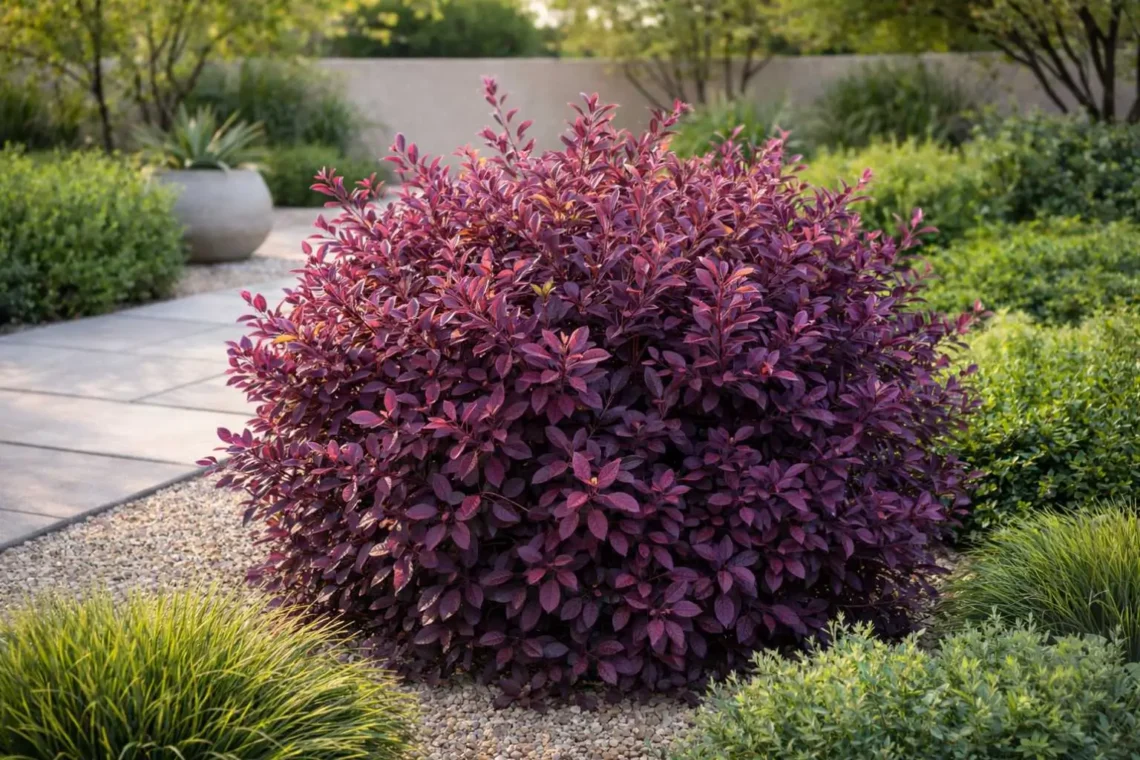
The purple hopseed bush, also known as purple hopbush or purple leaf hop bush, is a versatile ornamental shrub prized for its striking purple foliage. Unlike traditional green hopseed varieties, the purple hopseed adds a vibrant splash of color to gardens, borders, and hedges. Its compact yet adaptable growth habit makes it suitable for both small and large landscapes. Gardeners appreciate its resilience, low maintenance needs, and ability to thrive in sunny, well-drained locations. Whether used as a decorative accent, hedge, or container plant, the purple hopseed offers both aesthetic appeal and functional landscaping benefits, making it a popular choice for modern gardens.
What is a Purple Hopseed Bush?
Botanical Overview
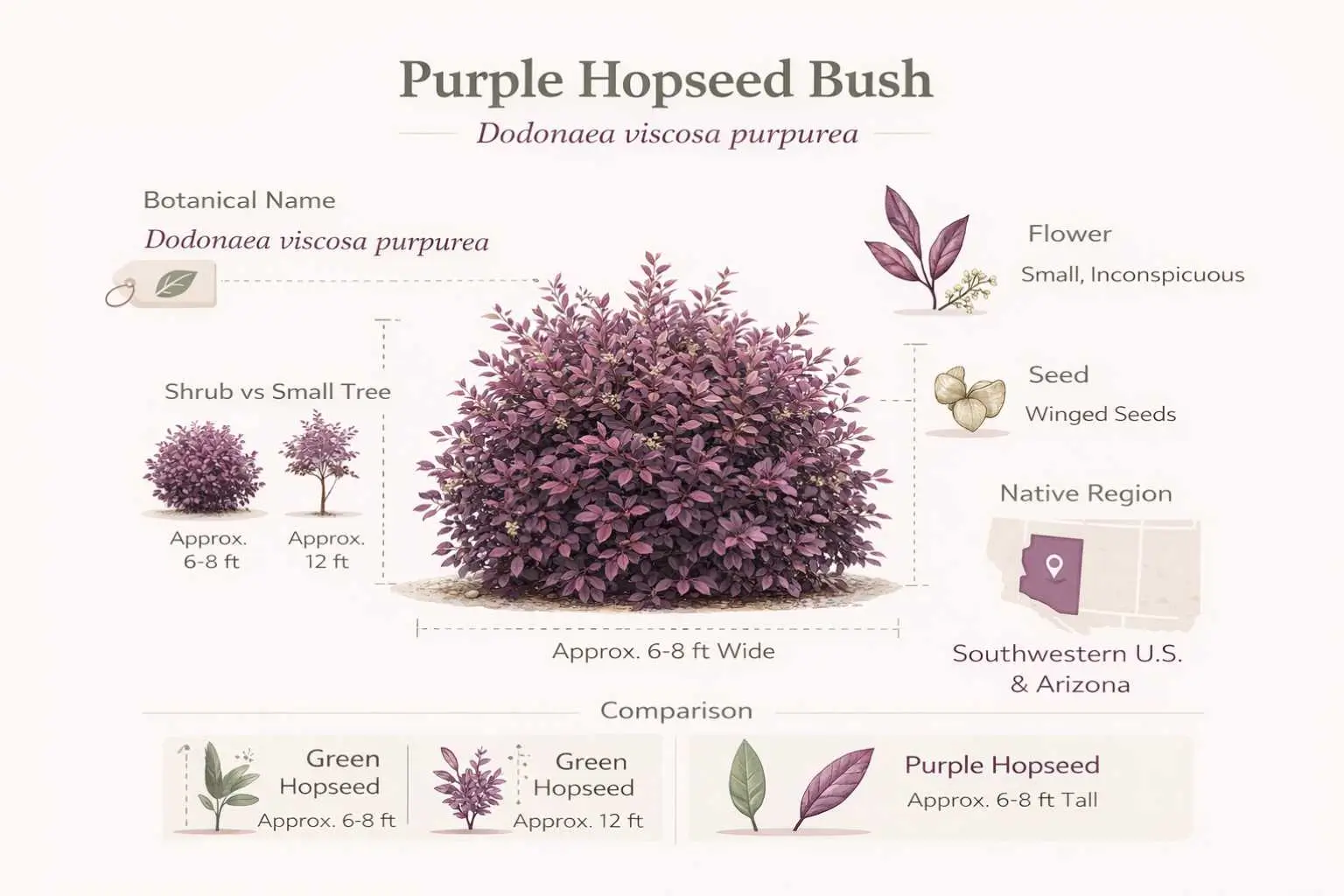
The purple hopseed bush (Dodonaea viscosa purpurea) is native to warm, temperate regions and thrives in USDA zones suitable for purple hopseed bush Arizona climates. Its natural habitat includes dry, sunny areas with well-drained soil. Compared to the green hopseed (Dodonaea viscosa), the purple variety stands out with its deep purple foliage, while both types share similar drought tolerance and adaptability. The green hopseed vs purple hopseed contrast is notable: green hopseed provides lush greenery, while purple hopseed brings vibrant color and visual interest to the landscape.
Key Characteristics
- Leaves: The purple leaf hop bush has small, ovate leaves with smooth edges and a rich purple hue that intensifies in full sun.
- Growth Habit: Typically grows as a purple hopseed shrub but can also reach the size of a purple hopseed bush tree in optimal conditions. It maintains a dense, upright form.
- Flowering and Seeds: Produces small, inconspicuous flowers in spring, followed by winged seeds that can disperse naturally for propagation.
How to Grow and Care for a Purple Hopseed Bush
Planting Tips
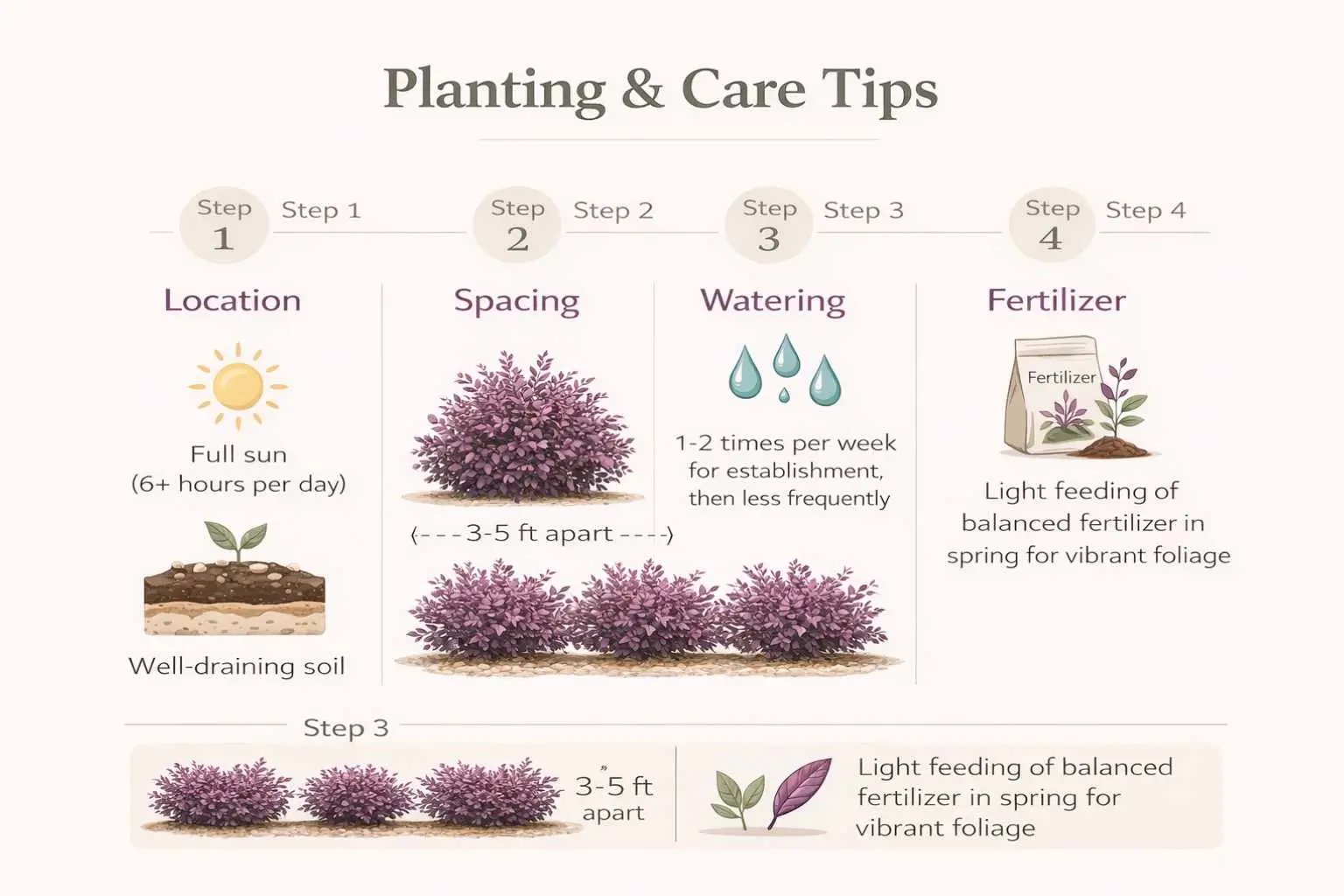
- Location: Choose a sunny spot with well-draining soil. The plant tolerates drought but performs best in areas with full sun exposure.
- Spacing: When planting for a hedge, allow sufficient space between plants to achieve proper growth and airflow, following purple hopseed hedge spacing recommendations.
Watering and Fertilizing
- Watering: Water young plants regularly to establish roots. Mature shrubs are drought-tolerant but benefit from occasional deep watering during prolonged dry periods.
- Fertilizer: Apply a balanced, slow-release fertilizer to promote vibrant foliage and healthy growth, especially in nutrient-poor soils.
Pruning and Maintenance
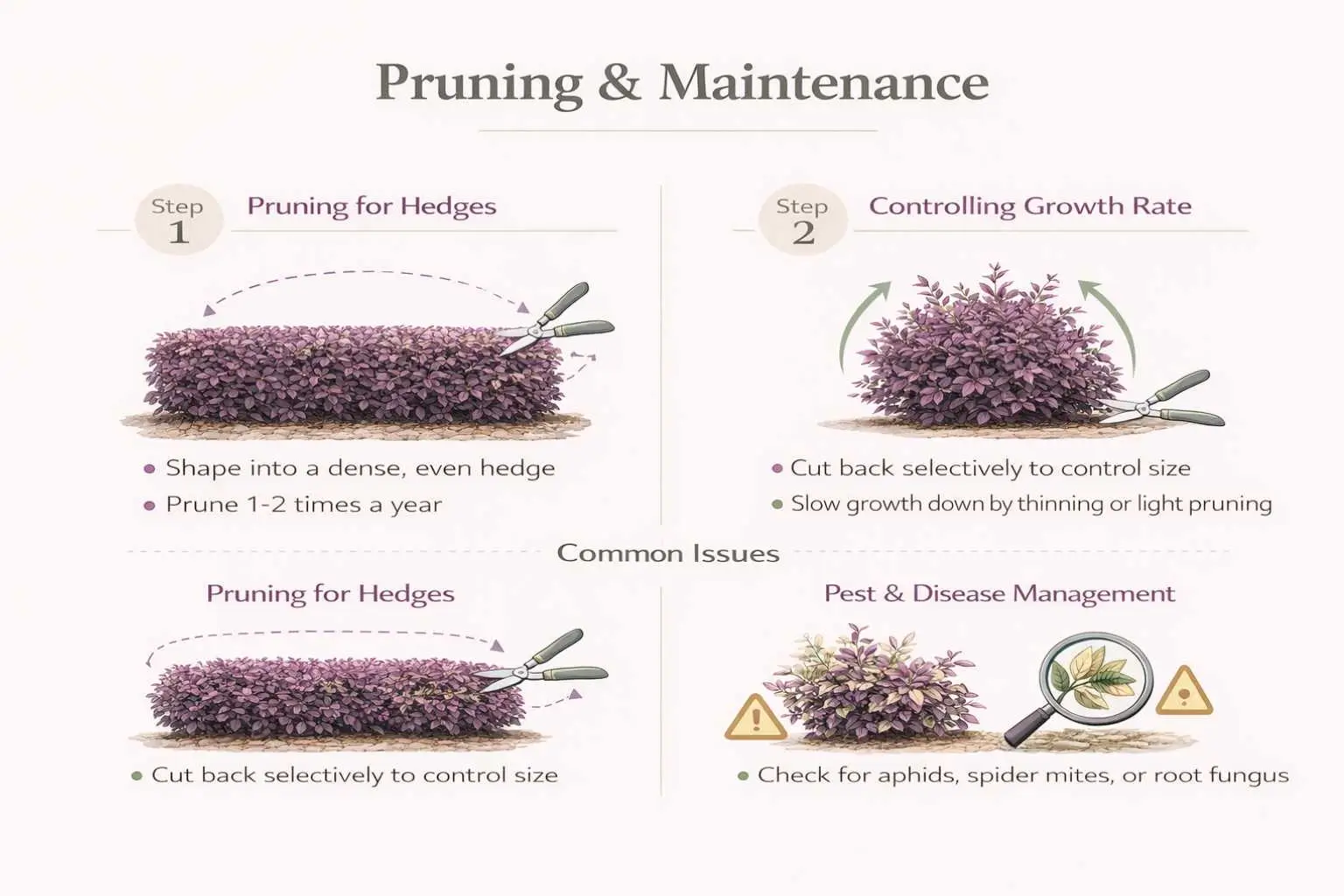
- Shaping: Prune lightly to maintain desired form and density, ideal for purple hopseed bush hedge applications.
- Growth Control: Monitor growth to prevent overextension. Moderate pruning can control the purple hopseed bush growth rate without compromising ornamental value.
Common Problems and Solutions
- Yellowing Leaves / Dying Plants: Overwatering or poor drainage can cause purple hopseed bush dying or hopseed bush turning yellow. Ensure soil is well-drained and reduce watering frequency.
- Pests and Diseases: Generally pest-resistant, but occasional infestations may occur. Regular inspection and proper cultural practices help prevent hopseed bush problems.
Landscaping Uses for Purple Hopseed Bush
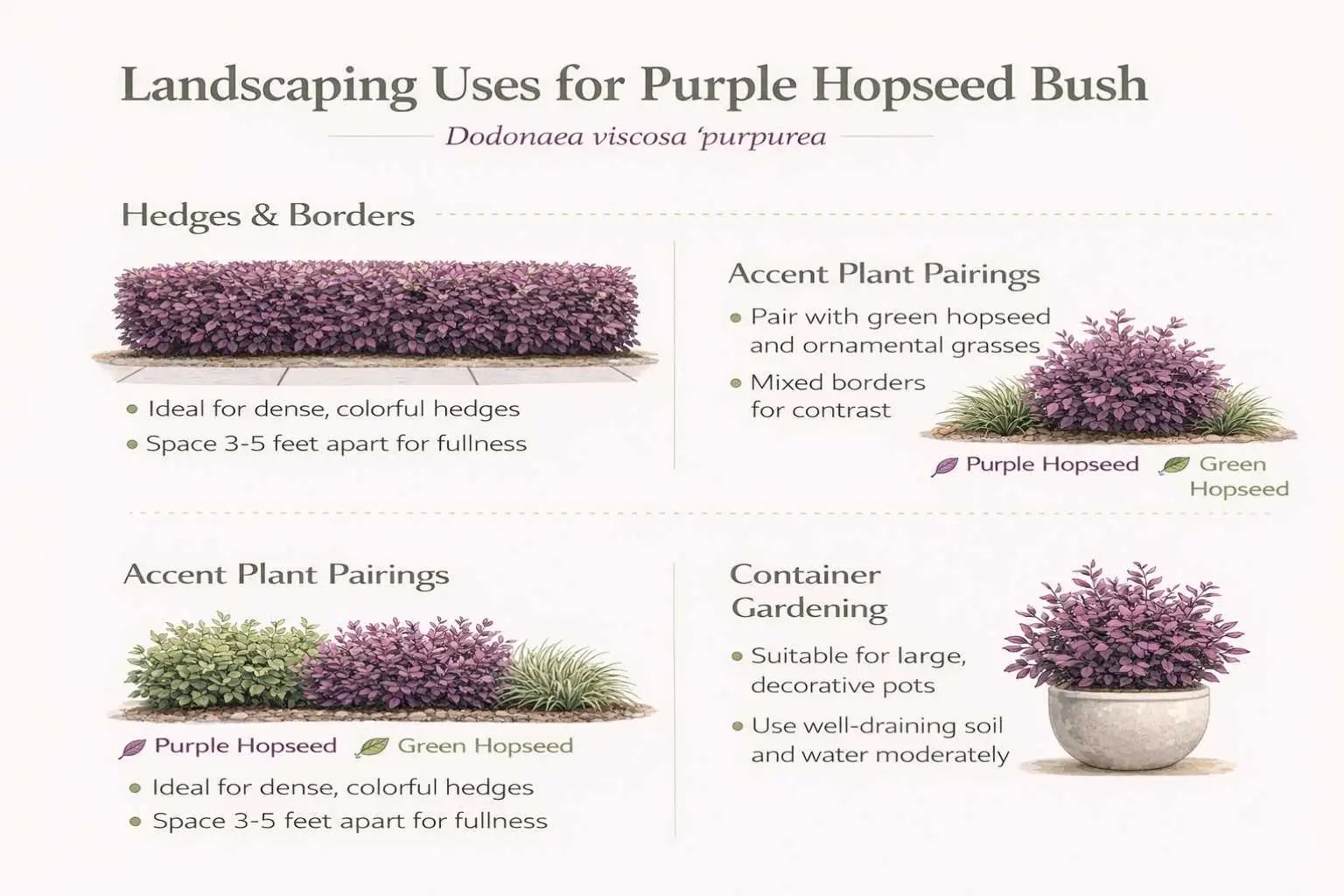
-
Hedge and Border Applications
The purple hopseed bush hedge is ideal for privacy screens or ornamental borders. Space plants evenly to allow dense growth, creating a visually striking hedge. Hop bush hedge layouts can follow curved or straight garden lines.
-
Accent Plant in Gardens
Pair the purple hopseed with green hopseed bush or other complementary plants to create color contrast. A green hopseed bush hedge alongside purple foliage highlights the rich tones and enhances garden design.
-
Container Gardening
Compact varieties thrive in pots and small spaces, making the purple hopseed bush for sale a versatile choice for patios, decks, or urban gardens. Ensure containers have good drainage and sufficient sunlight.
Safety and Toxicity
Is the Purple Hopseed Bush Poisonous?
The purple hopseed is generally considered non-toxic but may cause mild irritation if ingested by pets. It is important to compare with green hopseed bush poisonous to dogs; while both are low-risk, supervision is recommended in households with curious animals.
Where to Buy Purple Hopseed Bush
- Purchase healthy, well-rooted plants from reputable nurseries. Look for vibrant foliage and signs of active growth (purple hopseed bush for sale).
- Online sources and garden centers offer a range of sizes suitable for landscaping, container gardening, or hedging projects.
Conclusion / Call-to-Action
The purple hopseed bush combines beauty, versatility, and low-maintenance care, making it an excellent choice for gardens of all sizes. By following proper planting, watering, and pruning techniques, gardeners can enjoy its vibrant foliage and ornamental appeal. Whether used as a hedge, accent plant, or container specimen, this shrub adds color and structure to any landscape.
Transform your garden with a stunning purple hopseed bush today!
Learn more: Artichoke Agave: 5+ Stunning Facts for Bold Landscapes
FAQs
- What is the difference between purple and green hopseed bushes?
Purple hopseed bushes have rich purple foliage, while green hopseed bushes are green. Both share similar growth habits and drought tolerance. - How fast does a purple hopseed bush grow?
Growth rate varies with climate and care. Regular pruning can manage the purple hopseed bush growth rate while maintaining shape and density. - Is the purple hopseed bush safe for pets?
Generally non-toxic, but ingestion may cause mild irritation. Exercise caution if pets interact with the plant (purple hopseed bush poisonous). - How do I care for a purple hopseed bush in Arizona?
Plant in full sun with well-drained soil. Water young plants regularly and use mulch to retain moisture. Mature shrubs tolerate dry, hot conditions (purple hopseed bush Arizona). - Can purple hopseed bushes be used as hedges?
Yes, they are ideal for purple hopseed bush hedge applications. Space plants correctly (purple hopseed hedge spacing) to form a dense, attractive screen. - Why is my purple hopseed bush turning yellow or dying?
Overwatering, poor drainage, or nutrient deficiencies can cause yellowing or dying foliage (purple hopseed bush dying, hopseed bush turning yellow). Adjust watering and soil conditions accordingly.