
Introduction
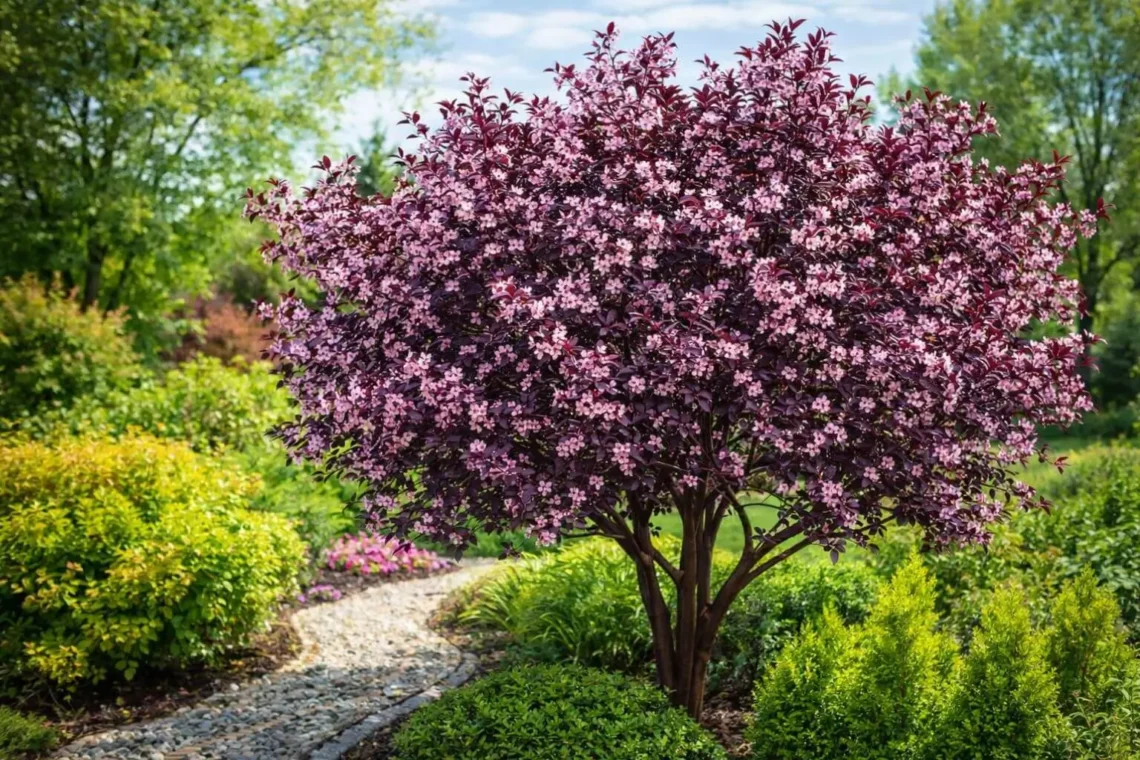
The purple leaf plum bush is a striking addition to gardens and landscapes, prized for its vibrant foliage and ornamental value. Scientifically known as Prunus cerasifera, this deciduous shrub or small tree is easily recognized by its deep purple leaves that create a bold visual statement throughout the growing season. Beyond its foliage, it produces delicate spring flowers, followed by small fruits that add seasonal interest. Commonly referred to as the purple plum tree, purple leaf flowering plum, or purple leaf fruit tree, it combines aesthetic appeal with versatility, making it ideal for borders, garden focal points, and mixed plantings. Its manageable size and growth habit further enhance its landscaping potential.
Overview of the Purple Leaf Plum Bush
Botanical Classification
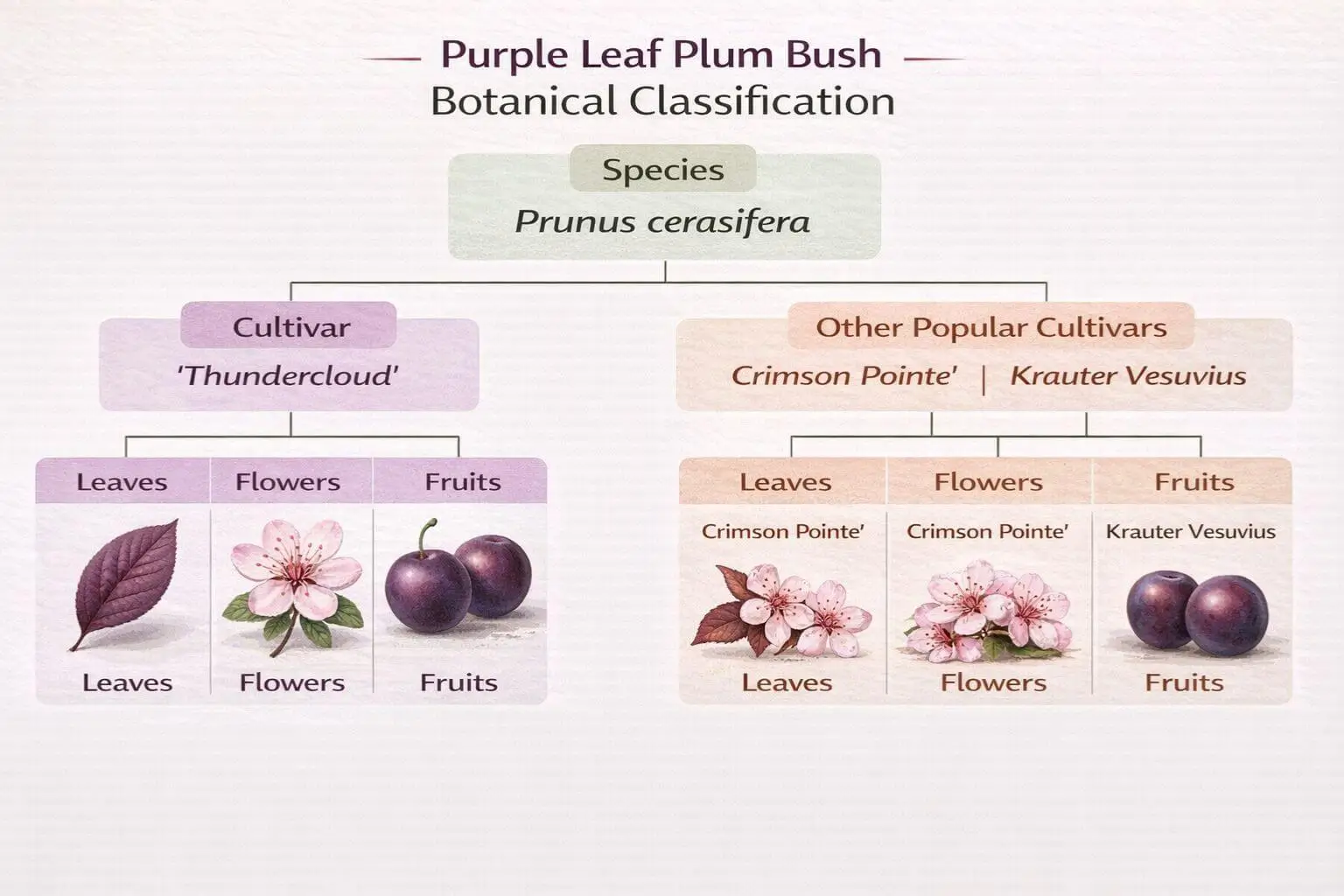
The purple leaf plum bush belongs to the genus Prunus and is scientifically classified as Prunus cerasifera. Variations include Prunus purple leaf plum and other regional botanical names for the purple leaf plum. Popular cultivars such as Thundercloud and other hybrid varieties have been developed for enhanced flower color, leaf vibrancy, and fruit production. Understanding botanical classification is essential, as it influences growth patterns, hardiness, and specific care requirements, ensuring that each variety thrives under optimal conditions.
Key Characteristics and Features
- Size and Growth: Purple leaf plum bushes typically reach 15–25 feet in height with a similar spread. Growth rates vary depending on variety and local climate, providing flexibility for garden design.
- Leaves: The defining feature is its purple foliage, which can vary in shade from deep burgundy to rich violet. Seasonal changes enhance its ornamental appeal, sometimes showing subtle color shifts in autumn.
- Bark: The bark is smooth and gray-brown, adding texture and visual interest, particularly in winter. Unique traits like slight exfoliation contribute to its aesthetic charm.
Planting and Care of Purple Leaf Plum Bush
-
Soil and Sun Requirements
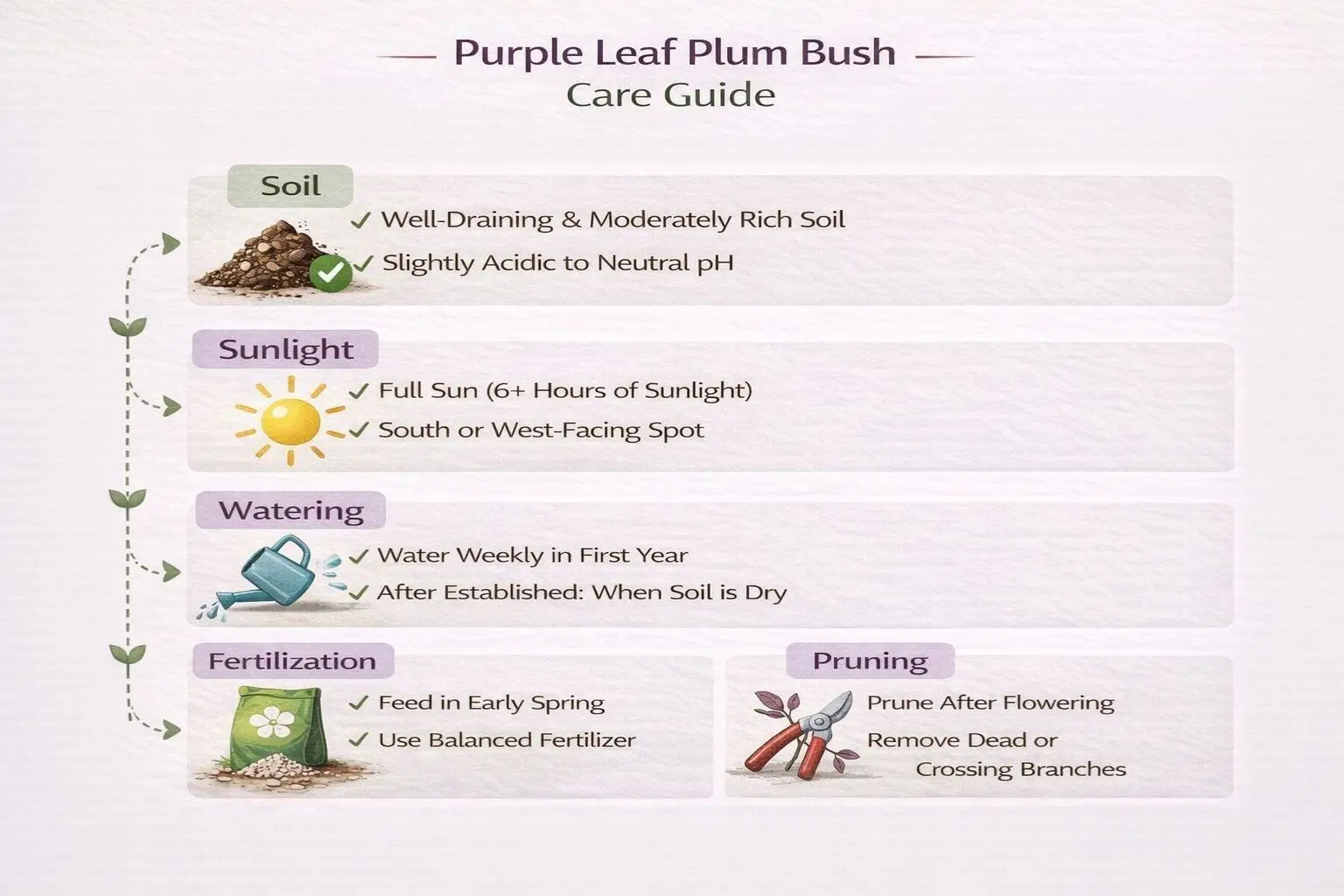
Purple leaf plum bushes thrive in well-drained soils with a slightly acidic to neutral pH. Sandy loam or clay soils with adequate drainage are ideal. Full sun exposure promotes vibrant leaf color and abundant flowering, although partial shade is tolerated. Proper planting location supports overall health and maximizes the ornamental value of the purple leaf plum bush, ensuring strong seasonal growth.
-
Watering and Fertilization
Water newly planted bushes regularly to establish roots, gradually reducing frequency as the plant matures. Signs of overwatering include yellowing leaves and root rot, while underwatering can cause leaf curling or drop. Balanced fertilizers high in nitrogen and potassium, applied in early spring and after flowering, support leaf vibrancy and flower production.
-
Pruning and Maintenance
Pruning should be performed in late winter or early spring before new growth emerges. Focus on removing dead or crossing branches and shaping the canopy for symmetry. Seasonal maintenance also includes removing spent flowers and monitoring for pests to maintain health and visual appeal.
-
Container vs Ground Planting
Purple leaf plum bushes can be grown in containers or directly in garden beds. Container planting allows size control and mobility but requires more frequent watering and nutrient management. Ground planting promotes natural growth and root expansion, supporting taller, fuller plants. The care principles remain similar, with adjustments for soil depth and moisture retention in pots.
Flowering and Fruit of Purple Leaf Plum Bush
Flowering Season and Appearance
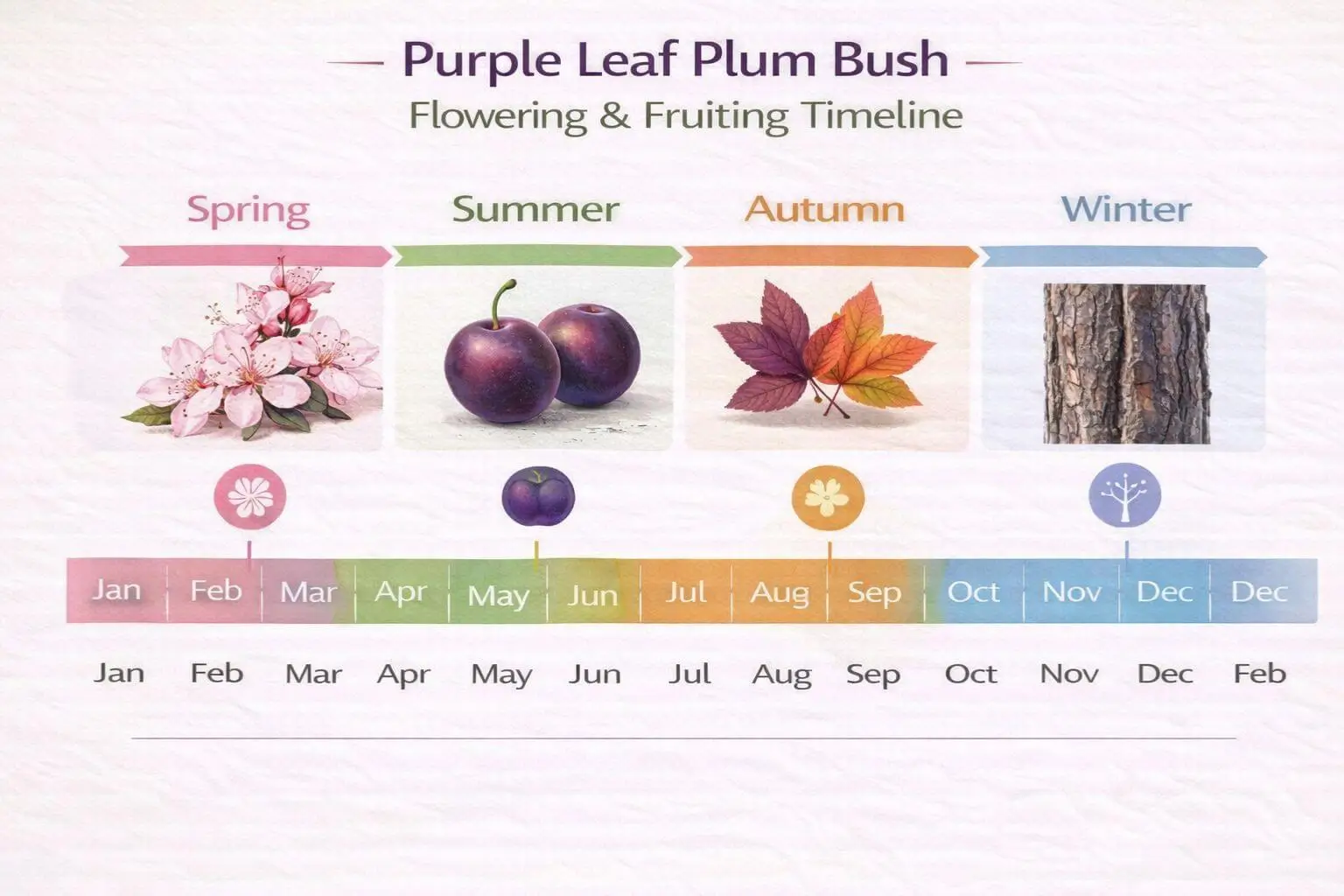
Spring brings an impressive display of pale pink to white flowers on the purple leaf flowering plum. These blooms are mildly fragrant and attract pollinators, enhancing the garden ecosystem. Flowering typically lasts several weeks, providing a seasonal highlight that complements the purple foliage.
Fruit Production and Uses
Fruits appear in late summer, ranging from small purple to reddish berries. While some varieties produce edible fruits suitable for preserves or ornamental purposes, others are primarily decorative.
Common Problems and Diseases
Pests and Fungal Issues
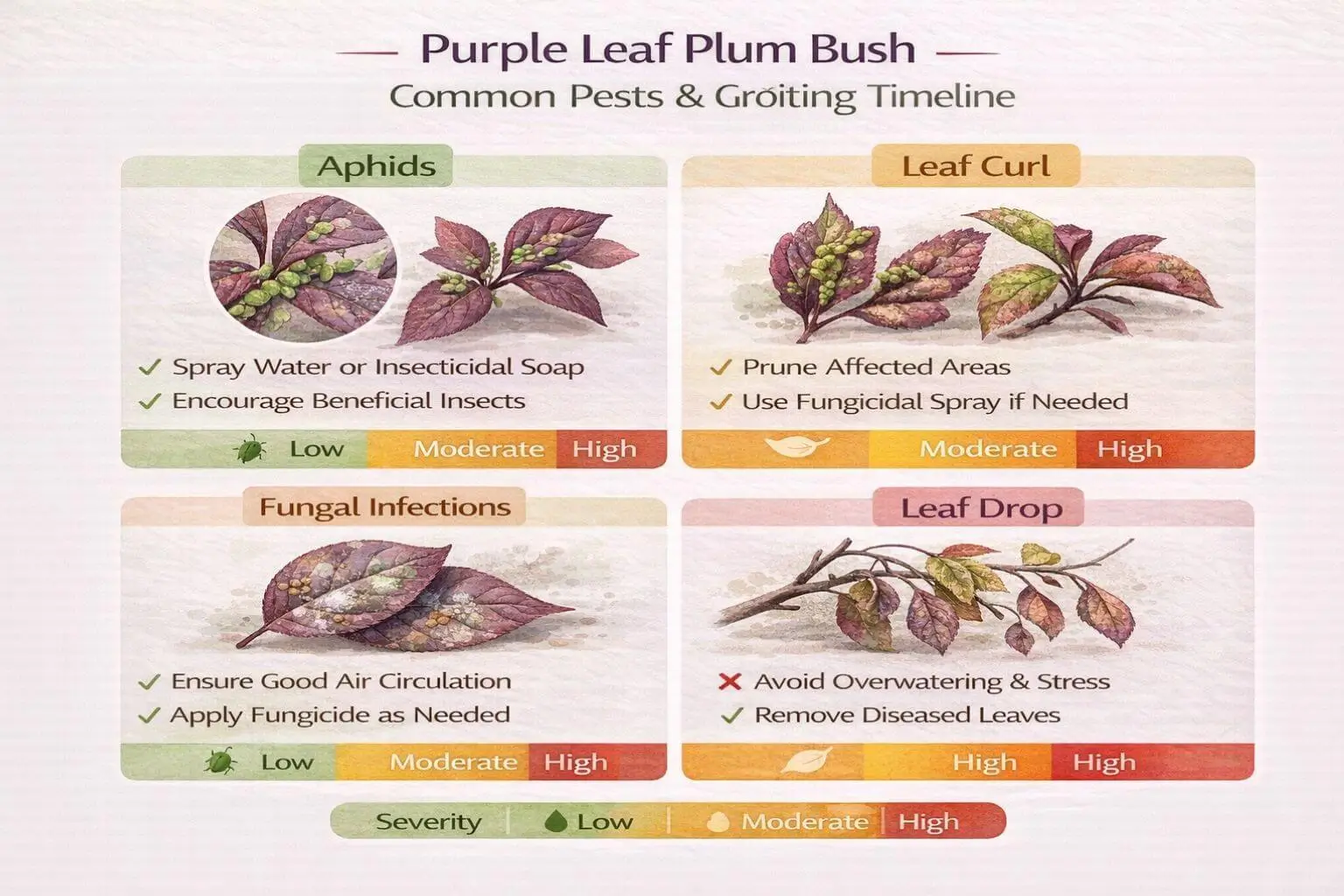
Purple leaf plum bushes may encounter pests such as aphids, scale insects, or leaf curl. Fungal infections, including brown rot and powdery mildew, are common under humid conditions. Preventive measures include proper spacing for airflow, regular inspection, and timely application of fungicides or insecticidal soaps.
Growth and Environmental Challenges
Challenges such as slow growth, leaf drop, or yellowing may result from poor soil, overwatering, or insufficient sunlight. Specific varieties like Thundercloud are more prone to leaf scorch in hot climates. Monitoring environmental factors and adjusting care practices supports healthy development and vibrant foliage.
Varieties of Purple Leaf Plum Bush
Popular Cultivars
- Thundercloud Purple Leaf Plum: Known for deep purple foliage, upright form, and abundant spring flowers.
- Other Flowering Plum Trees: Vary in height, leaf shade, and flower intensity, offering options for different landscape designs.
Pros and Cons of Each Variety
Thundercloud: Pros – vivid foliage, robust flowers; Cons – susceptible to leaf scorch and fungal infections.
Other Varieties: Pros – diverse shapes and colors; Cons – variable fruiting and growth rates.
Landscaping Uses and Aesthetic Appeal
Purple leaf plum bushes excel as garden focal points, border plants, or stand-alone specimens. Their vibrant foliage contrasts beautifully with green or variegated plants. Spring flowers enhance seasonal interest, while compact growth suits small gardens or mixed landscapes. Strategic placement highlights color contrasts, creating dynamic visual appeal throughout the year.
Conclusion
The purple leaf plum bush is a versatile, visually striking plant suitable for various garden settings. Its vibrant foliage, seasonal flowers, and manageable care make it an ideal choice for gardeners seeking both beauty and function. Explore different varieties and planting methods to enhance your garden’s aesthetic appeal and enjoy the full benefits of this remarkable ornamental plant.
Learn more: 5+ Amazing Horsetail Plants Facts You Must Discover Today
FAQs
- What is a purple leaf plum bush?
A deciduous shrub/tree known for its deep purple foliage, spring flowers, and small edible fruit. - How do I care for a purple leaf plum bush?
Plant in well-drained soil with full sun, water regularly, prune seasonally, and monitor for pests. - What is the scientific name of the purple leaf plum bush?
Prunus cerasifera, including popular varieties like Thundercloud. - Does the purple leaf plum bush produce fruit?
Yes, small purple to reddish fruits appear in summer; some varieties are edible. - What are common problems with purple leaf plum bushes?
Leaf spots, fungal infections, pests, overwatering, and environmental stress are common. - How tall does a purple leaf plum bush grow?
Typically 15–25 feet, depending on variety and growing conditions.