
Introduction
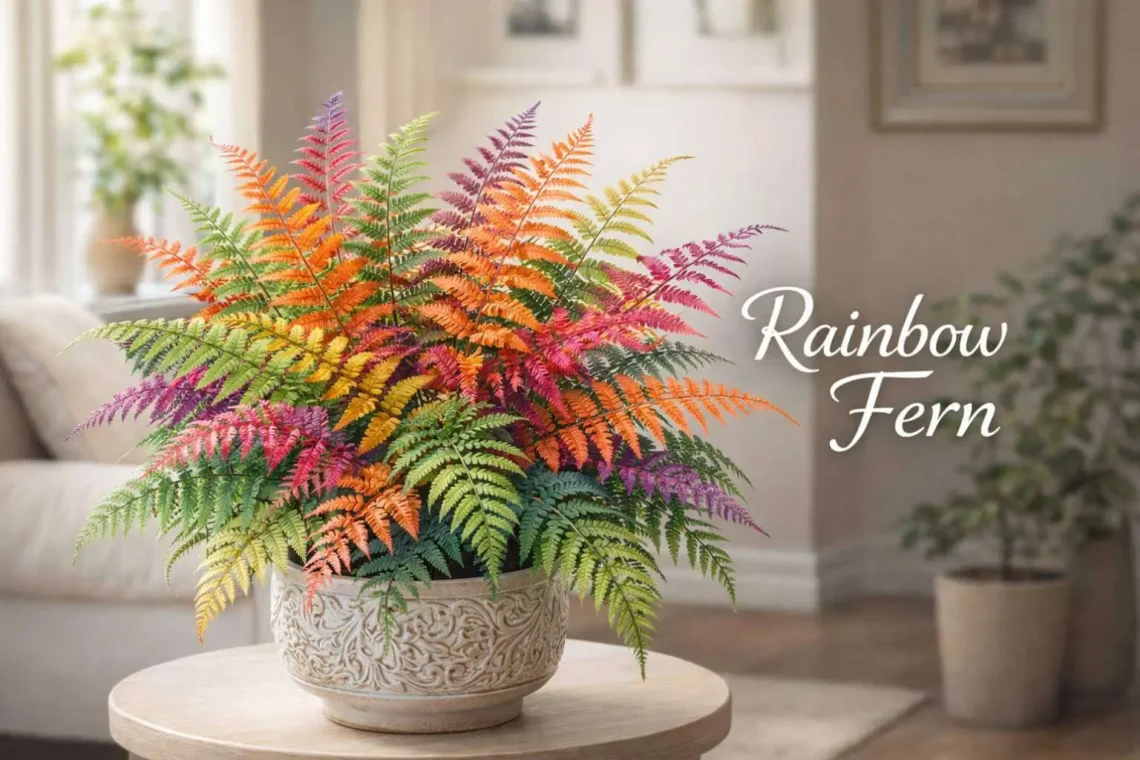
A rainbow fern, also known as a rainbow peacock fern or selaginella rainbow fern, is a tropical ornamental plant recognized for its vibrant, multicolored fronds. These fronds display shades of green, red, orange, and purple, creating a visually striking appearance that sets it apart from typical ferns. Native to tropical and subtropical regions, the rainbow fern plant is popular for indoor and outdoor decorative purposes. Its unique coloration and tropical appeal make it an excellent choice for gardeners seeking an ornamental fern that adds both texture and color to living spaces. The selaginella rainbow fern is versatile, thriving in both terrariums and shaded garden areas.
What is a Rainbow Fern?
The rainbow fern belongs to the Selaginella family, a group of primitive vascular plants often referred to as spikemosses. Unlike traditional ferns, rainbow ferns have distinct creeping stems and scale-like leaves, giving them a moss-like appearance. The rainbow peacock fern is closely related to peacock ferns and rainbow moss ferns, but it stands out due to its vibrant frond coloration. Regional varieties, such as the Japanese rainbow fern, may differ slightly in frond size, coloration intensity, and growth habit. Common names like peacock rainbow fern or rainbow moss fern are often used interchangeably in horticulture, but botanical distinctions remain important for proper care and propagation. The rainbow fern belongs to the Selaginella family, a group of primitive vascular plants Selaginella – Wikipedia often referred to as spikemosses.
Rainbow Fern Care
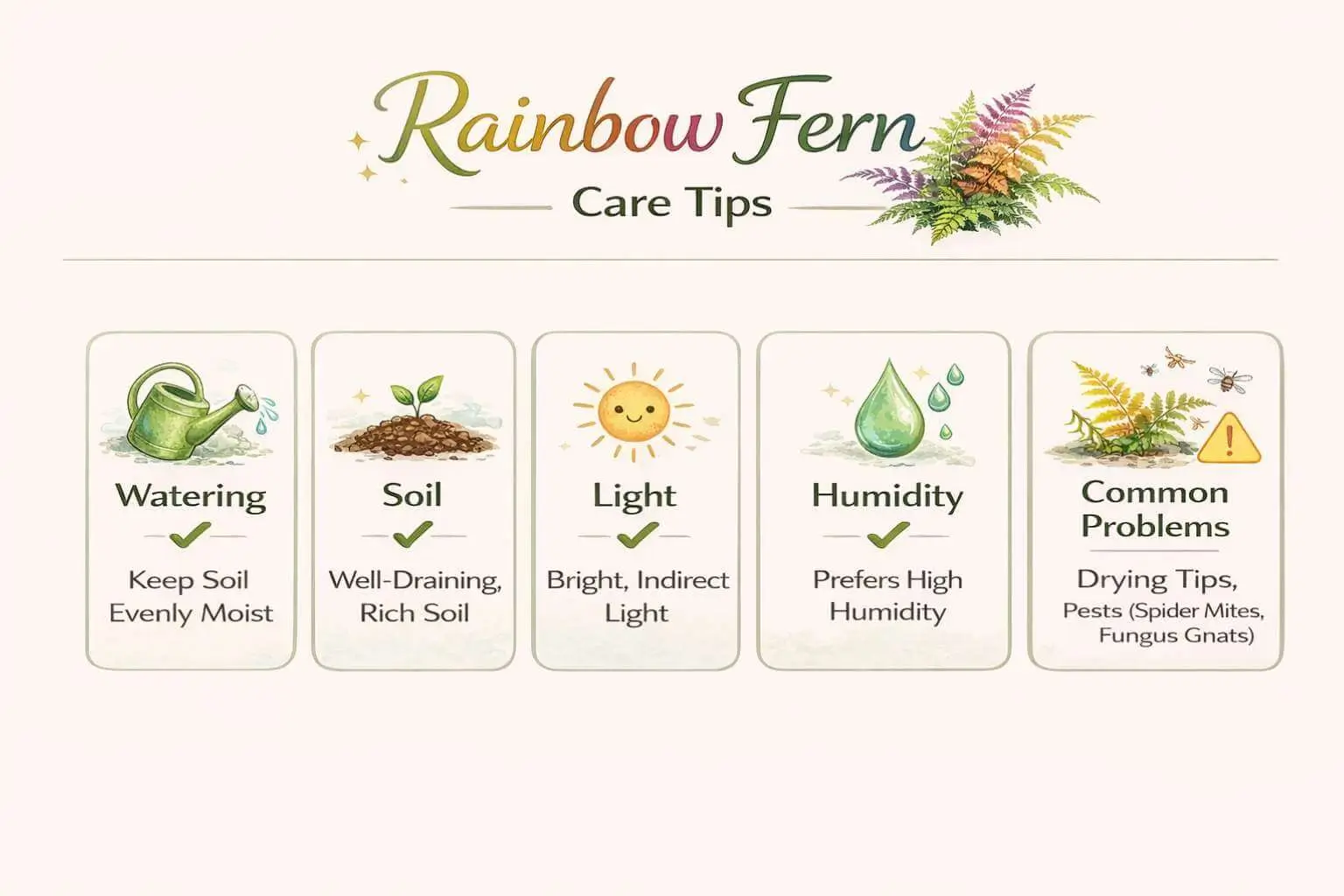
Rainbow fern care involves maintaining conditions that mimic its tropical habitat. For soil, use a well-draining, moisture-retentive mix. Consistent watering is essential to keep the soil lightly moist, but avoid waterlogging, which can cause root rot. High humidity levels of 60–80% are ideal, and temperatures between 65–75°F (18–24°C) support optimal growth. Light requirements include bright, indirect light, though rainbow ferns tolerate low light conditions indoors. Yellowing fronds are a common sign of improper care, often caused by overwatering, insufficient humidity, or excessive direct sunlight. Selaginella rainbow fern care indoors may require additional humidity support, such as misting or placing near a humidifier. Proper rainbow moss fern care and peacock fern care indoor practices ensure healthy, colorful fronds year-round.
Propagation of Rainbow Fern
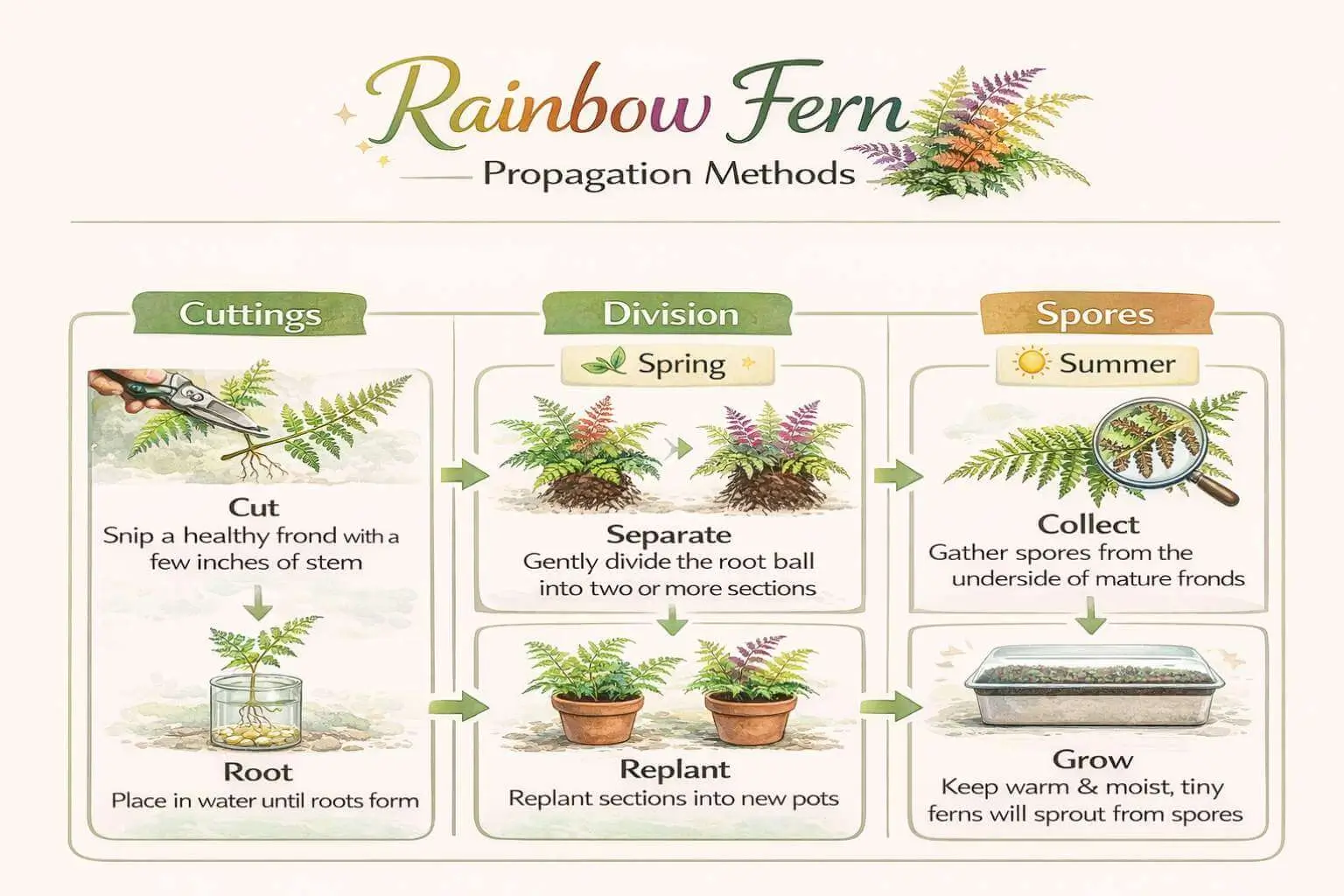
Rainbow fern propagation can be achieved through division, cuttings, or spores when available. To propagate via cuttings, select healthy fronds and place them in a humid environment with indirect light until roots develop. Division involves separating small clumps of the fern and replanting them in fresh soil, ideally during the spring or early summer when growth is most active. Timing is crucial; avoid propagation during dormant periods. Common mistakes include planting in dry soil or exposing cuttings to direct sunlight, which can lead to wilting or failure. Selaginella rainbow fern propagation, rainbow fern propagation, and peacock fern propagation all follow these same principles, ensuring successful growth.
Rainbow Fern and Pets
Rainbow ferns are generally safe for most indoor pets, including dogs and cats. However, some species may cause mild irritation or digestive upset in cats if ingested. For indoor placement, keep the fern out of reach of curious pets to prevent accidental consumption. While the rainbow fern toxic to cats risk is low, it is recommended to monitor pets and ensure they do not chew on the plant. Placing the fern on shelves, plant stands, or in terrariums can protect both the plant and household pets.
Troubleshooting Rainbow Fern Issues
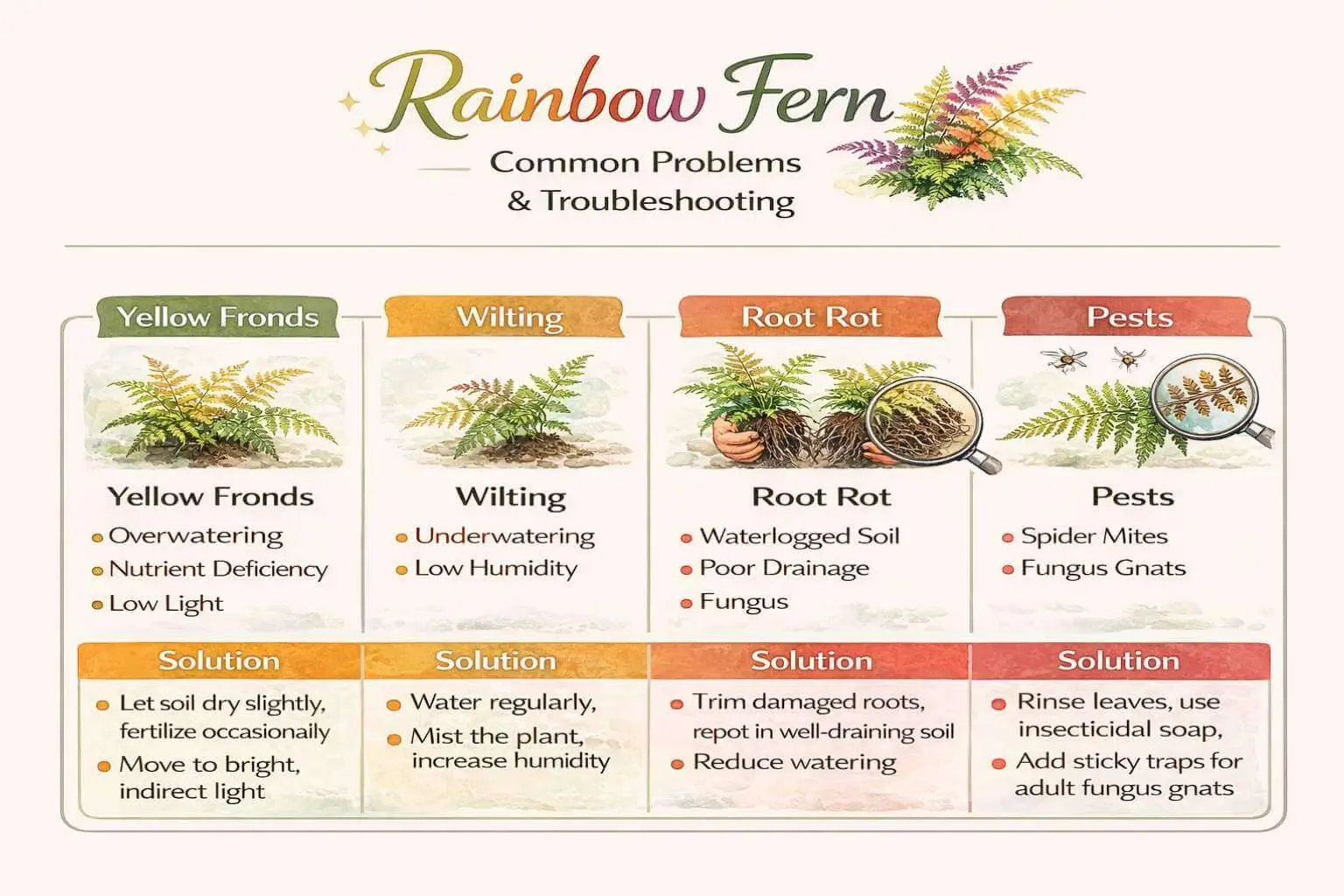
Common problems with rainbow ferns include fronds turning yellow, wilting, root rot, and pest infestations. Environmental factors often contribute to these issues. For example, yellowing fronds may indicate overwatering or insufficient humidity, while wilting can result from excessive sunlight or poor soil drainage. Root rot is typically caused by waterlogged conditions. Pests, although less common, may include spider mites or aphids. Solutions involve adjusting watering schedules, ensuring proper soil drainage, increasing humidity, and removing affected fronds. Preventive measures, such as regular inspection and maintaining ideal rainbow moss fern care or peacock moss care, help sustain healthy growth.
Variations and Related Ferns
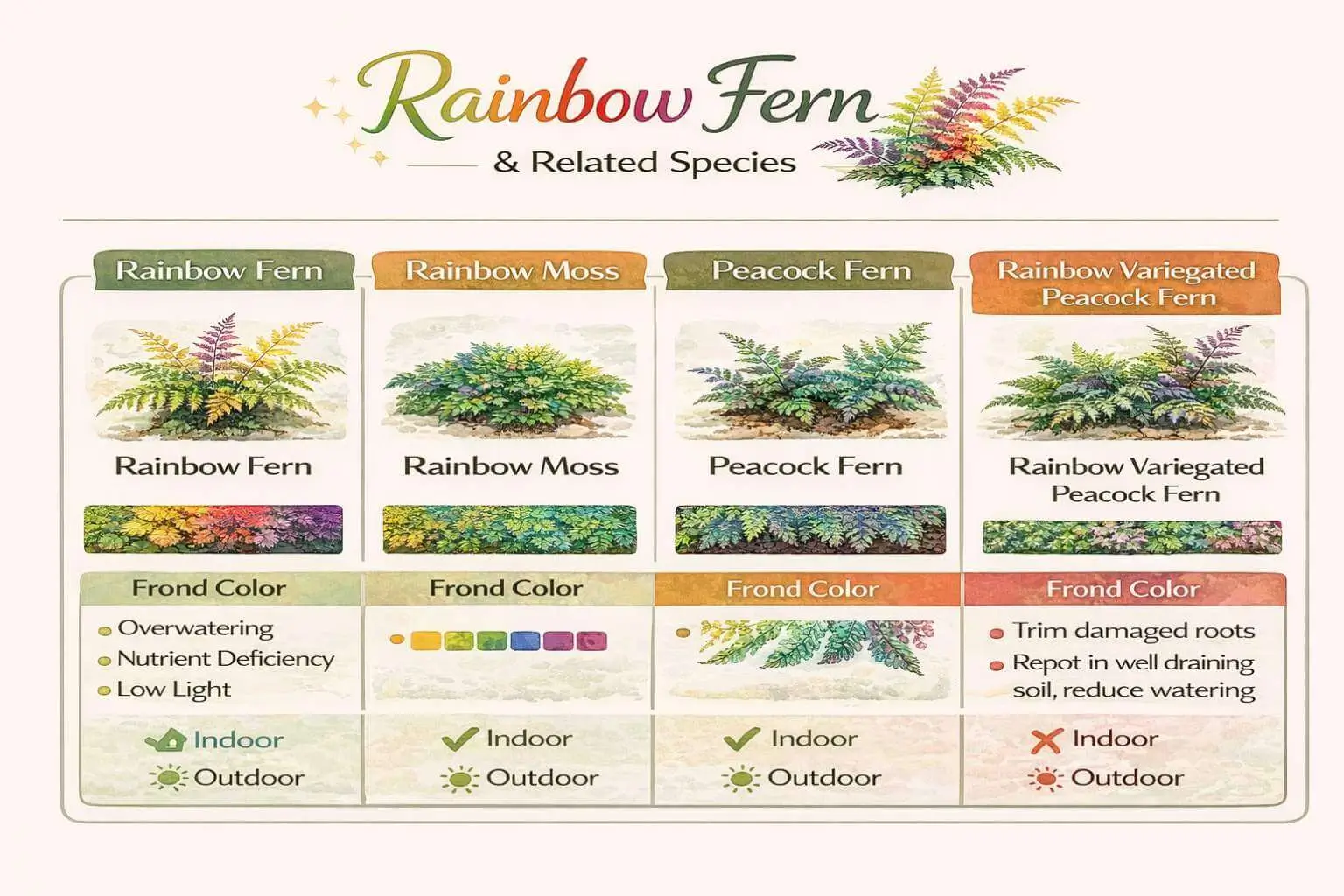
Rainbow ferns have several related cultivars, including rainbow moss, peacock fern, and rainbow variegated peacock fern. Rainbow moss plants feature fine, feathery fronds suitable for hanging baskets, while peacock ferns display broad, colorful fronds ideal for tabletop or floor displays. The rainbow variegated peacock fern combines unique coloration patterns with moderate growth requirements. Indoor versus outdoor suitability varies: rainbow moss hanging plants thrive in terrariums or shaded indoor areas, whereas peacock moss ferns can tolerate partially shaded outdoor gardens. Each variation requires slight adjustments in care, but all maintain the signature colorful fronds of rainbow ferns. Similar to how the purple heart plant adds striking color indoors, rainbow ferns offer vibrant fronds that brighten any indoor space.
Indoor Care for Rainbow Fern
For indoor rainbow fern care, provide bright, indirect light and maintain high humidity levels. Avoid direct sunlight, which can scorch fronds, and place the plant in areas with consistent temperatures. Potting options include terracotta, ceramic, or decorative containers with well-draining soil. Companion plants like ferns or mosses complement the rainbow fern indoors, enhancing its aesthetic appeal. Regular misting and monitoring soil moisture ensure healthy growth. Proper rainbow fern indoor care or peacock fern indoor care maintains vibrant coloration, while rainbow moss indoor care ensures the delicate fronds remain lush and visually striking. For indoor greenery, combining a rainbow fern with other low-maintenance plants like the spider plant can enhance both air quality and visual appeal.
Conclusion
The rainbow fern is a visually captivating tropical plant, valued for its multicolored fronds and ornamental appeal. Maintaining proper care—including appropriate lighting, humidity, and watering—ensures vibrant and healthy growth. Observing its growth patterns and understanding variations, such as rainbow moss and peacock fern, provides opportunities for comparative study and enhanced indoor decoration. With attentive care, the rainbow fern can thrive as a centerpiece in homes, offices, or shaded gardens, offering a unique combination of beauty and tropical charm.
FAQs
- What is a rainbow fern?
A rainbow fern (Selaginella species) is a tropical ornamental plant known for its colorful fronds that resemble a rainbow pattern. - How do I care for a rainbow fern indoors?
Provide bright, indirect light, consistent moisture, high humidity, and well-draining soil. Avoid direct sunlight and overwatering. - Is the rainbow fern toxic to pets?
Rainbow ferns are generally considered non-toxic to most pets, but some species may affect cats; always monitor indoor pets around the plant. - How can I propagate my rainbow fern?
Propagate through division or cuttings. Keep cuttings in humid conditions until new growth appears. - Why are my rainbow fern fronds turning yellow?
Yellowing often results from overwatering, poor drainage, insufficient humidity, or excessive direct sunlight.