Introduction
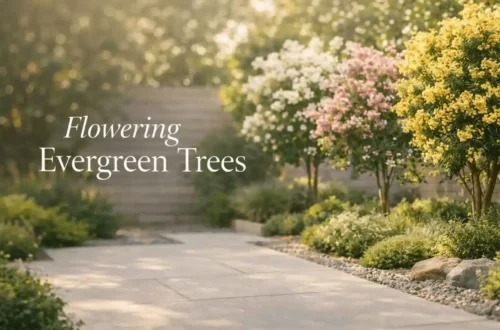
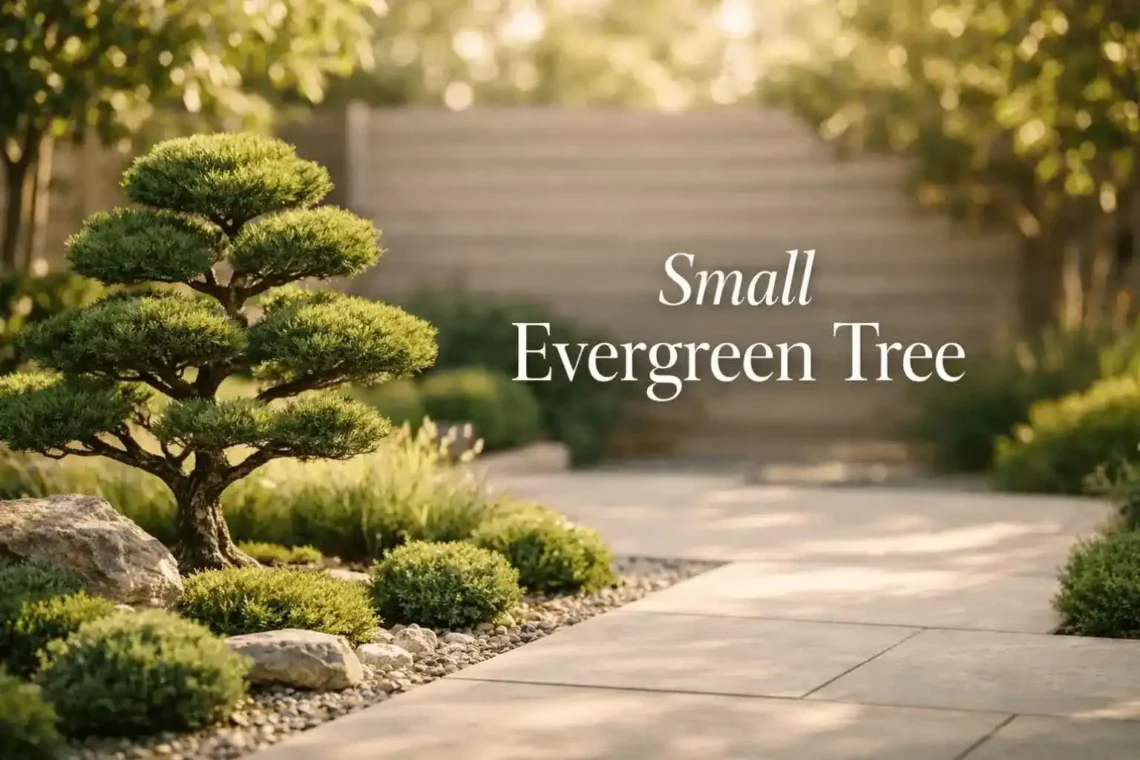
A small evergreen tree is a compact, year-round foliage tree that retains its leaves across all seasons, making it highly suitable for small gardens, front yards, and structured landscapes. In Australia, these trees are widely used for privacy, shade, and visual balance without overwhelming limited outdoor space. Unlike larger species, small evergreen trees are easier to manage and integrate into modern landscaping designs. Choosing the right variety depends on environmental conditions such as climate, sunlight exposure, soil type, and maintenance preferences, all of which directly influence growth performance and long-term health.
Quick Summary
- Small evergreen trees provide consistent greenery and structure throughout the year
- Ideal for compact gardens, front yards, and container planting
- Many Australian varieties are drought- and frost-tolerant with safe root systems
- Selection depends on climate conditions, sunlight availability, and maintenance level
What Is a Small Evergreen Tree and Why Choose One?
A small evergreen tree is a tree that retains its foliage year-round, unlike deciduous trees that shed leaves seasonally, a key distinction explained in evergreen plants in botany. Unlike deciduous trees, which shed leaves seasonally, evergreen trees maintain consistent coverage.
In Australia, non-deciduous trees are often preferred for their ability to provide continuous privacy and shade. Small trees differ from medium-sized trees in their mature height, canopy spread, and root system behavior, making them more suitable for urban spaces.
Key benefits include:
- Year-round foliage for consistent visual appeal
- Reliable shade and privacy screening
- Compatibility with small gardens and tight landscapes
- Common use in both native and ornamental garden designs
If you’re comparing tree types, understanding the difference between deciduous vs evergreen trees can help you make a more informed choice.
Key Features to Look for in Small Evergreen Trees
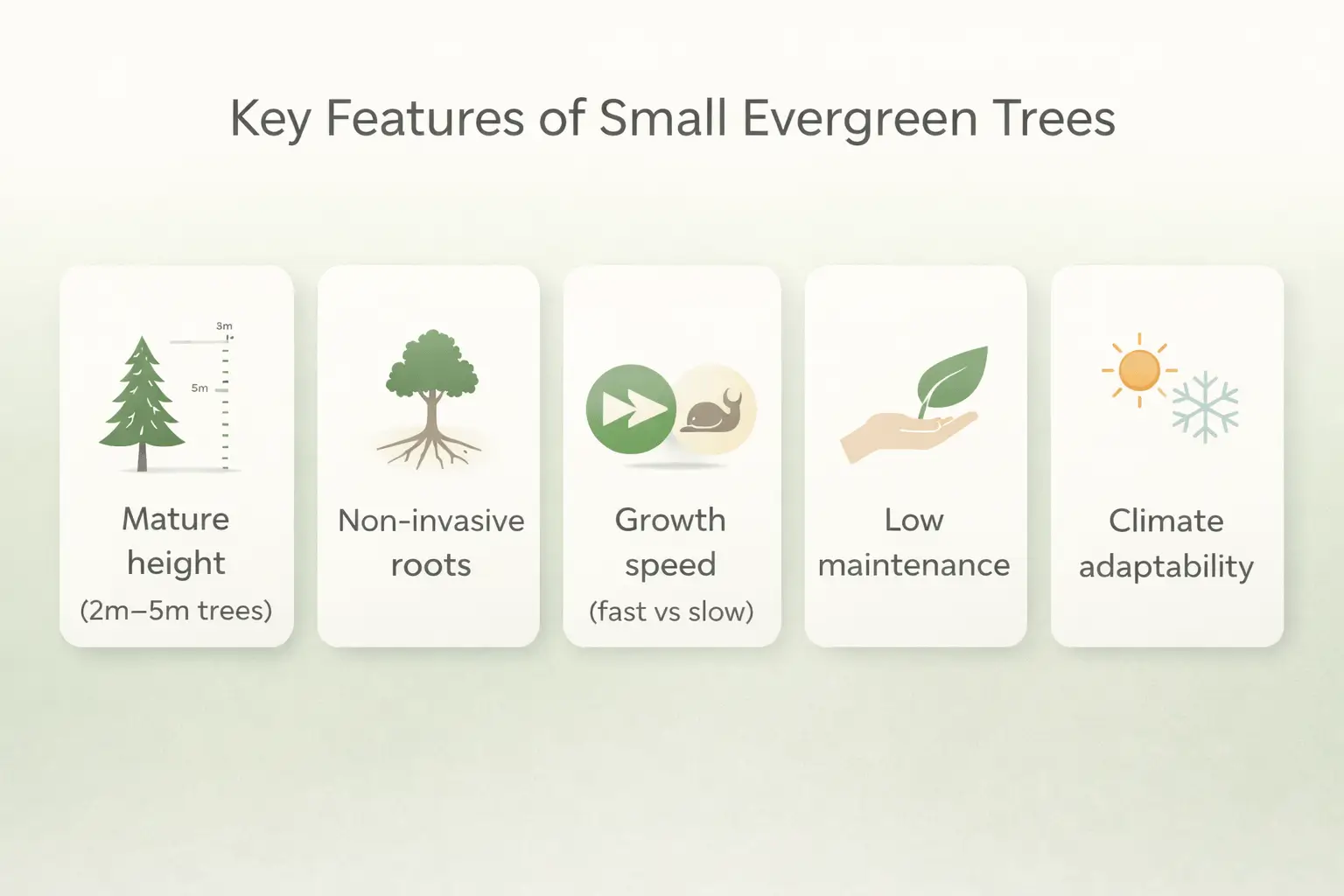
Choosing the right small evergreen tree requires evaluating several practical characteristics that influence performance and maintenance.
- Mature height: Select trees that fit your space, such as compact varieties reaching around 2 meters in height
- Root behavior: Trees with non-invasive roots reduce the risk of damage to foundations, pipes, and pathways
- Growth speed: Fast-growing evergreen trees establish quickly, while slow growers require less frequent pruning
- Maintenance needs: Low maintenance trees require minimal pruning, watering, and fertilization
- Climate adaptability: Drought- and frost-tolerant trees perform better in varying Australian conditions
Best Small Evergreen Trees for Australian Gardens
Native Australian Options
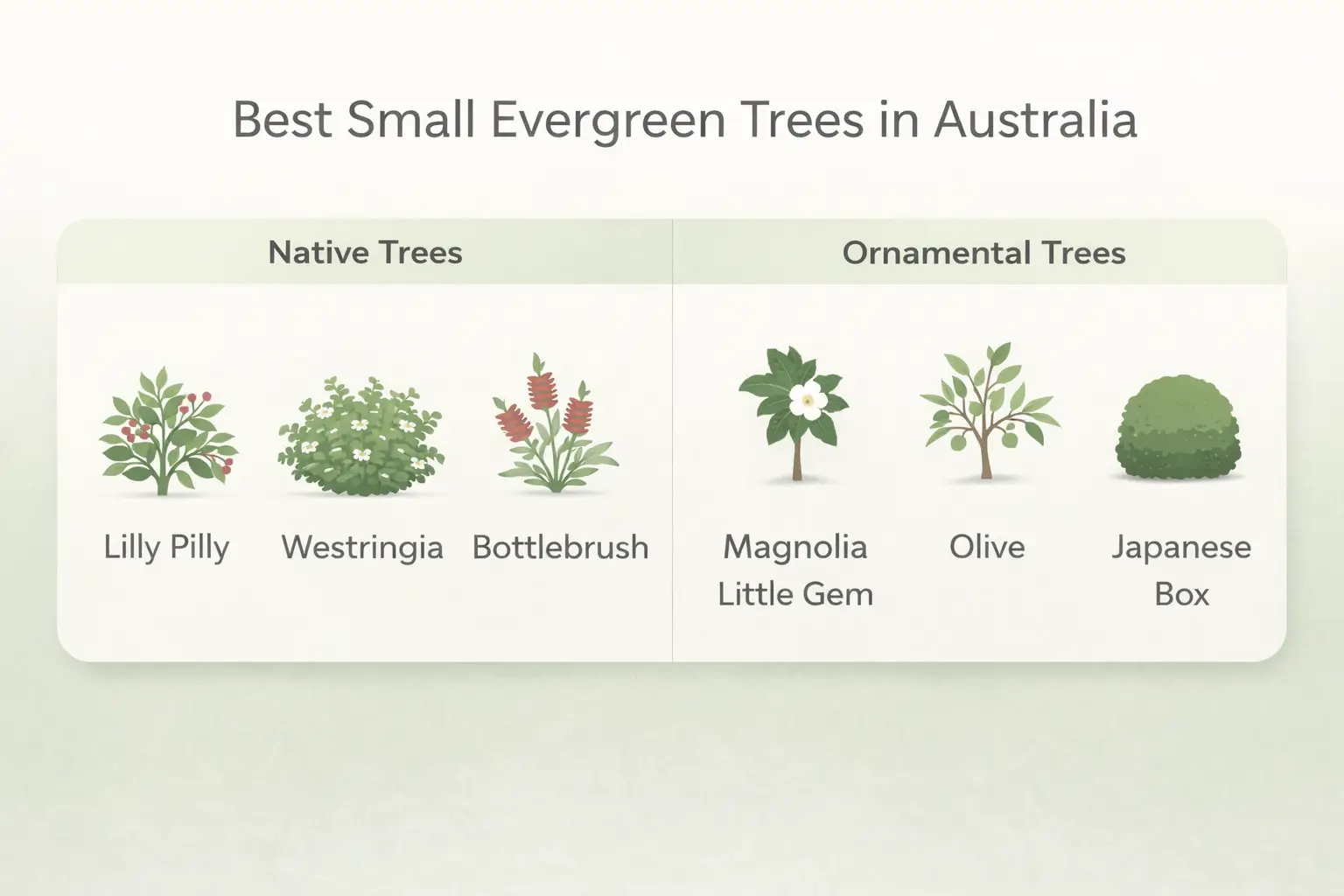
Native species are well-adapted to local climates, making them reliable and low maintenance.
- Lilly Pilly (Syzygium spp.)
A popular native hedge or feature tree known for dense foliage and fast growth - Westringia (Westringia fruticosa)
A hardy coastal shrub that can be shaped into a compact tree form - Callistemon (Bottlebrush)
Recognized for its bright flowers and ability to attract pollinators while remaining evergreen
Lilly Pilly is especially popular for dense hedging—explore the best Lilly Pilly varieties for hedges and screening to find the right fit for compact gardens.
Popular Ornamental Choices
Ornamental trees offer structured aesthetics and are commonly used in designed landscapes.
- Magnolia ‘Little Gem’
A compact evergreen magnolia with glossy leaves and fragrant flowers - Olive Trees (Olea europaea, dwarf varieties)
Drought-tolerant and ideal for Mediterranean-style gardens - Japanese Box (Buxus microphylla)
Frequently used for shaping and formal garden designs
These options serve as evergreen feature trees, ornamental focal points, and dwarf selections suited to Australian gardens. For more design-focused options, see this guide on small feature trees in Australia that complement evergreen landscaping styles.
Small Evergreen Trees for Front Yards and Landscaping
Small evergreen trees are widely used in front yard landscaping due to their controlled size and visual structure.
- Compact canopy: Maintains visibility while providing shade
- Structured form: Enhances curb appeal and symmetry
- Space efficiency: Suitable for narrow gardens and limited planting areas
Common uses include:
- Framing entryways to create a welcoming appearance
- Planting along driveways for structured alignment
- Boundary screening for privacy without bulk
Small Evergreen Trees for Pots and Containers
Small evergreen trees can grow successfully in pots when provided with the right conditions. Container planting is ideal for patios, balconies, and compact outdoor areas.
- Best varieties: Dwarf magnolia, olive trees, and box plants adapt well to containers
- Soil requirements: Use well-draining potting mix to prevent root rot
- Watering: More frequent watering is required compared to ground planting
- Fertilization: Regular feeding supports healthy growth in limited soil volume
Indoor placement is possible for some species, but most evergreen trees perform better outdoors with adequate light.
Sunlight and Climate Considerations
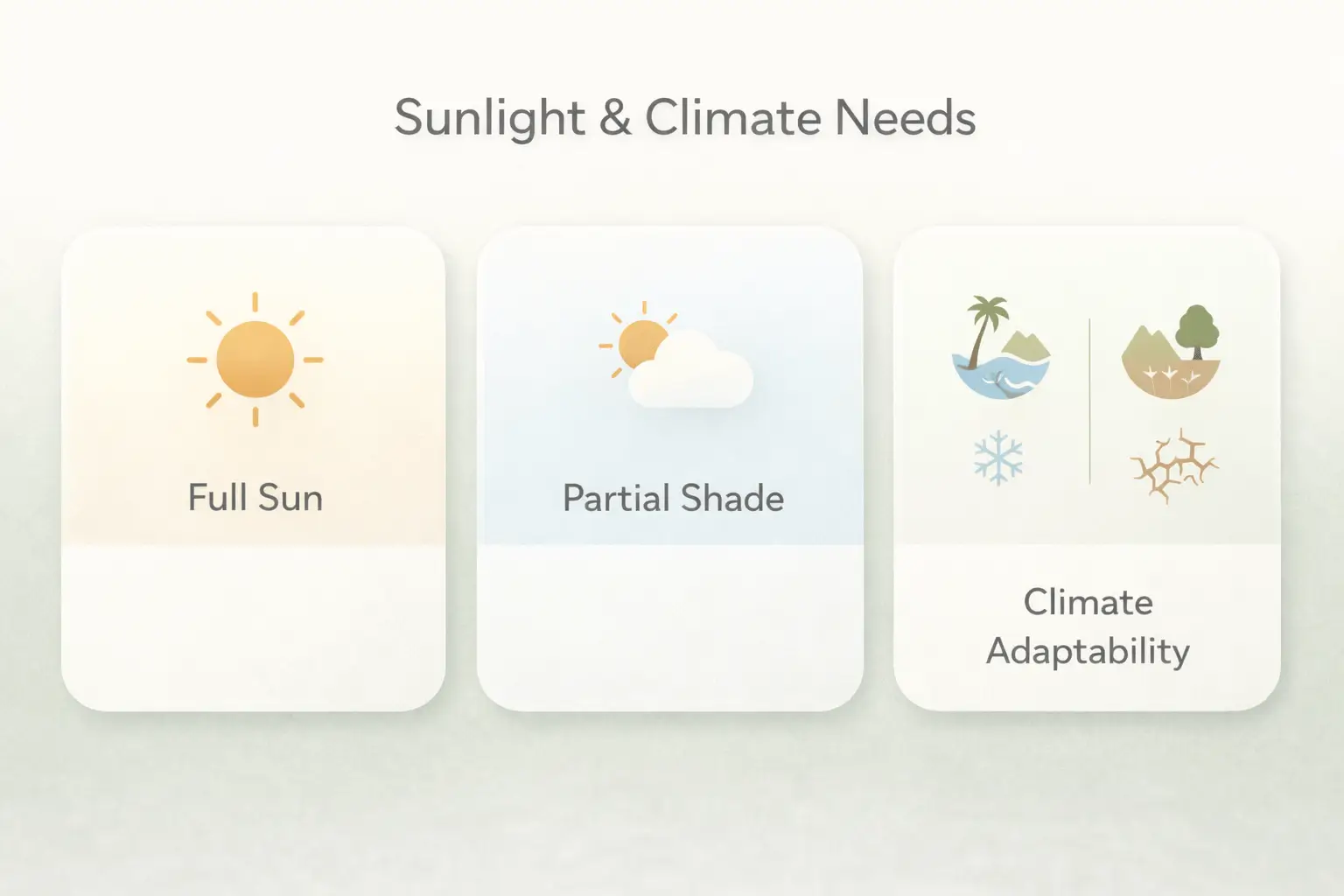
Small evergreen trees vary in their tolerance to sunlight and environmental conditions. Selecting the right tree ensures long-term success.
- Full sun vs partial shade: Some species require direct sunlight, while others tolerate shaded areas
- Coastal vs inland climates: Coastal plants tolerate wind and salt, while inland varieties must handle heat and dryness
- Frost and drought resistance: Many Australian species are adapted to withstand extreme seasonal conditions
Regional differences, such as those in South Australia or Tasmania, influence plant performance and should be considered during selection.
Growth Rate and Size Expectations
Understanding growth patterns helps set realistic expectations and avoid overcrowding.
- Fast-growing trees: Provide quick coverage but may require regular pruning
- Slow-growing trees: Offer stable structure with minimal maintenance
- Mature size: Typically ranges from 2 to 5 meters in height for small varieties
- Seasonal growth: Growth rates may increase during warmer months and slow during colder periods
Evergreen Trees with Non-Invasive Roots (Why It Matters)
Evergreen trees with non-invasive roots are safer for residential planting because they reduce the risk of structural damage.
- Protect infrastructure: Prevent damage to foundations, pipes, and paving
- Ideal for small spaces: Suitable for planting near homes, fences, and pathways
- Examples: Many dwarf ornamental trees and native shrubs have controlled root systems
Choosing trees with safe root behavior is essential in urban and compact garden environments.
Comparison: Small Evergreen Trees vs Deciduous Small Trees
| Feature | Evergreen Trees | Deciduous Trees |
| Foliage | Year-round | Seasonal shedding |
| Maintenance | Low to moderate | Seasonal cleanup |
| Shade | Consistent | Variable |
| Privacy | High | Low in winter |
Common Problems and How to Avoid Them
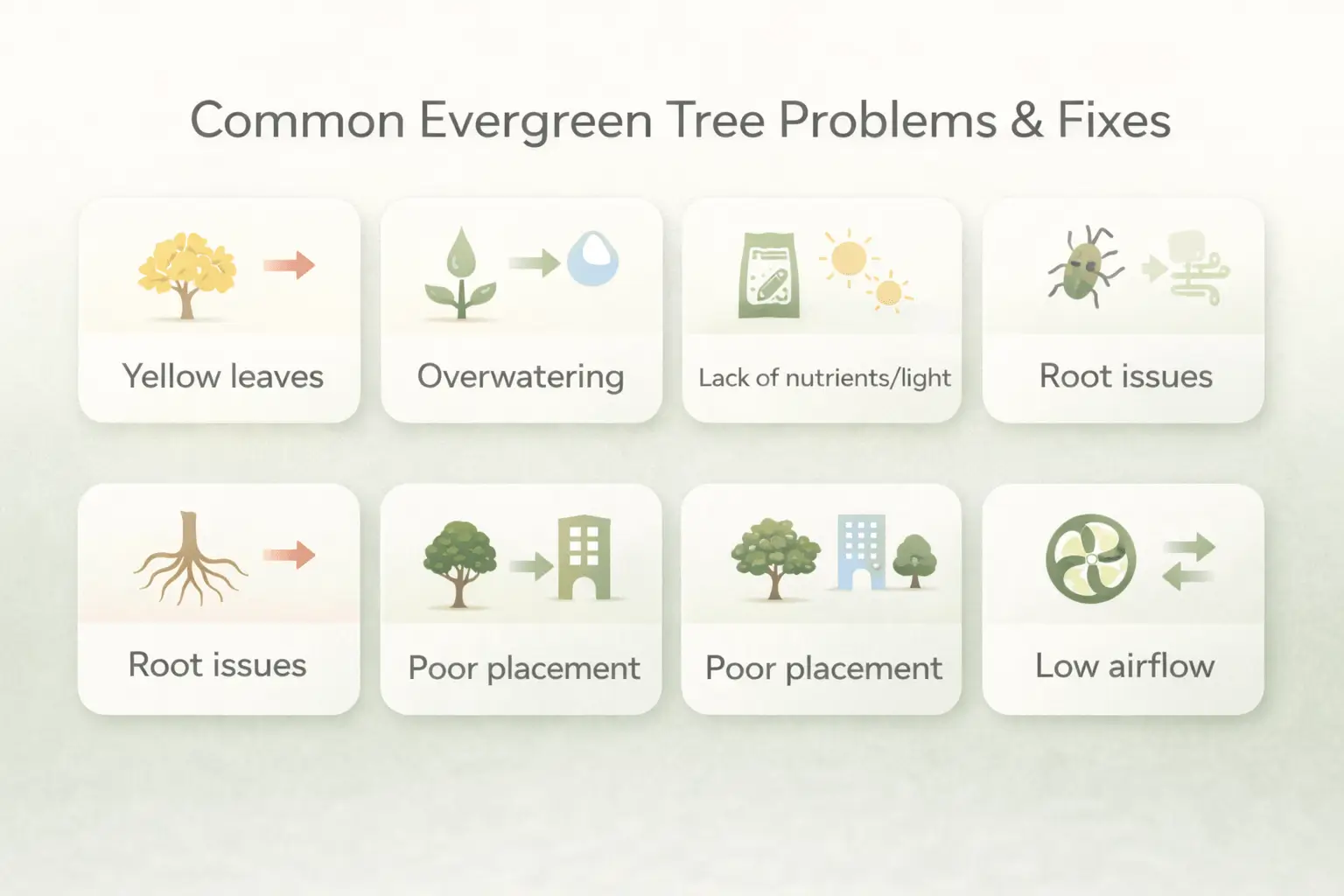
Small evergreen trees are generally low maintenance, but certain issues can occur if conditions are not optimal.
- Yellowing leaves: Often caused by overwatering or poor soil drainage
- Slow growth: May result from insufficient sunlight or lack of nutrients
- Root problems: Occur when planted too close to structures
- Pest issues: Can develop due to poor airflow or overcrowding
Proper spacing, soil management, and routine observation help prevent these problems.
Beginner Mistakes When Choosing Small Evergreen Trees
Many issues arise from incorrect selection rather than poor care.
- Choosing trees that exceed available space
- Ignoring root system behavior
- Overlooking climate compatibility
- Selecting high-maintenance species without planning
Avoiding these mistakes ensures better long-term results.
How to Choose the Best Small Evergreen Tree for Your Garden
Selecting the right tree involves matching plant characteristics to your environment and needs.
- Match the tree’s mature size to available space
- Consider sunlight exposure and local climate
- Choose native species for easier care and adaptability
- Prioritize low-maintenance options for convenience
This structured approach improves plant health and reduces maintenance effort.
Conclusion
A small evergreen tree is one of the most practical and visually appealing choices for compact gardens, offering year-round greenery, structure, and low maintenance benefits. By selecting the right variety based on climate, size, and root behavior, you can create a balanced, functional outdoor space that remains attractive in every season.
FAQs
1. What is the best small evergreen tree for a small garden?
The best small evergreen tree depends on climate and available space, but compact varieties such as dwarf magnolia and Lilly Pilly are widely recommended for their manageable size, dense foliage, and relatively low maintenance requirements.
2. Which small evergreen trees grow fast in Australia?
Fast-growing options include Bottlebrush and certain Lilly Pilly varieties, both of which establish quickly and provide effective screening and greenery in a short period.
3. Are there small evergreen trees with non-invasive roots?
Yes, many dwarf ornamental and native trees are specifically known for non-invasive root systems, making them safe to plant near homes, fences, and paved areas without causing structural damage.
4. Can small evergreen trees grow in pots?
Yes, many small evergreen trees can thrive in pots if they are given proper drainage, high-quality soil, and consistent watering. Dwarf varieties are particularly well-suited for container growth.
5. Do evergreen trees require a lot of maintenance?
Most small evergreen trees are considered low maintenance, especially native Australian species that are naturally adapted to local environmental conditions and require minimal care once established.