
Introduction
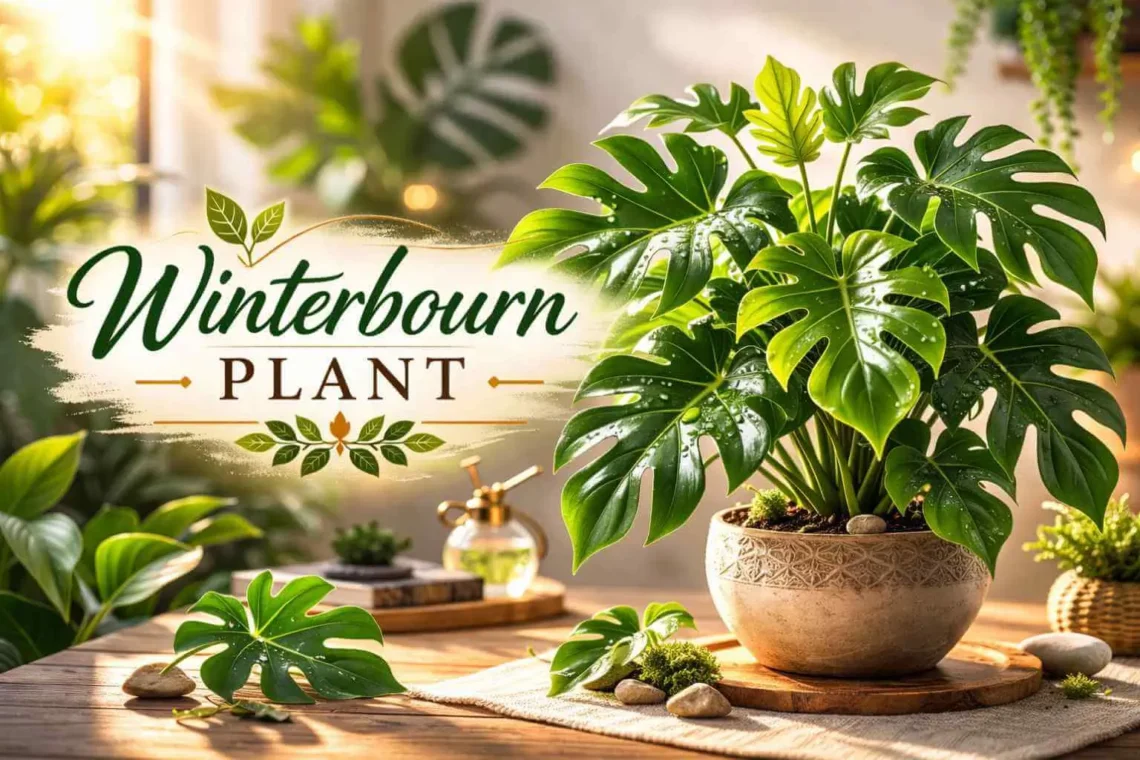
The Winterbourn plant is a tropical evergreen known for its lush, deeply lobed leaves and compact growth habit. Belonging to the Philodendron genus, often associated with Philodendron Xanadu and Thaumatophyllum Xanadu, it offers both aesthetic appeal and versatility as a houseplant or outdoor specimen. Its ornamental foliage makes it popular in indoor settings, while its hardy nature allows outdoor cultivation in suitable climates. Belonging to the Philodendron genus, often associated with Philodendron Xanadu and Thaumatophyllum Xanadu, it offers both aesthetic appeal and versatility as a houseplant or outdoor specimen.
This article covers comprehensive aspects of Winterbourn plant care, including indoor and outdoor growth strategies, propagation techniques, and common issues. It also highlights the plant’s benefits for decoration and landscaping, integrating insights on related species such as philodendron winterbourn and winterbourn plant indoors.
Understanding the Winterbourn Plant
The Winterbourn plant is classified under the Thaumatophyllum subgenus, closely related to Philodendron Xanadu. Originating from tropical South America, it features large, glossy leaves with a lobed structure. Unlike some philodendrons, Winterbourn maintains a bushy, low-to-medium height growth, making it ideal for both indoor containers and outdoor garden beds.
In comparison, Philodendron Xanadu and Thaumatophyllum Xanadu exhibit similar foliage but may grow slightly larger and display more vigorous spreading. Understanding these distinctions helps gardeners select the right species for indoor décor or outdoor landscaping. Keywords such as philodendron xanadu winterbourn, xanadu philodendron, and thaumatophyllum xanadu provide context for related varieties.
Winterbourn Plant Care Guidelines
Indoor Care
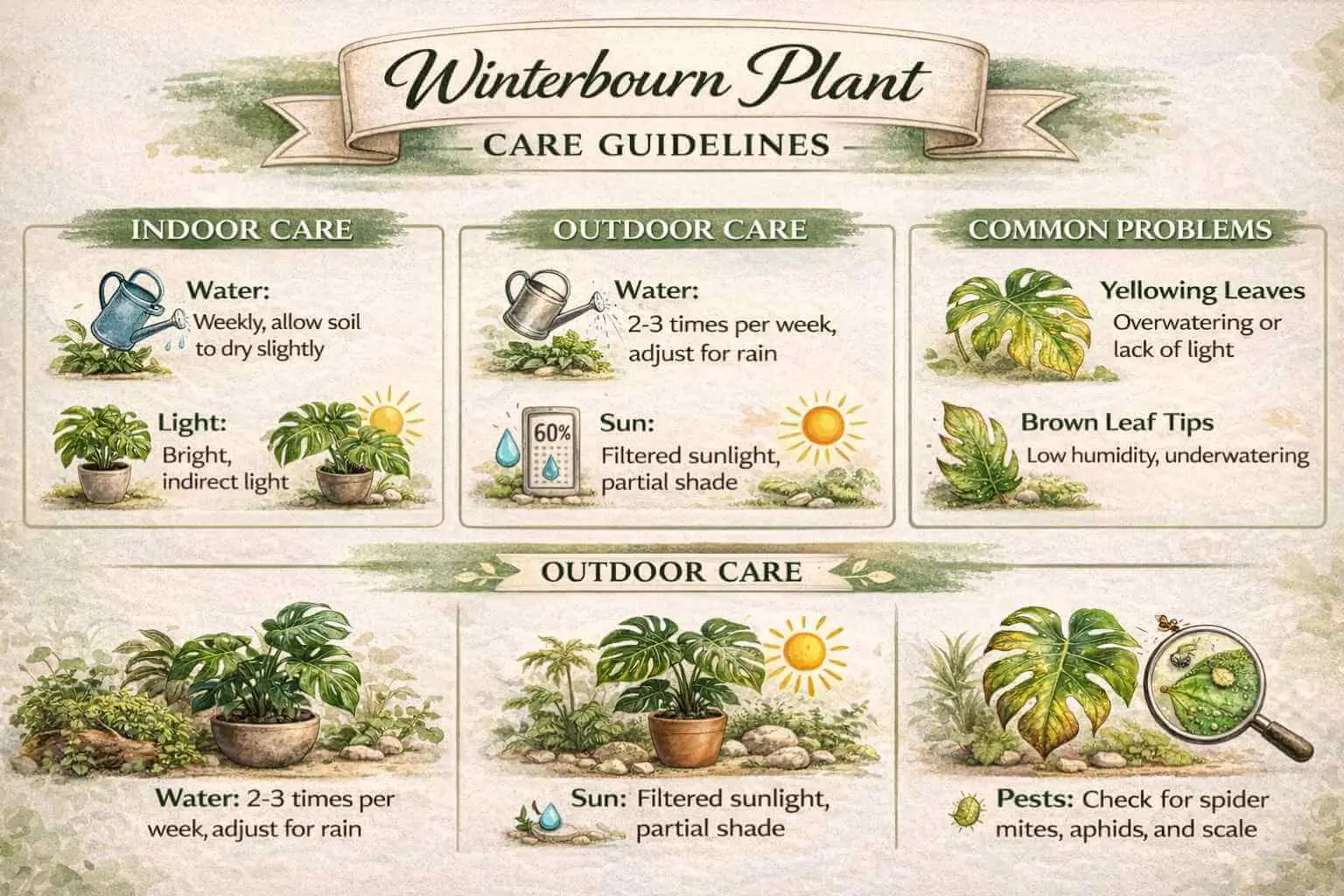
For indoor cultivation, Winterbourn plants thrive in bright, indirect light. Direct sunlight can scorch the leaves, while low light slows growth. Watering should be moderate: allow the top inch of soil to dry between watering sessions. Maintaining humidity around 50–60% supports optimal leaf health, especially in dry climates. Potting in well-draining soil and using containers with drainage holes prevents root rot.
Indoor care also overlaps with philodendron xanadu indoor plant care practices. Regular dusting of leaves, occasional fertilization, and monitoring for pests ensure healthy growth. Keywords integrated naturally: winterbourn plant indoors, philo xanadu care.
Outdoor Care
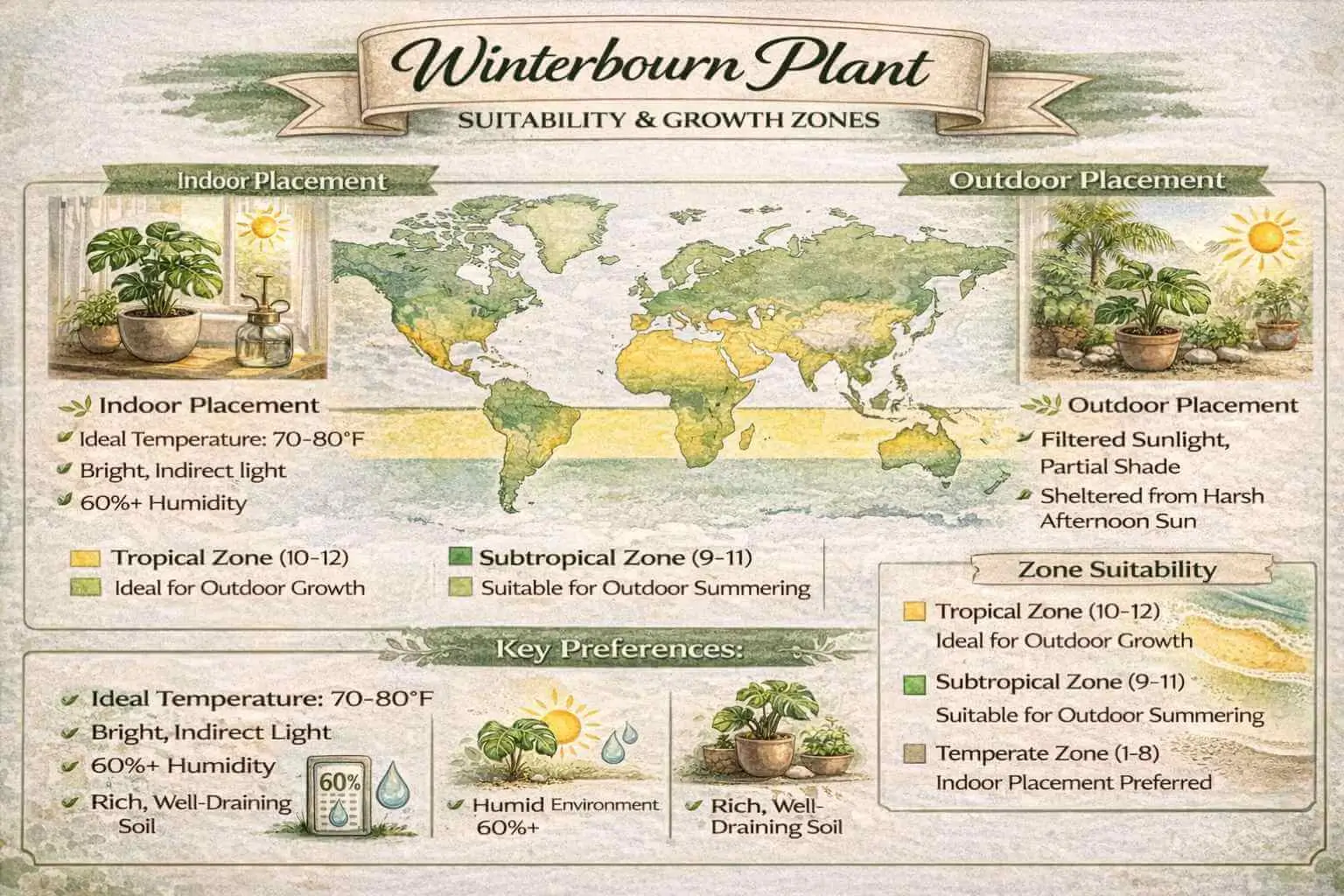
When grown outdoors, the Winterbourn plant prefers warm, tropical, or subtropical climates. It tolerates partial shade but performs best with filtered sunlight. Soil should be rich in organic matter with good drainage. Seasonal adjustments, such as increased watering during dry spells and frost protection in cooler regions, support plant longevity.
Outdoor care aligns with philodendron xanadu outdoor care techniques. Mulching helps retain soil moisture and regulates temperature. Relevant keywords: xanadu philodendron outdoors.
Common Problems and How to Solve Them
Common issues include yellowing leaves due to overwatering or low light, pests like spider mites and aphids, and root problems caused by poor drainage. Prevention involves proper watering, maintaining humidity, inspecting plants regularly, and using well-draining soil. Addressing winterbourne plant problems promptly prevents long-term damage.
Propagation of Winterbourn Plant

Methods of Propagation
Winterbourn plants can be propagated via stem cuttings or division. For stem cuttings, select healthy, mature stems and place them in water or moist soil until roots develop. Division involves separating the rhizomes from a mature plant and replanting them individually. Following best practices ensures high success rates.
Tips for Successful Growth After Propagation
After propagation, young Winterbourn plants require consistent moisture, indirect sunlight, and nutrient-rich soil. Avoid overwatering to prevent root rot. Gradual acclimatization to ambient indoor or outdoor conditions enhances survival and encourages vigorous growth.
Winterbourn Plant Varieties and Related Species
The Winterbourn plant is closely associated with Philodendron Xanadu and Thaumatophyllum Xanadu, which feature similar lobed leaves and bushy growth. Differences include leaf size, spread, and growth speed. Selecting a variety depends on desired indoor space utilization or outdoor landscaping needs. Other ornamental tropical plants, such as Japanese Sweet Flag Grass, complement Winterbourn plant landscaping with lush foliage and low-maintenance growth.
Benefits and Uses of Winterbourn Plant
Winterbourn plants provide effective indoor air purification and enhance aesthetic appeal with their glossy, lobed foliage. Outdoors, they contribute to tropical-themed gardens and landscapes, offering low-maintenance greenery. Their decorative versatility aligns with xanadu plant benefits and philodendron xanadu uses, making them suitable for both home and commercial environments. Similar to the Winterbourn plant, other indoor plants like the Spider Plant offer air purification and aesthetic value in home environments.
Conclusion
The Winterbourn plant combines ornamental appeal with easy care and propagation options. Understanding indoor and outdoor care, recognizing common problems, and exploring propagation techniques ensures healthy growth. Gardeners can confidently incorporate Winterbourn and related species like Philodendron Xanadu into diverse indoor or outdoor settings for aesthetic and functional benefits.
FAQs
- What is a Winterbourn plant?
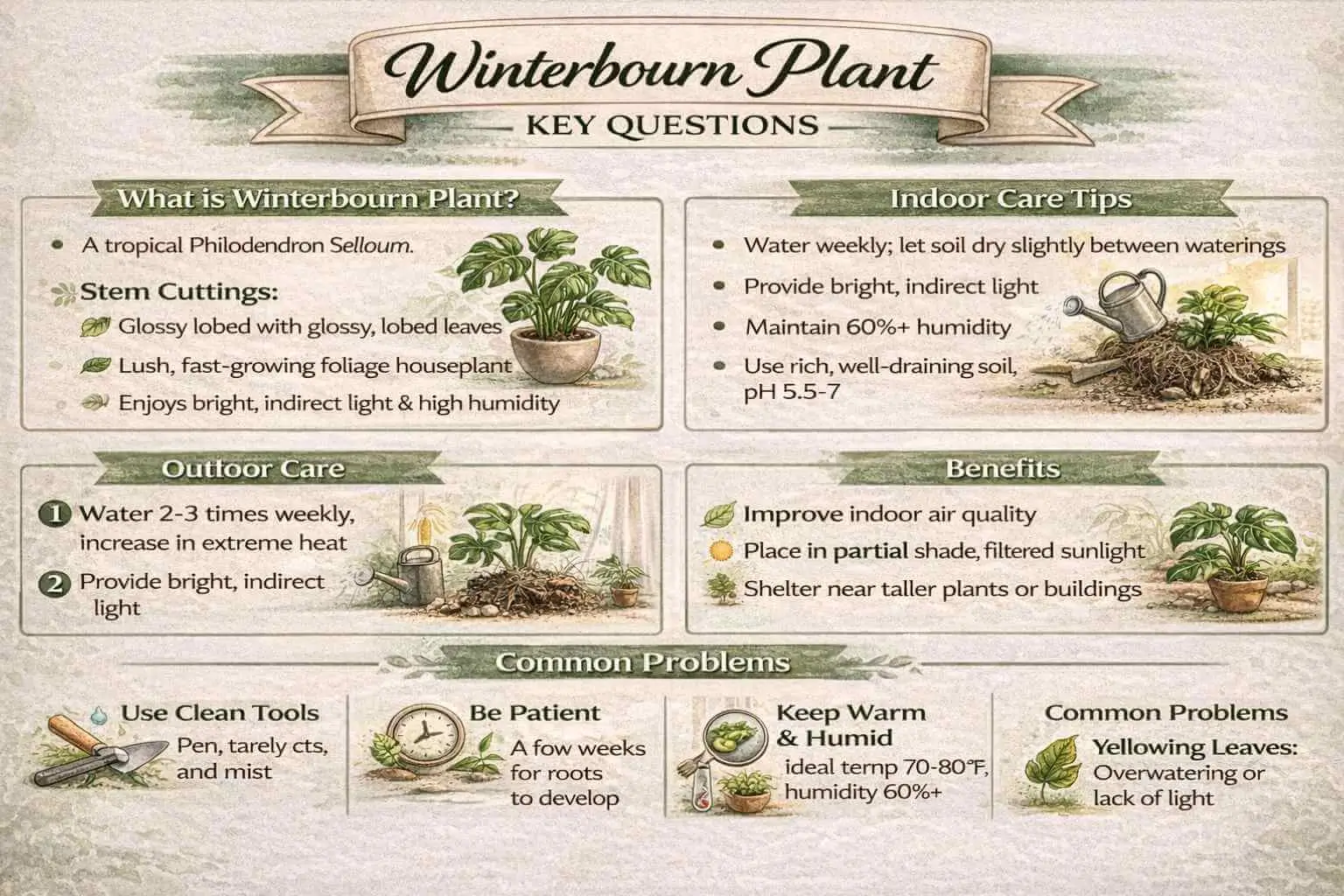
The Winterbourn plant is a tropical evergreen in the Philodendron genus, with lobed, glossy leaves. It originates from South America and is closely related to Philodendron Xanadu. - How do I care for a Winterbourn plant indoors?
Place it in bright, indirect light. Water moderately, maintain humidity around 50–60%, and use well-draining soil. Fertilize occasionally and monitor for pests. - How can I propagate a Winterbourn plant?
Use stem cuttings or rhizome division. Place cuttings in water or moist soil until roots form, or divide mature plants and replant. Maintain moisture and indirect light for best results. - What are common problems with Winterbourn plants?
Yellowing leaves from overwatering, pest infestations (spider mites, aphids), and root rot are common. Proper watering, humidity, and soil drainage prevent these issues. - What is the difference between Winterbourn and Xanadu plants?
Winterbourn plants are slightly more compact, with distinct leaf lobing. Xanadu varieties grow faster and spread more. Care practices are similar but consider size and space requirements. - Can Winterbourn plants thrive outdoors?
Yes, in tropical or subtropical climates with partial shade. Use nutrient-rich, well-draining soil and protect from frost. Seasonal watering adjustments support healthy growth. - What benefits do Winterbourn plants provide?
They improve indoor air quality, add aesthetic value, and enhance landscaping with low-maintenance greenery. Related uses include philodendron xanadu uses and xanadu plant benefits.