Introduction
Dark star dragon fruit is a distinctive purple-flesh dragon fruit variety known for its deep color, sweet flavor, and high sugar content. Often discussed among growers and tropical fruit enthusiasts, the dark star dragon fruit belongs to the pitaya group of climbing cactus plants, related to species such as Hylocereus guatemalensis. This variety is valued for its attractive fruit, strong productivity, and potential for cultivation in warm climates or controlled environments. Understanding how the plant grows, how pollination works, and how its flavor compares with other varieties helps gardeners and fruit growers determine whether dark star dragon fruit is suitable for their garden or orchard.
What Is Dark Star Dragon Fruit?
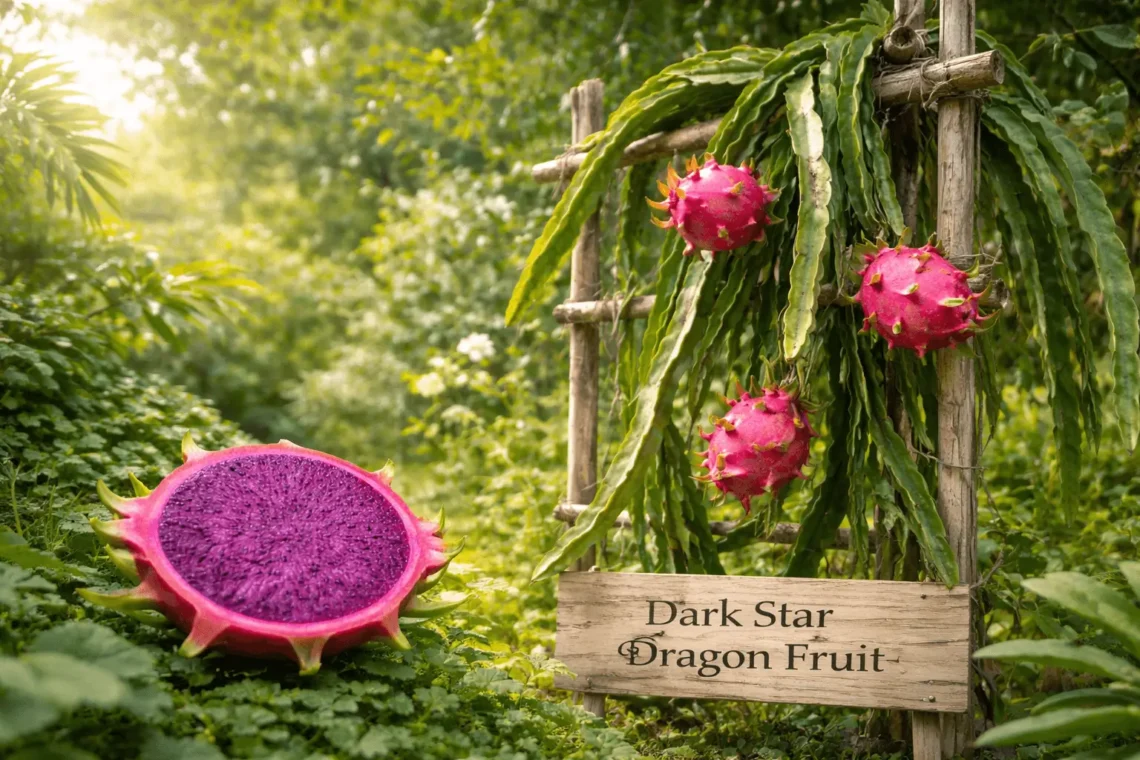
Dark star dragon fruit is a cultivated pitaya variety recognized for its deep purple flesh and sweet flavor profile. The fruit belongs to the broader category of dragon fruit plants, commonly referred to as pitaya or pitahaya. Within dragon fruit varieties, dark star is classified among purple flesh dragon fruit types, which are known for their vibrant interior color and higher sugar levels compared with many white-flesh varieties.
Dark star dragon fruit belongs to the broader category of dragon fruit plants, commonly called pitaya or pitahaya, which are climbing cactus species widely cultivated in tropical regions (see dragon fruit).
Botanically, the plant is associated with species in the Hylocereus group of climbing cacti. Some horticultural references connect the variety with Hylocereus guatemalensis, a species that contributes to many red or purple flesh pitaya cultivars. The fruit is often discussed alongside other pitahaya dark star references in grower communities because of its distinctive coloration and strong sweetness.
Among dragon fruit varieties, dark star stands out for its attractive appearance, high sugar potential, and reliable productivity when grown in favorable conditions.
Botanical Characteristics of the Dark Star Dragon Fruit Plant
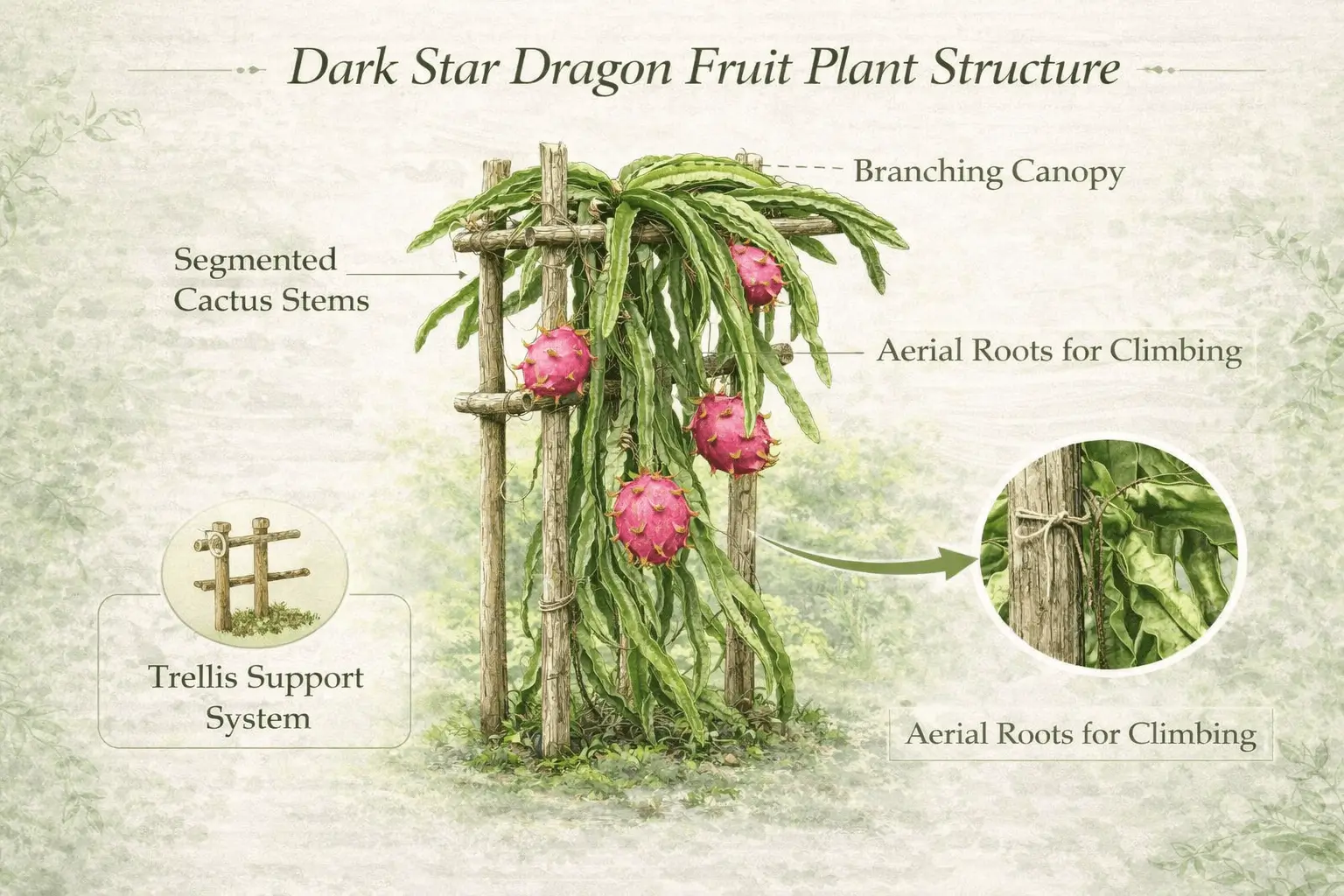
The dark star dragon fruit plant is a climbing cactus with structural traits typical of pitaya species. Instead of growing as a traditional tree or shrub, the plant produces long, fleshy stems that climb vertical supports using aerial roots.
The stems are thick and segmented, usually three-sided with soft spines along the ridges. These succulent stems store water, which allows the plant to tolerate short dry periods similar to other cactus relatives.
Aerial roots form along the stems and help the plant attach itself to trellises, posts, or other vertical structures. Because of this growth habit, dragon fruit plants are commonly trained on support systems that allow the vines to climb and spread outward.
Within the broader classification of dragon fruit varieties, the dark star plant belongs to the group of purple dragon fruits that produce colored flesh. These varieties are closely related to other red or purple-fleshed pitayas but may differ in sweetness, fruit size, and pollination characteristics.
Dark Star Dragon Fruit Flower and Pollination
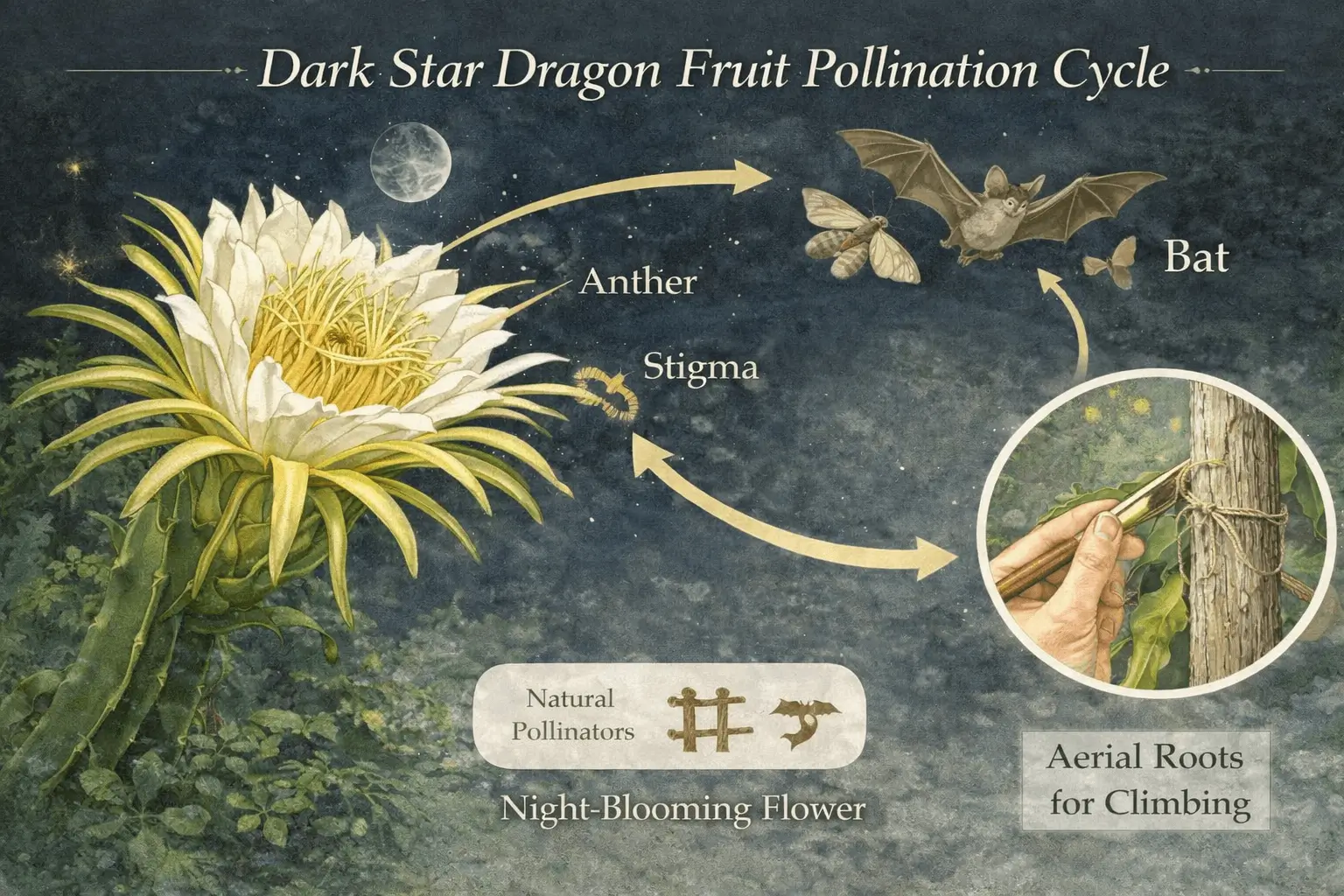
The dark star dragon fruit flower is a large, white, night-blooming flower typical of many pitaya species. These flowers usually open in the evening and remain open overnight, closing by the following morning.
Dragon fruit flowers are adapted for nocturnal pollination. Natural pollinators include moths and bats, which are attracted to the flower’s fragrance and large bloom structure during nighttime hours.
Pollination plays a critical role in fruit production. When pollen from the flower’s anthers reaches the stigma, fertilization occurs and the fruit begins to develop. Some dragon fruit varieties are self-pollinating, while others require pollen from a different plant to produce fruit.
Dark star dragon fruit may show partial self-fertile traits in certain growing conditions, but many growers report improved fruit set through hand pollination or cross-pollination with other compatible varieties. Hand pollination involves transferring pollen between flowers using a small brush or cotton swab during the nighttime bloom period.
Understanding pollination requirements is essential because poor pollination is one of the most common reasons dragon fruit plants fail to produce fruit.
Plant Size
A mature dark star dragon fruit plant can reach approximately 1.5 to 3 meters (5–10 feet) in height when supported by a trellis system. Because the plant grows as a climbing cactus vine, its final height is strongly influenced by the type of support structure used.
Once the plant reaches the top of its support, the stems typically branch outward and form a canopy-like structure. This growth pattern allows the vines to hang downward, which often encourages flowering and fruit production.
When grown directly in the ground, dragon fruit plants tend to develop more vigorous growth and larger branching structures. Container-grown plants may remain smaller because root space and nutrient availability are more limited.
Environmental conditions such as sunlight exposure, soil fertility, irrigation, and pruning practices also influence the final plant size. Proper pruning helps maintain airflow and encourages stronger fruiting stems.
Growth Rate of Dark Star Dragon Fruit
Dark star dragon fruit is generally considered a moderate to fast-growing cactus vine under favorable conditions. During warm growing seasons, new stem segments can grow rapidly, especially when the plant receives adequate sunlight and nutrients.
Growth activity typically increases during spring and summer when temperatures remain warm. Dragon fruit plants prefer temperatures between approximately 20°C and 32°C (68°F to 90°F), which allows consistent vegetative growth.
Several environmental factors influence the plant’s growth speed. Full sun exposure promotes stronger stem development, while nutrient-rich soil supports healthier vines. Consistent irrigation also plays an important role, though excessive watering should be avoided because cactus roots are sensitive to waterlogged soil.
Compared with some other dragon fruit varieties, dark star growth behavior is considered vigorous when properly supported and managed.
Care Guide for Growing Dark Star Dragon Fruit
-
Light Requirements
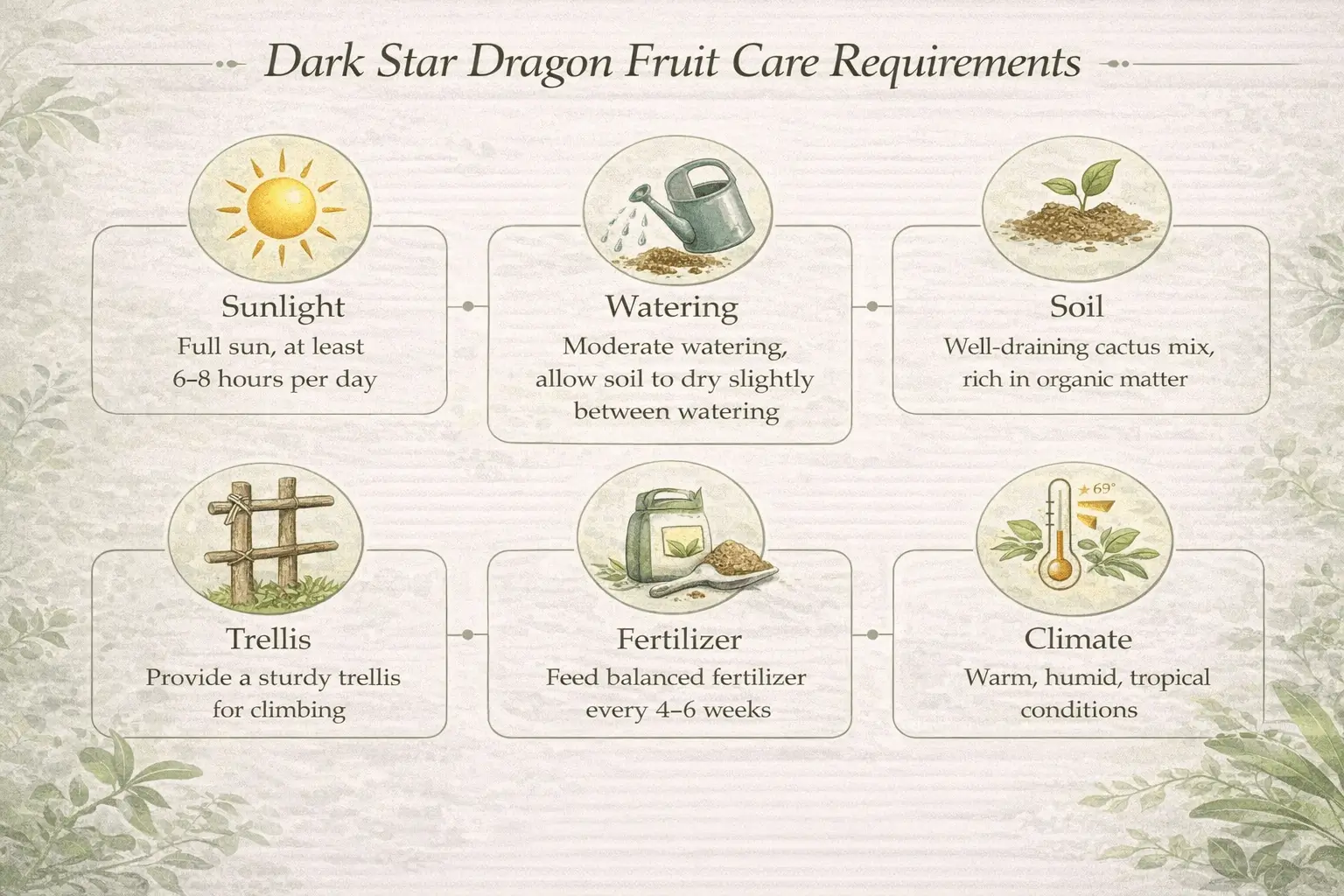
Dark star dragon fruit grows best in full sun to partial sun conditions. At least six hours of direct sunlight per day supports healthy stem growth and fruit production. Purple dragon fruit varieties generally perform best in bright environments with strong light exposure.
-
Watering Needs
Dragon fruit plants require moderate watering with well-draining soil. While they are cactus plants, they still need consistent moisture during active growth periods. Overwatering is a common mistake that can cause root rot and stem damage.
-
Soil Preferences
Well-drained soil is essential for dragon fruit cultivation. Sandy or loose soil mixtures that allow good aeration help prevent water buildup around the roots. Many growers use soil blends designed for cactus plants or amend garden soil with sand and organic matter.
-
Fertilization
Balanced fertilizers can support plant growth during active seasons. Organic amendments such as compost or aged manure are often used to provide nutrients gradually and support fruit development.
-
Pruning and Training
Dragon fruit plants require trellis systems to support their climbing stems. Pruning helps remove overcrowded growth and directs energy toward productive branches. Proper training also improves airflow and sunlight penetration.
-
Climate Tolerance
Dark star dragon fruit is best suited to tropical and subtropical climates. The plant prefers warm temperatures and may suffer damage if exposed to frost. In cooler regions, growers often cultivate dragon fruit in containers so the plants can be moved indoors during cold weather.
Dark Star Dragon Fruit Taste and Brix Level
Dark star dragon fruit is known for its sweet, berry-like flavor and juicy texture. The deep purple flesh contributes to a rich taste profile that many growers consider stronger than the flavor of common white-flesh dragon fruit varieties.
Sweetness in dragon fruit is often measured using Brix levels, which represent the concentration of sugars in fruit juice. Purple-flesh varieties such as dark star are frequently reported to have higher Brix readings compared with many white varieties.
Several factors influence sweetness, including sunlight exposure, fruit ripeness, and pollination quality. Well-pollinated flowers tend to produce larger fruits with better sugar development. Harvesting the fruit at full ripeness also improves flavor intensity.
For growers and consumers, the flavor profile of dark star dragon fruit is one of the main reasons the variety is widely discussed among tropical fruit enthusiasts.
Comparing Dark Star With Other Purple Dragon Fruit Varieties
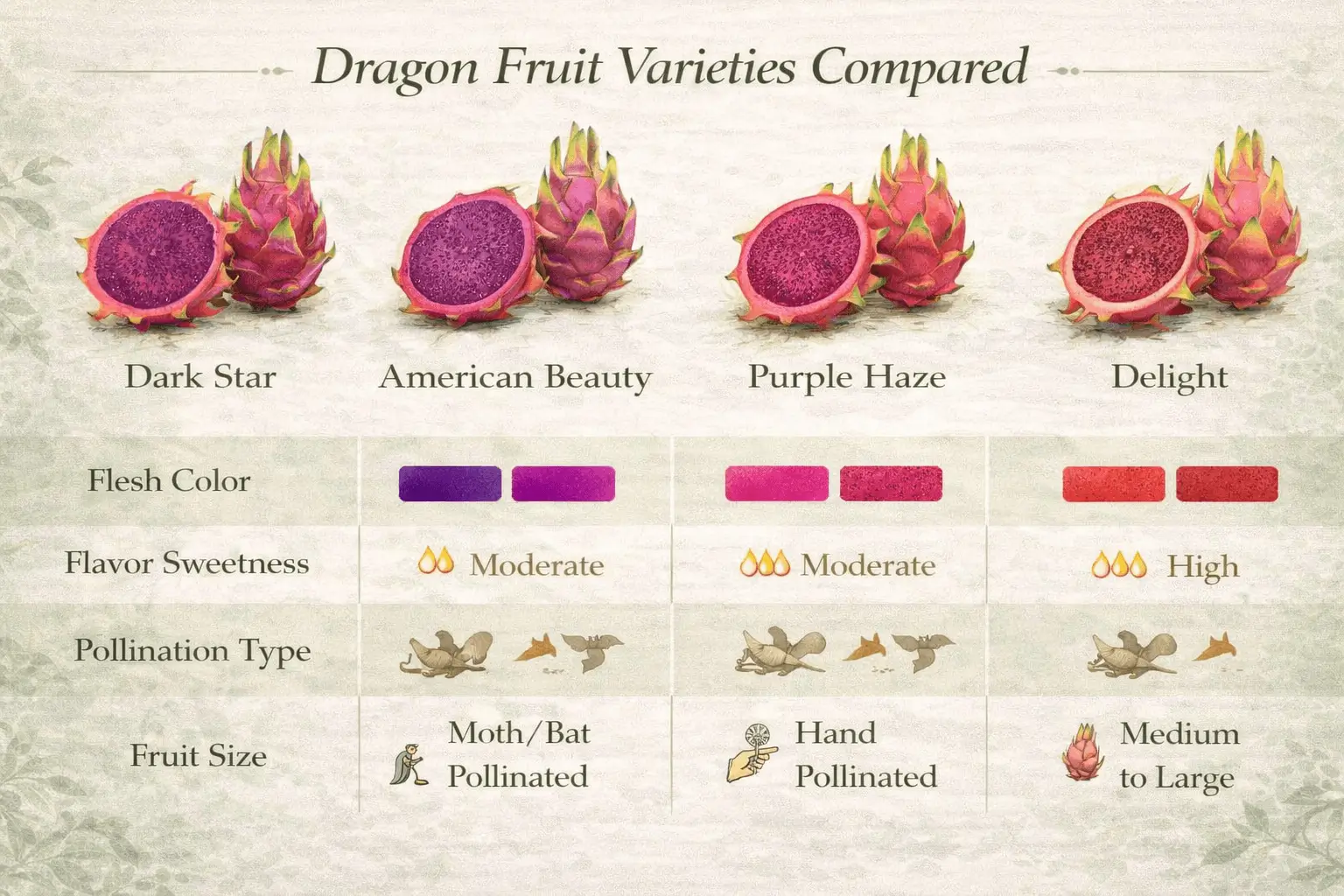
Dark star dragon fruit is often compared with other purple or red flesh varieties. These include well-known cultivars such as American Beauty dragon fruit, Purple Haze dragon fruit, Natural Mystic dragon fruit, Mystic dragon fruit, and Delight dragon fruit.
Although these varieties share similar flesh coloration, they differ in several characteristics. Flavor intensity can vary, with some cultivars producing stronger sweetness or more complex berry-like notes. Fruit size and shape may also differ depending on the cultivar.
Flower characteristics and pollination requirements are another important distinction. Some varieties are fully self-fertile, while others require cross-pollination to achieve reliable fruit production.
Understanding these differences helps growers choose the best dragon fruit varieties for their climate, pollination conditions, and desired fruit flavor.
Gardeners exploring different pitaya cultivars may also be interested in Orange Giant Dragon Fruit, which explains another unique dragon fruit variety and how its growth and fruit size compare with other cultivars.
Propagation Methods for Dark Star Dragon Fruit
Dark star dragon fruit can be propagated using two primary methods: stem cuttings and seeds.
Propagation from cuttings is the most common method used by growers. A healthy stem segment is cut from a mature plant and allowed to dry for several days before planting. Once planted in well-draining soil, the cutting develops roots and eventually grows into a new plant.
Growing dragon fruit from seeds is also possible, though it takes longer for plants to reach maturity. Seed-grown plants may also show variation in fruit quality because they are not genetically identical to the parent plant.
For this reason, most commercial growers and hobbyists prefer propagation through cuttings, similar to how American Beauty dragon fruit cuttings and other dragon fruit cultivars are commonly propagated.
Common Problems When Growing Dark Star Dragon Fruit
-
Poor Fruit Set
Poor fruit production is often caused by insufficient pollination. When flowers are not properly pollinated, fruit development may fail. Hand pollination can improve fruit set and increase overall harvest.
-
Stem Rot or Overwatering
Overwatering or poorly drained soil can lead to stem rot and root damage. Ensuring proper drainage and reducing watering frequency can prevent these issues.
-
Slow Growth
Slow plant growth may result from inadequate sunlight, poor soil fertility, or nutrient deficiencies. Providing sufficient sunlight and balanced fertilizer can help improve growth.
-
Pest Problems
Common pests affecting dragon fruit plants include mealybugs and scale insects. These pests feed on plant sap and can weaken stems. Early detection and proper plant hygiene help reduce pest problems.
Beginner Mistakes When Growing Dragon Fruit
Many beginner growers make similar mistakes when cultivating dragon fruit plants. Overwatering is one of the most common issues because the plant’s cactus nature leads some gardeners to misunderstand its watering needs.
Another frequent mistake is failing to provide adequate trellis support. Because dragon fruit plants are climbing cacti, proper vertical structures are essential for healthy growth and fruit production.
Pollination requirements are also often overlooked. Some growers assume all dragon fruit varieties are self-pollinating, but certain cultivars require cross-pollination or manual pollination to produce fruit.
Choosing varieties that are unsuitable for local climate conditions can also limit success. Understanding environmental needs before planting helps prevent these common challenges.
Environmental Limitations for Growing Dark Star Dragon Fruit
Dark star dragon fruit grows best in warm climates where temperatures remain consistently mild. Because the plant is a tropical cactus, it is sensitive to frost and prolonged cold exposure.
Temperatures below freezing can damage stems and slow plant growth. In cooler climates, growers often plant dragon fruit in containers so the plants can be moved indoors or into greenhouses during winter.
Indoor greenhouse environments can provide suitable warmth, sunlight, and humidity control, allowing growers to cultivate dragon fruit even in regions with colder winters.
Because dragon fruit thrives in warm environments, it is often grown alongside other tropical species commonly featured in 5+ Stunning Tropical Plants for Backyard Paradise, which highlights plants that flourish in similar climates.
Dark Star Dragon Fruit in the Context of Dragon Fruit Diversity
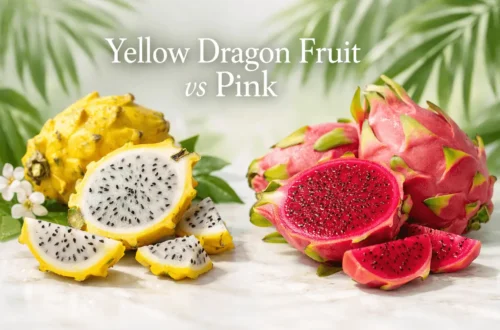
Dragon fruit varieties are broadly categorized by flesh color and genetic background. The three main categories include white flesh varieties, red flesh varieties, and purple dragon fruit types.
White-flesh dragon fruit varieties are widely grown commercially and tend to have milder flavor. Red and purple flesh varieties often produce richer taste and stronger coloration.
Dark star dragon fruit belongs to the group of purple-flesh pitayas. Within this category, it shares similarities with other colorful dragon fruit cultivars but remains notable for its sweetness and distinctive fruit color.
Understanding how dark star fits within the broader diversity of dragon fruit helps growers evaluate its characteristics relative to other cultivars.
Conclusion
Dark star dragon fruit is a unique purple-flesh dragon fruit variety valued for its attractive fruit, sweet flavor, and strong productivity. Understanding how the plant grows, how pollination works, and how it compares with other dragon fruit varieties helps gardeners make informed decisions about cultivation. With proper support structures, warm growing conditions, and careful pollination management, the dark star dragon fruit plant can produce flavorful fruit and become a striking addition to tropical or subtropical gardens.
FAQs
What is dark star dragon fruit?
Dark star dragon fruit is a cultivated pitaya variety with deep purple flesh known for its sweet taste and high sugar content.
Is dark star dragon fruit self pollinating?
Dark star dragon fruit may have partial self-fertility, but many growers improve fruit production through hand pollination or cross-pollination.
What does dark star dragon fruit taste like?
The fruit typically has a sweet, berry-like flavor with a juicy texture and vibrant purple flesh.
How do you pollinate dark star dragon fruit flowers?
Pollination can occur naturally by nocturnal pollinators such as moths or bats, but hand pollination is often used to increase fruit set.
Can dark star dragon fruit be grown from cuttings?
Yes. Propagation from stem cuttings is one of the most common and reliable methods for growing new dragon fruit plants.
What makes purple dragon fruit different from white dragon fruit?
Purple dragon fruit varieties generally have richer color, stronger flavor, and often higher sugar levels than white-flesh varieties.