Introduction
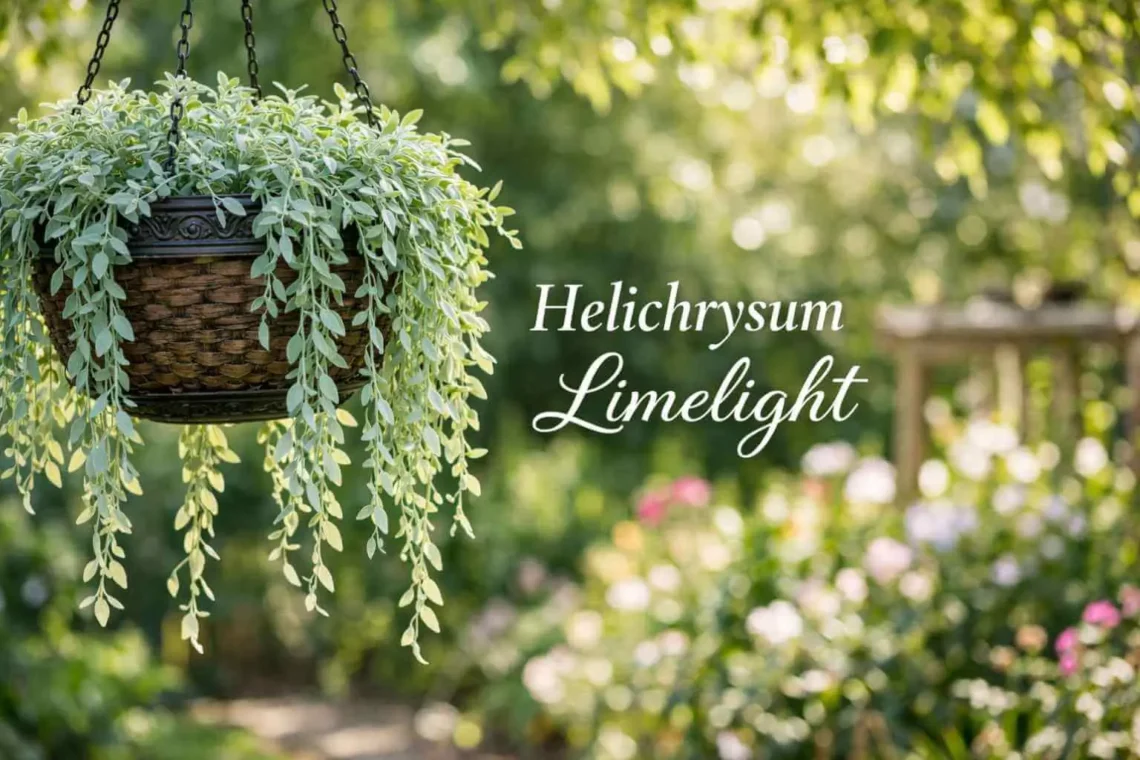
Helichrysum Limelight is a striking ornamental plant valued for its vibrant, silvery-green foliage and trailing growth habit. Belonging to the Helichrysum genus, it is primarily cultivated for decorative purposes in gardens, containers, and hanging baskets. Its unique foliage color and low-maintenance requirements make it a favorite among landscapers and gardeners seeking year-round visual interest. Understanding Helichrysum Limelight’s growth characteristics, care requirements, and ideal conditions ensures its successful integration into diverse landscapes. Proper selection and cultivation maximize its ornamental value while maintaining plant health.
What Is Helichrysum Limelight?
Helichrysum Limelight is a cultivar of the Helichrysum petiolare species, known for its silvery-green, trailing foliage. Unlike other Helichrysum species, Limelight is primarily ornamental and not grown for aromatic oil extraction. Its botanical identity is distinct, classified under the Asteraceae family, with petiolate leaves that contrast effectively in mixed plantings. The Helichrysum genus is part of the Asteraceae family, which includes many ornamental and flowering plants worldwide. As a cultivar, Limelight exhibits more uniform foliage color and growth habit compared to wild Helichrysum species. This differentiation allows gardeners to select Limelight specifically for visual appeal without the functional traits of medicinal or aromatic Helichrysum varieties.
Is Helichrysum Limelight a Perennial?
Helichrysum Limelight behaves as a perennial in temperate climates with mild winters, maintaining foliage year-round. In regions with frost or heavy snow, it may act as an annual unless provided with protection or overwintering indoors. Frost sensitivity limits its hardiness to USDA zones 9–11, and in colder regions, mulching or container relocation is recommended. Understanding its climate-dependent behavior ensures gardeners plan for seasonal growth and survival.
Helichrysum Limelight Size and Growth Habit
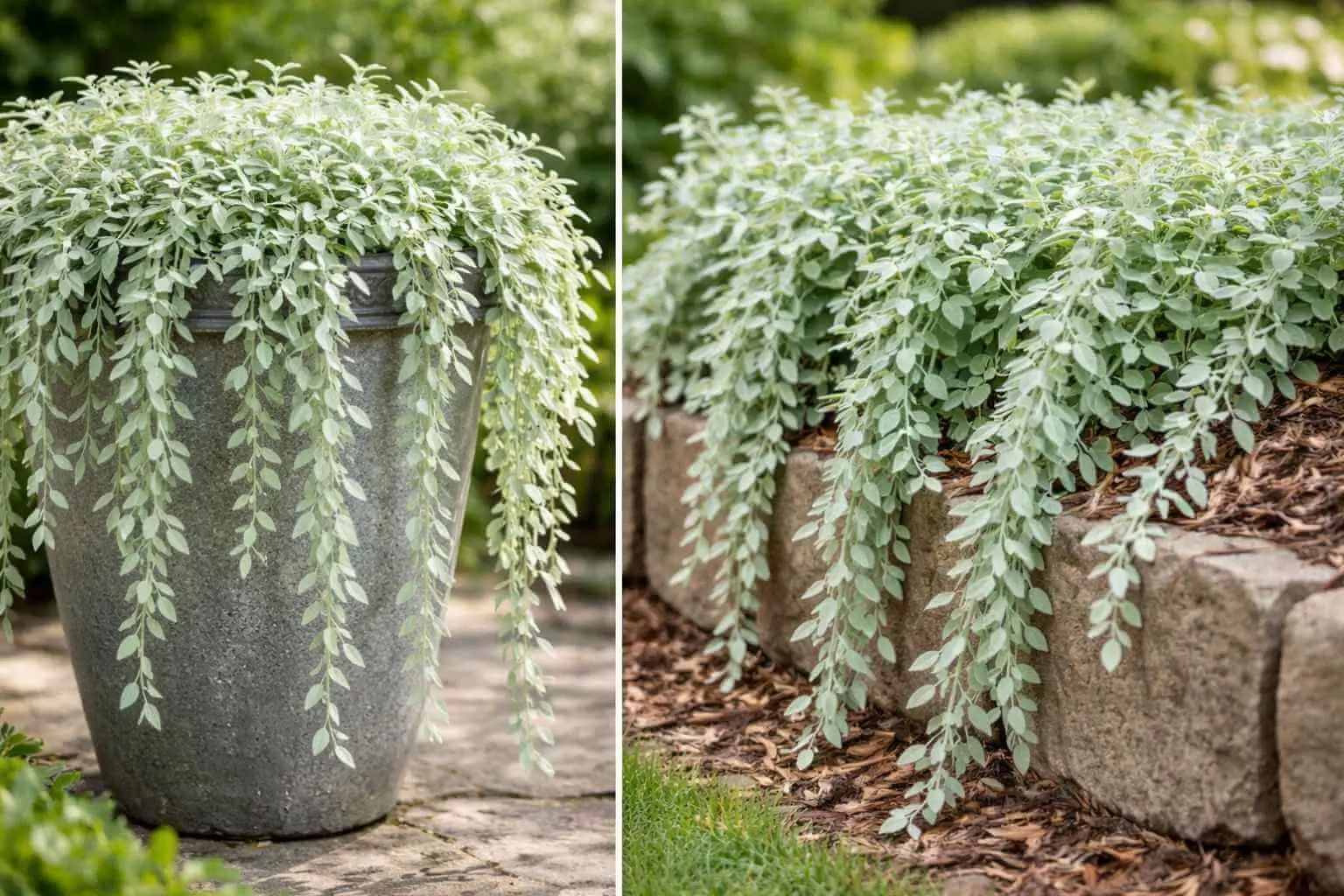
Limelight typically reaches a mature height of 30–45 cm (12–18 inches) with a spread of up to 90 cm (36 inches). Its trailing, cascading stems make it ideal for container plantings, hanging baskets, or as a soft ground cover along edges. The plant’s dense foliage forms a visually striking mat, providing both texture and contrast in garden beds. Its compact yet spreading habit enables versatile landscape applications, including rock gardens and raised planters. For similar trailing plants with ornamental foliage, see Purple Trailing Lantana Benefits.
Light and Shade Requirements
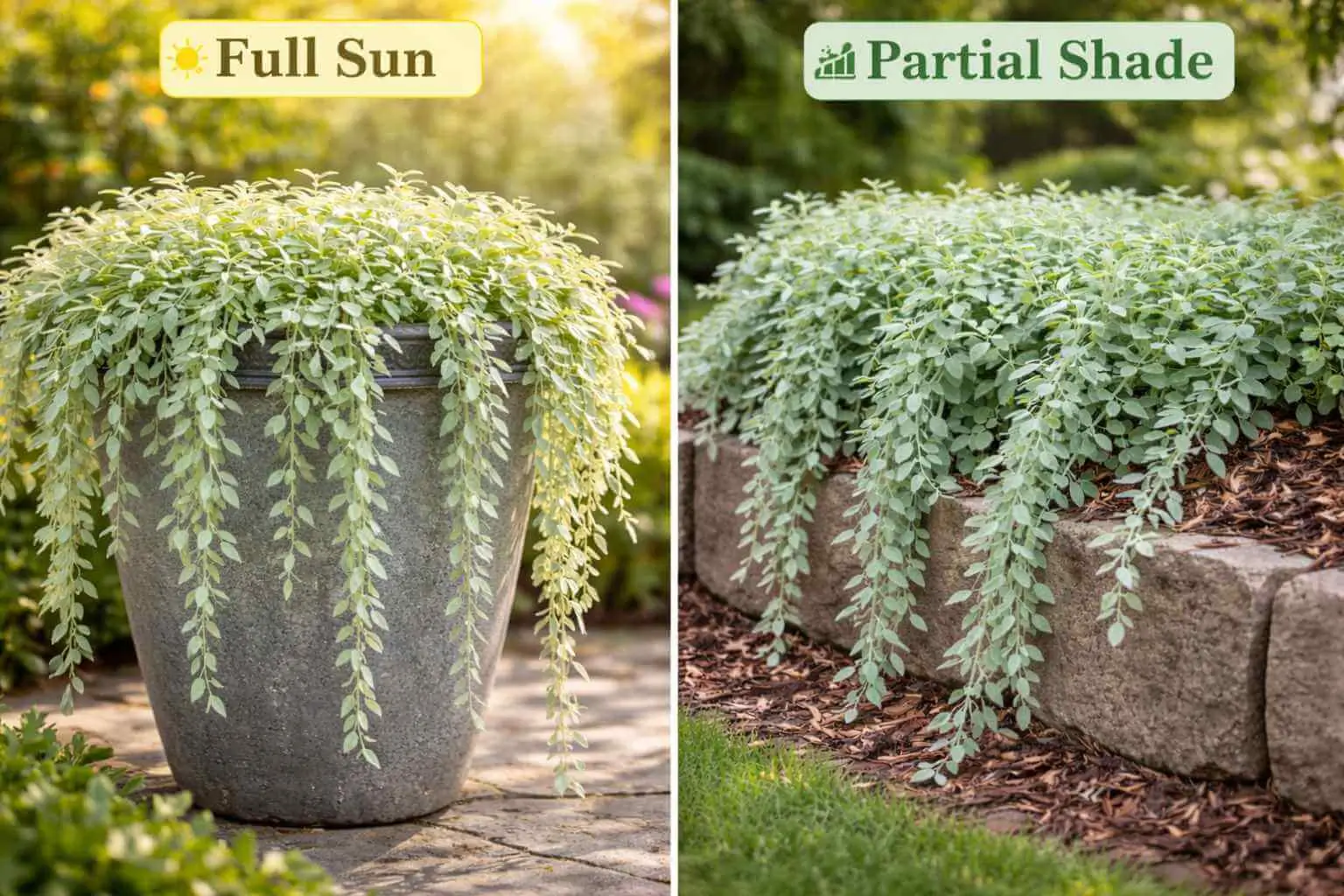
Helichrysum Limelight thrives in full sun but tolerates partial shade, where leaf color may become less vibrant. Sun exposure enhances the silvery hue, while shaded conditions can produce a softer green tone. Optimal placement ensures dense foliage and minimizes leggy growth. Other sun-loving ornamental plants like Sweet Flag Grass also show dramatic foliage changes in varied light. Gardeners should consider local light intensity when positioning Limelight to maximize both aesthetic appeal and plant health.
How to Grow Helichrysum Limelight
Helichrysum Limelight prefers well-draining soil with a sandy or loamy texture. Moderate watering is required, with drought tolerance developing once established. Avoid waterlogged conditions, which can promote root rot. Planting spacing should allow 30–45 cm (12–18 inches) between plants for proper air circulation and trailing development. Incorporating organic matter improves soil fertility without compromising drainage. Proper preparation and care at planting establish a strong foundation for sustained growth.
Helichrysum Plant Care
Routine maintenance includes light pruning or pinching to encourage bushier growth. Fertilization with balanced, slow-release nutrients supports healthy foliage. Common growth issues include leggy stems due to insufficient light and root rot from poor drainage. Monitoring plant health and adjusting care practices prevents long-term decline. Regular inspection and corrective measures ensure Limelight remains visually appealing and robust throughout the growing season.
Helichrysum Petiolare Propagation
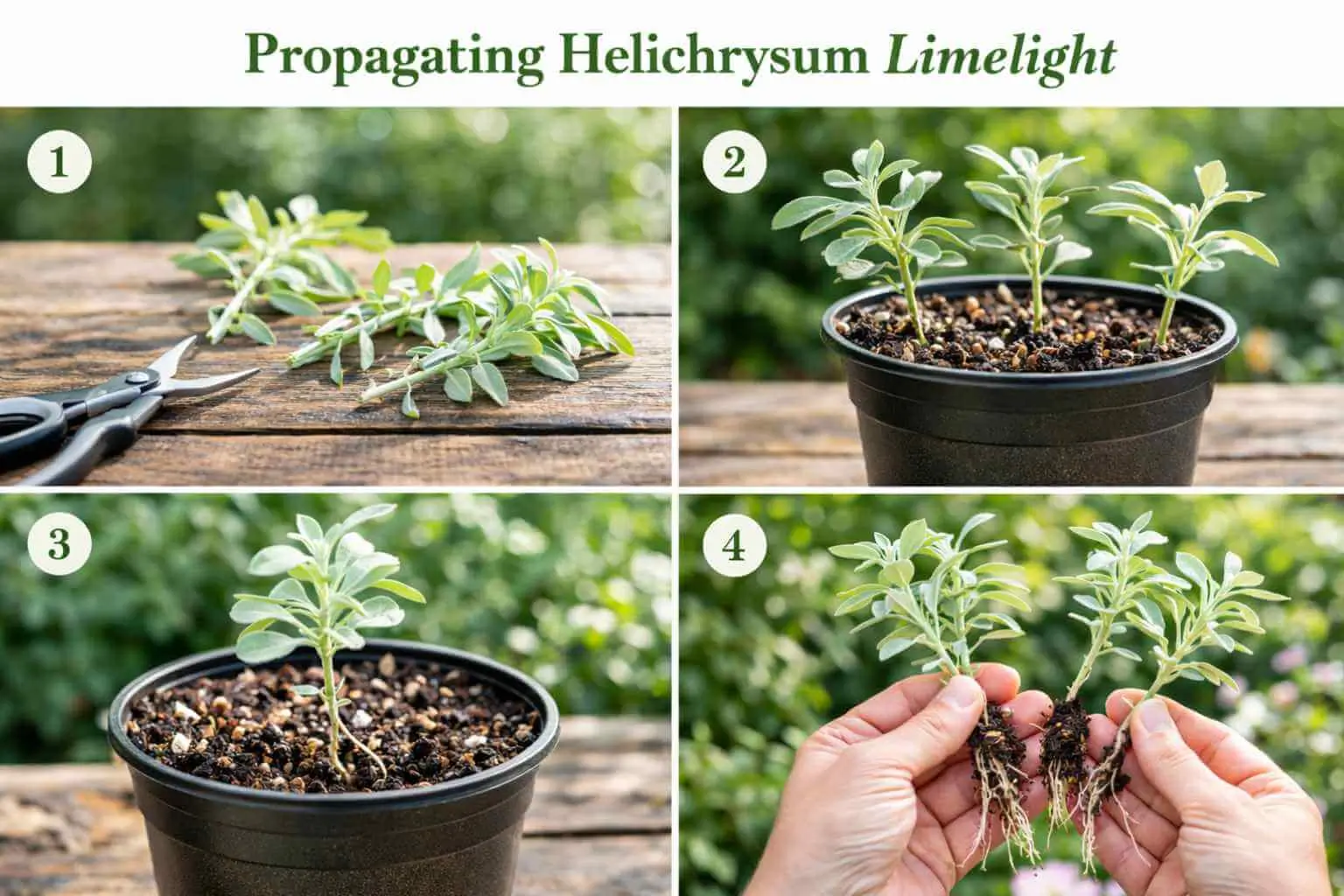
Propagation is most effective through stem cuttings taken during the growing season. Cuttings should be 8–12 cm (3–5 inches) long, with lower leaves removed. Rooting occurs under warm, humid conditions with indirect light. Well-draining propagation medium and consistent moisture promote successful establishment. Timing and proper technique enhance success rates, enabling gardeners to multiply Limelight for larger displays or shared cultivation.
Is Helichrysum Limelight Invasive?
Helichrysum Limelight exhibits spreading behavior but does not typically qualify as invasive. Its growth is controllable in garden beds and containers, with minimal risk of overtaking native vegetation. Regional climate and soil fertility may influence spread, so monitoring is recommended in favorable conditions. Limelight is considered safe for most landscapes while offering decorative ground cover and cascading foliage.
Helichrysum Limelight vs Other Helichrysum Varieties
Limelight differs from Silver Licorice Plant by its softer, lighter foliage and more trailing habit. Compared to Petiolare Gold, Limelight’s silvery tone contrasts with the golden foliage of the latter. Helichrysum petiolare varieties generally display subtle differences in leaf shape and color intensity, while Helichrysum italicum, commonly known as the curry plant, offers strong aromatic foliage. Recognizing these distinctions aids in selecting plants for specific ornamental or functional purposes.
Helichrysum Italicum and Essential Oil Use
Helichrysum italicum is cultivated primarily for its aromatic essential oil, which differs from the ornamental Limelight cultivar. While Limelight focuses on visual aesthetics, Italicum is valued for its anti-inflammatory and skincare applications. Essential oil extraction involves harvesting leaves and flowering stems, highlighting the functional divergence between species. Gardeners choosing Limelight are selecting decorative appeal rather than fragrance or oil production.
Landscape Uses of Helichrysum Limelight
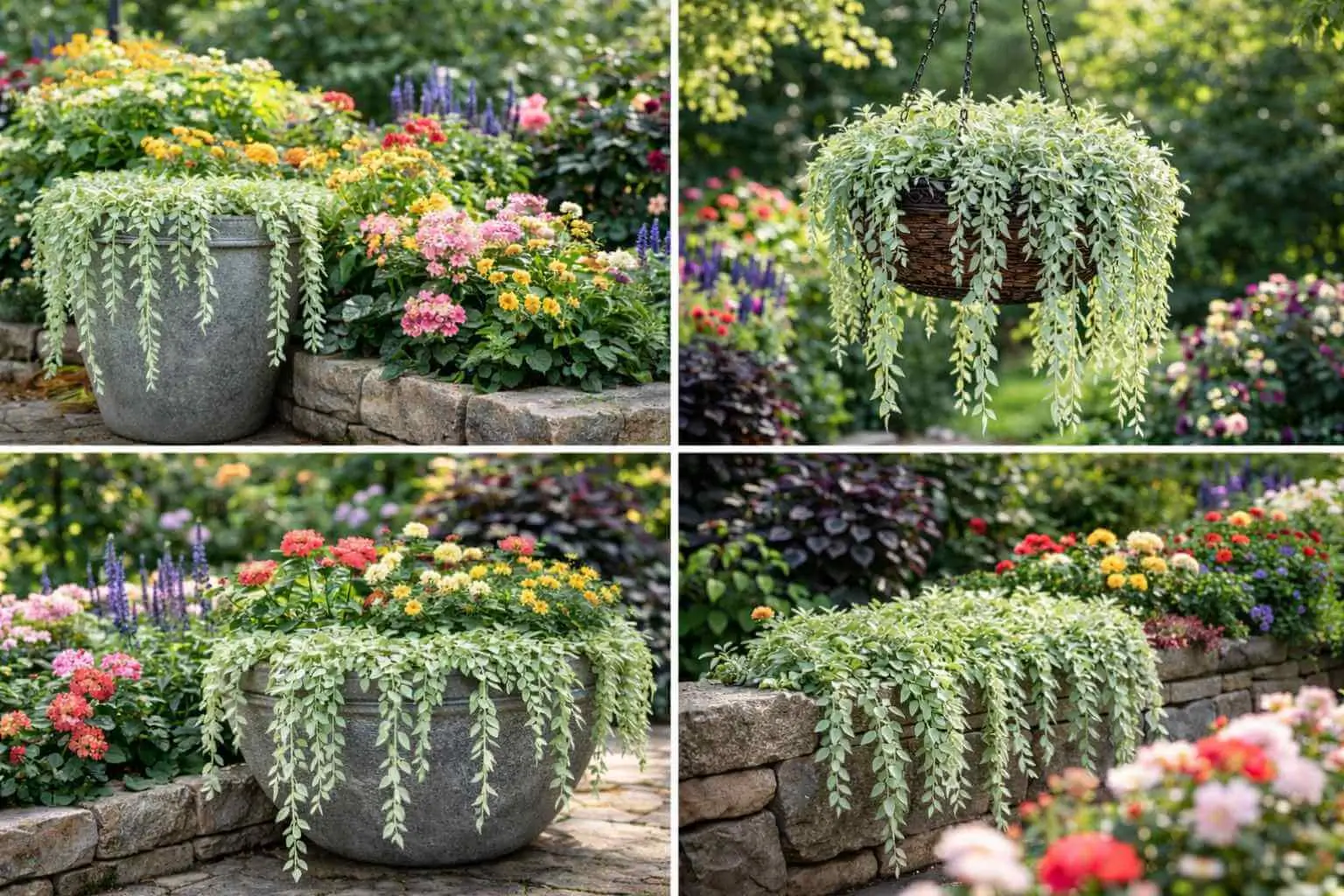
Helichrysum Limelight serves effectively as a ground cover, edging plant, or cascading element in containers and hanging baskets. Its silvery foliage provides contrast against darker leaves or colorful flowers, enhancing landscape depth. Limelight’s trailing stems soften hard edges, fill gaps, and contribute to visual continuity in ornamental gardens. Proper placement maximizes its decorative potential while maintaining plant health.
Conclusion
Helichrysum Limelight is a versatile, low-maintenance ornamental plant ideal for containers, hanging baskets, and landscape borders. Its silvery foliage, trailing habit, and adaptability to sun and partial shade make it a reliable choice for visual interest. While climate and frost sensitivity influence perennial behavior, proper care ensures longevity. Exploring Limelight alongside other Helichrysum species offers gardeners additional options for ornamental diversity and functional landscaping.
FAQ
- What is Helichrysum Limelight used for?
It is primarily used as an ornamental plant for containers, hanging baskets, ground cover, and garden edging due to its trailing, silvery foliage. - Is Helichrysum Limelight the same as curry plant?
No. Helichrysum Limelight is ornamental, while Helichrysum italicum (curry plant) is aromatic and grown for essential oil extraction. - Does Helichrysum Limelight grow back every year?
It is perennial in mild climates but may act as an annual in regions with frost unless overwintered indoors or protected. - How big does Helichrysum Limelight get?
Mature height ranges from 30–45 cm (12–18 inches) with a spread up to 90 cm (36 inches), exhibiting trailing growth. - Can Helichrysum Limelight grow in shade?
It tolerates partial shade, but full sun enhances its silvery foliage and encourages denser growth. - Is Helichrysum Limelight invasive?
No. It spreads moderately but is not considered invasive, making it safe for most landscapes.