Introduction
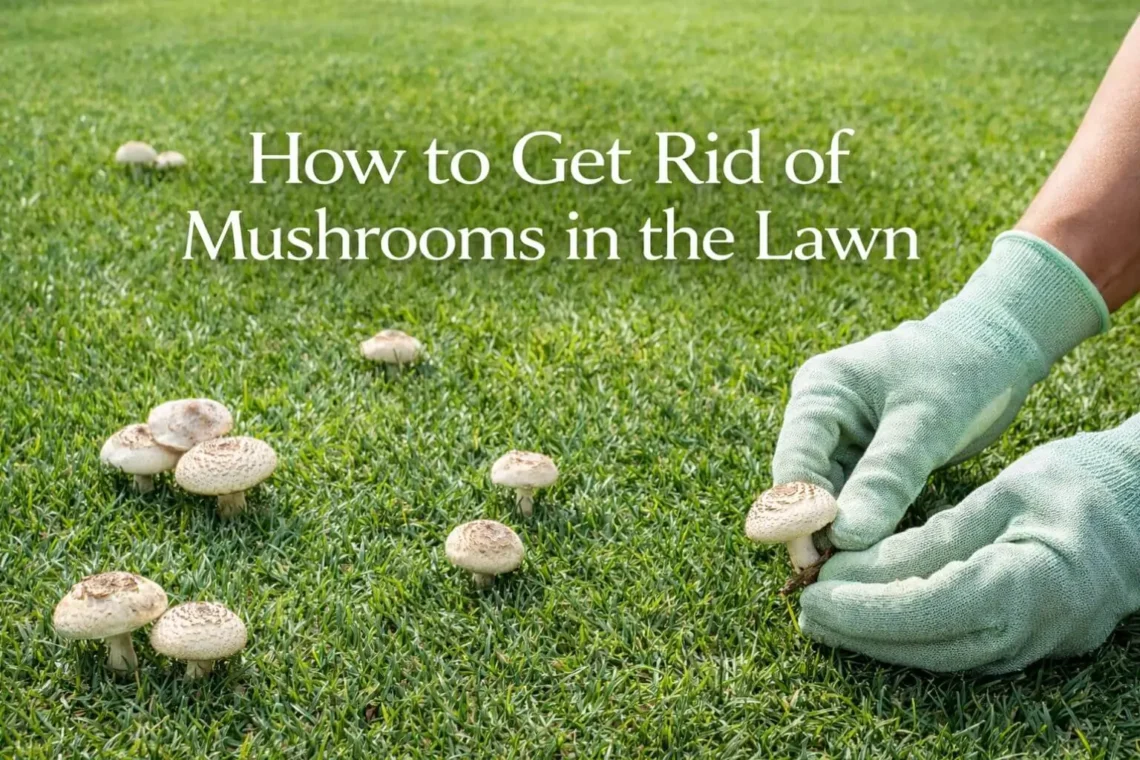
Lawn mushrooms are fungi that appear in grassy areas, often as small caps emerging from the soil. They typically grow on decomposing organic matter, in areas with moisture, and under shaded conditions. While mushrooms can add a natural aesthetic to lawns, they may pose safety concerns, especially if poisonous varieties are present. Understanding mushroom in lawn growth and using proper lawn mushroom identification pictures can help homeowners remove them safely and protect both people and pets. Awareness of common mushrooms that grow in grass is essential for effective and safe lawn management. Lawn mushrooms are fungi, a group of organisms that decompose organic matter and can appear under moist and shaded conditions (see Fungi for more details).
Understanding Mushrooms in Your Lawn
Common Types of Lawn Mushrooms
Several species of mushrooms commonly appear in lawns, including brown mushrooms, white mushrooms, and toadstools. Brown mushrooms in gardens are often small, clustered, and can have a conical cap, while white lawn mushroom identification pictures typically show smooth, dome-shaped caps. Toadstools may display vibrant colors or unusual shapes and are often linked to decaying organic matter. Recognizing these common garden mushrooms helps determine which types may be hazardous. Visual identification cues, such as cap color, size, and gill structure, are essential for distinguishing safe mushrooms from toxic varieties.
Causes of Mushroom Growth in Lawns
Mushrooms that grow in grass thrive in moist, shaded areas where decomposing organic matter is present. Common causes of mushroom growth include overwatering, poor drainage, mulch buildup, decaying tree roots, and shaded conditions. Soil rich in organic material and areas with heavy leaf litter also encourage fungal growth. Understanding these environmental factors allows homeowners to address underlying conditions, reducing the likelihood of recurring mushrooms. Proper mushroom in garden identification helps link environmental causes to effective preventive measures.
Safe Methods to Remove Mushrooms from the Lawn
-
Manual Removal Techniques
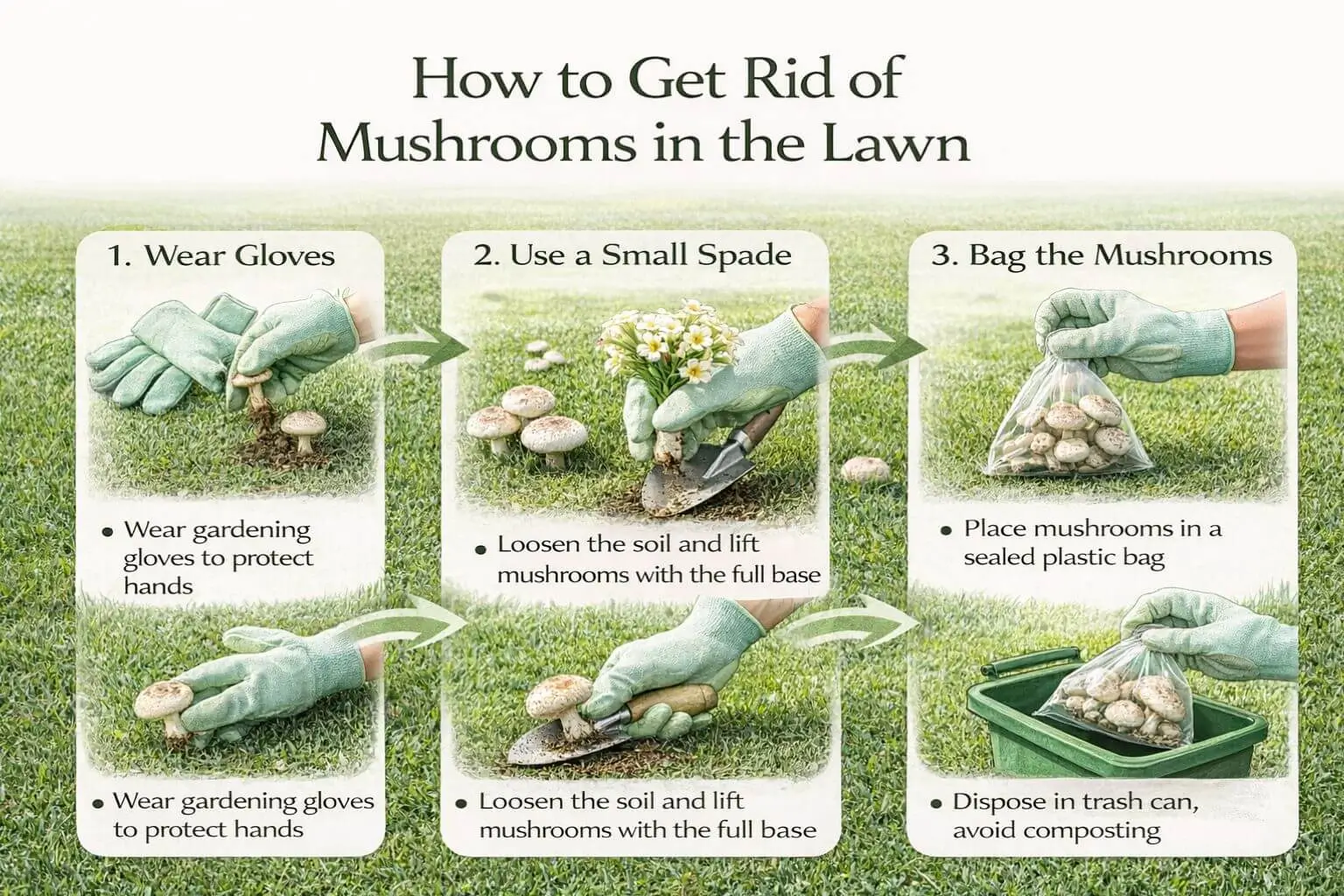
Manual removal is one of the safest ways to eliminate mushrooms in lawns. Homeowners should wear gloves to avoid direct contact with potentially poisonous fungi. Use a small spade or garden trowel to gently lift mushrooms from the soil, ensuring the entire base is removed. Collected mushrooms should be disposed of in sealed bags to prevent spores from spreading. Regularly inspecting the lawn and removing mushrooms promptly minimizes health risks while controlling fungal growth.
-
Natural Remedies
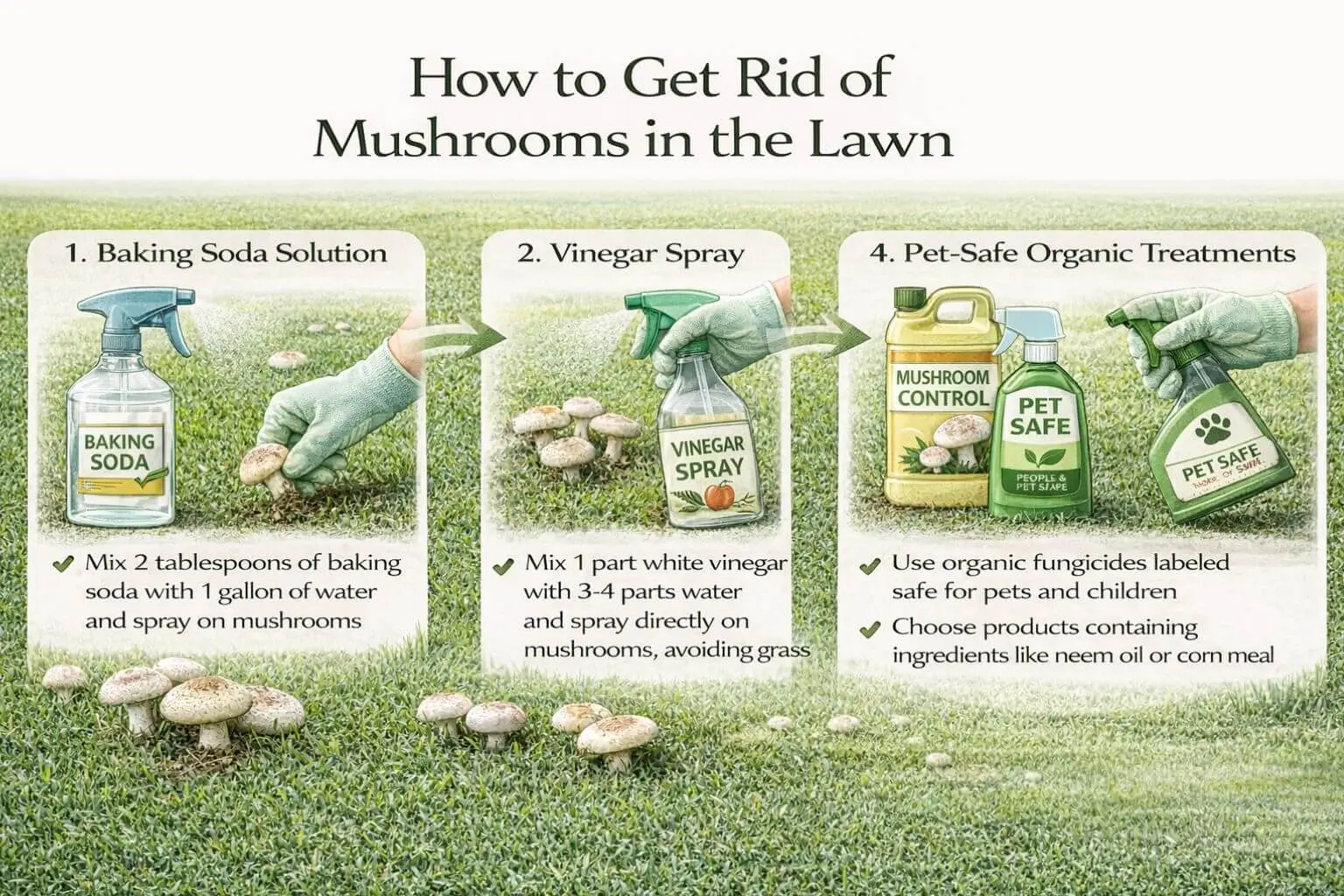
Natural remedies offer a pet-safe alternative to chemical treatments. Baking soda, vinegar, and other organic mixtures can reduce mushroom growth. To use baking soda, dissolve it in water and spray it directly on mushroom clusters. Vinegar can be diluted and applied similarly to affected areas. These remedies work best when applied consistently in damp areas and are safe for lawns, pets, and children. Understanding how to get rid of mushrooms in the lawn naturally can help maintain a healthy yard without harsh chemicals.
-
Chemical or Commercial Options
Commercial mushroom sprays or lawn-safe mushroom killers provide another method for controlling fungal growth. Mushroom killer for lawn products typically target fungal spores while preserving grass health. Application must follow manufacturer instructions carefully, with attention to pet safety. Lawn mushroom killer sprays can be effective in persistent infestations but are generally best used as a supplement to manual removal and natural methods. Mushroom spray killer options should be chosen for minimal environmental impact.
-
Lawn Maintenance to Prevent Mushroom Growth
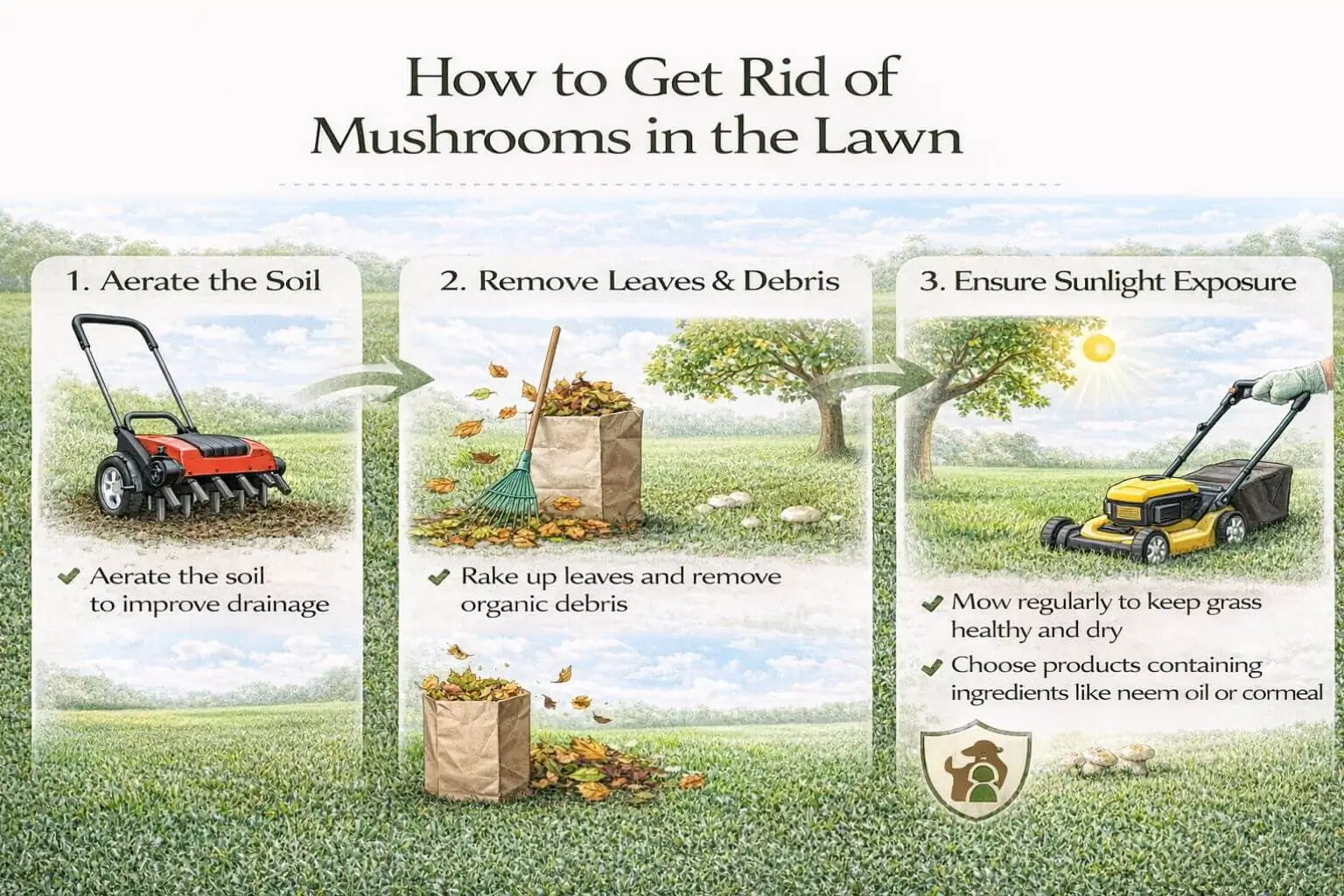
Preventing mushrooms in the lawn involves proactive maintenance. Aeration improves soil drainage, reducing excess moisture that fosters fungal growth. Removing organic debris, such as leaves or clippings, limits the food source for fungi. Ensuring adequate sunlight and trimming overhanging branches reduces shade. Using durable varieties, such as Korean grass lawn, helps prevent mushroom recurrence by maintaining an evenly lit, well-ventilated turf. Regularly mowing and maintaining healthy grass density creates an environment less conducive to fungal growth. Practices to eliminate mushrooms in lawn areas or kill toadstools in lawn proactively minimize recurring infestations. Maintaining a dense, well-drained lawn with grasses like Zoysia Tenuifolia can naturally reduce fungal growth and improve lawn resilience.
Safety Considerations for People and Pets
Are Lawn Mushrooms Poisonous?
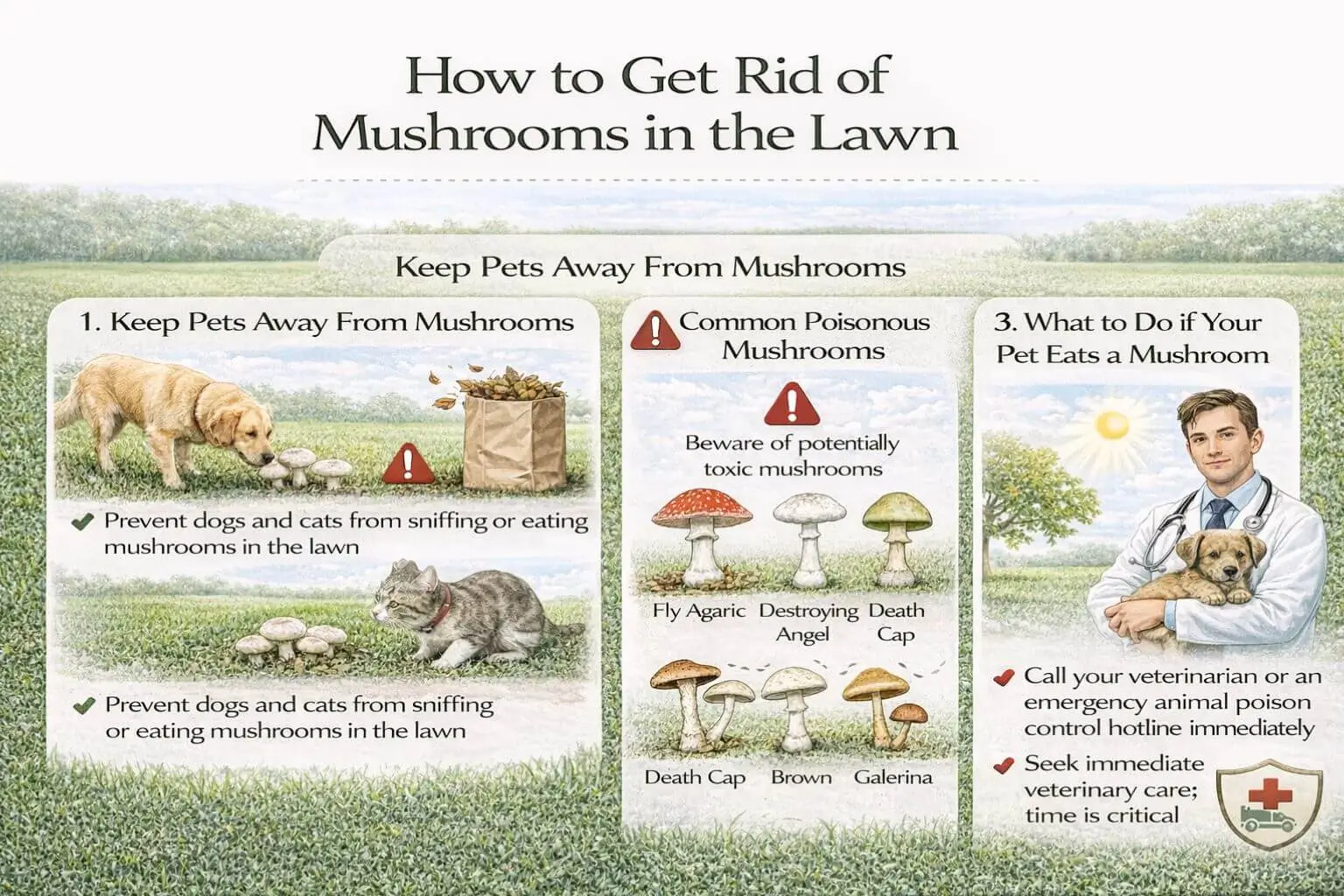
Not all mushrooms in the lawn are poisonous, but some can be toxic to humans, dogs, and cats. Identifying the type of mushrooms is crucial; brown mushrooms in garden areas are not always edible, and some white or brightly colored toadstools may contain dangerous toxins. Pet owners should prevent animals from ingesting mushrooms. Signs of ingestion in pets include vomiting, lethargy, or diarrhea. Knowing whether mushrooms in your yard are poisonous ensures timely precautions to protect children and pets.
When to Seek Expert Advice
Professional guidance is necessary when encountering unknown or potentially toxic mushrooms. Mycologists or veterinarians can identify poisonous mushrooms and provide treatment advice. If a dog ate a mushroom or shows signs of poisoning, contact a veterinary professional immediately. Poisonous mushrooms and dogs require urgent attention, as early intervention improves outcomes. Situations involving multiple pets, persistent mushroom growth, or uncertainty about toxicity also warrant expert consultation.
Conclusion
Safely removing mushrooms in lawns involves a combination of manual techniques, natural remedies, and selective use of commercial products. Preventive lawn maintenance, including aeration, debris removal, and sunlight management, reduces the risk of recurring fungal growth. Homeowners should be vigilant in identifying mushrooms that grow in grass, understanding which are poisonous, and protecting both people and pets. By following these safe lawn mushroom removal practices and preventive strategies, a healthy, visually appealing, and safe lawn can be maintained.
FAQs
- How do I safely remove mushrooms from my lawn?
Manually pick mushrooms with gloves and dispose of them in sealed bags, or use natural remedies like vinegar or baking soda sprays. - Can mushrooms in the lawn harm my pets?
Yes, some lawn mushrooms are toxic to dogs and cats. Identifying the types of mushrooms and preventing pets from ingesting them is essential. - What causes mushrooms to grow in lawns?
Mushrooms thrive in moist, shaded areas with decomposing organic matter, including mulch, leaves, and tree roots. - Are all mushrooms in the lawn poisonous?
No, not all mushrooms are poisonous, but identification can be difficult. Exercise caution and remove unknown fungi promptly. - How can I prevent mushrooms from returning in my lawn?
Improve drainage, remove organic debris, reduce shade, and maintain healthy grass to limit conditions favorable for mushroom growth.