Introduction
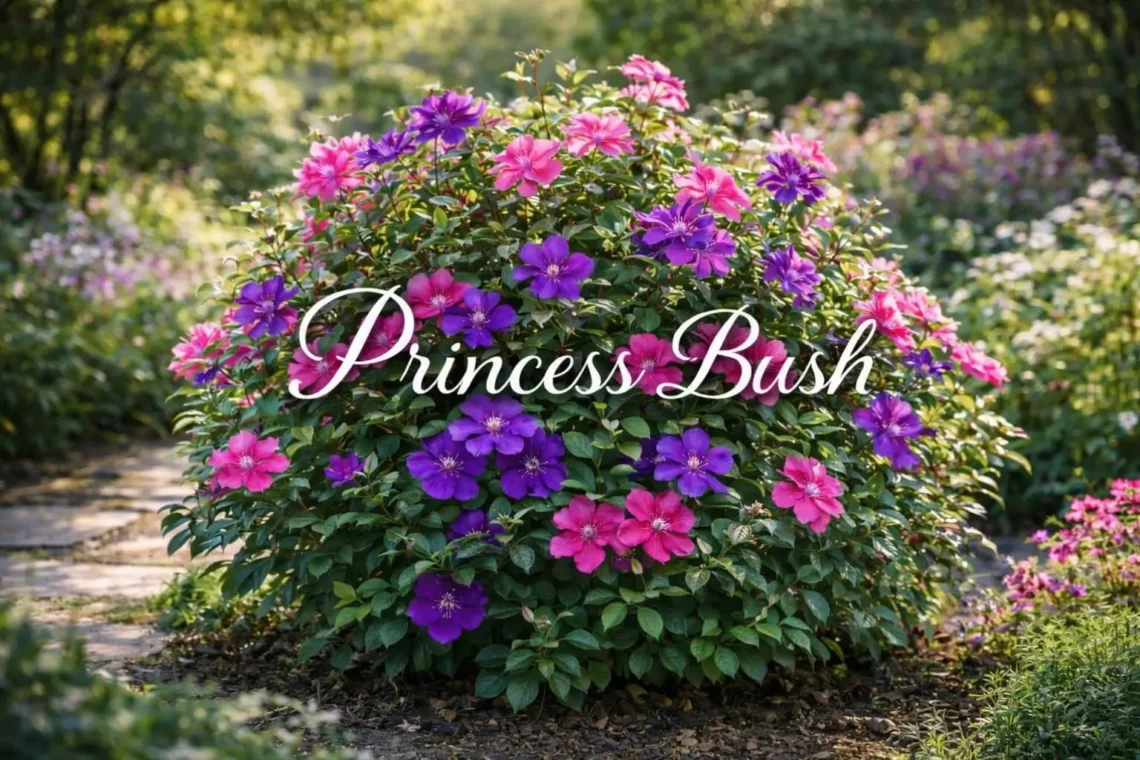
Princess Bush is an ornamental flowering shrub belonging to the Tibouchina genus, prized for its vibrant blooms and striking foliage. It is widely cultivated in gardens, landscapes, and as a decorative shrub or small tree. Popular for its bright pink to deep purple flowers, the plant typically blooms from late summer to fall, offering extended seasonal color. Princess Bush grows in compact to medium forms, depending on the variety, and is suitable for hedges, borders, or standalone displays. Proper care involves understanding planting needs, pruning techniques, and selecting the right varieties to match garden aesthetics. This article explores all aspects of princess bush, including care, pruning, propagation, and landscape use.
What is a Princess Bush?
Princess Bush, botanically classified under the Tibouchina genus, is a tropical to subtropical flowering shrub or small tree. Typically, the plant grows between 3 to 10 feet tall with a rounded, bushy habit. It produces clusters of vibrant flowers ranging from pink to purple, often with a velvety texture. The princess bush plant is distinct from other “princess” ornamental plants due to its botanical lineage and flower structure. Variants may appear as small shrubs or larger tree-like forms, known as princess bush trees, with similar flower characteristics. This plant’s ornamental value lies in its prolonged flowering and adaptability to garden settings.
Varieties of Princess Bush
Popular Varieties
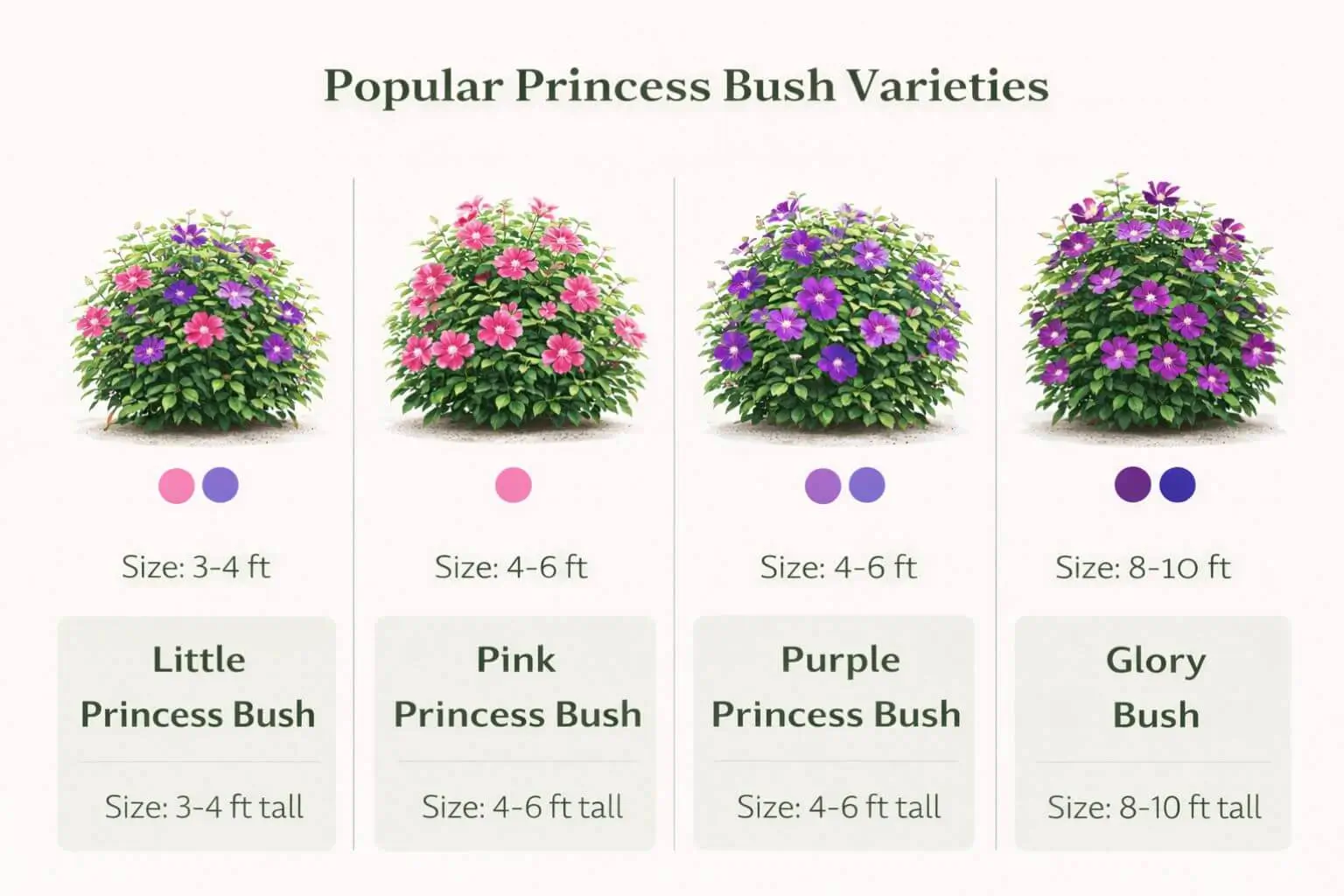
- Little Princess Bush: A compact form ideal for small gardens and container planting.
- Pink Princess Bush / Pink Princess Bush Rose: Features bright pink flowers, often used for focal garden displays.
- Purple Princess Bush / Purple Princess Flower: Deep purple blooms that attract pollinators and offer striking color contrast.
- Blue Princess Bush: A rare variation producing bluish-purple flowers for specialized garden use.
Similar to the Little Princess Bush, compact ornamental shrubs like Sweet Pea Bush are ideal for borders or container gardening.
Related Glory Bush Varieties
The Glory Bush, or Princess Flower Glory Bush (Tibouchina urvilleana), is closely related and shares similar flowering traits. It produces large purple blooms and thrives in subtropical climates. These varieties are collectively referred to as princess flower bushes and offer similar landscape appeal. Related glory bush varieties are suitable for hedges, screens, or ornamental plantings in garden beds.
Tree vs Shrub Forms
Princess bushes can grow as shrubs or small trees depending on pruning and environmental conditions. Shrub forms are bushy, low-maintenance, and suitable for borders or containers. Tree forms provide height and structure in landscapes and require selective pruning to maintain shape and encourage flowering. Proper care ensures both forms reach their ornamental potential.
Growing and Caring for a Princess Bush
-
Planting Requirements
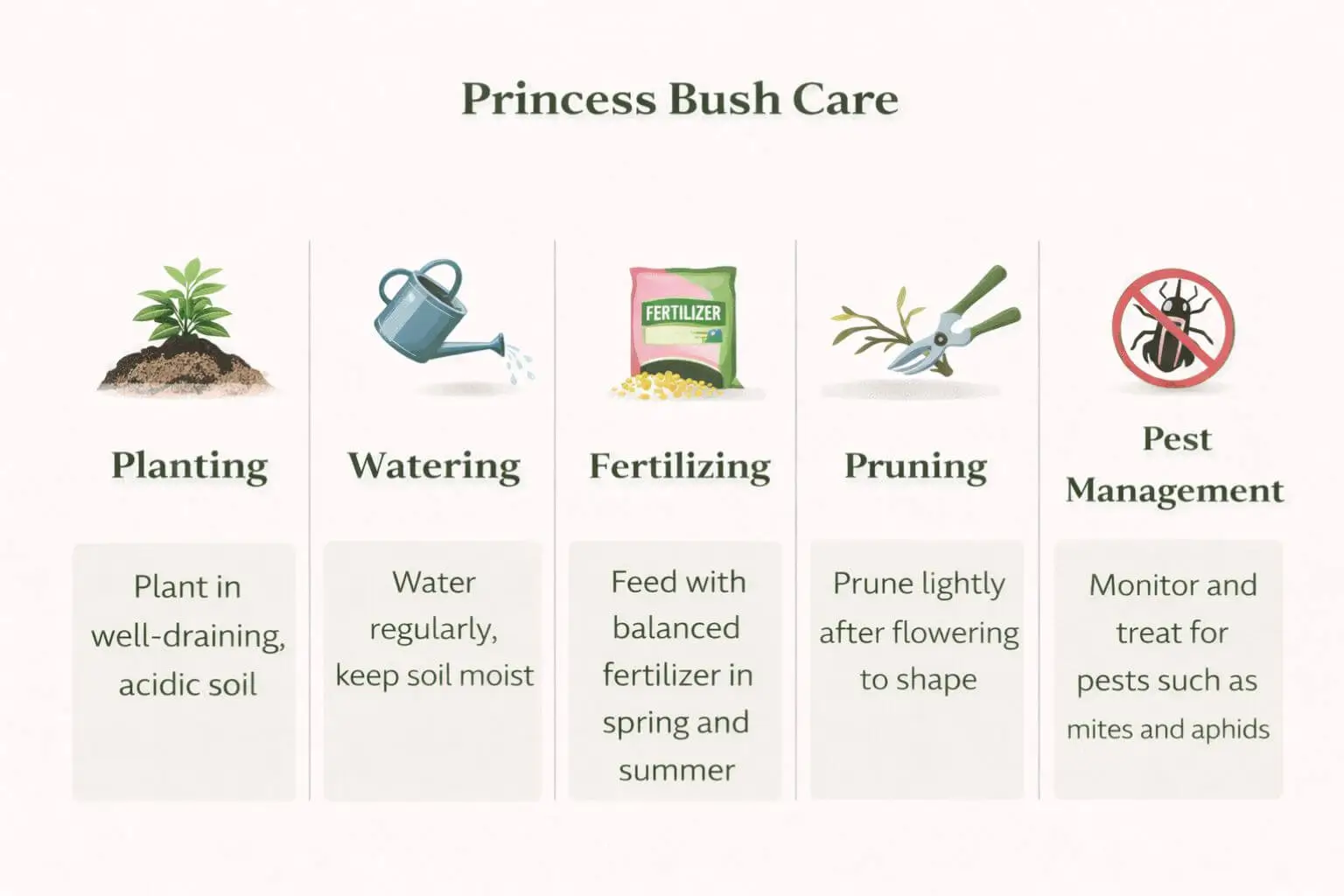
Princess bush plants prefer well-draining, slightly acidic soils. Full sun exposure maximizes flowering potential, while partial shade may reduce bloom density. Plant spacing depends on the mature size, with trees requiring more room for canopy development. Suitable locations include garden beds, patios, and mixed borders.
-
Watering and Fertilizing
Consistent watering is essential during dry periods, keeping the soil moist but not waterlogged. Fertilize with balanced slow-release fertilizers during spring and summer to promote healthy foliage and abundant blooms. Organic compost or liquid feeds can enhance soil fertility and plant vigor.
-
Pruning and Maintenance
Prune princess bushes after flowering to maintain shape, encourage new growth, and increase flower production. Remove dead or weak branches and thin crowded areas for improved air circulation. Regular maintenance prevents disease buildup and enhances the overall aesthetic of the shrub or tree.
-
Pests and Diseases
Common threats include aphids, spider mites, and fungal infections such as powdery mildew. Control pests with insecticidal soap or neem oil and maintain good air circulation. Disease prevention involves proper spacing, avoiding overwatering, and removing affected foliage promptly.
Flowering Characteristics
Blooming Season
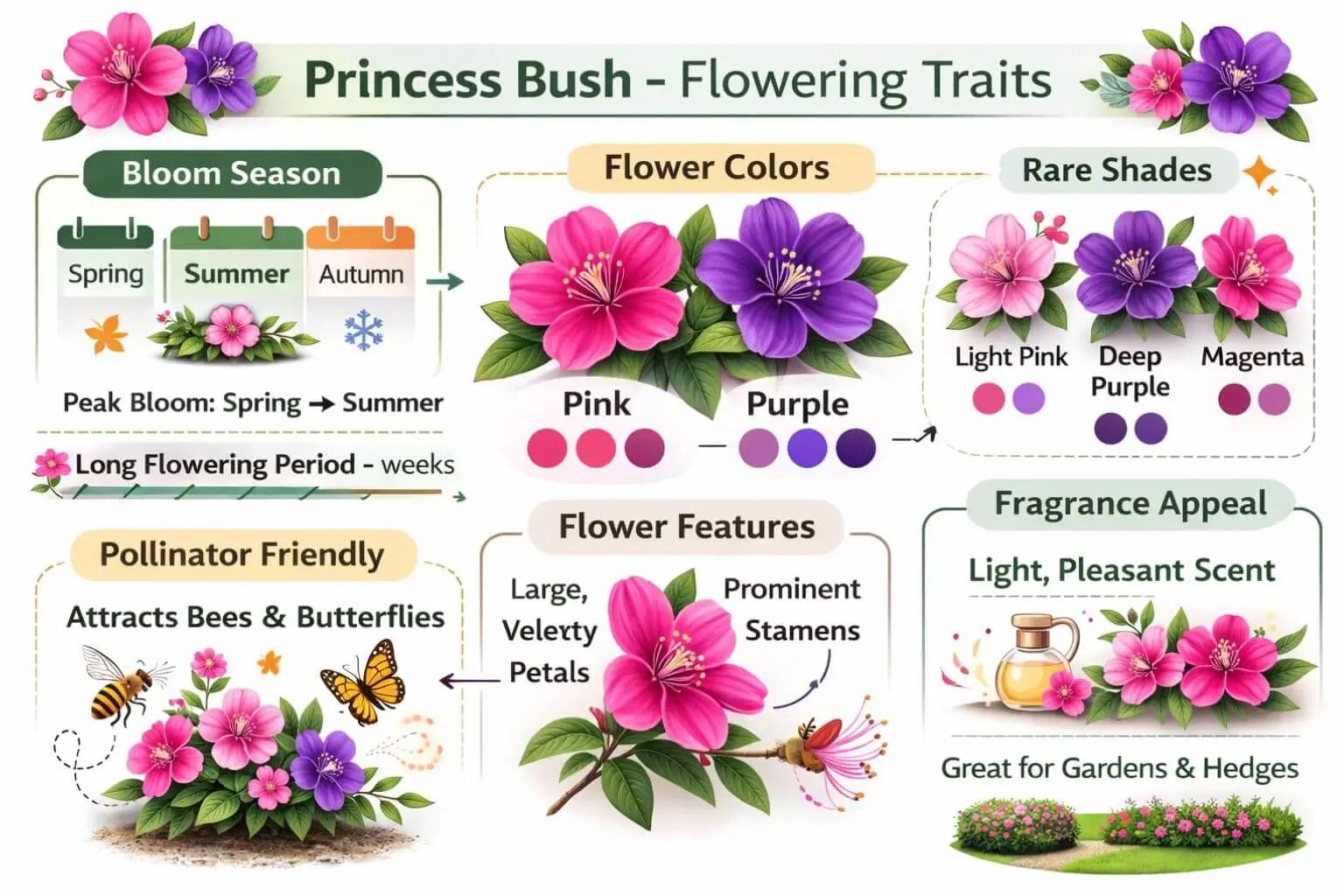
Princess bush flowers primarily in late summer to fall, with peak bloom periods depending on climate and care. Some varieties may produce sporadic flowers outside the main season if conditions are favorable.
Flower Colors and Patterns
The plant exhibits pink, purple, and occasionally bluish flowers. Certain varieties, such as the Pink Princess Bush, have bright, uniform blooms, while Purple Princess Bush may show deeper hues. Rare shades, including red-tinged or butterfly-like patterns, occur in hybrid forms.
Fragrance and Appeal
Flowers are visually striking and attract pollinators, including bees and butterflies. While fragrance is subtle, the bright blooms enhance garden aesthetics, creating focal points and seasonal color contrast.
Landscaping and Design Uses
-
Garden Placement
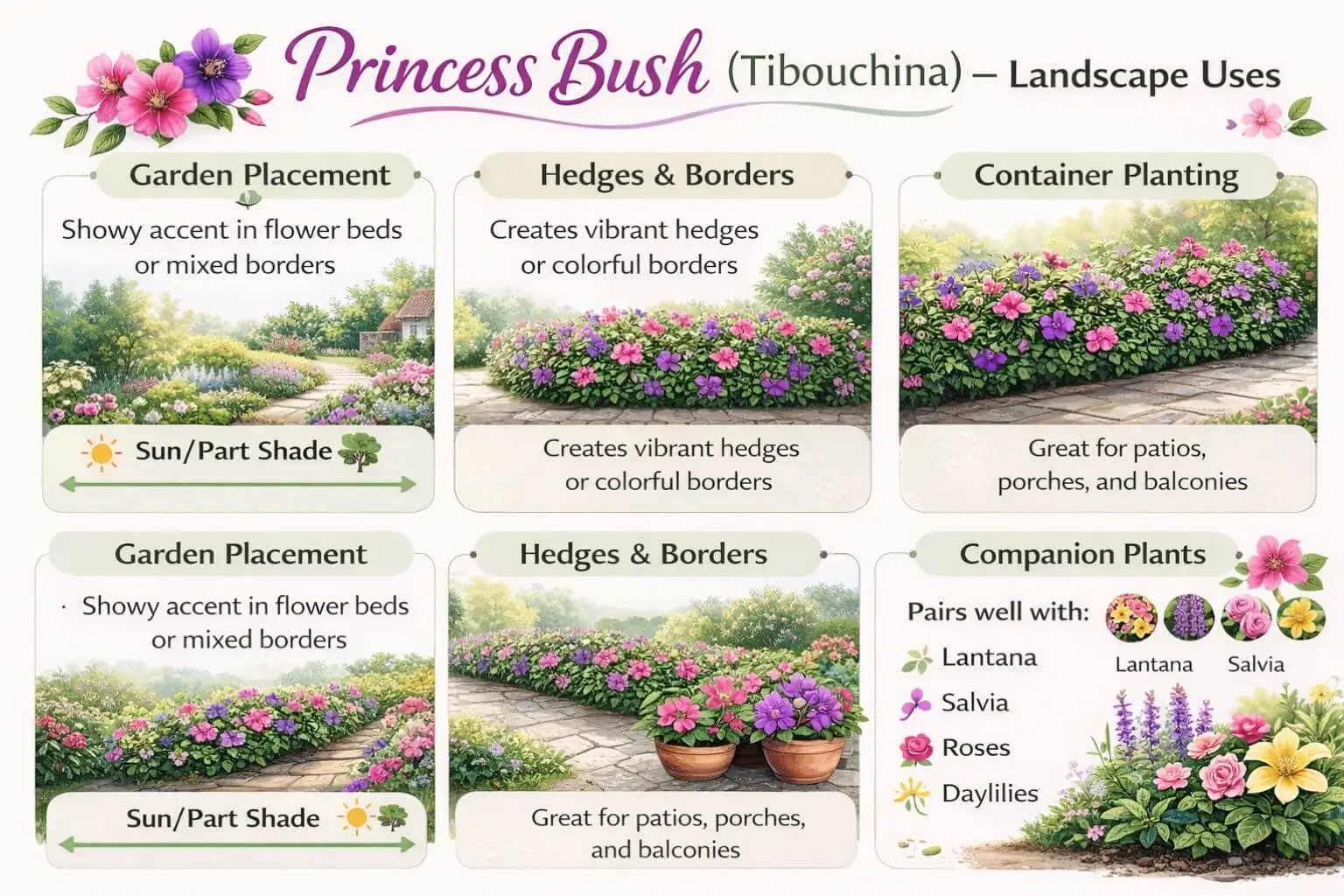
Princess bushes thrive in sunny garden spots, serving as background shrubs or focal points. Trees provide vertical interest, while compact shrubs fill borders and small garden beds.
-
Hedges, Borders, and Containers
Compact varieties, such as Little Princess Bush, are ideal for hedges, decorative borders, or container planting. Proper spacing and pruning allow for formal or naturalized garden arrangements.
-
Pairing with Other Plants
Princess bushes pair well with flowering perennials, ornamental grasses, and seasonal color plants. Pink and purple blooms complement lighter or contrasting foliage, enhancing garden visual impact. Princess Bush pairs beautifully with other vibrant shrubs, such as Purple Hopseed Bush, to create dynamic color contrasts in garden landscapes.
Propagation and Buying Guide
Propagation Methods
Princess bushes propagate effectively via stem cuttings, layering, or seeds. Cuttings taken during spring or early summer root readily in moist, well-drained soil. Layering is suitable for larger shrubs, while seeds require patience but allow for new hybrid development.
Buying Tips
Select healthy plants with vibrant foliage and no signs of disease. Purchase from reputable nurseries or online sources offering Tibouchina plants. Look for established plants in pots or containers for faster garden integration. Keywords include princess bush for sale and princess flower for sale.
Environmental and Growth Considerations
-
Climate Adaptation
Princess bushes thrive in USDA zones 9–11 and subtropical climates. They tolerate mild frost but prefer warm, humid conditions. Tree forms are better suited for protected locations in cooler zones.
-
Soil and Water Constraints
Well-draining soils prevent root rot. The plant tolerates brief droughts but performs best with consistent moisture. Slightly acidic to neutral soil pH supports optimal growth and flowering.
-
Sunlight Requirements
Full sun ensures maximum flower production. Partial shade may reduce bloom intensity but can be used for heat protection in extremely hot climates.
Conclusion
Princess Bush is a versatile, vibrant ornamental shrub suitable for gardens, landscapes, and container planting. Its range of colors, compact and tree forms, and extended flowering season make it a valuable addition to visual garden appeal. With proper planting, pruning, and care, princess bush provides sustained seasonal beauty and ecological benefits in ornamental settings.
FAQs About Princess Bush
- What is a princess bush?
A princess bush is an ornamental shrub in the Tibouchina genus, known for vibrant purple or pink flowers and used in gardens and landscapes. - How do I care for a princess bush?
Plant in well-draining soil with full sun, water regularly, fertilize in spring, and prune after flowering to maintain shape. - When should I prune a princess bush?
Pruning is best done after flowering to encourage healthy growth and abundant blooms the following season. - What are the popular varieties of princess bush?
Popular varieties include Little Princess Bush, Pink Princess Bush, Purple Princess Bush, and related Glory Bush types. - Can a princess bush grow as a tree?
Yes, certain varieties grow into small trees with proper pruning, offering height and structure in landscapes.