Introduction
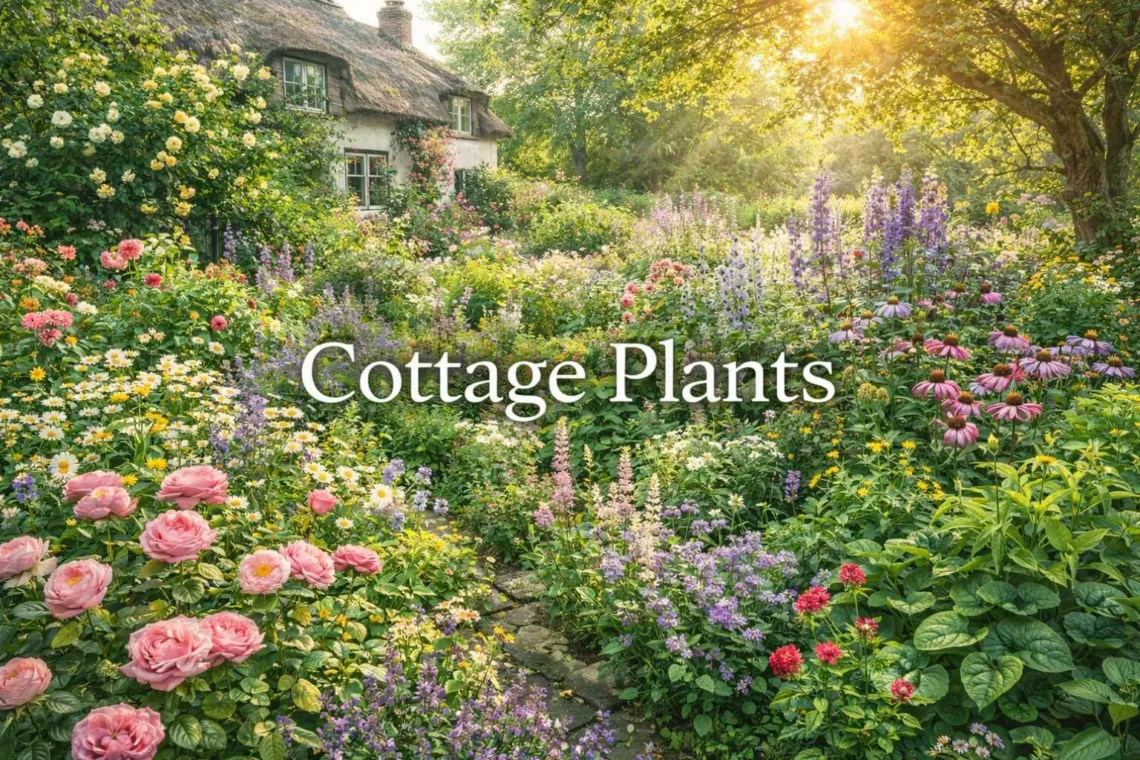
Cottage plants are plants typically used in cottage-style gardens, characterized by informal layouts, layered planting, and a natural aesthetic. These plants provide charm, biodiversity, and seasonal interest, making gardens visually dynamic throughout the year. Cottage plants vary widely in size, maintenance requirements, and sun or shade tolerance, allowing gardeners to create diverse spaces. Examples include small cottage plants suitable for pots, perennial cottage plants that return annually, and a wide selection of cottage garden flowers that enhance color and texture. Their versatility makes them ideal for both expansive gardens and smaller garden corners. Cottage plants are commonly used in informal cottage gardens, emphasizing layered planting and a natural, charming aesthetic.
Types of Cottage Plants
-
Perennial Cottage Plants
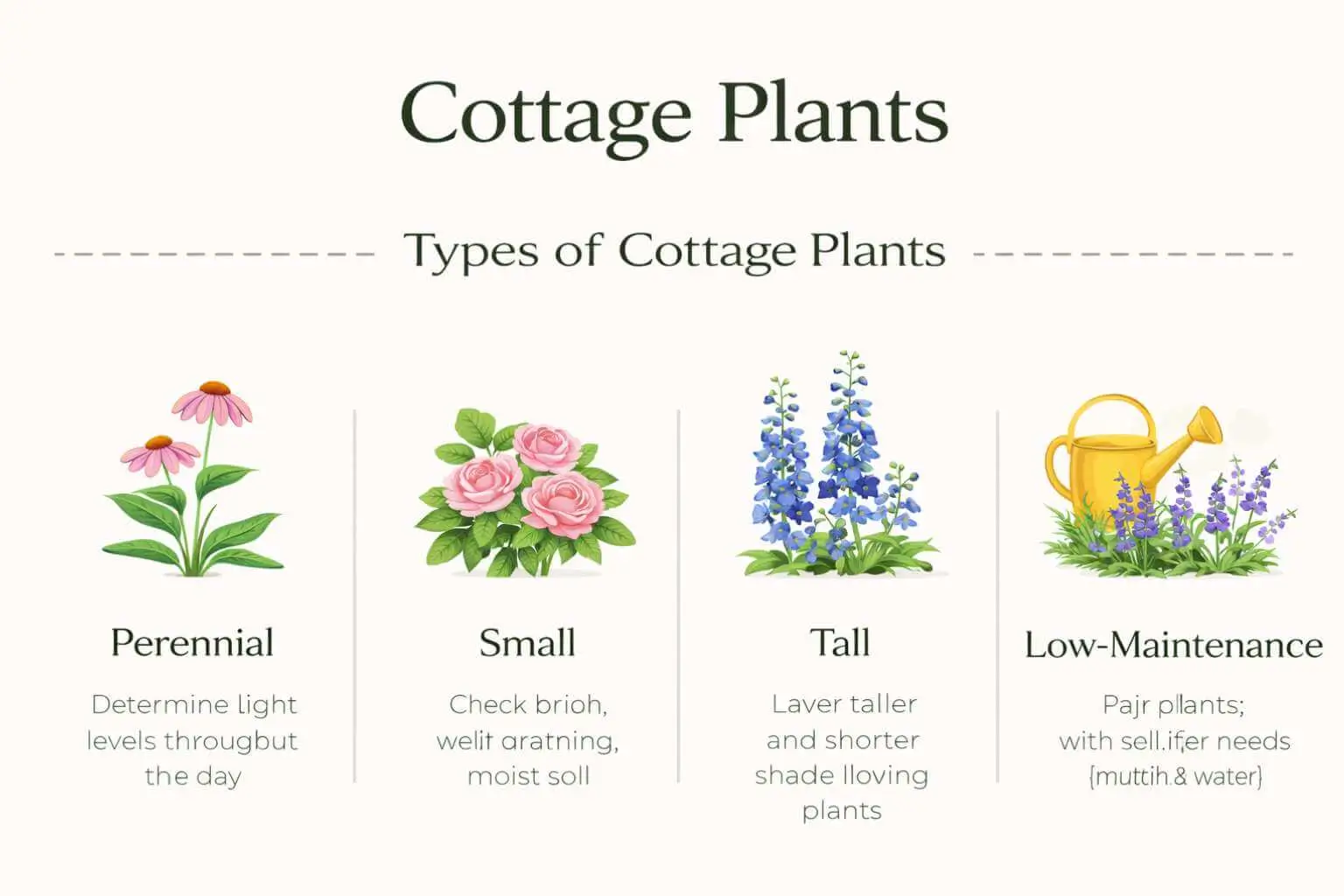
Perennial cottage plants are species that return year after year, providing consistent structure and beauty in a garden. They are ideal for a cottage perennial garden, offering long-term planning benefits and continuity. Popular perennial flowers for cottage gardens include foxgloves, hollyhocks, and lavender. Choosing perennial plants for a cottage garden ensures low replanting effort and sustained seasonal interest. These plants are also commonly used in perennial cottage garden arrangements for both aesthetic layering and biodiversity.
-
Small vs. Tall Cottage Plants
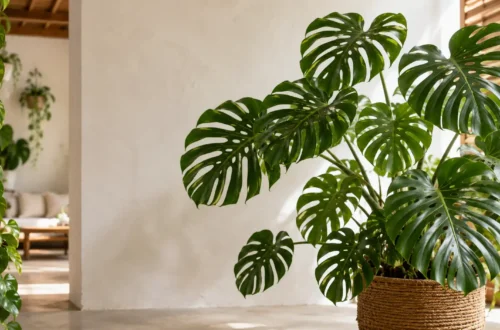
Cottage gardens often use a mix of small and tall plants to create depth and visual layering. Small cottage plants are perfect for foreground areas, containers, or pots, while tall cottage plants are typically placed at the back of borders to provide height and structure. This combination allows for a balanced composition, enhancing both color distribution and garden texture. Selecting plants based on height ensures each layer receives adequate sunlight and contributes to an informal, natural look. Tall cottage plants at the back of borders can create dramatic effects, similar to large foliage indoor plants such as Elephant Ear Plants.
-
Low-Maintenance Cottage Plants
Low-maintenance cottage plants are species that require minimal care while maintaining aesthetic appeal. Examples include lavender, geraniums, and certain ornamental grasses. Incorporating low-maintenance cottage garden plants reduces effort while sustaining year-round beauty. Key conditions that minimize care include well-draining soil, sun or shade tolerance, and species adapted to local climates. Low-maintenance cottage garden ideas focus on combining resilient plants with simple watering, pruning, and soil preparation.
Growing Conditions for Cottage Plants
-
Sunlight Requirements
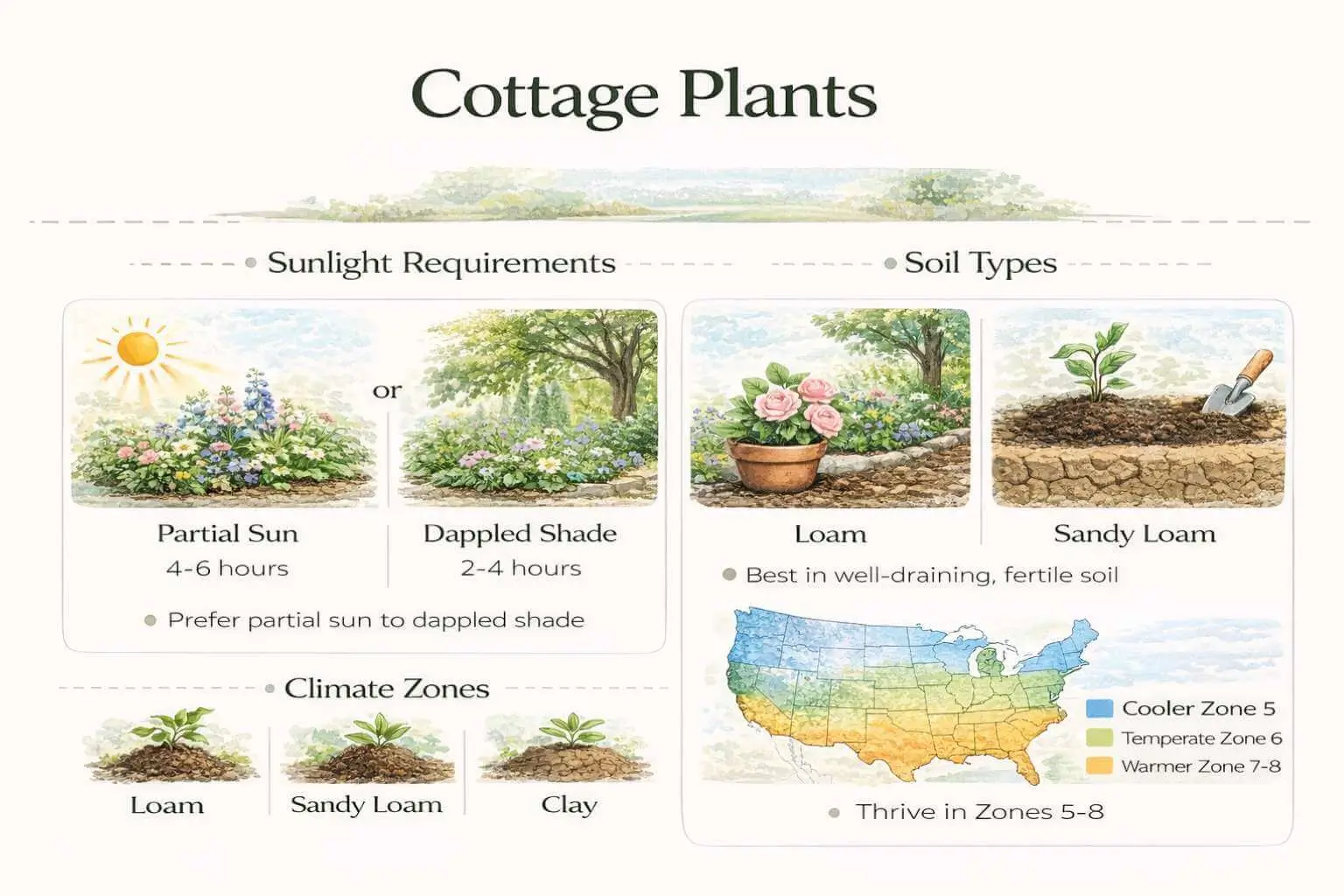
Cottage plants have varied sunlight preferences. Some thrive in full sun, while others flourish in shade. Full sun cottage garden plants such as roses and lavender need at least six hours of direct sunlight daily. Cottage plants for shade, including hostas, ferns, and hellebores, perform well in partially or fully shaded areas. Understanding which cottage plants like shade versus sun is essential for effective garden planning and sustainable growth.
-
Soil Preferences
Soil type significantly affects the success of cottage plants. Some species prefer well-drained, sandy soil, while others adapt to clay or heavier soils. Cottage garden plants for clay soil, such as delphiniums and hollyhocks, can thrive when soil amendments improve drainage and nutrient content. Matching soil type to plant preference ensures healthy growth and vibrant flowering throughout the seasons.
-
Climate and Zones
Selecting plants based on climate and hardiness zones ensures survival and optimal performance. Cottage garden plants in zone 6 and zone 7 require cold-hardiness to survive winter, while tropical-tolerant varieties suit warmer regions. Regional selections include cottage garden plants in the UK, Australia, and New Zealand, each chosen for aesthetic appeal and environmental adaptability. Understanding climate suitability aids in creating sustainable, low-maintenance gardens.
Designing a Cottage Garden with Plants
Cottage Garden Layout
Cottage gardens use informal, layered planting arrangements that combine height, color, and texture. Cottage style plants are arranged in a relaxed design, with cottage garden flower beds interspersed among borders. Cottage border plants and cottage garden border plants help define spaces while maintaining natural flow. The layout emphasizes harmony, seasonal interest, and biodiversity.
Flower Selection
Choosing the right flowers ensures continuous bloom and visual appeal. Cottage garden flowers list selections include roses, foxgloves, delphiniums, and lavender. Flowers for cottage gardens are chosen based on bloom season, color, and fragrance. English cottage garden flowers and flowers for country garden styles emphasize layered color and scent, while plants for country garden arrangements create structure and diversity.
Perennial and Low-Maintenance Combinations
Combining perennial and low-maintenance species enhances sustainability. Perennial cottage garden plants provide long-term structure, while low-maintenance English cottage garden selections reduce care requirements. This approach balances aesthetic longevity with practical upkeep, making it easier to maintain a thriving garden. Best cottage garden plants often integrate both types for seasonal variety and ease of care.
Growing Cottage Plants in Containers
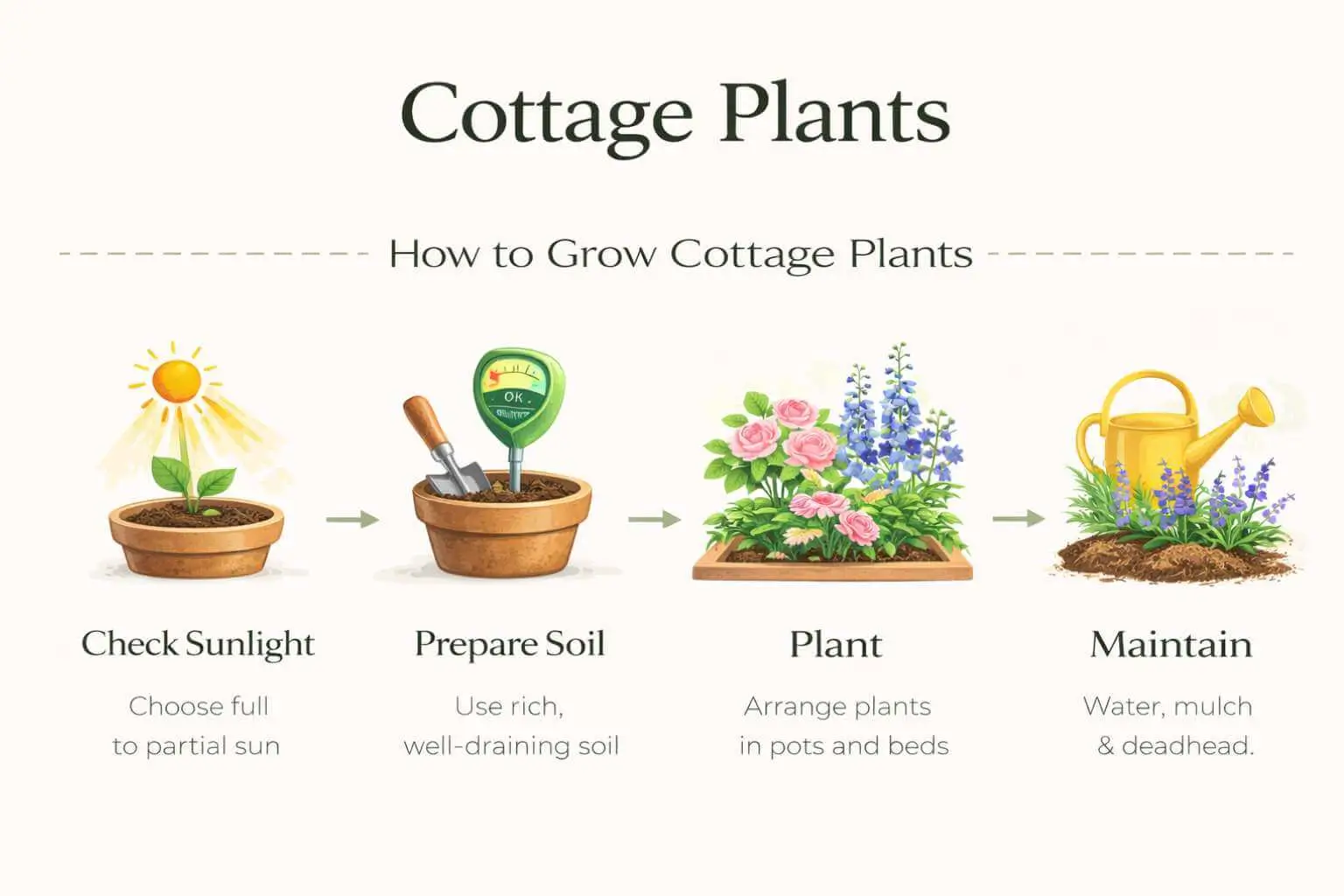
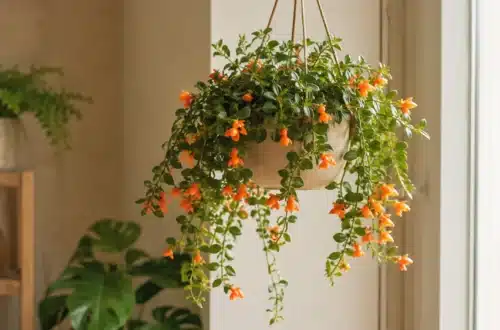
Cottage plants can thrive in containers or small spaces, making them suitable for urban or limited gardens. Small cottage plants and low-maintenance species adapt well to pots, provided they receive adequate drainage, quality soil mix, and appropriate sunlight. Container planting allows flexibility in design and portability, enabling gardeners to create cottage-style aesthetics even in confined areas. Low-maintenance cottage garden ideas also translate well to container setups. Small cottage plants can thrive in pots, similar to indoor plants like the Spider Plant, which adapt well to container environments with proper soil and sunlight.
Regional and Popular Cottage Plant Varieties
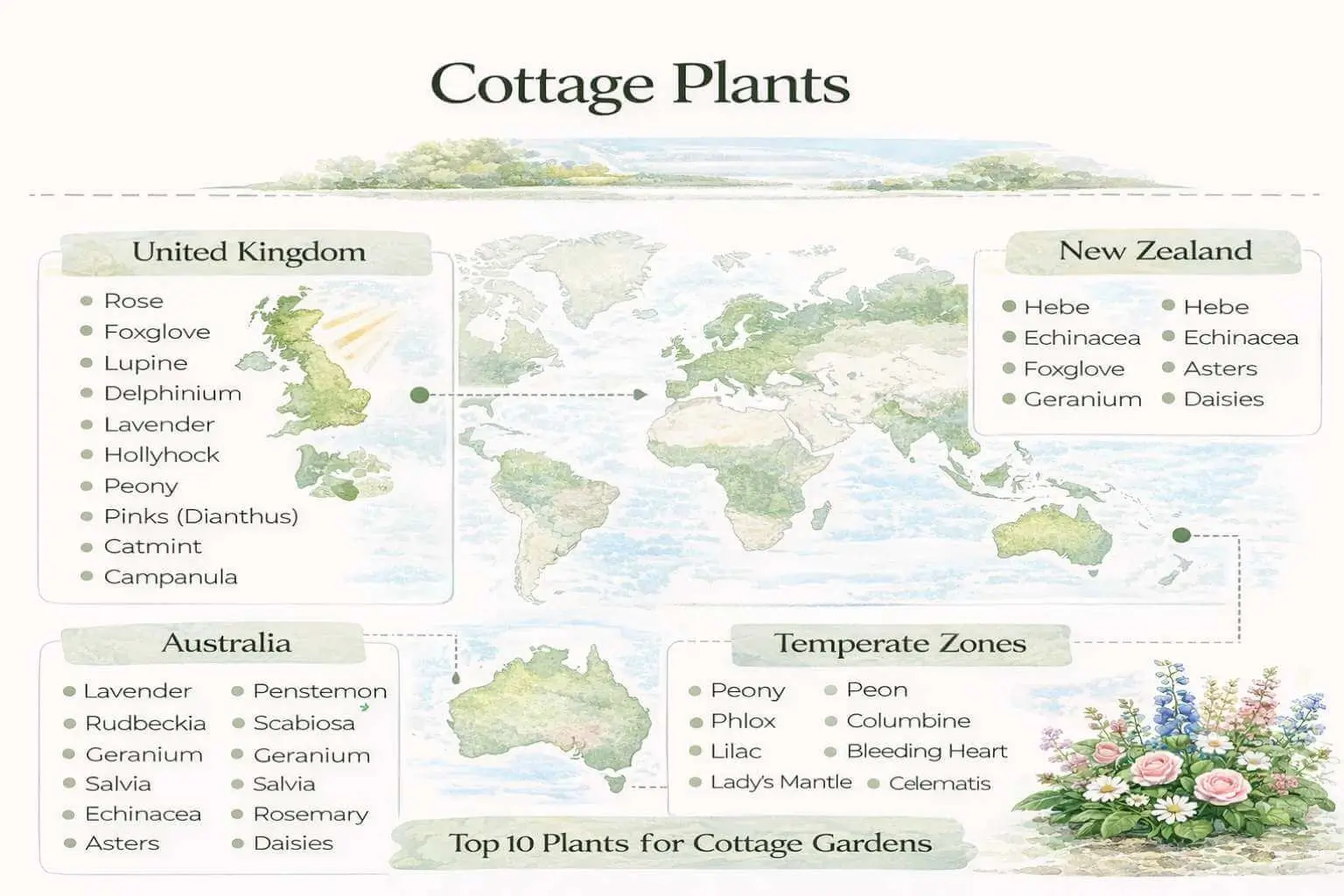
Certain cottage plants are popular in specific regions due to climate and traditional use. In the UK, rose cottage plants and chapel cottage plants are common, while hare spring cottage plants and elworthy cottage plants are suited for temperate zones. Australia favors karoo cottage plants, and hardy varieties like hardys cottage plants thrive across multiple regions. Top selections for aesthetic appeal and climate adaptability include classic roses, lavender, foxgloves, hollyhocks, and delphiniums. A comprehensive list of top 10 plants for a cottage garden helps gardeners plan both color and structure effectively.
Conclusion
Cottage plants provide charm, biodiversity, and seasonal interest to informal garden layouts. Selecting plants based on height, maintenance, sun/shade preferences, and climate adaptability ensures a thriving garden. Small, perennial, and container-friendly species expand design possibilities. Exploring regional plant varieties and combining perennials with low-maintenance options allows gardeners to create sustainable, visually appealing cottage-style gardens. Understanding plant types and their conditions helps gardeners design vibrant, balanced spaces.
FAQ
- What are cottage plants?
Cottage plants are informal, often perennial plants used to create charming, layered garden designs typical of cottage-style gardens. - Which plants are best for a low-maintenance cottage garden?
Perennials like lavender, foxgloves, and geraniums are ideal for low-maintenance gardens due to minimal watering and seasonal resilience. - Can I grow cottage plants in pots or small gardens?
Yes, small cottage plants and adaptable perennials can thrive in containers with adequate soil, sunlight, and drainage. - Which cottage plants are suitable for shady areas?
Plants like hostas, ferns, and hellebores perform well in shaded conditions and complement sun-loving species. - How do I choose cottage plants for my climate zone?
Select plants based on hardiness, soil type, and sun exposure. Zone-specific guides (e.g., zones 6 and 7) help determine what will survive winter and summer conditions. - What flowers are commonly used in an English cottage garden?
Popular choices include roses, delphiniums, foxgloves, hollyhocks, and lavender for seasonal blooms and layered color.