Introduction
Humidity refers to the amount of water vapor present in the air, and it plays a critical role in plant health. Proper humidity levels for plants ensure efficient photosynthesis, nutrient uptake, and leaf hydration. Maintaining optimal humidity is especially important for indoor plants and tropical plants, which often thrive in higher moisture conditions. This article explores both natural and artificial methods to increase humidity for plants, including DIY solutions, to help gardeners create ideal growing environments for various plant types. Humidity, the amount of water vapor in the air, is essential for plant growth and overall plant health (source: Wikipedia).
Understanding Plant Humidity Needs
Different plants require different humidity levels to grow optimally. Indoor plants generally thrive at moderate humidity, while tropical plants need higher moisture levels. Understanding these requirements allows gardeners to prevent stress, leaf damage, and stunted growth. Monitoring humidity levels for plants helps maintain plant health and vigor. Key considerations include “ideal humidity for indoor plants,” “humidity level for plants,” and determining if “humidity is good for plants” in specific environments. For more indoor plant care insights, check out our guide on Jewish Plant Care, which highlights humidity and environment tips for healthier growth.
Ideal Humidity for Various Plants
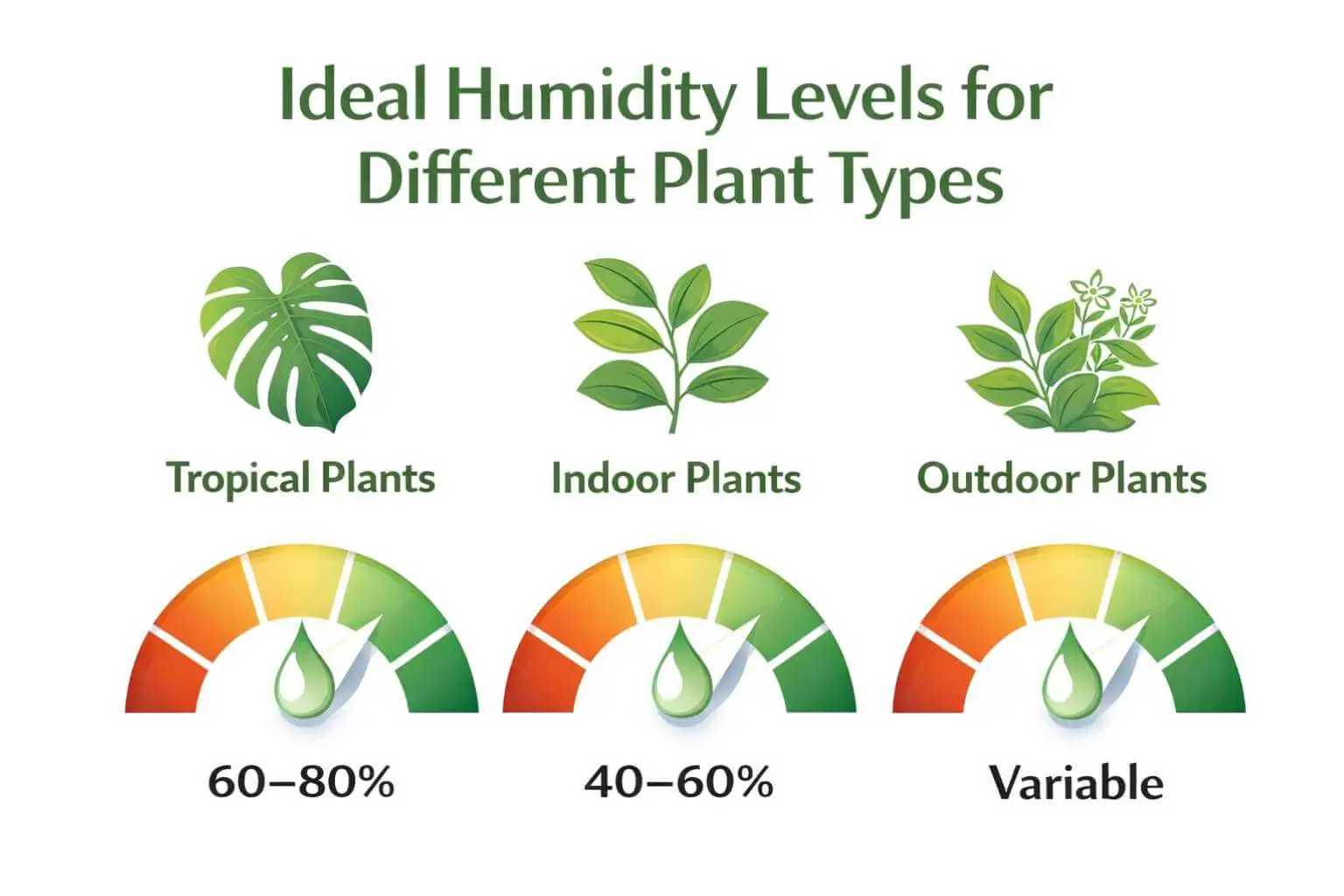
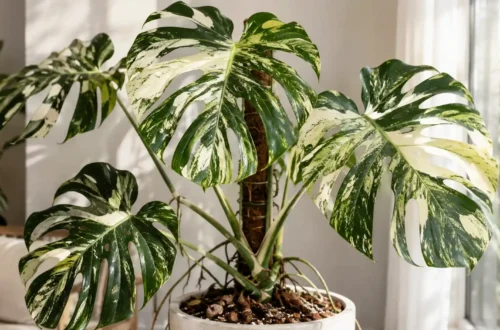
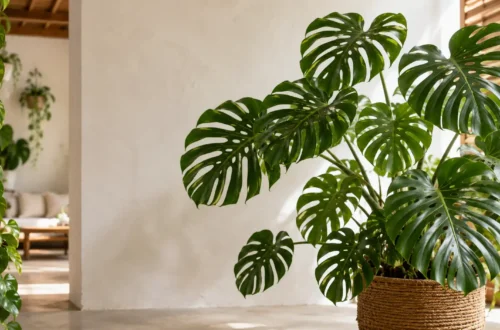
Tropical plants, such as Monstera deliciosa or Calathea species, typically prefer 60–80% humidity, while temperate plants like Ficus or Dracaena grow well at 40–60%. Indoor plants usually require moderate humidity levels, whereas outdoor plants depend on natural seasonal variations. Awareness of these differences ensures tailored care for each plant type.
Signs Your Plants Need More Humidity
Plants lacking proper humidity often show brown leaf tips, curling leaves, and slow growth. Observing these symptoms is crucial for timely interventions. Simple solutions like “how to keep plants humid” and “adding humidity to plants” can restore healthy growth before permanent damage occurs.
Natural Ways to Increase Humidity for Plants
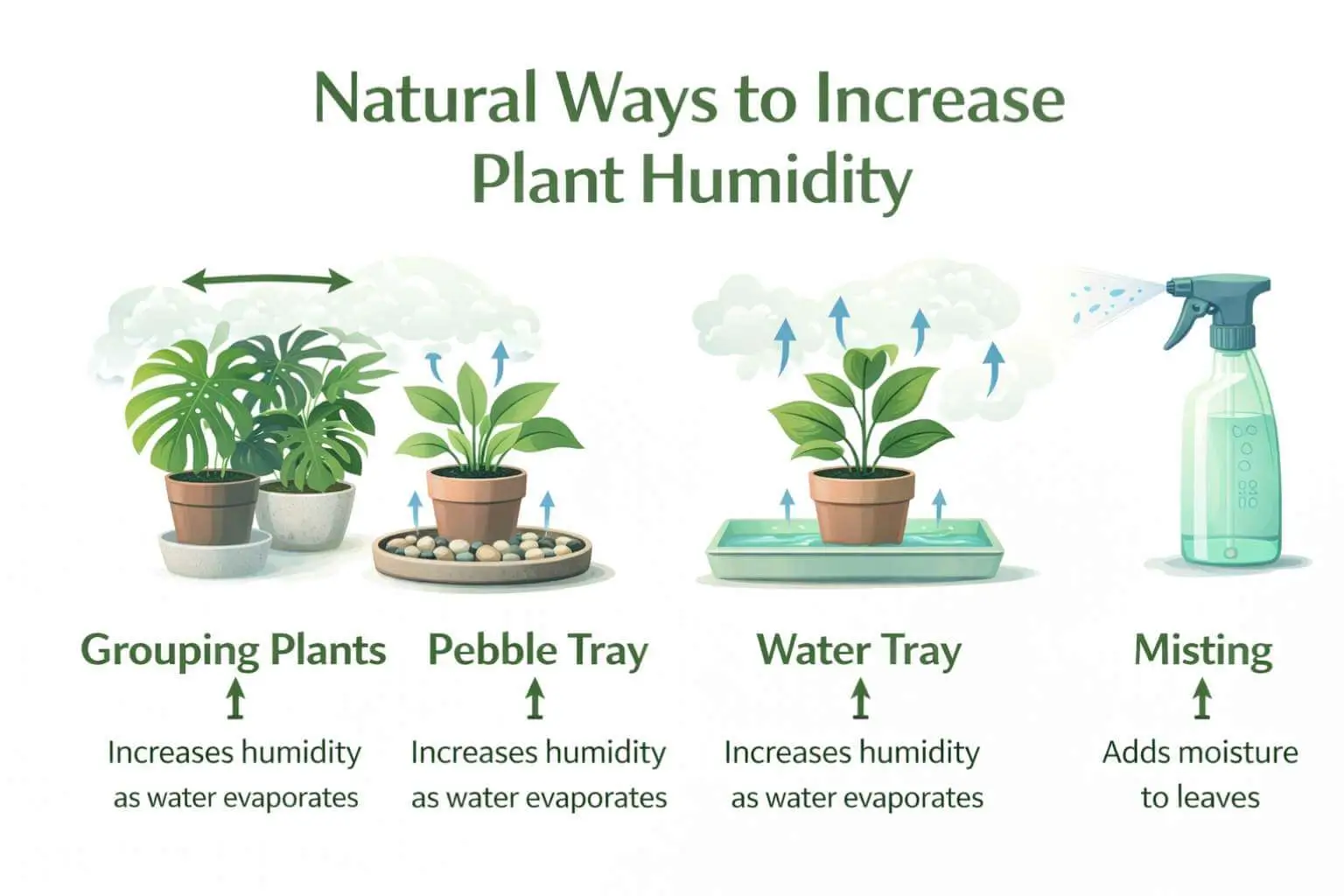
Increasing humidity naturally involves methods that do not require electric devices. These approaches are cost-effective, safe, and suitable for both indoor and tropical plants. Keywords include “how to increase humidity for plants naturally,” “how to increase humidity in room naturally,” and “how to provide humidity for indoor plants.” Spider plants are ideal for grouping in humid micro-environments, as detailed in our article on 7 Powerful Spider Plant Indoor Benefits for a Healthier Home.
-
Grouping Plants Together
Clustering plants creates a micro-humid environment as moisture released from one plant benefits nearby plants. This simple approach improves ambient humidity without additional tools.
-
Pebble Trays and Water Trays
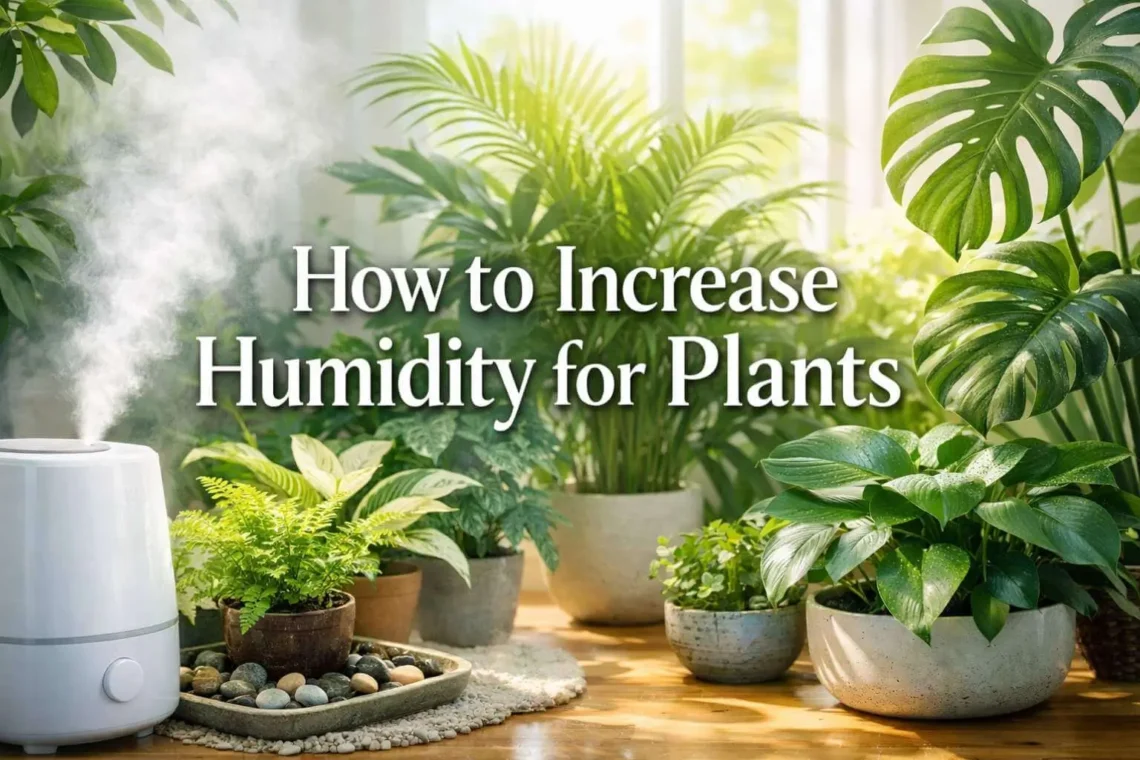
Pebble trays or water trays work by evaporating water beneath plants, increasing localized humidity. Best practices include using clean water, ensuring pebbles do not sit in water directly under pots, and avoiding stagnant water to prevent root rot. Keywords: “humidity tray plants,” “pebble tray for plants,” “humidity trays for plants,” “best pebbles for humidity tray,” “humidity tray with pebbles,” “what is a pebble tray for plants.”
-
Misting Techniques
Misting provides a temporary boost in humidity. Frequency should match plant type and environmental conditions, ideally in the morning to allow leaves to dry. Avoid over-misting to prevent fungal issues.
Using Humidifiers to Boost Plant Humidity
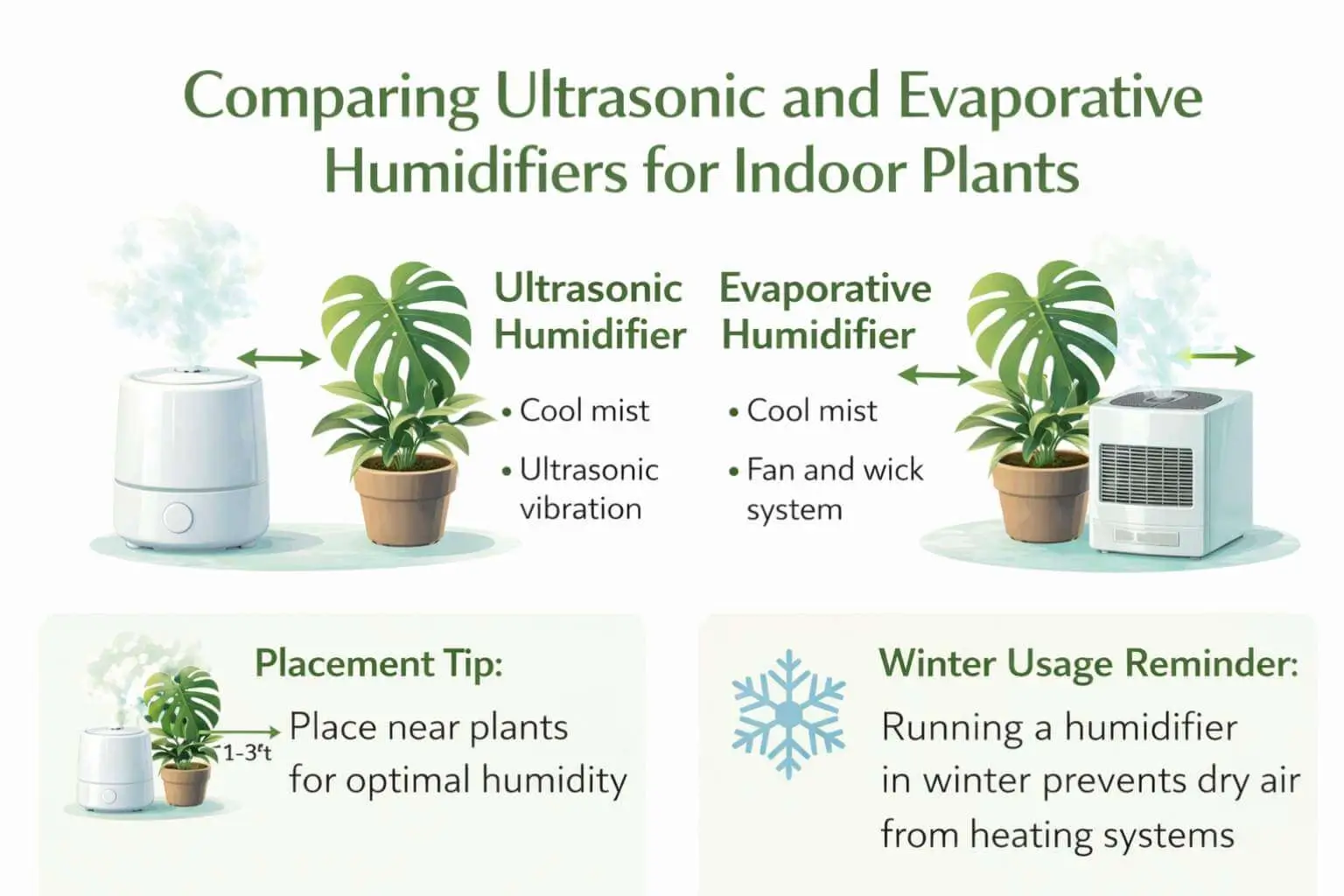
Humidifiers are effective tools for maintaining consistent humidity for indoor plants. They vary in type and function, offering solutions for different plant environments. Keywords: “humidifier for plants indoor,” “ultrasonic humidifier for plants,” “indoor plant humidifier,” “best humidifier for plants,” “plant humidifier,” “room humidifier for plants.”
-
Ultrasonic vs Evaporative Humidifiers
Ultrasonic humidifiers create a fine mist using vibration, ideal for sensitive plants. Evaporative humidifiers use wicking filters and airflow to increase humidity steadily, suitable for larger spaces.
-
Placement Tips for Optimal Humidity
Position humidifiers near plants but not directly on foliage. A few feet away ensures even humidity distribution and reduces water damage risks.
-
Humidifiers in Winter or Dry Seasons
During winter or dry seasons, maintaining stable humidity is critical. Consistent operation prevents leaf browning and dehydration. Keywords: “how to increase humidity for plants in winter,” “how to increase humidity in house,” “how to increase humidity in a room.”
Increasing Humidity in Specific Environments
Humidity strategies differ depending on the environment. Grow tents, indoor rooms, and outdoor areas all require tailored approaches. Keywords: “how to increase humidity for plants in grow tent,” “how to increase humidity for plants indoors,” “how to increase humidity for plants outside,” “how to increase humidity for plants at home,” “how to increase humidity for plants outdoor.”
Indoor Rooms and Apartments
Techniques include pebble trays, grouping plants, and using small ultrasonic humidifiers. Apartment settings benefit from compact, low-noise devices.
Grow Tents and Controlled Environments
Grow tents for seedlings or tropical plants allow precise humidity management using sensors and humidifiers, ensuring optimal growth.
Outdoor Settings
Temporary measures like misting, water trays, or sheltered clustering can help plants survive dry spells or low-humidity conditions.
DIY and Cost-Effective Methods
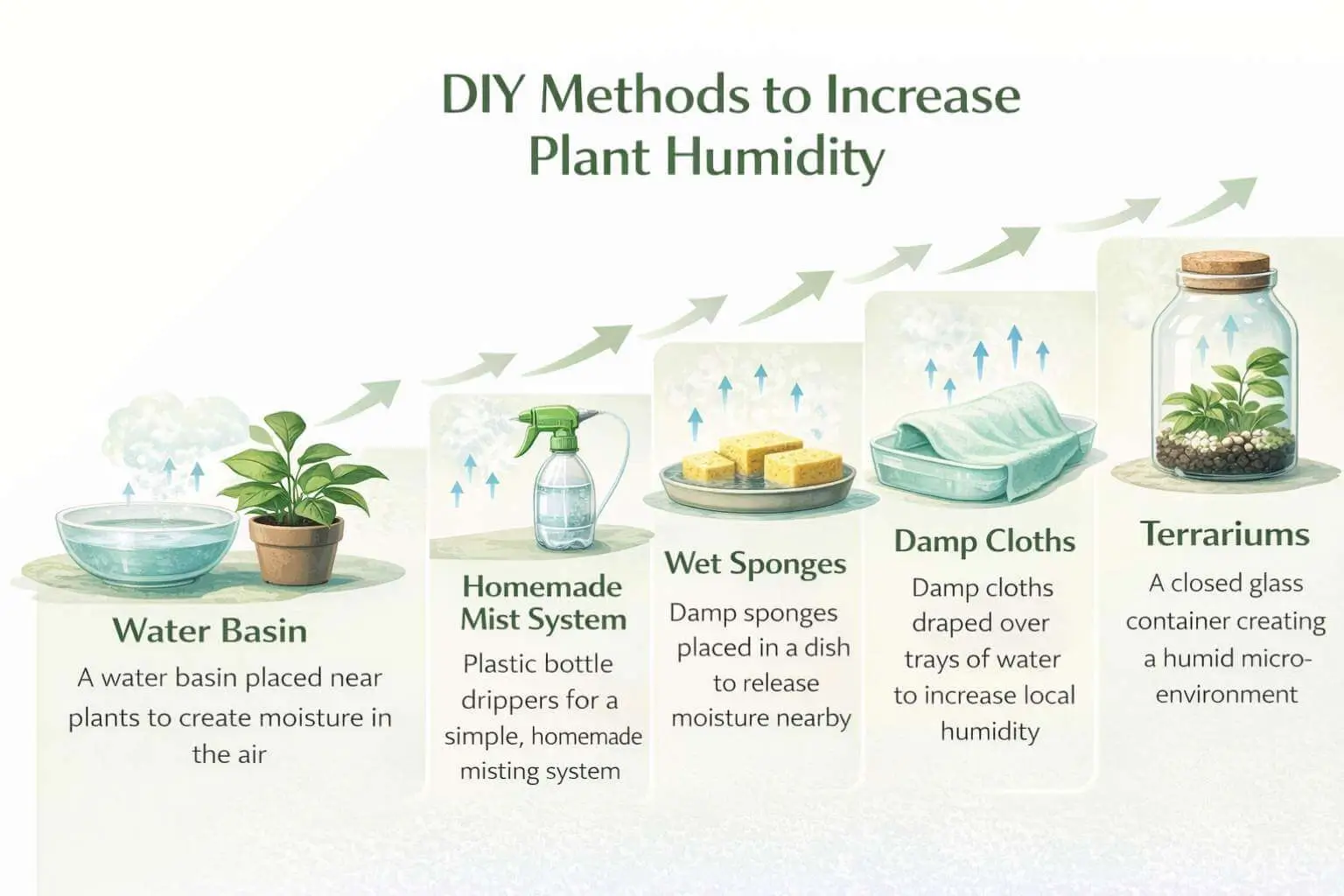
DIY methods allow gardeners to create localized humid zones without expensive devices. Keywords: “how to increase humidity for plants diy,” “create humidity for plants,” “creating humidity for plants,” “how to create humidity for plants,” “how to create a humid environment for plants.”
Water Basins and Tray Systems
Using water-filled basins under or near plants increases evaporation, boosting surrounding humidity naturally.
Homemade Mist Systems
Simple misting setups using spray bottles or fine tubing systems can maintain temporary humidity spikes.
Other Simple Tricks
Wet sponges, damp cloths, and terrariums create micro-humid zones around plants efficiently, ideal for sensitive species.
Troubleshooting Humidity Problems
Proper troubleshooting prevents plant stress and damage. Keywords: “increase humidity for plants,” “increasing humidity for plants,” “adding humidity to plants.”
-
Overwatering vs Humidity Needs
Confusing overwatering with low humidity is common. Check soil moisture and humidity separately to avoid root rot.
-
Leaf Browning or Curling
Persistent brown tips or curling leaves often indicate insufficient humidity. Adjust microclimate and monitor plant response.
-
Pest and Mold Concerns
High humidity can promote pests and mold if ventilation is poor. Ensure airflow while maintaining adequate moisture levels.
Differentiation: Comparing Methods and Tools
Natural, DIY, and humidifier-based methods vary in cost, maintenance, and efficiency. Pebble trays, air humidifiers, and humidity zones each have pros and cons. Understanding “ideal temperature and humidity for plants” helps gardeners choose the best approach for indoor plants and other settings.
Conclusion
Maintaining proper humidity for plants is essential for healthy growth, particularly for indoor and tropical plants. Combining natural methods, DIY solutions, and humidifiers allows gardeners to tailor care based on plant type and environment. Monitoring humidity levels and adjusting techniques ensures plants thrive across seasons and conditions.
FAQs
- What is the best way to increase humidity for indoor plants without a humidifier?
Grouping plants, using pebble trays, misting, and terrariums are effective non-electrical methods to raise humidity for indoor plants. - How often should I mist my plants to maintain proper humidity?
Misting 1–2 times daily, preferably in the morning, maintains optimal humidity while minimizing fungal risks. - Can pebble trays really improve plant humidity? How do I use them correctly?
Yes, pebble trays increase local humidity through evaporation. Place water below a layer of pebbles and ensure pots do not sit directly in water. - What is the ideal humidity range for tropical vs indoor plants?
Tropical plants thrive at 60–80% humidity, while most indoor plants prefer 40–60% for healthy growth. - How do I maintain humidity for plants during winter or dry seasons?
Use humidifiers, water trays, or misting regularly. Monitor humidity levels and cluster plants to retain moisture effectively. - Are there any risks of using a humidifier near my plants?
Excessive humidity or direct mist can cause fungal growth or leaf damage. Place humidifiers nearby, not directly on foliage, and maintain proper airflow.