Introduction
The dwarf bottlebrush is a compact, evergreen version of the classic bottlebrush plant, valued for its vibrant flowers and manageable size. Among all compact options, Little John stands out as the most popular variety, offering dense growth, rich foliage, and reliable flowering without overwhelming the landscape. As a refined callistemon bottlebrush selection, it fits effortlessly into hedges, foundation plantings, and tight urban spaces. Gardeners often choose this small bottlebrush for modern yards, courtyards, and decorative borders where space and low maintenance matter. Its adaptability, clean form, and visual impact make it a favorite choice for homeowners seeking structure and color in smaller gardens.
What Is a Dwarf Bottlebrush Plant?
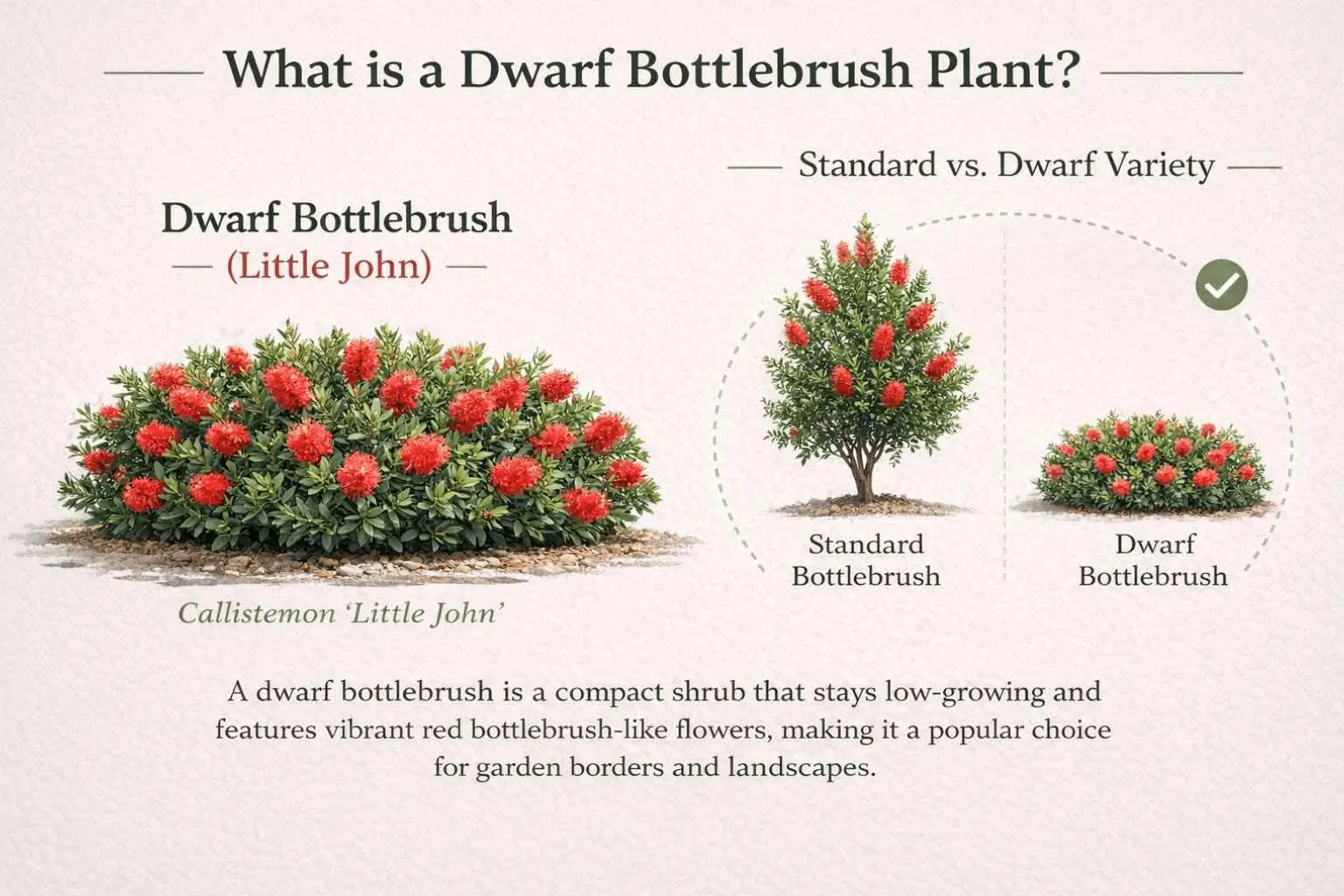
Understanding Bottlebrush (Callistemon) Plants
Bottlebrush plants belong to the genus Callistemon, a group of flowering shrubs known for their brush-like blooms and evergreen foliage. Commonly referred to as bottlebrush callistemon or bottle brush callistemon, these plants are native to Australia and thrive in warm climates. One well-known species is bottlebrush citrinus, recognized for its aromatic leaves and red flower spikes. Dwarf selections are cultivated forms of these species, bred to maintain the classic look while reducing overall size.
Why Dwarf Bottlebrush Varieties Are Popular
Dwarf bottlebrush varieties are favored for their practical growth habits and easy care. Their popularity in residential landscapes is driven by:
- Compact, controlled size suitable for limited spaces
- Minimal pruning needs compared to larger forms
- Strong performance as bottlebrush shrubs in home gardens
- A dwarf bottlebrush shrub offers the same ornamental appeal as larger plants while remaining manageable, making it ideal for anyone seeking a small bottlebrush with year-round structure.
Read Also: 5+ Proven Reasons to Grow Mexican Bird of Paradise Plant
Little John Dwarf Bottlebrush Overview
What Is Bottlebrush Little John?
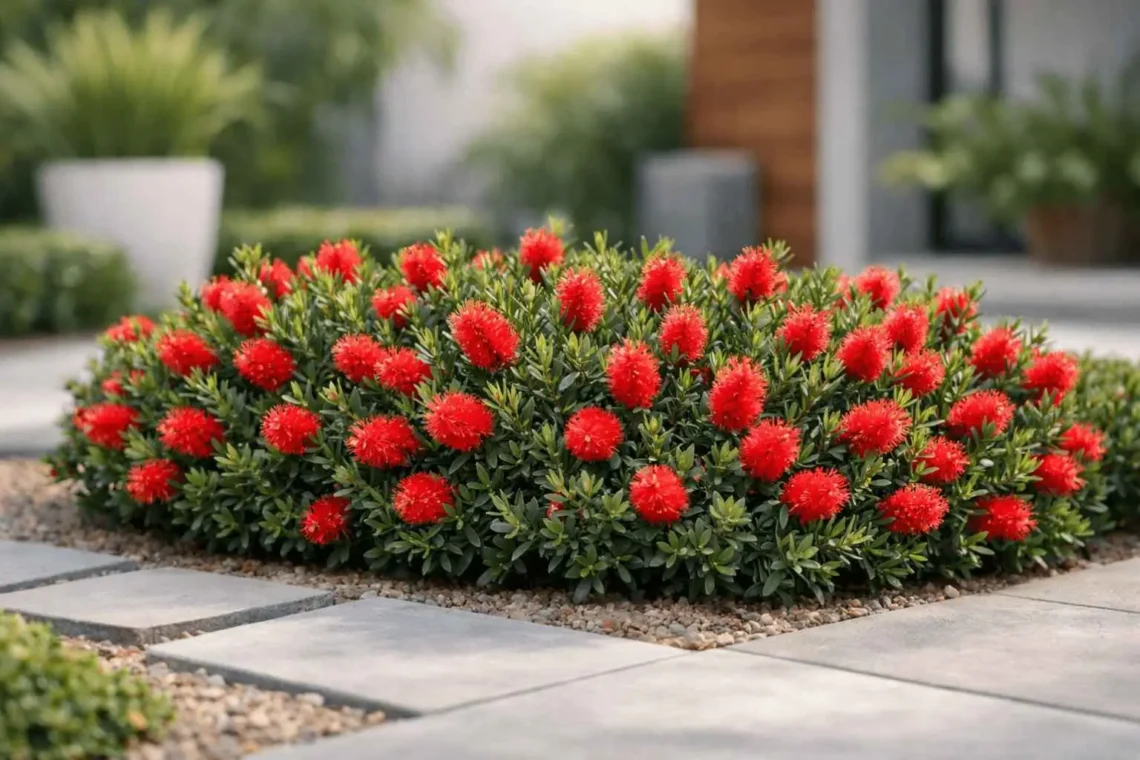
Bottlebrush Little John is a refined dwarf cultivar known for its dense, rounded shape and deep red flowers. Botanically identified as callistemon little john, this plant grows slowly and evenly, forming a neat mound. The callistemon little john plant is widely used in landscapes where consistency and low maintenance are priorities. As a little john bottlebrush plant, it delivers reliable color and evergreen interest without aggressive growth.
Callistemon Citrinus Little John Explained
Callistemon Citrinus Little John is a cultivated dwarf form derived from the citrinus group. Unlike standard citrinus types, callistemon citrinus little john remains compact and does not develop into a large shrub or tree. While it shares visual traits with callistemon citrinus bottlebrush varieties, its controlled size and denser foliage distinguish it from traditional forms.
Little John Dwarf Bottlebrush Size & Growth Habit
How Big Is a Little John Dwarf Bottlebrush?
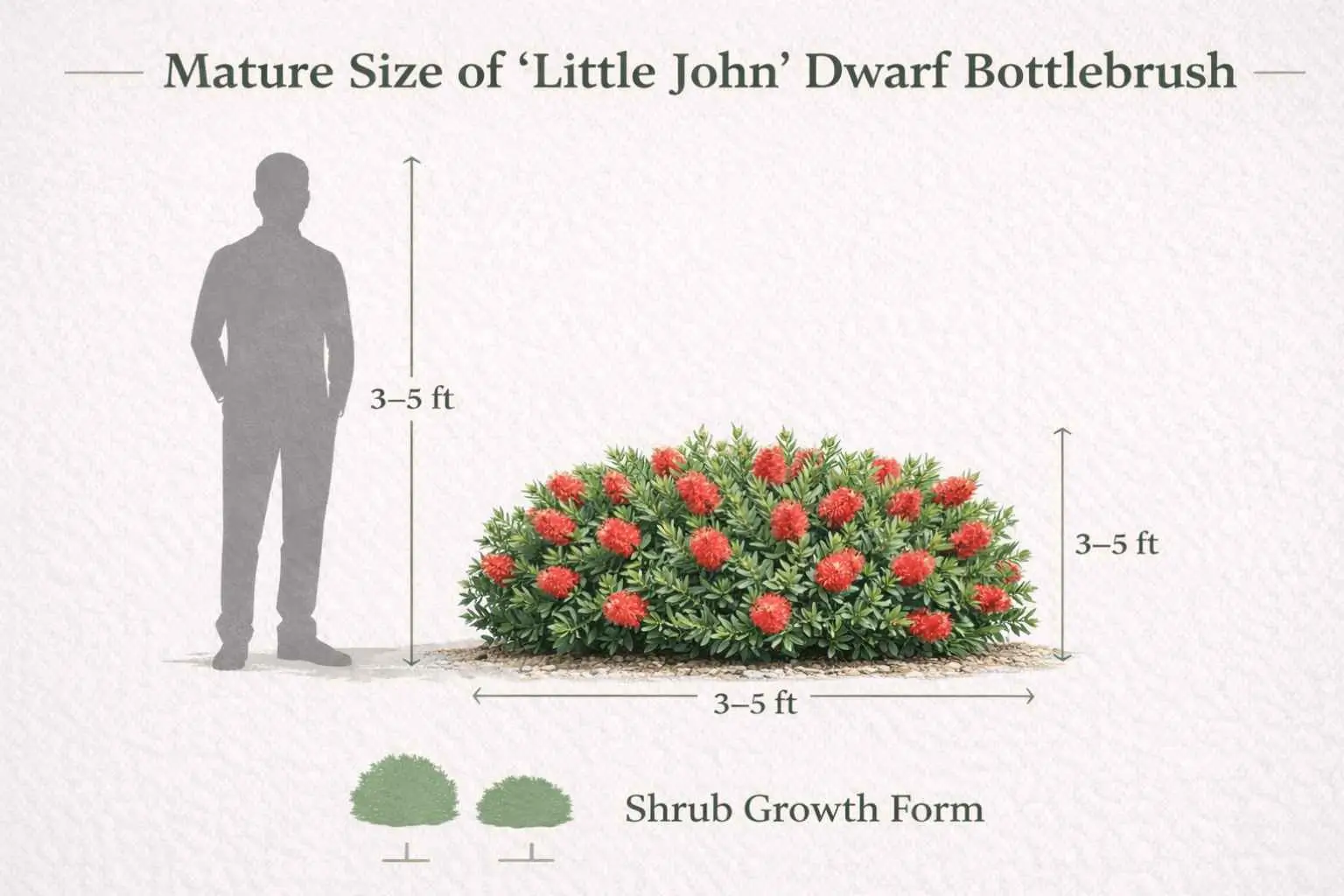
A common question is how big is a Little John once mature. On average, it reaches about 3–5 feet in height and a similar width. This balanced growth makes little john bottlebrush size predictable and easy to manage. Compared to larger relatives, little john bottle brush size remains compact even with age.
Shrub or Tree? Growth Form Explained
Little John is best classified as a shrub rather than a tree. It naturally forms a rounded little john shrub with multiple stems. In landscaping terms, it functions as a bottlebrush shrub or dense bottle brush bush, not a single-trunk tree.
Landscaping Uses of Dwarf Bottlebrush
-
Dwarf Bottlebrush as a Hedge or Border Plant
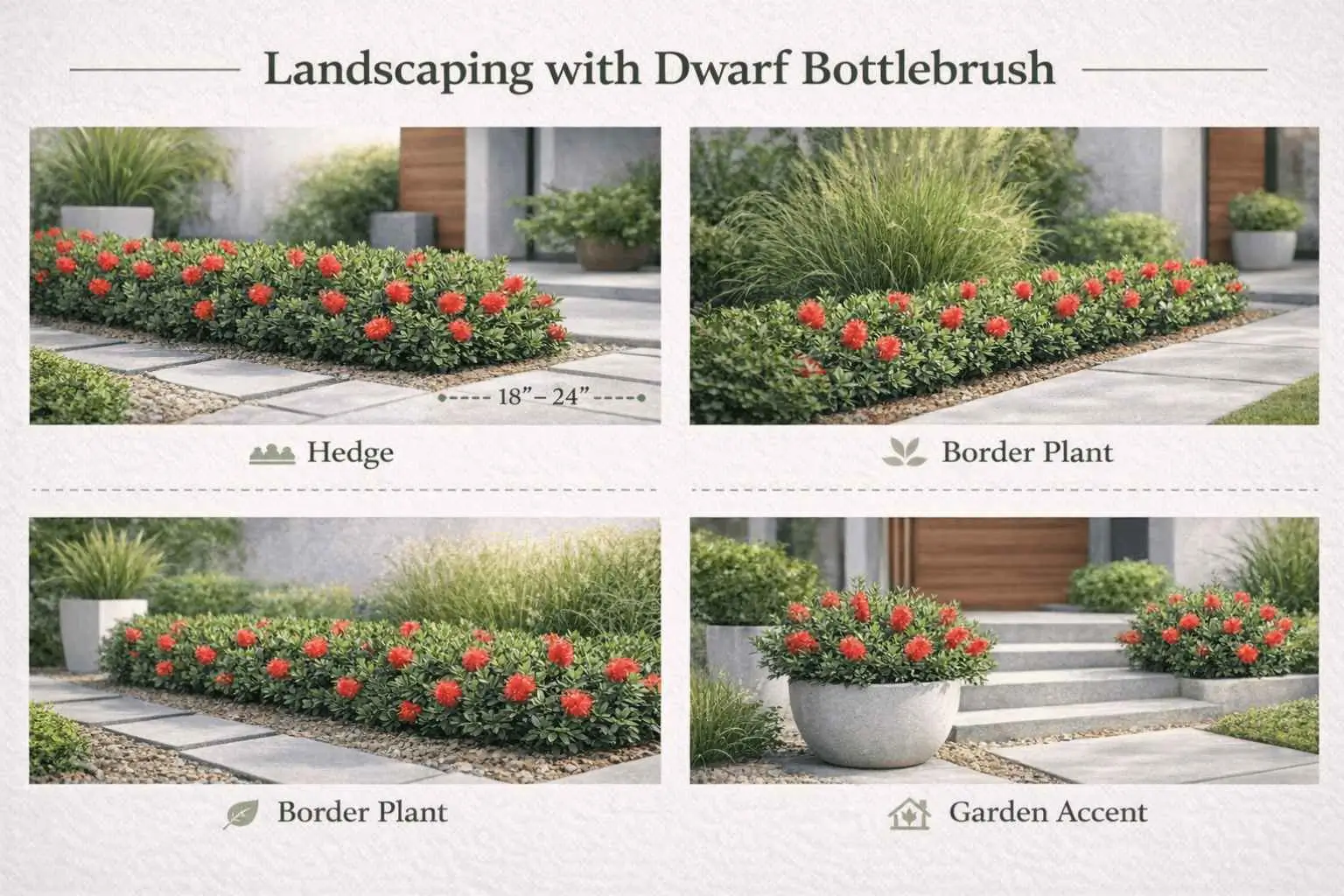
Dwarf bottlebrush works exceptionally well as a formal or informal hedge. When planted with proper spacing, a bottlebrush hedge creates a dense, evergreen boundary. A bottle brush hedge also provides seasonal color while maintaining a clean outline throughout the year.
-
Container, Accent, and Small Garden Uses
Thanks to its size, this plant adapts well to containers and tight spaces. It performs beautifully as a miniature bottle brush bush on patios or balconies. In compact designs, it can even be styled like mini bottlebrush trees for visual interest in small gardens.
How to Care for a Dwarf Bottlebrush Plant
Sunlight, Soil, and Water Requirements
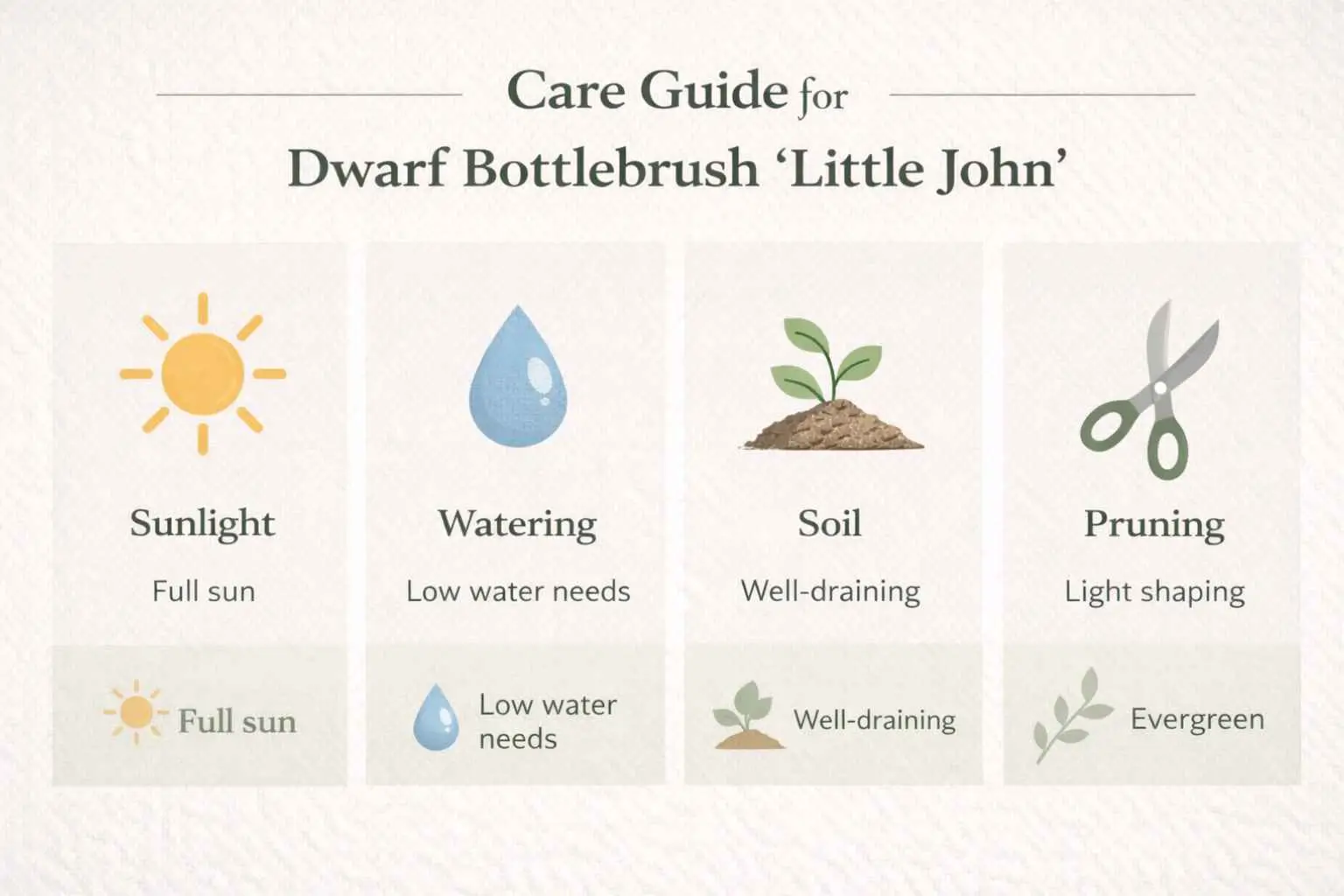
A dwarf bottlebrush thrives in full sun, where flowering is strongest. Well-draining soil is essential, and once established, the bottlebrush plant callistemon shows good drought tolerance. Understanding bottle brush plant size helps ensure adequate spacing for airflow and root development.
Pruning and Maintenance Tips
- Pruning is simple and mainly cosmetic.
- Light trimming after flowering helps maintain shape, especially in hedges.
- Occasional pruning also encourages fresh growth and improved blooming.
Flowering & Visual Appeal
-
Classic Red vs Neon Pink Bottlebrush Flowers
While classic red remains the most common, newer cultivars offer bold alternatives like neon pink bottlebrush varieties. The bottle pop neon pink bottlebrush adds a modern twist for gardeners seeking standout color.
-
Wildlife and Pollinator Benefits
Bottlebrush flowers are rich in nectar, attracting bees, birds, and beneficial insects. This makes them an excellent choice for eco-friendly landscaping that supports local wildlife.
Buying Dwarf Bottlebrush Plants
-
Where to Buy Little John Bottlebrush
You can find Little John at local nurseries or through online retailers. Many suppliers list bottlebrush plants for sale year-round, making it easy to buy bottle brush plant options that suit your climate. Reputable sellers also offer callistemon for sale with cultivar verification.
-
What to Look for When Purchasing
Choose plants with healthy, green foliage and well-developed roots. Whether selecting a bottlebrush tree for sale or a bottle brush plant for sale, avoid signs of stress or root binding.
Dwarf Bottlebrush vs Other Callistemon Varieties
-
Little John vs Better John Bottlebrush
Better John is a related cultivar that grows larger than Little John. In a size comparison, better john bottlebrush develops more height and spread. Callistemon better john suits larger landscapes, while Little John fits compact designs.
-
Dwarf Bottlebrush vs Standard Bottlebrush Trees
Standard bottlebrush tree plant varieties can grow tall and wide, requiring more space and pruning. In contrast, dwarf forms like Little John offer easier maintenance compared to callistemon citrinus bottlebrush tree types.
Conclusion & Planting Recommendation
Dwarf bottlebrush plants provide structure, color, and low-maintenance appeal for modern landscapes. Little John, in particular, delivers compact growth, reliable flowering, and versatility across hedges, containers, and small gardens. For homeowners seeking an evergreen shrub with strong visual impact and minimal upkeep, this variety is a smart and lasting choice.
Read Also: Dwarf Myrtle Shrub: 7 Stunning Benefits Every Garden Needs
FAQs — Dwarf Bottlebrush
How fast does a dwarf bottlebrush grow?
Growth is moderate, with steady development that maintains a compact form.
How big does Little John bottlebrush get?
It typically matures at 3–5 feet tall and wide.
Is dwarf bottlebrush good for hedges?
Yes, its dense growth makes it ideal for hedges and borders.
Does Little John bottlebrush need full sun?
Full sun is recommended for best flowering and overall health.
Can dwarf bottlebrush grow in containers?
Yes, it performs well in pots and planters with proper drainage.
Is Little John bottlebrush drought tolerant?
Once established, it shows good drought tolerance.