Introduction: What a Cape Honeysuckle Wall Is and Why It’s Used
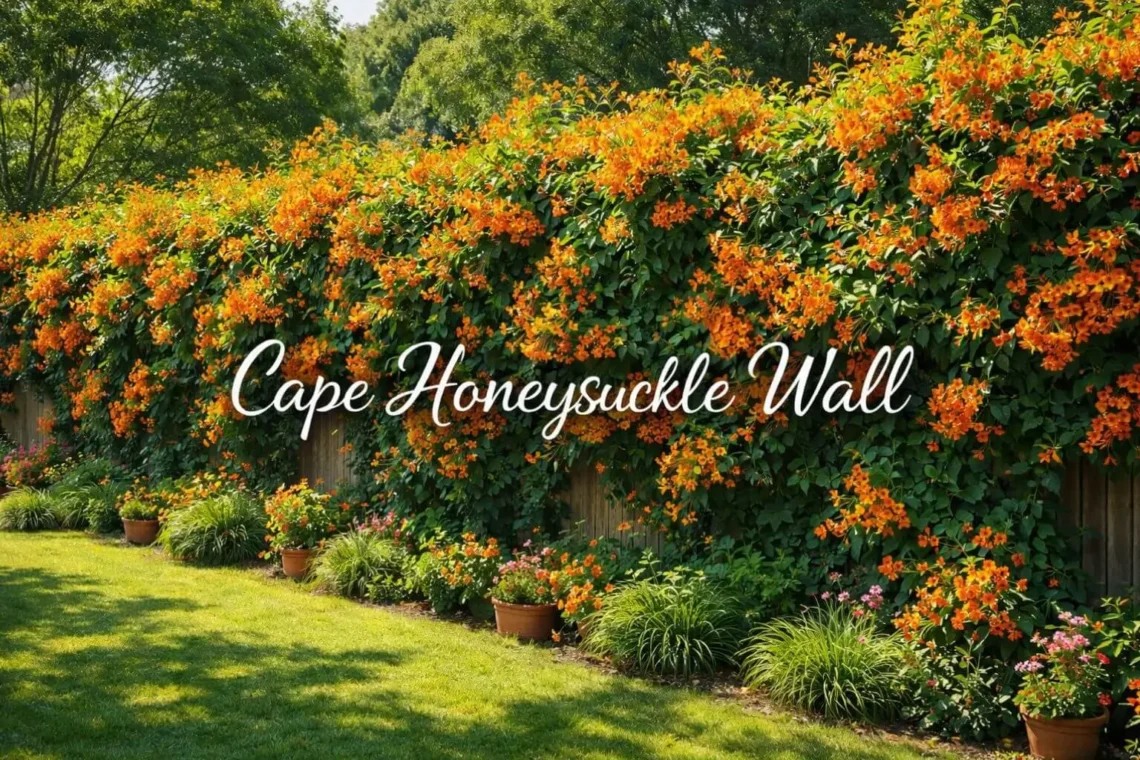
A cape honeysuckle wall is a living plant wall created using the shrub or vining plant known as cape honeysuckle. Unlike structural walls or decorative wall panels, this type of wall relies on vegetation for coverage, serving both aesthetic and functional purposes. It provides natural privacy, softens hardscape, and introduces seasonal color through flowers. The wall’s suitability depends on growth behavior, climate, sun exposure, and maintenance capacity. Understanding its limitations, such as potential invasiveness or seasonal leaf drop in colder regions, is essential for proper planning. Cape honeysuckle is commonly used in landscaping to create dense, flowering vertical surfaces. Cape honeysuckle (scientifically known as Tecoma capensis) is a flowering shrub commonly used to create living walls in gardens and fences.
Understanding Cape Honeysuckle as a Wall Plant
Growth Habit and Natural Form
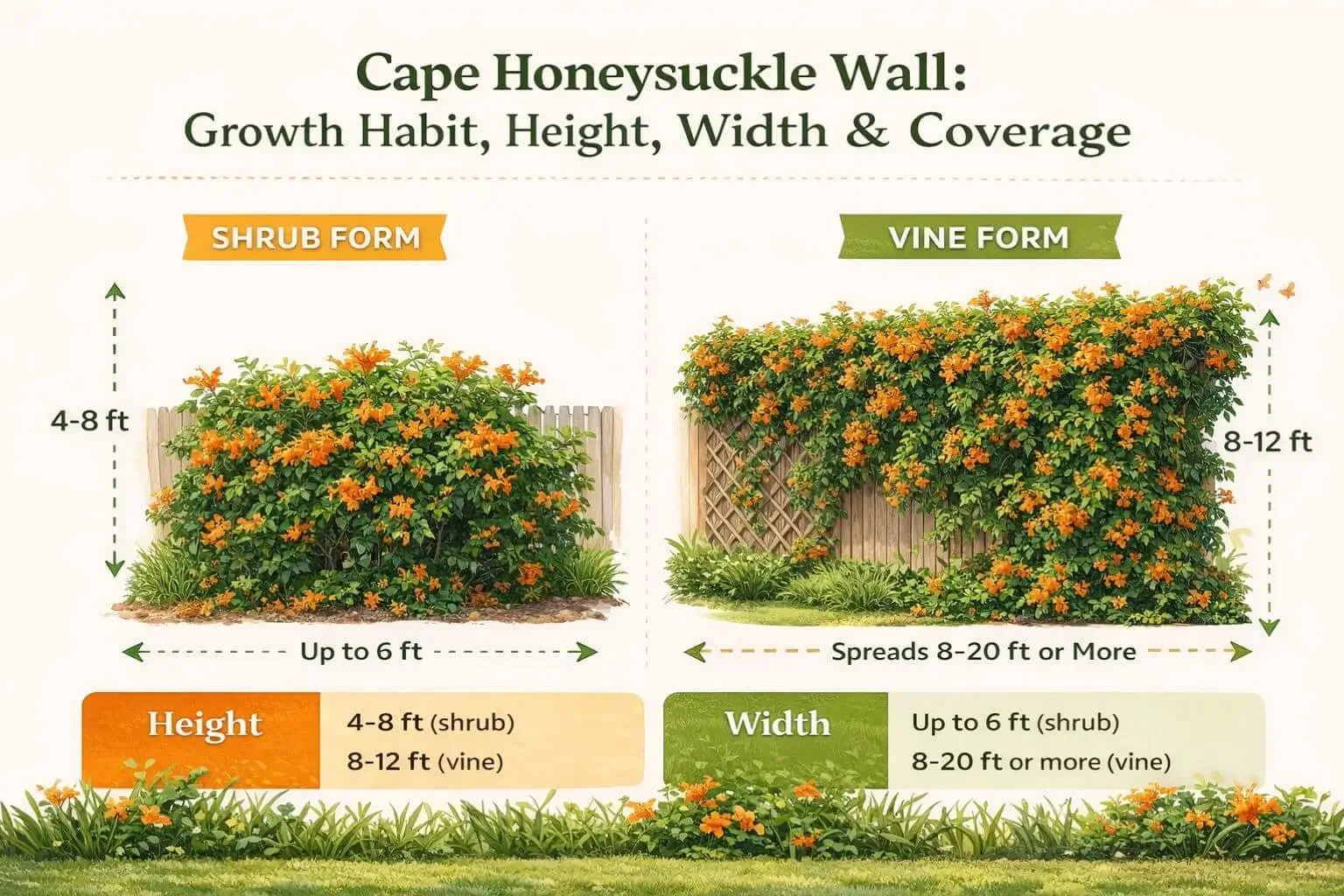
Cape honeysuckle (Tecoma capensis) exhibits both shrub and climbing tendencies. Naturally, it can sprawl or climb when trained, but it is not a true vine with adhesive roots. As a wall-trained shrub, it can be guided along fences, trellises, or walls using ties and supports. When left untrained, it tends to form a bushy mound rather than vertical coverage. Its versatility allows gardeners to choose between dense hedge forms or climbing coverage, depending on landscaping goals.
Typical Wall Height, Width, and Coverage
Cape honeysuckle walls can reach heights of 6–10 feet (1.8–3 meters) and widths of 4–8 feet (1.2–2.4 meters) per planting. Final size depends on soil fertility, water availability, sun exposure, and pruning practices. Proper spacing ensures full coverage without overcrowding. Growth constraints include wall structure limits and climate conditions, which may restrict flowering or leaf density.
How Cape Honeysuckle Grows on Walls
Does Cape Honeysuckle Need a Trellis or Support?
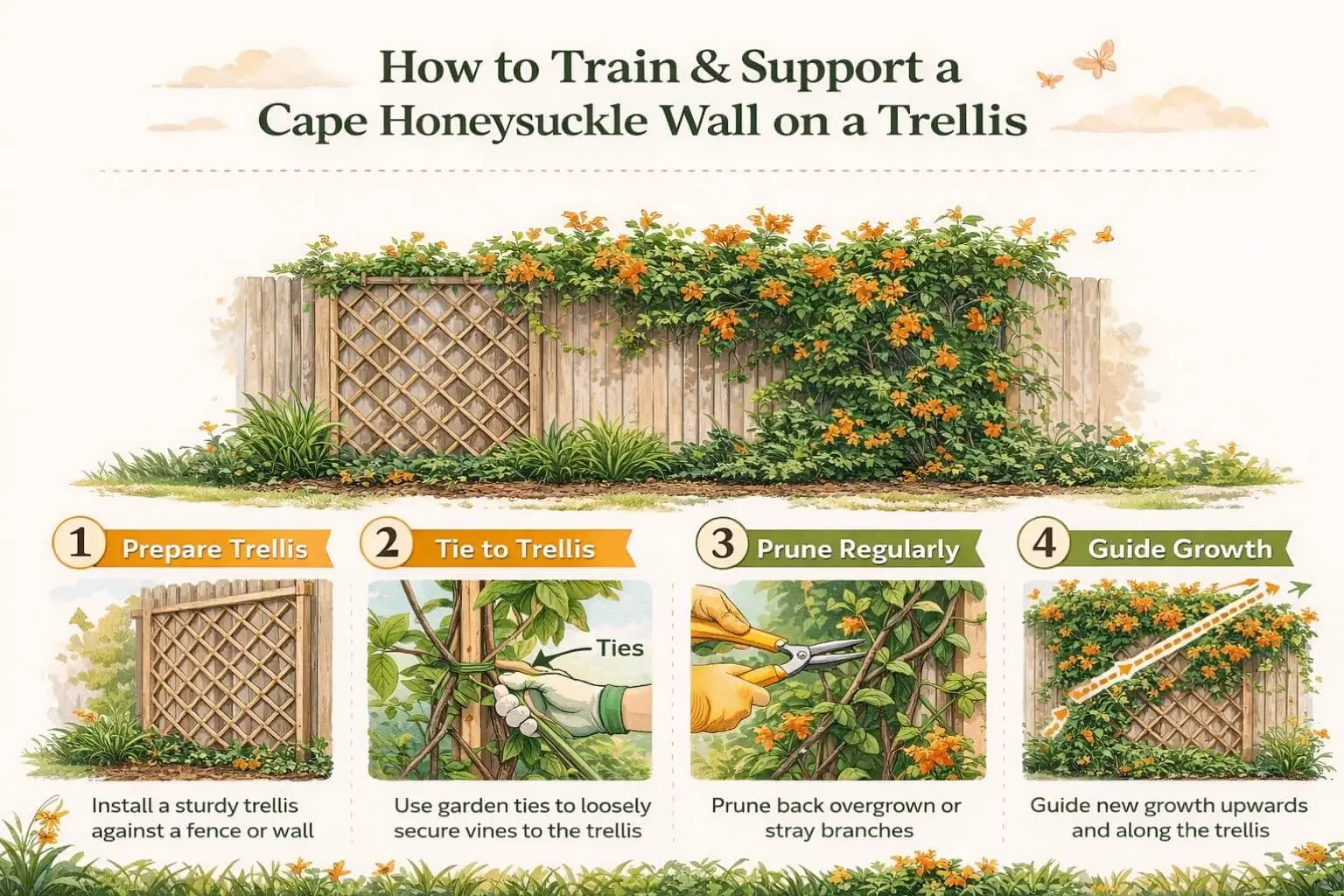
Cape honeysuckle benefits from trellises, fences, or wall ties for structured growth. While some branches can self-support, most walls require training to achieve dense vertical coverage. Support structures guide stems upward and maintain wall shape. Unlike ivy, cape honeysuckle does not cling naturally to surfaces, so a trellis or wire framework is essential for stability and aesthetics.
How Fast a Cape Honeysuckle Wall Establishes
Growth rate varies by climate and care. Under optimal conditions, walls can achieve noticeable coverage within one to two growing seasons. Poor soil, inadequate sunlight, or drought slows establishment. Regular pruning and fertilization accelerate growth and encourage flowering. Young plants require attentive training to ensure stems attach correctly to support structures.
Light, Water, and Climate Requirements for a Healthy Wall
-
Sun Exposure Needs
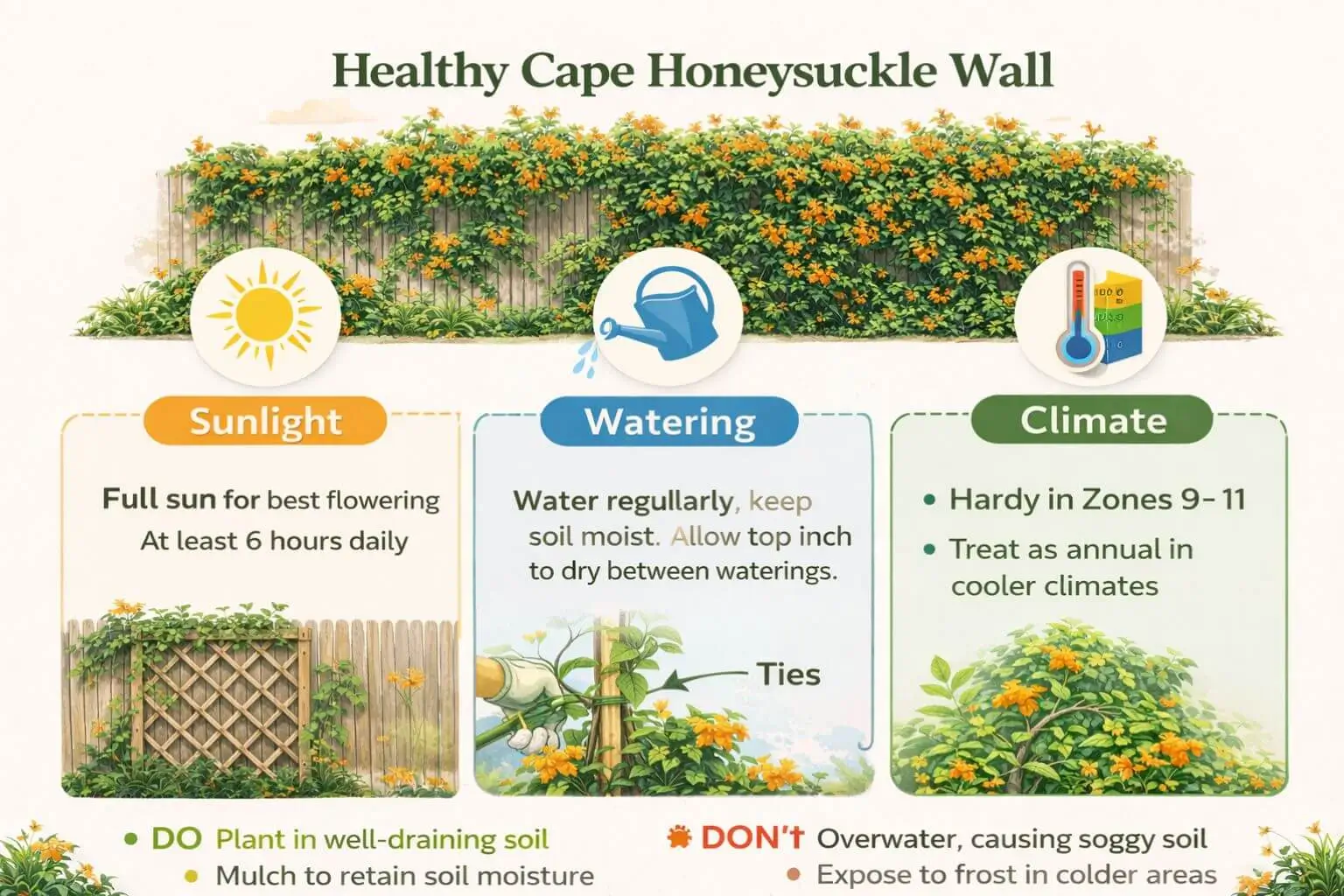
Cape honeysuckle thrives in full sun, producing dense foliage and vibrant blooms. Partial shade reduces flowering and may lead to sparser wall coverage. Sunlight directly affects plant health, flower production, and seasonal color impact.
-
Watering and Moisture Needs
New plantings require frequent watering to establish roots. Once established, cape honeysuckle is moderately drought-tolerant, needing deep watering only during extended dry periods. Overwatering can promote root rot, while under-watering causes leaf yellowing and reduced flowering.
-
Climate Zones and Cold Tolerance
This plant performs best in USDA zones 9–11. In frost-prone areas, cape honeysuckle may lose leaves or suffer dieback. Frost-free climates allow evergreen growth. Microclimates and wall orientation can influence winter performance and overall hardiness.
Similar to Japanese Sweet Flag Grass, cape honeysuckle requires attention to sun and water for optimal wall coverage.
Flowering, Color, and Visual Impact on Walls
Bloom Time and Flower Characteristics
Cape honeysuckle typically blooms in late spring through autumn, producing tubular, nectar-rich flowers. Flowering transforms the wall visually, adding seasonal vibrancy and attracting pollinators such as bees and hummingbirds. Bloom density correlates with sunlight exposure and pruning frequency.
Common Flower and Foliage Colors
Flowers are commonly bright orange, though cultivars may include red or yellow tones. Foliage is glossy green, providing year-round texture where winters are mild. Seasonal leaf drop occurs in colder climates, temporarily reducing coverage.
Maintenance and Long-Term Wall Management
Pruning for Wall Shape and Density
Pruning encourages wall thickness and maintains height. Regular trimming removes straggly growth, stimulates flowering, and prevents structural strain on walls. Best practice involves pruning 2–3 times per growing season, focusing on shaping and density management.
Root Behavior Near Walls
Cape honeysuckle develops a non-invasive, fibrous root system. Roots generally do not threaten foundations but can expand near walls and fences. Proper spacing and monitoring prevent potential structural pressure from dense planting.
Potential Problems with Cape Honeysuckle Walls
-
Invasiveness Concerns
In warmer regions, cape honeysuckle can spread beyond intended areas if unmanaged. Seeds are easily dispersed, and shoots can root where they contact soil. Responsible planting and pruning contain growth and prevent landscape encroachment.
-
Toxicity and Safety Considerations
The plant is mildly toxic if ingested by humans or pets. Leaf or flower ingestion can cause minor gastrointestinal discomfort. Precaution is advised when planting near children or animals.
-
Common Growth or Health Issues
Common issues include yellowing leaves, poor flowering, or sparse coverage. Environmental stressors such as drought, low sunlight, or poor soil fertility are typical causes. Addressing these factors promptly maintains wall health.
Using Cape Honeysuckle Walls in Different Settings
-
Outdoor Garden and Fence Applications
Cape honeysuckle walls serve as privacy screens, boundary hedges, and decorative garden features. They enhance vertical space while providing seasonal color and pollinator attraction. For alternative vibrant flowering walls, consider Purple Trailing Lantana, which also offers easy landscaping and seasonal color
-
Growing Cape Honeysuckle on Walls in Pots
Container growth is feasible for smaller walls or limited spaces. Pot limitations restrict root expansion and maximum wall coverage, requiring more frequent watering and nutrient management.
-
Indoor and Semi-Indoor Limitations
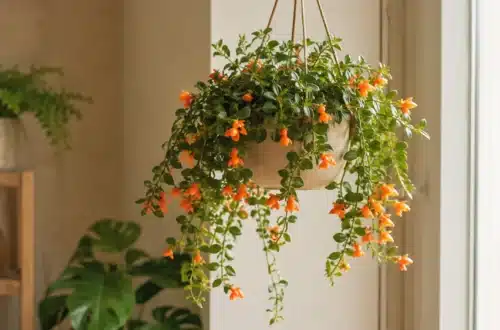
Cape honeysuckle is rarely suitable indoors. Limited sunlight, confined space, and poor air circulation reduce flowering and may induce stress. Semi-indoor patios with full sun can support container plants temporarily.
Comparison to Other Wall Cover Plants
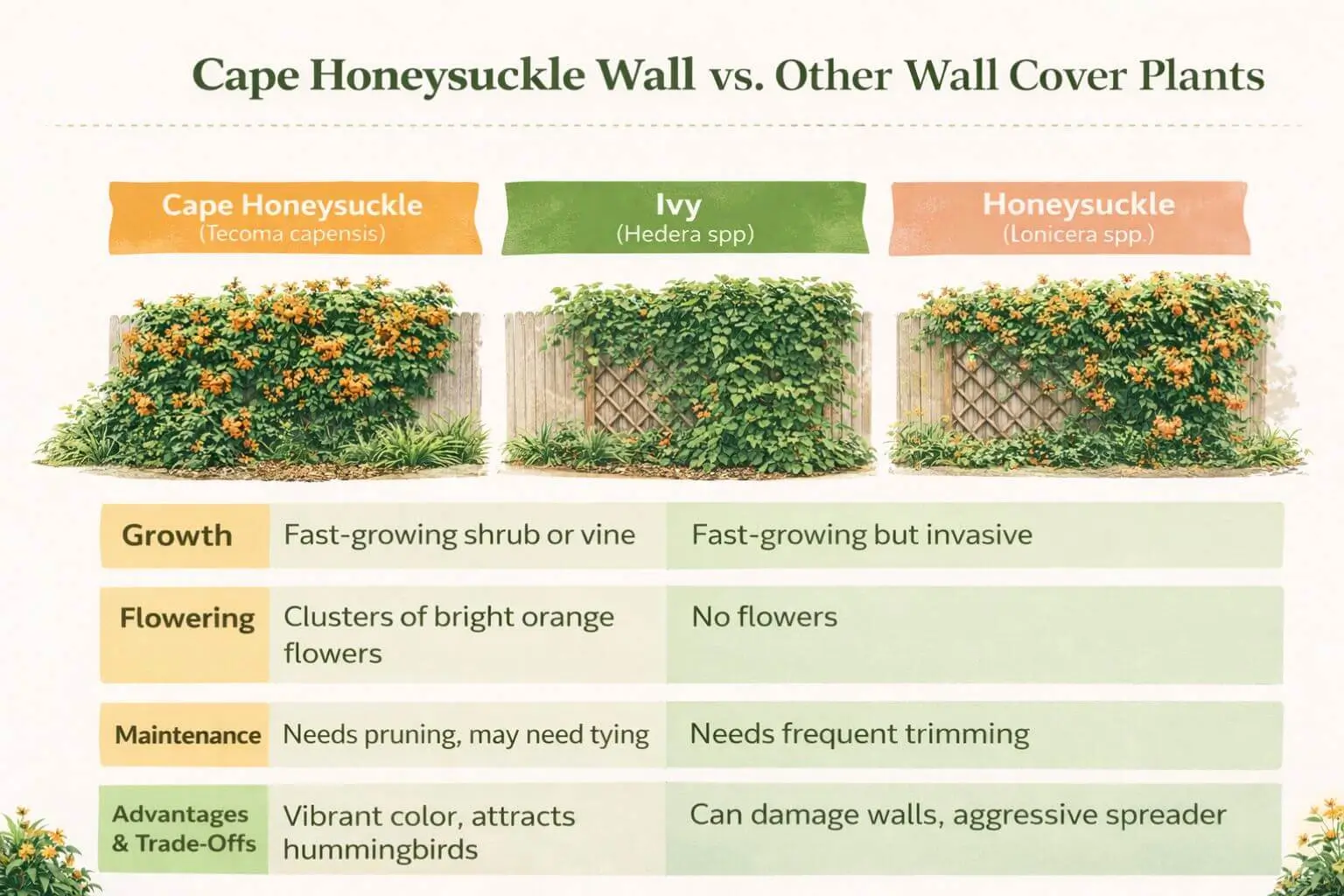
Compared to ivy or traditional honeysuckle, cape honeysuckle offers bright seasonal flowers and moderate drought tolerance. It is less aggressive than ivy, reducing foundation risk, but requires trellising unlike adhesive climbers. Trade-offs include maintenance frequency, flowering dependency on sun, and seasonal leaf drop in colder climates. Other vertical coverage options include bamboo plants, which provide rapid growth and dense privacy walls compared to cape honeysuckle.
Conclusion: Is a Cape Honeysuckle Wall the Right Choice?
A cape honeysuckle wall provides vibrant, living coverage for suitable climates and well-maintained spaces. Its growth habit, flowering potential, and moderate drought tolerance make it ideal for privacy walls, fences, or decorative garden features. Care requirements, pruning, and climate limitations should guide placement decisions. Assess available sunlight, maintenance capacity, and space before installation to ensure successful long-term performance.
FAQs
How fast does a cape honeysuckle wall grow?
Cape honeysuckle grows quickly in warm climates, often establishing noticeable wall coverage within one to two growing seasons under ideal conditions.
Does cape honeysuckle damage walls or foundations?
Cape honeysuckle does not have aggressive clinging roots, but unmanaged growth can place weight against structures if not pruned.
Is cape honeysuckle invasive when grown on a wall?
In some regions, cape honeysuckle can spread beyond intended areas if not controlled, especially in warm climates.
Does a cape honeysuckle wall need full sun to flower?
Yes, full sun encourages denser growth and more abundant flowering, while shade reduces blooms.
Is cape honeysuckle poisonous to pets or humans?
Cape honeysuckle is generally considered mildly toxic if ingested, so caution is advised around pets and children.
Can cape honeysuckle survive winter on a wall?
In frost-free climates it remains evergreen, but in colder zones it may lose leaves or suffer dieback.