
Introduction
Dwarf Xanadu (Thaumatophyllum xanadu) is a compact, ornamental philodendron prized for its lush, tropical foliage and versatility in both indoor and outdoor gardens. Native to Brazil, this plant is sought after for its structured, symmetrical growth and low-maintenance nature. Its natural clumping habit, glossy green leaves, and moderate size make it ideal for pots, garden borders, or landscape accents, allowing gardeners to enjoy tropical aesthetics without the space requirements of larger philodendrons. Dwarf Xanadu adapts well to various conditions, offering vibrant greenery year-round. Like the spider plant, dwarf Xanadu (Thaumatophyllum xanadu) is an ideal indoor option for adding lush greenery to compact spaces.
Understanding Dwarf Xanadu
Botanical Overview
Dwarf Xanadu, scientifically classified as Thaumatophyllum xanadu dwarf, is a smaller cultivar of the standard philodendron xanadu. While the standard variety can grow extensively, the dwarf version maintains a compact stature suitable for confined spaces. Taxonomically, it belongs to the Araceae family, and its careful breeding emphasizes controlled growth, making it an excellent option for indoor and outdoor ornamental use. Dwarf Xanadu is a compact cultivar of the philodendron genus, a member of the Araceae family, widely studied for its ornamental value.
Physical Characteristics
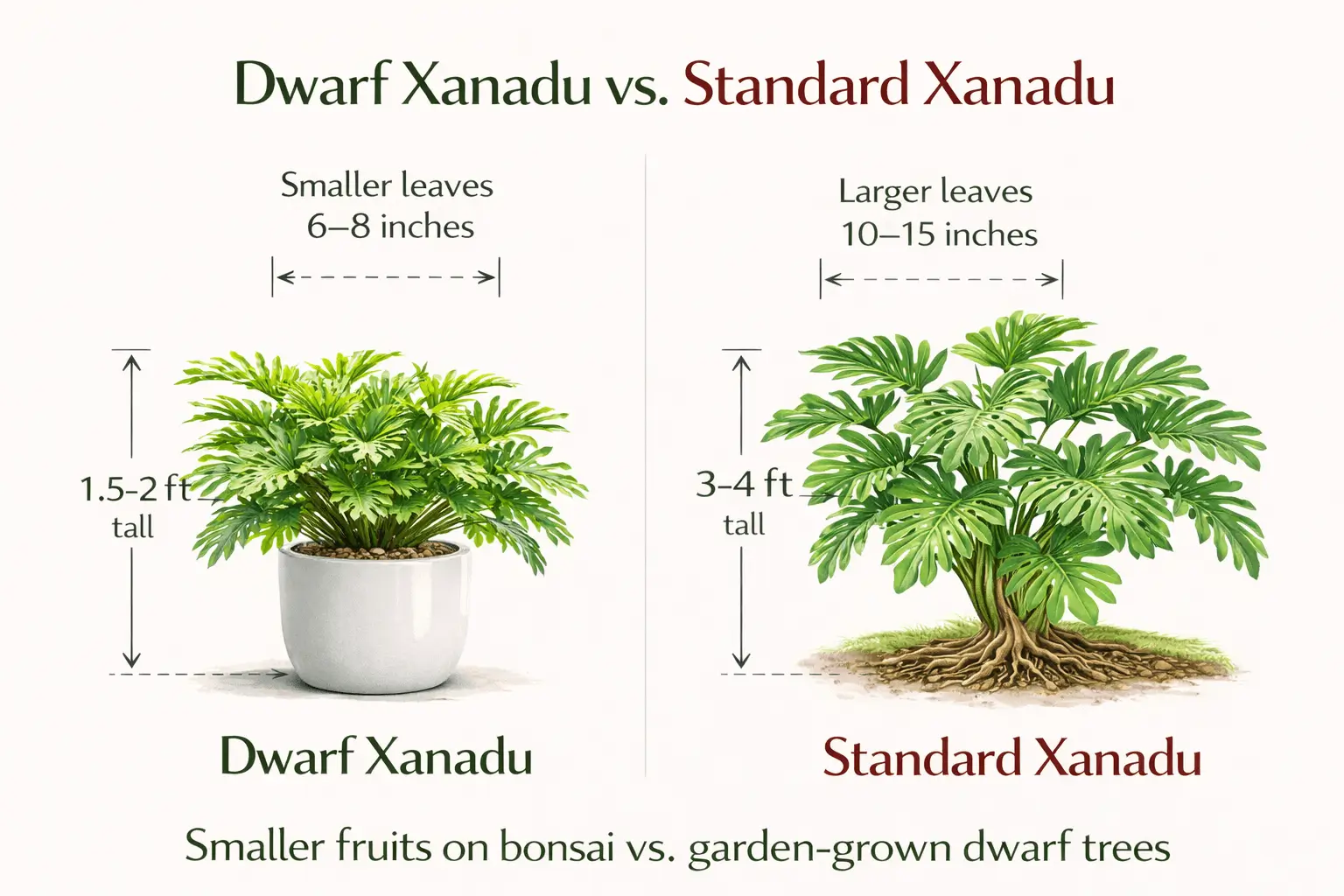
Dwarf Xanadu leaves are deeply lobed, glossy, and dark green, forming a symmetrical rosette pattern. Unlike the standard philodendron xanadu, which can reach up to 5–6 feet in width, the dwarf Xanadu typically grows 2–3 feet wide, maintaining a dense, compact form. This size difference makes it suitable for indoor pots, small garden beds, and container landscapes without overcrowding or dominating surrounding plants.
Varieties and Cultivars
Popular cultivars include the standard dwarf Xanadu and variegated dwarf Xanadu (Philodendron xanadu dwarf variegated). Variegated forms feature cream or yellow patterns along the leaf margins, enhancing visual appeal. Gardeners often select these varieties for aesthetic diversity, as they introduce contrasting foliage without requiring extensive care or space.
Dwarf Xanadu Growth and Care
-
Growth Rate and Size Expectations
Dwarf Xanadu grows moderately, achieving full size within 2–3 years under optimal conditions. Growth rate depends on factors like light exposure, soil fertility, and watering consistency. Indoors, it may grow slightly slower due to limited sunlight, while outdoor cultivation in partial sun encourages faster, denser foliage development.
-
Watering and Soil Requirements
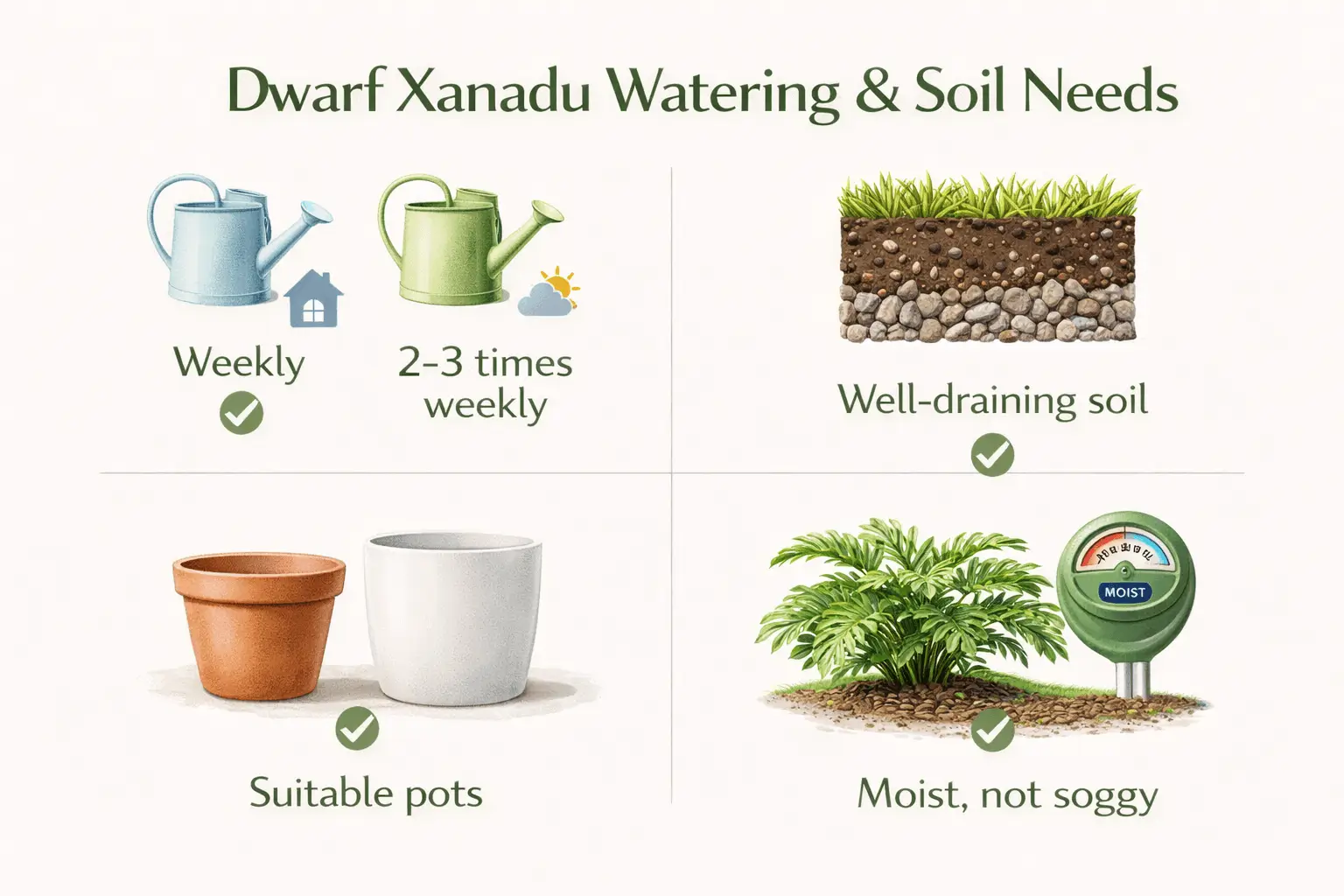
Dwarf Xanadu prefers consistently moist, well-draining soil. A mix of peat, perlite, and organic compost ensures proper drainage while retaining adequate moisture. Overwatering can cause root rot, while under-watering leads to leaf yellowing. Maintaining a regular schedule, typically every 5–7 days in warm months, supports healthy growth.
-
Light and Temperature Needs
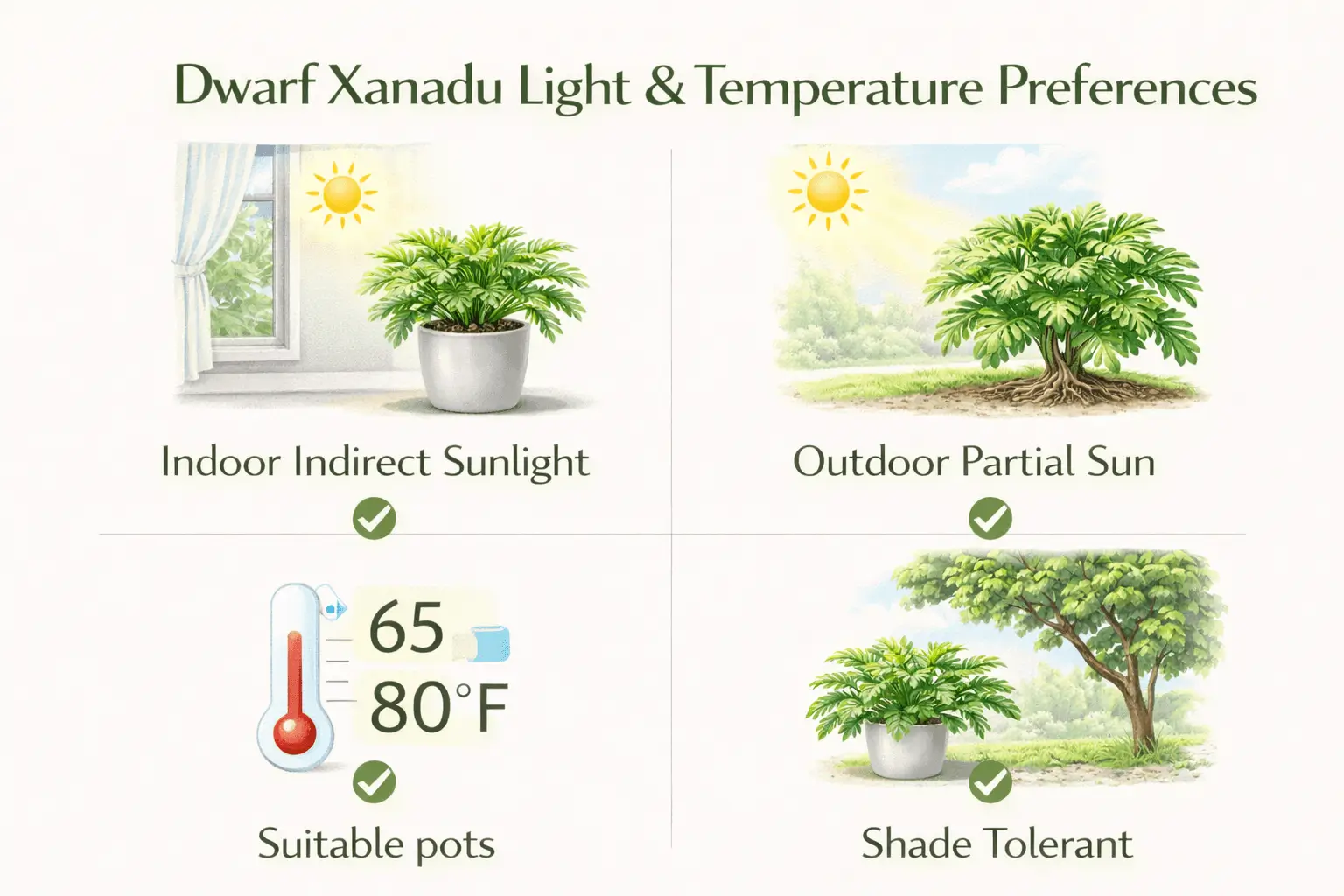
For indoor care, dwarf Xanadu thrives in bright, indirect light and can tolerate moderate shade. Outdoors, it prefers partial sun but should be shielded from intense afternoon heat. Optimal temperature ranges between 65–80°F (18–27°C). Exposure to frost or prolonged low temperatures can damage leaves, requiring seasonal protection or relocation indoors.
-
Fertilization and Maintenance Tips
Regular feeding with a balanced, water-soluble fertilizer every 4–6 weeks during the growing season promotes vibrant foliage. Pruning old or damaged leaves maintains compact form, while leaf cleaning removes dust, enhancing photosynthesis. Seasonal adjustments, such as reduced watering in winter, help the plant conserve energy and maintain health.
Outdoor vs Indoor Cultivation
Indoor Care Essentials
Indoors, dwarf Xanadu requires appropriate container size with drainage holes. Maintain humidity through misting or a humidifier, and position near east or north-facing windows for indirect sunlight. Regularly check for pests and rotate the plant occasionally to encourage symmetrical growth. For indoor gardening enthusiasts, pairing dwarf Xanadu with other tropical plants like the Purple Heart plant can create visually striking foliage arrangements.
Outdoor Care Guidelines
When grown outdoors, place the plant in partial sun with protection from harsh afternoon rays. Mulching helps retain soil moisture and moderate temperature fluctuations. Dwarf Xanadu is sensitive to frost, so in cooler climates, it may need temporary covering or seasonal relocation to a protected area.
Common Environmental Limitations
Extreme heat, prolonged low light, and waterlogged soil can limit growth. Preventive measures include adjusting placement, ensuring well-draining soil, and monitoring watering frequency. Adapting to seasonal climate changes supports consistent, healthy development.
Common Problems and Troubleshooting
Leaf and Growth Issues
Yellowing leaves often indicate overwatering or nutrient deficiencies, while slow growth may result from low light conditions. Leaf curling can occur due to inconsistent watering or temperature stress. Address these issues promptly by adjusting care routines.
Pest and Disease Management
Dwarf Xanadu is susceptible to spider mites, aphids, and scale insects, particularly in dry or humid conditions. Fungal infections may develop in overly wet environments. Use insecticidal soap or neem oil for safe treatment, and maintain proper airflow to reduce disease incidence.
Mistakes to Avoid
Common errors include overwatering, using poor light conditions, and planting in unsuitable soil. Beginner gardeners often overlook pot drainage or humidity needs, which can compromise the plant’s longevity and visual appeal.
Dwarf Xanadu Plant Selection and Propagation
-
Selecting Healthy Plants
Choose plants with vibrant, unblemished leaves, sturdy stems, and no visible pests. Inspect the root system if possible; firm, white roots indicate healthy growth. Avoid plants with yellowing or drooping leaves at nurseries.
-
Propagation Techniques
Dwarf Xanadu propagates effectively through division. Separate the clumps carefully, ensuring each section has roots and stems intact. The best time to propagate is during active growth in spring or early summer. Maintain consistent moisture and moderate light during establishment.
-
Planting and Spacing Considerations
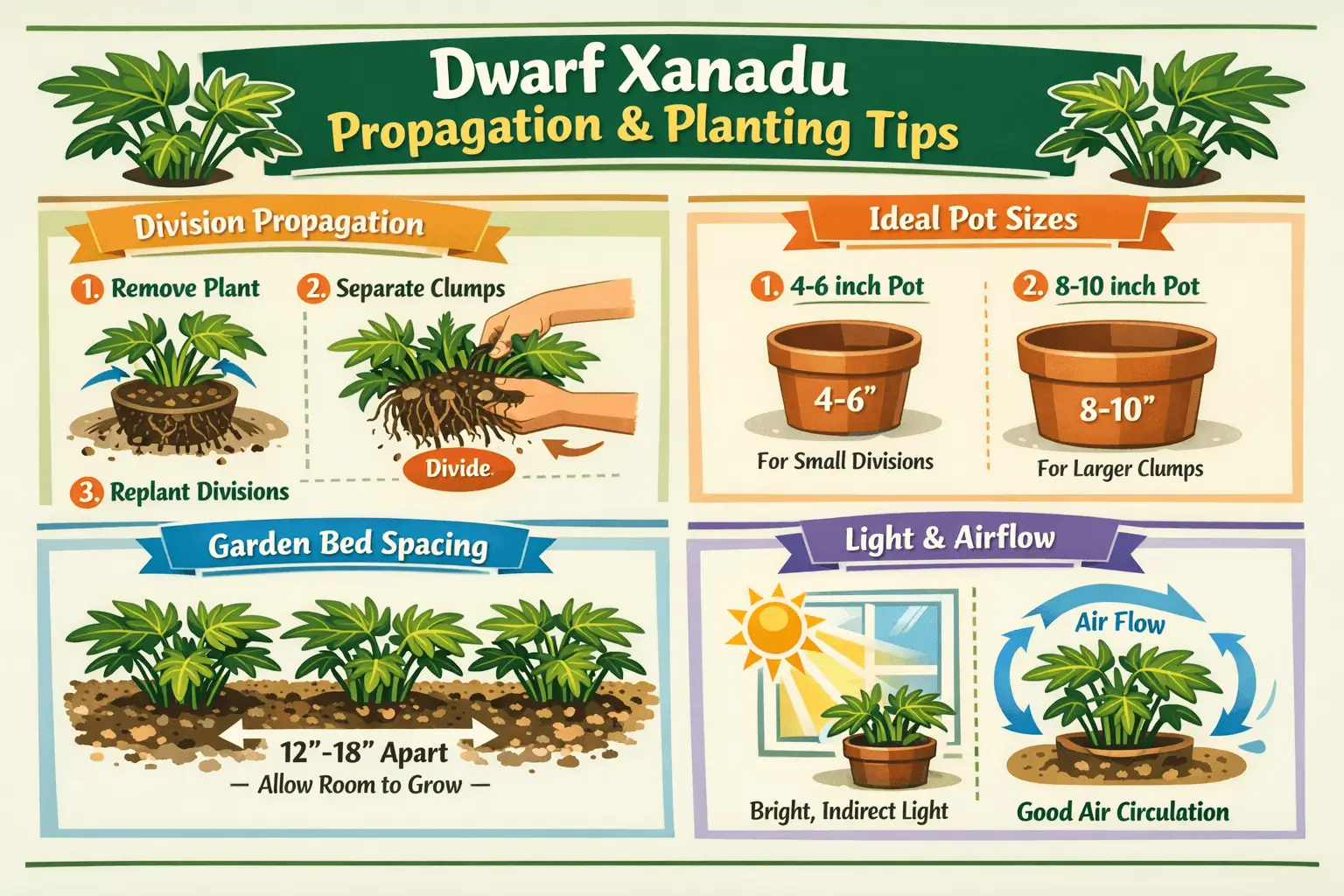
For garden beds, space plants 2–3 feet apart to allow airflow and light penetration. In containers, select pots large enough to accommodate growth while preventing overcrowding. Proper spacing reduces disease risk and supports symmetrical leaf development.
Unique Features and Differentiation
Dwarf Xanadu stands out for its compact growth compared to standard philodendron xanadu and other dwarf tropicals. Its symmetrical, clumping habit, coupled with rare variegated forms, makes it visually striking. Gardeners seeking low-maintenance, tropical aesthetics often prefer dwarf Xanadu for its controlled size and adaptability.
Conclusion
Dwarf Xanadu is an ideal choice for gardeners seeking compact, low-maintenance tropical foliage. By providing proper watering, light, soil, and fertilization, both indoor and outdoor plants thrive. Its symmetrical growth, adaptability, and occasional variegation make it an attractive addition to homes, patios, and garden beds, offering year-round greenery with minimal effort.
FAQ
- What is the ideal size of a dwarf Xanadu plant?
Dwarf Xanadu typically grows 2–3 feet wide and 1.5–2.5 feet tall, maintaining a compact, clumping form suitable for indoor pots and small garden spaces. - How often should I water a dwarf Xanadu philodendron?
Water the plant every 5–7 days during warm months, keeping the soil consistently moist but well-drained. Reduce watering in cooler seasons to prevent root rot. - Can dwarf Xanadu grow outdoors year-round?
It can grow outdoors in frost-free climates with partial sun exposure. In cooler regions, temporary protection or indoor relocation during frost is recommended. - What are common pests that affect dwarf Xanadu?
Spider mites, aphids, and scale insects are typical pests. Fungal infections can occur in overly humid or wet conditions. Regular inspection and safe treatments like neem oil help control infestations. - How do I propagate a dwarf Xanadu plant?
Propagation is done through division. Separate clumps ensuring roots and stems are intact, then plant in well-draining soil under moderate light. Spring or early summer is ideal for propagation. - Is there a variegated dwarf Xanadu variety available?
Yes, variegated forms (Philodendron xanadu dwarf variegated) feature cream or yellow patterns along the leaves, providing an enhanced ornamental appeal.