Introduction
The wandering jew flower is admired for its colorful foliage, delicate blooms, and effortless growth habit. Popular among both indoor and outdoor gardeners, this plant stands out for its trailing stems, fast growth, and adaptability to different environments. Many people grow it for its small but charming flowers, while others appreciate its low-maintenance nature and decorative value. The wandering jew flower also carries symbolic meaning in various cultures, often associated with resilience and positive energy. Whether grown in hanging baskets, ground cover beds, or indoor pots, this plant offers beauty, ease of care, and a meaningful presence in home and garden spaces.
What Is the Wandering Jew Flower?
Overview of the Wandering Jew Plant
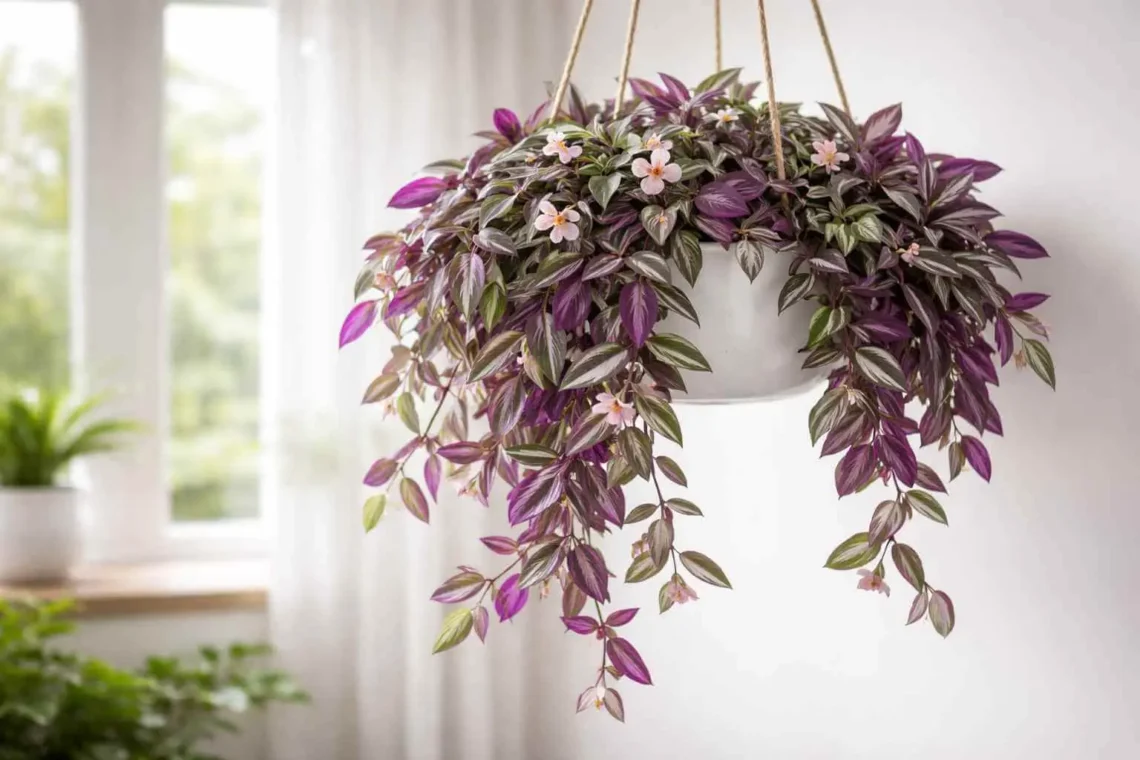
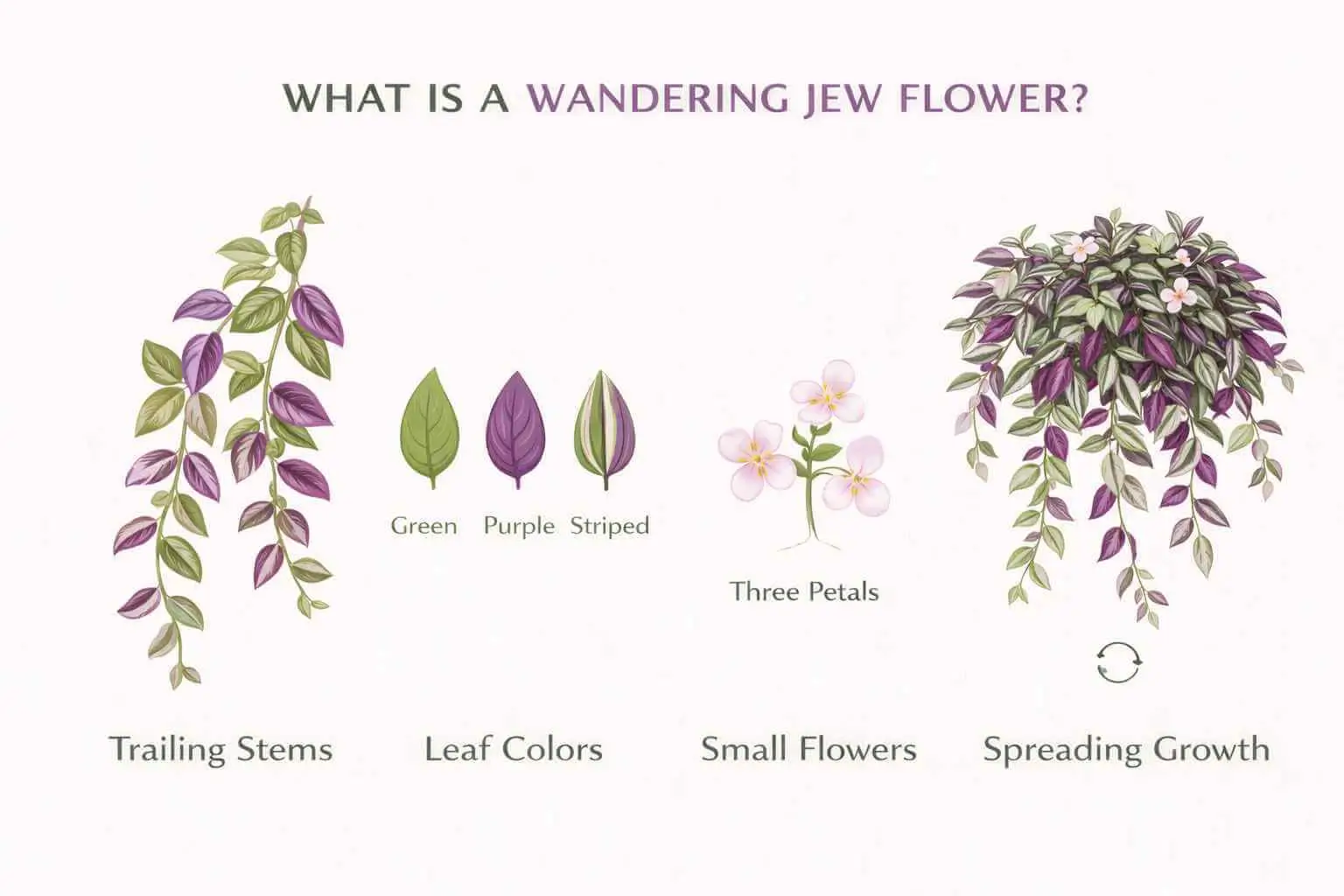
The wandering jew plant is a fast-growing trailing plant known for its vibrant leaves and small, three-petaled flowers. The foliage may appear green, purple, silver, or striped depending on the variety. Flowers are usually white, pink, or light purple and bloom close to the leaf nodes. The plant spreads easily through creeping stems that root wherever they touch soil, making it ideal for ground cover or hanging containers. In modern usage, the plant is also commonly referred to as wandering dude, a name adopted by many gardeners for inclusive language.
Wandering Jew Green vs Flowering Varieties
Wandering jew green foliage types are mainly grown for their lush leaves and rapid coverage, while flowering varieties are valued for both leaf color and blooms. Flowering types produce small flowers at stem joints, though they are often subtle compared to the foliage. Green varieties may flower less noticeably, whereas purple or striped types tend to produce more visible blooms under good light conditions.
Wandering Jew Flowering Time and Bloom Characteristics
Wandering Jew Flowering Time
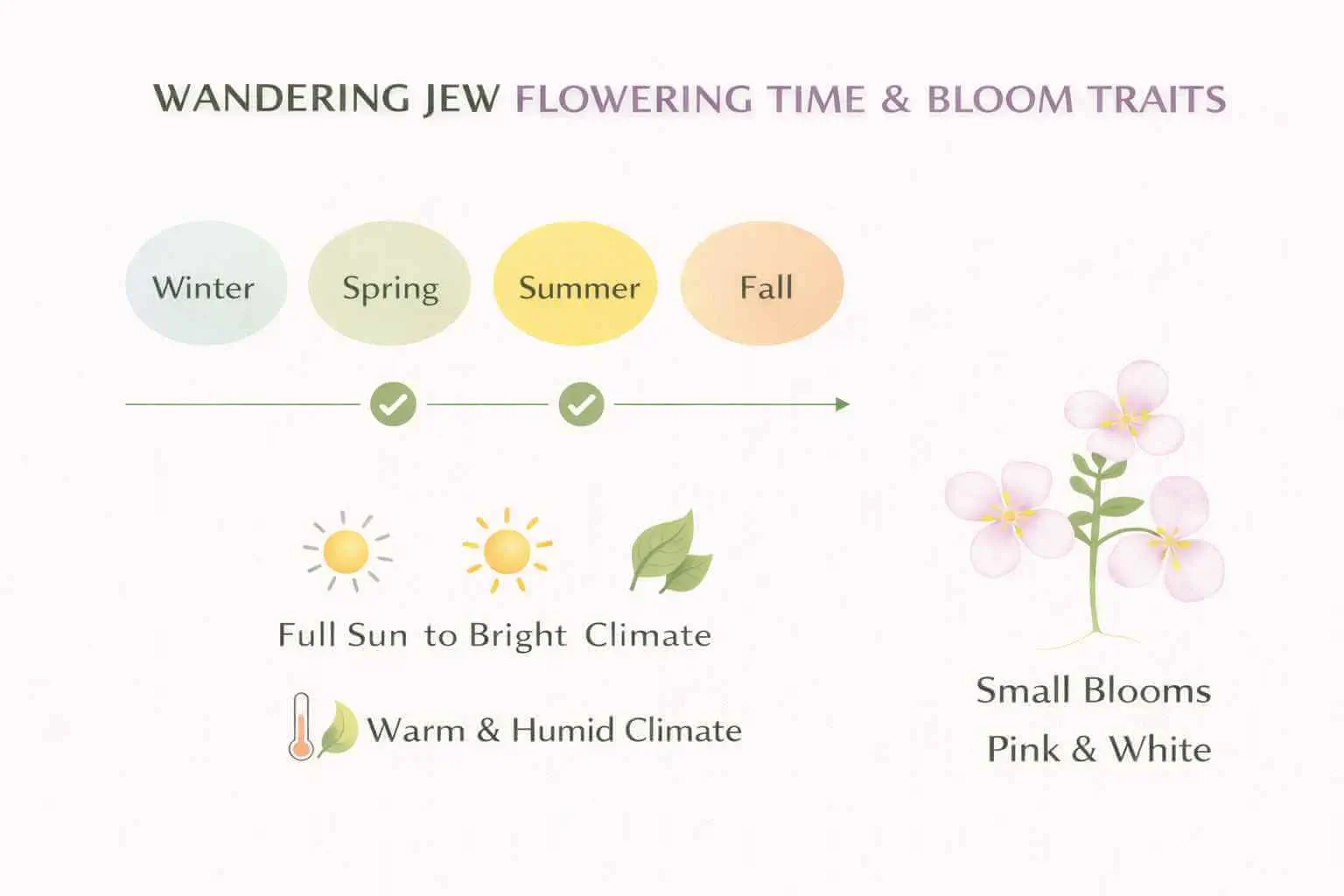
The wandering jew flowering time typically occurs during spring and summer. Warm temperatures, bright light, and longer daylight hours encourage blooming. In mild climates, flowers may appear intermittently throughout the year. Indoor plants flower best when placed near bright windows or under indirect sunlight.
What Do Wandering Jew Flowers Look Like?
Wandering jew flowers are small, delicate, and three-petaled, usually measuring less than an inch wide. Common colors include white, pale pink, and lavender. Flowers appear sporadically rather than in clusters and may last only a day or two. Different varieties show slight variations in size and color, and visual comparisons of wandering jew varieties with pictures help identify these differences clearly.
Wandering Jew Flower Care Guide
Light Requirements for Better Flowering
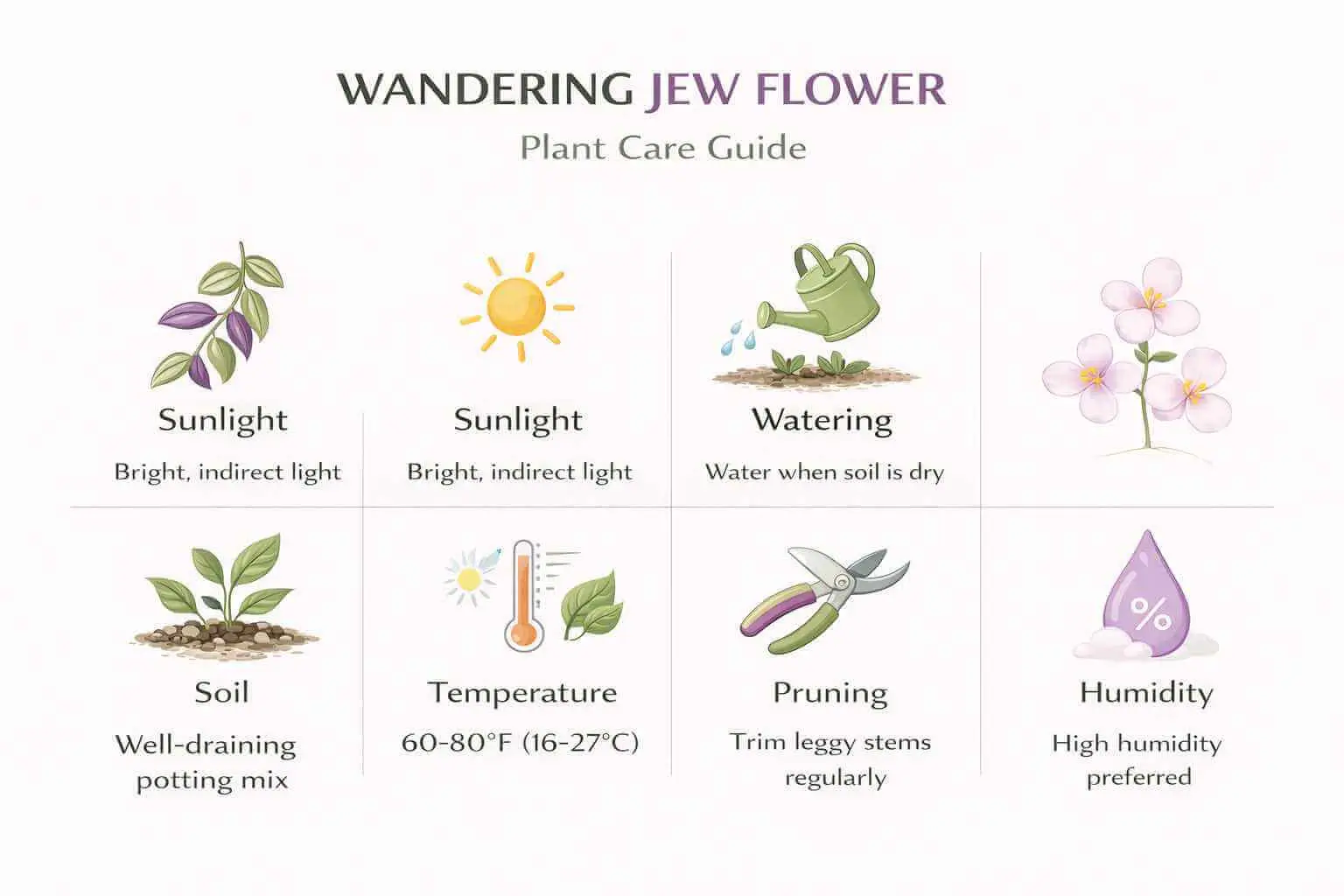
Bright, indirect light is essential for healthy growth and flowering. Outdoor plants perform best in partial shade, while indoor plants thrive near sunny windows without harsh direct exposure. Insufficient light leads to fewer flowers and faded foliage.
Watering and Soil Needs
Water the plant when the top layer of soil feels dry. Overwatering should be avoided, as soggy soil causes root rot. Well-draining soil is crucial to maintain healthy roots and consistent flowering.
Temperature, Humidity, and Maintenance
The ideal temperature range is between 60°F and 80°F. Moderate humidity supports leaf health. Regular pruning encourages bushier growth and more blooms by redirecting energy into new stems. Basic wandering jew flower care includes trimming leggy growth and removing dead leaves.
Wandering Jew Plant Benefits
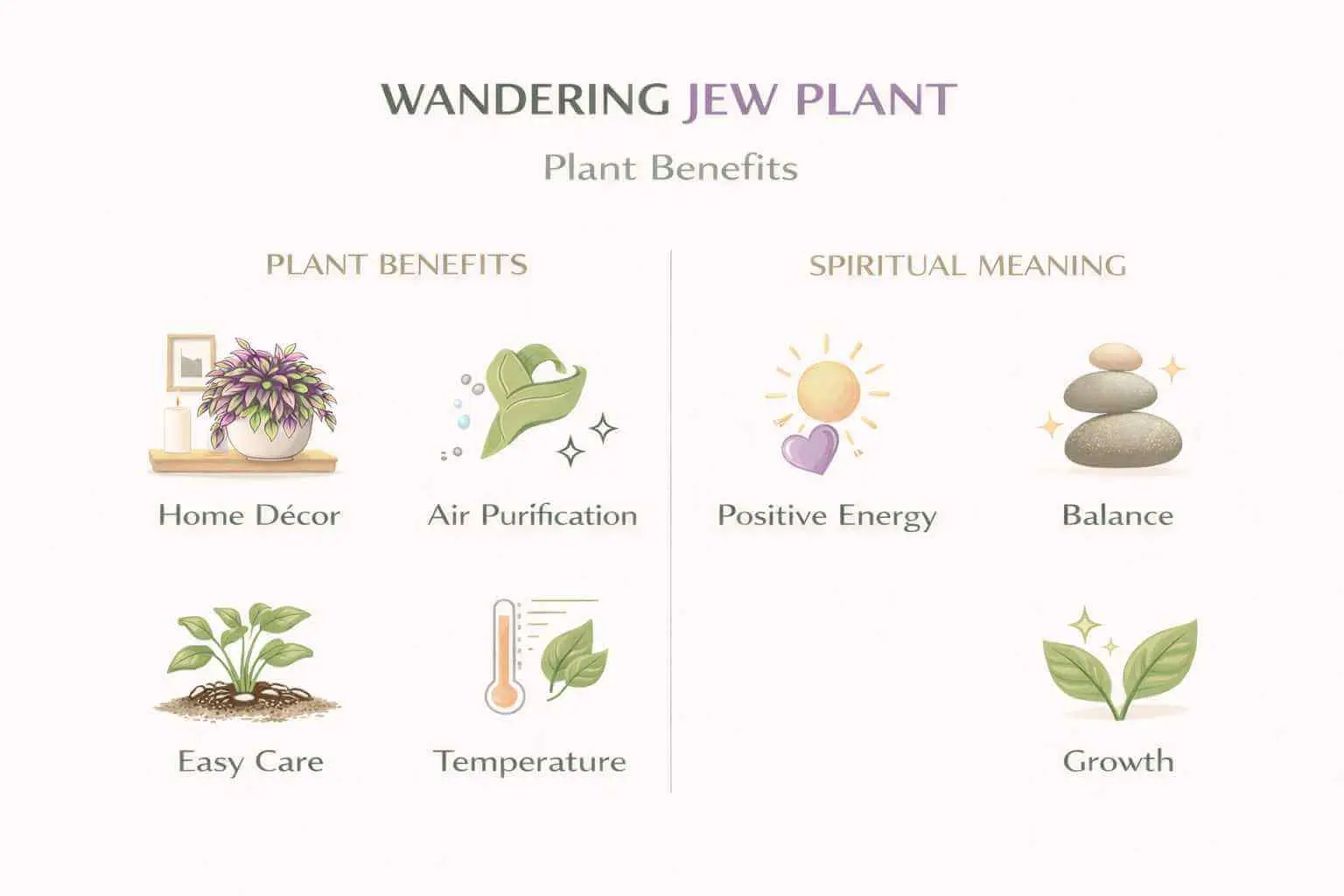
Decorative and Landscaping Benefits
- Ideal for hanging baskets and window boxes
- Effective ground cover in warm climates
- Enhances indoor décor with trailing color
- Fast growth fills empty spaces quickly
Air-Purifying and Low-Maintenance Advantages
- Easy for beginners to grow
- Minimal care requirements
- Propagates quickly from cuttings
- Budget-friendly plant option
Wandering Jew Plant Spiritual Meaning
Symbolism and Cultural Beliefs
The wandering jew plant is often linked with protection, harmony, and positive energy. Many people place it in homes to promote balance and calm surroundings.
Why People Keep It for Energy and Growth
Spiritually, the plant represents renewal and resilience. Its spreading nature symbolizes continuous growth. Common placement areas include living rooms, entryways, and balconies for uplifting energy.
Popular Wandering Jew Varieties
Learn more : 7+ Stunning Wandering Jew Purple Facts You’ll Love
Common Flowering and Foliage Varieties
There are several popular types, including purple-leaved, striped, and green varieties. Some are known for vivid leaf color, while others are appreciated for more frequent flowering. Visual identification using wandering jew varieties with pictures helps differentiate them.
Choosing the Right Variety for Your Space
Indoor growers often choose compact, colorful types, while outdoor gardeners prefer hardy, fast-spreading varieties. Selection depends on available light, space, and desired color intensity.
Buying Guide – Wandering Jew Flower for Sale
Where to Buy Wandering Jew Flower
- Local nurseries and garden centers
- Online plant stores
- Home improvement stores
Before buying, check leaf color, stem strength, and overall plant health.
Price Range and Plant Quality Tips
Smaller plants are usually inexpensive, while mature hanging baskets cost more. Healthy plants have vibrant leaves, firm stems, and no signs of pests or yellowing.
Common Problems and Flowering Issues
Why Your Wandering Jew Is Not Flowering
Common reasons include low light, lack of pruning, nutrient imbalance, or natural seasonal dormancy. Adjusting light exposure and regular trimming usually restores flowering.
Pests and Leaf Problems
- Aphids and spider mites are common pests
- Overwatering causes yellow leaves
- Regular inspection and gentle cleaning prevent infestations
- Neem oil or mild soap solutions offer simple fixes
Conclusion / Call to Action
Growing the wandering jew flower offers a combination of visual beauty, easy maintenance, and meaningful symbolism. Its colorful foliage, delicate blooms, and fast growth make it suitable for both indoor and outdoor spaces. With minimal care, this plant adapts well to different environments while enhancing décor and green coverage. Beyond appearance, many people value the wandering jew flower for its symbolic connection to resilience, balance, and positive energy. Whether you are a beginner gardener or an experienced plant lover, this plant fits effortlessly into daily life. Try adding a wandering jew plant to your home or garden to enjoy its beauty, simplicity, and lasting appeal.
Learn more: 7 Powerful Reasons to Choose a Carolina Cherry Laurel Hedge
FAQs – Wandering Jew Flower
How often does the wandering jew flower bloom?
The wandering jew flower blooms mainly during spring and summer. Under ideal light and temperature conditions, flowers may appear intermittently throughout the growing season.
Is wandering jew easy to grow indoors?
Yes, wandering jew is very easy to grow indoors. It thrives in bright, indirect light and requires minimal watering, making it suitable for beginners.
Does wandering jew need direct sunlight to flower?
Direct sunlight is not required. Bright, indirect light encourages better flowering, while harsh direct sun may damage the leaves.
What is the spiritual meaning of wandering jew plant?
The wandering jew plant is commonly associated with resilience, renewal, protection, and positive energy. Many people keep it to promote harmony and growth in living spaces.
Where can I find wandering jew flower for sale?
You can find wandering jew flower for sale at local nurseries, garden centers, home improvement stores, and reputable online plant shops.