Introduction
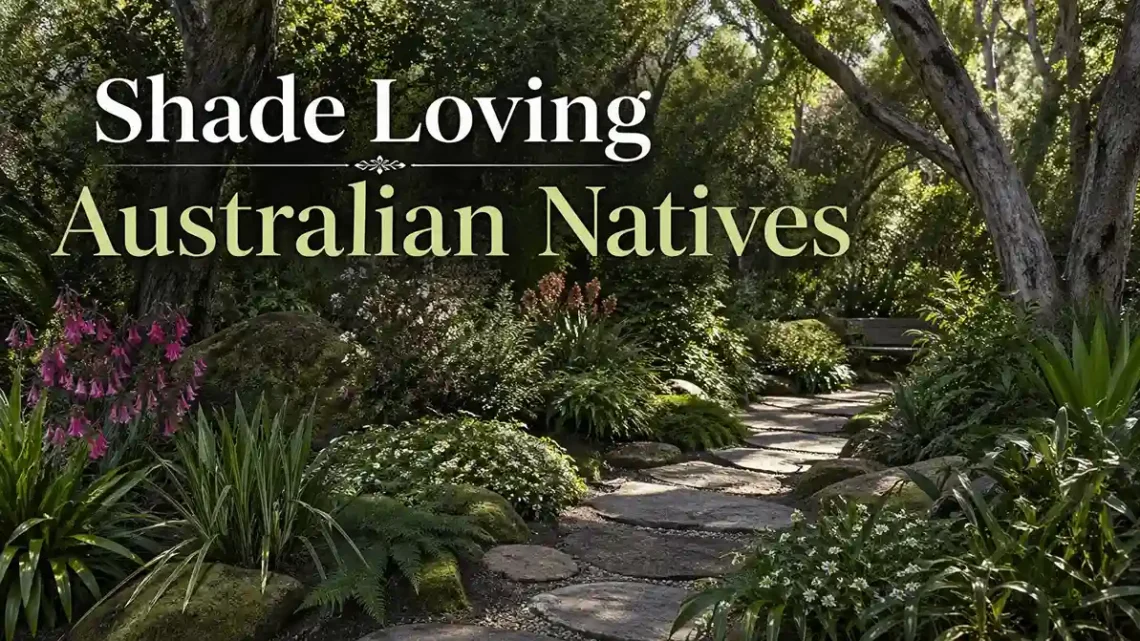
Shade loving Australian natives are plants specifically adapted to grow in low-light conditions such as beneath tree canopies, beside structures, or in shaded garden beds. These plants naturally occur in forest understories and sheltered environments, making them ideal for challenging garden spaces with limited sunlight. From compact groundcovers to dense shrubs, native shade plants offer functional and ecological benefits. They support biodiversity, require less maintenance, and are well-suited to Australia’s diverse climates, including regions like NSW, Victoria, and Western Australia. Choosing suitable shade loving plants ensures healthy growth, efficient water use, and long-term landscape sustainability.
Quick Summary
- Shade loving Australian natives thrive in partial to full shade environments.
- They include shrubs, groundcovers, and flowering plants adapted to low light.
- Many species are low maintenance and suitable for dry shade conditions.
- Plant selection depends on climate, soil type, and moisture availability.
What Are Shade Loving Australian Natives?
Shade loving Australian natives are plants that naturally grow and perform best in low-light environments. Unlike shade tolerant Australian natives, which can survive in shade but prefer sunlight, shade loving plants are specifically adapted to reduced light levels. Many native full shade plants Australia originate from forest understories, where sunlight is limited and filtered through upper canopy layers.
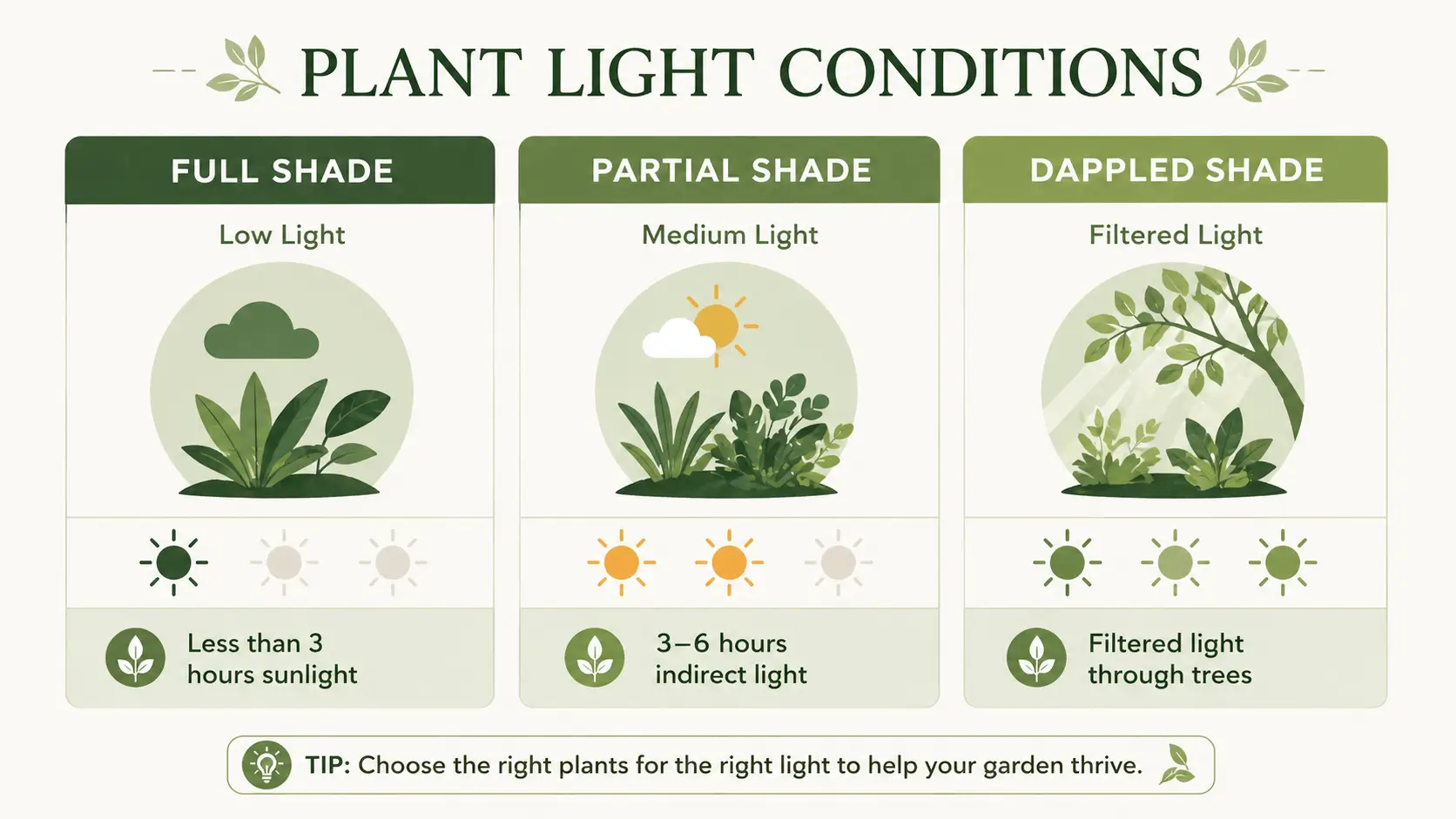
Light conditions are generally classified as:
- Full shade: Less than 3 hours of direct sunlight per day
- Partial shade: 3–6 hours of filtered or indirect light
- Dappled shade: Light filtered through tree canopies
Many native full shade plants Australia originate from forest understories where sunlight is limited. These plants have evolved to efficiently use available light and often feature broader leaves or slower growth habits suited to sheltered environments.
Types of Australian Native Shade Plants
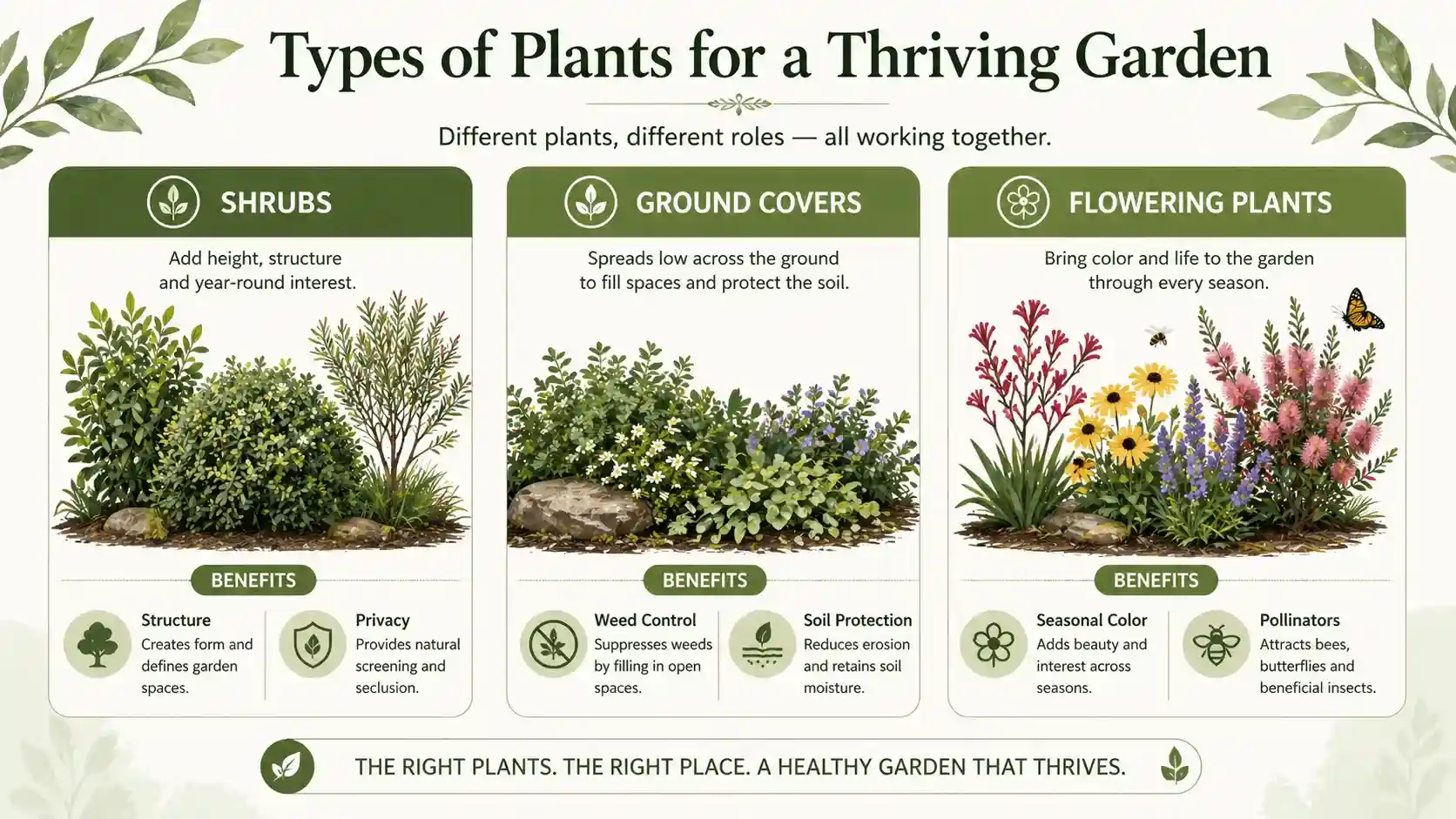
Australian native shade plants can be grouped based on their structure and functional use in gardens. This classification helps in designing layered and efficient shade landscapes.
Shade Loving Shrubs
Shade loving shrubs provide structure and vertical coverage in shaded gardens. Native shrubs for shade Australia vary in size, from compact forms to larger screening plants.
Key characteristics:
- Suitable for hedging or privacy screens
- Include small shrubs for shade and taller varieties
- Many evergreen shade loving Australian natives provide year-round foliage
Examples typically include species from genera such as Callistemon, Melaleuca, and Westringia, depending on regional suitability.
Compact native plants such as Dianella are also commonly used in shaded gardens for their adaptability and visual appeal.
Ground Covers and Low-Growing Plants
Ground covers are essential native shade plants used to protect soil and suppress weeds.
Benefits:
- Reduce soil erosion
- Retain moisture in dry shade conditions
- Improve garden aesthetics with dense coverage
Native plants for dry shade Australia often fall into this category, making them ideal for under trees where water competition is high.
Popular options like Lomandra varieties are widely used for dry shade due to their durability and low maintenance, as highlighted in this guide on Lomandra Variegated garden transformations.
Flowering Shade Loving Native Plants
Shade loving Australian native flowers add seasonal interest and support pollinators such as bees and birds.
Key features:
- Adapted to bloom in low light
- Provide ecological benefits
- Enhance visual diversity in shaded spaces
These plants often flower at different times of the year, ensuring continuous garden interest.
Best Shade Loving Australian Natives for Different Regions
Plant selection should always consider regional climate, rainfall, and soil conditions.
Shade Loving Native Plants for Victoria
Cool-climate species are best suited for Victoria. These plants must tolerate:
- Lower temperatures
- Occasional frost
Shade loving native plants Victoria typically include frost-hardy shrubs and groundcovers that maintain growth during cooler seasons.
Shade Loving Australian Natives NSW & Sydney
In NSW and Sydney, plants must adapt to:
- Humid conditions
- Coastal exposure
Shade-loving plants Sydney benefit from good airflow and moderate watering. Many native shade plants in this region thrive in protected garden beds.
Western Australian Native Plants for Shade
Western Australia requires drought-tolerant species due to:
- Low rainfall
- Sandy soils
Shade plants Perth are often adapted to well-drained soil and reduced moisture. Selecting hardy native species ensures survival in dry shade conditions.
How to Choose the Best Shade Loving Australian Natives
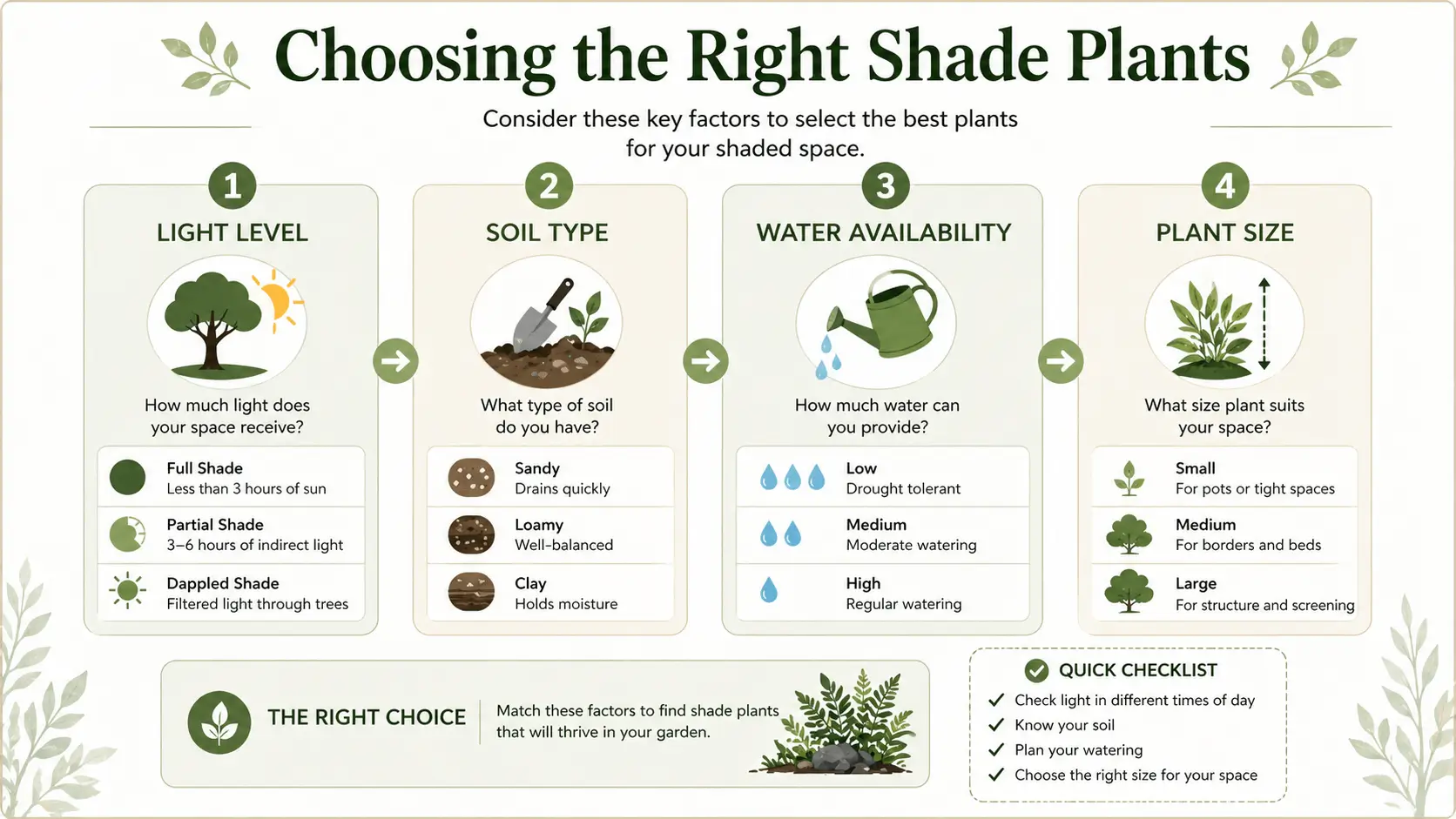
Choosing the best shade loving Australian natives depends on environmental and design factors.
Key considerations:
- Light level: Full shade or partial shade conditions
- Soil type: Clay, sandy, or loam soils
- Water availability: Dry vs moist environments
- Plant size: Mature height and spread
Low maintenance shade loving Australian natives are ideal for beginners or large landscapes, as they require minimal intervention once established.
Shade Loving Australian Natives for Landscaping
Shade loving Australian natives for landscaping are widely used in structured and natural garden designs.
Common applications:
- Understory planting beneath trees
- Courtyard and urban shade gardens
- Layered planting systems combining trees, shrubs, and groundcovers
- Biodiversity-focused gardens that attract wildlife
A well-designed shade garden Australia improves soil health, enhances visual appeal, and supports local ecosystems. For broader design inspiration, explore modern native garden layouts that incorporate layered planting and shade-tolerant species.
For larger canopy coverage, consider integrating evergreen shade trees alongside understory plants, as explained in this Ultimate Evergreen Shade Trees Australia Guide.
Low Maintenance and Evergreen Shade Loving Natives
Low maintenance and evergreen shade loving Australian natives are preferred for long-term sustainability.
Key features:
- High drought tolerance once established
- Minimal pruning requirements
- Consistent foliage coverage throughout the year
Evergreen species are particularly valuable in landscaping for maintaining structure and visual continuity in shaded areas.
Comparison: Shade Loving vs Shade Tolerant Australian Natives
| Feature | Shade Loving Australian Natives | Shade Tolerant Australian Natives |
| Light preference | Thrive in low light | Prefer sun but tolerate shade |
| Growth performance | Best in shade | Reduced growth in shade |
| Ideal use | Dense shade gardens | Flexible planting areas |
| Maintenance | Often low | Varies by species |
Common Problems in Shade Gardens (And How to Fix Them)
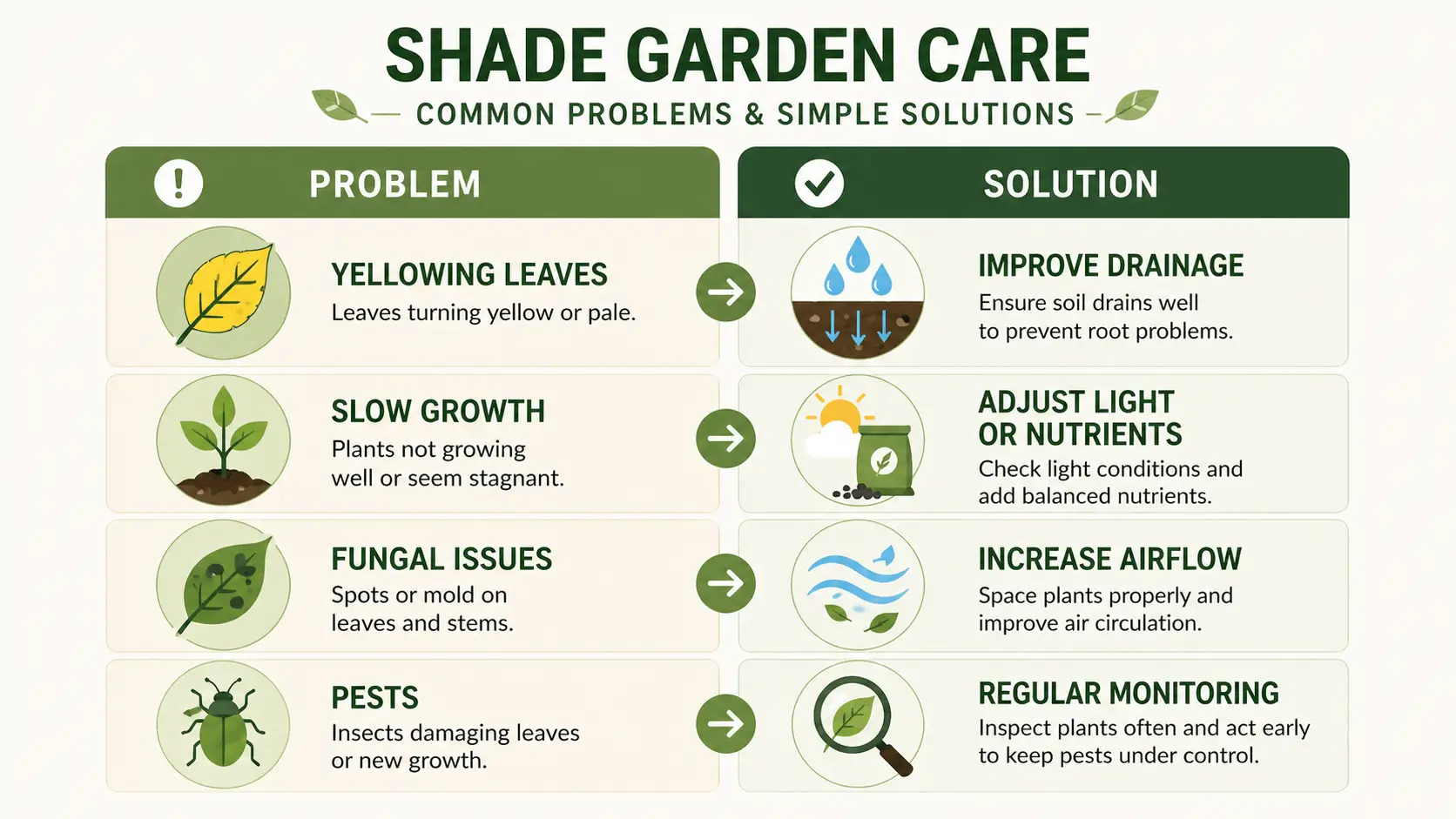
Yellowing Leaves
Cause: Overwatering or poor drainage.
Fix:
- Improve soil aeration
- Use well-draining soil mixes
Slow Growth
Cause: Insufficient light or nutrients.
Fix:
- Adjust plant placement
- Apply appropriate fertilization
Fungal Issues
Cause: Poor airflow in dense shade.
Fix:
- Increase plant spacing
- Prune regularly to improve circulation
Pest Infestations
Common in humid shade environments.
Prevention:
- Monitor plants regularly
- Maintain healthy soil and airflow
Beginner Mistakes When Growing Native Shade Plants
Common mistakes include:
- Choosing sun-loving natives for shaded areas
- Ignoring soil compatibility
- Overwatering plants in low-light environments
- Not accounting for mature plant size
Avoiding these mistakes improves plant survival and long-term garden success.
Environmental Factors That Affect Shade Loving Natives
Several environmental conditions influence plant health:
- Seasonal sunlight variations
- Soil moisture retention in shaded areas
- Competition from tree roots
- Microclimates in urban vs natural environments
Understanding these factors helps optimize plant placement and care.
Connecting Shade Loving Natives to Broader Gardening Practices
Shade gardening connects to broader sustainable practices, including:
- Indoor plant care adaptations for low light
- Native plant propagation techniques
- Landscaping with Australian natives
- Sustainable water-efficient gardening
These practices support ecological balance and resource conservation. Many principles used for outdoor shade plants also apply to indoor environments, especially when selecting low-light species—making them closely related to general houseplant care practices.
Conclusion
Shade loving Australian natives provide a reliable and sustainable solution for low-light garden environments. By selecting plants suited to specific regional conditions, soil types, and moisture levels, gardeners can create resilient landscapes that require minimal maintenance. These plants not only enhance visual appeal but also support biodiversity and environmental health. Understanding the differences between plant types, their care requirements, and potential challenges ensures successful long-term growth. Incorporating native shade plants into garden design is an effective way to utilize shaded spaces while promoting sustainable gardening practices.
FAQs
What are the best shade loving Australian natives for full shade?
The best plants for full shade are those naturally adapted to low-light environments, such as native full shade plants Australia. These species thrive under dense canopy conditions where sunlight is minimal.
Can Australian natives grow in dry shade?
Yes, many native plants for dry shade Australia are adapted to low moisture and limited sunlight. These plants are ideal for areas under trees or in sheltered garden beds.
Are there evergreen shade loving Australian natives?
Yes, evergreen shade loving Australian natives provide year-round foliage coverage. They are commonly used in landscaping to maintain structure and visual consistency.
What is the difference between shade loving and shade tolerant plants?
Shade loving plants prefer and thrive in low-light conditions, while shade tolerant plants can survive in shade but generally perform better in full sun.
Which native shrubs are best for shaded gardens?
Native shrubs for shade Australia include both small shrubs for compact spaces and larger varieties for screening. The best choice depends on garden size, climate, and design needs.