Introduction
Australian native indoor plants are plant species originating from Australia that can adapt to indoor environments, offering low-maintenance greenery with unique foliage and ecological benefits. These plants combine the resilience of native Australian plants with the convenience of indoor gardening, making them ideal for homes, offices, and small spaces. Native indoor plants Australia are especially valued because they are naturally suited to harsh climates, meaning they require less water and maintenance compared to many exotic houseplants. This makes indoor Australian native plants a practical choice for beginners and experienced plant growers alike. If you’re new to indoor gardening, this topic fits perfectly within a broader that explains how to choose and care for houseplants effectively.
Quick Summary
- Australian native indoor plants are drought-tolerant and adaptable to indoor light conditions, making them easy to maintain
- They include compact plants, indoor trees, and tropical foliage varieties suitable for different spaces
- Native plants support biodiversity awareness and reflect Australia’s natural ecosystem indoors
- Proper light, well-draining soil, and controlled watering are essential for healthy growth
- They generally require less water and care than non-native houseplants
What Are Australian Native Indoor Plants?
Australian native indoor plants are species that naturally grow in Australia but can also adapt to indoor environments when grown in containers with controlled conditions. These native indoor plants are selected for their resilience, manageable size, and ability to tolerate indoor light and humidity levels. These plants originate from diverse ecosystems across Australia, a continent known for its unique flora and biodiversity (learn more about Australia).
Indoor Australian native plants differ from outdoor native species in several ways:
- Indoor plants are adapted to limited light and restricted root space
- Outdoor plants grow to full size and require natural environmental exposure
Key adaptation traits include:
- Drought tolerance due to Australia’s dry climate
- Ability to grow in free-draining, low-nutrient soils
- Flexibility in handling indirect or filtered light
These traits make native indoor plants Australia highly reliable for indoor plant care.
Types of Australian Native Indoor Plants Suitable for Homes
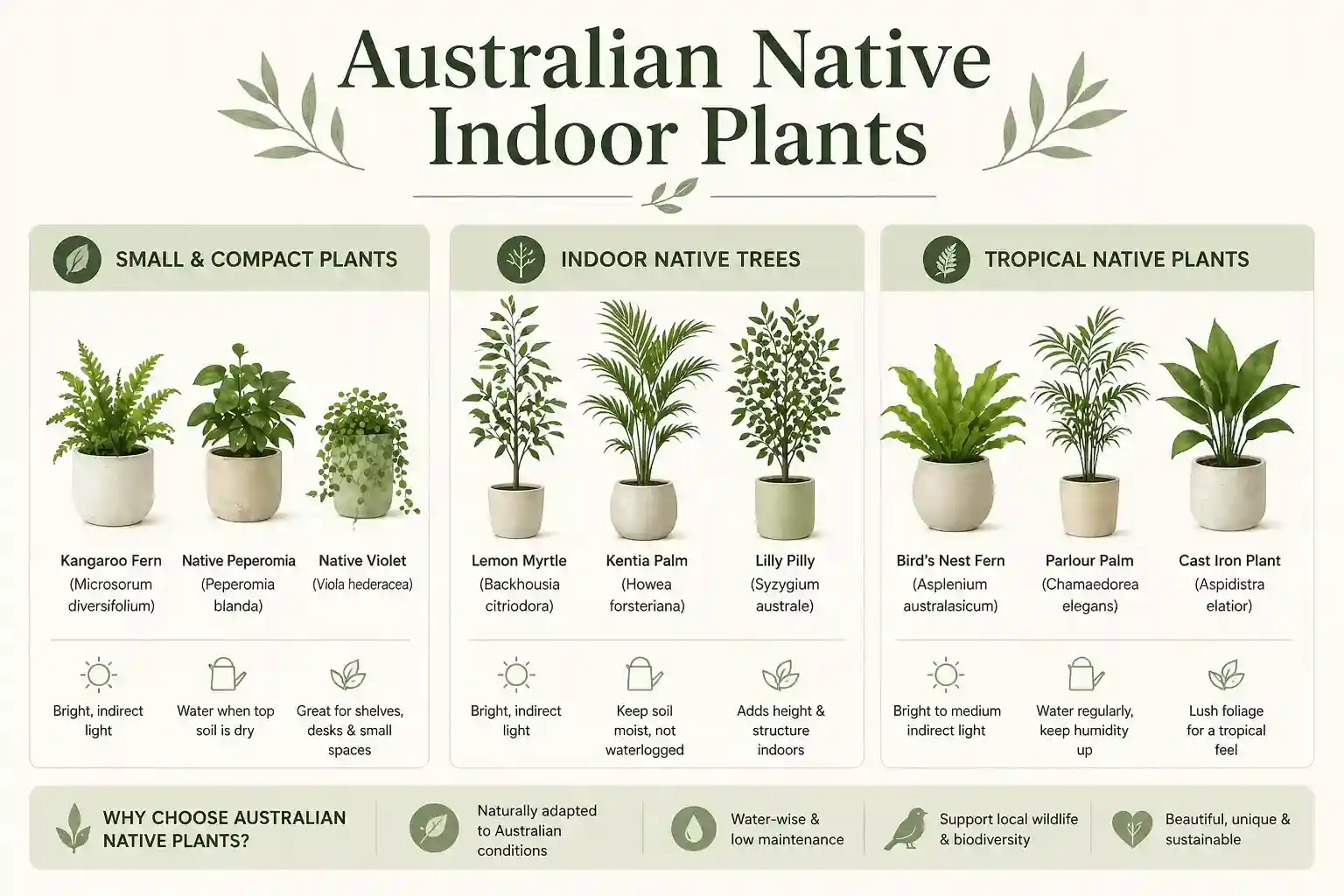
Small & Compact Indoor Native Plants
These are ideal for desks, shelves, and apartments where space is limited.
- Low-growing species like native violet (Viola hederacea)
- Compact foliage plants such as flax lilies (Dianella spp.)
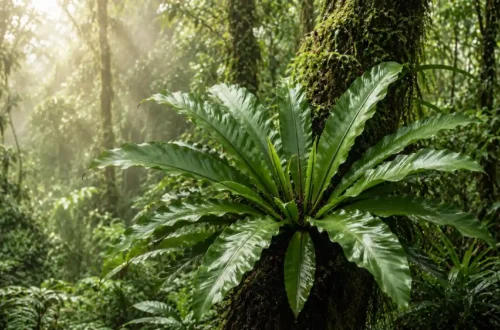
- Ferns like Asplenium australasicum
They are among the best Australian native indoor plants for beginners due to their size and adaptability. Flax lilies (Dianella spp.) are widely used as indoor australian natives due to their durability—learn more in our detailed guide on Flax Lily .
Indoor Native Trees and Statement Plants
Australian native indoor tree options provide height and structure.
- Kentia palm (Howea forsteriana)—tolerates low light and indoor conditions
- Small eucalyptus varieties grown in pots
- Indoor-friendly acacia species
These plants can be pruned to control height and maintained in containers.
Tropical Australian Native Plants for Indoors
These include lush, colourful tropical plants with bold foliage.
- Bird’s nest fern (Asplenium australasicum)
- Kangaroo fern (Microsorum diversifolium)
- Tropical rainforest species adapted to indoor humidity
They typically require:
- Moderate humidity
- Bright indirect light
- Consistent moisture
Benefits of Growing Native Australian Indoor Plants
Australian native indoor plants are generally easier to maintain than exotic houseplants because they are adapted to tough environmental conditions.
Key benefits include:
- Low maintenance: Require less watering and care
- Climate adaptation: Naturally suited to Australian conditions
- Water efficiency: Use less water than many imported plants
- Biodiversity awareness: Reflect native ecosystems indoors
Native vs Non-Native Houseplants
| Feature | Native House Plants | Exotic Houseplants |
| Water Needs | Low | Moderate to high |
| Maintenance | Low | Moderate |
| Climate Adaptation | High | Variable |
| Sustainability | Eco-friendly | Less sustainable |
Best Australian Native Indoor Plants (Top Picks)
- Hardy foliage plants: Mat rush (Lomandra longiflora), flax lily (Dianella spp.)
- Native flowering plants: Native violet (Viola hederacea)
- Large leaf tropical plants Australia: Bird’s nest fern, kangaroo fern
These are considered among the best indoor plants Australia due to their adaptability and visual appeal.
Indoor vs Outdoor Australian Native Plants
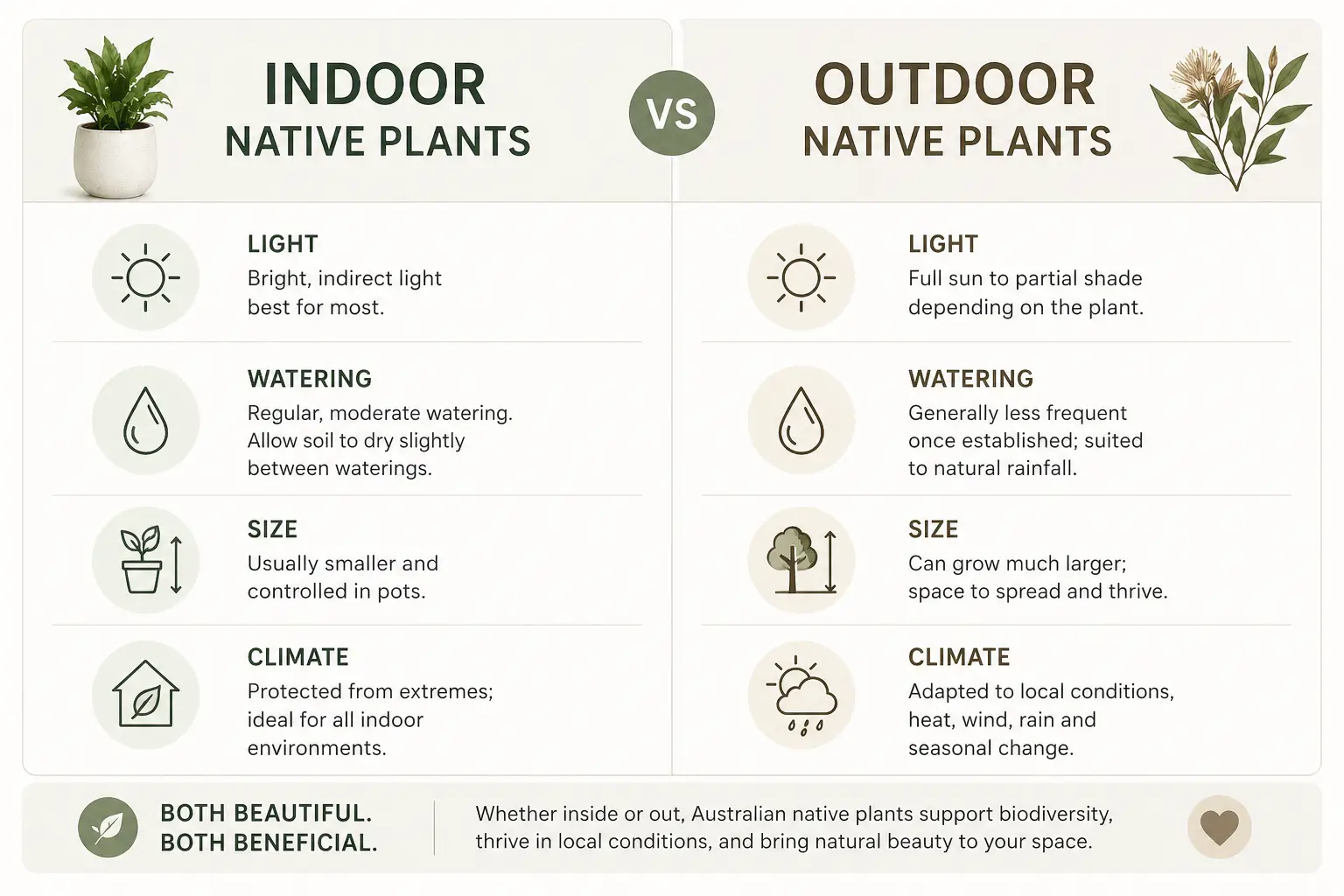
| Feature | Indoor Australian Native Plants | Outdoor Australian Native Plants |
| Light Needs | Indirect or filtered light | Full sun to partial sun |
| Growth Size | Controlled by pots | Full natural size |
| Watering | Moderate, controlled | Rain-dependent |
| Climate Exposure | Stable indoor conditions | Seasonal variations |
Indoor Australian natives are specifically selected or adapted to handle reduced light and controlled environments, while outdoor plants often require full sun and natural weather exposure.
Ideal Growing Conditions for Native Indoor Plants
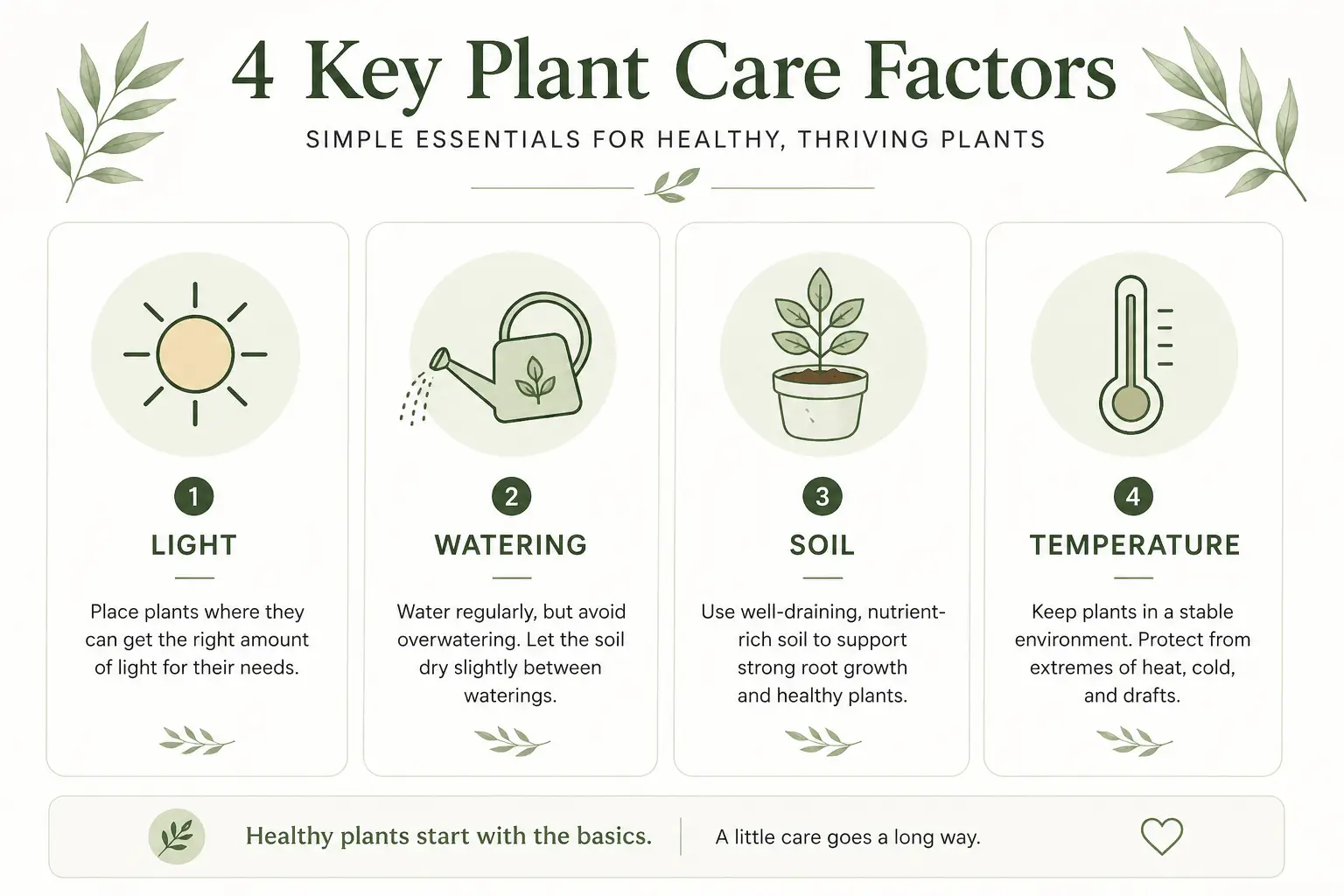
Light Requirements
Most indoor Australian native plants prefer bright, indirect light, although some tolerate lower light conditions.
Watering Needs
They are drought-adapted but sensitive to overwatering. Allow soil to dry slightly between watering.
Soil & Potting Mix
Use:
- Free-draining soil
- Low-phosphorus native plant mixes
Temperature & Humidity
- Stable indoor temperatures
- Moderate humidity for tropical species
Care Guide for Australian Native Indoor Plants
Watering Routine
- Water less frequently than tropical houseplants
- Avoid waterlogging
Light Placement Tips
- Place near windows with filtered sunlight
- Rotate plants for even growth
Soil and Fertilization
- Use native-specific soil
- Apply low-phosphorus fertilizer sparingly
Pruning and Maintenance
- Remove dead leaves
- Trim for shape and growth
Climate Considerations
- Avoid extreme indoor heat or cold
- Maintain consistent conditions
Common Problems with Native Indoor Plants (Problem-Solution Section)
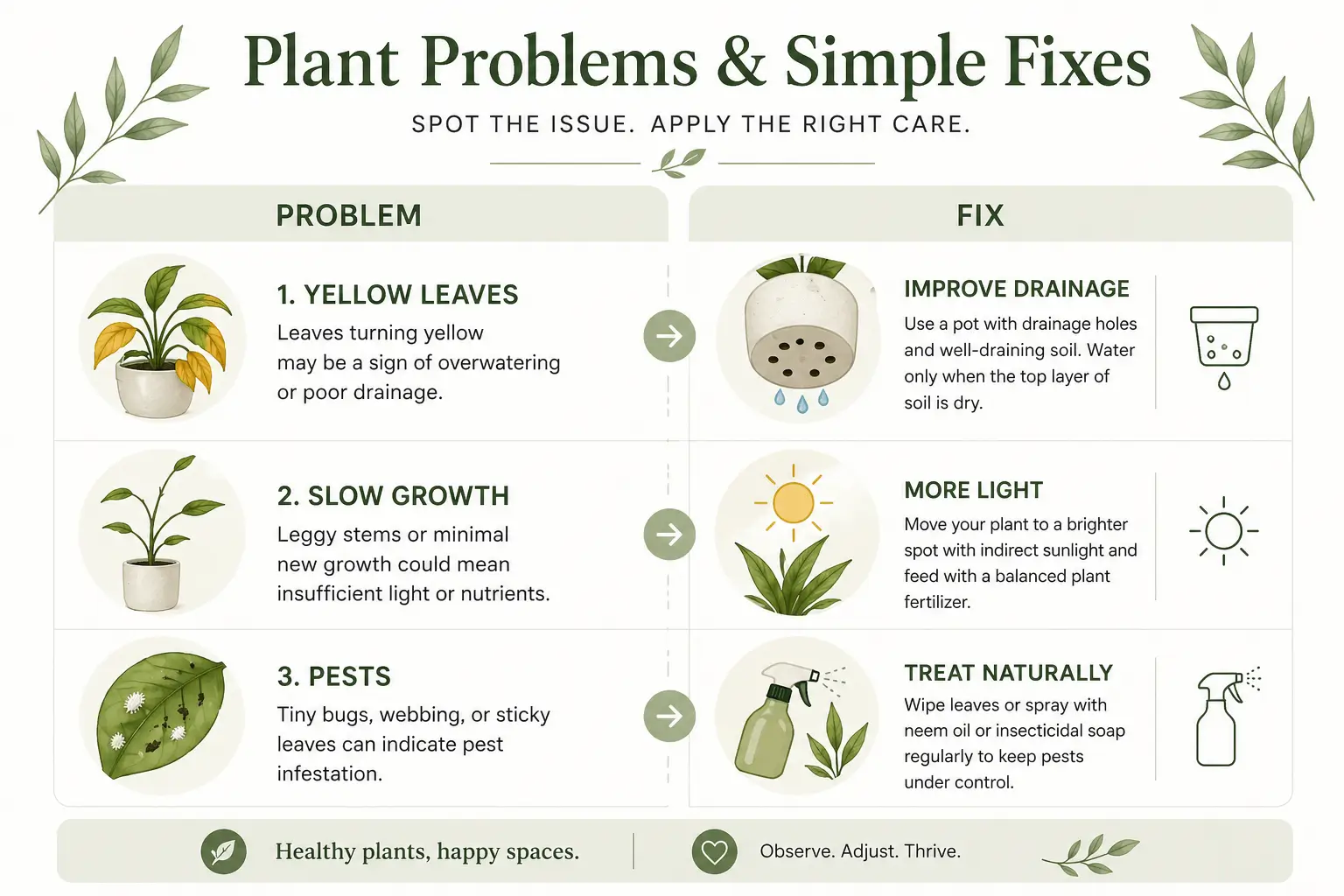
Yellowing Leaves
Cause: Overwatering or poor drainage
Fix: Reduce watering and improve soil drainage
Slow Growth
Cause: Low light or nutrient deficiency
Fix: Move to brighter area and fertilize lightly
Pest Issues Indoors
Cause: Dry air or poor airflow
Fix: Improve ventilation and use natural pest treatments
Beginner Mistakes to Avoid When Growing Native Indoor Plants
- Overwatering drought-tolerant plants
- Using heavy or poorly draining soil
- Placing plants in extremely low light
- Choosing outdoor-only species for indoor use
A common beginner mistake is treating native indoor plants like tropical houseplants, which often leads to overwatering.
Choosing the Right Native Indoor Plants for Your Space
Based on Light Availability
- Low light: ferns and shade-tolerant plants
- Bright light: palms and flowering natives
Based on Space Size
- Small spaces: compact plants
- Large rooms: indoor native trees
Based on Maintenance Level
- Low maintenance: drought-tolerant species
- Moderate care: tropical natives
Where Native Indoor Plants Fit in Broader Indoor Gardening
Australian native indoor plants align with general indoor plant care principles but emphasize sustainability and low-resource gardening.
They contribute to:
- Sustainable indoor gardening practices
- Reduced water usage
- Integration with house plants indoor plants setups
These plants also strengthen the connection to native plants Australia ecosystems.
Conclusion
Australian native indoor plants offer a practical and sustainable way to bring nature indoors while maintaining low-maintenance care requirements. Their natural adaptability, drought tolerance, and resilience make them ideal for modern indoor environments. By selecting the right species and understanding their growing conditions, you can successfully grow native indoor plants that enhance indoor spaces while supporting eco-friendly gardening practices.
FAQs
What are the best Australian native indoor plants for beginners?
The best options include hardy, low-maintenance plants like flax lilies, mat rush, and bird’s nest ferns, which tolerate low light and irregular watering.
Can Australian native plants grow indoors permanently?
Yes, many species can grow indoors permanently if provided with proper light, soil, and watering conditions.
How often should I water native indoor plants?
Water less frequently than tropical houseplants, allowing soil to dry slightly between watering.
Do Australian native indoor plants need special soil?
Yes, they require well-draining soil designed specifically for native plants to prevent root issues.
Are native Australian indoor plants suitable for low light?
Some species adapt well to low light, but most prefer bright indirect light for optimal growth.
Can outdoor Australian native plants be moved indoors?
Only certain adaptable species can transition indoors; many outdoor plants require full sun and natural conditions.