Introduction
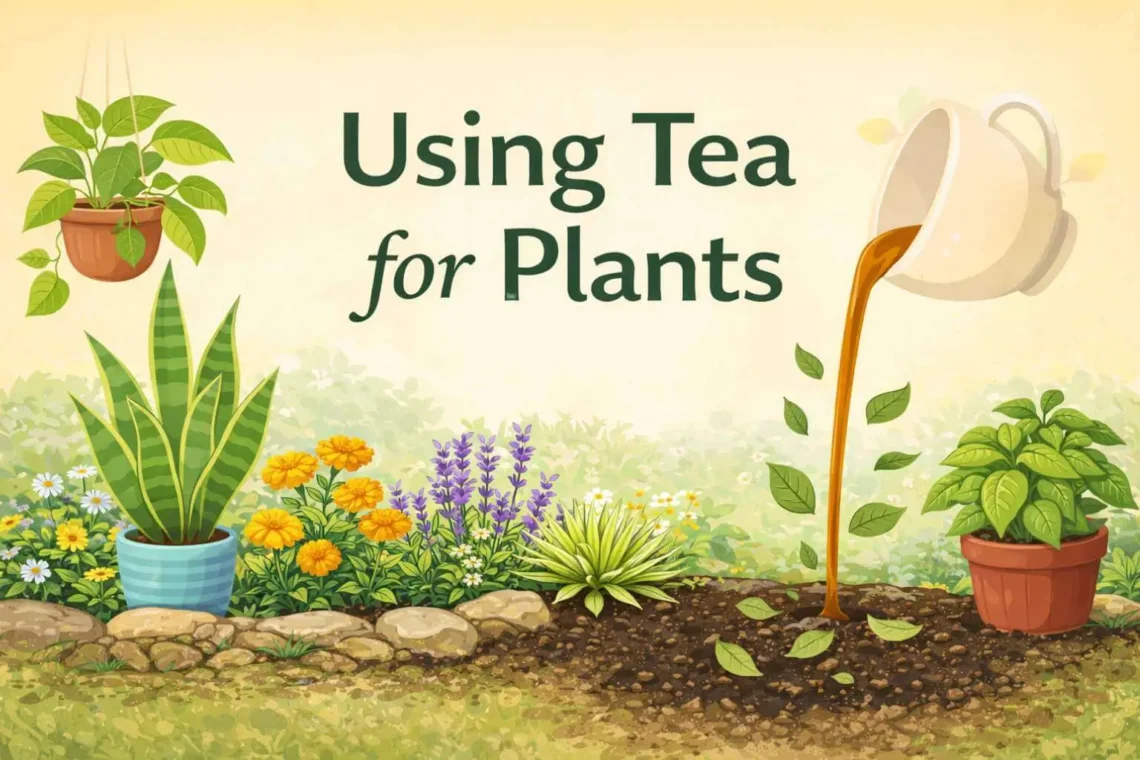
Using tea for plants is a natural way to enhance growth and improve soil health. Tea, whether brewed water or leftover leaves, acts as a mild organic fertilizer, providing nutrients, antioxidants, and a gentle acidity that can benefit many plants. Both green and black teas, as well as herbal varieties, can be used carefully to promote plant vitality. While tea offers growth stimulation and soil enrichment, overuse or incorrect application may harm plants, especially those sensitive to caffeine. Understanding how to use tea properly ensures that indoor, garden, and potted plants receive its benefits safely and effectively.
Understanding Tea as a Plant Supplement
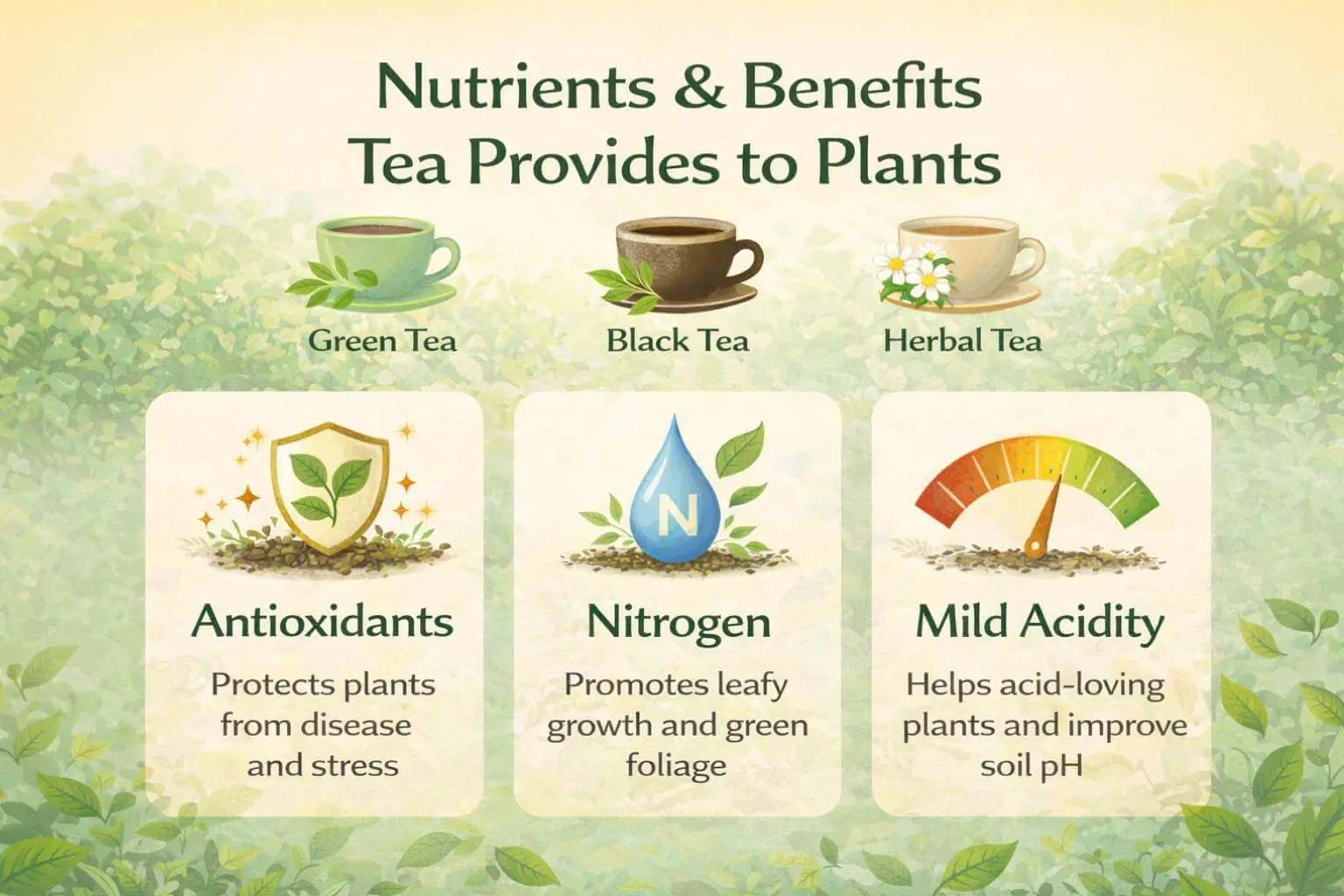
Tea contains essential nutrients, antioxidants, and natural acids that can improve soil quality and plant health. When applied to soil or plant roots, tea can increase microbial activity, enhance nutrient absorption, and support organic matter decomposition. Green tea fertilizer and black tea for plants offer slightly different benefits due to their chemical composition, while compost tea is commonly used as a liquid supplement to boost soil fertility. Many gardeners ask, “Is tea good for plants?” The answer depends on the type of tea, its preparation, and the plant species.
Benefits of Using Tea for Plants
-
Growth stimulation and nutrient enrichment
Tea water or tea leaves can promote plant growth by supplying nitrogen, polyphenols, and micronutrients. Green tea for plants is particularly rich in antioxidants that stimulate root development, while tea water for plants provides a gentle nutrient boost. Regular, moderate application encourages healthier leaves, stronger stems, and improved flowering.
-
Soil enrichment and microbial activity
Used tea leaves serve as organic matter that enriches soil structure and supports beneficial microbes. Adding compost tea to soil accelerates decomposition and fosters microbial diversity. Gardeners often find that “is used tea good for plants” or compost tea helps maintain fertile, aerated soil that encourages long-term plant health. Adding tea leaves to soil increases organic matter and supports beneficial microbes, similar to the principles of compost.
How to Use Tea for Plants Safely
Tea water application
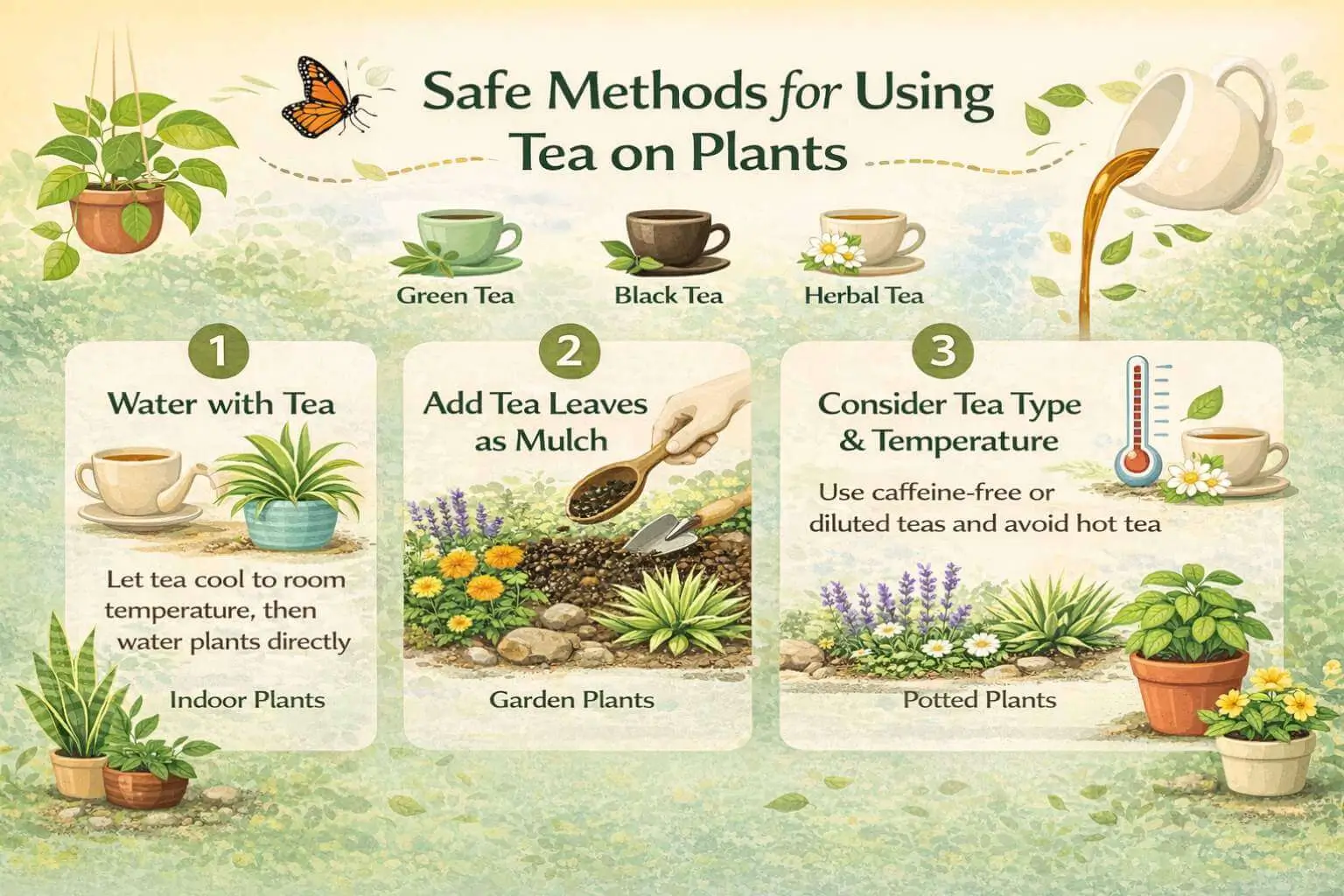
Tea water can be applied directly to indoor and outdoor plants. For houseplants, dilute brewed tea to prevent over-acidity. Outdoor garden plants may benefit from periodic tea watering to supplement nutrients. Using tea to water plants helps improve soil hydration while providing mild fertilization.
Tea leaves as mulch or fertilizer
Dried or wet tea leaves can be sprinkled around plant bases as mulch or incorporated into compost. This adds organic matter, retains soil moisture, and releases nutrients slowly. Some plants, however, do not tolerate tea leaves, so it’s essential to know which species are sensitive.
Tea temperature and type considerations
Cold tea and brewed tea have different effects on plants. Cold tea is safe for most indoor plants, while brewed tea may provide stronger nutrients. Green tea is often recommended for indoor plants, whereas herbal teas like chamomile, peppermint, or rooibos can be used selectively. Understanding “is cold tea good for plants?” or “is brewed tea good for plants?” ensures safe application.
Tea for Different Plant Settings
-
Indoor Plants
Tea can improve soil quality and nutrient levels for houseplants. Plants that tolerate mild acidity thrive with diluted tea water. Careful monitoring is necessary to avoid overwatering or leaf damage. Indoor gardeners often ask, “what plants like tea water indoors?” For example, houseplants like the Spider Plant benefit from mild nutrients and antioxidants, similar to how tea water enriches soil.
-
Garden Plants
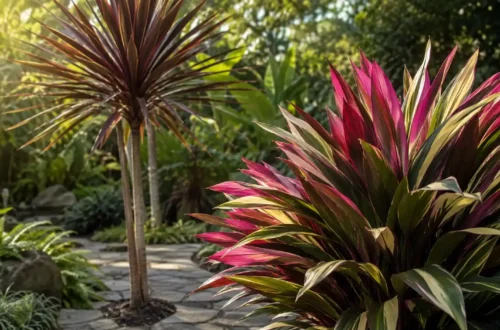
Tea is suitable for garden plants, enhancing soil fertility and supporting flowering. Periodic watering with tea improves growth and provides mild nutrient supplementation. Many gardeners wonder, “is tea good for plants and flowers?” when using it outdoors. Tea applications can enhance garden plants, just as plants like Sweet Flag Grass thrive with enriched soil and proper nutrient supplementation.
-
Potted Plants
In pots, limited soil volume requires careful tea application. Tea water should be diluted to avoid root burn, and leaves must be monitored for mold. Using tea judiciously in potted plants supports growth without over-acidifying the soil.
Common Problems and Mistakes When Using Tea
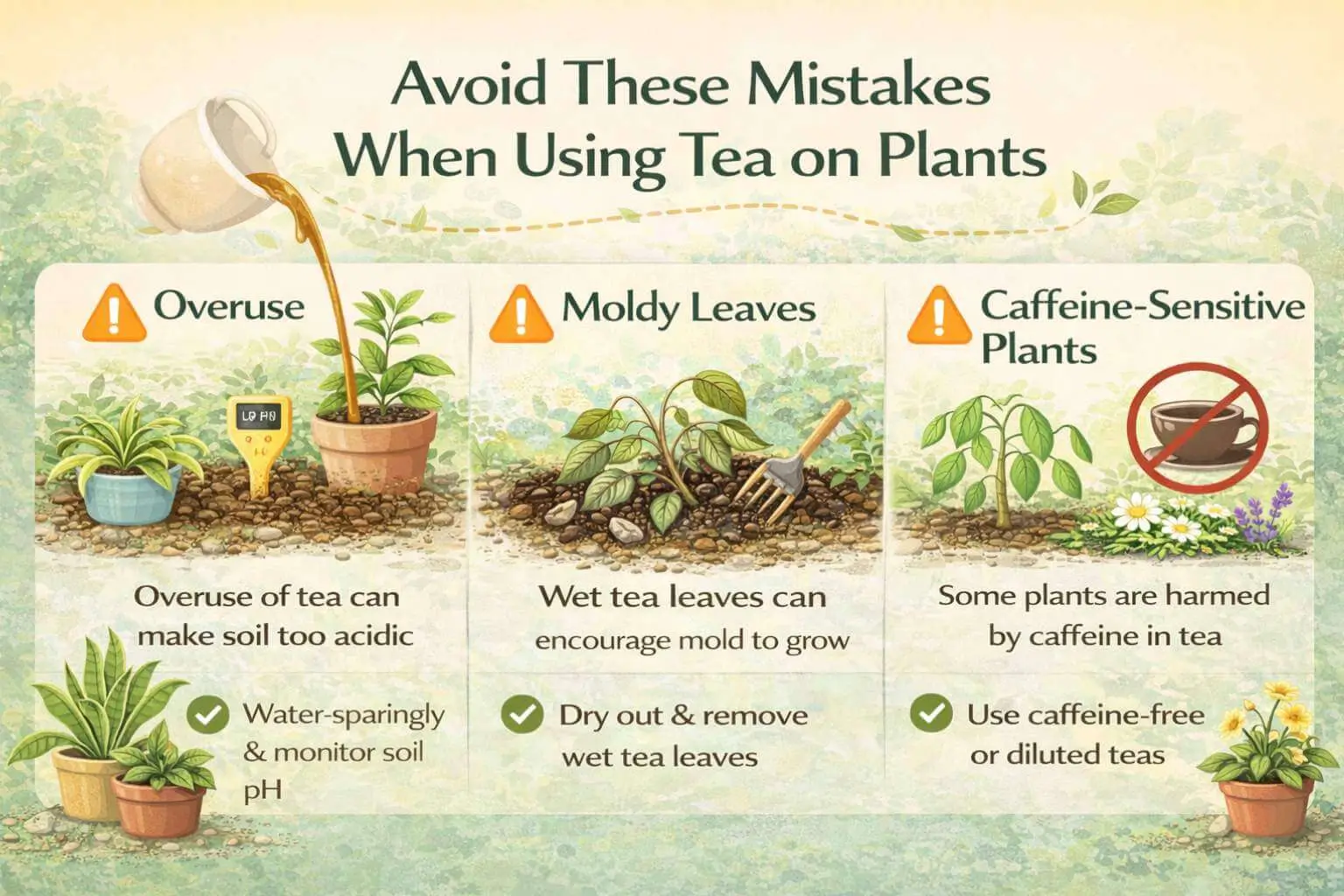
Overuse of tea can increase soil acidity, leading to nutrient imbalance. Wet tea leaves may promote mold or fungal growth if left on the soil surface. Some plants are sensitive to caffeine and can suffer from leaf burn or stunted growth. Monitoring plant response and using tea moderately prevents common issues. Gardeners often consult resources like “is tea good for plants Reddit?” to troubleshoot problems and optimize tea use.
Differentiating Tea from Other Plant Supplements
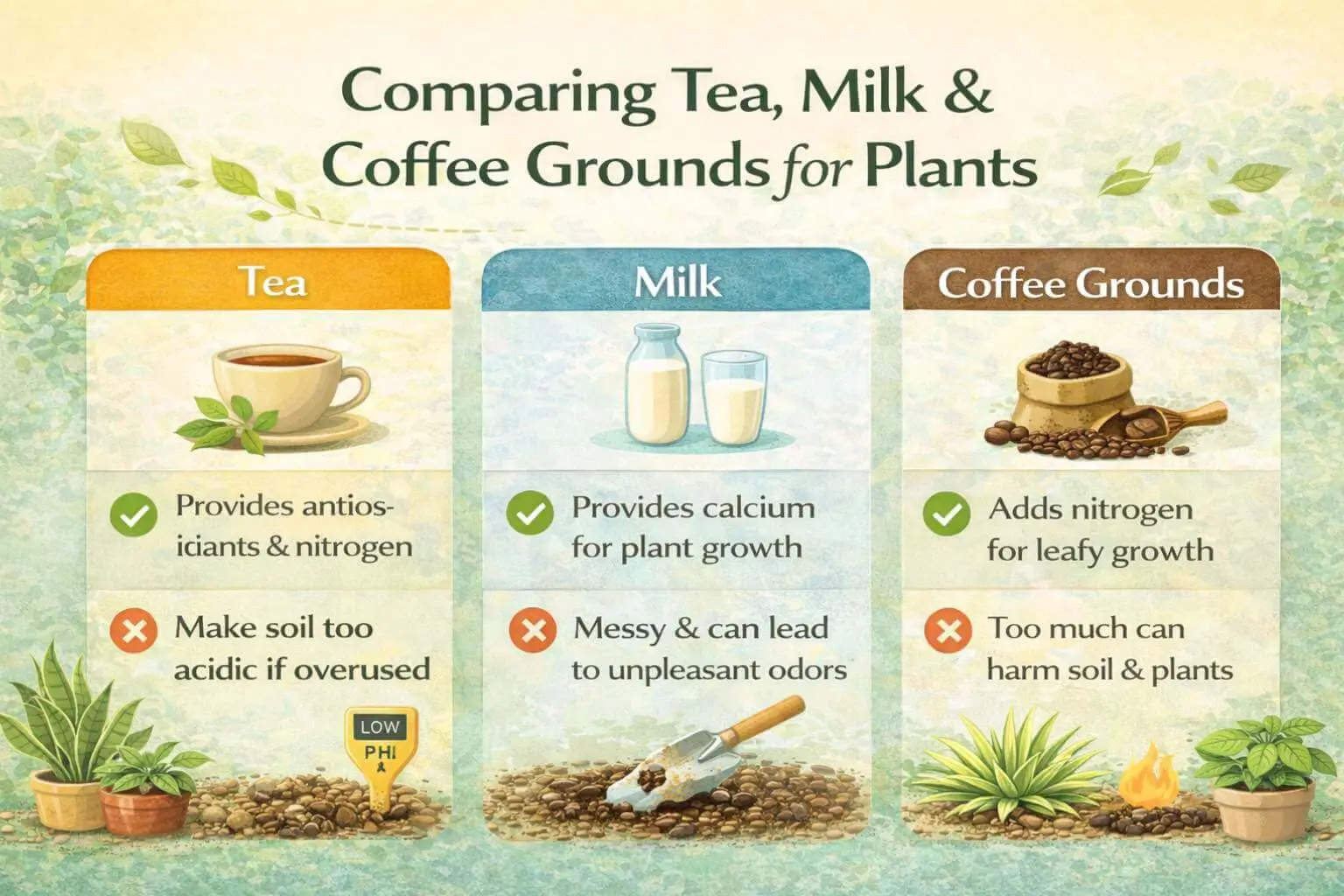
Tea offers gentle nutrients compared to milk or coffee. Green tea fertilizer provides antioxidants and nitrogen, while milk can add calcium, and coffee grounds supply nitrogen and acidity. Each supplement has pros and cons depending on plant type, soil, and intended effect.
-
Milk as plant supplement
Milk is beneficial for plants in moderation. It provides calcium and minor nutrients, can prevent fungal infections, and can be diluted for foliar sprays. Questions like “is milk good for plants?” and “what does milk do to plants?” are common among gardeners using dairy as a supplement.
-
Coffee grounds
Coffee grounds enhance soil fertility and support microbial activity. They can be mixed into garden beds or pots. While “are coffee grounds good for plants?” and “coffee grounds as fertilizer” are frequently asked, excessive use can lead to over-acidity. Proper application balances nutrient benefits without harming plant roots.
Environmental and Seasonal Considerations
The effectiveness of tea varies by season and soil type. Spring and summer are ideal for tea applications due to active plant growth. Acidic soils respond better to tea supplements, whereas alkaline soils may need careful monitoring. Indoor plants require attention to humidity and soil moisture when using tea. Seasonal adjustments ensure optimal nutrient delivery without adverse effects.
Conclusion
Tea is a versatile, natural supplement for indoor, garden, and potted plants. Both tea water and leaves provide nutrients, stimulate growth, and enrich soil while supporting beneficial microbes. Safe application involves considering tea type, dilution, plant sensitivity, and environmental conditions. By understanding these factors, gardeners can use tea effectively to enhance plant health and achieve sustainable growth.
FAQs
- Can I water my houseplants with green tea?
Yes, diluted green tea water can nourish houseplants, providing mild nutrients and antioxidants while promoting root development. - Which plants should not be given tea leaves?
Plants sensitive to acidity or caffeine, such as ferns and some succulents, should avoid tea leaves to prevent leaf burn or stunted growth. - Is cold tea better than warm tea for plants?
Cold tea is safe for most plants and prevents root shock, while warm or brewed tea offers stronger nutrients but should be applied carefully. - How often can I use tea water on my garden plants?
Once every one to two weeks is generally safe for garden plants, ensuring soil nutrients are supplemented without causing acidity buildup. - Can used tea bags be composted for plant growth?
Yes, used tea bags can be added to compost to enrich soil with organic matter and promote microbial activity, supporting healthy plant growth. - Is black tea or green tea more beneficial for plant fertilization?
Green tea provides more antioxidants and mild nutrients, ideal for indoor plants, while black tea offers nitrogen and organic acids suitable for garden soils. - Can herbal teas like chamomile or peppermint help plants?
Herbal teas can benefit some plants by providing mild nutrients and antimicrobial properties, but they should be tested on a small scale due to variability in plant tolerance.