Introduction
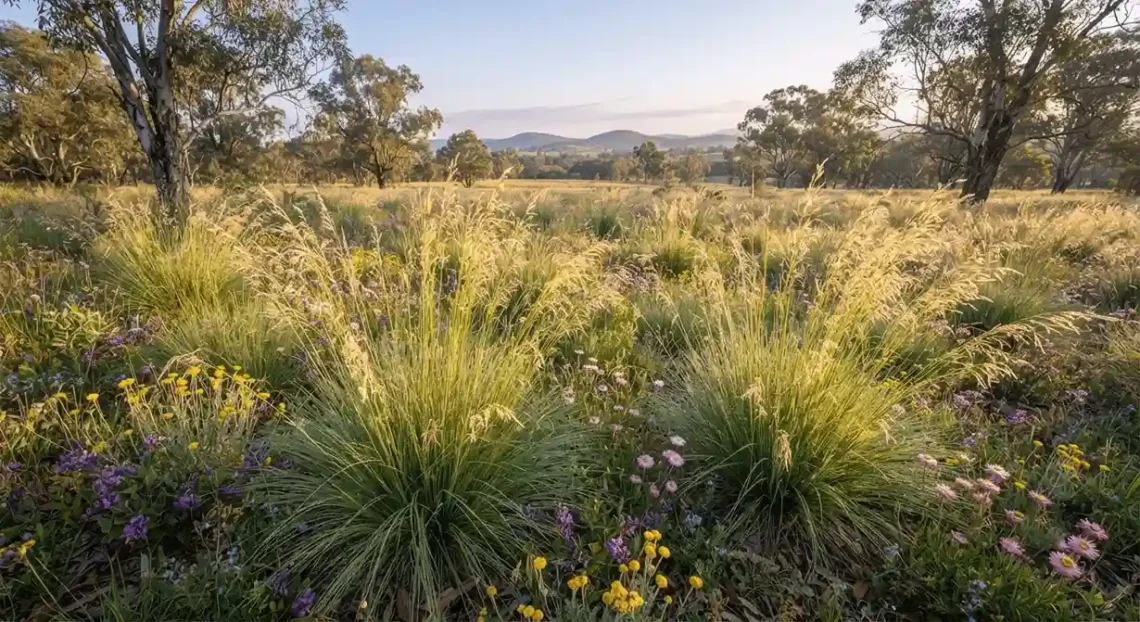
Rytidosperma racemosum, commonly known as wallaby grass, is a hardy Australian native tussock grass valued for its adaptability and ecological benefits. This perennial species occurs naturally across much of southern and eastern Australia and is widely used in native gardens, ecological restoration projects, wildlife habitats, and low-maintenance landscapes. As a member of the Rytidosperma genus in the grass family Poaceae, it forms attractive clumps of fine foliage and produces delicate flowering stems that sway in the breeze. Gardeners appreciate common wallaby grass for its drought tolerance, ability to grow in poor soils, and contribution to biodiversity. It is also an important component of many native grassland ecosystems.
Quick Summary
Rytidosperma racemosum is a hardy Australian native grass commonly known as wallaby grass.
It thrives in a wide range of soils and requires minimal maintenance once established.
Its seeds support habitat restoration, while the plant attracts beneficial insects and wildlife.
The species is widely used in sustainable landscaping, native meadows, and erosion control.
What Is Rytidosperma racemosum?
Rytidosperma racemosum is an Australian native perennial grass that forms dense tussocks and produces fine flowering stems during the warmer months. It belongs to the genus Rytidosperma, a group of native grasses commonly referred to as wallaby grasses.
The Rytidosperma racemosum common name is common wallaby grass or common wallaby-grass. The wallaby grass scientific name and wallaby-grass scientific name refer to the botanical name Rytidosperma racemosum.
This species is particularly important in native grasslands and open woodland ecosystems. It provides habitat and food for insects, small birds, and other wildlife while helping stabilize soil. In gardens, it is used as an ornamental grass, meadow plant, and low-water landscaping option.
In our experience growing native grasses, Rytidosperma racemosum performs best when planted in groups, where its soft foliage and seasonal seed heads create a natural meadow effect.
Scientific Classification
| Classification | Details |
| Kingdom | Plantae |
| Family | Poaceae (grass family) |
| Genus | Rytidosperma |
| Species | Rytidosperma racemosum |
Historically, this species was classified under the older botanical name austrodanthonia racemosa. Many older nursery labels, restoration guides, and botanical references may still use that name. Modern taxonomy places the species within the genus Rytidosperma.
Understanding this historical naming is useful when sourcing plants or seed, as both names may appear in Australian native plant catalogs.
Key Identification Features of Wallaby Grass
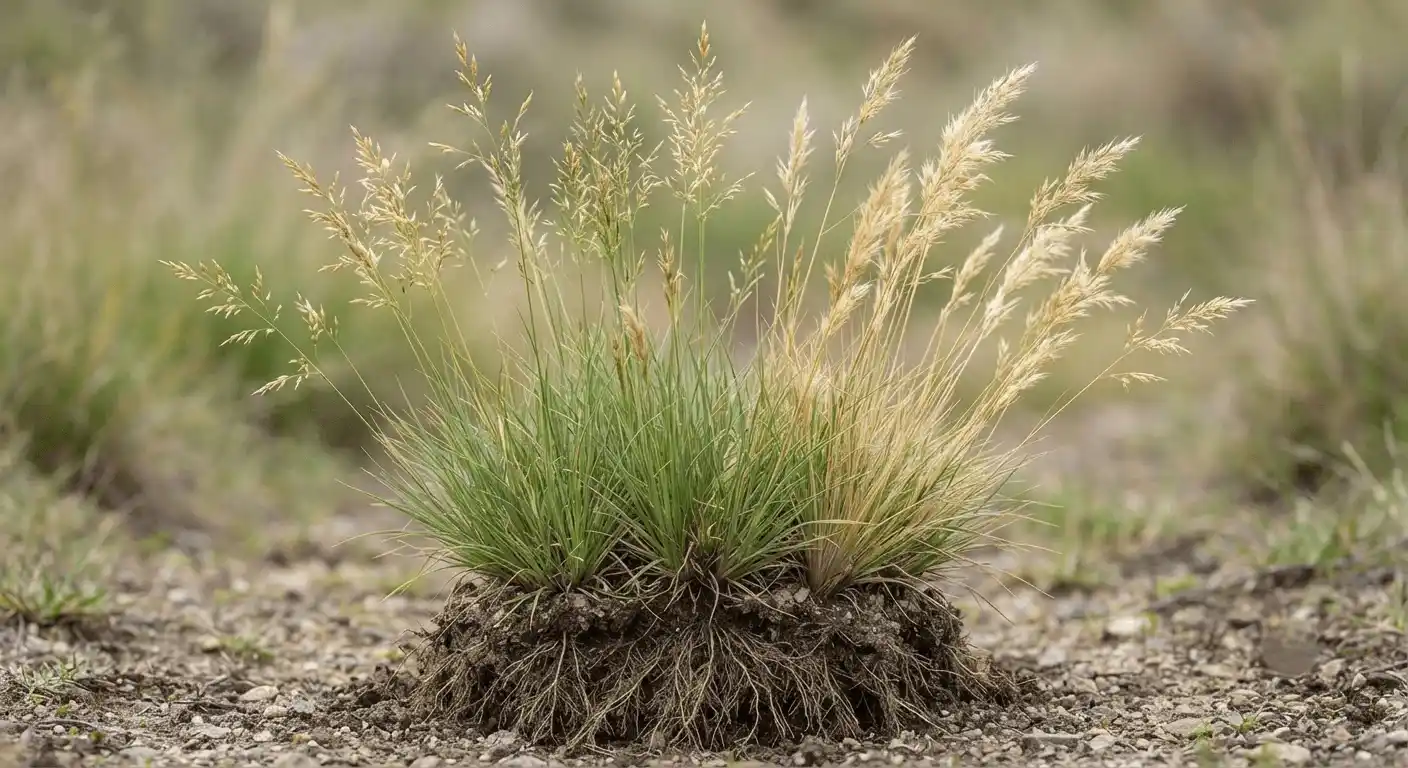
Recognizing Rytidosperma racemosum is easier when you look at its overall growth habit and seed heads.
Typical identification features
- Growth habit: Dense, tufted perennial tussock.
- Leaves: Fine, narrow leaves that are usually green to grey-green.
- Flower heads: Slender stems carrying small spikelets.
- Seed heads: Fine, airy seed heads that become more noticeable in spring and summer.
- Seasonal appearance: Growth is strongest during cooler, wetter periods.
- Colour changes: Foliage may become slightly bronze or straw-coloured during dry conditions before recovering with rain.
When viewed from a distance, common wallaby grass forms soft-textured mounds that blend well with other native grasses and flowering perennials.
As of the 2026 growing season, many native grass growers continue to recommend leaving seed heads intact through late summer because they provide wildlife value and natural regeneration opportunities.
How to Distinguish It from Similar Native Wallaby Grasses
Several Australian native grasses look similar to Rytidosperma racemosum. The table below highlights the main differences.
| Species | Leaf Texture | Flower Appearance | Habitat | Key Difference |
| Rytidosperma racemosum | Fine, soft | Open, airy seed heads | Grasslands, woodlands | Graceful flowering stems |
| Rytidosperma caespitosum (austrodanthonia caespitosa) | Finer and denser | Compact heads | Dry grasslands | Smaller, tighter tussocks |
| Rytidosperma setaceum (austrodanthonia setacea) | Very fine | Delicate stems | Dry sites | More thread-like foliage |
| Rytidosperma pilosum | Hairy leaves | Small spikelets | Woodlands | Noticeably hairy foliage |
| Rytidosperma geniculatum | Fine | Branched stems | Open forests | More bent flowering stems |
| Rytidosperma fulvum | Broader leaves | Golden-brown heads | Dry inland areas | Warmer golden tones |
| Rytidosperma tenuius | Very slender | Fine spikelets | Grasslands | Narrower overall appearance |
| Bristly wallaby grass | Bristly texture | Rough seed heads | Dry grasslands | Distinctly rougher feel |
For home gardeners, the easiest field clue is the combination of soft green tussocks and airy flowering stems that rise above the foliage during the growing season.
Natural Habitat and Distribution
Rytidosperma racemosum is native to Australia and occurs across a broad range of environments, particularly in southern and eastern regions.
Common habitats
- Native grasslands
- Open woodland
- Dry sclerophyll forests
- Coastal grasslands
- Roadside remnants
- Restoration sites
It is especially common in Victoria, where wallaby grass Victoria and wallaby-grass Victoria are familiar components of remnant native grasslands and council revegetation projects.
One of the species’ strengths is its environmental adaptability. It can grow in sandy soils, loams, and lighter clay soils provided drainage is reasonable. This adaptability explains why it is widely used in ecological restoration and sustainable landscaping across different climate zones.
Greenery Inside recommends using locally sourced seed or tube stock whenever possible, as local provenance plants are often better adapted to regional conditions.
Rytidosperma racemosum Size and Growth Habit
The typical Rytidosperma racemosum size is modest, making it suitable for both small gardens and larger naturalistic plantings.
Mature height
30–80 cm
Flowering stems
Up to 1 m
Mature spread
30–60 cm
Growth form
Tufted perennial tussock
Growth characteristics
- Forms neat clumps rather than spreading aggressively.
- Develops a fibrous root system that helps stabilize soil.
- Produces fresh foliage from the base after seasonal rain.
- Can persist for many years with minimal maintenance.
The root system is particularly useful for erosion control on slopes and disturbed ground. Mature plants become increasingly drought resilient as roots penetrate deeper into the soil.
Growth Rate
Rytidosperma racemosum is slow to establish initially but develops into a reliable, moderately growing perennial over time.
Year 1
Slow establishment
Year 2 onward
Moderate steady growth
Best growth
Cooler seasons with moisture
Factors affecting growth
- Rainfall: More active growth during wetter periods.
- Soil fertility: Moderate fertility is sufficient; excessive fertility can reduce the natural form.
- Sun exposure: Full sun generally produces the strongest flowering and densest tussocks.
- Competition: Young plants establish faster when weeds are controlled.
In our experience, gardeners sometimes expect rapid results from native grasses. With Rytidosperma racemosum, patience during the first year is rewarded with a long-lived, low-maintenance plant that improves in appearance each season.
Rytidosperma racemosum Care Guide
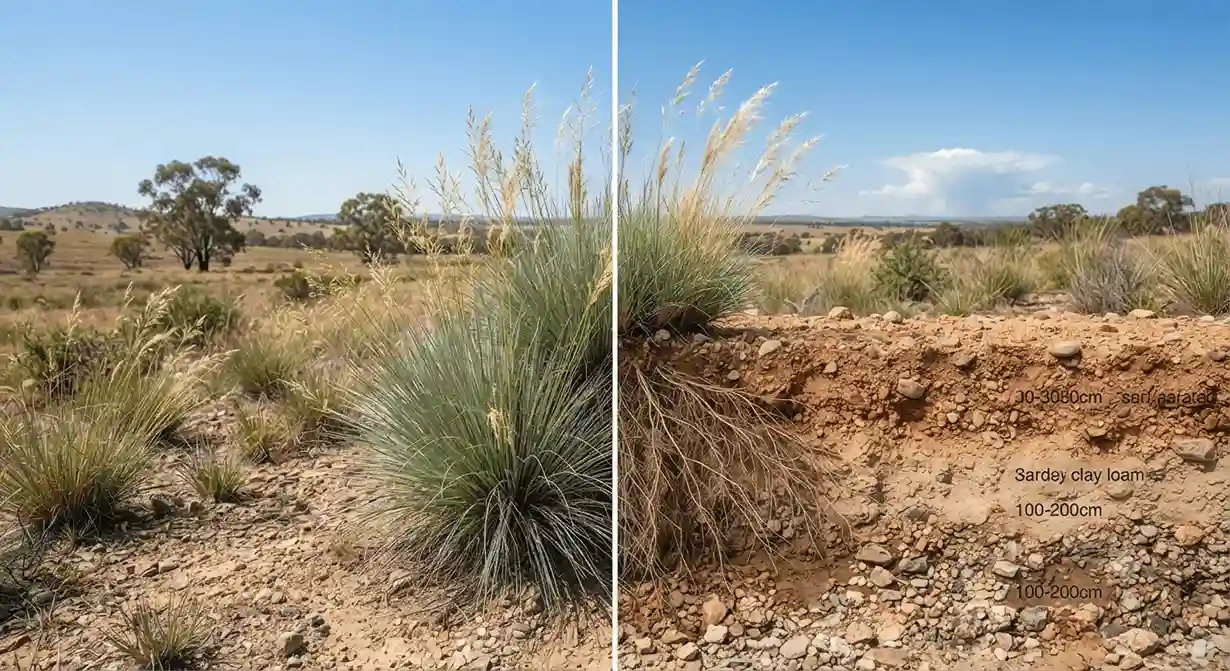
Once established, Rytidosperma racemosum is one of the easiest Australian native grasses to maintain. It naturally grows in nutrient-poor environments and adapts well to a range of garden conditions. Providing suitable light, well-drained soil, and moderate watering during establishment helps develop healthy tussocks that can thrive for many years.
In our experience growing Australian native grasses, the biggest contributor to long-term success is avoiding excessive care. Unlike many ornamental grasses, Rytidosperma racemosum care focuses on working with the plant’s natural adaptations rather than forcing rapid growth.
Care at a Glance
| Care Factor | Recommendation |
| Water | Regular during establishment, minimal once established |
| Light | Full sun to partial shade |
| Soil | Well-drained sandy, loam, or light clay |
| Soil pH | Slightly acidic to slightly alkaline (approximately 6.0–7.8) |
| Fertilizer | Usually unnecessary; use only low-phosphorus native fertilizer if needed |
| Pruning | Remove old foliage every 1–2 years |
| Climate | Frost, heat, drought, wind, and coastal tolerant |
Water Requirements
Proper watering is most important during the establishment phase. Young plants need consistent moisture to develop a strong fibrous root system, while mature plants become highly drought tolerant.
Establishment Watering
During the first 8–12 weeks after planting:
- Water deeply once or twice each week.
- Allow the soil surface to dry slightly between waterings.
- Adjust watering based on rainfall and temperature.
- Avoid keeping the soil constantly wet.
Deep watering encourages roots to grow downward, producing stronger and more resilient plants.
Mature Watering Schedule
Once established, Rytidosperma racemosum generally survives on natural rainfall in many Australian regions.
Recommended watering schedule:
- Extended dry periods: Water every 2–4 weeks.
- Average rainfall regions: Supplemental watering is rarely required.
- Containers: Water when the top few centimetres of soil become dry.
Greenery Inside recommends deep, infrequent watering instead of frequent shallow irrigation, as this encourages healthier root development.
Drought Tolerance
One of the greatest strengths of wallaby grass is its drought resistance.
The narrow leaves reduce water loss, while the fibrous root system efficiently captures available soil moisture. During prolonged drought, foliage may temporarily become straw-coloured or partially dormant, but healthy plants usually recover after seasonal rainfall.
Light Requirements
Rytidosperma racemosum grows best in full sun, although it tolerates light partial shade. If you’re designing a low-light landscape, you can also explore our guide to Native Plants That Grow in Shade for more Australian species that thrive alongside wallaby grass in partially shaded gardens.
| Light Condition | Performance |
| Full sun | Best flowering, strongest growth |
| Partial shade | Healthy foliage with reduced flowering |
| Heavy shade | Sparse growth and weaker tussocks |
Plants grown in sunny locations generally produce:
- More flowering stems
- Denser foliage
- Improved drought tolerance
- Better seed production
Shaded sites may encourage elongated growth and fewer flowers.
Soil Preferences
This native grass naturally occurs across many Australian soil types, making it adaptable to different gardens.
Suitable soils include:
- Sandy soils
- Sandy loam
- Loam
- Light clay with good drainage
- Gravelly native soils
The most important requirement is good drainage.
Soil Drainage
Poor drainage is one of the few conditions that consistently causes problems.
Avoid:
- Permanently wet soils
- Heavy compacted clay
- Areas where water pools after rain
Improving drainage with coarse sand, gravel, or organic matter often increases long-term success.
Soil pH
Ideal pH range:
- Slightly acidic
- Neutral
- Slightly alkaline
Approximately 6.0–7.8 provides excellent growing conditions.
Fertilizing
Most established plants require little or no fertilizer.
Because Rytidosperma racemosum evolved in naturally low-fertility environments, excessive feeding can produce weak, floppy growth.
If fertilization is necessary:
- Apply a slow-release native plant fertilizer.
- Choose low-phosphorus formulations.
- Fertilize lightly during spring if growth appears poor.
Avoid:
- High-phosphorus fertilizers
- Heavy applications of manure
- Excess nitrogen
These can reduce the plant’s natural form and encourage excessive leafy growth.
Pruning and Maintenance
Minimal pruning keeps plants attractive and encourages fresh growth.
Routine maintenance includes:
- Removing dead flowering stems.
- Trimming damaged foliage.
- Cleaning old leaves every 1–2 years.
- Dividing mature clumps if required.
Many gardeners cut plants back too aggressively.
Instead, remove only old foliage during late winter or early spring before new growth begins.
This timing protects wildlife using the seed heads while encouraging vigorous new shoots.
Managing Self-Seeding
Wallaby grass naturally produces viable seed.
If natural regeneration is desired:
- Leave seed heads until late summer.
- Allow mature seeds to disperse naturally.
If self-seeding is unwanted:
- Remove flowering stems before seeds mature.
- Dispose of seed heads away from garden beds.
Climate Tolerance
Rytidosperma racemosum performs well across a wide range of Australian climates.
| Climate Factor | Tolerance |
| Frost | Excellent |
| Heat | Excellent |
| Wind | High |
| Coastal exposure | Good |
| Drought | Excellent |
Its adaptability explains why it is commonly planted in:
- Native gardens
- Public landscapes
- Roadside revegetation
- Coastal restoration
- Rural properties
As of the 2026 growing season, restoration practitioners continue to recommend locally sourced seed where possible because regional ecotypes often establish more successfully than plants originating from distant areas.
Growing Rytidosperma racemosum from Seeds
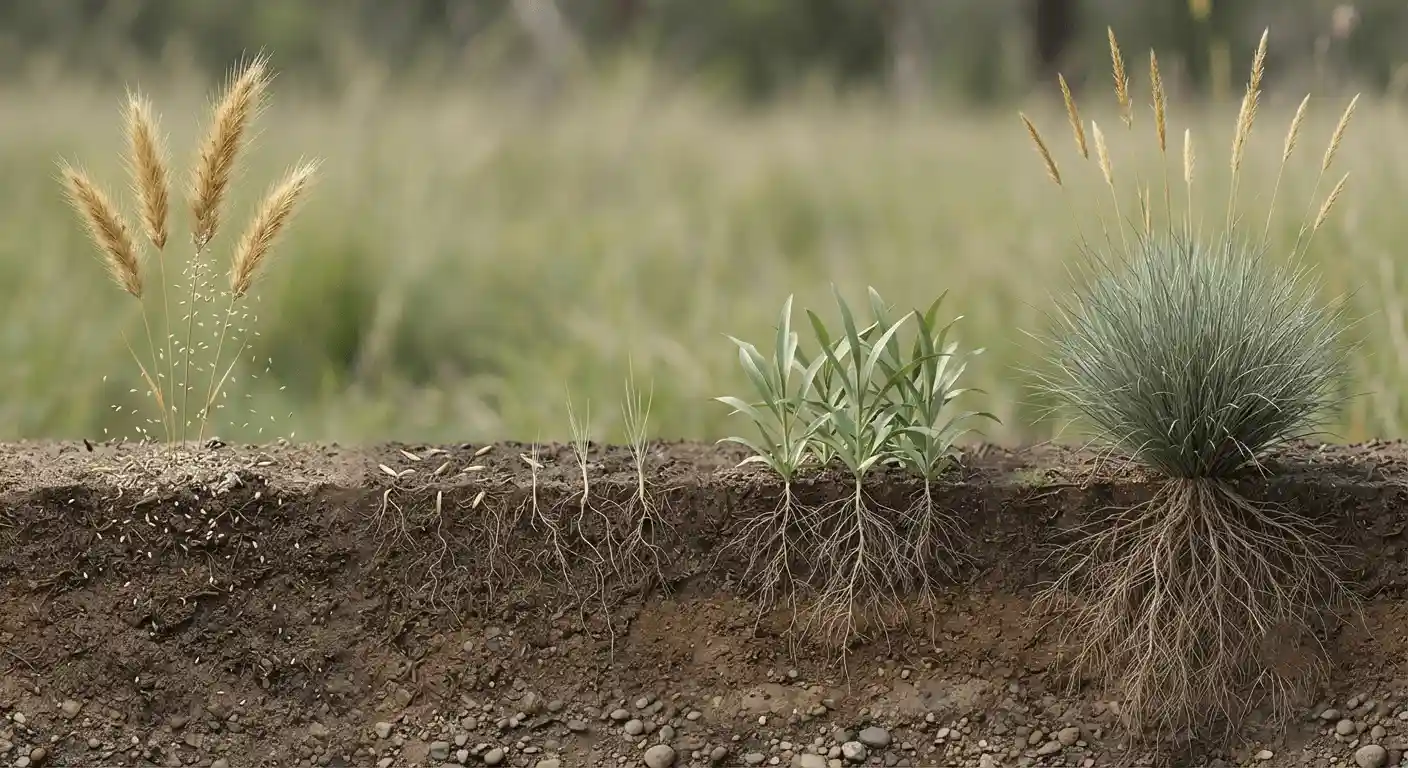
Growing Rytidosperma racemosum from seed is one of the most economical ways to establish large native grass plantings. Both home gardeners and ecological restoration projects commonly use seed propagation because it allows plants to develop naturally adapted root systems.
The species produces abundant seed, and under suitable conditions, germination is generally reliable without complicated pretreatment.
Naturally include:
- Rytidosperma racemosum seeds
- Wallaby grass seeds
Collecting Seed
Seed heads mature during late spring through summer, depending on local climate.
To collect seed:
- Wait until seed heads turn golden-brown.
- Cut mature flowering stems.
- Dry them in a paper bag for several days.
- Shake or gently rub the stems to release the seed.
- Remove excess plant material before storage.
Only collect seed from healthy, disease-free plants.
Seed Storage
Proper storage helps maintain viability.
Store seed in:
- Paper envelopes
- Cloth bags
- Airtight containers kept cool and dry
Avoid humid storage conditions, which may encourage mould or reduce germination.
Most freshly collected seed remains viable for several years when stored correctly.
Germination
Wallaby grass seeds generally germinate readily when moisture and temperature are suitable.
For best results:
- Use a free-draining native seed-raising mix.
- Sow seed on the surface or cover very lightly.
- Keep the growing medium evenly moist but never waterlogged.
- Place trays in a bright location with indirect sunlight.
Seedlings usually emerge within several weeks, although timing varies depending on temperature and seed freshness.
Direct Sowing
Direct sowing works particularly well for meadow gardens and restoration projects.
Recommended steps:
- Remove weeds before sowing.
- Lightly loosen the soil surface.
- Scatter seed evenly.
- Press seed gently into the soil.
- Water carefully until seedlings establish.
Avoid burying seed deeply, as many native grass seeds germinate best near the soil surface.
Nursery Propagation
Commercial nurseries often grow Rytidosperma racemosum in tubes or small pots before planting into landscapes.
Advantages include:
- Higher establishment success.
- Easier weed control.
- Earlier flowering.
- Reduced seedling losses.
This approach is ideal for home gardens where only a limited number of plants are required.
Best Time to Sow Seeds
Autumn and spring are generally the best seasons for sowing wallaby grass seeds.
| Season | Advantages |
| Autumn | Cooler weather, reliable rainfall, strong root development before summer |
| Spring | Warm soil encourages rapid germination and early growth |
Autumn sowing is often preferred because young plants establish roots during cooler months before facing summer heat.
Germination Temperature
Ideal germination temperatures are approximately:
- 15–25°C
Consistent moisture and moderate temperatures usually produce the most reliable germination.
Seedling Establishment
Young seedlings benefit from:
- Weed-free surroundings.
- Moderate watering.
- Full sun or light shade.
- Protection from heavy foot traffic.
Once plants develop several leaves and strong roots, they become increasingly resilient.
In our experience, the first growing season is the most important. Healthy seedlings that establish well during their first year often require very little attention in subsequent seasons.
Landscaping Uses of Wallaby Grass
Rytidosperma racemosum is widely valued for its versatility in sustainable landscape design. Its fine foliage, graceful seed heads, and adaptability make it suitable for both residential gardens and large-scale public landscapes. For gardeners looking to combine several native grass species, our guide to Shade Loving Grasses compares additional Australian grasses suitable for naturalistic and low-maintenance landscapes.
Unlike many ornamental grasses introduced from overseas, this Australian native integrates naturally into local ecosystems while requiring relatively little maintenance.
Common landscaping applications include:
- Native gardens
- Informal meadow gardens
- Wildlife-friendly landscapes
- Pollinator habitats
- Council streetscapes
- Roadside revegetation
- Erosion control projects
- Low-maintenance residential gardens
Native Gardens
Wallaby grass blends beautifully with Australian native shrubs, wildflowers, and groundcovers.
It pairs well with:
- Kangaroo grass (Themeda triandra)
- Lomandra species
- Dianella species
- Native daisies
- Grevilleas
- Small banksias
Its soft texture provides contrast against broader-leaved native plants while maintaining a natural appearance.
Meadow Gardens
The upright flowering stems create movement throughout the landscape.
Planting in drifts or large groups produces a meadow effect that changes with the seasons and supports greater biodiversity than traditional lawns.
Wildlife Gardens
The plant provides:
- Shelter for insects.
- Nesting material for small birds.
- Food for seed-eating wildlife.
- Habitat for beneficial invertebrates.
Leaving mature seed heads through late summer increases habitat value.
Pollinator Habitats
Although grasses rely primarily on wind pollination, wallaby grass contributes to pollinator gardens by supporting insects that depend on healthy native grassland ecosystems.
Native bees, butterflies, and predatory insects all benefit indirectly from diverse plant communities that include native grasses.
Council Landscapes and Public Spaces
Many municipalities use Rytidosperma racemosum because it offers:
- Reduced irrigation requirements.
- Long lifespan.
- Excellent drought performance.
- Attractive year-round structure.
- Lower maintenance costs.
Roadside Planting
Its deep fibrous roots stabilize disturbed soils while tolerating:
- Wind exposure
- Variable rainfall
- Poor soils
- Heat reflected from roads
Erosion Control
Dense root systems bind soil effectively on:
- Slopes
- Embankments
- Creek edges
- Restoration sites
This reduces soil movement during heavy rainfall events.
Low-Maintenance Gardens
For gardeners seeking sustainable landscapes, wallaby grass is an excellent alternative to thirsty exotic ornamentals.
Once established, routine maintenance generally involves only occasional trimming and seasonal cleanup rather than frequent watering or fertilizing.
Environmental Benefits
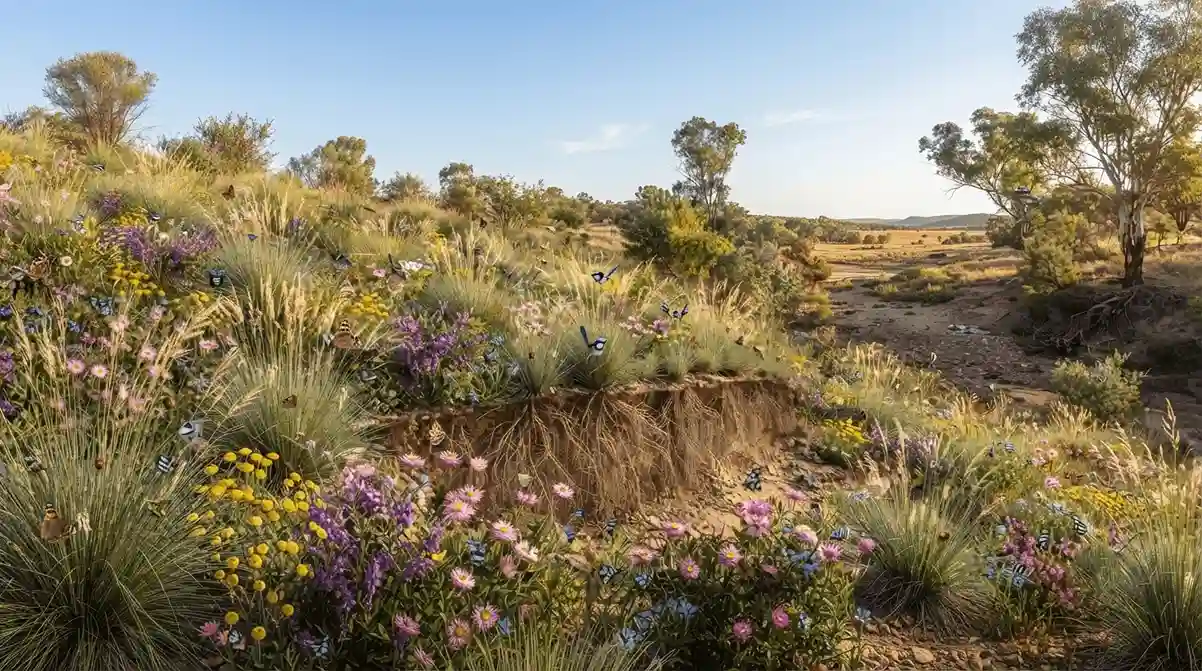
Beyond its ornamental value, Rytidosperma racemosum plays an important ecological role in Australian landscapes. As a native perennial grass, it supports biodiversity, improves soil health, and contributes to more resilient ecosystems. These environmental benefits make it a preferred species for revegetation projects, conservation reserves, and sustainable residential gardens.
Supports Native Wildlife
Common wallaby grass provides valuable habitat for many native animals throughout the year.
Benefits include:
- Shelter for beneficial insects.
- Nesting material for small birds.
- Food source for seed-eating birds.
- Habitat for butterflies and other invertebrates.
- Refuge for reptiles and small mammals.
Unlike highly managed lawns, native grass plantings create structural diversity that supports a wider range of wildlife.
Improves Biodiversity
Planting Rytidosperma racemosum alongside other indigenous grasses and wildflowers helps recreate natural ecosystems.
Diverse native plantings:
- Increase insect populations.
- Encourage beneficial predators.
- Improve ecosystem resilience.
- Support pollination networks.
- Reduce reliance on chemical pest control.
Greenery Inside recommends mixing wallaby grass with locally native flowering plants rather than planting it alone. This creates a more balanced habitat and better reflects natural Australian grassland communities.
Soil Stabilization
One of the plant’s greatest environmental strengths is its dense fibrous root system.
These roots help:
- Hold soil in place.
- Reduce erosion on slopes.
- Improve soil structure.
- Increase water infiltration.
- Minimise sediment runoff during heavy rainfall.
Because of these qualities, the species is frequently used in roadside rehabilitation, creek restoration, and erosion-prone landscapes.
Carbon Storage
Like many perennial grasses, Rytidosperma racemosum stores carbon both above and below ground.
Long-lived root systems contribute to:
- Increased soil organic matter.
- Long-term carbon sequestration.
- Improved soil biological activity.
- Healthier and more stable ecosystems.
Although individual plants store modest amounts of carbon, large native grass plantings collectively contribute to landscape-scale carbon storage.
Water-Efficient Landscaping
Water conservation is becoming increasingly important across many parts of Australia.
Wallaby grass supports water-wise gardening because it:
- Requires little supplemental irrigation after establishment.
- Maintains attractive foliage during dry periods.
- Performs well in low-rainfall climates.
- Reduces landscape water consumption.
This makes it an excellent choice for sustainable gardens designed to cope with changing weather patterns.
Native Ecosystem Restoration
Rytidosperma racemosum is widely used in ecological restoration because it naturally occurs across a broad range of Australian habitats.
Typical restoration projects include:
- Native grasslands.
- Open woodland.
- Road reserves.
- Coastal rehabilitation.
- Mining rehabilitation.
- Bushland regeneration.
Using locally sourced seed helps preserve regional genetic diversity and improves establishment success.
Common Problems and How to Fix Them
Although Rytidosperma racemosum is a resilient native grass, a few common issues can affect young or poorly sited plants. Most problems are related to growing conditions rather than pests or diseases and can usually be corrected with simple management practices.
Poor Germination
Poor germination is usually caused by unsuitable sowing conditions, old seed, or inconsistent moisture during the early stages of growth.
Common Causes
- Old or low-quality seed.
- Seed buried too deeply.
- Dry seed-raising mix.
- Waterlogged growing medium.
- Temperatures outside the ideal germination range.
Solutions
- Use fresh Rytidosperma racemosum seeds from reputable suppliers.
- Sow seed on or just below the soil surface.
- Keep the growing medium evenly moist.
- Maintain temperatures around 15–25°C.
- Improve drainage if water pools around seed trays.
Prevention
- Store seed in cool, dry conditions.
- Sow during autumn or spring.
- Prepare weed-free seedbeds.
- Avoid compacting the soil after sowing.
Yellowing or Sparse Growth
Yellow foliage or thin growth usually indicates an environmental issue rather than disease.
Possible Causes
- Excessive watering.
- Poor drainage.
- Heavy shade.
- Extremely nutrient-poor soils.
- Root competition from nearby plants.
Solutions
- Reduce watering frequency.
- Improve soil drainage.
- Move container plants into brighter conditions.
- Apply a light application of low-phosphorus native fertilizer if nutrient deficiency is confirmed.
- Remove competing weeds around young plants.
In our experience, overwatering is the most common cause of yellowing. Established wallaby grass generally prefers slightly dry conditions over constantly damp soil.
Weed Competition
Young wallaby grass plants establish more slowly than many annual weeds. Without early weed control, they may struggle to develop strong root systems.
Prevention
- Remove weeds before planting.
- Mulch between plants while keeping mulch away from the crown.
- Hand weed regularly during the first growing season.
- Avoid disturbing young roots when removing weeds.
Once mature tussocks develop, they naturally suppress many smaller weeds by shading the soil surface.
Rytidosperma racemosum vs Other Native Wallaby Grass Species
Australia is home to numerous wallaby grass species. While they share many characteristics, each has unique features that make it suitable for different habitats and landscaping purposes.
| Species | Height | Habitat | Best Garden Use | Distinguishing Feature |
| Rytidosperma racemosum | 30–80 cm | Grasslands, woodlands | Native gardens, meadows, restoration | Graceful airy flower stems |
| Rytidosperma caespitosum | 20–60 cm | Dry grasslands | Compact native plantings | Dense tufted growth |
| Rytidosperma pilosum | 30–70 cm | Open woodland | Habitat gardens | Hairy foliage |
| Rytidosperma setaceum | 25–60 cm | Dry rocky sites | Naturalistic landscapes | Very fine thread-like leaves |
| Rytidosperma fulvum | 40–80 cm | Inland grasslands | Larger native landscapes | Golden-brown seed heads |
| Rytidosperma geniculatum | 30–70 cm | Forest margins | Mixed native gardens | Distinctive bent flowering stems |
Which Species Is Best?
The best choice depends on your location and landscaping goals.
Choose Rytidosperma racemosum if you want:
- A versatile native grass.
- Attractive flowering stems.
- Strong drought tolerance.
- Excellent wildlife value.
- Reliable performance in a wide range of soils.
Other species may be more suitable for highly specific local ecosystems or restoration projects requiring regional provenance.
Where to Buy Rytidosperma racemosum
If you are looking for Rytidosperma racemosum for sale, choose reputable suppliers that specialise in Australian native plants or restoration seed.
Common sources include:
- Native plant nurseries.
- Indigenous community nurseries.
- Specialist native grass growers.
- Ecological restoration suppliers.
- Certified native seed merchants.
What to Look For
When purchasing tube stock:
- Healthy green foliage.
- Firm root systems.
- No signs of pests or disease.
- Well-developed crowns.
- Plants that are not root-bound.
When buying seed:
- Clearly labelled botanical name.
- Collection date or packaging date.
- Local provenance where available.
- Clean seed with minimal debris.
Whenever possible, purchase plants or seed collected from your local region to improve establishment and support local genetic diversity.
Beginner Mistakes to Avoid
Even though wallaby grass is easy to grow, avoiding a few common mistakes greatly improves long-term success.
Planting in Waterlogged Soil
The species dislikes permanently wet conditions.
Choose free-draining soil or improve drainage before planting.
Overwatering Established Plants
Once established, frequent irrigation is unnecessary.
Too much water encourages weak growth and may increase the risk of root problems.
Excess Fertilization
Applying large amounts of fertilizer can produce soft, floppy growth.
Use only native plant fertilizers when required, and apply them sparingly.
Cutting Back at the Wrong Time
Avoid cutting plants hard during active flowering or before seed has matured if wildlife habitat is a priority.
Late winter or early spring is generally the best time to remove old foliage before fresh growth begins.
Ignoring Weed Control
Young plants establish slowly.
Allowing aggressive weeds to dominate during the first growing season often delays establishment and reduces plant vigour.
Regular early maintenance makes a significant difference.
Conclusion
Rytidosperma racemosum is one of Australia’s most versatile native grasses, combining ornamental beauty with outstanding ecological value. Its fine-textured foliage, graceful flowering stems, and adaptability make it an excellent choice for home gardens, native meadows, restoration projects, and low-maintenance landscapes.
Once established, common wallaby grass requires minimal watering, little fertiliser, and only occasional maintenance. In return, it provides year-round structure, supports biodiversity, stabilises soil, and contributes to healthier native ecosystems.
By selecting well-drained sites, using locally sourced plants or seed where possible, and allowing young plants time to establish, gardeners can enjoy a resilient, long-lived grass that enhances both the appearance and environmental value of their landscapes.
Frequently Asked Questions
What is the common name of Rytidosperma racemosum?
The common name of Rytidosperma racemosum is common wallaby grass. It is an Australian native perennial tussock grass widely found in grasslands, open woodlands, and restoration plantings.
How large does Rytidosperma racemosum grow?
Most plants grow 30–80 cm tall with a spread of 30–60 cm. Flowering stems may reach around 1 metre under favourable growing conditions.
Is wallaby grass suitable for home gardens?
Yes. Wallaby grass is an excellent choice for home gardens because it is drought tolerant, low maintenance, supports wildlife, and adapts to many soil types when drainage is good.
Can Rytidosperma racemosum be grown from seeds?
Yes. Fresh Rytidosperma racemosum seeds germinate readily when sown in autumn or spring under suitable moisture and temperature conditions. Seed propagation is commonly used for both gardens and ecological restoration projects.
How much sun does wallaby grass need?
Wallaby grass grows best in full sun, where it produces dense foliage and abundant flowering stems. It also tolerates light partial shade, although flowering may be reduced.
Is Rytidosperma racemosum drought tolerant?
Yes. Once established, Rytidosperma racemosum is highly drought tolerant due to its deep fibrous root system and efficient use of available soil moisture. Occasional deep watering during extended dry periods is usually sufficient.
How is Rytidosperma racemosum different from other wallaby grass species?
Compared with other wallaby grass species, Rytidosperma racemosum is recognised for its graceful flowering stems, adaptable growth habit, and broad suitability for landscaping and restoration. Related species differ in leaf texture, habitat preference, mature size, and flowering characteristics, making correct identification important when selecting plants for specific garden or ecological purposes.