Introduction
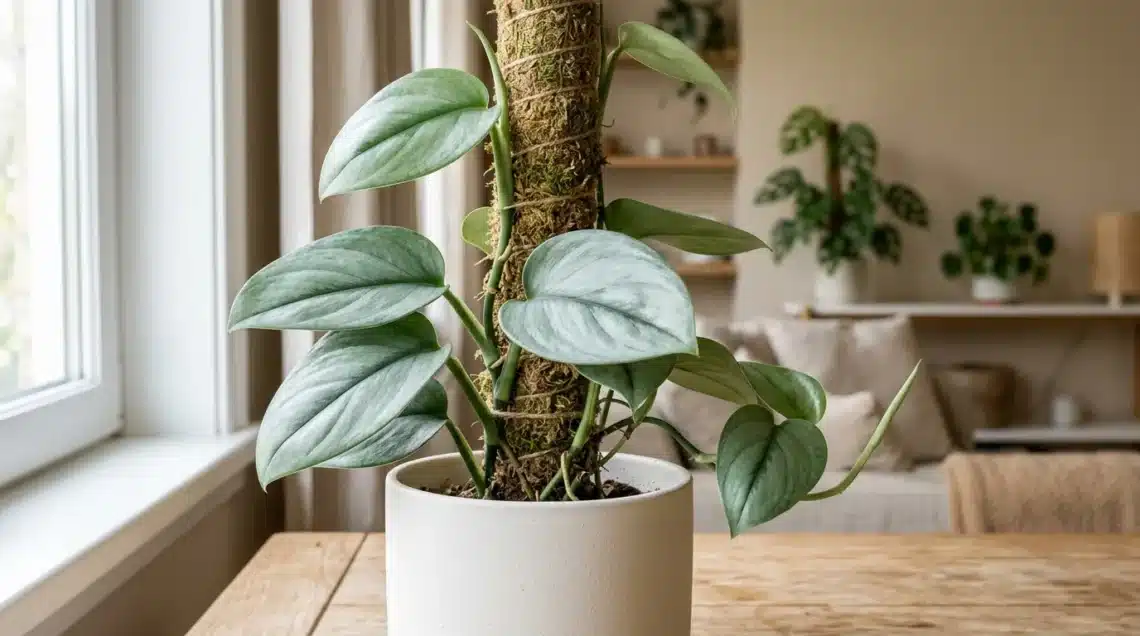
Scindapsus treubii moonlight, often called treubii moonlight, is a striking tropical houseplant prized for its thick, satin-like leaves with a soft silvery-green sheen. Native to the rainforests of Southeast Asia, this cultivar belongs to the Scindapsus genus within the Araceae family, alongside other popular aroids such as Monstera and Philodendron. Its elegant foliage, compact growth, and relatively easy care have made Scindapsus treubii moonlight one of the most desirable indoor plants among collectors and beginners alike. While it grows more slowly than many common houseplants, its unique appearance and adaptability make it an excellent choice for bright indoor spaces.
New to indoor gardening? Start with our comprehensive Guide to House Plants to learn the fundamentals of choosing, growing, and maintaining healthy indoor plants.
By Greenery Inside | Plant Care & Gardening Expert
Last Updated: July 2026
Quick Summary
- Scindapsus treubii moonlight is a cultivated form of Scindapsus treubii, known for its thick, silvery-green foliage.
- It grows best in bright, indirect light, well-draining aroid soil, and moderate watering.
- The plant is considered moderately rare, largely because it propagates slowly and demand remains high.
- Although often called moonlight pothos, it is not a true pothos and belongs to the genus Scindapsus rather than Epipremnum.
What Is Scindapsus Treubii Moonlight?
Scindapsus treubii moonlight is a cultivated variety of the tropical species Scindapsus treubii, admired for its broad, thick leaves covered in a soft metallic silver-green finish. It is an evergreen climbing aroid naturally found in the humid forests of Indonesia and nearby regions, where it grows by attaching itself to trees.
Scindapsus treubii belongs to the Scindapsus genus within the Araceae family. For additional botanical background, see the Scindapsus article on Wikipedia.
Because of its reflective foliage, the plant is commonly referred to as moonlight scindapsus or scindapsus moonlight. Unlike heavily variegated houseplants, its beauty comes from a consistent silver coating across the leaves rather than patches of contrasting colors.
Like other members of the Araceae family, this species develops aerial roots that allow it to climb natural supports. Indoors, it can be grown either as a trailing vine or encouraged to climb a moss pole for larger, more mature foliage.
From our experience growing this species indoors, Scindapsus treubii moonlight performs best when left in a stable environment. Frequent relocation, sudden temperature changes, or inconsistent watering often slow its already moderate growth rate.
Botanically, the plant belongs to:
- Scientific Name: Scindapsus treubii ‘Moonlight’
- Family: Araceae
- Genus: Scindapsus
- Plant Type: Evergreen tropical vine
- Native Region: Southeast Asia, particularly Indonesia
Its combination of thick foliage, drought tolerance, and elegant appearance has made it increasingly popular among indoor plant enthusiasts.
Is Scindapsus Treubii Moonlight a Pothos?
No. Scindapsus treubii moonlight is not a pothos, although it is commonly mistaken for one because of its similar vining growth habit.
The confusion exists because pothos and Scindapsus belong to the same plant family (Araceae) and share comparable care requirements. However, they are classified under different genera.
| Feature | Scindapsus Treubii Moonlight | True Pothos |
| Genus | Scindapsus | Epipremnum |
| Leaf Texture | Thick and leathery | Softer and thinner |
| Growth Rate | Slow to moderate | Fast |
| Surface Finish | Silvery satin sheen | Usually glossy green or variegated |
| Botanical Identity | Separate species | Different genus |
While both plants appreciate bright indirect light and well-draining soil, Scindapsus treubii moonlight generally grows more slowly and develops noticeably thicker leaves.
Common Names and Aliases
Because the plant has become increasingly popular, several common names are used interchangeably online. Understanding these names helps avoid confusion when shopping or researching care information.
Common aliases include:
- Moonlight Scindapsus
- Scindapsus Moonlight
- Moonlight Plant
- Moonlight Treubii
- Treubii Moonlight
- Treubii Moonlight Scindapsus
- Moonlight Pothos (incorrect but commonly used)
Although “moonlight pothos” appears frequently in plant shops and online marketplaces, it is a marketing nickname rather than a botanical name.
Scindapsus Treubii Moonlight vs. Similar Varieties
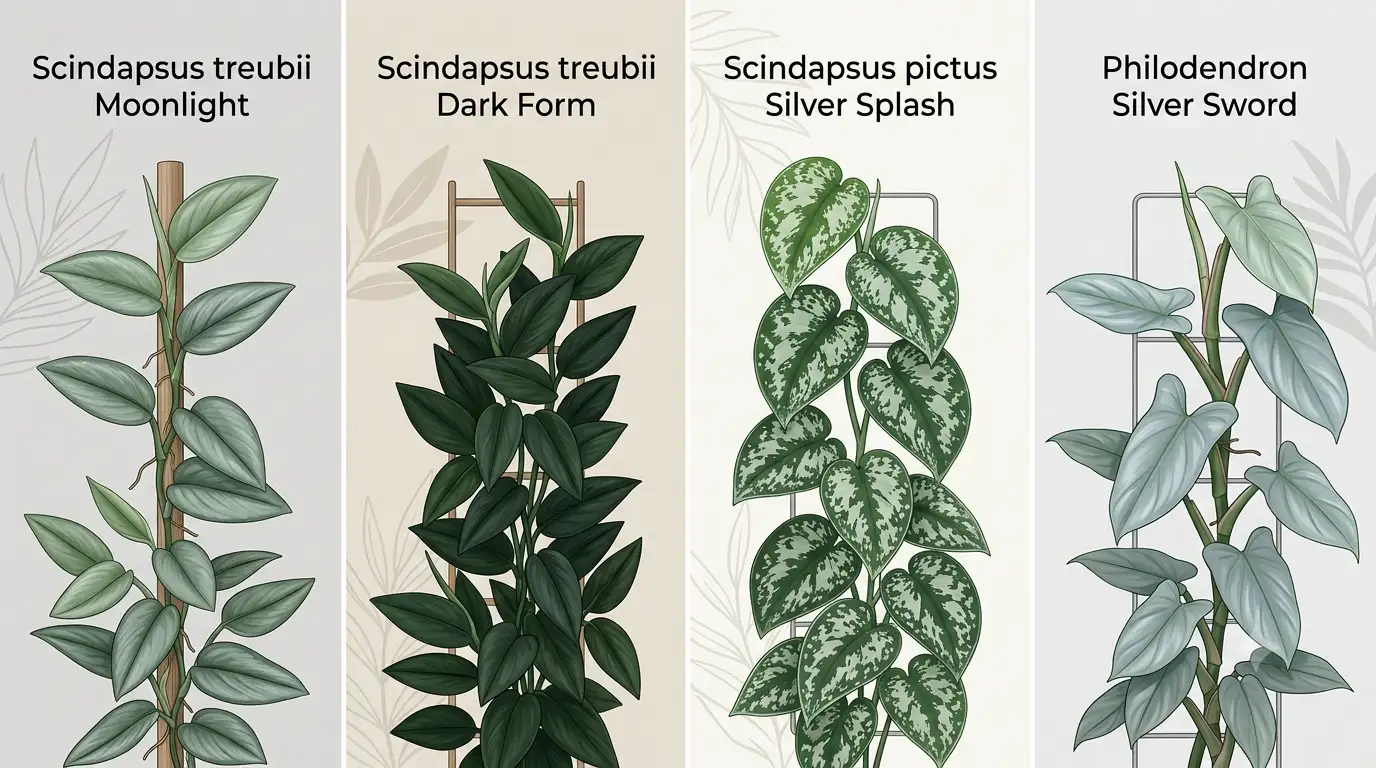
Several Scindapsus varieties share similar growth habits, making identification confusing for new collectors. However, differences in leaf color, texture, and overall appearance distinguish each cultivar.
Comparison Table
| Variety | Leaf Color | Growth Habit | Rarity |
| Moonlight | Pale silvery-green | Trailing or climbing | Moderate to High |
| Dark Form | Deep green, thick foliage | Trailing | Moderate |
| Silver Splash | Green with silver splashes | Trailing | Common |
Moonlight vs. Dark Form
Both cultivars belong to Scindapsus treubii, but their foliage differs significantly.
Moonlight
- Soft silver-green leaves
- Bright metallic appearance
- Reflects indirect light beautifully
- Modern ornamental look
Dark Form
- Rich dark emerald foliage
- Less silver coloration
- Slightly more dramatic tropical appearance
- Often preferred by collectors seeking darker foliage
Both plants require nearly identical care, including watering, lighting, humidity, and soil conditions.
Moonlight vs. Silver Splash
Although both belong to the Scindapsus genus, they are separate species.
Silver Splash
- Belongs to Scindapsus pictus
- Displays scattered silver patches
- Leaves are thinner and softer
- Faster growth
Moonlight
- Belongs to Scindapsus treubii
- Nearly solid silver coating
- Thick, leathery foliage
- Slower growth
Moonlight vs. Silver Sword
Another commonly confused plant is Philodendron Silver Sword (Philodendron hastatum).
The easiest differences include:
- Silver Sword develops elongated, arrow-shaped leaves.
- Moonlight has broader oval foliage.
- Silver Sword grows faster.
- Moonlight leaves remain thicker and more rigid.
- They belong to different genera despite their similar silver coloration.
Knowing these differences helps ensure you purchase the plant you actually intend to grow.
Is Scindapsus Treubii Moonlight Rare?
Yes, Scindapsus treubii moonlight is generally considered moderately rare, although it has become more widely available in recent years through tissue culture and commercial propagation.
Several factors contribute to its reputation as a rare houseplant:
- Slow natural propagation compared with pothos and philodendrons.
- Thick stems produce fewer viable cuttings.
- High demand from collectors.
- Limited production until tissue culture became more common.
- Strong popularity on social media and among indoor plant enthusiasts.
Availability also varies by region. In countries such as Australia and the UK, local import regulations, nursery production, and seasonal supply can influence how easily the plant can be purchased.
As of 2026, tissue-cultured plants have improved availability in many markets, but mature specimens with large, established vines still command higher prices than younger plants.
In our experience, purchasing a healthy young plant and allowing it to mature is often more economical than buying a large specimen. Given proper care, it gradually develops fuller vines and larger leaves over time.
How to Care for Scindapsus Treubii Moonlight
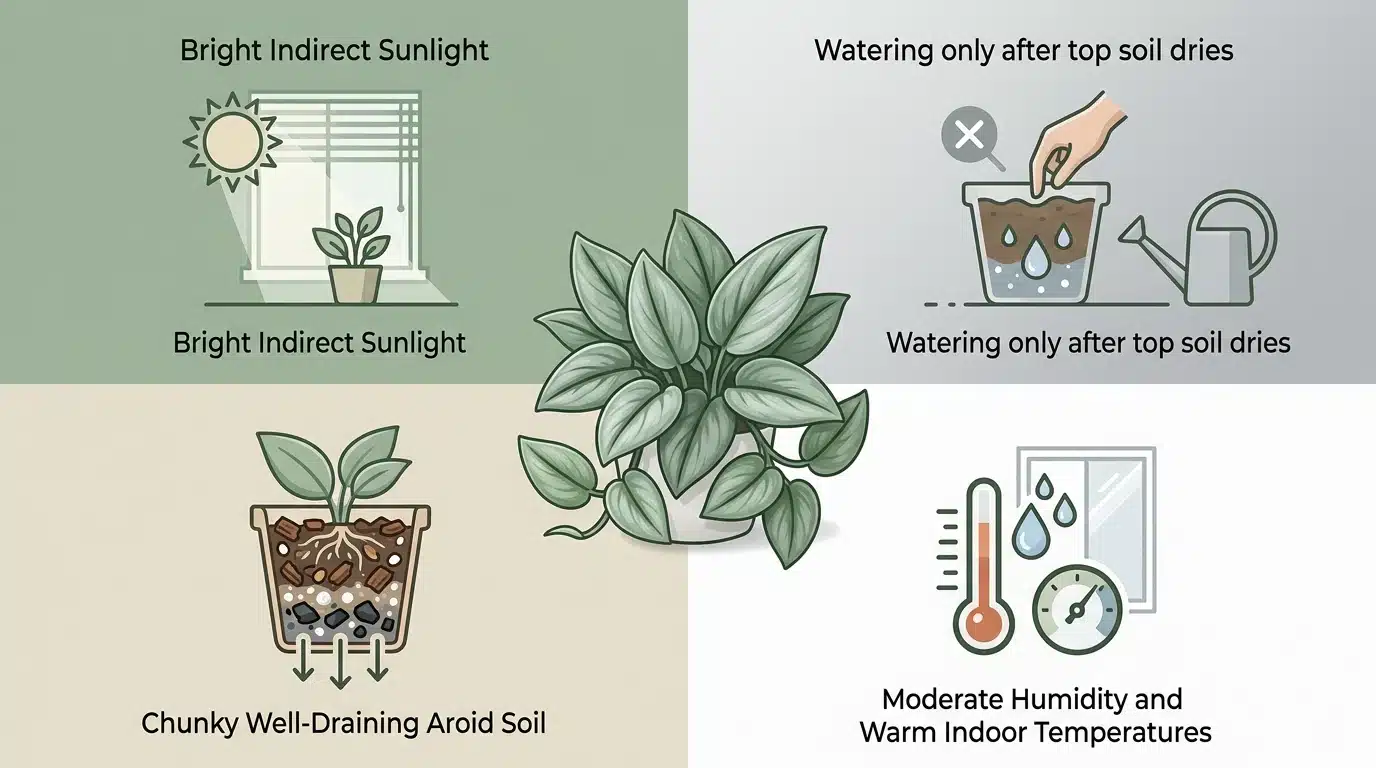
Providing the right environment is the key to maintaining healthy foliage and steady growth. Scindapsus treubii moonlight prefers conditions similar to the tropical forests where the species naturally grows—bright filtered light, airy soil, moderate moisture, and warm temperatures.
If you’re building an indoor plant collection, you may also enjoy our Panda Plants: Care, Types, and Indoor Growth Guide, which covers another easy-care houseplant with very different foliage and growing habits.
Greenery Inside recommends focusing on consistency rather than frequent adjustments. Stable conditions usually produce healthier roots and more vigorous foliage than constantly changing watering schedules or plant locations.
Light Requirements
Scindapsus treubii moonlight grows best in bright, indirect sunlight.
An east-facing window or several feet back from a south- or west-facing window typically provides ideal lighting.
Too much direct sunlight may:
- Fade the silvery leaf coating
- Cause leaf scorch
- Create brown edges
- Increase water loss
Too little light may:
- Slow growth considerably
- Produce smaller leaves
- Reduce overall vigor
- Increase spacing between leaves
Filtered natural light for six to eight hours daily usually produces the healthiest foliage.
Best Soil Mix
A loose, chunky aroid mix provides the best growing conditions because it allows roots to receive both moisture and oxygen.
An effective soil mix includes:
- High-quality indoor potting soil
- Orchid bark
- Perlite or pumice
- Coconut coir or peat moss
- Optional horticultural charcoal
This combination improves drainage while retaining enough moisture to support healthy root development.
Heavy garden soil should be avoided because it remains wet too long and increases the likelihood of root rot.
Watering Needs
Water Scindapsus treubii moonlight only after the top 2–3 inches (5–7 cm) of soil have dried.
Rather than watering on a strict weekly schedule, monitor soil moisture and adjust according to temperature, humidity, and seasonal growth.
Signs of overwatering include:
- Yellow leaves
- Soft stems
- Mushy roots
- Persistent wet soil
Signs of underwatering include:
- Curling leaves
- Dry leaf edges
- Limp vines
- Slow growth
In our experience, allowing the soil to dry slightly between waterings encourages stronger root development than keeping it constantly moist.
Humidity and Temperature Tolerance
Being a tropical aroid, Scindapsus treubii moonlight appreciates moderate to high humidity. For practical ways to maintain ideal indoor humidity throughout the year, see our guide on How to Increase Humidity for Plants Naturally and with Humidifiers.
Ideal conditions include:
- Humidity: 50–70%
- Temperature: 65–85°F (18–29°C)
Although it tolerates average indoor humidity, growth generally improves when humidity remains above 50%.
Avoid placing the plant near:
- Heating vents
- Air conditioners
- Cold drafts
- Frequently opened exterior doors
Seasonal changes can influence humidity indoors. During winter, many growers increase humidity using pebble trays, humidifiers, or grouping tropical plants together to reduce leaf stress.
Climbing vs. Hanging Growth Habit
Scindapsus naturally likes to climb, but it can also be grown successfully in hanging baskets.
Providing a moss pole, wooden plank, or trellis allows aerial roots to attach and often encourages:
- Larger leaves
- Stronger stems
- Faster vertical growth
- More mature foliage
Without vertical support, vines trail gracefully from hanging baskets or shelves, creating an attractive cascading display.
Both growth styles are healthy, so the best choice depends on your available space and preferred appearance.
Propagation Guide
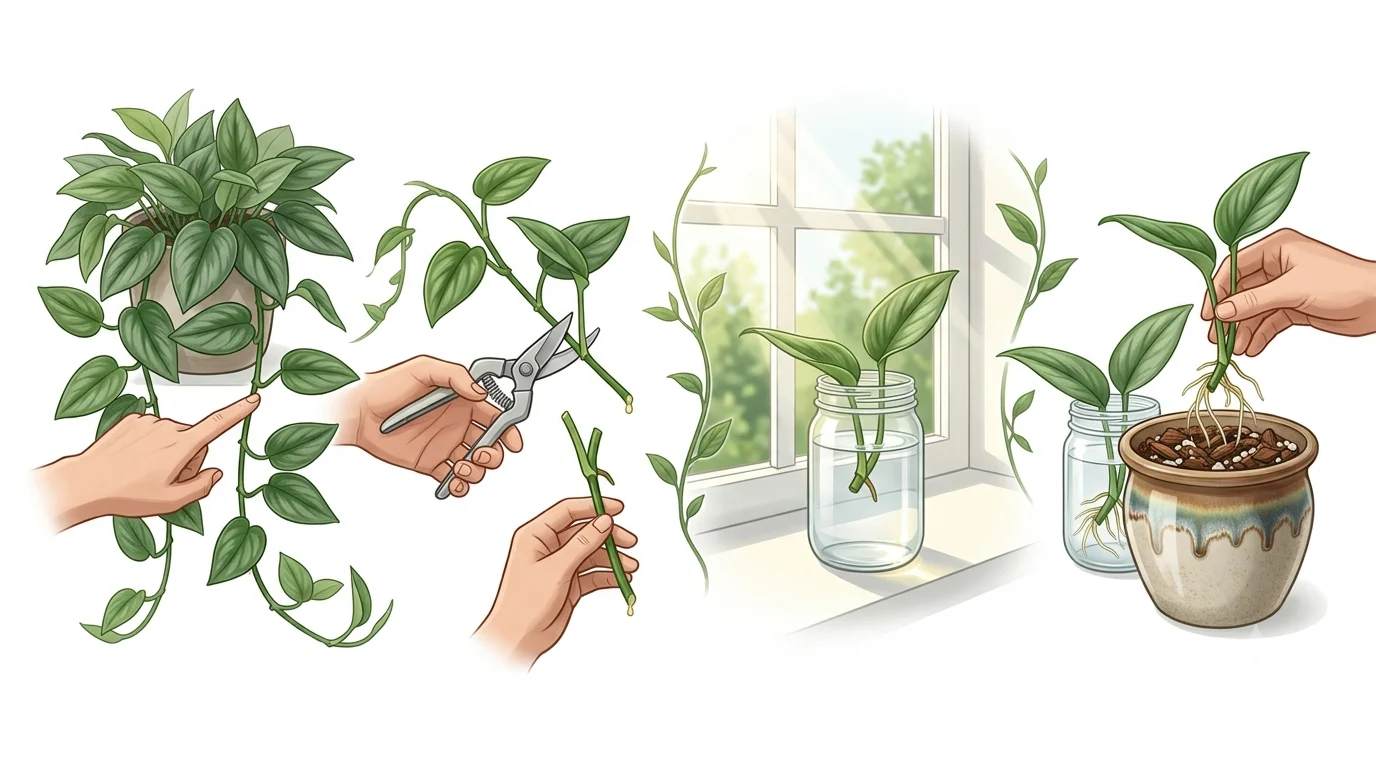
Scindapsus treubii moonlight is most commonly propagated through stem cuttings with at least one healthy node. While propagation is slower than with many pothos varieties, it is reliable when performed during the active growing season.
Spring and summer are generally the best times to propagate because warmer temperatures and longer daylight hours encourage faster root development.
Step-by-Step Propagation
- Select a healthy vine with at least one visible node.
- Use clean, sterilized pruning shears to make a cut just below the node.
- Remove the lowest leaf if necessary to expose the node.
- Place the cutting in clean water or moist perlite, ensuring the node remains submerged or in contact with the rooting medium.
- Keep the cutting in bright, indirect light and maintain warm temperatures.
- Replace the water every few days or keep perlite evenly moist.
- Once roots reach approximately 2–3 inches (5–7 cm) long, transplant the cutting into a well-draining aroid soil mix.
Both water propagation and perlite propagation work well.
| Propagation Method | Advantages | Considerations |
| Water | Easy to monitor root growth | Requires regular water changes |
| Perlite | Strong root development before transplanting | Moisture must be monitored carefully |
In our experience growing Scindapsus treubii moonlight, patience is important. Root development often takes several weeks, and rushing to transplant before a healthy root system forms can reduce success rates.
Growth Rate and Mature Size
Scindapsus treubii moonlight is generally considered a slow-to-moderate growing houseplant. Under ideal indoor conditions, it produces steady growth during spring and summer while slowing considerably during autumn and winter.
Unlike fast-growing pothos, this species invests more energy in developing thick, durable leaves than producing long vines quickly.
Typical Growth Rate
Growth is influenced by several environmental factors, including:
- Bright, indirect light
- Consistent watering
- Warm temperatures
- High humidity
- Balanced fertilization during the growing season
Healthy plants may produce a new leaf every few weeks during active growth.
Mature Size
| Growing Condition | Mature Length |
| Indoors | 3–8 feet (0.9–2.4 m) |
| Outdoors (Tropical Climates) | 10 feet (3 m) or more |
Plants grown on moss poles or trellises often develop noticeably larger foliage than those allowed to trail naturally.
Factors Affecting Growth
Several conditions influence how quickly the plant matures:
- Light intensity
- Root health
- Pot size
- Humidity levels
- Seasonal temperatures
- Fertilizer frequency
A healthy root system usually supports more vigorous foliage production than excessive fertilization.
Lifespan
People occasionally ask, “How long do philodendron moonlight live?” Although this refers to a different plant, the principle is similar: there is no fixed lifespan. With proper care, Scindapsus treubii moonlight can remain healthy and continue producing new growth for many years.
Is Scindapsus Treubii Moonlight Toxic to Pets?
Yes. Scindapsus treubii moonlight is considered toxic to cats and dogs because it contains insoluble calcium oxalate crystals, which are common throughout many members of the Araceae family.
If a pet chews or ingests part of the plant, symptoms may include:
- Mouth irritation
- Excessive drooling
- Pawing at the mouth
- Difficulty swallowing
- Vomiting
Fortunately, serious poisoning is uncommon, but ingestion can cause significant discomfort.
For households with pets, place the plant:
- On high shelves
- In hanging baskets
- Inside rooms that pets cannot access
If you suspect your pet has eaten any part of the plant, contact your veterinarian promptly for guidance.
Common Problems, Mistakes, and Fixes
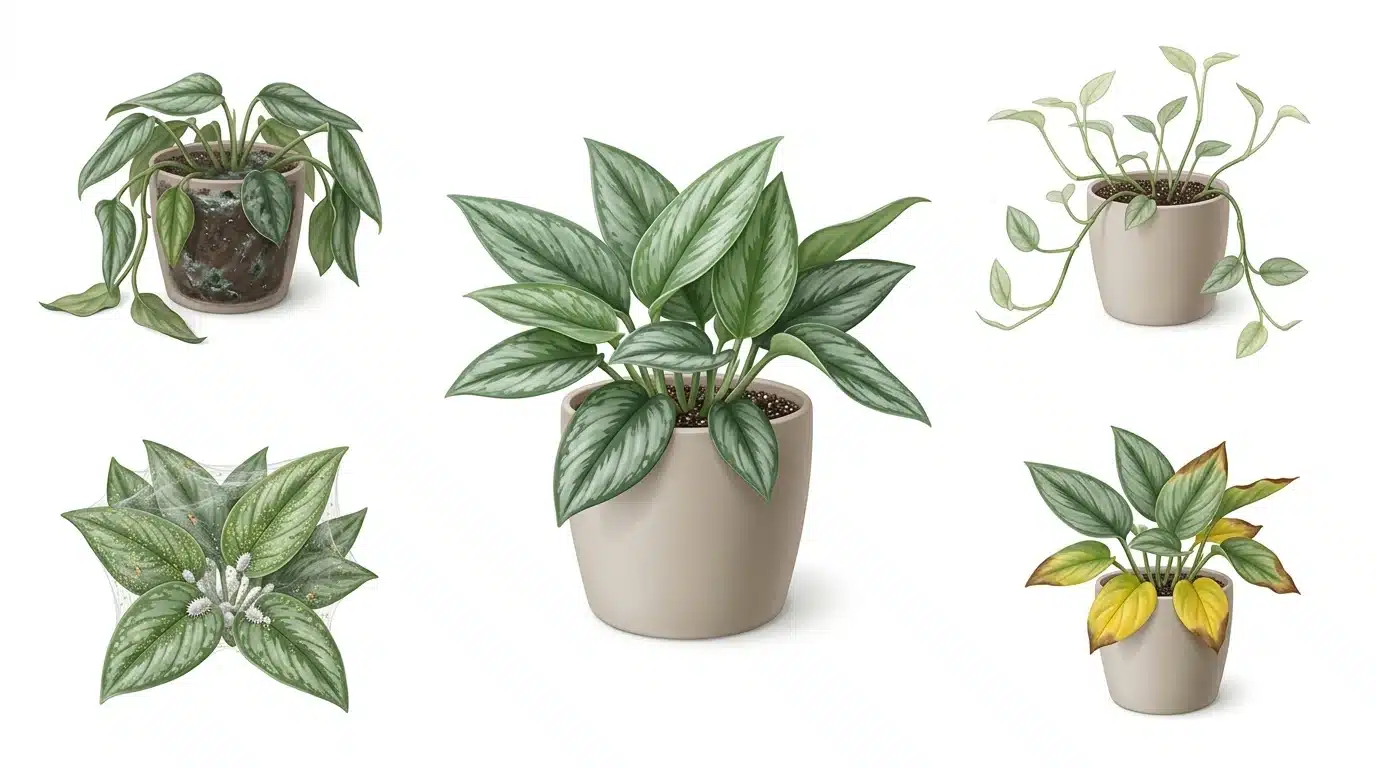
Even though Scindapsus treubii moonlight is relatively low-maintenance, improper care can lead to several common issues. Identifying the cause early usually allows the plant to recover successfully.
Yellowing Leaves
Yellow leaves most commonly result from overwatering, although poor lighting and natural aging can also contribute.
Why it happens
- Soil stays wet too long
- Poor drainage
- Reduced sunlight
- Older leaves naturally dying
How to fix it
- Allow the soil to dry before watering again.
- Check drainage holes.
- Move the plant to brighter indirect light.
- Remove fully yellow leaves.
How to prevent it
- Water only when the top portion of soil is dry.
- Use an airy potting mix.
- Avoid leaving water sitting in saucers.
Overwatering Issues
Overwatering is the most frequent cause of plant decline.
Signs of Root Rot
- Soft black roots
- Mushy stems
- Yellow foliage
- Foul-smelling soil
- Wilting despite wet soil
Recovery Steps
- Remove the plant from the pot.
- Trim damaged roots with sterilized scissors.
- Repot into fresh, well-draining soil.
- Reduce watering until new growth appears.
Greenery Inside recommends checking soil moisture before every watering instead of following a fixed weekly schedule. This simple habit prevents many root-related problems.
Slow or Stalled Growth
Slow growth is normal during cooler months, but prolonged stagnation often indicates environmental stress.
Possible causes include:
- Low light
- Cool temperatures
- Root-bound conditions
- Nutrient deficiencies
- Very low humidity
Solutions
- Move the plant closer to bright indirect light.
- Feed monthly during spring and summer using a balanced houseplant fertilizer.
- Increase humidity if indoor air is particularly dry.
- Repot only when roots become crowded.
Pest Infestations
Although relatively resistant, Scindapsus treubii moonlight can occasionally attract common indoor pests.
Most common pests include:
- Spider mites
- Mealybugs
- Scale insects
- Fungus gnats
Treatment
- Isolate the affected plant.
- Wipe leaves with insecticidal soap or diluted neem oil.
- Repeat treatment every 7–10 days until pests disappear.
- Inspect nearby plants to prevent spread.
Prevention
- Maintain good air circulation.
- Avoid excessive watering.
- Inspect new plants before bringing them indoors.
- Regularly clean dust from leaves.
Beginner Mistakes to Avoid
Many care problems arise from a few common mistakes that are easy to prevent. If you enjoy growing tropical foliage plants, our African Mask Plant Care: Complete Indoor Growing Guide explains how to care for another striking aroid with similar indoor requirements.
Avoid these beginner errors:
- Watering too frequently instead of checking soil moisture.
- Using dense potting soil with poor drainage.
- Placing the plant in harsh afternoon sunlight.
- Keeping it in very dark corners for extended periods.
- Ignoring humidity during dry winter months.
- Fertilizing heavily during winter dormancy.
- Repotting too often without root crowding.
From our experience, beginners often assume slow growth indicates poor health. In reality, Scindapsus treubii moonlight naturally grows more slowly than many other popular indoor vines.
Seasonal Care Considerations
Adjusting care throughout the year helps maintain healthy growth and reduces stress.
| Season | Care Adjustments |
| Spring | Resume regular fertilizing, increase watering as growth begins. |
| Summer | Monitor soil more frequently, maintain humidity, protect from harsh afternoon sun. |
| Autumn | Gradually reduce watering and fertilizer as growth slows. |
| Winter | Water less often, avoid cold drafts, maximize available indirect light. |
As of 2026, indoor growers continue to recommend adjusting watering based on seasonal plant activity rather than following a rigid calendar schedule. This practice supports healthier root systems and reduces the risk of overwatering.
Conclusion
Scindapsus treubii moonlight is an elegant tropical houseplant valued for its thick, silvery foliage, manageable growth habit, and relatively straightforward care requirements. Although it grows more slowly than many common indoor vines, providing bright indirect light, a well-draining aroid soil mix, moderate watering, and stable indoor conditions allows it to thrive for many years. Understanding its climbing nature, seasonal growth patterns, propagation methods, and common care challenges makes it much easier to maintain a healthy plant. With consistent care and patience, Scindapsus treubii moonlight can become a long-lasting centerpiece in any indoor plant collection.
Frequently Asked Questions
Is Scindapsus treubii moonlight rare?
Yes. It is generally considered moderately rare because it propagates slowly and demand often exceeds supply. Tissue culture has improved availability, but mature plants remain less common than many other houseplants.
Is Treubii Moonlight a pothos?
No. Although it is sometimes marketed as “moonlight pothos,” it belongs to the genus Scindapsus, while true pothos belong to the genus Epipremnum. They are related but botanically distinct.
How do you care for moonlight Treubii?
Grow it in bright, indirect light using a chunky, well-draining aroid soil mix. Water only after the top 2–3 inches of soil have dried, maintain moderate humidity, and keep temperatures between 65–85°F (18–29°C).
Is Scindapsus Treubii moonlight toxic to dogs?
Yes. Like many aroids, it contains insoluble calcium oxalate crystals that can irritate a dog’s mouth and digestive tract if ingested. Keep the plant out of reach of pets and contact a veterinarian if ingestion occurs.
Do Scindapsus like to climb or hang?
They naturally prefer to climb using aerial roots, which often results in larger, more mature leaves. However, they also grow well in hanging baskets where the vines trail gracefully.
How do you propagate moonlight Scindapsus?
Take a healthy stem cutting with at least one node, root it in water or moist perlite, and transplant it into a well-draining soil mix once the roots reach about 2–3 inches (5–7 cm) long. Propagation is most successful during spring and summer.