Introduction
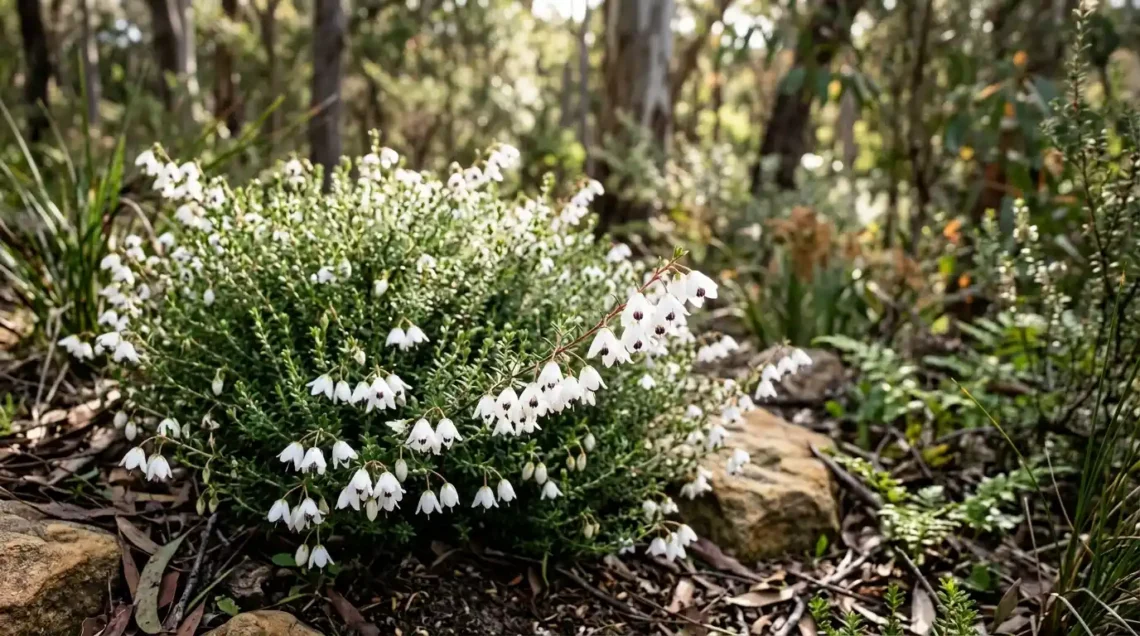
Tetratheca thymifolia white is a compact Australian native shrub known for its delicate white bell-shaped flowers and fine, thyme-like foliage. It is a rare white-flowering form of the better-known Tetratheca thymifolia, commonly called the pink bells plant. This species belongs to the genus Tetratheca in the Elaeocarpaceae family and naturally grows in temperate woodland regions of southeastern Australia.
In gardens, tetratheca thymifolia white is valued for its soft ornamental appearance, low-maintenance nature, and ability to thrive in native or cottage-style landscapes. In our experience at Greenery Inside, this plant performs exceptionally well in semi-shaded gardens where many flowering shrubs struggle, making it a reliable choice for beginner gardeners.
Similar to other Australian natives such as Chorizema cordatum Care Guide & Growing Tips, Tetratheca thymifolia white thrives in semi-shaded woodland-style gardens.
Quick Summary
- Tetratheca thymifolia white is a compact Australian native shrub with white bell-shaped flowers.
- It belongs to the Tetratheca genus, known as “pink bells,” though this variety is white-flowering.
- The plant grows best in well-drained soil with light shade and minimal fertilization.
- It reaches 30–60 cm in height with a mounding, compact growth habit.
- Care requirements are identical to the pink form, differing mainly in flower color.
It shares low-maintenance characteristics with other native shrubs like Eremophila Ground Cover: Best Varieties, Care & Planting Guide, especially in drought-prone landscapes.
What Is Tetratheca Thymifolia White?
Tetratheca thymifolia white is a white-flowering cultivar of Tetratheca thymifolia, a small native Australian shrub often called pink bells. It produces delicate, nodding bell-shaped flowers with a distinctive dark center, which is sometimes described as “black-eyed.”
The genus Tetratheca belongs to the Elaeocarpaceae family and includes several native Australian species found in woodland ecosystems worldwide, as documented in botanical classifications such as Wikipedia.
This plant is part of the Tetratheca genus, a group of understory shrubs native to Australia. While the standard species produces pink to mauve flowers, the white form—often referred to as Tetratheca thymifolia alba—offers a softer ornamental variation suitable for shaded garden designs.
Greenery Inside recommends this plant for gardeners seeking low-maintenance native shrubs that provide seasonal flowering without intensive care requirements.
This plant is often included in broader native planting designs discussed in Australian Native Garden Trees: The Complete Planting Guide, especially for understory layering.
Botanical Classification and Background
Tetratheca thymifolia white belongs to:
- Genus: Tetratheca
- Family: Elaeocarpaceae
- Species: Tetratheca thymifolia
- Cultivar/Form: alba (white-flowering variant)
Related species include Tetratheca ciliata and Tetratheca ericifolia, which differ in leaf shape, habitat preference, and floral characteristics. These species collectively contribute to Australia’s diverse native shrub ecosystem.
What Does “Thymifolia” Mean?
The term “thymifolia” comes from Latin, meaning “thyme-leaved.” It refers to the plant’s fine, narrow leaves that resemble those of the culinary herb thyme (Thymus vulgaris).
This leaf shape is a key identification feature and helps distinguish Tetratheca thymifolia from other species in the genus. The small leaves also contribute to the plant’s drought tolerance and compact form.
Tetratheca Thymifolia White vs Pink — Key Differences
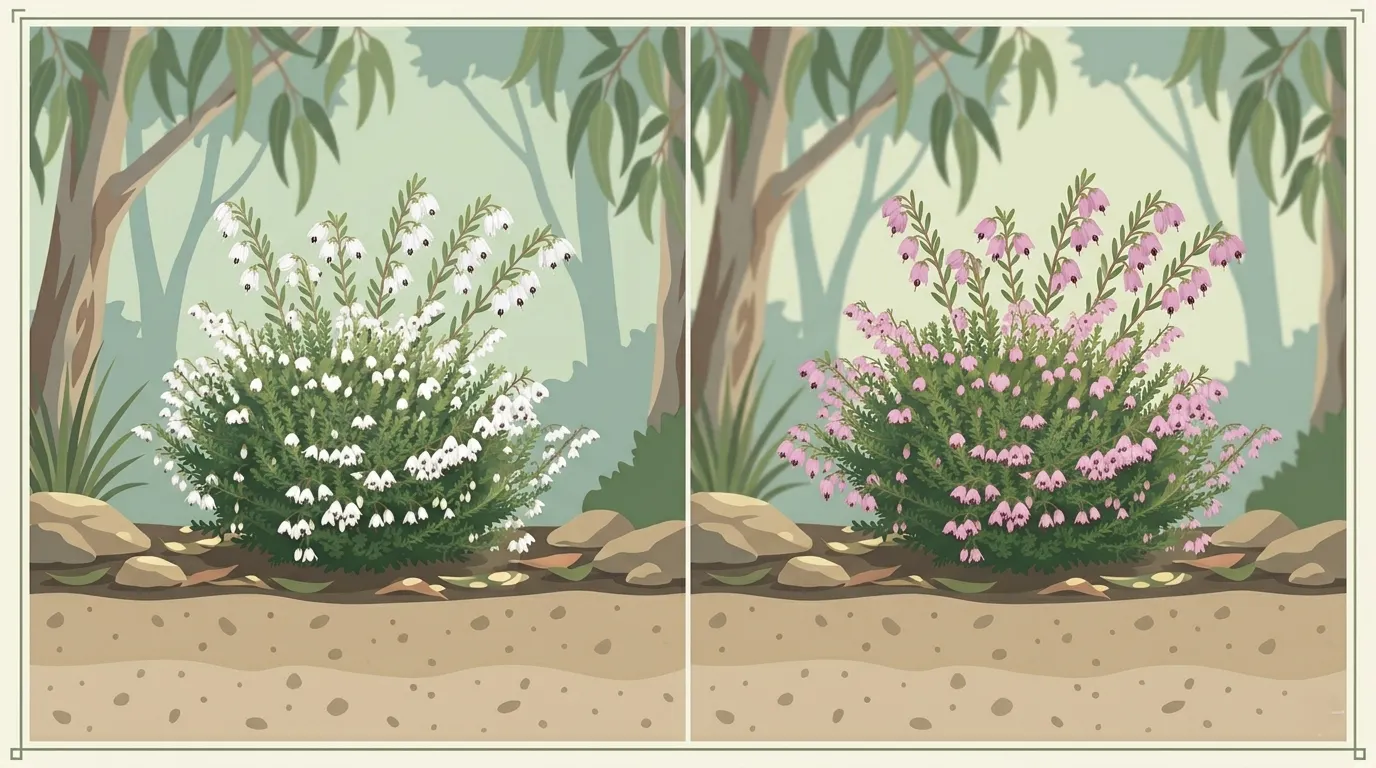
The white and pink forms of Tetratheca thymifolia are nearly identical in growth habit and care requirements, with the primary difference being flower color.
| Feature | White Form | Pink Form |
| Flower Color | White | Pink to mauve-pink |
| Availability | Less common | Widely available |
| Garden Use | Cottage, native, shaded gardens | Rockeries, native gardens |
| Visual Effect | Soft, subtle contrast | Bold, vibrant display |
| Care Needs | Identical | Identical |
In our experience growing both forms, the white variety tends to stand out more in shaded gardens where darker foliage contrasts strongly with pale blooms.
What Is “Black-Eyed” Tetratheca?
The term “black-eyed” refers to the dark anthers visible at the center of each flower. This feature is present in both white and pink forms and is not a separate variety.
This structural trait enhances the visual depth of the flower and is often misinterpreted as a different species. However, it is simply a morphological characteristic of Tetratheca flowers.
Tetratheca Thymifolia White Size and Height
Tetratheca thymifolia white is a naturally compact shrub that remains small throughout its life cycle, making it ideal for borders and containers.
Mature Plant Dimensions
- Height: 30–60 cm (1–2 ft)
- Spread: 30–50 cm
- Growth habit: Compact, mounding shrub
Greenery Inside recommends light annual pruning after flowering to maintain shape and encourage dense growth.
Indoor vs Outdoor Size Differences
Outdoors, the plant reaches its full genetic potential in suitable conditions. In containers, growth is naturally restricted, making it slightly smaller and more controlled.
While it is not typically grown indoors long-term, it can survive in bright indoor conservatories or sheltered patios with adequate airflow and light.
Tetratheca Thymifolia White Varieties and Cultivars
Several related forms and cultivars exist within the Tetratheca group:
- Tetratheca thymifolia (species) — Standard pink-flowering form
- Tetratheca thymifolia alba — White-flowering cultivar
- Fairy Bells Pink — Compact ornamental cultivar with reliable pink blooms
- Tetratheca ciliata — Related species with fringed leaf margins
- Tetratheca ericifolia — Heath-like species with narrow leaves
These varieties differ mainly in flower color, leaf structure, and habitat preference.
How to Grow Tetratheca Thymifolia White — Care Guide
Light Requirements
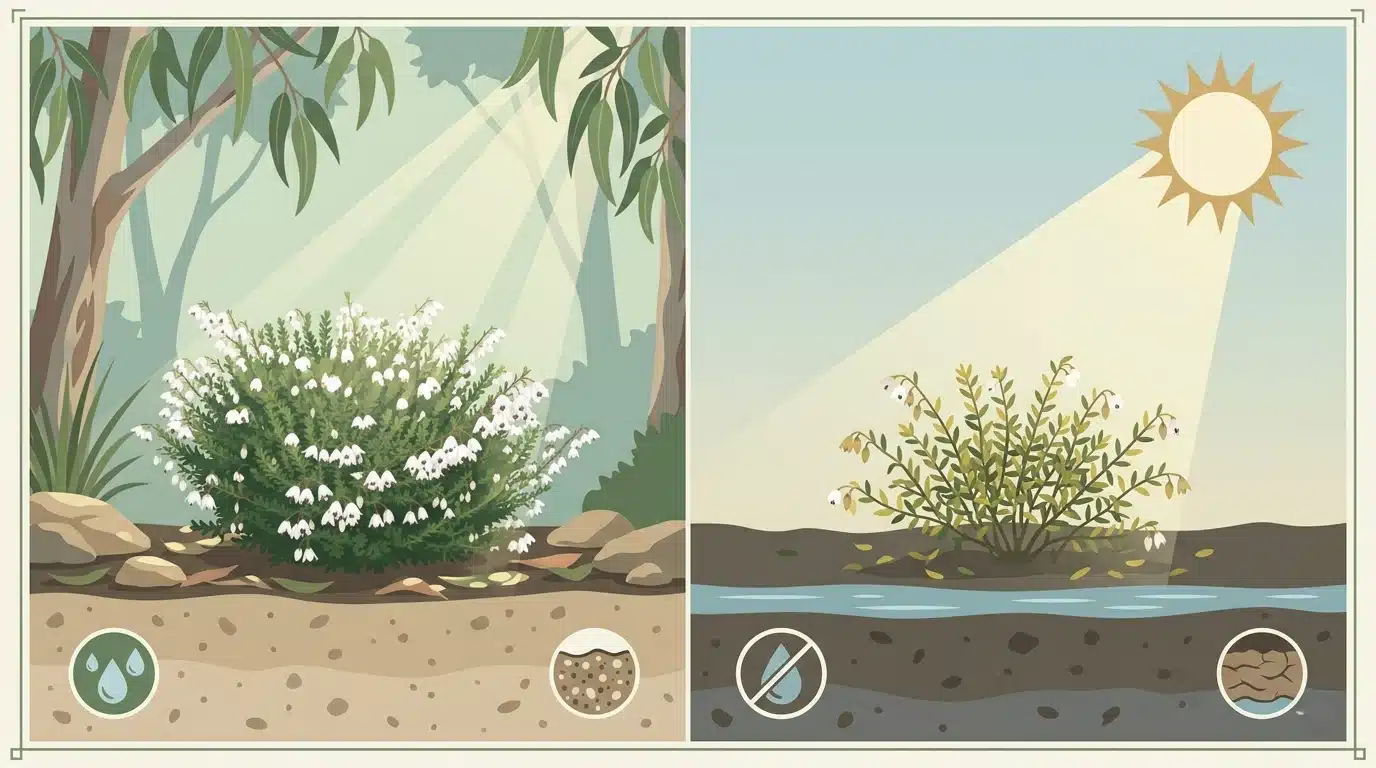
Tetratheca thymifolia white prefers dappled shade to partial sun. It naturally grows in woodland understories where light is filtered.
In hot climates, protection from harsh afternoon sun is essential. Insufficient light can reduce flowering significantly.
Watering Needs
Once established, the plant is drought-tolerant. However, during the first growing season, consistent moisture is necessary.
Overwatering is a common issue and can lead to root decline. Deep, infrequent watering is recommended.
Soil Preferences
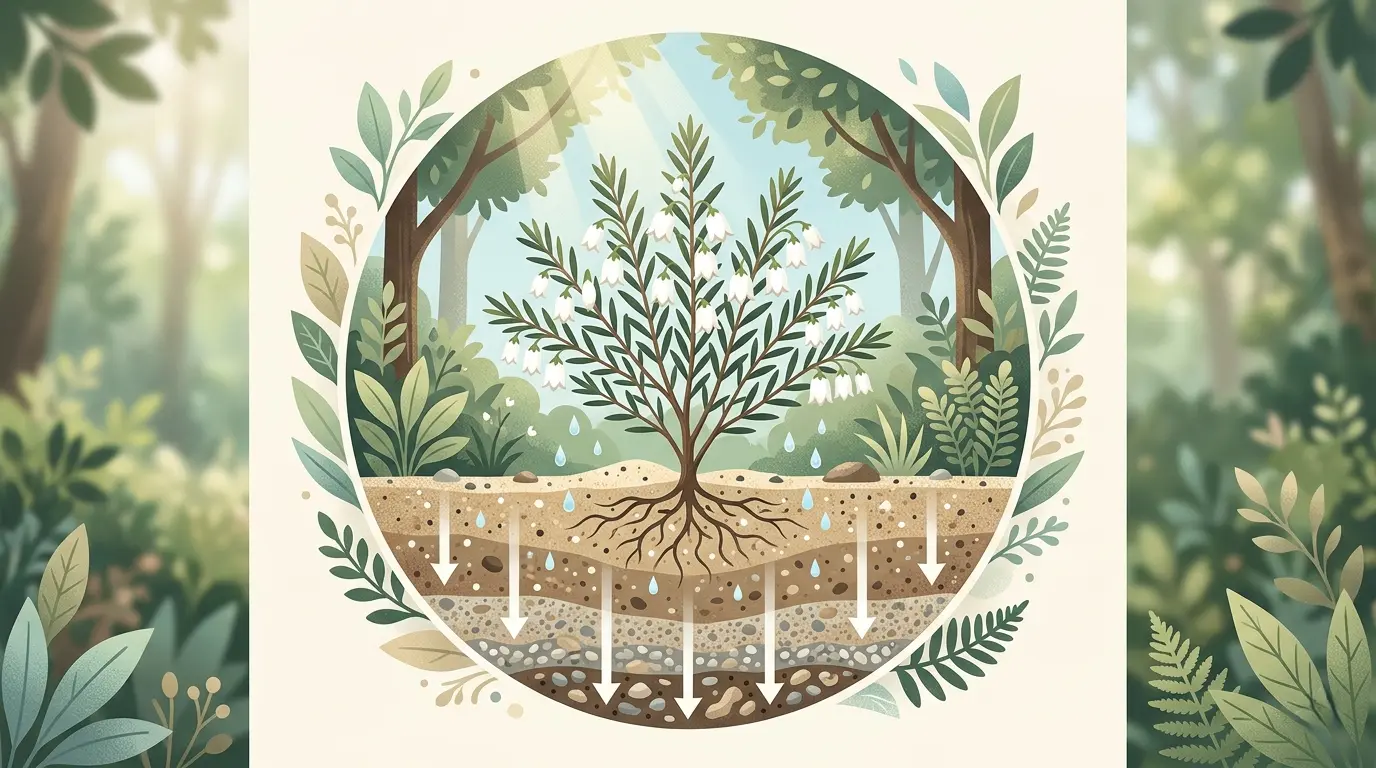
This plant thrives in:
- Well-drained sandy loam
- Slightly acidic soil
- Native plant soil mixes
Avoid heavy clay soils unless heavily amended with organic material and drainage improvements.
Fertilization Practices
Tetratheca species are low-nutrient plants. Greenery Inside strongly recommends using low-phosphorus native fertilizers only.
Excess phosphorus can damage root systems and reduce flowering performance.
Pruning Considerations
Light pruning after flowering encourages bushier growth. Avoid cutting into old woody stems, as regrowth may be limited.
Climate Tolerance
Native to southeastern Australia, this plant performs best in:
- Temperate climates
- Light frost conditions
- Well-ventilated garden environments
It struggles in extreme tropical heat or poorly drained humid conditions.
Growth Rate of Tetratheca Thymifolia White
This species is a slow to moderate grower. Growth is most active during cooler seasons and after rainfall.
Factors influencing growth include:
- Soil drainage quality
- Light availability
- Moisture consistency
Common Problems with Tetratheca Thymifolia White
Leaves Turning Yellow or Dropping
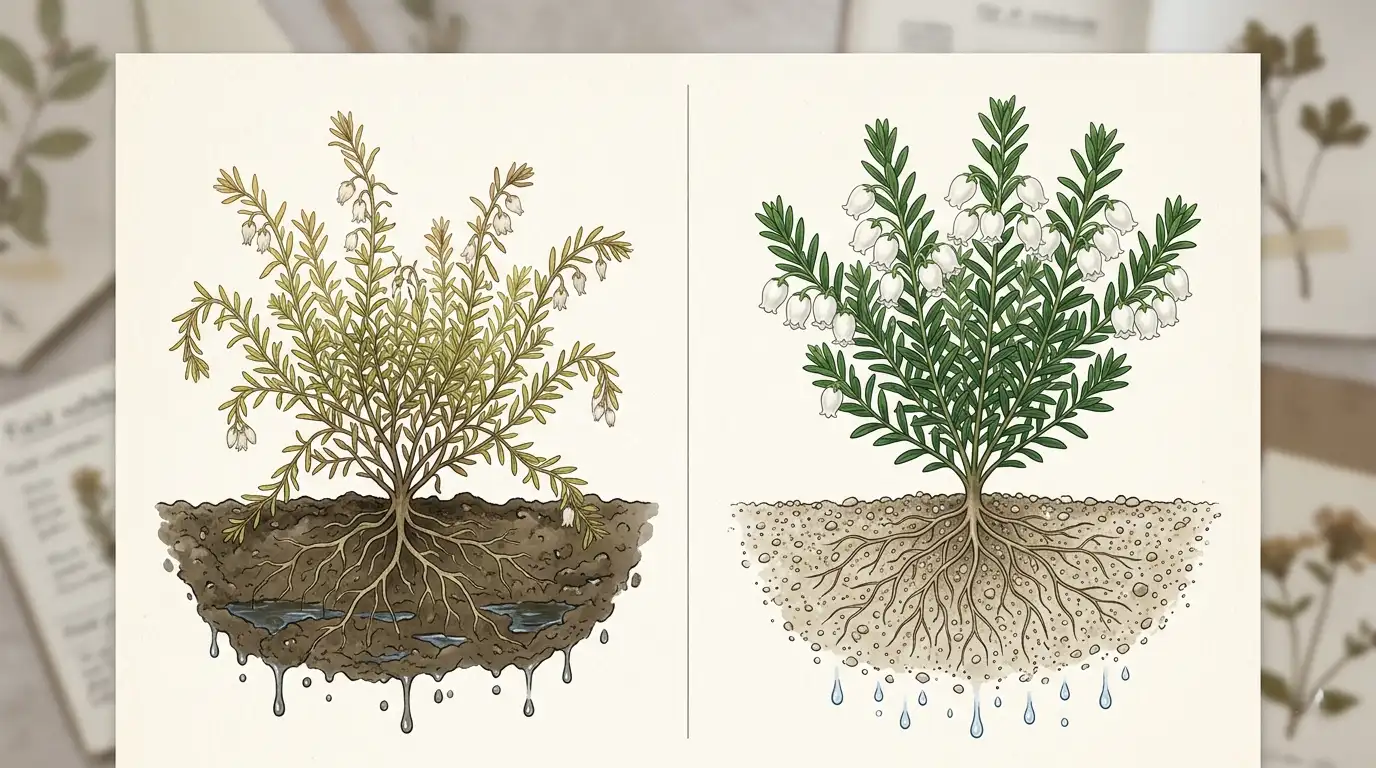
Caused by overwatering or excessive phosphorus. Improve drainage and reduce fertilizer input.
Poor or No Flowering
Often due to low light or improper pruning timing. Increase sunlight exposure and prune after flowering.
Root Rot and Fungal Issues
Results from waterlogged soil. Prevent by planting in well-drained soil and avoiding excessive irrigation.
Tetratheca Thymifolia White vs Related Species
| Feature | T. thymifolia White | T. ciliata | T. ericifolia |
| Flower Color | White | Pink/purple | Pink/mauve |
| Leaf Type | Thyme-like | Fringed edges | Narrow, heath-like |
| Height | 30–60 cm | 20–50 cm | 30–80 cm |
| Climate | Temperate SE Australia | Southern/alpine | Coastal NSW/QLD |
| Garden Use | Cottage, understorey | Rockery gardens | Coastal native gardens |
Where to Find Tetratheca Thymifolia White for Sale
Tetratheca thymifolia white is less commonly available than the pink form. It is typically found through:
- Specialist native plant nurseries
- Australian native plant societies
- Seasonal nursery stock lists
Availability may vary depending on region and propagation cycles.
Common Beginner Mistakes When Growing Tetratheca Thymifolia White
- Using high-phosphorus fertilizers that damage native plant roots
- Planting in full hot sun without protection
- Overwatering after establishment
- Hard pruning into old woody growth
- Growing in heavy, poorly drained clay soils
Avoiding these mistakes significantly improves plant longevity and flowering performance.
Conclusion
Tetratheca thymifolia white is a compact, low-maintenance Australian native shrub valued for its delicate white bell-shaped flowers and manageable size. It performs best in well-drained soil, light shade, and low-nutrient conditions. With proper care, it becomes a reliable ornamental plant for native, cottage, and shaded garden designs.
Overall, tetratheca thymifolia white offers an elegant alternative to the more common pink form while maintaining identical care requirements and growth behavior.
Frequently Asked Questions (FAQ)
1. What is the difference between Tetratheca thymifolia white and pink?
The only difference is flower color. Both forms share identical growth habits and care requirements.
2. How tall does Tetratheca thymifolia white grow?
It typically grows 30–60 cm tall, depending on conditions such as soil quality and light exposure.
3. What does “black-eyed” mean in Tetratheca thymifolia white vs black eyed?
It refers to the dark anthers in the flower center and is not a separate variety.
4. Is Tetratheca thymifolia white the same as Tetratheca thymifolia alba?
Yes. “Alba” is a botanical term indicating the white-flowering form of the species.
5. What soil does Tetratheca thymifolia white need?
It requires well-drained, slightly acidic, low-phosphorus soil and does not tolerate heavy clay.
6. Why is Tetratheca thymifolia white harder to find for sale?
It is less commonly propagated than the pink form and usually sold by specialist native nurseries.