Introduction
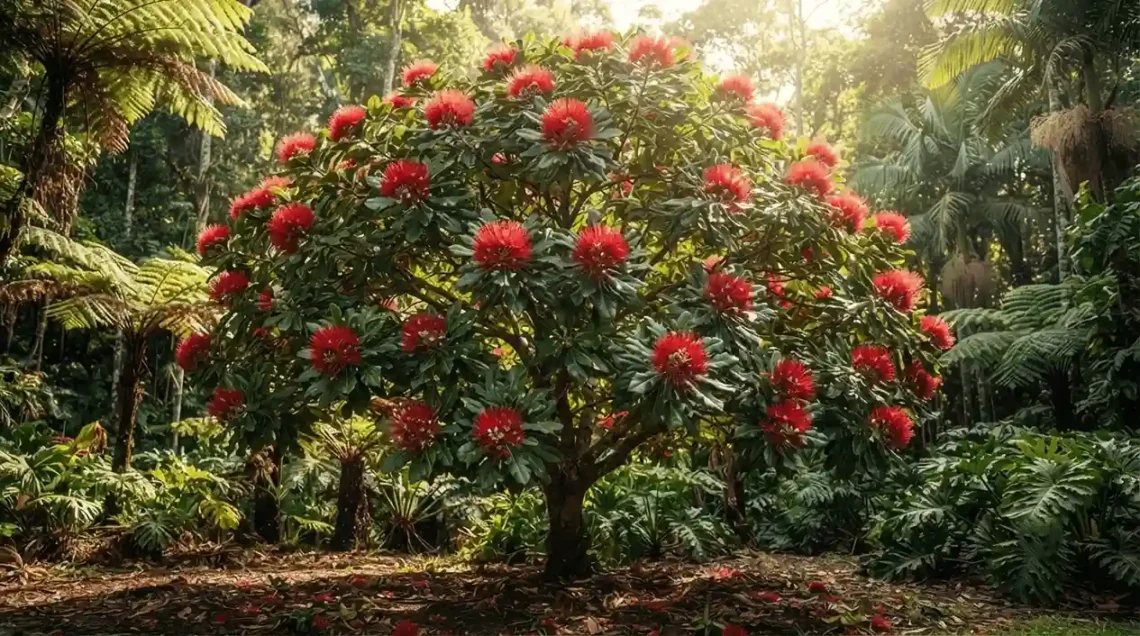
Stenocarpus sinuatus, commonly known as the firewheel tree, is a highly ornamental evergreen species valued for its spectacular circular red flower clusters and dense tropical canopy. Native to Australian rainforests, this species has become a popular landscape tree in warm regions worldwide. Its unique floral structure makes it instantly recognizable in botanical gardens and large urban parks. In cultivation, the firewheel tree offers both aesthetic appeal and ecological value, supporting pollinators while providing shade and habitat in designed landscapes. The firewheel tree is one of many spectacular species featured in our guide to Australian native garden trees, where we explore the best native options for landscapes and large gardens.
By Greenery Inside | Plant Care & Gardening Expert
In our experience at Greenery Inside, this tree performs best when given space, consistent warmth, and well-drained soil, as it responds strongly to environmental conditions.
Quick Summary
- Stenocarpus sinuatus is a tropical ornamental tree known for wheel-shaped red flowers.
- It grows into a tall shade tree suitable for parks and large landscapes.
- It thrives in warm, humid climates with well-drained soil and minimal frost exposure.
- Growth is moderate to fast under ideal conditions but slows in cooler climates.
- Proper care ensures healthy foliage, strong structure, and consistent flowering.
What is Stenocarpus sinuatus (Firewheel Tree)?
Stenocarpus sinuatus is a rainforest tree species valued for its ornamental flowering pattern and ecological resilience. It belongs to the Proteaceae family, which includes many unique Australian native plants adapted to nutrient-poor soils and diverse climates.
Botanical Identity and Common Names
Stenocarpus sinuatus is recognized by several common names reflecting its distinctive floral form:
- Firewheel tree
- Wheel of fire tree
- Flame wheel tree
- Queensland firewheel tree
These names describe the circular arrangement of its red tubular flowers, which resemble a spinning wheel.
Origin and Natural Distribution
The species is native to eastern Australia, particularly subtropical rainforest regions along coastal Queensland and northern New South Wales. It naturally grows in humid forest margins where it receives filtered sunlight and consistent moisture. In its native ecosystem, it often develops as part of the upper canopy layer.
Natural Habitat and Growing Conditions
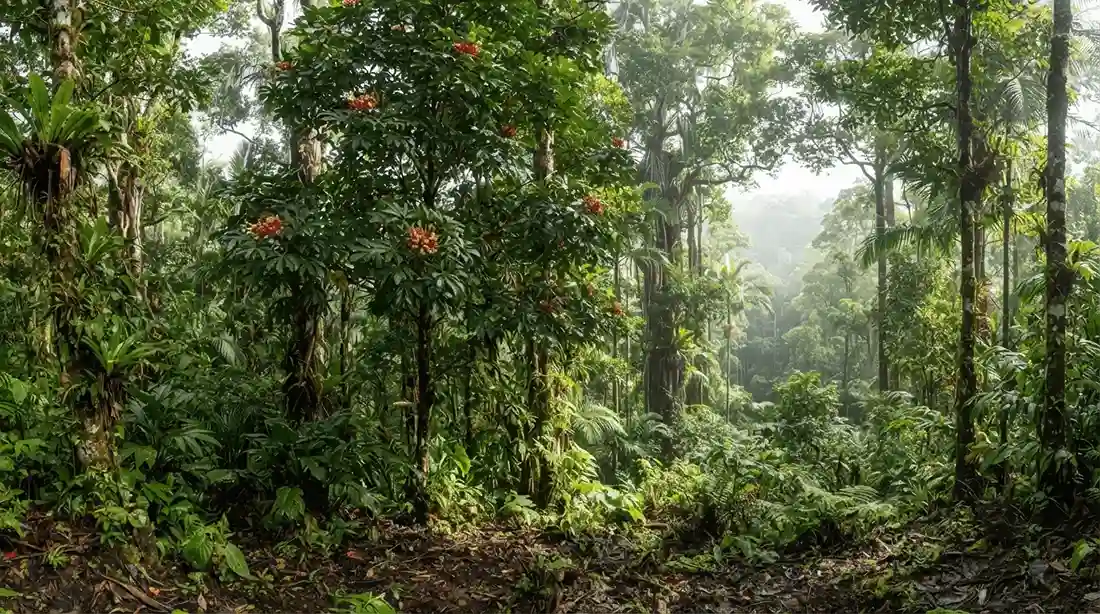
Understanding the stenocarpus sinuatus natural habitat and growing conditions is essential for successful cultivation. This species is adapted to warm, moist, and sheltered environments.
Climate and Environment
The firewheel tree thrives in:
- Subtropical to tropical climates
- High humidity environments
- Consistent rainfall regions
It is highly sensitive to frost. Even short exposure to cold can damage young growth. In our observations, trees grown in protected coastal or urban microclimates perform significantly better than those in inland cooler zones.
Soil and Light Requirements
Optimal growth conditions include:
- Well-drained, fertile soils
- Slightly acidic to neutral pH
- Full sun to partial shade
Greenery Inside recommends full sun exposure for best flowering performance, although young trees benefit from partial shade during establishment.
Firewheel Tree Size, Height, and Growth Rate
Mature Size and Height
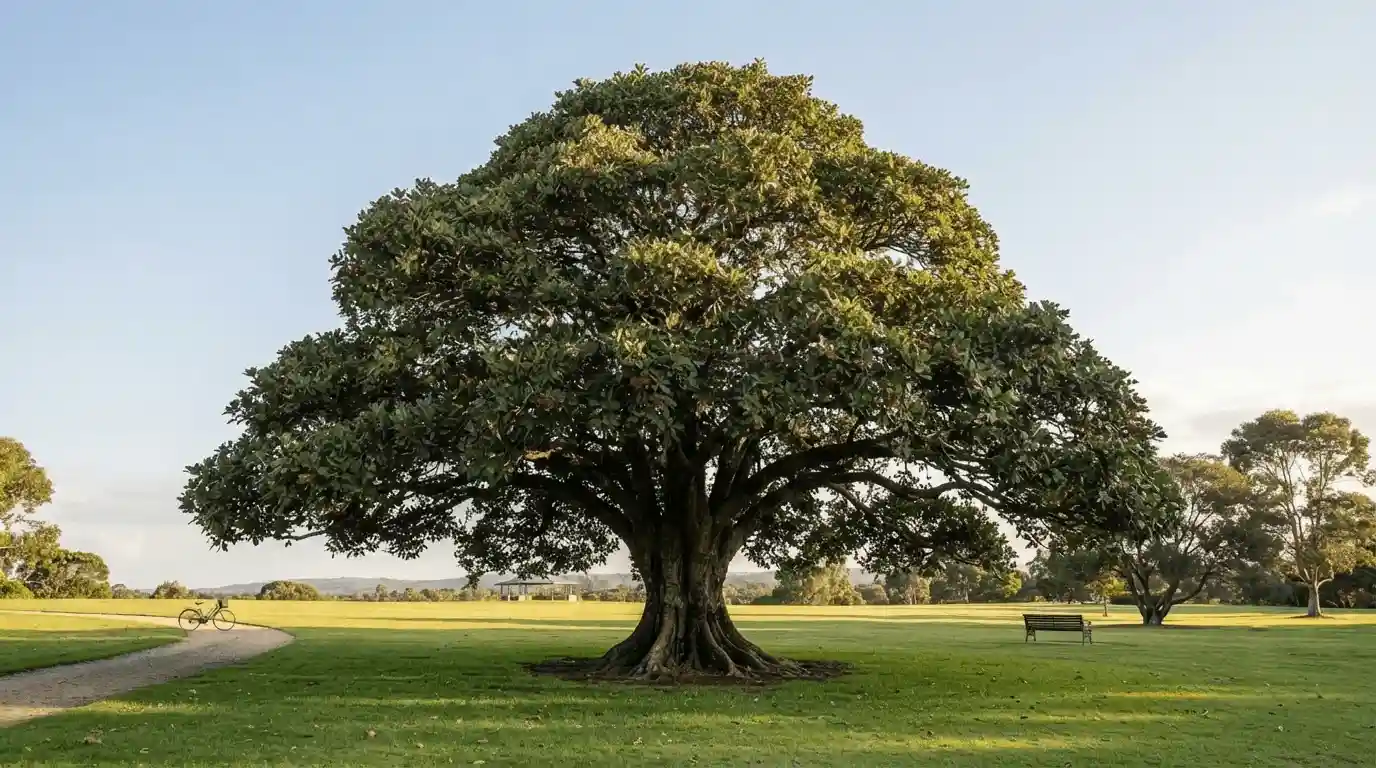
Stenocarpus sinuatus develops into a large ornamental shade tree under favorable conditions. Firewheel tree height varies depending on climate, but in ideal environments it becomes a tall, broad-canopied tree suitable for parks and large gardens.
Firewheel tree size is strongly influenced by:
- Soil fertility
- Moisture availability
- Climate stability
- Space for root expansion
Growth Rate and Development Pattern
The firewheel tree growth rate is generally moderate to fast in warm, humid climates. However, growth slows significantly in dry or cool environments.
Typical development pattern:
- Slow establishment phase (first 2–4 years)
- Moderate vertical growth after root stabilization
- Rapid canopy expansion in mature stages
In our experience growing ornamental rainforest species, consistent watering during early years dramatically improves structural development.
Leaves, Flowers, Fruit, and Seeds
Leaves and Foliage Structure
The stenocarpus sinuatus leaves are glossy, dark green, and leathery in texture. Juvenile leaves often appear more deeply lobed, while mature foliage becomes smoother and more uniform. The dense canopy provides excellent shade, making it useful in landscape design.
Iconic Firewheel Flowers
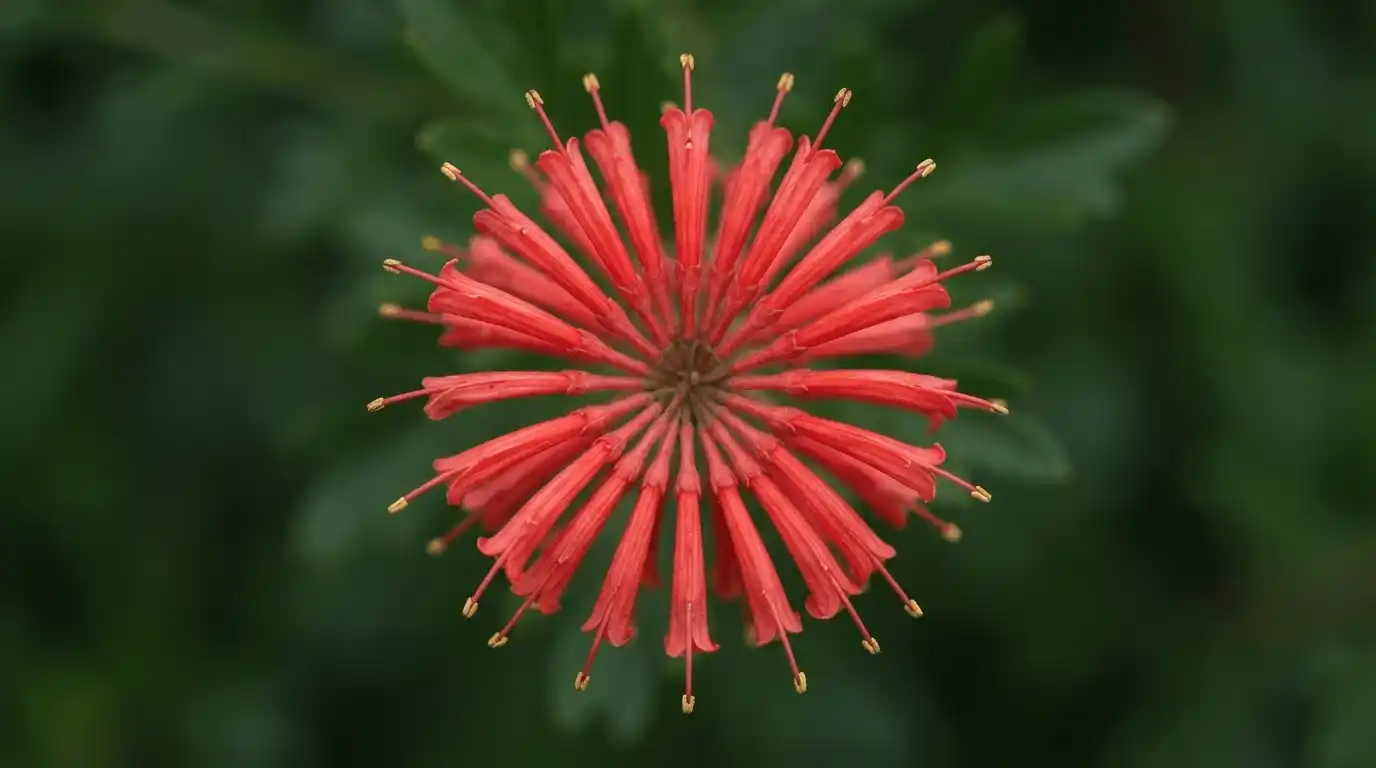
The most striking feature is its circular flower arrangement. Bright red tubular flowers radiate from a central point, forming a wheel-like shape. This structure is highly attractive to nectar-feeding birds and pollinators.
The “wheel of fire” appearance is one of the most distinctive floral displays among rainforest trees.
Fruit and Seeds
After flowering, the tree produces woody seed follicles that mature over time. Once fully developed, the pods split open to release seeds.
Key points:
- Seed release occurs naturally when pods dry
- Germination is slow and requires patience
- Propagation success improves with warm, moist conditions
Root System and Environmental Adaptation
Root System Characteristics
Stenocarpus sinuatus develops a moderately deep and stable root system. While not aggressively invasive, it requires sufficient underground space to expand properly.
Key traits:
- Strong anchoring in mature trees
- Moderate lateral spread
- Sensitivity to compacted soil
Urban Adaptation
The firewheel tree is suitable for:
- Parks
- Large gardens
- Botanical landscapes
It is not recommended for:
- Narrow streets
- Small courtyards
- Confined planting beds
Greenery Inside recommends avoiding root competition from nearby large structures or aggressive plants.
Care Guide for Firewheel Tree
Watering and Moisture Needs
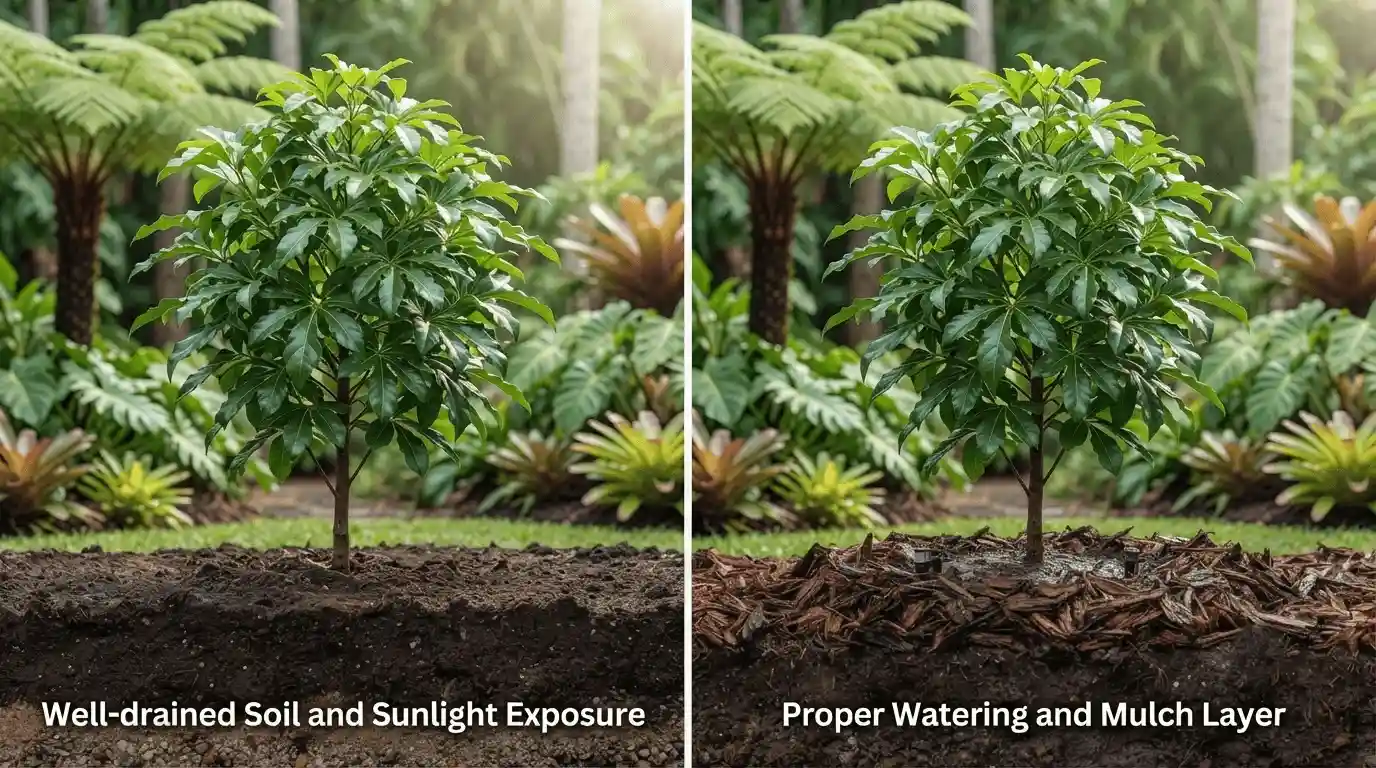
- Regular watering during establishment phase
- Reduced frequency once mature
- Avoid waterlogged conditions, which can cause root stress
Light and Soil Preferences
- Full sun improves flowering intensity
- Prefers nutrient-rich, slightly acidic soil
- Mulching helps retain moisture and regulate soil temperature
Pruning and Maintenance
- Light pruning maintains structure
- Remove dead or damaged branches regularly
- Avoid heavy pruning during flowering periods
Problems and Troubleshooting (Firewheel Tree Problems)
Common Issues
Firewheel trees may experience:
- Yellowing leaves due to nutrient deficiency or poor drainage
- Reduced flowering in low-light conditions
- Root stress in compacted soils
- Pest attacks when the tree is weakened
Prevention and Solutions
- Improve soil drainage with organic matter
- Apply balanced fertilizers during active growth
- Ensure at least 6 hours of sunlight
- Maintain consistent watering without overwatering
Comparison: Firewheel Tree vs Similar Ornamental Trees
In Australian landscapes, it is frequently compared with other flowering natives such as species featured in Australian native screening trees, which are also used for privacy and ornamental structure.
Firewheel Tree vs Flame Tree
The firewheel tree is often compared with flame trees, but they differ significantly:
- Firewheel tree: circular, wheel-shaped flower clusters
- Flame tree: broader, flame-like floral displays
- Firewheel tree has a more geometric floral pattern
- Flame trees often have more irregular bloom structures
Ornamental Value Comparison
The firewheel tree stands out due to its:
- Unique radial symmetry in flowers
- Strong visual identity in landscapes
- High attraction for wildlife
Landscaping Uses and Design Value
Because of its height and dense canopy, it is often grouped with other evergreen shade trees that are ideal for parks, large gardens, and urban cooling landscapes.
Urban and Garden Applications
Stenocarpus sinuatus is widely used as:
- Feature tree in botanical gardens
- Shade tree in parks
- Ornamental focal point in large landscapes
Ecological Benefits
- Supports nectar-feeding birds
- Enhances urban biodiversity
- Provides natural cooling through canopy shade
Common Mistakes in Growing Firewheel Tree
Frequent Growing Mistakes
- Overwatering young plants
- Planting in frost-prone locations
- Insufficient sunlight exposure
- Ignoring drainage requirements
In our experience, poor drainage is the most common cause of long-term decline in cultivated trees.
Conclusion
Stenocarpus sinuatus, or the firewheel tree, is a visually exceptional ornamental species that combines ecological value with striking floral architecture. When grown in warm climates with proper soil, sunlight, and care, it develops into a long-lived shade tree with iconic wheel-shaped flowers. Its adaptability and aesthetic impact make it a valuable addition to large-scale landscapes and tropical garden designs.
FAQs
1. What is Stenocarpus sinuatus commonly called?
It is commonly known as the firewheel tree or wheel of fire tree due to its circular red flower structure.
2. How fast does the firewheel tree grow?
It grows moderately fast in warm, humid climates but slows in cooler or dry conditions.
3. How tall does a firewheel tree grow?
It can become a tall canopy tree in ideal tropical and subtropical environments.
4. What are the ideal growing conditions?
It prefers full sun, well-drained soil, and warm climates with high humidity.
5. Does the firewheel tree produce fruit?
Yes, it produces woody seed pods that release seeds when mature.
6. What are common problems with firewheel trees?
Common issues include yellowing leaves, poor flowering, and root stress caused by poor drainage or low light.