Introduction
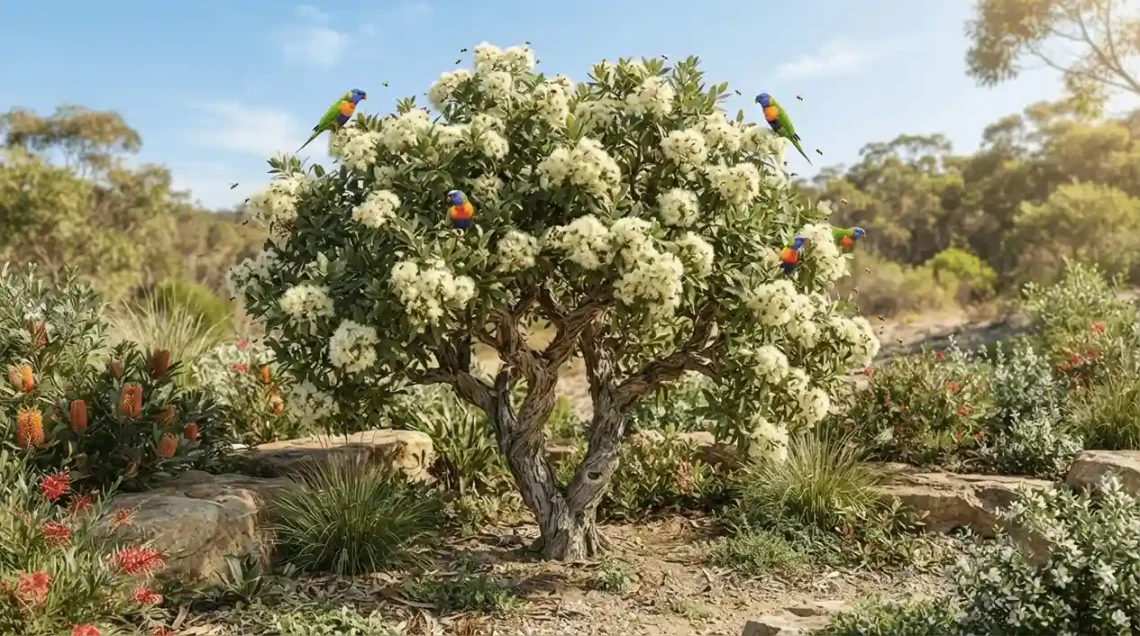
Angophora hispida, commonly known as the dwarf apple gum, is a distinctive Australian native tree admired for its rough-textured foliage, striking clusters of creamy-white flowers, and attractive bark. Naturally occurring across parts of eastern Australia, this compact dwarf angophora is well suited to native gardens, wildlife-friendly landscapes, and smaller residential properties where a manageable tree is preferred. As a member of the Angophora genus within the myrtle family (Myrtaceae), it shares characteristics with Australia’s iconic eucalypts while maintaining its own unique appearance. Throughout Angophora hispida Australia, gardeners value this hardy apple gum for its ornamental beauty, ecological benefits, and adaptability to local growing conditions.
By Greenery Inside | Plant Care & Gardening Expert
Our experience growing Australian native trees shows that Angophora hispida performs best when planted in a sunny position with excellent drainage from the very beginning. Proper site selection greatly reduces future maintenance and encourages healthier long-term growth.
Quick Summary
- Angophora hispida is a compact Australian native tree commonly known as the dwarf apple gum, valued for its rough foliage, colorful flowers, and ornamental bark.
- It grows at a slow to moderate rate, making it suitable for residential gardens and wildlife-friendly landscapes.
- The tree thrives in full sun and well-drained sandy soils and requires relatively little maintenance once established.
- Proper watering during establishment, careful site selection, and avoiding poorly drained soils help prevent most common growing problems.
What Is Angophora hispida?
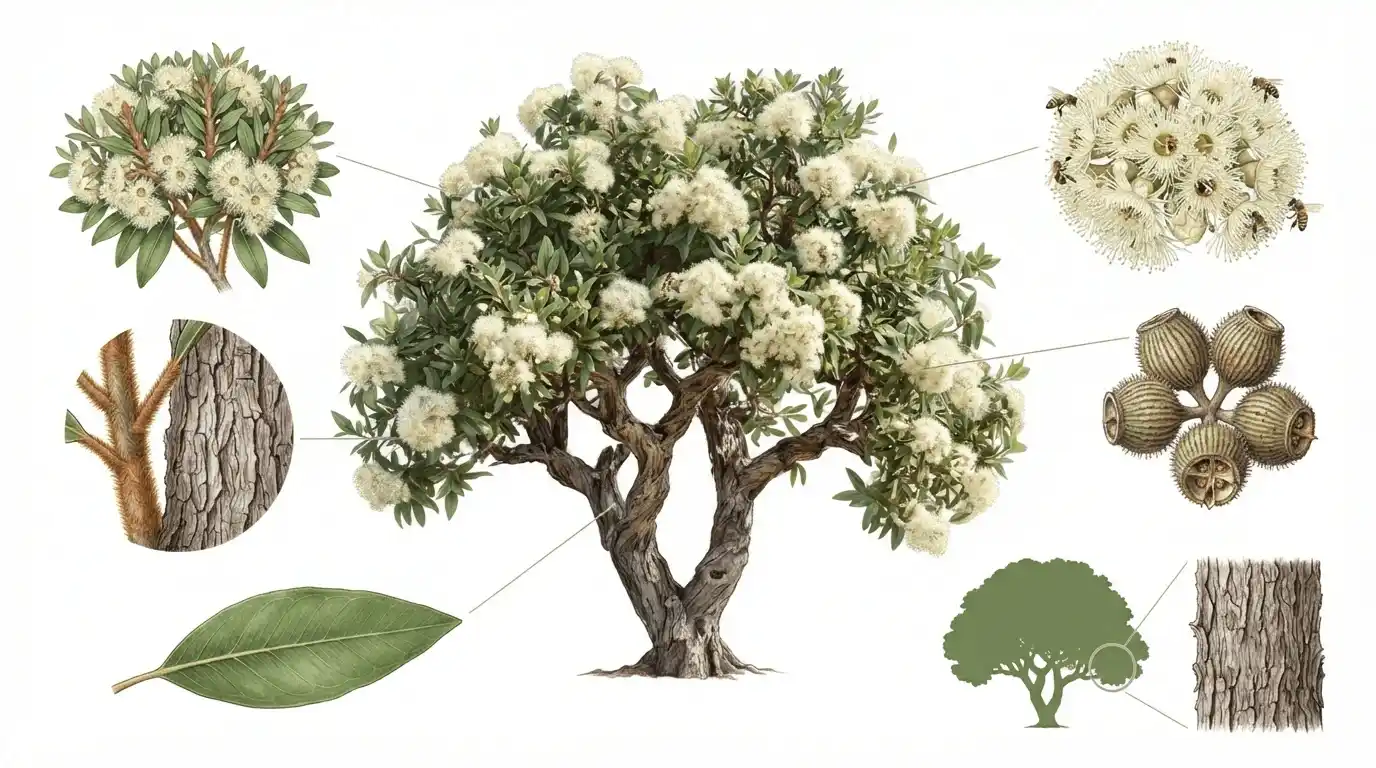
Angophora hispida is an Australian native tree species belonging to the myrtle family (Myrtaceae). It is recognized for its compact size, hairy young stems, rough foliage, and showy flowers that attract birds, bees, and other pollinators. Unlike many larger native gum trees, the dwarf apple gum remains manageable for home landscapes while providing significant ecological value.
Its adaptability to nutrient-poor soils and seasonal dry conditions has made it a popular choice for gardeners seeking an ornamental tree that supports local biodiversity with relatively low maintenance requirements.
For broader botanical context, Angophora hispida belongs to the Angophora genus within the Myrtaceae family, which is closely related to eucalyptus species.
Learn more here: Angophora hispida (Wikipedia)
Angophora hispida is a great example of a compact species often featured in broader landscape design discussions about Australian native garden trees, where low-maintenance and wildlife-friendly trees are prioritized.
Botanical classification and native habitat
The scientific classification of Angophora hispida is:
| Classification | Details |
| Kingdom | Plantae |
| Clade | Angiosperms |
| Order | Myrtales |
| Family | Myrtaceae |
| Genus | Angophora |
| Species | Angophora hispida |
The species is native to eastern Australia, particularly within coastal and near-coastal regions of New South Wales. It commonly grows in:
- Open woodland
- Heathland
- Sandstone plateaus
- Dry sclerophyll forests
- Sandy ridges and rocky outcrops
These environments typically feature free-draining sandy soils with low fertility, where the tree has adapted to periodic drought, high temperatures, and naturally occurring bushfires.
Its natural habitat explains why Angophora hispida performs best under conditions that closely resemble Australia’s native bushland ecosystems.
Greenery Inside recommends choosing planting locations that mimic these natural conditions whenever possible. Trees established in well-drained native soils generally require less intervention over time than those planted in heavy garden soils.
These ecosystems are part of the wider range of native trees of Australia, which are uniquely adapted to drought, fire cycles, and nutrient-poor soils.
Why it is called the dwarf apple gum
The common name dwarf apple gum reflects both the tree’s relatively compact size and its distinctive fruit.
The word “apple” refers to the rounded woody fruit capsules that resemble miniature apples in shape, although they are not edible. Like other members of the Angophora genus, the tree produces hard seed capsules that remain on branches after flowering.
The term “gum” is commonly applied to Australian members of the myrtle family, including Angophora, Eucalyptus, and Corymbia, because many produce resinous sap and possess characteristic bark textures.
The “dwarf” portion distinguishes Angophora hispida from much larger Australian gum trees that may exceed 30 meters in height.
Several ornamental characteristics contribute to its popularity:
- Rough, hairy young branches
- Thick, leathery green leaves
- Attractive rough bark
- Large clusters of nectar-rich flowers
- Compact rounded canopy suitable for gardens
Key identification features
Several characteristics make Angophora hispida easy to identify among Australian native trees.
Rough hairy stems
Young stems are densely covered with fine hairs, giving them a rough texture. This feature inspired the species name “hispida,” meaning bristly or hairy.
Leaf texture
Leaves are:
- Broadly lance-shaped
- Thick and leathery
- Medium to dark green
- Slightly rough compared to many eucalyptus species
- Arranged opposite on younger growth before becoming alternate on mature branches
Flower appearance
Flowering usually occurs from late spring into summer.
Flowers are:
- Creamy white
- Produced in large clusters
- Rich in nectar
- Highly attractive to native bees, butterflies, and nectar-feeding birds
The fluffy appearance results from numerous prominent stamens rather than petals.
Bark characteristics
Unlike many smooth-barked gum trees, Angophora hispida develops rough, fibrous bark that provides year-round ornamental interest.
As the tree matures, the bark becomes increasingly textured while helping protect the trunk from environmental stress.
Growth habit
The species develops:
- A rounded canopy
- Multiple sturdy branches
- Moderate canopy density
- Compact overall structure
This naturally balanced growth habit reduces the need for heavy pruning and makes the tree well suited to urban gardens.
Angophora hispida Size and Growth Habit
One of the biggest advantages of the dwarf apple gum is its manageable mature size. Unlike towering eucalyptus trees, Angophora hispida size remains suitable for many residential landscapes while still providing shade, seasonal flowers, and habitat for wildlife.
Its compact growth makes it an excellent option where space is limited but a native feature tree is desired.
Mature height and spread
Under favorable growing conditions, mature trees typically reach:
- Height: 4–8 meters (13–26 feet)
- Spread: 4–7 meters (13–23 feet)
Growth varies depending on soil quality, moisture availability, and local climate.
The canopy usually develops into a rounded or irregular crown with evenly spaced branches that create light, filtered shade rather than dense cover.
Root development is generally moderate compared to many larger Australian gum trees. Although the roots are strong, they are less aggressive than those of larger eucalyptus species when planted with appropriate spacing.
Because of its moderate dimensions, the dwarf apple gum is suitable for:
- Small residential gardens
- Native landscape projects
- Wildlife gardens
- Park plantings
- Large containers during early growth
- Streetscapes with adequate planting space
In our experience, allowing enough room for the mature canopy from the outset reduces future pruning and encourages healthier branch development.
Factors that affect mature size
Several environmental factors influence how large Angophora hispida ultimately becomes.
Soil
Well-drained sandy soils promote healthy root growth, while compacted or poorly drained soils often reduce vigor and limit mature size.
Water
Consistent moisture during the establishment phase encourages stronger root development and better early growth.
Climate
Warm temperate climates within the species’ native range generally produce the healthiest specimens.
Sunlight
Trees planted in full sun develop fuller canopies and stronger branch structures than those grown in shaded locations.
Pruning
Light structural pruning helps maintain healthy branch architecture, while excessive pruning can slow growth and reduce flowering.
Available space
Trees with unrestricted root and canopy space typically achieve their natural mature dimensions.
Growing Condition vs Expected Size
| Growing Condition | Expected Size Impact |
| Full sun | Maximum growth |
| Poor soil | Reduced growth |
| Limited space | Smaller canopy |
| Regular moisture during establishment | Better early development |
Angophora hispida Growth Rate
The Angophora hispida growth rate is generally considered slow to moderate. While it does not grow as rapidly as some eucalyptus species, its steady development produces a durable, well-balanced tree with strong branching and long-term ornamental value.
Gardeners often appreciate this slower pace because it requires less frequent pruning and remains easier to manage in smaller landscapes.
Is it fast or slow growing?
Angophora hispida is best described as a slow to moderately growing tree.
Under good growing conditions, young trees typically add:
- Approximately 20–50 cm (8–20 inches) of new growth per year
- Faster growth during the establishment period
- Gradually slowing growth as maturity approaches
Although it takes several years to reach its full ornamental potential, the species develops a stable framework that supports decades of healthy growth.
Its relatively modest growth rate makes it easier to integrate into residential landscapes without quickly outgrowing available space.
What affects growth speed?
Several environmental factors determine how quickly the tree develops.
Climate
Warm temperate regions with mild winters generally support the strongest annual growth.
Rainfall
Regular seasonal rainfall promotes consistent development, especially in younger specimens.
Soil fertility
Although adapted to nutrient-poor native soils, moderate fertility combined with excellent drainage supports healthier growth.
Water availability
Supplemental watering during prolonged dry periods helps young trees establish strong root systems.
Root establishment
The first few years after planting are largely devoted to root development. Once the root system becomes established, canopy growth becomes more consistent.
Greenery Inside recommends focusing on healthy root establishment rather than encouraging rapid top growth. Trees with strong root systems generally become more resilient to drought and environmental stress.
Seasonal growth patterns
Like many Australian native trees, Angophora hispida follows seasonal growth cycles.
Spring
Spring typically produces the strongest flush of new shoots and leaves as temperatures rise and soil moisture increases.
Summer
Growth continues through summer provided sufficient moisture is available. Flower production also occurs during this active growing season.
Autumn
Growth gradually slows while the tree prepares for cooler weather.
Winter
During winter, development becomes minimal, although evergreen foliage remains attractive throughout the year. Winter is also an ideal time to inspect tree structure and plan any necessary maintenance before active spring growth resumes.
Angophora hispida Leaves, Flowers, and Fruit
The foliage, flowers, and fruit of Angophora hispida are among its most distinctive ornamental features. Together, they provide year-round interest while supporting native wildlife. The rough-textured leaves, nectar-rich blossoms, and woody seed capsules also make the dwarf apple gum easy to distinguish from many other Australian native trees.
Leaf characteristics
The Angophora hispida leaves are thick, leathery, and slightly rough to the touch, reflecting the species’ adaptation to Australia’s often dry and nutrient-poor environments.
Key leaf characteristics include:
- Broadly lance-shaped to oval
- Medium to dark green
- Coarse, slightly hairy texture on young growth
- Prominent veins
- Evergreen throughout the year
Young plants typically display leaves in opposite pairs, while mature trees may develop an alternate leaf arrangement. Unlike many eucalyptus species, mature leaves often retain a broader shape, giving the canopy a fuller appearance.
The leathery texture helps reduce water loss during hot weather, making the tree naturally suited to drought-prone landscapes.
As of the current growing season (2026), Australian native plant growers continue to recommend preserving healthy foliage through proper watering during establishment rather than frequent fertilization, as excessive nutrients may encourage weak growth.
Flowering season
Angophora hispida is admired for its abundant flowering display, which usually occurs from late spring through summer, although timing may vary slightly depending on local climate.
Its flowers are characterized by:
- Creamy white to pale cream color
- Dense rounded flower clusters
- Numerous long stamens that create a soft, fluffy appearance
- Rich nectar production
- Light, pleasant fragrance
The flowers are an important food source for wildlife and attract a wide range of pollinators, including:
- Native bees
- European honeybees
- Butterflies
- Honeyeaters
- Lorikeets
- Other nectar-feeding birds
Because flowering is often prolific on healthy trees, the species is widely planted in biodiversity-focused gardens and restoration projects.
In our experience, trees grown in full sun consistently produce heavier flowering displays than those planted in partially shaded locations.
Angophora hispida fruit
The Angophora hispida fruit consists of small, woody seed capsules rather than edible fruit.
These capsules:
- Develop after flowering
- Are rounded and cup-shaped
- Turn brown as they mature
- Remain on branches for extended periods
- Contain numerous fine seeds
The fruit plays an essential role in the tree’s natural reproduction. As the capsules dry, they gradually release seeds that may germinate when environmental conditions become favorable.
It is important to understand that despite the common name apple gum, these capsules are not edible and do not resemble true apples beyond their rounded shape.
The persistent woody capsules also provide seasonal visual interest after flowering has finished and are commonly collected for seed propagation.
How to Grow and Care for Angophora hispida
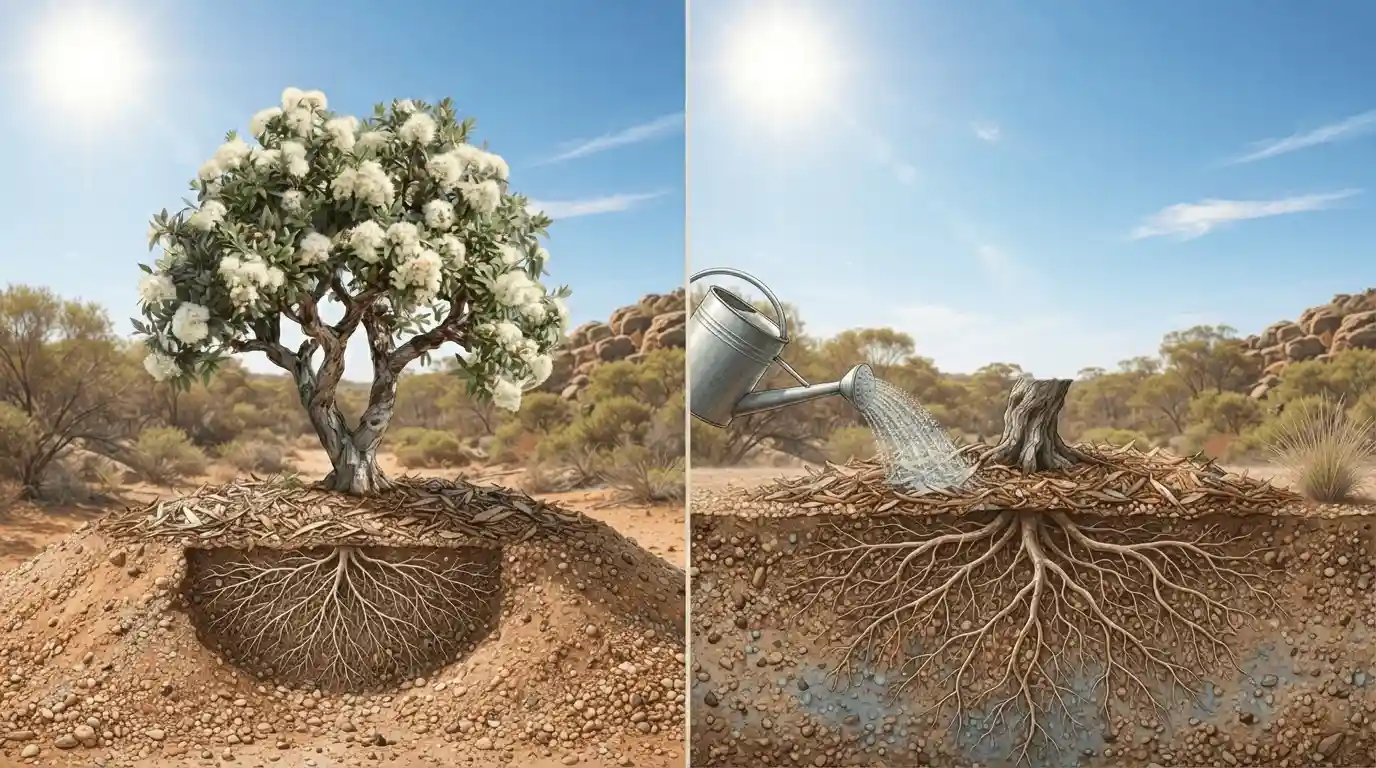
Angophora hispida is relatively easy to grow when planted in conditions similar to its natural habitat. Once established, it requires minimal maintenance and demonstrates excellent resilience to heat and seasonal dry periods.
Following accepted horticultural practices during planting and early establishment helps produce a healthier, longer-lived tree.
Light requirements
Angophora hispida grows best in full sun.
Ideally, it should receive:
- At least 6–8 hours of direct sunlight daily
- Open exposure without competition from larger trees
- Good air circulation
Adequate sunlight encourages:
- Strong branching
- Dense foliage
- Increased flowering
- Improved disease resistance
Trees grown in excessive shade may develop:
- Sparse canopies
- Reduced flowering
- Slower growth
- Weak branch structure
Soil preferences
Like many Australian native trees, Angophora hispida performs best in well-drained soils.
Preferred soil conditions include:
- Sandy soils
- Sandy loams
- Light gravelly soils
- Slightly acidic to neutral pH
- Excellent drainage
The species is naturally adapted to sandstone-derived soils with relatively low nutrient levels.
Heavy clay soils that retain water for long periods should be avoided because prolonged root saturation can lead to poor health.
If drainage is limited, incorporating coarse sand or planting on a raised mound can improve growing conditions.
Watering needs
Water requirements change as the tree matures.
During establishment (first 1–2 years):
- Water deeply once or twice each week during dry weather.
- Allow the upper soil layer to dry slightly between waterings.
- Apply mulch around the root zone while keeping it away from the trunk.
After establishment:
- Water only during prolonged drought.
- Mature trees generally tolerate seasonal dry conditions well.
- Avoid frequent shallow watering, which encourages surface roots.
Greenery Inside recommends deep, infrequent watering rather than daily light irrigation. This practice promotes deeper root growth and improves drought resilience over time.
Fertilizing
Most established Angophora hispida trees require little or no fertilizer.
If growth appears weak in poor soils, apply:
- A low-phosphorus fertilizer formulated for Australian native plants
- Fertilizer during spring
- Moderate application rates
Avoid:
- High-phosphorus fertilizers
- Excessive nitrogen
- Frequent feeding
Overfertilizing can encourage lush, weak growth that is more susceptible to environmental stress.
Pruning
Routine pruning requirements are minimal.
The best time to prune is:
- Late winter
- Early spring before active growth begins
Pruning should focus on:
- Removing dead branches
- Eliminating damaged limbs
- Improving branch spacing
- Maintaining natural form
Heavy pruning is rarely necessary because the tree naturally develops an attractive canopy.
Clean, sharp pruning tools reduce the risk of introducing disease into fresh cuts.
Climate tolerance
Angophora hispida is well adapted to Australia’s warm temperate climate.
It demonstrates good tolerance of:
- Heat
- Seasonal drought
- Wind
- Coastal conditions with light salt exposure
However, it has only moderate frost tolerance.
Young trees may require protection during severe frosts until they become established.
Its natural drought adaptation makes it a valuable choice for water-wise landscapes where irrigation is limited after establishment.
Propagation Methods
Angophora hispida can be propagated from seed or by purchasing nursery-grown plants. While both methods are effective, each offers different advantages depending on the gardener’s experience and desired establishment speed.
Growing from seed
Seed propagation is the traditional method used for producing new plants.
The process includes:
- Collect mature woody seed capsules after they have dried.
- Allow capsules to continue drying until they naturally release seeds.
- Sow seeds on a well-drained native seed-raising mix.
- Lightly cover with fine sand or vermiculite.
- Keep the growing medium consistently moist but not waterlogged.
- Place trays in a warm, bright location with indirect sunlight.
Seedlings usually establish gradually before accelerating once a healthy root system develops.
Patience is important, as germination rates and growth speed may vary depending on seed quality and environmental conditions.
Nursery-grown plants
Many home gardeners choose nursery-grown trees because they establish more quickly and require less attention during their early years.
Advantages include:
- Faster landscape impact
- Stronger early root systems
- Reduced germination uncertainty
- Professionally grown healthy stock
- Easier planting for beginners
When purchasing a nursery-grown specimen, select plants with:
- Healthy green foliage
- Well-balanced branching
- No signs of pests or disease
- A well-developed but not root-bound root system
In our experience, planting quality nursery-grown stock during the cooler months of autumn or early spring often results in better establishment than planting during periods of extreme summer heat.
Common Angophora hispida Problems and Solutions
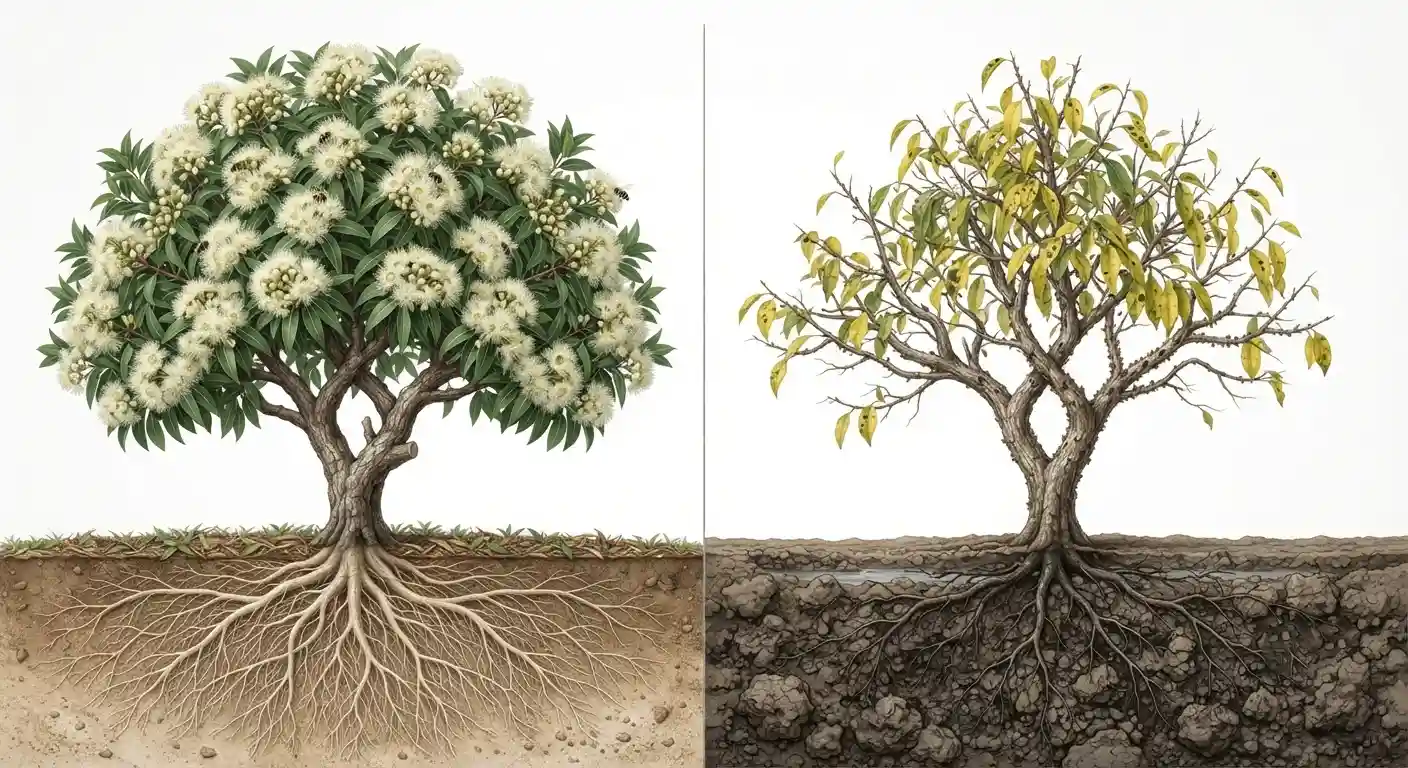
Although Angophora hispida is generally a hardy Australian native tree, it can experience several growing issues if planted under unsuitable conditions. Most problems are preventable through correct site selection, proper watering, and regular monitoring.
Understanding these common Angophora hispida problems helps gardeners maintain healthy, vigorous trees over the long term.
Poor growth
Poor growth is usually linked to environmental conditions rather than genetics.
Common causes:
- Heavy or poorly drained soil
- Insufficient sunlight
- Extended drought during establishment
- Root disturbance
- Poor planting practices
Solutions:
- Plant in full sun.
- Improve soil drainage before planting.
- Water deeply during the establishment period.
- Apply mulch to conserve soil moisture.
- Avoid excessive fertilizer applications.
Prevention:
Choosing the right planting location from the beginning is the most effective way to prevent slow or uneven growth.
Leaf discoloration
Leaves may become yellow or pale due to several environmental stresses.
Possible causes include:
- Water stress
- Poor drainage
- Nutrient imbalance
- Root damage
- Heat stress during prolonged dry periods
Correcting watering practices and ensuring adequate drainage often resolves the issue.
Persistent discoloration should prompt inspection for root problems or pest activity.
Root problems
Healthy roots are essential for long-term growth.
Root problems commonly result from:
- Waterlogged soil
- Poor drainage
- Overwatering
- Soil compaction
Symptoms include:
- Slow growth
- Wilting despite moist soil
- Yellowing foliage
- Branch dieback
Prevent root issues by:
- Planting in free-draining soil
- Avoiding excessive irrigation
- Preventing soil compaction around the root zone
- Maintaining a mulch layer without covering the trunk
Pests and diseases
While relatively resistant compared with many ornamental trees, Angophora hispida may occasionally be affected by Australian native plant pests.
Common pests include:
- Scale insects
- Psyllids
- Leaf-chewing insects
Occasional fungal issues may develop during prolonged periods of high humidity or poor air circulation.
Preventative care includes:
- Maintaining tree vigor
- Avoiding overhead watering where possible
- Removing dead or diseased branches
- Monitoring foliage regularly for early signs of infestation
- Encouraging beneficial insects that naturally control pest populations
Healthy, well-established trees are generally much less susceptible to serious pest and disease problems than stressed specimens.
Landscaping Uses of the Dwarf Apple Gum
The dwarf apple gum is a versatile ornamental tree that fits naturally into a wide range of Australian landscapes. Its compact size, attractive bark, evergreen foliage, and nectar-rich flowers make it an excellent choice for both residential gardens and larger public plantings. Beyond its ornamental value, Angophora hispida supports local biodiversity and contributes to sustainable, water-wise landscapes.
Because of its compact size and screening ability, Angophora hispida is often used alongside other species listed in guides to Australian native screening trees for creating natural privacy and habitat-friendly borders.
Ideal garden settings
Because of its manageable size and adaptability, Angophora hispida suits many landscape designs.
Ideal planting locations include:
- Native Australian gardens
- Wildlife-friendly gardens
- Small residential landscapes
- Parks and public open spaces
- Streetscapes with adequate planting space
- Bushland restoration projects
The tree works well as:
- A specimen feature tree
- A seasonal flowering focal point
- A light shade tree
- A habitat tree for birds and beneficial insects
In our experience, planting the dwarf apple gum alongside other Australian natives creates a more natural-looking landscape while improving habitat connectivity for pollinators and native birds.
Benefits for biodiversity
One of the greatest strengths of Angophora hispida is its ecological value.
The tree provides:
- Nectar for native bees
- Food for honeyeaters and lorikeets
- Habitat for native insects
- Shelter for small birds
- Seasonal pollen for pollinating species
Its extended flowering period helps support wildlife when other native plants may not be in bloom.
Because it is indigenous to eastern Australia, the species integrates naturally into local ecosystems without disrupting native biodiversity.
Companion planting ideas
The dwarf apple gum combines well with many Australian native plants that enjoy similar growing conditions.
Suitable companion plants include:
Native shrubs
- Grevillea species
- Banksia species
- Callistemon (Bottlebrush)
- Westringia fruticosa
Native grasses
- Kangaroo grass (Themeda triandra)
- Weeping grass (Microlaena stipoides)
- Wallaby grass (Rytidosperma species)
Flowering plants
- Anigozanthos (Kangaroo Paw)
- Native daisies
- Scaevola species
- Correa species
Selecting companion plants with similar water and soil requirements creates a healthier, lower-maintenance landscape.
Angophora hispida vs Similar Australian Native Trees
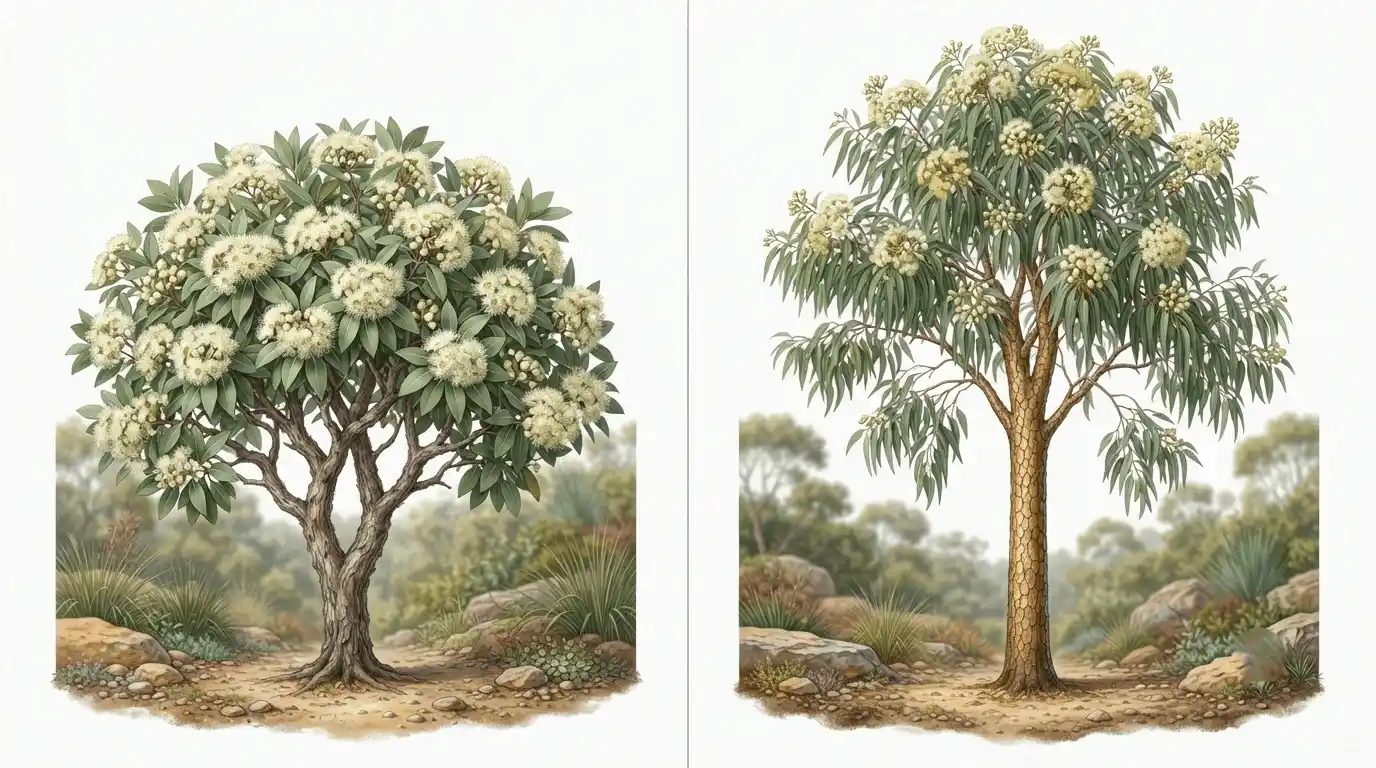
Angophora hispida is often compared with other Australian native trees because of its ornamental appeal and adaptability. One of the most common comparisons is with Corymbia eximia, commonly known as the yellow bloodwood tree. Although both belong to the myrtle family (Myrtaceae), they differ in appearance, mature size, habitat, and landscape use.
Angophora hispida vs Corymbia eximia (Yellow Bloodwood)
Corymbia eximia, historically known as Eucalyptus eximia, is a much larger tree than Angophora hispida and is valued for its striking tessellated bark and colorful flowers.
Key differences
| Feature | Angophora hispida | Corymbia eximia (Yellow Bloodwood) |
| Mature size | 4–8 m | 10–20 m or more |
| Bark | Rough, fibrous | Thick, tessellated “bloodwood” bark |
| Leaves | Broad, leathery | Narrower, glossy mature leaves |
| Flowers | Creamy white | Cream to pale yellow |
| Habitat | Sandstone woodlands and heath | Dry forests and sandstone ridges |
| Best landscape use | Small gardens, wildlife landscapes | Parks, larger gardens, streetscapes |
While both species tolerate similar climates, Angophora hispida is generally the better choice where space is limited, whereas the yellow bloodwood is more suitable for larger landscapes that can accommodate its mature size.
Dwarf forms and cultivars
Gardeners sometimes confuse Angophora hispida with dwarf selections of Corymbia eximia, particularly Corymbia eximia ‘Nana’, also referred to as the dwarf yellow bloodwood or Corymbia eximia nana dwarf yellow bloodwood. Historically, this plant has also been listed as Eucalyptus eximia nana.
Although these plants serve similar landscaping purposes, they are different species.
Differences between Angophora hispida and dwarf Yellow Bloodwood
- Angophora hispida belongs to the Angophora genus.
- Corymbia eximia ‘Nana’ belongs to the Corymbia genus.
- Their bark textures differ noticeably.
- Leaf shape and canopy structure are distinct.
- Flower characteristics vary slightly.
- Each has unique natural habitats and growth habits.
Gardeners should select the species that best matches their available space, desired appearance, and local environmental conditions rather than relying solely on common names.
Common Beginner Mistakes When Growing Angophora hispida
Most growing problems occur because gardeners unintentionally provide conditions that differ from the tree’s natural habitat. Avoiding these common mistakes greatly improves long-term success.
Planting in heavy clay
Poorly drained clay soils can restrict root development and increase the risk of root rot.
Solution: Improve drainage before planting or choose a naturally well-drained site.
Too much watering
Frequent watering after establishment is unnecessary and may damage roots.
Solution: Water deeply but infrequently, allowing the soil to partially dry between watering sessions.
Insufficient sunlight
Planting in shaded locations often results in weaker growth and reduced flowering.
Solution: Select a site that receives at least six hours of direct sunlight each day.
Overfertilizing native plants
Australian native trees generally require less fertilizer than many exotic ornamentals.
Solution: Apply only low-phosphorus fertilizers formulated for native plants when necessary.
Planting too close to structures
Although relatively compact, the tree still develops a broad canopy and healthy root system.
Solution: Allow adequate spacing from buildings, fences, and underground utilities.
Ignoring mature canopy size
Young nursery plants appear small but gradually develop into rounded feature trees.
Solution: Plan for the mature height and spread before planting to minimize future pruning and overcrowding.
Environmental Considerations and Long-Term Maintenance
Angophora hispida is well suited to sustainable gardening because it has evolved under Australia’s challenging environmental conditions. Once established, it requires relatively little intervention while continuing to provide ornamental and ecological value.
Drought resilience
The species develops good drought tolerance after establishment due to its deepening root system and leathery evergreen foliage.
During prolonged dry periods:
- Water deeply only when necessary.
- Maintain organic mulch to conserve soil moisture.
- Avoid frequent shallow irrigation.
Bushfire-adapted characteristics
Like many Australian native trees, Angophora hispida has evolved in landscapes influenced by periodic bushfires.
While no landscape tree is fireproof, this species demonstrates adaptations such as:
- Thick protective bark
- Regenerative growth following environmental stress
- Tolerance of naturally occurring fire-prone ecosystems
Gardeners in bushfire-prone regions should still follow local fire-safe landscaping guidelines and maintain appropriate clearance around buildings.
Water-wise landscaping
Because mature trees require relatively little supplemental irrigation, Angophora hispida fits well into water-wise garden designs.
Combining it with drought-tolerant native shrubs and grasses helps reduce long-term water use while supporting local biodiversity.
Seasonal maintenance
Routine maintenance is straightforward.
Spring
- Inspect new growth.
- Apply mulch if needed.
- Monitor flowering.
Summer
- Water young trees during prolonged dry spells.
- Watch for signs of heat stress.
Autumn
- Inspect overall tree health.
- Remove damaged branches if required.
Winter
- Carry out light structural pruning.
- Check mulch depth.
- Prepare for spring growth.
Greenery Inside recommends inspecting the tree at least once each season. Early identification of pests, damaged branches, or drainage issues helps prevent larger problems and reduces the need for corrective maintenance.
Long-term care planning
Healthy long-term growth depends on consistent but minimal care.
Best practices include:
- Maintaining good soil drainage
- Avoiding unnecessary fertilization
- Watering deeply during extended droughts
- Preserving the natural canopy shape
- Monitoring for pests and diseases
- Allowing sufficient space for mature growth
With proper planning, Angophora hispida can remain an attractive landscape feature for many decades.
Conclusion
Angophora hispida, commonly known as the dwarf apple gum, is an outstanding Australian native tree valued for its compact size, rough-textured foliage, attractive bark, and nectar-rich flowers. Its adaptability to well-drained soils, moderate growth rate, and relatively low maintenance requirements make it an excellent choice for residential gardens, wildlife landscapes, and water-wise planting schemes.
By selecting an appropriate planting site, providing full sun, avoiding excessive watering, and understanding common growing challenges, gardeners can enjoy a healthy, long-lived tree that supports birds, bees, and other beneficial wildlife. Whether used as a feature tree or incorporated into a broader native garden, Angophora hispida offers lasting ornamental beauty while contributing to Australia’s unique natural biodiversity.
Frequently Asked Questions
What is Angophora hispida commonly called?
Angophora hispida is commonly known as the dwarf apple gum. The name refers to its relatively compact size and its rounded woody seed capsules, which resemble small apples but are not edible.
How big does Angophora hispida grow?
Most mature trees reach approximately 4–8 meters (13–26 feet) in height with a similar canopy spread, depending on soil quality, sunlight, and available growing space.
How fast does Angophora hispida grow?
The species has a slow to moderate growth rate, typically producing around 20–50 cm (8–20 inches) of new growth each year under favorable conditions.
What do Angophora hispida fruits look like?
The fruit consists of small, woody, rounded seed capsules that develop after flowering. They contain numerous tiny seeds and are used for natural reproduction and propagation.
Why are my Angophora hispida leaves turning yellow?
Yellow leaves are commonly caused by overwatering, poor drainage, drought stress, nutrient imbalance, or root problems. Checking soil moisture and improving drainage usually helps resolve the issue.
Is Angophora hispida drought tolerant?
Yes. Once established, Angophora hispida is considered drought tolerant and performs well in water-wise landscapes. Young trees, however, require regular deep watering during their establishment period.
What is the difference between Angophora hispida and Yellow Bloodwood?
The primary difference is size and botanical classification. Angophora hispida is a smaller tree in the Angophora genus, while Yellow Bloodwood (Corymbia eximia) is a larger tree in the Corymbia genus with distinctive tessellated bark and a taller mature habit.
Can Angophora hispida be grown in small gardens?
Yes. Its compact mature size, rounded canopy, moderate growth rate, and low-maintenance nature make it well suited to small residential gardens, native landscapes, and wildlife-friendly planting designs.