Introduction
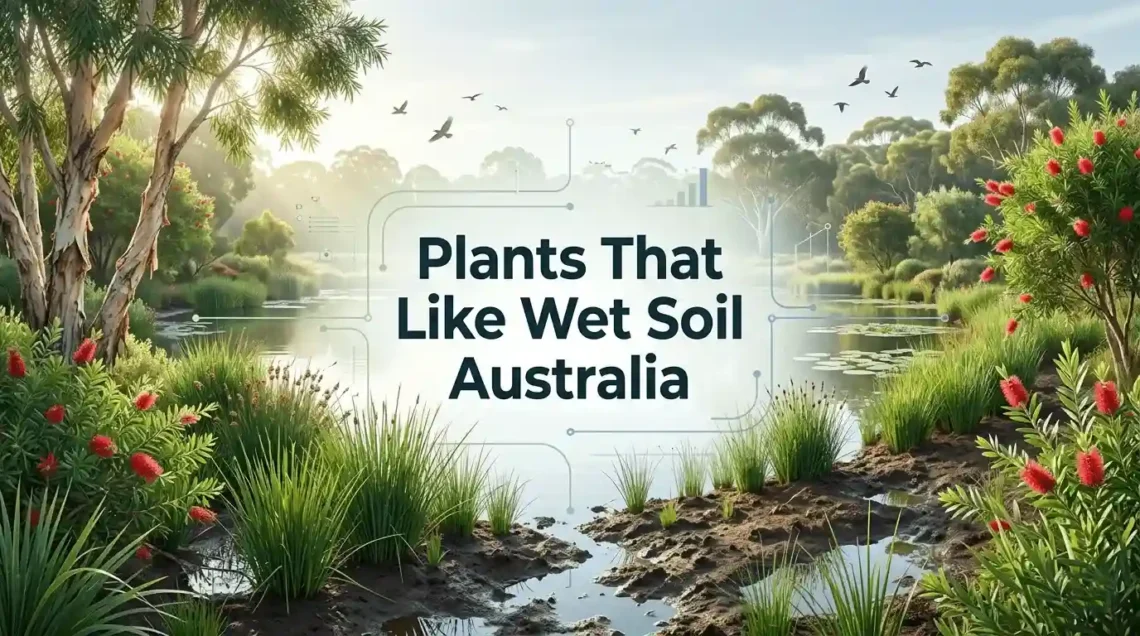
Plants that like wet soil in Australia thrive in boggy, poorly drained, or seasonally flooded areas, making them ideal for rain gardens, pond edges, and clay-heavy sites common across the continent. These water-tolerant species—especially Australian natives—are adapted to saturated root conditions, often referred to as “wet feet,” without developing root rot. In contrast, many drought-adapted plants fail in such environments. Across regions like New South Wales and Queensland, heavy rains and clay subsoils create challenging growing conditions. This guide explains how to select, grow, and maintain suitable plants for wet soil in Australian landscapes.
Quick Summary
- Water-loving plants like Melaleuca, Callistemon, and native rushes thrive in wet soils while supporting biodiversity.
- Australian natives adapt best to clay, shade, full sun, and prolonged moisture.
- Choose from trees, shrubs, ground covers, and pond-edge plants based on site conditions.
- Yellowing leaves and poor growth often result from plant–soil mismatches—use wet-adapted species.
If you are planning a broader Australian garden design, you may also explore ideas like 7+ Essential Trees That Like Wet Feet Australia Guide, Ultimate Guide to Native Trees of Australia: Identification & Care, and Modern Australian Native Garden: 10+ Smart Design Ideas Guide for better landscape planning.
Understanding Wet Soil Conditions
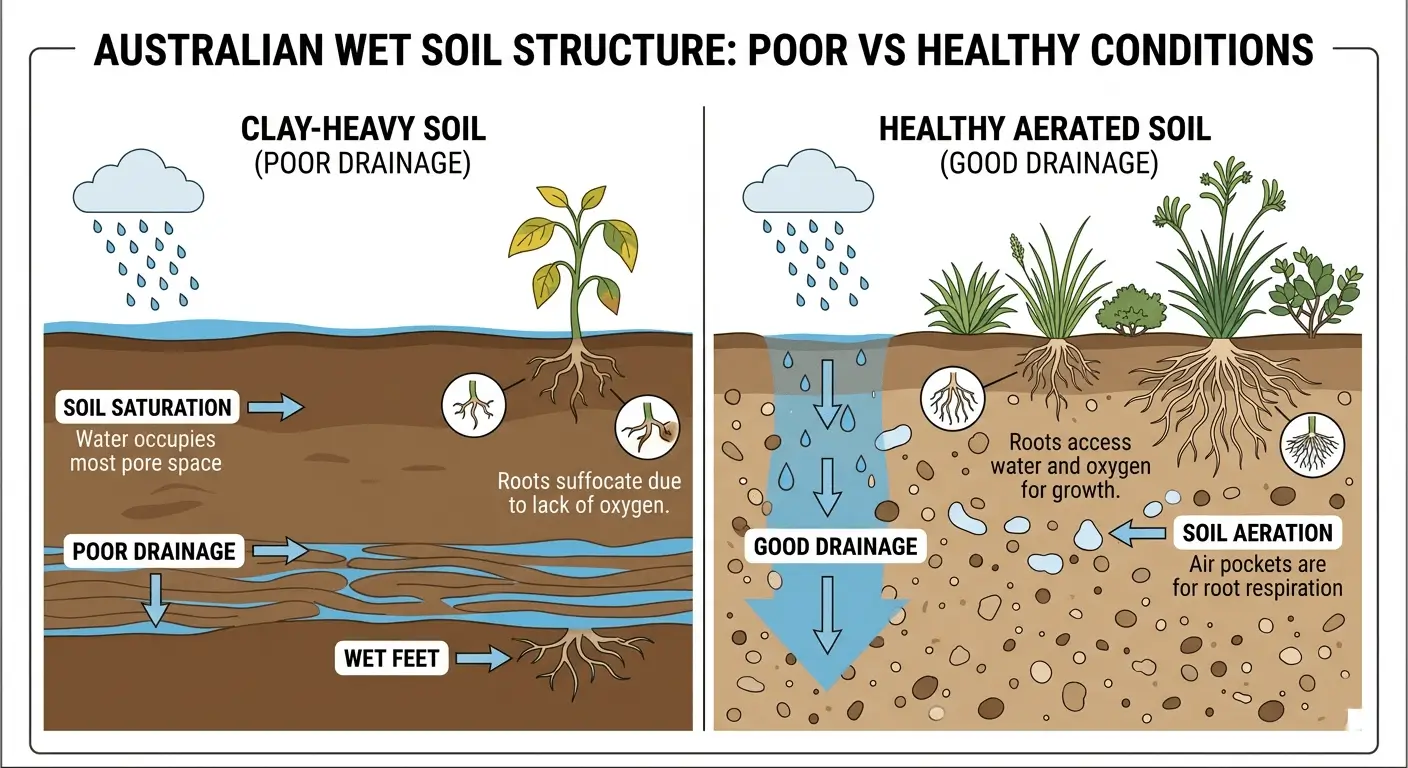
Wet soil refers to conditions where water drains slowly, often due to high clay content or compacted subsoil. These environments retain moisture for long periods, leading to root oxygen deprivation in unsuitable plants.
“Wet feet” describes prolonged root saturation, where soil pores remain filled with water instead of air. Only specially adapted plants tolerate this condition. Wet soil conditions are closely related to soil structure and water retention, which are influenced by soil composition and clay content as explained in scientific soil science research.
Key Australian Factors
- Heavy winter rainfall in temperate regions
- Clay subsoils common in NSW and QLD
- Seasonal flooding in low-lying areas
- Variations between wet tropics (QLD) and cooler southern climates
Soil Characteristics
- Often slightly acidic, though some clay soils may be alkaline
- Poor drainage confirmed by slow percolation tests
- High nutrient retention but limited aeration
Understanding these traits helps match the right plants for wet areas in Australia, ensuring long-term survival and growth.
Top Native Plants for Wet Soil
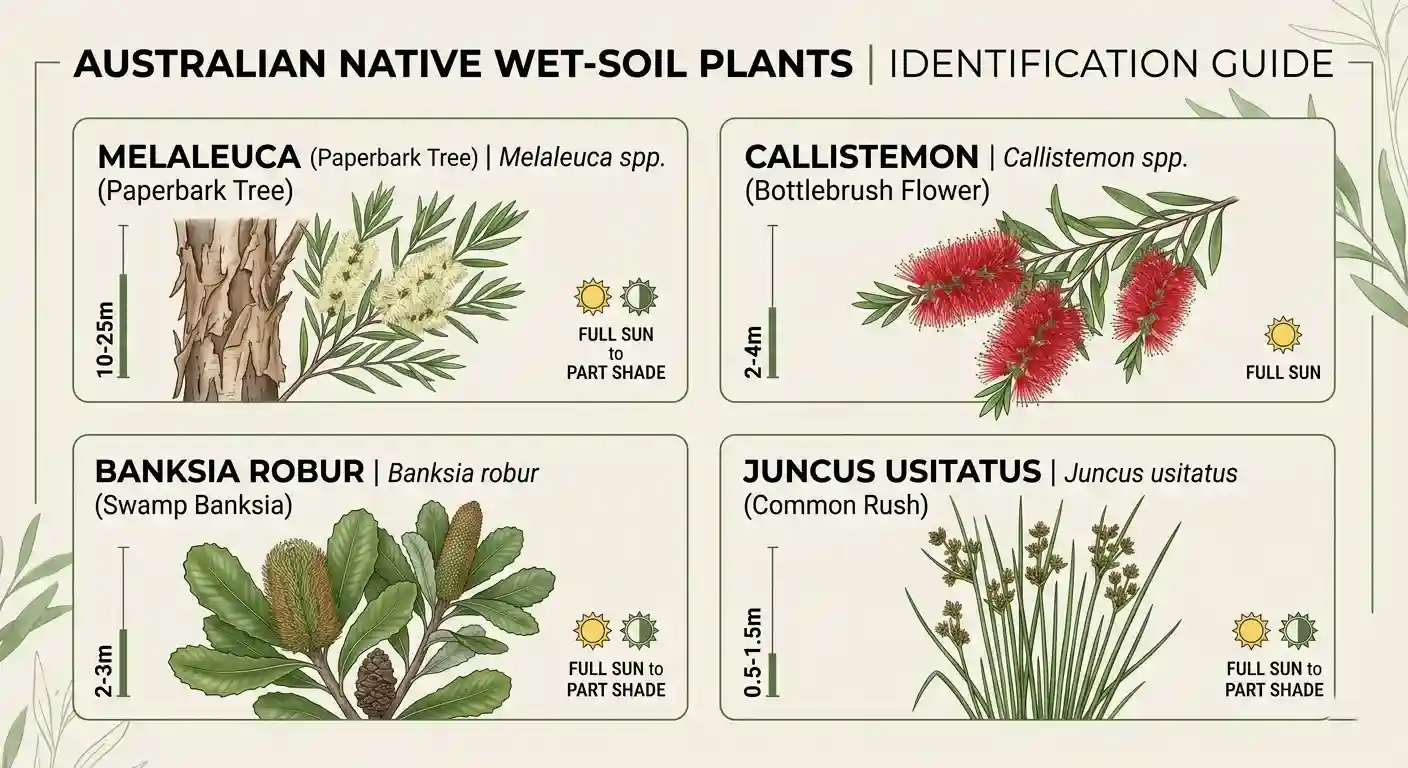
Australian native plants are highly adapted to fluctuating moisture levels, making them the best choice for wet soils. They also support local ecosystems and reduce maintenance needs.
Key Species
- Melaleuca spp. (paperbarks): Thrive in swamps, tolerate frost, and grow in full sun to partial shade
- Callistemon salignus (willow bottlebrush): Flood-tolerant and attracts birds
- Banksia robur (swamp banksia): Produces golden flowers rich in nectar
- Juncus usitatus (common rush): Excellent for water filtration
- Ficinia nodosa (knobby club-rush): Ideal for rain gardens and erosion control
Benefits
- Improve soil stability in waterlogged areas
- Enhance biodiversity by attracting birds and insects
- Naturally filter excess water in rain gardens
For more plant-specific guidance, you can also learn about 7+ Smart Banksia Ericifolia Dwarf Care Tips for Easy Growth, Dwarf Eucalyptus Trees Guide: 7+ Smart Growing Tips, and 7+ Essential Banksia Tree Varieties: Types, Size & Colors, which complement wet-soil native planting strategies.
Plant Characteristics Table
| Plant Name | Height | Light | Key Feature |
| Melaleuca spp. | 3–10 m | Full sun/shade | Swamp-tolerant tree |
| Banksia robur | 3 m | Full sun | Nectar-rich flowers |
| Juncus usitatus | 1.2 m | Full sun | Water-filtering grass |
Trees and Small Trees for Wet Areas
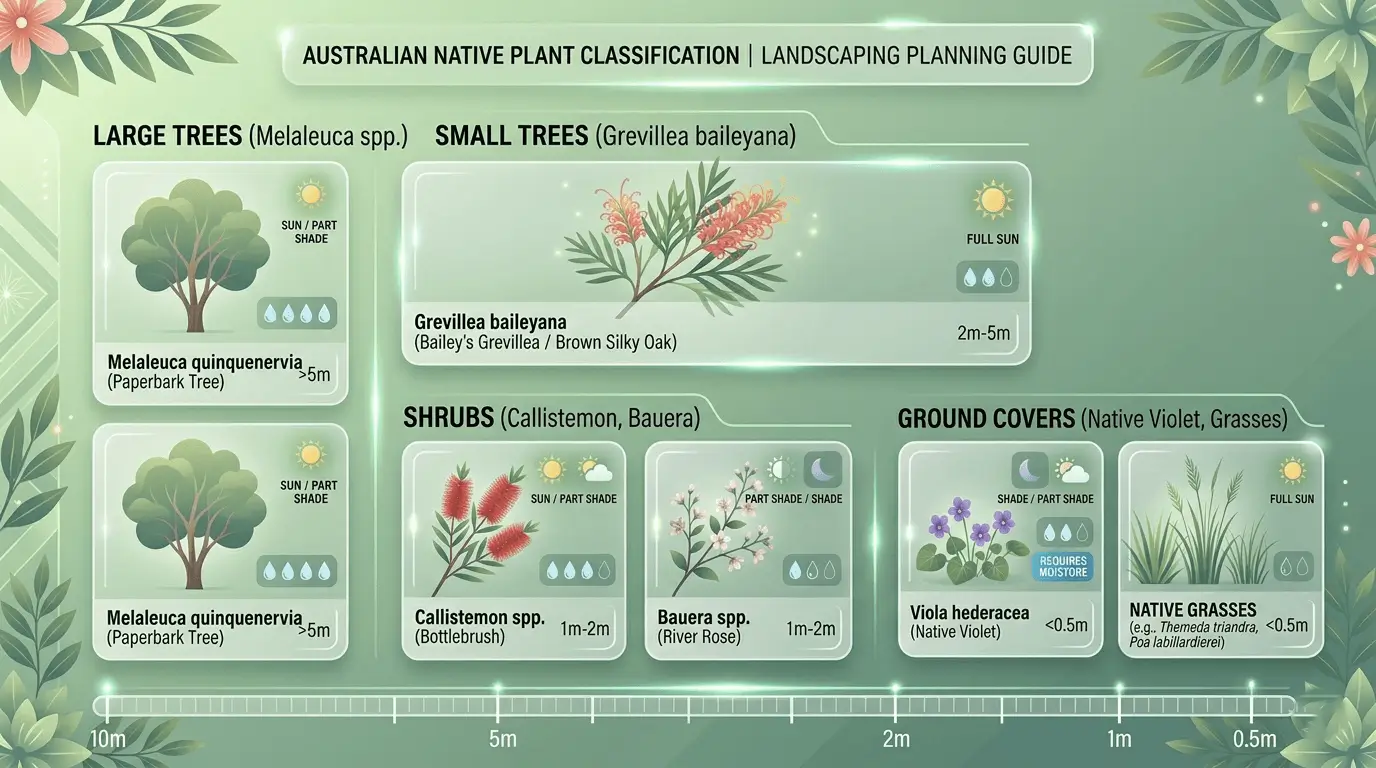
Trees that like wet soil in Australia provide structure, shade, and erosion control in soggy landscapes.
Suitable Options
- Large trees: Melaleuca species for swampy zones
- Small trees: Grevillea baileyana for compact gardens
Benefits
- Stabilize wet soil and prevent erosion
- Provide canopy cover in rain gardens
- Adapt well to seasonal flooding
Considerations
- Most are best suited for outdoor planting
- Non-native trees may not tolerate prolonged saturation
If you are designing structured landscapes, you may also find Ultimate Evergreen Shade Trees Australia Guide: 7+ Proven Picks, 7+ Smart Small Feature Trees in Australia Guide, and Best Hedging Trees: 6+ Essential Types for Privacy useful for combining wet-soil trees with garden structure planning.
Size Comparison
| Type | Mature Height | Best Use |
| Large tree | 8–10 m | Open landscapes |
| Small tree | 5–8 m | Urban gardens |
Shrubs and Ground Covers
Shrubs and ground covers that tolerate wet soil are ideal for filling gaps, controlling erosion, and enhancing aesthetics.
Recommended Shrubs
- Bauera spp.: Hardy shrub for damp soils
- Callistemon varieties: Flowering shrubs for sunny wet areas
Ground Covers
- Viola hederacea (native violet): Spreads well in moist shade
- Low-growing grasses and rushes for pond edges
Benefits
- Reduce soil erosion in waterlogged areas
- Provide dense coverage under trees
- Require minimal maintenance once established
By Light Conditions
Full Sun:
- Callistemon shrubs
- Native grasses
Shade:
- Native violet
- Moisture-loving ferns
For ground-level planting inspiration, explore Ultimate Tall Narrow Shrubs Australia for Privacy & Screening, 7+ Essential Lilly Pilly Varieties for Hedges & Screening, and Gardenia Magnifica Hedge: 7+ Essential Growing Tips to enhance wet-area garden structure.
Plants by Light and Site Conditions
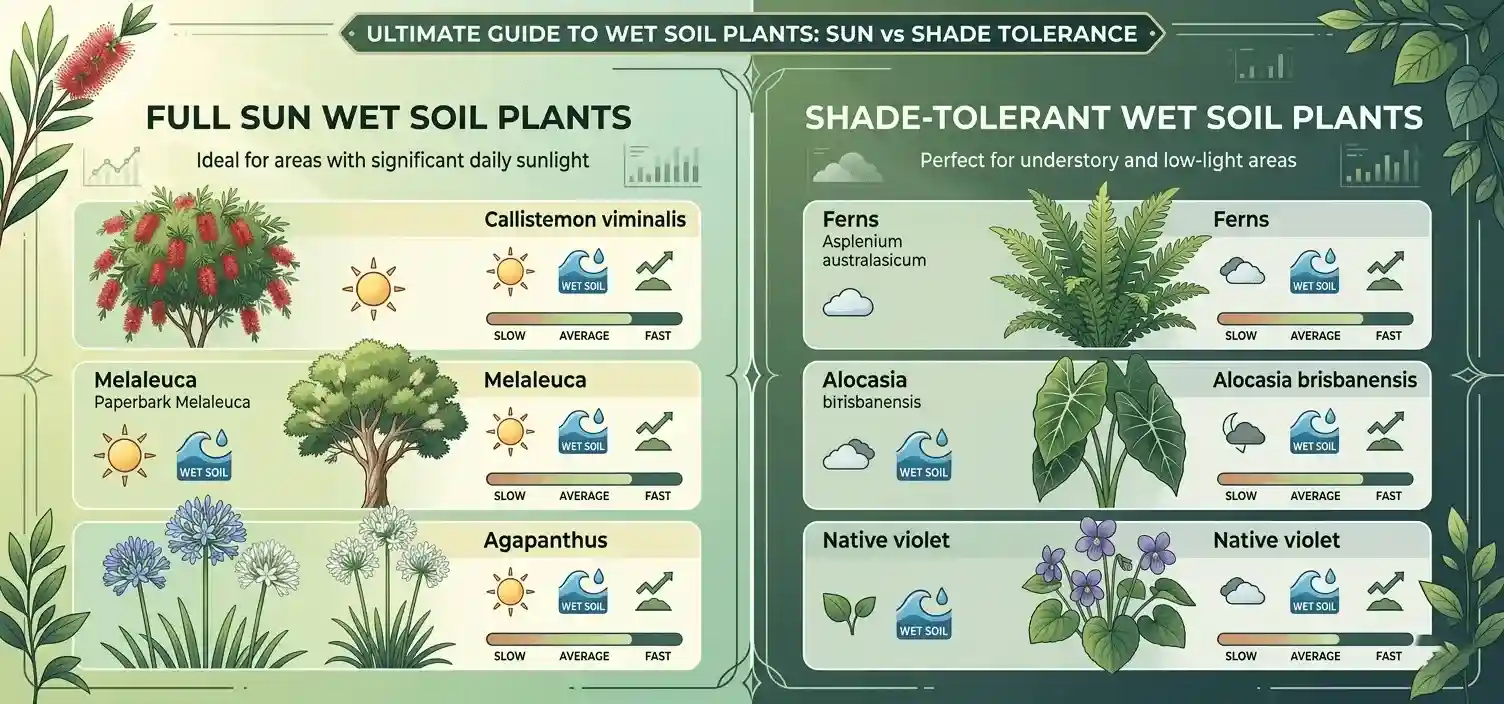
Full Sun Wet Soil Plants
Plants that like wet soil and full sun in Australia include species that tolerate both high moisture and strong sunlight. Callistemon viminalis is a prime example, offering fast growth and vibrant flowers.
Other suitable plants:
- Melaleuca species
- Agapanthus
- Native rushes
Shade-Tolerant Wet Soil Plants
Plants that like wet soil and shade in Australia thrive under tree canopies or in low-light areas. Ferns such as Asplenium australasicum and Alocasia brisbanensis perform well in these environments.
These plants:
- Prefer consistent moisture
- Grow slower than sun-loving species
- Suit understory planting
Comparison Table
| Condition | Examples | Growth Rate |
| Full Sun | Callistemon, Agapanthus | Moderate–Fast |
| Shade | Ferns, Alocasia | Slow–Moderate |
Plant Size and Growth Rate
Wet-soil plants in Australia vary widely in size, from compact ground covers to tall trees exceeding 10 meters.
Growth Insights
- Ground covers: Around 0.5 m spread
- Shrubs: 1–3 m height
- Trees: 5–10+ m depending on species
Influencing Factors
- Climate (QLD plants grow faster than VIC)
- Seasonal rainfall boosts growth
- Indoor plants remain smaller than outdoor ones
Wet conditions often accelerate growth in adapted species, especially after heavy rains.
Care Guide
Proper care ensures healthy growth even in waterlogged conditions.
Watering
- Water deeply during establishment
- Maintain moist soil but avoid constant standing water
Soil
- Clay soils benefit from organic matter
- Slightly acidic conditions are ideal for most natives
Light
- Choose plants based on sun or shade tolerance
Fertilization
- Apply low-phosphorus fertilizer in spring
Pruning
- Prune after flowering to maintain shape
Climate
- Most species tolerate Zones 9–11
- Many natives handle light frost
Common Problems and Solutions
Wet soil conditions can still cause issues if plants are mismatched or poorly managed.
Yellowing Leaves
Often caused by iron deficiency in alkaline clay soils.
Solution: Use acid-based fertilizers and conduct soil tests.
Slow Growth
Occurs when plants receive incorrect light levels.
Solution: Match species to sun or shade conditions.
Pests
Aphids and similar pests thrive in moist environments.
Solution: Hose off pests or use resistant native species.
Root Rot
Results from extreme waterlogging in non-adapted plants.
Solution: Use raised beds or select true wet-feet plants.
Comparisons: Wet vs. Similar Conditions
Wet-soil plants differ significantly from drought-tolerant species in their adaptability and root systems.
Comparison Table
| Wet-Soil Native | Similar Dry Native | Key Difference |
| Banksia robur | Banksia integrifolia | Wet tolerates flooding; dry needs drainage |
| Callistemon salignus | Grevillea robusta | Wet suits clay; dry prefers sandy soils |
Wet-adapted plants are essential for poorly drained sites, while dry natives perform better in sandy, well-drained soils.
Conclusion
Selecting plants that like wet soil in Australia allows gardeners to transform waterlogged areas into functional and thriving landscapes. Native species such as Melaleuca and Callistemon provide resilience, low maintenance, and ecological benefits. By matching plants to site conditions—especially soil type, light, and drainage—you can improve plant health and biodiversity. The key takeaway is simple: test your soil, understand moisture levels, and prioritize native plants for long-term success in wet environments.
For indoor plant lovers, many moisture-tolerant species also connect with indoor greenery care principles explained in Guide to House Plants, especially when adapting humidity-loving plants for controlled environments.
FAQ
What are the best native plants for wet areas in Australia?
Melaleuca, Banksia robur, and Juncus species are among the best choices, as they tolerate flooding and help absorb excess water.
Can small trees handle clay soil with poor drainage in Australia?
Yes, small trees like Grevillea baileyana adapt well to clay soils and grow successfully in wet conditions.
Which plants like wet soil and shade in Australia?
Ferns such as Asplenium australasicum and cunjevoi (Alocasia brisbanensis) thrive in shaded, moist environments.
How do I plant in wet soil without root rot?
Use plants adapted to wet conditions, improve soil with organic matter, and consider raised planting if waterlogging is severe.
What shrubs like wet feet and full sun in Australia?
Callistemon and Bauera shrubs tolerate both full sun and saturated soil while producing attractive flowers.