Introduction
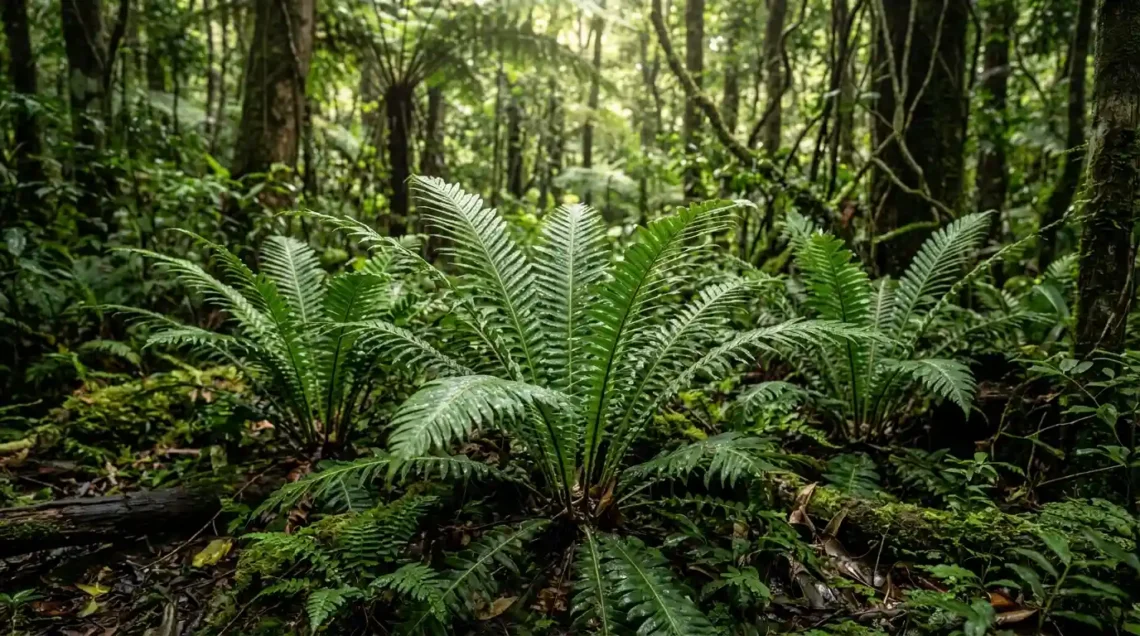
Blechnum cartilagineum is a native Australian fern species commonly known as the gristle fern or hard water fern. It is recognized for its stiff, leathery fronds and upright, clumping growth habit, making it a distinctive member of the Blechnum genus. This fern naturally occurs in moist, shaded environments such as rainforest margins and stream banks, where humidity remains consistently high.
By Greenery Inside | Plant Care & Gardening Expert
Last Updated: June 2026
This guide explains identification, care requirements, natural habitat, growth behavior, and practical cultivation techniques for Blechnum cartilagineum, making it suitable for gardeners, botanists, and plant enthusiasts. This fern shares similar shaded woodland adaptability with other low-maintenance natives like Acacia Cognata dwarf varieties, which also thrive in moisture-rich garden settings.
Quick Summary
- Blechnum cartilagineum (gristle fern) is a hardy Australian native fern with leathery, upright fronds
- It thrives in shaded, humid environments such as forests and stream edges
- Belongs to the Blechnaceae family and Blechnum genus of vascular ferns
- Requires moist, well-draining acidic soil and consistent humidity
- Ideal for shaded gardens, ferneries, and container cultivation in suitable climates
What Is Blechnum cartilagineum?
Blechnum cartilagineum is a terrestrial fern species within the Blechnaceae family, widely distributed across eastern Australia, particularly in Queensland and New South Wales. It is known for its cartilaginous (firm and gristly) frond texture, which gives rise to its common name “gristle fern.” For broader botanical classification of ferns, see ferns (Pteridophyta) overview on Wikipedia for evolutionary and structural context.
The species is adapted to shaded, moisture-rich environments and plays an important ecological role as a forest understorey plant. In our experience at Greenery Inside, it is one of the more resilient native ferns when grown in consistently humid, sheltered conditions.
Blechnum cartilagineum Common Name and Etymology
Blechnum cartilagineum is commonly referred to as:
- Gristle fern
- Hard water fern
- Hard water-fern
These names originate from its stiff, leathery fronds and its preference for moist habitats near water sources. “Gristle fern” is the most widely used common name in horticulture, while “hard water fern” appears more in regional plant literature. Naming variations occur due to differences in local botanical usage.
Botanical Classification and Key Characteristics
- Genus: Blechnum
- Species: B. cartilagineum
- Family: Blechnaceae
- Plant type: Vascular fern (pteridophyte)
Key characteristics include:
- Pinnate, leathery fronds with upright structure
- Linear sori arranged along pinnae (fishbone-like pattern)
- Juvenile fronds often display bronze or pinkish tones
- Mature fronds develop deep green coloration and stiff texture
This species is often confused with other Blechnum ferns due to overlapping habitat and morphology.
Blechnum cartilagineum Plant Size and Growth Habit
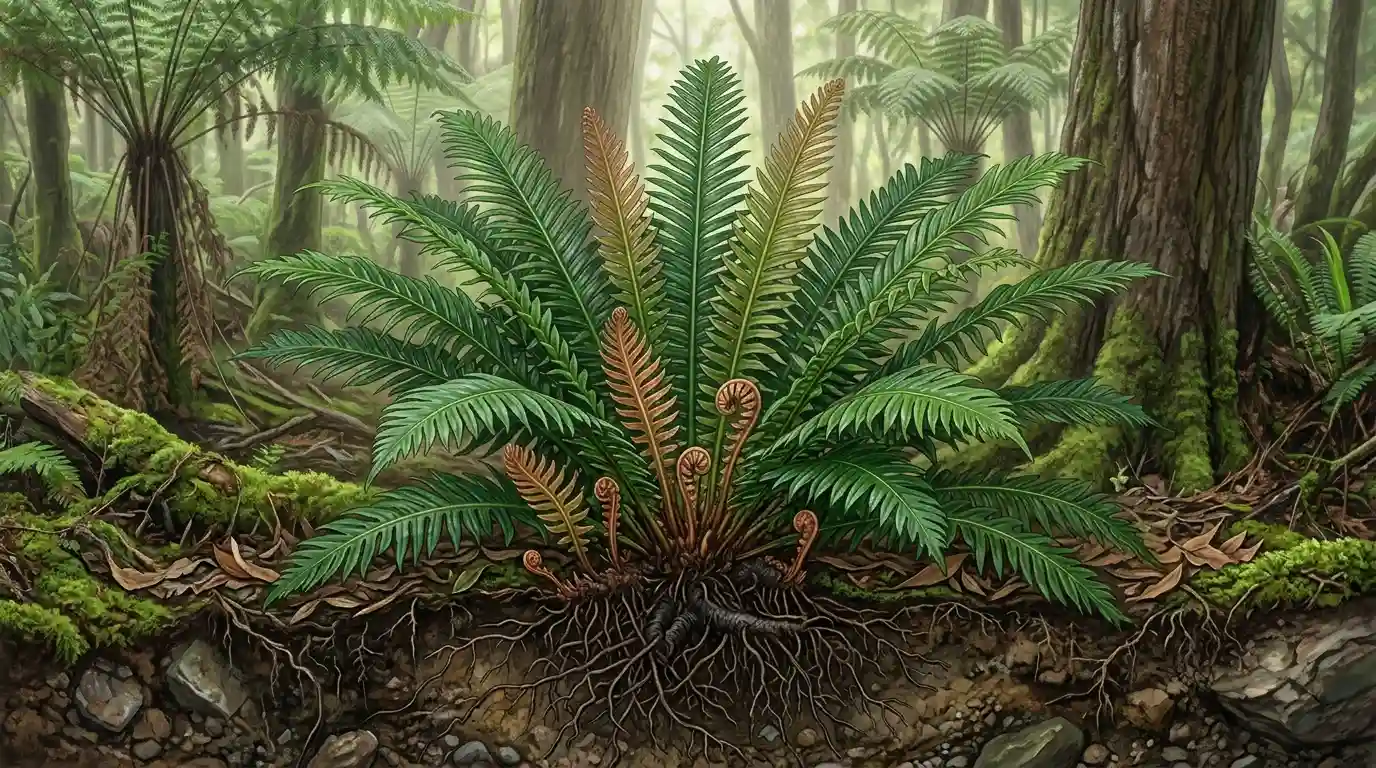
Blechnum cartilagineum typically grows to 60–120 cm in height, forming a wide, clumping rosette. Spread varies depending on soil moisture, shade, and nutrient availability.
Young plants often produce softer, bronze-toned fronds that gradually mature into stiff, dark green foliage. The plant does not form a trunk and remains ground-level throughout its life cycle.
Environmental conditions significantly influence its final size. In shaded, humid forests, it tends to grow larger and more vigorous compared to exposed or dry sites.
How Fast Does Blechnum cartilagineum Grow?
This fern is classified as a moderate grower.
- Growth is most active during warm, humid months
- Slows significantly in cold or dry conditions
- Requires stable moisture and organic-rich soil for optimal development
In our observations, consistent watering and mulching can noticeably improve growth rate and frond density.
Blechnum cartilagineum Care Guide
Blechnum cartilagineum care focuses on maintaining stable moisture, shade, and humidity.
Watering Requirements
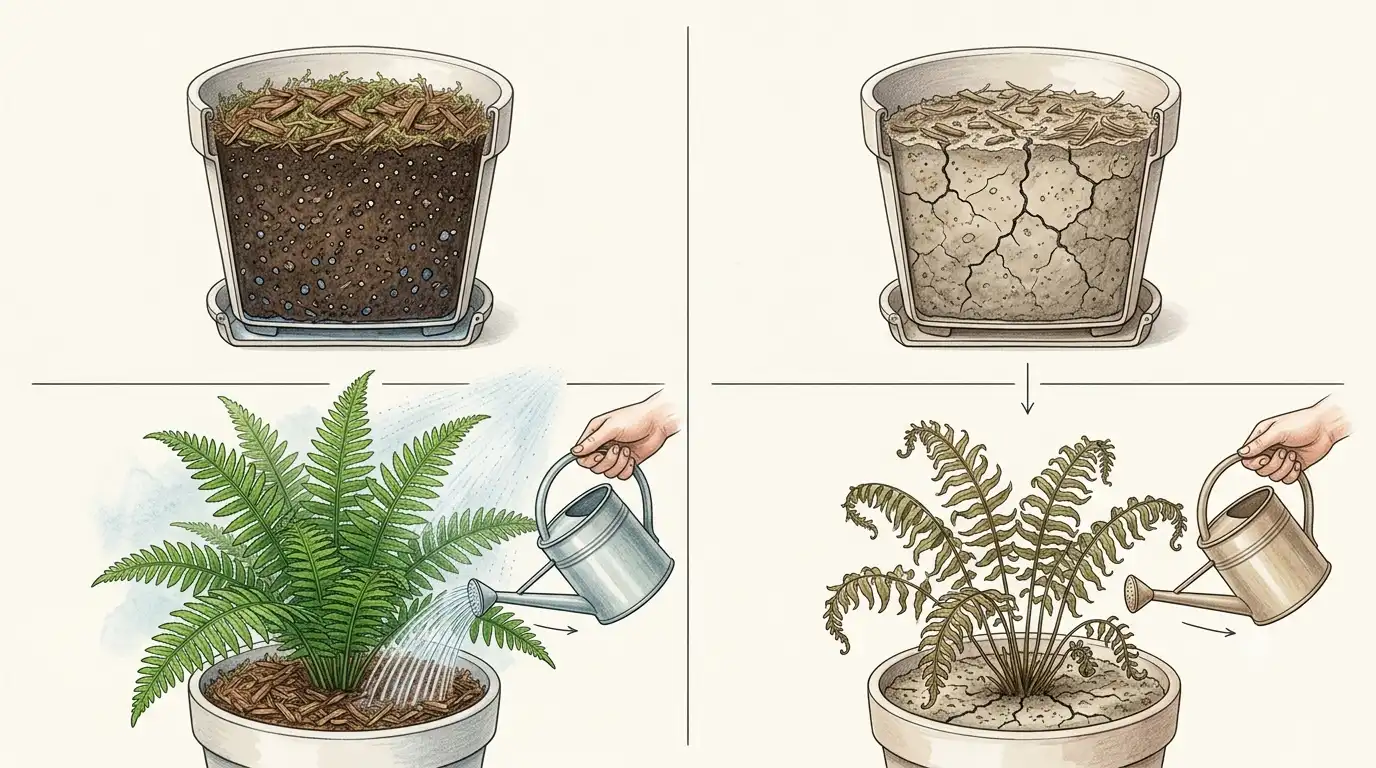
- Keep soil consistently moist but not waterlogged
- Avoid extended dry periods
- Water when the top layer begins to dry slightly
- Mulching helps retain moisture and regulate root temperature
Light Requirements
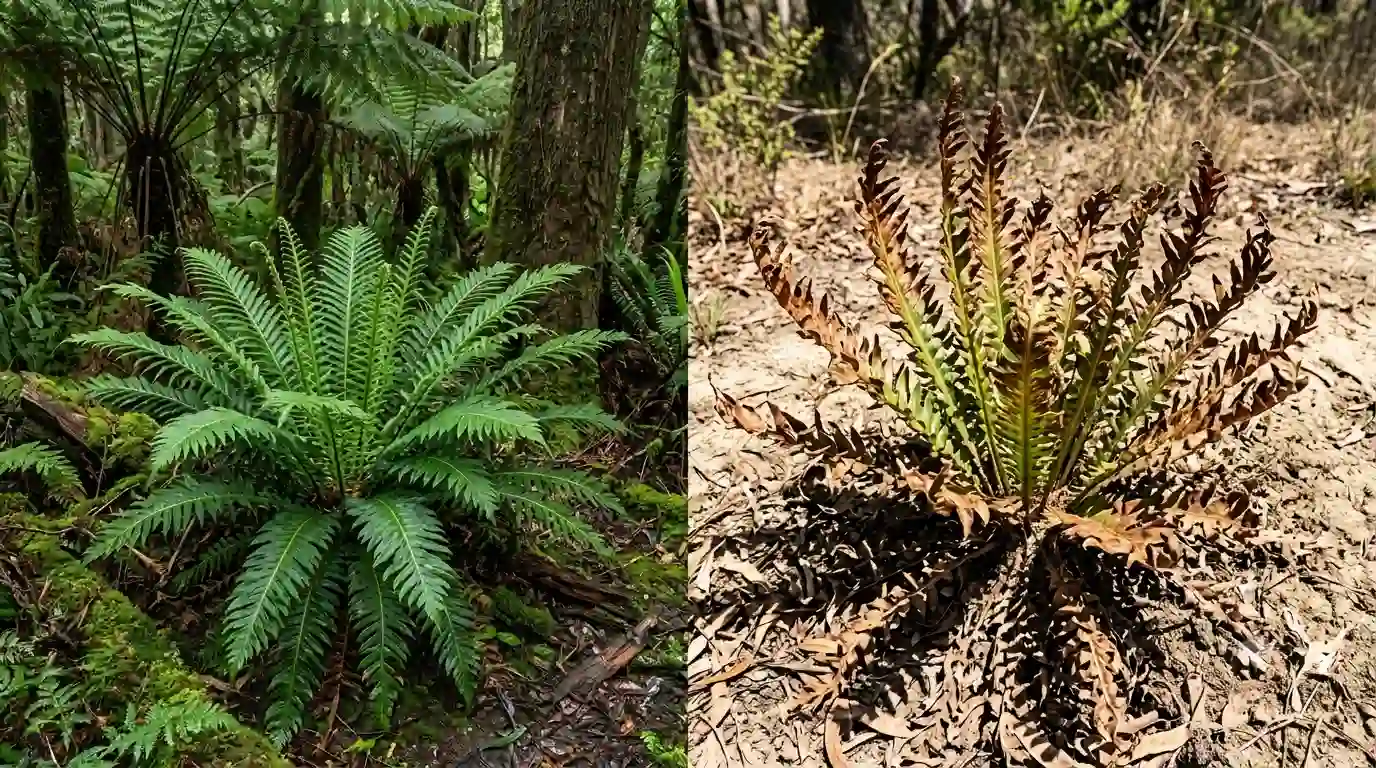
- Prefers indirect light or full shade
- Direct sunlight causes frond scorch and browning
- Ideal placement: shaded garden beds or filtered indoor light
For gardeners exploring more shade-tolerant species, see our guide on native plants that grow in shade in Australia for compatible planting ideas.
Soil Preferences
- Requires well-draining, humus-rich, slightly acidic soil
- Add compost, leaf litter, or organic matter
- Poor drainage can lead to root rot, a common failure point
Just like Eremophila ground cover varieties, Blechnum cartilagineum also depends heavily on soil structure and drainage balance for long-term success.
Fertilization
- Apply light, slow-release fertilizer in spring
- Avoid excess nitrogen, which may damage fronds
- Organic liquid feeds like seaweed extract are recommended
Pruning and Maintenance
- Remove dead or damaged fronds at the base
- Avoid cutting healthy fronds unnecessarily
- Minimal maintenance required once established
Climate Tolerance and Hardiness
- Best suited to temperate and subtropical climates
- Frost-sensitive and requires protection in colder regions
- High humidity is essential for long-term health
How to Grow Blechnum cartilagineum Indoors vs Outdoors
Growing Blechnum cartilagineum in the Garden
This fern performs best outdoors in shaded, moist environments such as:
- Fernery beds
- Gully plantings
- Water feature borders
Greenery Inside recommends planting it alongside mosses and native shade plants to replicate natural forest conditions. Mulching is essential to maintain soil moisture and temperature stability.
Growing Blechnum cartilagineum in Containers
For container growth:
- Use wide pots with drainage holes
- Choose peat-free, organic-rich potting mix with perlite and coco coir
- Increase watering frequency compared to garden plants
- Maintain humidity using trays or grouped planting
Blechnum cartilagineum vs Other Blechnum Ferns
Comparison Table — Common Blechnum Species
| Species | Common Name | Key Feature | Size | Best Use |
| B. cartilagineum | Gristle Fern | Stiff leathery fronds | Medium–Large | Shade gardens |
| B. nudum | Fishbone Water Fern | Narrow fishbone fronds | Medium | Streamside planting |
| B. wattsii | Hard Water Fern | Robust upright habit | Medium | Moist gardens |
| B. gibbum | Silver Lady | Trunk-forming fern | Medium | Indoor/outdoor pots |
| B. indicum | Swamp Fern | Creeping rhizome | Low–Medium | Wetlands |
| B. patersonii | Strap Fern | Strap-like fronds | Small–Medium | Rock gardens |
Blechnum cartilagineum vs Blechnum nudum
Blechnum nudum has narrower fronds and a more upright, delicate appearance, while Blechnum cartilagineum features broader, stiffer foliage. Both occur in similar moist habitats but differ in texture and visual density.
Blechnum cartilagineum vs Blechnum gibbum (Silver Lady)
Blechnum gibbum develops a visible trunk and is commonly used as an ornamental indoor fern. In contrast, Blechnum cartilagineum remains a ground-level clumping fern and is better suited to naturalistic garden settings.
Where Blechnum cartilagineum Grows Naturally
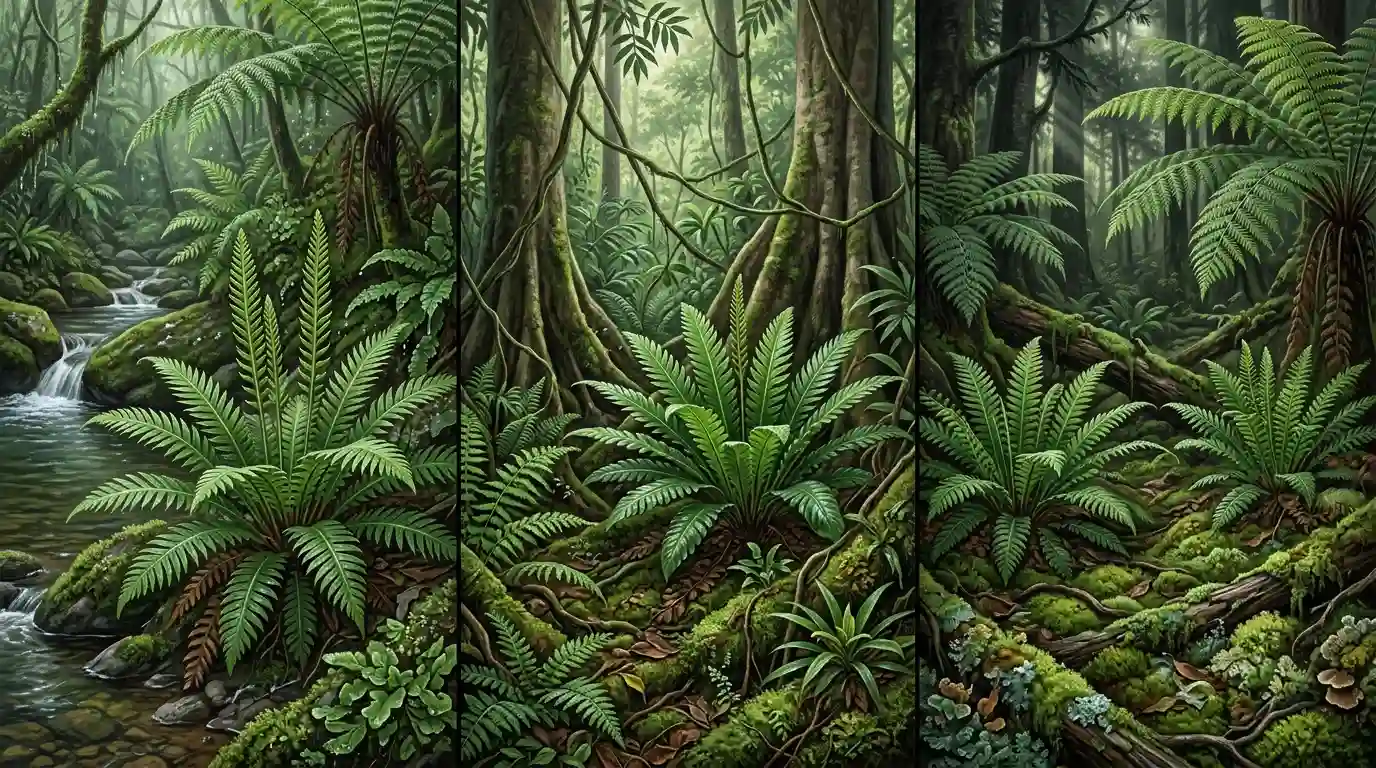
Blechnum cartilagineum is native to eastern Australia, thriving in:
- Rainforest margins
- Stream banks
- Moist sclerophyll forests
- Gully floors with high humidity
It plays a key ecological role as an understorey plant, helping stabilize soil and provide habitat for small insects and reptiles. It commonly grows alongside mosses, tree ferns, and other moisture-loving native plants.
Common Problems with Blechnum cartilagineum and How to Fix Them
Fronds Turning Yellow or Brown
Caused by inconsistent watering or direct sun. Adjust shade and maintain even soil moisture.
Slow or Stunted Growth
Often due to poor soil or low humidity. Improve organic matter and increase humidity levels.
Frond Tips Burning or Crisping
Linked to dry air or overfertilization. Increase misting and reduce fertilizer use.
Root Rot
Caused by waterlogged soil. Improve drainage and remove affected roots if necessary.
Pest Issues
Scale insects, mealybugs, and fungus gnats may occur. Treat with neem oil and improve airflow.
Beginner Mistakes When Growing Blechnum cartilagineum
Common mistakes include:
- Planting in full sun, causing frond scorch
- Irregular watering cycles leading to stress
- Using alkaline soil, reducing nutrient uptake
- Misidentifying similar Blechnum species
- Low indoor humidity affecting growth
- Over-pruning healthy fronds
In our experience, consistent moisture and shade are the most critical success factors.
Blechnum cartilagineum in Landscaping and Garden Design
Blechnum cartilagineum is widely used in shaded landscape design due to its structural foliage and native adaptability. It is ideal for:
- Fern gardens and rainforest-style landscapes
- Water feature edges and shaded pathways
- Native biodiversity plantings
It pairs well with tree ferns, native ginger, and mosses. Once established, it requires minimal maintenance and contributes to habitat creation and soil stability.
Conclusion
Blechnum cartilagineum is a resilient and visually distinctive native Australian fern valued for its leathery fronds, shade tolerance, and ecological importance. Successful cultivation depends on maintaining shade, humidity, and consistently moist, well-drained soil.
Whether used in ferneries, shaded gardens, or native landscapes, this species offers both ornamental and environmental benefits when grown under suitable conditions.
Frequently Asked Questions About Blechnum cartilagineum
What is the common name for Blechnum cartilagineum?
It is commonly known as gristle fern or hard water fern, referring to its stiff frond texture and moisture-loving habitat.
How do you care for Blechnum cartilagineum?
Provide shade, consistent moisture, humid conditions, and acidic, organic-rich soil while avoiding direct sunlight and drought stress.
What is the difference between Blechnum cartilagineum and Blechnum nudum?
cartilagineum has broader, stiffer fronds, while B. nudum has narrower, more delicate fishbone-like fronds.
Can Blechnum cartilagineum be grown indoors?
Yes, but only in high-humidity environments with indirect light and proper drainage.
How big does Blechnum cartilagineum grow?
It typically reaches 60–120 cm in height, depending on environmental conditions and care.
Is Blechnum cartilagineum the same as a hard water fern?
Yes, “hard water fern” is a common name for Blechnum cartilagineum, though it may sometimes refer to related species.