Introduction
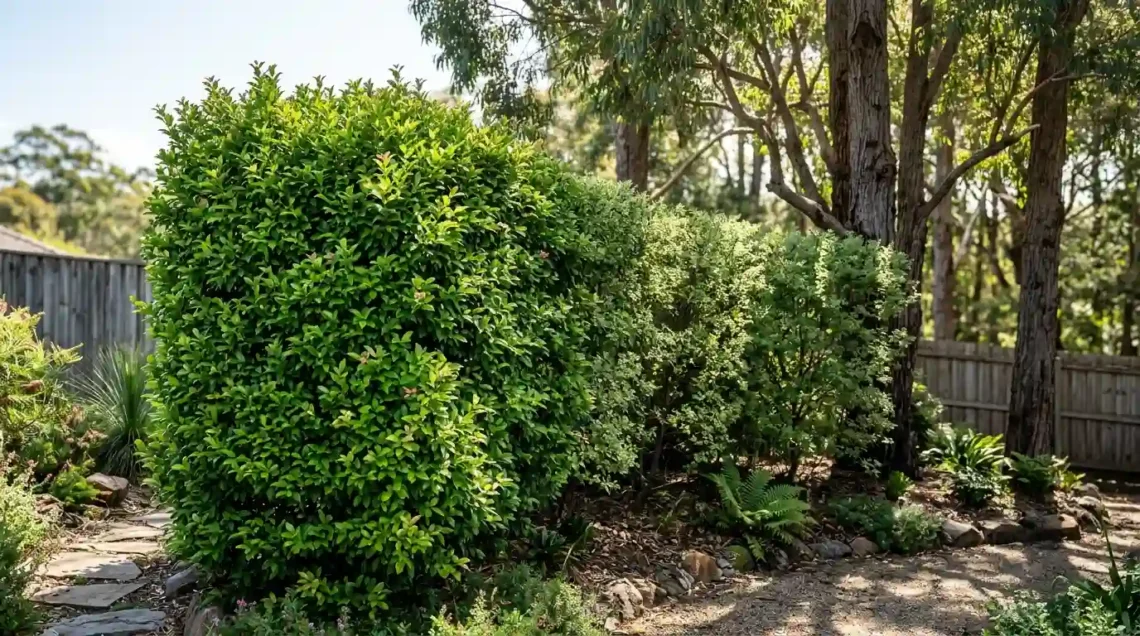
Can lilly pilly grow in shade is one of the most common questions among gardeners planning hedges under trees or along boundary fences. The lilly pilly tree (genus Syzygium and formerly Acmena) is a native Australian rainforest shrub or small tree widely used for dense screening and ornamental hedging. In natural habitats, lilly pillies grow in both full sun and filtered rainforest light, which explains their moderate adaptability. However, while most lilly pilly varieties prefer full sun, several can tolerate partial shade reasonably well, especially in sheltered suburban gardens where light levels fluctuate throughout the day.
Quick Summary
- Most lilly pilly varieties prefer full sun but tolerate partial shade (3–4 hours direct light daily).
- Shade-tolerant varieties include Acmena smithii and Syzygium australe ‘Resilience’.
- Deep or full shade reduces growth rate, hedge density, and fruit production significantly.
- Poor light conditions often lead to leggy, sparse growth and weaker screening performance.
- Correct variety selection and placement are essential for successful shaded hedging.
How Much Sun Does a Lilly Pilly Need?
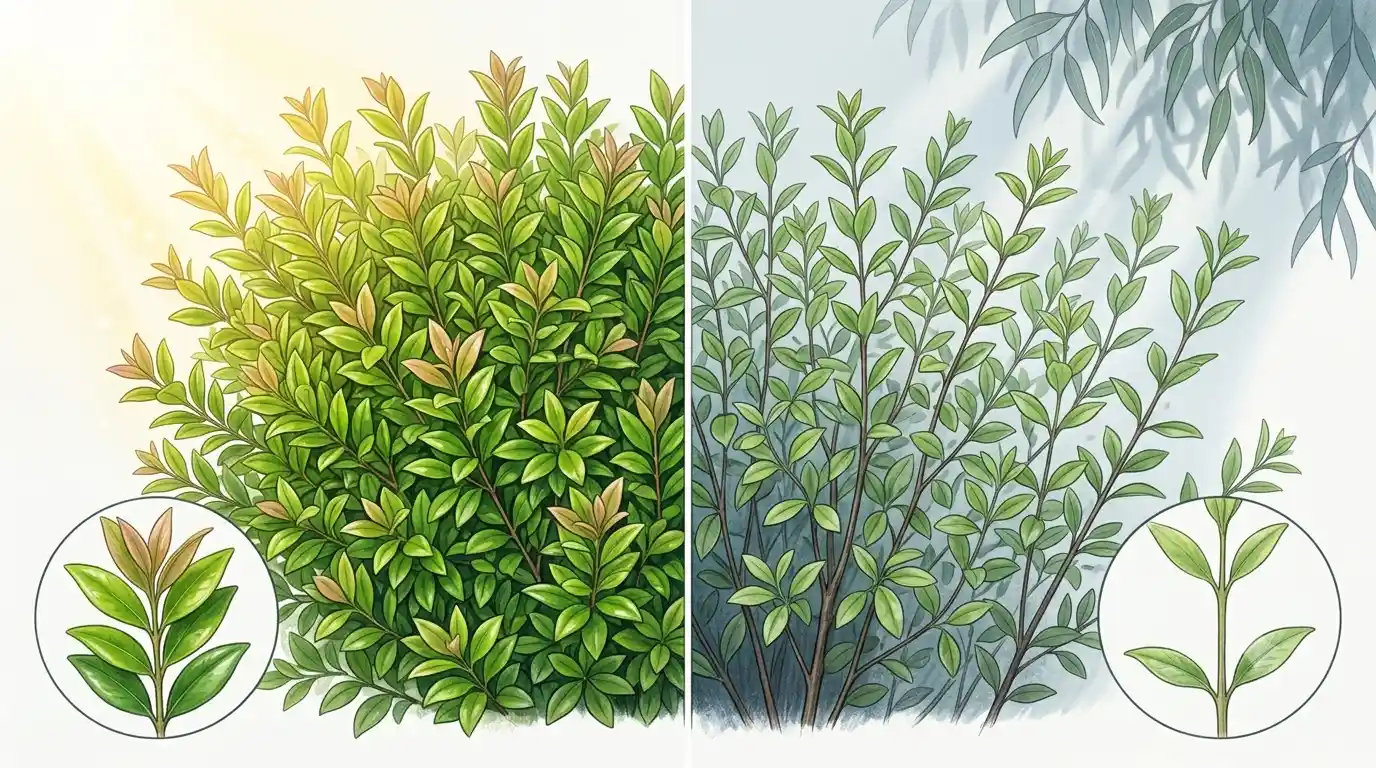
Lilly pilly plants perform best in full sun, meaning at least 6 hours of direct sunlight per day. In Australian garden conditions, this level of light produces the densest foliage, fastest growth, and strongest hedge structure. However, they can still survive and grow in partial shade, typically defined as 3–4 hours of direct sun or bright indirect light for the rest of the day.
In shaded environments, the plant’s growth rate slows, foliage becomes less compact, and flowering and fruiting may be reduced. While they are adaptable, they are not true shade plants and should not be relied on for deep shade coverage.
Can Lilly Pilly Grow in Low Light?
Lilly pillies can survive in low light, but performance declines significantly when direct sunlight drops below 3 hours per day. In these conditions, photosynthesis is limited, resulting in:
- Thin, stretched (leggy) branches
- Reduced leaf density
- Sparse hedge formation
- Minimal flowering or fruiting
In our experience growing lilly pilly hedges in narrow side passages and shaded fence lines, plants often lean toward available light sources, creating uneven growth patterns. Greenery Inside recommends avoiding deep shade locations such as dense tree canopies or fully south-facing walls where sunlight is consistently blocked.
What Hedge Will Grow in Full Shade?
For full shade conditions, lilly pilly is not the ideal choice. Instead, gardeners should consider species specifically adapted to low-light environments. Reliable shade-tolerant hedging alternatives include:
- Murraya paniculata (Orange Jasmine) – moderately shade-tolerant with dense foliage
- Camellia varieties – excellent for flowering hedges in shaded gardens
- Viburnum odoratissimum – fast-growing and adaptable
- Native ginger (Alpinia caerulea) – suitable for tropical shaded landscapes
While lilly pillies can handle partial shade, these alternatives perform more reliably in deep shade where sunlight is minimal. If you’re designing a mixed low-light garden, frost-hardy native alternatives like Grevilleas can also complement shaded hedging areas, especially in cooler regions.
Which Lilly Pilly Is Best in Shade?
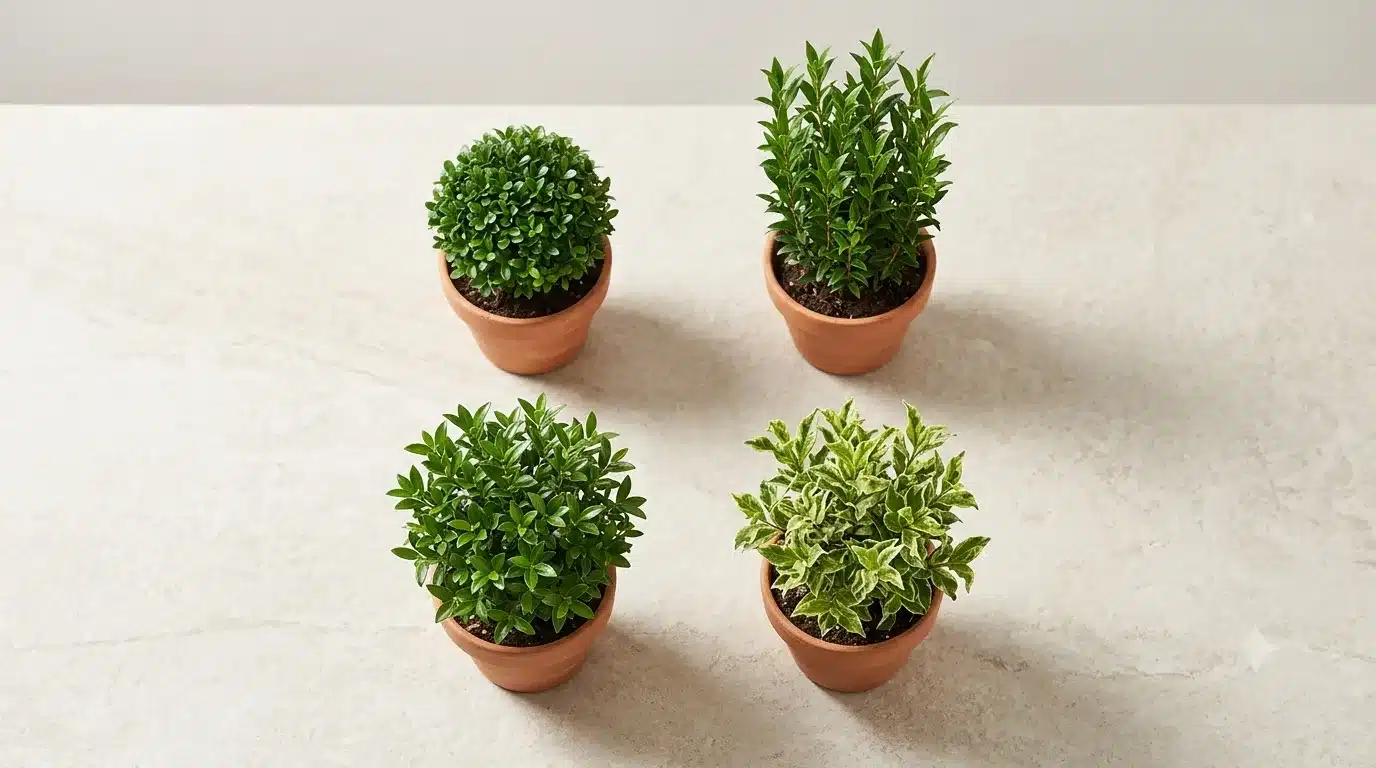
The best lilly pilly for shade are cultivars that originate from rainforest understory conditions, where natural light is filtered. The top performers include:
- Acmena smithii (Common Lilly Pilly) – highly adaptable and reliable in partial shade
- Syzygium australe ‘Resilience’ – bred for pest resistance and better low-light performance
- Syzygium smithii – hardy species suited for varied light conditions
- ‘Backyard Bliss’ – compact growth with moderate shade tolerance
These varieties are preferred because of their naturally broader leaf structure and tolerance to lower light conditions compared to more sun-demanding cultivars.
Comparison Table: Lilly Pilly Varieties and Shade Tolerance
| Variety | Botanical Name | Shade Tolerance | Mature Height | Best Use |
| Common Lilly Pilly | Acmena smithii | Moderate | 5–15 m | Tall screening, hedges |
| Resilience | Syzygium australe ‘Resilience’ | Moderate–High | 3–5 m | Dense hedges, privacy screens |
| Backyard Bliss | Syzygium australe ‘Backyard Bliss’ | Moderate | 2–3 m | Compact hedges, borders |
| Syzygium smithii | Syzygium smithii | Moderate | 5–12 m | Large hedges, windbreaks |
| Magenta Lilly Pilly | Syzygium paniculatum | Low–Moderate | 3–6 m | Ornamental hedging |
Lilly Pilly Varieties: A Guide to Types and Heights
Lilly pillies belong mainly to the genera Syzygium and Acmena, though botanical classification has evolved, with many Acmena smithii types now grouped under Syzygium. These plants vary widely in size, from compact shrubs to tall screening trees.
Typical height ranges include:
- Compact varieties: 1.5–3 metres
- Medium hedging types: 3–6 metres
- Tall screening trees: 8–15+ metres
Growth rate is generally fast in full sun but slows noticeably in shaded environments. In ideal conditions, some lilly pillies can grow 30–60 cm per year. For gardeners exploring compact evergreen screening options, Acacia varieties like ‘Little Nugget’ can be a useful alternative in smaller landscapes where lilly pillies may grow too large.
Compact and Miniature Varieties for Smaller Gardens
Compact lilly pilly varieties are ideal for pots, courtyards, and narrow shaded fence lines. Popular options include:
- ‘Backyard Bliss’ – naturally dense and compact
- ‘Tiny Trev’ – dwarf form suited to containers
- ‘Compacta’ forms of Acmena smithii
Greenery Inside recommends compact cultivars for shaded urban gardens because they maintain structure better in lower light and require less aggressive pruning.
Growing Lilly Pilly as a Hedge or Screen
Lilly pillies are among Australia’s most popular hedge plants due to their dense evergreen foliage and fast growth. They are often referred to as the “goodbye neighbours plant” because of their ability to create effective privacy screens. For gardeners aiming to diversify native screening plants, species like Persoonia pinifolia can complement lilly pilly hedges in mixed native garden designs.
Best hedging varieties include:
- Syzygium australe ‘Resilience’
- Acmena smithii
- ‘Backyard Bliss’
Planting distance and spacing are critical:
- 1–1.5 m spacing for hedges
- 2–3 m spacing for larger screening plants
The best time to plant lilly pilly in Australia is spring or autumn when soil temperatures support root establishment.
Planting Lilly Pilly Along a Shaded Fence Line
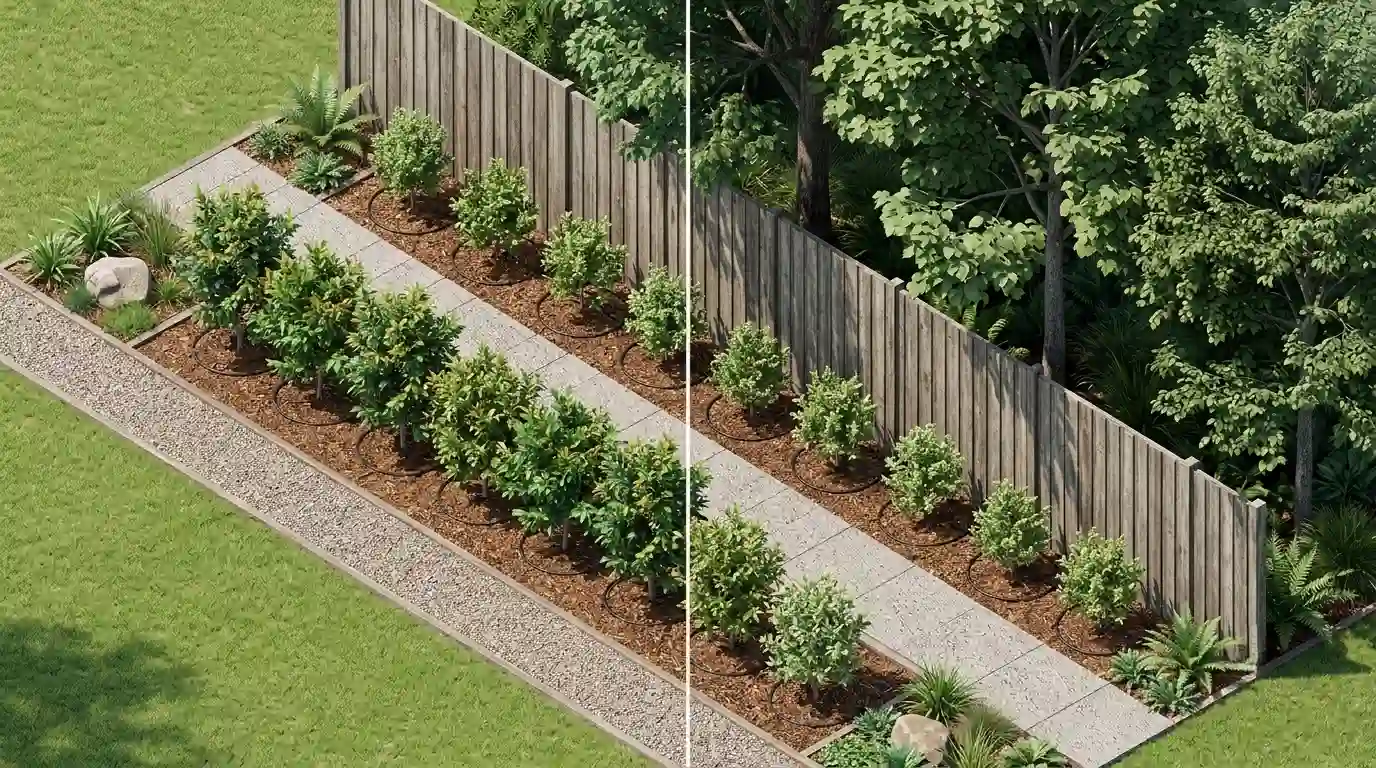
Shaded fence lines are one of the most common real-world scenarios for lilly pilly planting. In these locations, orientation matters:
- North-facing fences receive more light and are ideal
- South-facing fences often create deep shade and slower growth
Roots are generally non-invasive compared to many large trees, but they can spread widely in search of moisture. In our experience, proper spacing from fences (at least 60–90 cm) ensures healthy root development without structural pressure.
Lilly Pilly vs Other Shade-Tolerant Hedging Plants
| Plant | Shade Tolerance | Growth Rate | Maintenance | Screening Ability |
| Lilly Pilly | Moderate | Fast (sun), medium (shade) | Medium | High |
| Murraya paniculata | Moderate–High | Medium | Low | High |
| Camellia | High | Slow–Medium | Medium | Medium |
| Viburnum | High | Fast | Medium | High |
Lilly Pilly Size and Growth Rate
Lilly pilly size varies significantly depending on cultivar and growing conditions. In optimal full sun, plants grow faster and denser, while shade reduces both height and foliage thickness.
- Compact types: 1.5–3 m
- Medium hedges: 3–6 m
- Tall trees: up to 15 m
Growth rate:
- Full sun: fast (30–60 cm/year)
- Partial shade: moderate
- Deep shade: slow and sparse
Environmental factors such as soil fertility, water availability, and climate zone also strongly influence performance. Lifespan can exceed 20–50 years in well-maintained landscapes.
How to Care for a Lilly Pilly in a Shaded Position
Watering and Soil Needs
Lilly pillies prefer well-drained soil rich in organic matter. In shaded areas, evaporation is lower, so overwatering is a common issue. Soil should remain moist but never waterlogged.
In our experience, adding organic mulch improves moisture balance and root health. Coffee grounds can be used sparingly as a soil amendment to improve organic content, but they should not be over-applied.
Pruning and Shaping a Lilly Pilly Hedge
Pruning is essential for maintaining density, especially in shade where growth is naturally less compact. Light, frequent trimming encourages bushier growth.
- Best pruning time: late spring to early summer
- Avoid heavy pruning in winter in cooler regions
- Shape regularly to prevent leggy growth
Fertilising Lilly Pilly for Healthy Growth
Balanced slow-release fertiliser applied in spring and summer supports stronger foliage development. In shaded conditions, fertilisation helps compensate for reduced photosynthesis but cannot fully replace sunlight.
Lilly Pilly Fruit: What It Is and Can You Eat It?
Lilly pilly produces small berry-like fruits that range in colour from pink to magenta or purple depending on species. These fruits are edible and have a slightly tart, apple-like flavour. Lilly pilly fruit belongs to the broader Myrtaceae family, which includes many edible and ornamental species such as guava and eucalyptus relatives.
Yes, lilly pilly berries are edible and have been traditionally used by Aboriginal Australians as bush food. Today, they are commonly used in jams, jellies, sauces, and beverages. However, shaded plants typically produce fewer and smaller fruits due to reduced energy availability from limited sunlight.
Common Lilly Pilly Problems and How to Fix Them
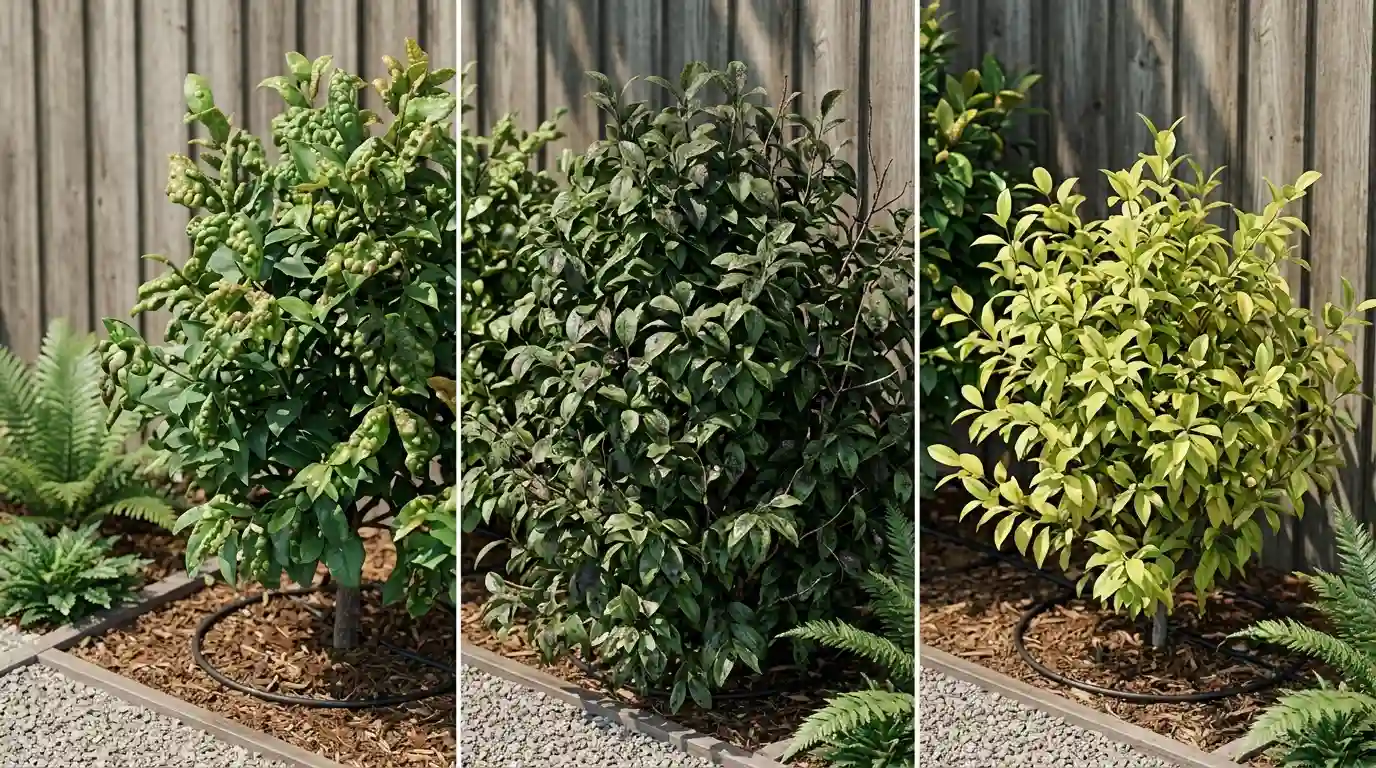
Psyllid (Lilly Pilly Pest) — The Pimple Bug Problem
Psyllids are one of the most common pests affecting lilly pillies, causing raised bumps and distorted leaves. They are more noticeable in stressed plants.
- Treatment: horticultural oils or systemic insecticides
- Prevention: choose resistant varieties like ‘Resilience’
Fungal Disease and Root Rot in Shaded Positions
Shaded, poorly ventilated areas increase fungal risk. Common issues include sooty mould and root rot caused by excess moisture.
- Improve drainage
- Increase airflow through pruning
- Avoid overwatering
Yellowing Leaves and Poor Growth
Caused by low light, nutrient deficiency, or water imbalance.
- Increase light exposure where possible
- Apply balanced fertiliser
- Correct watering practices
What Are the Negatives of Lilly Pilly?
While lilly pillies are popular hedging plants, they have several limitations:
- Susceptibility to psyllid pests in non-resistant varieties
- Moderate root spread in large cultivars
- Fruit drop can create garden litter
- Requires regular pruning for shape control
- Slower, weaker growth in shaded conditions
Importantly, lilly pilly is not toxic to humans or pets, making it a safe landscaping choice compared to many ornamental shrubs.
Lilly Pilly in Garden Design: Hedges, Screens, and Landscaping
Lilly pillies are widely used in Australian garden design for privacy hedges, windbreaks, and feature planting. In shaded gardens, design adjustments can improve performance:
- Use reflective surfaces (light-coloured walls or paving)
- Avoid overcrowding near fences
- Combine with shade-tolerant companion plants
They are especially effective in modern suburban landscapes where privacy screening is needed without the bulk of traditional fencing. Lilly pilly is one of the most widely used species in Australian native garden trees for privacy hedging, screening, and structured landscape design.
Conclusion: Can Lilly Pilly Grow in Shade?
Lilly pilly can grow in shade, but its performance depends heavily on light levels and variety selection. While it thrives best in full sun, many cultivars such as Acmena smithii and Syzygium australe ‘Resilience’ perform well in partial shade conditions. Deep shade, however, leads to weaker growth, reduced density, and poor hedge formation. For successful results, choose the right variety, ensure at least some direct sunlight, and maintain proper pruning and feeding practices.
Frequently Asked Questions
1. Which lilly pilly is best in shade?
Acmena smithii and Syzygium australe ‘Resilience’ are the best options due to their adaptability and tolerance to lower light conditions.
2. Can lilly pilly grow in low light?
Yes, but growth becomes slower and less dense when light drops below about 3 hours of direct sun daily.
3. What are the negatives of lilly pilly?
Common drawbacks include psyllid pests, regular pruning needs, fruit drop, and reduced performance in shaded areas.
4. How far should I plant a lilly pilly from a fence?
Typically 60–90 cm is recommended to allow root spread and hedge development without structural interference.
5. What is the fastest-growing lilly pilly for a hedge?
‘Resilience’ and Acmena smithii are among the fastest, though all growth slows in shade.
6. What is the lifespan of a lilly pilly?
Most lilly pillies live 20–50+ years in well-maintained garden conditions.
7. Are lilly pilly berries edible?
Yes, they are edible and traditionally used in jams and sauces, though flavour is tart and mild.