Introduction
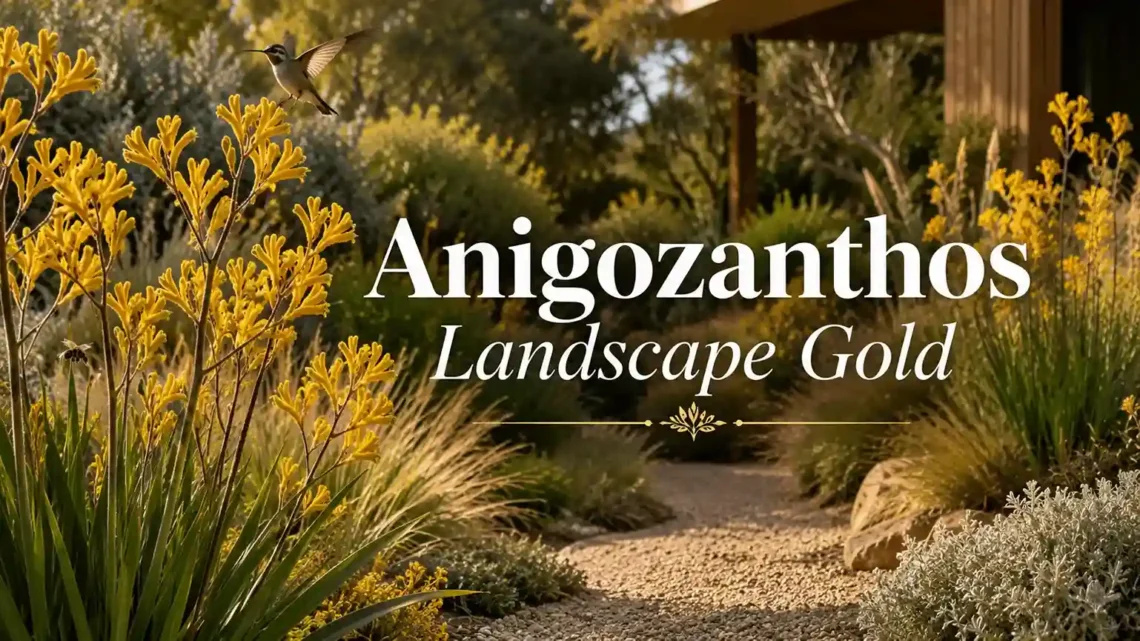
Anigozanthos Landscape Gold is a striking Australian native perennial known for its golden-yellow flowers, upright growth habit, and drought-tolerant performance. This vibrant kangaroo paw plant belongs to the Anigozanthos genus and is widely used in modern landscapes, pollinator-friendly gardens, and low-water outdoor spaces. Gardeners value kangaroo paw landscape gold for its long flowering season, architectural foliage, and ability to attract birds and beneficial pollinators. The yellow kangaroo paw also performs well in borders, native plant gardens, and contemporary outdoor designs where bold color and water efficiency are important. Its adaptability and ornamental appeal make it one of the most recognizable Australian flowering perennials.
Quick Summary
- Anigozanthos Landscape Gold is a yellow-flowering kangaroo paw valued for drought tolerance and long bloom periods.
- The plant performs well in borders, native gardens, and low-water landscaping projects.
- It attracts birds and pollinators while adding strong color contrast to outdoor spaces.
- Proper sunlight, drainage, pruning, and airflow are essential for healthy flowering and foliage growth.
- The cultivar is commonly used in modern landscaping because of its upright structure and vibrant blooms.
What Is Anigozanthos Landscape Gold?
Anigozanthos Landscape Gold is a cultivated variety of kangaroo paw plant known for its bright yellow flowers and durable garden performance. It belongs to the Haemodoraceae family and is closely related to anigozanthos flavidus, a species native to Western Australia. This cultivar is also one of the most recognizable Australian native yellow flowers used in warm-climate landscaping.
The term “yellow kangaroo paw” refers to the plant’s tubular flowers, which resemble the shape of a kangaroo’s paw and display golden-yellow coloring. The cultivar is widely planted in warm-climate gardens because it combines ornamental appeal with drought resistance. Anigozanthos belongs to the kangaroo paw genus, a group of flowering Australian natives known for their uniquely shaped blooms.
Key Botanical Facts
- Botanical family: Haemodoraceae
- Scientific relationship: Derived from anigozanthos flavidus hybrids
- Native origin: Western Australia
- Flower characteristics: Velvety yellow tubular blooms
- Growth habit: Upright clumping perennial
- Landscape uses: Borders, xeriscaping, pollinator gardens, modern landscapes
Anigozanthos landscape gold is especially popular in Australia, Mediterranean climates, and regions with dry summers because it tolerates heat and low-water conditions effectively.
Key Features of Kangaroo Paw Landscape Gold
Kangaroo paw landscape gold is valued for its dramatic flower spikes, evergreen foliage, and extended flowering period. The cultivar is commonly used in residential and commercial landscapes because it combines architectural structure with vibrant seasonal color. Kangaroo paw flowers are also commonly included in pollinator-friendly landscapes alongside other butterfly attracting flowers.
The anigozanthos landscape gold kangaroo paw also supports biodiversity by attracting nectar-feeding birds and pollinating insects.
Flower Color and Bloom Appearance
The flowers of kangaroo paw yellow cultivars are known for their velvety texture and intense golden coloring. The fuzzy tubular blooms develop on tall upright stems that rise above the foliage.
Common visual characteristics include:
- Bright golden-yellow flowers
- Velvety flower texture
- Long bloom stalks
- Strong vertical garden impact
- Seasonal repeat flowering
Yellow kangaroo paws are often selected for landscapes that require warm-toned floral contrast. Compared with other kangaroo paw colours, the golden shades create a brighter visual effect in modern gardens.
Kangaroo paw flowers are also valued for cut flower arrangements because of their unique structure and long vase life. Among kangaroo paws colors, yellow varieties are especially effective when paired with silver foliage or ornamental grasses.
Why Landscape Gold Stands Out in Gardens
Anigozanthos Landscape Gold stands out because it offers stronger reliability and longer flowering periods than many standard kangaroo paws. The cultivar is bred for landscape durability and improved resistance to environmental stress.
It is commonly used in:
- Kangaroo paw landscaping
- Landscaping with kangaroo paws
- Native Australian gardens
- Coastal gardens
- Landscape kangaroo paws installations
Its upright growth and bold flower color make it useful as a focal plant in drought-tolerant garden designs.
Anigozanthos Landscape Gold Size and Growth Habit
Anigozanthos landscape gold size varies depending on climate, soil conditions, and maintenance practices. The plant typically develops into an upright clumping perennial with tall flower stems.
Most mature plants develop dense foliage at the base while producing vertical flowering spikes above the leaves. This growth habit makes the plant suitable for layered landscape planting.
Table: Typical Size and Growth Characteristics of Landscape Gold
| Feature | Average Range | Environmental Influence |
| Height | 3–5 feet | Increased sunlight improves height |
| Width | 2–3 feet | Wider spread in warm climates |
| Bloom stalk height | Up to 6 feet | Fertility and pruning affect stalk size |
| Spread rate | Moderate | Faster in well-drained soil |
| Container suitability | Medium to large pots | Requires excellent drainage |
Kangaroo paw height can vary significantly depending on irrigation and pruning practices. Some tall kangaroo paw specimens may exceed average dimensions in warm regions with long growing seasons.
How to Grow a Yellow Kangaroo Paw Successfully
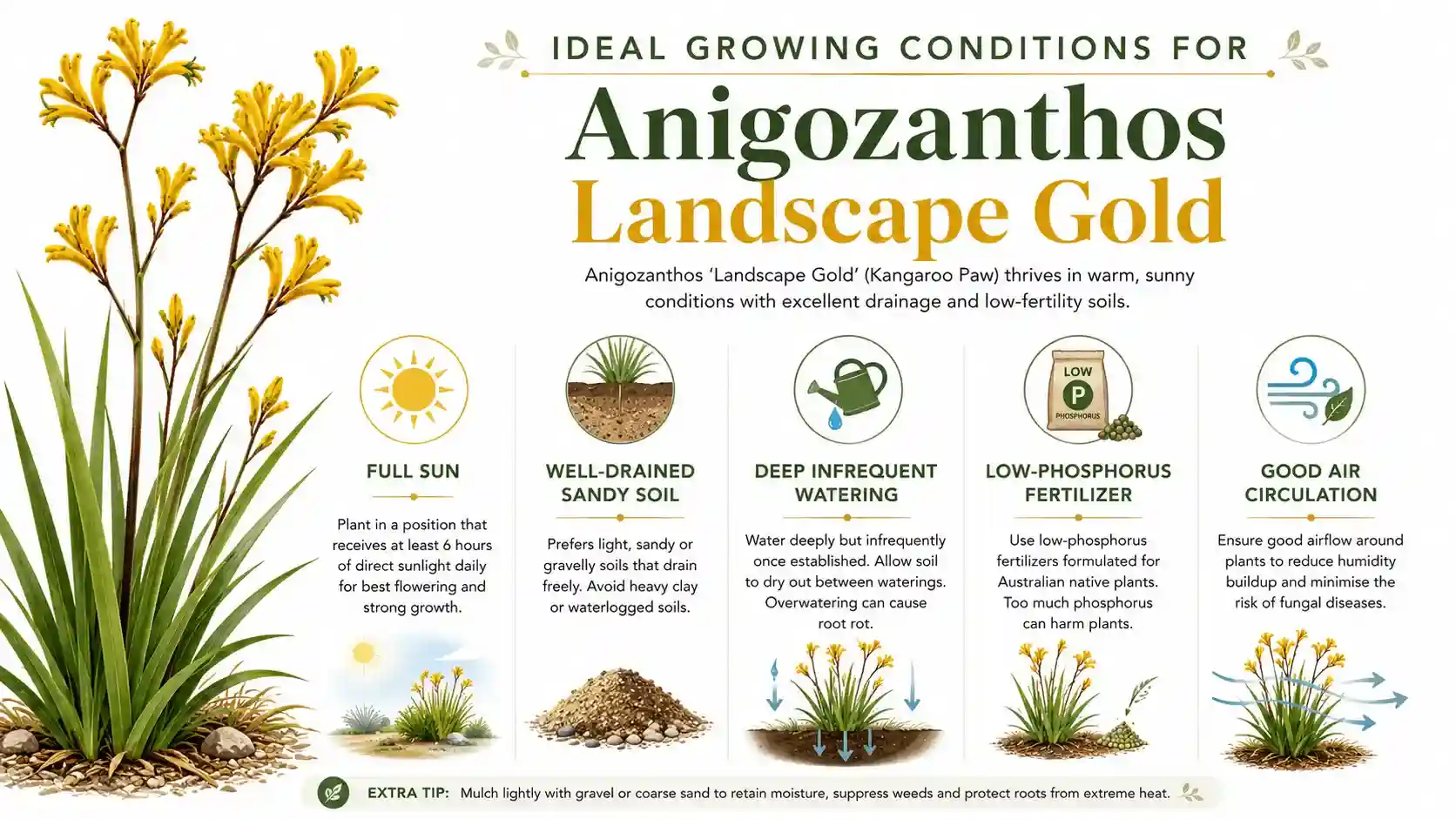
Yellow kangaroo paw plants grow best in sunny locations with excellent drainage and moderate airflow. Proper growing conditions reduce disease problems and improve flowering performance.
Successful growth depends on balancing sunlight, watering, and soil quality.
Ideal Soil and Drainage Conditions
Well-drained soil is essential for kangaroo paw plants because poorly drained conditions increase the risk of root rot and fungal disease.
Best soil conditions include:
- Sandy or loamy soil
- Fast drainage
- Low to moderate fertility
- Slightly acidic to neutral pH
Heavy clay soil is one of the most common causes of plant decline. Gardeners often improve drainage by adding coarse sand or planting on raised mounds.
Sunlight and Climate Requirements
Anigozanthos landscape gold Australia cultivars thrive in full sun and warm climates. Most plants require at least six hours of direct sunlight daily for strong flowering.
Ideal growing conditions include:
- Warm temperatures
- Low humidity
- Open airflow
- Mild winters
- Dry summer conditions
Plants grown in excessive shade often produce weak stems and reduced flowering.
Watering and Feeding Needs
Established kangaroo paw plants are drought tolerant, but young plants require regular watering during establishment.
Helpful care practices include:
- Water deeply but infrequently
- Avoid heavy clay soil
- Use low-phosphorus fertilizer
- Improve airflow around foliage
Overwatering is one of the most common beginner mistakes. Excess moisture around roots can encourage fungal disease and leaf discoloration.
Planting Kangaroo Paw in Landscapes and Garden Beds
Planting kangaroo paw successfully requires proper spacing, drainage, and sunlight exposure. Kangaroo paw landscapes often use the plant as a vertical accent because of its upright flower stems. Planting kangaroo paws in clusters can create strong visual impact in modern outdoor spaces. For more compatible drought-tolerant companion ideas, see our guide on What to Plant with Kangaroo Paw.
Best Locations for Kangaroo Paw Plants
Landscape kangaroo paw varieties perform best in:
- Borders
- Coastal gardens
- Native plant gardens
- Xeriscaping projects
- Modern minimalist landscapes
These environments provide the sunlight and airflow necessary for healthy flowering.
Companion Plants for Landscape Gold
Companion plants should share similar drought-tolerant growing requirements.
Recommended companion plants include:
- Ornamental grasses
- Salvias
- Grevilleas
- Lavender
- Native Australian shrubs
These combinations improve texture contrast and create layered planting designs. Landscape Gold is especially effective in modern Australian native garden layouts that prioritize drought tolerance and architectural planting.
Comparing Landscape Gold With Other Kangaroo Paw Varieties
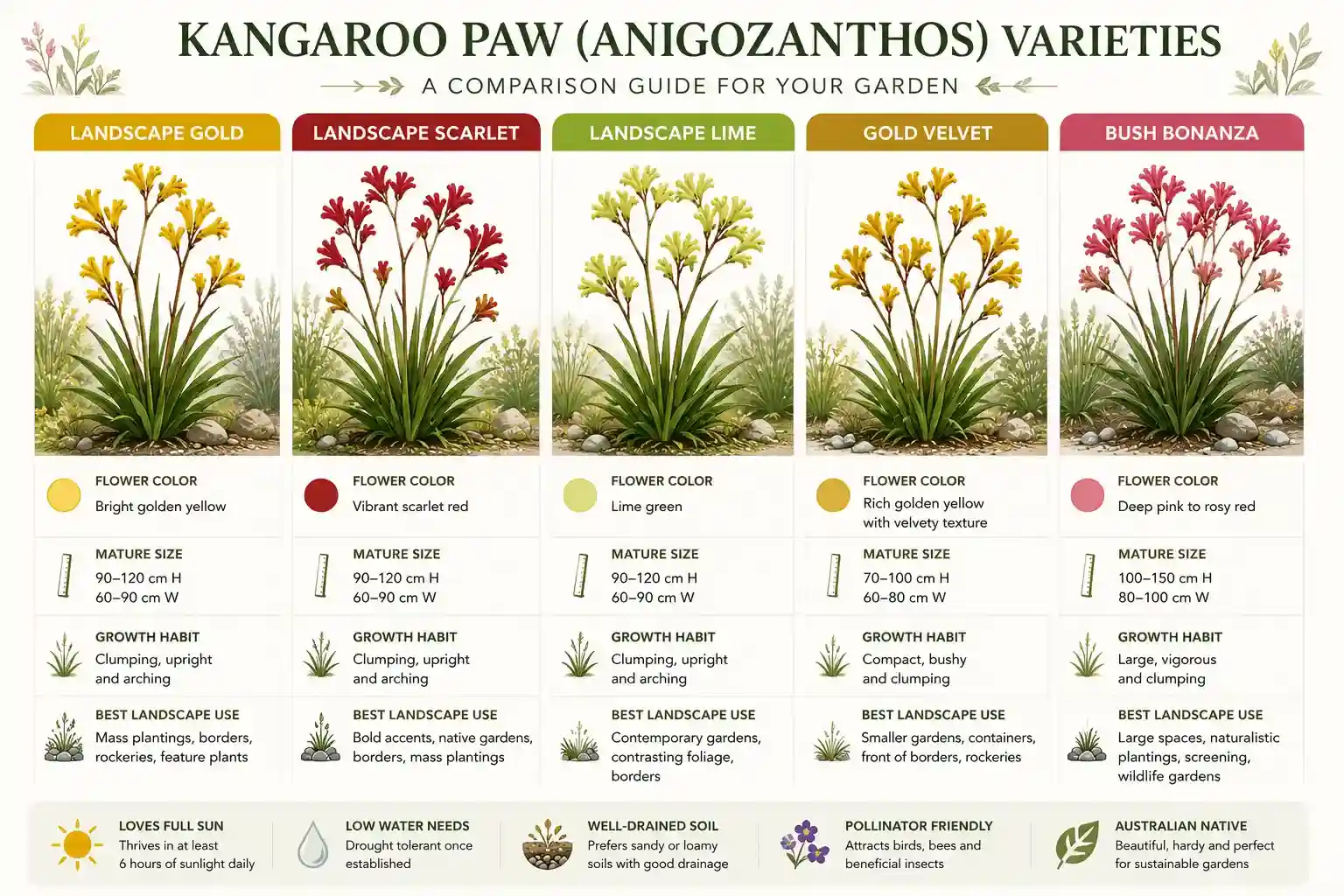
Different kangaroo paw cultivars vary in flower color, size, and growth habit. Anigozanthos landscape gold is commonly compared with other landscape series varieties because of its strong garden performance.
Comparison Table: Landscape Gold vs Other Kangaroo Paw Cultivars
| Variety | Flower Color | Mature Size | Best Landscape Use | Growth Habit |
| Landscape Gold | Golden yellow | Tall | Borders and focal planting | Upright |
| Anigozanthos Landscape Lime | Lime green | Medium | Contemporary gardens | Compact upright |
| Landscape Tangerine Kangaroo Paw | Orange | Medium-tall | Warm color schemes | Clumping |
| Kangaroo Paw Landscape Scarlet | Scarlet red | Tall | Accent planting | Upright |
| Anigozanthos Yellow Gem | Bright yellow | Medium | Pollinator gardens | Dense |
| Anigozanthos Golden Girl | Golden orange-yellow | Medium | Decorative borders | Upright |
| Anigozanthos Gold Fever | Rich yellow | Compact | Containers | Compact |
| Anigozanthos Yellow Bonanza | Bright yellow | Compact | Patio planting | Bushy |
| Anigozanthos White Diamond | White | Medium | Modern minimalist landscapes | Upright |
| Anigozanthos Orange Glow | Orange-red | Medium | Mixed native gardens | Clumping |
Gold Velvet and Bush Bonanza Kangaroo Paw Varieties Explained
Gold Velvet and Bush Bonanza are related kangaroo paw cultivars with different growth habits and landscape uses.
Kangaroo paw gold velvet varieties are known for velvety golden blooms and slightly compact growth, while anigozanthos bush bonanza cultivars are bred for dense foliage and smaller garden spaces.
Compact vs Tall Kangaroo Paw Types
Miniature kangaroo paw varieties are suitable for containers and compact gardens, while tall kangaroo paw cultivars create stronger vertical structure.
Size Differences
| Type | Typical Height | Best Use |
| Miniature kangaroo paws | 1–2 feet | Containers and patios |
| Medium varieties | 2–4 feet | Borders |
| Tall kangaroo paw | 4–6 feet | Feature planting |
Compact forms generally require less pruning and are easier to manage in smaller landscapes.
Common Problems With Kangaroo Paw Plants and How to Fix Them
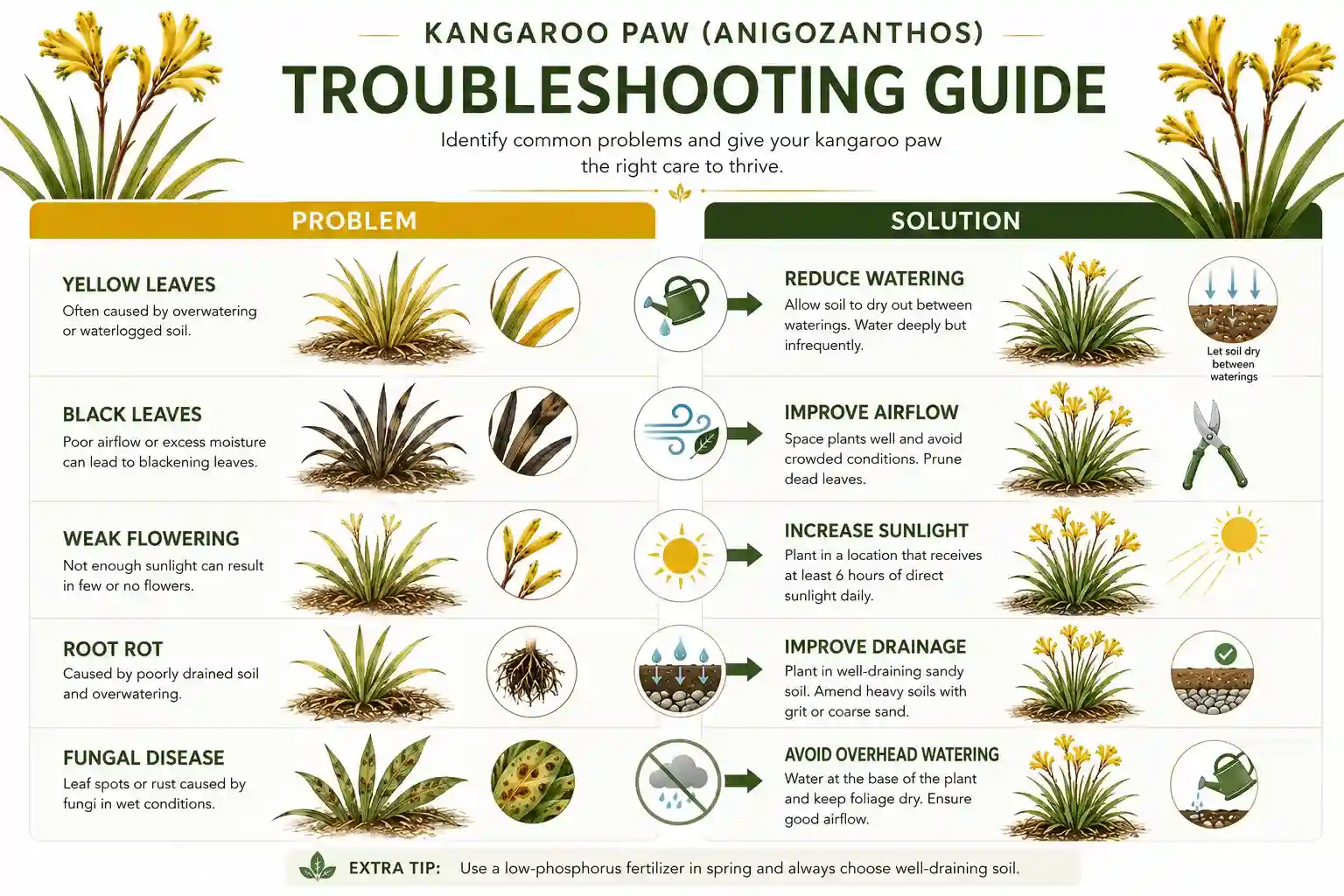
Kangaroo paw plants can experience fungal disease, weak flowering, and foliage discoloration when environmental conditions are unsuitable.
Most problems are linked to excessive moisture, poor airflow, or overcrowding.
Why Kangaroo Paw Leaves Turn Yellow or Black
Leaves may turn yellow or black because of:
- Overwatering
- Poor drainage
- Fungal disease
- Nutrient imbalance
Blackened foliage is often associated with ink spot disease, which spreads more rapidly in humid environments.
Weak Flowering and Slow Growth Problems
Weak flowering is usually caused by:
- Lack of sunlight
- Excess fertilizer
- Crowding
- Poor airflow
Plants grown in shade typically produce fewer flower stalks and weaker stems.
Pest and Disease Concerns
Common issues include:
- Ink spot disease
- Rust
- Snails
- Aphids
Helpful prevention methods include:
- Remove infected leaves
- Improve drainage
- Avoid overhead watering
- Divide crowded plants
Regular pruning also helps reduce fungal pressure.
Seasonal Care for Anigozanthos Landscape Gold
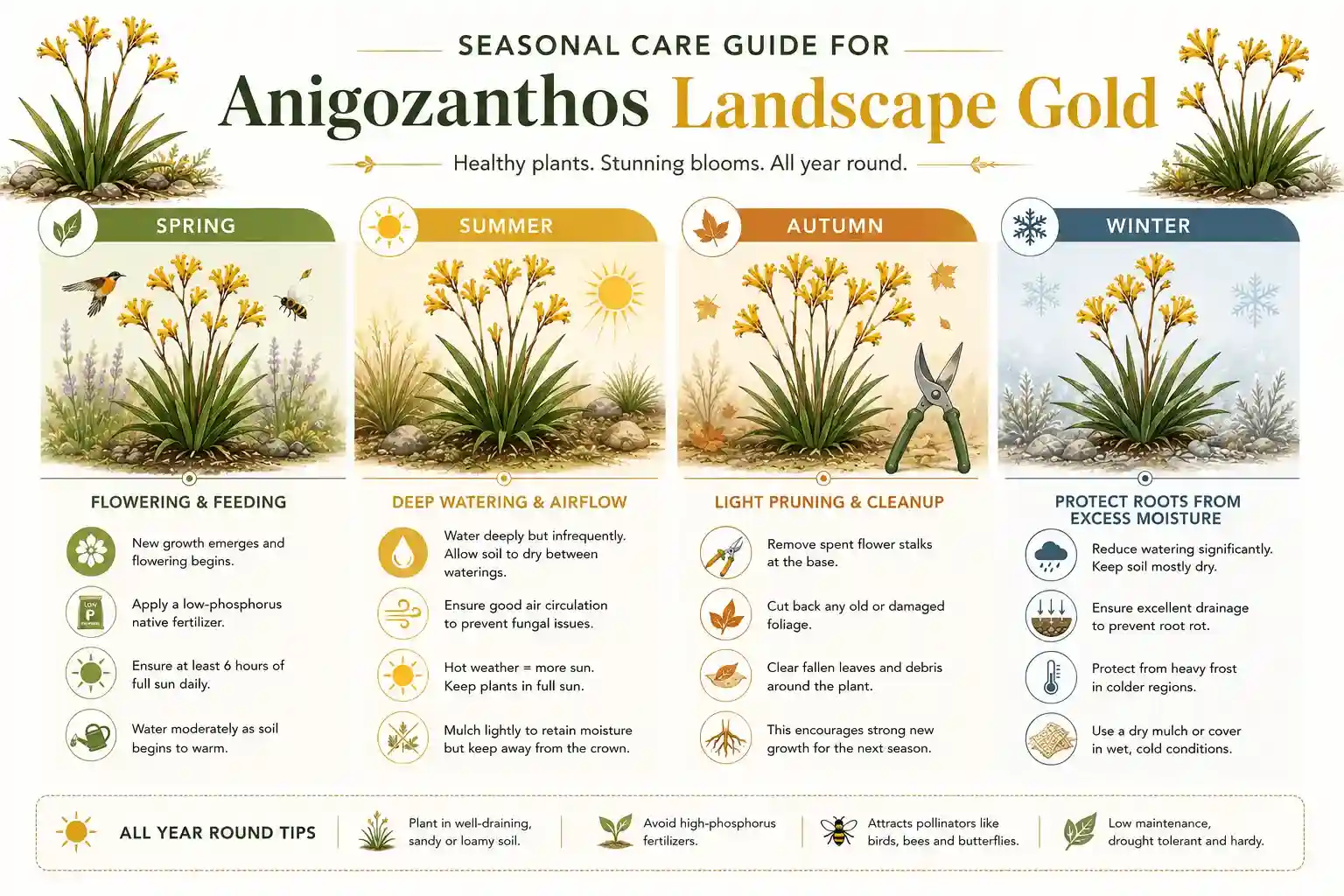
Seasonal maintenance improves flowering performance and long-term plant health.
Spring is the primary flowering period, while summer and winter require adjustments to watering and protection routines.
When and How to Prune Kangaroo Paws
Kangaroo paws should be pruned after flowering to remove spent stems and damaged foliage.
Pruning benefits include:
- Improved airflow
- Reduced fungal disease
- Stronger reblooming
- Cleaner plant appearance
Deadheading spent flower spikes also encourages continued flowering during the growing season.
Indoor vs Outdoor Growth Conditions for Kangaroo Paw Plants
Kangaroo paw plants generally perform better outdoors because they require strong sunlight and airflow.
Indoor cultivation is possible in bright conditions, but flowering performance is often reduced.
Indoor vs Outdoor Kangaroo Paw Growing Conditions
| Condition | Indoor Growth | Outdoor Growth |
| Light | Limited sunlight | Full sun exposure |
| Flower production | Reduced | Strong flowering |
| Air circulation | Restricted | Natural airflow |
| Humidity | Often too high | Better balanced |
| Size potential | Smaller growth | Full mature size |
Outdoor cultivation usually provides healthier foliage and stronger flower production.
The Botanical Background of Anigozanthos Species
The genus Anigozanthos includes multiple flowering species native to Australia. These plants evolved in dry climates and are adapted to sandy soils and seasonal drought.
Anigozanthos hybrida landscape gold is a cultivated hybrid selected for ornamental landscaping performance.
Important Botanical Information
- Native distribution: Western Australia
- Hybrid breeding improves flower production and durability
- Flowers attract birds and pollinators
- Adapted to dry climates and nutrient-poor soils
Related species and color forms include:
- Anigozanthos flavidus yellow
- Anigozanthos flavidus green
- Anigozanthos flavidus red
The kangaroo paw scientific name varies by species and hybrid cultivar.
Beginner Mistakes to Avoid When Growing Kangaroo Paws
Many kangaroo paw problems are caused by incorrect planting and maintenance practices.
Common mistakes include:
- Planting in heavy soil
- Overwatering
- Too much shade
- Poor spacing
- Ignoring pruning
- Excess fertilizer use
Gardeners often achieve better results when plants receive strong sunlight and consistent airflow.
Can You Grow Landscape Gold in Containers?
Yes, Landscape Gold can grow successfully in containers when drainage and sunlight requirements are met.
Container growing works well for patios, balconies, and compact outdoor spaces.
Helpful Container Growing Tips
- Use terracotta or breathable containers
- Ensure strong drainage holes
- Choose sandy, fast-draining potting mix
- Repot every few years as roots expand
Large containers help stabilize tall flower stalks and reduce drying stress during hot weather. For broader landscaping inspiration and plant selection ideas, explore our complete Plants for Homes and Gardens Guide.
Conclusion
Anigozanthos Landscape Gold is valued for its vibrant golden flowers, drought tolerance, and adaptability in modern landscapes. This yellow kangaroo paw performs exceptionally well in native gardens, pollinator-friendly landscapes, and low-maintenance outdoor spaces where strong color and architectural structure are desired.
With proper sunlight, fast-draining soil, seasonal pruning, and controlled watering, kangaroo paw landscape gold can provide long-lasting blooms and healthy growth for many years. Its combination of ornamental appeal and environmental resilience makes it one of the most practical Australian native perennials for warm-climate gardens.
FAQs
1: How tall does Anigozanthos Landscape Gold grow?
Anigozanthos Landscape Gold typically grows between 3 and 5 feet tall, although flower stalks may reach up to 6 feet in ideal conditions with full sun and proper drainage.
2: Is yellow kangaroo paw drought tolerant?
Yes, yellow kangaroo paw plants are drought tolerant once established. They require occasional deep watering but generally perform well in low-water landscapes.
3: What is the best soil for kangaroo paw plants?
Kangaroo paw plants grow best in sandy or loamy soil with excellent drainage. Poorly drained clay soil increases the risk of root rot and fungal disease.
4: Why are my kangaroo paw leaves turning black?
Black leaves are commonly caused by fungal diseases such as ink spot, often triggered by excessive moisture, poor airflow, or overhead watering.
5: Can kangaroo paws grow in pots or containers?
Yes, kangaroo paws can grow successfully in containers if they receive full sunlight and are planted in well-draining potting mix with proper airflow.
6: What is the difference between Landscape Gold and Gold Velvet kangaroo paw?
Landscape Gold is generally taller and more landscape-focused, while Gold Velvet kangaroo paw varieties are often more compact with dense flowering habits.
7: How often should kangaroo paw plants be watered?
Water young plants regularly during establishment. Mature plants should be watered deeply but infrequently to prevent root problems and fungal disease.
8: Do kangaroo paw plants attract birds and pollinators?
Yes, kangaroo paw flowers attract nectar-feeding birds, bees, and other pollinators because of their tubular flower structure and abundant nectar production.