Introduction
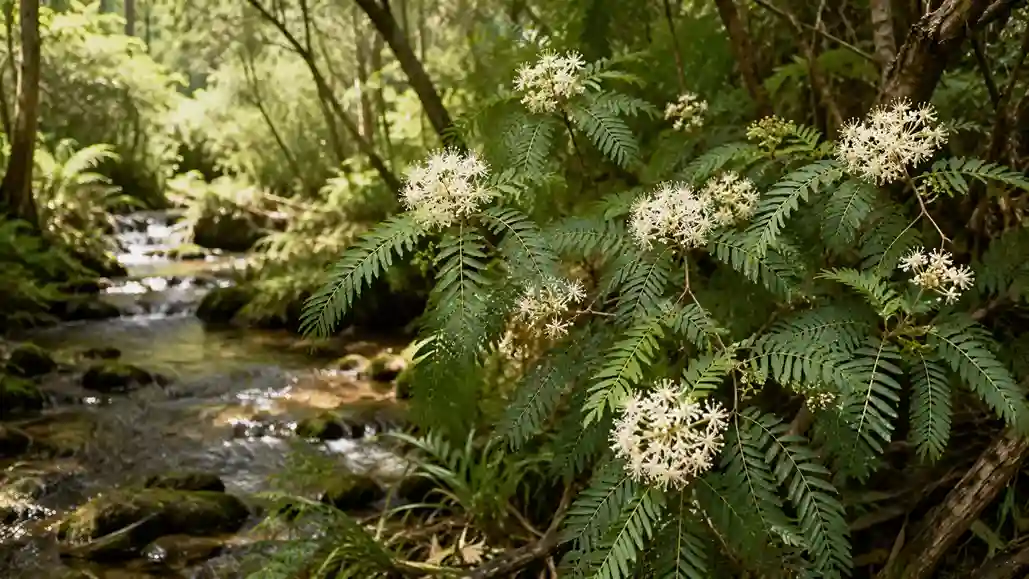
Lomatia myricoides is an Australian native shrub commonly known as River Lomatia. Belonging to the Proteaceae family, it is naturally found along streambanks, moist gullies, and sheltered woodland environments in eastern Australia. This attractive shrub is valued for its fine, pinnate foliage and cream-colored, sweetly scented flower clusters. River Lomatia is widely used in native gardens because of its adaptability to shade and its ability to support local wildlife. This guide explores the size, growth habits, care requirements, pruning methods, varieties, propagation techniques, and related Lomatia species to help gardeners successfully grow and maintain this distinctive native plant.
Quick Summary
- Lomatia myricoides, commonly called River Lomatia, is an Australian native shrub prized for its cream, sweetly scented flower clusters and fine, pinnate foliage.
- It typically grows 1–3 metres tall and thrives in moist, well-drained, sheltered conditions.
- River Lomatia is valued in native gardens for its shade tolerance, wildlife attraction, and year-round foliage.
- It belongs to the Proteaceae family and is closely related to species such as Lomatia silaifolia, Lomatia fraseri, and Lomatia tasmanica.
What Is Lomatia myricoides? (River Lomatia Overview)
Lomatia myricoides, commonly known as River Lomatia, is a native Australian shrub belonging to the Proteaceae family. Learn more about the Proteaceae plant family on Wikipedia. It occurs naturally in eastern Australia and is most commonly associated with moist streamside environments.
The plant is recognized by its feathery, pinnate leaves and cream-colored flower racemes that appear during the flowering season. Unlike many Australian natives that prefer full sun, the lomatia myricoides plant performs exceptionally well in shaded and sheltered locations.
River Lomatia naturally grows along waterways, creek margins, and moist forest understoreys across New South Wales, Victoria, and the Australian Capital Territory. Its ecological role includes stabilizing streambanks, providing habitat for wildlife, and contributing to native plant diversity.
Lomatia myricoides Common Name and Botanical Classification
The common name of Lomatia myricoides is River Lomatia. This name reflects its strong association with rivers, creeks, and riparian habitats throughout its natural range.
Botanical classification:
- Kingdom: Plantae
- Division: Magnoliophyta
- Class: Magnoliopsida
- Order: Proteales
- Family: Proteaceae
- Genus: Lomatia
- Species: Lomatia myricoides
The species name myricoides means “resembling Myrica,” referring to similarities between its foliage and that of bayberry plants.
For gardeners asking, “What is the common name of Lomatia myricoides?” the direct answer is River Lomatia.
Lomatia myricoides Size and Height — What to Expect

Lomatia myricoides typically reaches a mature height of 1–3 metres and a spread of approximately 1–2 metres. Growth size varies according to moisture availability, soil quality, and exposure.
Plants growing in moist, sheltered conditions often achieve their maximum height and develop a fuller canopy. In drier or more exposed locations, growth may be slower and more compact.
When grown in containers, River Lomatia generally remains smaller due to restricted root development, making it suitable for large pots in shaded outdoor spaces.
| Feature | Typical Range |
| Mature Height | 1–3 metres |
| Mature Spread | 1–2 metres |
| Growth Rate | Moderate |
| Container Suitability | Yes (smaller form) |
Growth Rate of River Lomatia
River Lomatia has a moderate growth rate. Under favorable conditions, noticeable growth occurs during spring and summer when temperatures are warmer and soil moisture is consistent.
Young plants generally establish slowly before accelerating growth during their early years. Mature specimens develop at a steadier pace and focus more energy on flowering and branching.
Factors that encourage faster growth include:
- Consistent soil moisture
- Rich organic matter
- Protection from drying winds
- Partial shade conditions
Growth may slow when plants compete with large tree roots, experience drought stress, or grow in poor soils.
Lomatia myricoides Care Guide
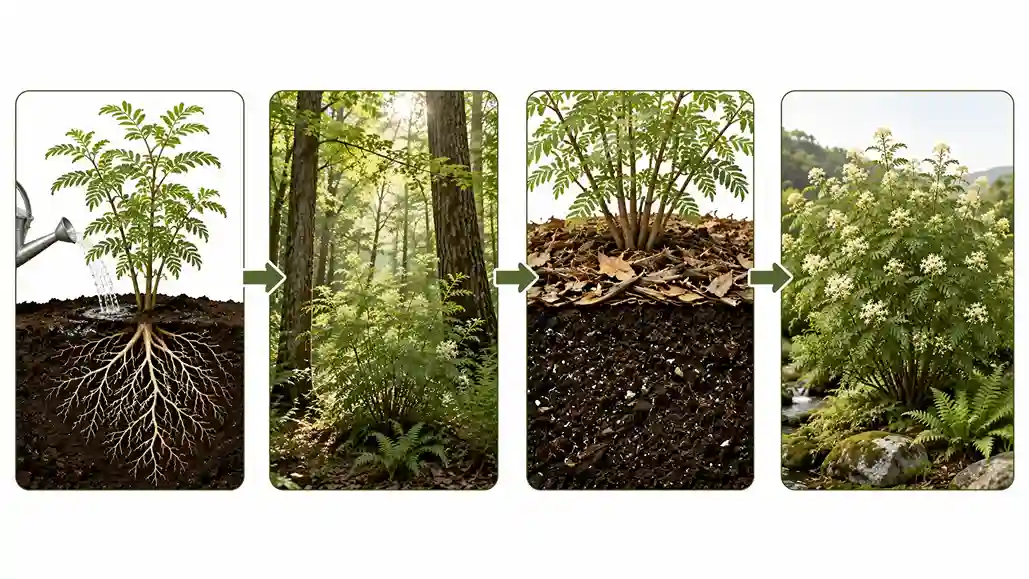
Watering Requirements
River Lomatia prefers consistently moist soil and performs best when regular moisture is available throughout the growing season. Extended drought periods can cause stress and reduced growth.
For best results:
- Water regularly during dry periods
- Maintain even moisture levels
- Reduce watering during winter when growth slows
- Avoid prolonged waterlogging
Similar moisture-loving plants are explored in Plants That Like Wet Soil Australia Guide, especially species adapted to riparian environments.
Light Conditions
Lomatia myricoides performs exceptionally well in part shade to full shade. Dappled sunlight beneath larger trees closely mimics its natural habitat. In hotter regions, harsh afternoon sun may scorch foliage and increase moisture stress. Sheltered positions generally produce healthier plants.
It is also listed among Shade Loving Australian Natives, making it ideal for understorey and woodland-style gardens.
Soil Preferences
This species prefers:
- Moist soils
- Humus-rich growing media
- Excellent drainage
- Slightly acidic soil conditions
Applying organic mulch helps retain moisture, regulate soil temperature, and improve long-term soil health.
Fertilization
River Lomatia has relatively low fertilizer requirements.
Use:
- Native plant fertilizers
- Low-phosphorus formulations
- Slow-release native products
Avoid standard fertilizers high in phosphorus because Proteaceae species are highly sensitive to phosphorus toxicity. Similar to other Proteaceae plants like Banksia Sentinel, Lomatia myricoides requires low-phosphorus fertilization to prevent toxicity.
Climate Tolerance
Lomatia myricoides is well suited to temperate climates and develops good frost tolerance once established.
It performs best in:
- Temperate regions
- Sheltered woodland gardens
- USDA Zones 8–10
- Areas with reliable moisture
Avoid highly exposed, arid, or extremely dry environments.
Lomatia myricoides Pruning — How and When to Prune
Lomatia myricoides generally requires only light pruning to maintain shape and encourage healthy growth.
The best time to prune is after flowering, usually during late summer or early autumn. Heavy pruning into old wood should be avoided because regeneration can be poor.
Pruning tips:
- Remove dead or damaged stems after flowering
- Light tip-pruning encourages bushy habit
- Never remove more than one-third of the plant at once
- Sterilize tools before cutting to prevent disease transfer
Regular light maintenance is more effective than occasional severe pruning.
Lomatia myricoides Varieties and Cultivars
Commercially available lomatia myricoides varieties are relatively limited compared with other native shrubs. However, natural variation occurs across wild populations.
Differences may include:
- Leaf size
- Leaf density
- Flower abundance
- Overall growth habit
Some nursery selections may emphasize compact growth, denser flowering, or improved garden performance. Availability varies by region and supplier.
Lomatia Species Comparison — How Does River Lomatia Compare?
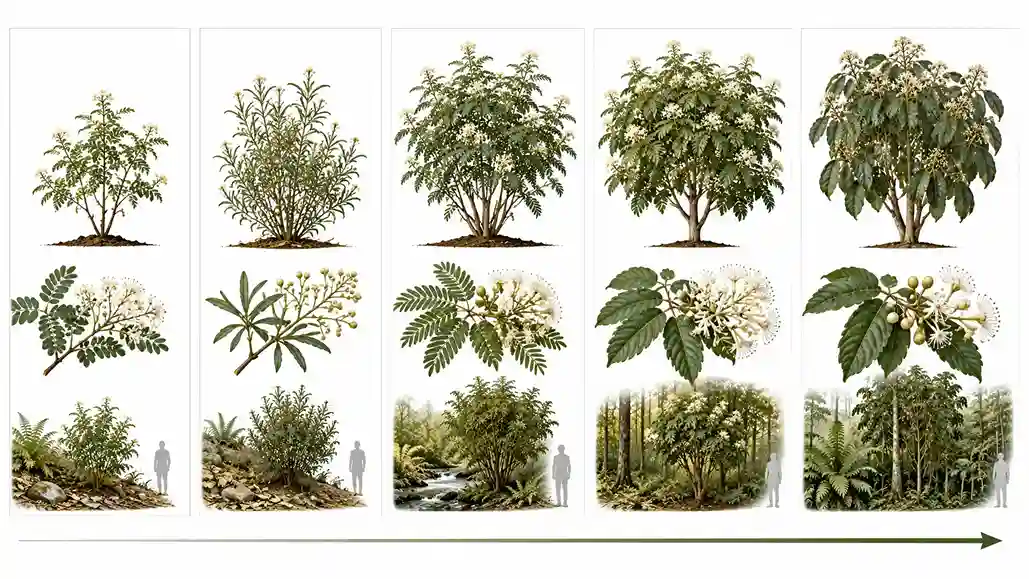
Several Lomatia species are grown in Australian gardens, each with distinct characteristics.
| Species | Common Name | Size | Habitat | Flower Type | Key Difference |
| L. myricoides | River Lomatia | 1–3 m | Moist riparian | Cream racemes | Shade-tolerant streamside shrub |
| L. silaifolia | Crinkle Bush | 1–2 m | Dry woodland | White racemes | More drought-tolerant |
| L. fraseri | Tree Lomatia | 3–8 m | Wet sclerophyll | Cream | Much larger tree form |
| L. tasmanica | King’s Lomatia | 1–2 m | Cool temperate | Pinkish-red | Extremely rare species |
| L. tinctoria | Guitar Plant | 0.5–1 m | Heathland | Cream-yellow | Low-growing species |
Lomatia myricoides vs Lomatia silaifolia — Key Differences
Lomatia myricoides and Lomatia silaifolia are often confused because both belong to the same genus and have similar flower structures.
Key differences include:
- L. myricoides prefers moist riparian habitats
- L. silaifolia tolerates drier woodland conditions
- L. myricoides is more shade tolerant
- L. silaifolia is generally more drought resistant
- Leaf texture and growth habit differ between species
Gardeners in moist, shaded environments typically achieve better results with River Lomatia.
What Makes Lomatia tasmanica Unique?
Lomatia tasmanica, also known as King’s Lomatia, is considered one of the rarest plants on Earth.
Unlike the relatively widespread and adaptable Lomatia myricoides, L. tasmanica exists only in Tasmania and is known from a single clonal population. Its extraordinary rarity and ancient lineage make it botanically significant.
For a detailed care breakdown of its closest relative, see Lomatia silaifolia Care which explains its drought-tolerant adaptation in woodland environments.
Growing Lomatia myricoides in the Garden — Landscaping Uses
River Lomatia is highly versatile in landscape design.
Ideal planting locations include:
- Shaded garden borders
- Understorey plantings beneath trees
- Beside ponds and water features
- Native garden beds
- Sheltered screening areas
Suitable companion plants include other shade-tolerant Australian natives that appreciate similar moisture conditions. Its year-round foliage and wildlife value make it useful in habitat-focused landscapes.
River Lomatia is also commonly featured in Australian Native Garden Trees landscapes where it contributes to layered understorey planting designs.
Wildlife Value and Ecological Role
River Lomatia supports a range of beneficial wildlife.
Its flowers attract:
- Native bees
- Small pollinating insects
- Beneficial garden insects
Dense foliage provides shelter for small birds and creates protected nesting habitat. The species is also used in riparian restoration projects where it helps stabilize soil and restore ecological function along waterways. Like Grevillea species such as Grevillea sericea, River Lomatia also supports native pollinators and biodiversity in garden ecosystems.
Common Problems with Lomatia myricoides — Troubleshooting Guide
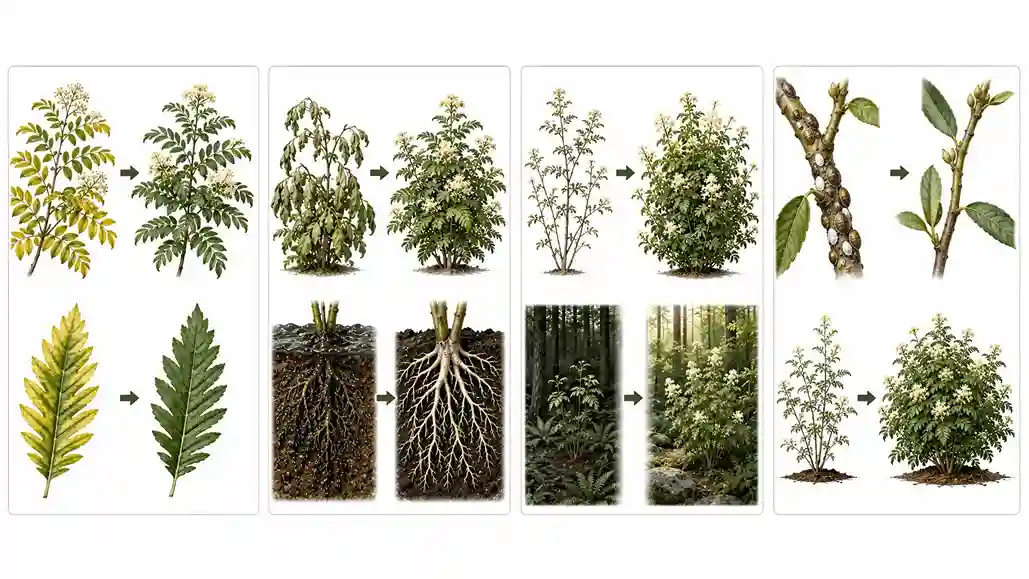
Yellowing Leaves
Why:
- Phosphorus toxicity
- Waterlogged roots
- Iron deficiency
Fix:
- Use native fertilizer
- Improve drainage
- Apply chelated iron if needed
Prevent:
- Use low-phosphorus fertilizers
- Maintain proper soil moisture
Wilting Despite Watering
Why:
- Root rot from poorly drained soil
Fix:
- Improve drainage
- Reduce watering frequency
- Repot container plants if necessary
Prevent:
- Plant in well-drained, humus-rich soil
Sparse Flowering
Why:
- Excessive shade
- Over-pruning
- Nutrient imbalance
Fix:
- Increase indirect light
- Avoid pruning during bud formation
- Feed with native fertilizer in spring
Prevent:
- Maintain suitable growing conditions
Pest Issues
Why:
- Scale insects
- Borers
- Plant stress
Fix:
- Apply horticultural oil
- Remove infested stems
Prevent:
- Maintain healthy growing conditions
Similar pest stress patterns can also be observed in Grevillea Elegance, especially under poor drainage or drought conditions.
Beginner Mistakes When Growing River Lomatia
Common mistakes include:
- Using standard fertilizer containing phosphorus
- Planting in full sun in hot climates without shade protection
- Overwatering in poorly drained sites
- Pruning heavily into old wood
- Selecting unsuitable Lomatia species for local climate conditions
Avoiding these mistakes greatly improves long-term plant health and performance.
Propagation of Lomatia myricoides
Lomatia myricoides can be propagated from seed or cuttings.
Seed propagation:
- Fresh seed generally performs best
- Germination can be slow and variable
- Consistent moisture improves success rates
Cutting propagation:
- Use semi-hardwood cuttings
- Take cuttings in late summer
- Apply rooting hormone to improve results
- Maintain high humidity during rooting
Propagation is considered moderately challenging compared with many common garden shrubs.
Lomatia myricoides is often combined in native planting designs with species like Acacia fimbriata for layered habitat structure.
Where to Find Lomatia myricoides for Sale
Lomatia myricoides is typically available through specialist native plant nurseries and Australian native plant retailers.
Potential sources include:
- Native plant nurseries
- Specialist Australian native plant growers
- Online native plant suppliers
- Ecological restoration nurseries
Availability is often highest during spring and autumn planting seasons. For restoration projects, choosing local provenance stock is recommended to preserve regional genetic diversity.
Conclusion
River Lomatia is a versatile Australian native shrub that thrives in moist, sheltered, and shaded environments. Its attractive foliage, fragrant cream flowers, wildlife value, and adaptability make it a valuable addition to native landscapes and habitat gardens. Lomatia myricoides rewards gardeners who provide consistent moisture, shade, and low-phosphorus nutrition. Whether planted in a native garden, used in riparian restoration, or incorporated into wildlife-friendly landscaping, River Lomatia offers both ornamental appeal and ecological benefits.
FAQs
Q1: What is the common name of Lomatia myricoides?
The common name of Lomatia myricoides is River Lomatia. The name reflects the plant’s natural occurrence along rivers, creeks, and moist riparian habitats throughout eastern Australia.
Q2: How tall does Lomatia myricoides grow?
Lomatia myricoides typically grows between 1 and 3 metres tall with a spread of 1 to 2 metres. Growth depends on moisture levels, soil quality, and site conditions.
Q3: How do I prune Lomatia myricoides?
Prune lightly after flowering in late summer or early autumn. Remove dead stems and lightly tip-prune to maintain shape. Avoid hard pruning into old wood.
Q4: What is the difference between Lomatia myricoides and Lomatia silaifolia?
Lomatia myricoides prefers moist, shaded riparian habitats, while Lomatia silaifolia is more drought tolerant and suited to drier woodland environments. Their foliage and growth habits also differ.
Q5: Is Lomatia myricoides suitable for shaded gardens?
Yes. River Lomatia thrives in part shade to full shade, making it one of the most useful Australian native shrubs for understorey and shaded garden positions.
Q6: What fertilizer should I use for River Lomatia?
Use a low-phosphorus fertilizer designed specifically for Australian native plants. High-phosphorus fertilizers can damage Proteaceae species, including River Lomatia.
Q7: Where can I buy Lomatia myricoides?
River Lomatia is available from specialist native plant nurseries, Australian native plant retailers, and online native plant suppliers. Availability is often best during spring and autumn.