Introduction
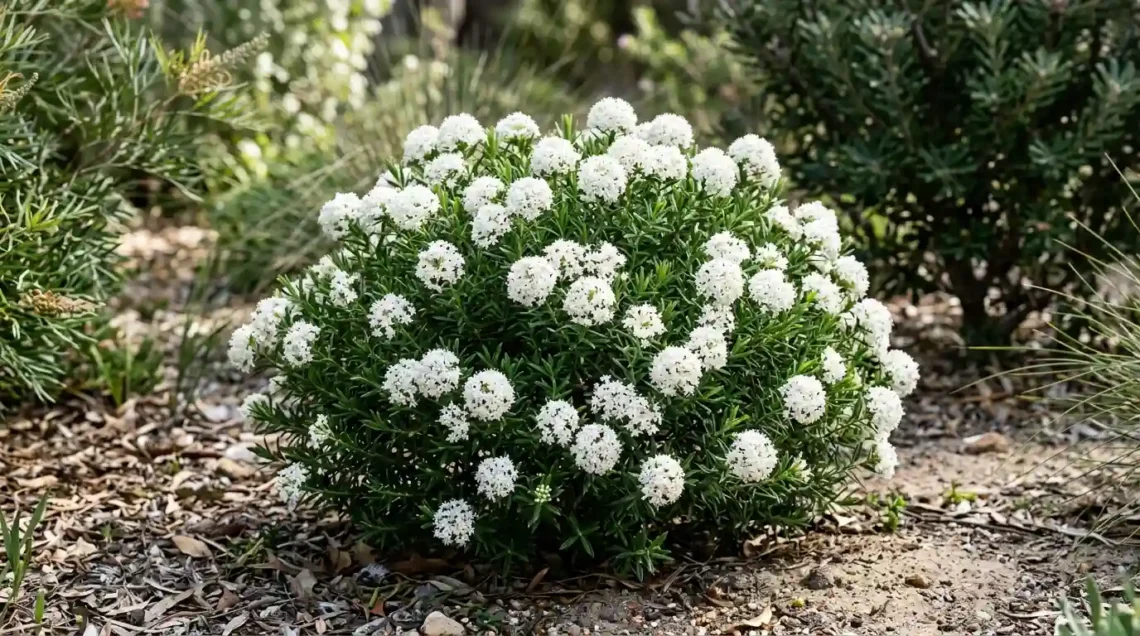
Pimelea snowball is a compact white-flowering Australian native shrub widely grown for its dense floral clusters and ornamental value in modern gardens. It belongs to the Pimelea genus, commonly known as rice flowers, which includes many native shrubs adapted to dry and well-drained Australian environments. Within the Thymelaeaceae family, Pimelea Snowball is appreciated for its tidy growth habit and striking white blooms.
This article covers identification, care requirements, spacing guidelines, growth behavior, safety considerations, and common gardening mistakes. It is designed to help gardeners understand how to successfully grow and maintain Pimelea snowball in both home landscapes and native plant gardens.
Quick Summary
- Pimelea Snowball is a compact Australian native shrub producing dense white flower clusters
- It belongs to the Pimelea genus, commonly known as rice flowers
- It thrives in well-drained soils with full sun to partial shade and low-maintenance care needs
- It is suitable for ornamental gardens, borders, and native landscaping
- Some wild Pimelea species are toxic to livestock, especially cattle
What Is Pimelea Snowball?
Pimelea snowball is a cultivated ornamental selection within the Pimelea genus, chosen for its compact growth and spherical clusters of white flowers. The term “snowball” refers to its rounded floral heads that resemble small white pom-poms during peak blooming. The plant belongs to the genus Pimelea (rice flower genus), which includes many Australian native shrub species known for their clustered blooms.
It belongs to the Thymelaeaceae family, a group of flowering plants that includes many Australian native shrubs adapted to harsh and variable climates. The plant is part of the broader “rice flower” group, a common name used for many Pimelea species due to their fine, clustered flower structures.
Pimelea snowball is native in origin through Australian plant breeding and selection, and is commonly referenced in “pimelea snowball Australia” gardening contexts. It differs from wild Pimelea species, which often grow more loosely and vary significantly in flower shape and size.
Pimelea Snowball vs. Other Pimelea Species
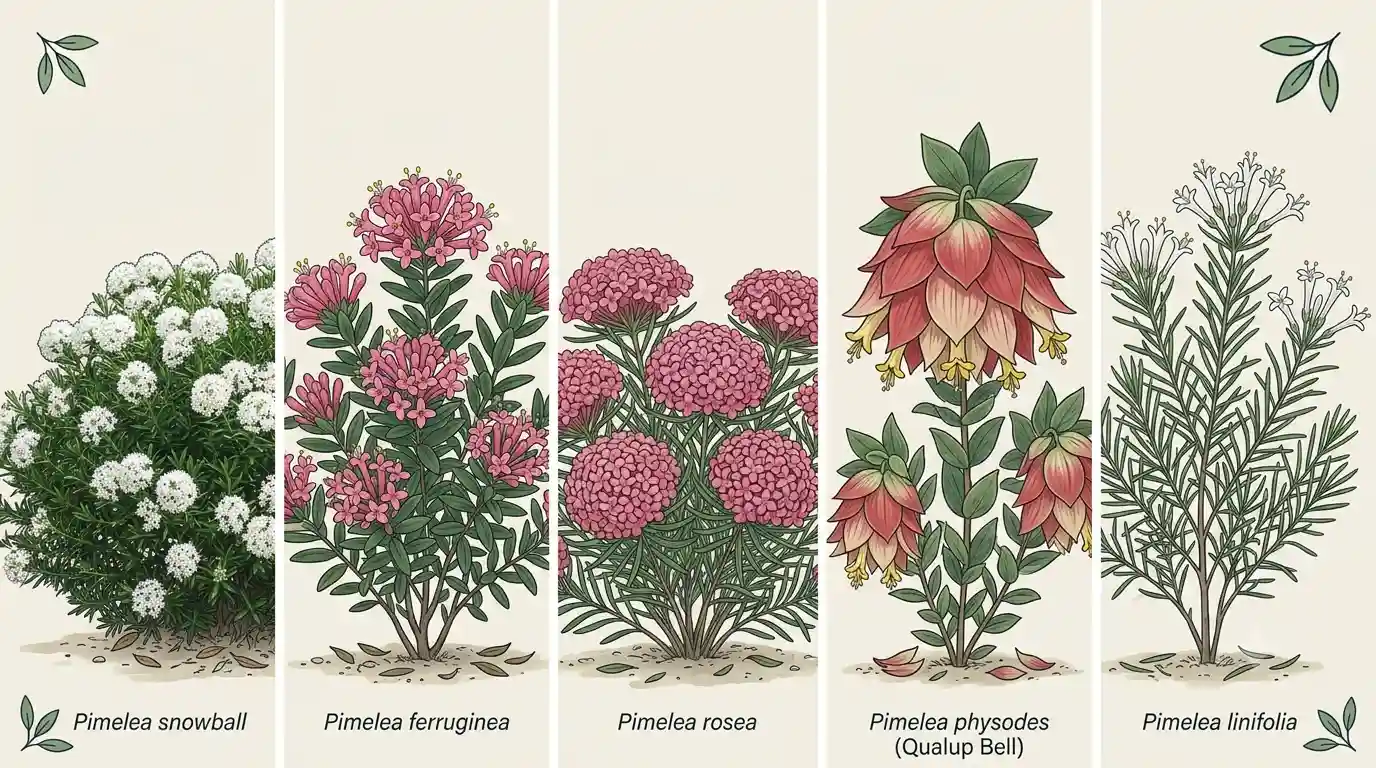
Pimelea snowball is often compared with other Pimelea species due to similarities in flower structure and growth habit. However, differences in color, form, and natural habitat make each species distinct.
Pimelea ferruginea (Pink Rice Flower)
Pimelea ferruginea is one of the most widely cultivated pink-flowering species in Australian gardens. It is known for its vibrant pink blooms and hardy coastal tolerance.
- Pimelea ferruginea alba produces white flowers but differs in structure from snowball, with looser clusters
- Magenta Mist is a deeper pink cultivar with stronger color intensity
- Standard white forms of ferruginea are less compact than Pimelea snowball
- Naturally found in coastal Western Australia, often in sandy soils
In our experience, ferruginea types tend to be slightly tougher in coastal wind exposure, while snowball performs better in protected garden beds.
Pimelea rosea (Pink Rice Flower Plant)
Pimelea rosea is a Western Australian native species known for its soft rose-pink flowers. It grows naturally in coastal heathlands and sandy soils.
- Flowers are pink to rose-colored, not white
- Typically taller and more open in structure than Pimelea snowball
- Commonly called the pink rice flower plant
- Naturally adapted to WA coastal ecosystems
This species is often confused with snowball in early growth stages, but flower color and plant shape quickly distinguish them.
Qualup Bell (Pimelea physodes)
Pimelea physodes, commonly known as qualup bell, is one of the most visually striking Australian wildflowers.
- Produces large, nodding bell-shaped flower clusters
- Often red, green, or pink-toned bracts rather than white spheres
- Native to Western Australia and highly ornamental in wildflower collections
- Frequently searched as “qualup bell plant” or “pimelea qualup bell”
Unlike Pimelea snowball, which forms tight rounded clusters, qualup bell has a dramatic hanging floral structure.
Other Notable Pimelea Species
| Species | Common Name | Flower Color | Origin | Notable Feature |
| Pimelea snowball | Snowball Rice Flower | White | Australia (cultivar) | Dense rounded white heads |
| Pimelea ferruginea | Pink Rice Flower | Pink/Magenta | WA, Australia | Widely cultivated coastal shrub |
| Pimelea ferruginea alba | White Rice Flower | White | WA, Australia | White-flowering ferruginea form |
| Pimelea rosea | Pink Rice Flower | Rose-pink | WA, Australia | Vibrant native wild species |
| Pimelea physodes | Qualup Bell | Red/Green | WA, Australia | Bell-shaped floral bracts |
| Pimelea nivea | Currant Bush | White | SE Australia | Larger shrub form |
| Pimelea linifolia | Slender Rice Flower | White | Eastern Australia | Fine narrow leaves |
| Pimelea glauca | Smooth Rice Flower | White/Cream | SE Australia | Low spreading habit |
| Pimelea spectabilis | Bunjong | Pink/White | WA, Australia | Showy ornamental blooms |
Pimelea Snowball Care Guide
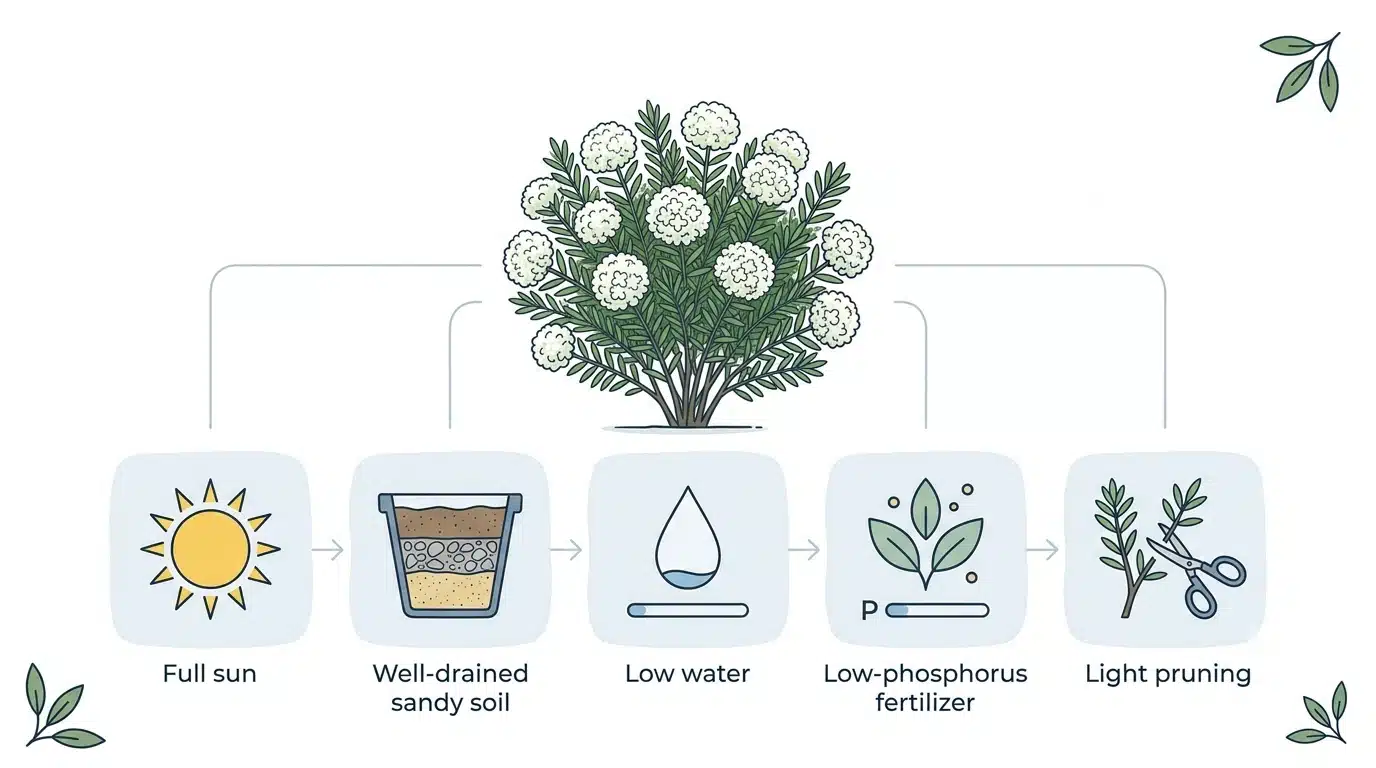
Pimelea snowball care is generally simple, making it suitable for low-maintenance native gardens when basic conditions are met.
Sunlight Requirements
Pimelea snowball grows best in full sun to partial shade. Full sun encourages dense flowering and compact growth, while excessive shade reduces bloom production and may cause leggy growth.
In our garden trials, plants placed in at least 6 hours of sunlight produced significantly more flower clusters compared to shaded specimens.
Watering Needs
Once established, Pimelea snowball is drought-tolerant and prefers infrequent deep watering.
- Water regularly during the first 6–8 weeks after planting
- Reduce watering once roots establish
- Avoid constant soil moisture
Signs of overwatering include yellowing leaves and soft stems, while underwatering may cause dry, brittle foliage.
Soil Preferences
Well-drained soil is essential for healthy growth.
- Prefers sandy or loamy soils
- Avoid heavy clay unless heavily amended
- Slightly acidic to neutral pH is ideal
- Poor drainage significantly increases root rot risk
Fertilization
Pimelea snowball is a low-nutrient feeder and should not be over-fertilized.
- Use low-phosphorus native plant fertilizer
- Apply lightly in spring and early summer
- Avoid high-phosphorus products that can damage roots
Pruning Pimelea Snowball
Light pruning helps maintain compact shape and encourages flowering.
- Prune lightly after flowering
- Remove spent flower heads and light stem tips
- Avoid cutting into old woody stems
Hard pruning into old wood often results in poor regrowth.
Climate Tolerance
Pimelea snowball performs well in temperate to warm Australian climates.
- Moderate frost tolerance once established
- Prefers dry to semi-dry conditions
- Performs best in low to moderate humidity regions
Pimelea Snowball Spacing Guide
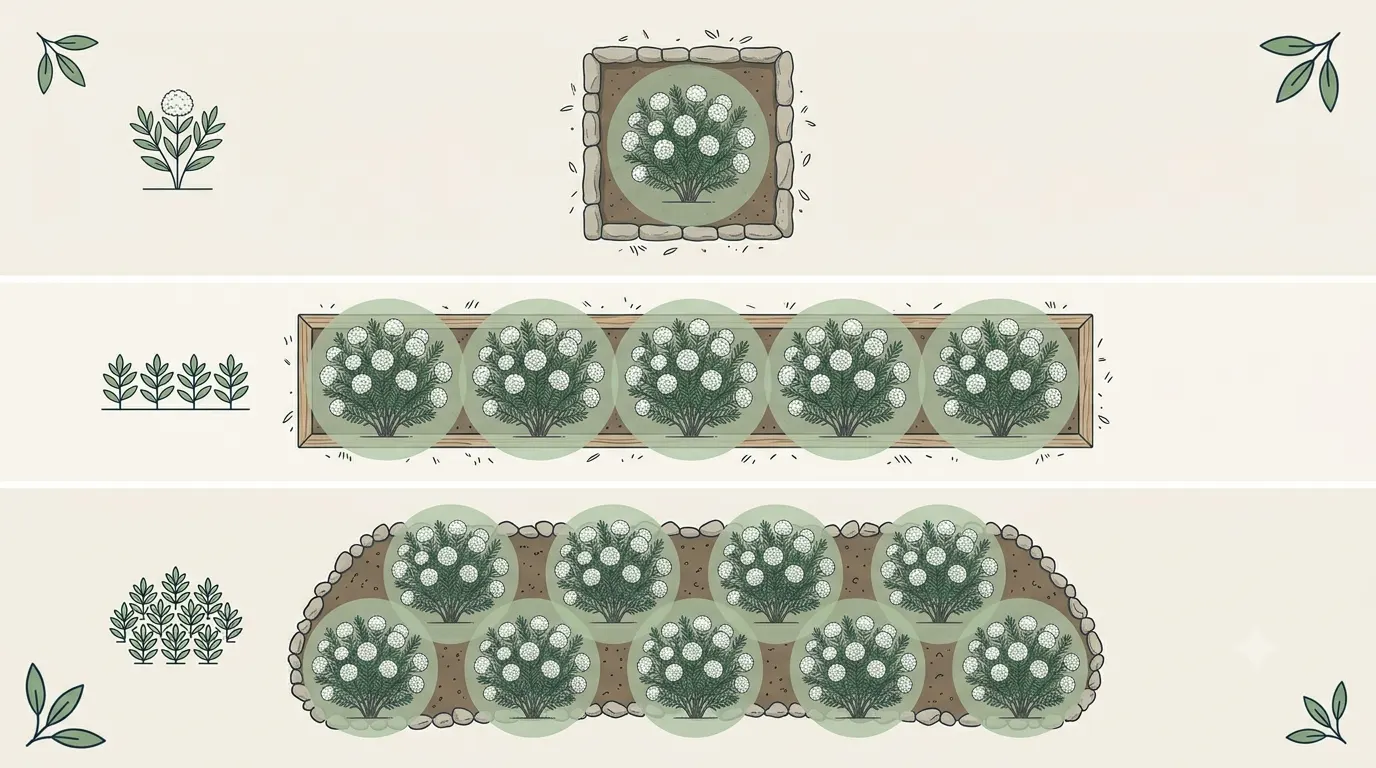
Proper spacing is essential for airflow, growth, and flowering performance.
- Garden beds: 60–90 cm apart
- Hedging or mass planting: 50–70 cm apart for denser coverage
- Container growing: one plant per 30–40 cm pot minimum
- Mature spread: approximately 60–100 cm depending on pruning
Good spacing reduces fungal risk and supports natural plant shape development.
How to Grow Pimelea Snowball in Australian Gardens
Pimelea snowball adapts well to Australian gardens due to its native origin and low-maintenance nature. For contrasting flowering textures, gardeners often combine it with Grevillea Semperflorens in native garden beds.
- Best suited to temperate and dry coastal regions
- Works well in native gardens, rockeries, and cottage-style landscapes
- Pairs well with other Australian natives such as Grevillea and Westringia
- Can be grown in containers with proper drainage
- Highly valued for ornamental white blooms in garden design
In our experience, it performs best when planted in raised beds or slightly elevated areas to improve drainage. It pairs well with plants like Lemon Myrtle Hedge in native garden designs where fragrance and structure are combined.
Pimelea Snowball Plant Size and Growth Rate
Mature Size
Pimelea snowball is a compact shrub.
- Height: 0.6–1.2 meters
- Width: 0.6–1 meter
- Indoor growth is limited and generally not recommended
- Regular pruning maintains smaller, denser form
Growth Rate
Pimelea snowball is slow to moderate in growth rate.
- Faster growth in full sun and well-drained soil
- Slower growth in cooler or shaded environments
- Seasonal growth peaks in spring and early summer
Low-growing structural companions like Lomandra Variegated help balance its compact flowering habit.
Common Problems with Pimelea Snowball
Leaves Turning Yellow
Yellowing leaves are commonly caused by:
- Overwatering or poor drainage
- Nutrient imbalance
- Root stress in compacted soil
Improving drainage and reducing watering usually resolves the issue.
Poor Flowering
Poor bloom production may result from:
- Insufficient sunlight
- Excess nitrogen fertilizer
- Incorrect pruning timing
Ensuring full sun exposure significantly improves flowering.
Root Rot and Drainage Issues
Pimelea snowball is highly sensitive to waterlogged soil.
- Roots rot quickly in heavy clay
- Raised planting improves survival
- Ensure soil drains freely after rain
Pest and Disease Issues
Common issues include:
- Aphids on new growth
- Fungal leaf spots in humid conditions
- Occasional scale insects
Organic sprays or horticultural oils are typically effective.
Is Pimelea Poisonous? Toxicity Risks Explained
Pimelea Poisoning in Cattle
Pimelea poisoning is a documented livestock condition affecting cattle in parts of Australia.
- Caused by certain wild Pimelea species in grazing areas
- Toxic compounds include daphnane diterpene esters (such as simple diterpenes like simplexin-related compounds)
- Symptoms in cattle include diarrhea, fluid accumulation, and weakness
- Most common in pastoral regions of northern and inland Australia
In agricultural studies, outbreaks are often linked to overgrazed paddocks where native pimelea species are present.
Is Pimelea Snowball Safe for Gardens?
Pimelea snowball is generally considered safe in ornamental garden contexts when not consumed.
- Toxicity concerns mainly apply to grazing livestock, not garden settings
- Pets should still be discouraged from eating plant material
- Always consult veterinary or agricultural authorities if livestock exposure is possible
Where to Buy Pimelea Snowball
Pimelea snowball is available through several plant sources.
- Australian native plant nurseries
- Online native plant retailers
- Local garden centers specializing in native flora
When purchasing:
- Choose healthy plants with firm, green foliage
- Avoid root-bound specimens
- Check drainage in nursery pots
- Buy during cooler seasons for better establishment
Specialist nurseries in Western Australia may also offer related species such as qualup bell plants.
Beginner Mistakes When Growing Pimelea Snowball
Common mistakes include:
- Overwatering or planting in poorly drained soil
- Using high-phosphorus fertilizers
- Cutting back into old woody stems
- Planting in full shade
- Ignoring spacing requirements
- Transplanting mature plants without care
Avoiding these issues significantly improves plant survival and flowering performance.
Conclusion
Pimelea snowball is a versatile and visually striking Australian native shrub that performs well in low-maintenance gardens when grown in the right conditions. With its dense white flower clusters and compact growth habit, it is highly valued for borders, native landscapes, and ornamental planting designs.
When basic requirements such as well-drained soil, sunlight, and light pruning are met, Pimelea snowball is an easy-care plant that delivers consistent seasonal flowering. For gardeners seeking a reliable white-flowering native shrub, Pimelea snowball remains an excellent and dependable choice. Pimelea snowball is a great addition to any Australian native garden trees landscape, especially when used in mixed native shrub plantings.
Frequently Asked Questions About Pimelea Snowball
What is pimelea snowball?
Pimelea snowball is a compact Australian native shrub in the Pimelea genus that produces dense, rounded white flower clusters.
How do I care for a pimelea snowball plant?
It requires full sun to partial shade, well-drained soil, low-phosphorus fertilizer, and light pruning after flowering.
How far apart should I plant pimelea snowball?
Plant 60–90 cm apart in garden beds, or closer for hedging depending on desired density and mature spread.
Is pimelea poisonous to cattle or animals?
Some wild Pimelea species can cause poisoning in cattle, but garden-grown Pimelea snowball is primarily a horticultural ornamental plant. Veterinary advice is recommended if livestock access is possible.
What is the difference between pimelea snowball and pimelea ferruginea?
Pimelea snowball has white rounded flower clusters, while Pimelea ferruginea typically has pink flowers and a more open growth habit.
What are the different types of pimelea plants?
Common types include Pimelea ferruginea, Pimelea rosea, Pimelea nivea, Pimelea linifolia, Pimelea glauca, and Pimelea physodes (qualup bell).
Where can I buy pimelea snowball in Australia?
It is available at Australian native plant nurseries, online native plant stores, and local garden centers specializing in native species.