Introduction
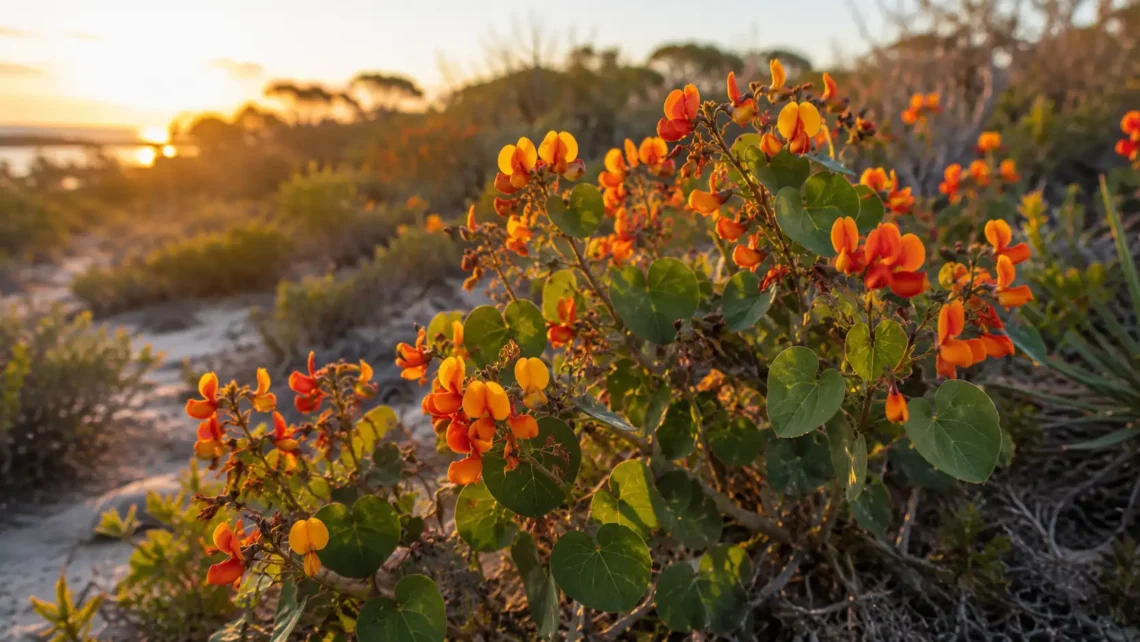
Chorizema cordatum is a striking Australian native wildflower commonly known as the heart leaf flame pea. It is a compact flowering shrub native to Western Australia and widely appreciated for its vivid orange-red and yellow pea-shaped flowers. The plant is part of the Fabaceae family and thrives in sandy, well-drained soils under full sun to partial shade conditions.
This guide explains everything about Chorizema cordatum, including its growth habits, flowering time, care requirements, propagation methods, and common growing issues. It is designed to help gardeners and plant enthusiasts understand how to successfully grow and maintain this unique native shrub in both natural and cultivated landscapes.
Chorizema cordatum is often included in modern Australian Native Garden Trees style landscapes where drought-tolerant species are prioritized.
Quick Summary
- Chorizema cordatum is a low-growing Australian native shrub with vibrant flame-colored pea flowers
- It is endemic to Western Australia and thrives in sandy, well-drained soils
- The plant is drought-tolerant once established and prefers full sun to partial shade
- Flowering occurs from late winter to spring with strong seasonal blooming
- It is widely used in native gardens, rockeries, and ground cover planting
What Is Chorizema cordatum?
Chorizema cordatum is a species of flowering plant in the genus Chorizema, belonging to the legume family Fabaceae. The name cordatum refers to its heart-shaped leaf base, which is one of its key identifying features. It is commonly called the heart leaf flame pea due to its bright, flame-like flowers and distinctive foliage.
Like many native flowering plants discussed in Native Plants That Attract Butterflies Guide, it plays an important role in supporting pollinators.
In its natural habitat, Chorizema cordatum grows in sandy heathlands and jarrah forests of southwestern Western Australia. It is considered a true Australian native wildflower and plays an important ecological role in supporting pollinators such as bees and nectar-feeding birds.
Chorizema cordatum is part of the Fabaceae family, a large and ecologically important group of flowering plants that includes many nitrogen-fixing species commonly found in natural ecosystems worldwide. Learn more about the family here: Fabaceae
Chorizema cordatum vs. Chorizema parviflorum — What’s the Difference?
Chorizema cordatum and Chorizema parviflorum are closely related species but differ in size, leaf structure, and distribution.
| Feature | Chorizema cordatum | Chorizema parviflorum |
| Common Name | Heart Leaf Flame Pea | Small-flowered Flame Pea |
| Leaf Shape | Heart-shaped, holly-like | Narrower, smaller |
| Mature Size | 0.5–1m H × 1–2m W | Smaller, more compact |
| Flower Color | Orange-red & yellow | Similar orange tones |
| Native Region | SW Western Australia | Wider Australian range |
The main difference lies in leaf shape and overall plant spread, with C. cordatum being more spreading and visually striking.
Chorizema cordatum Size and Growth Habit
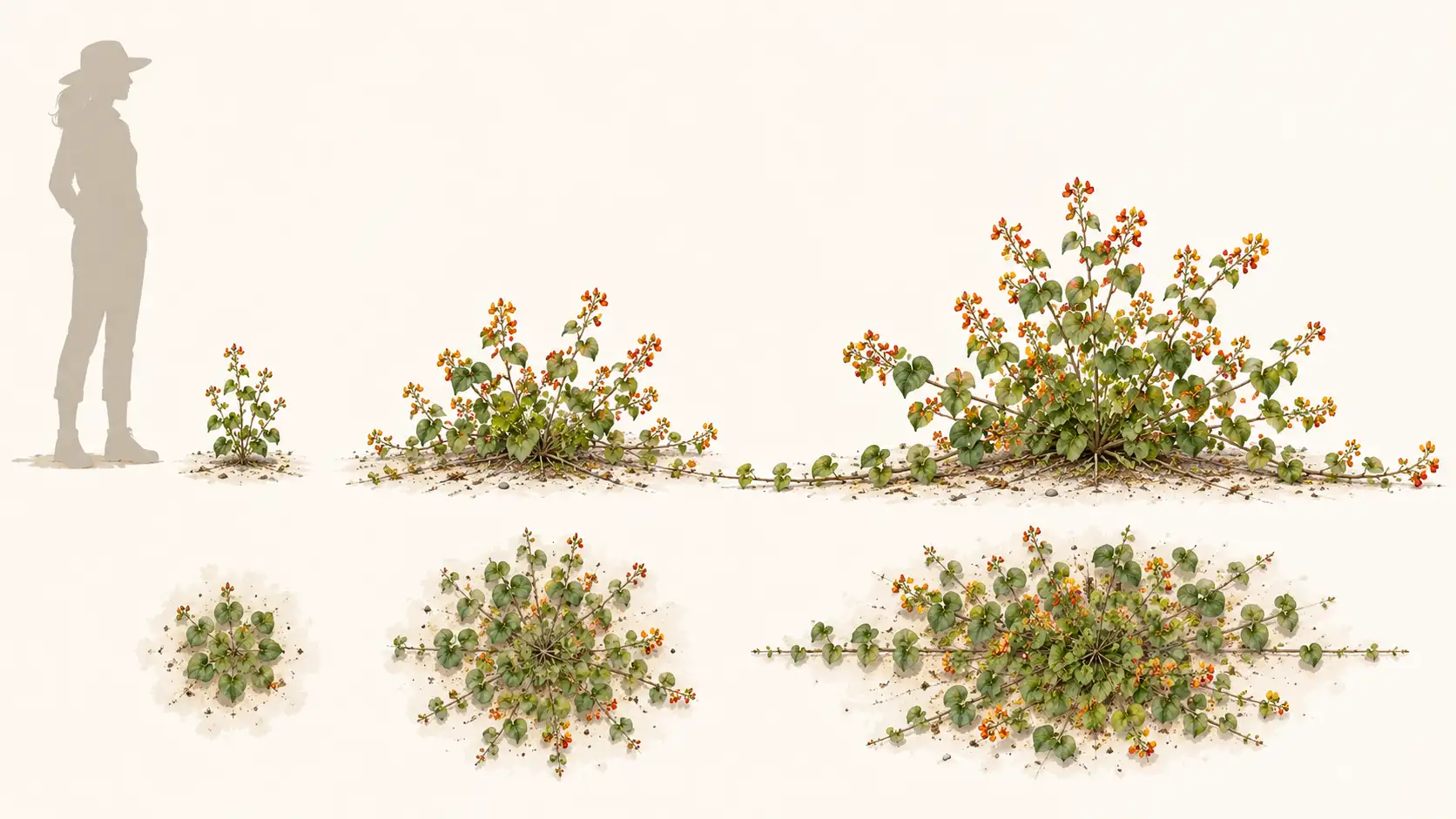
Chorizema cordatum size typically ranges from 0.5–1 meter in height and 1–2 meters in width under cultivated conditions. It has a trailing or scrambling growth habit, making it suitable as a ground cover or low cascading shrub in native gardens.
Because of its spreading habit, it is often used in Eremophila Ground Cover: Best Varieties, Care & Planting Guide style planting designs.
Environmental conditions strongly influence its final size. Plants grown in sandy, low-nutrient soils tend to remain compact, while those in richer garden soils may spread more vigorously. In wild conditions, it often grows lower and more adapted to harsh coastal or heath environments, while cultivated plants can appear fuller.
How Fast Does Chorizema cordatum Grow?
Chorizema cordatum grows at a moderate rate, with most active growth occurring during cooler months from autumn to spring. Once established, it becomes more vigorous and resilient.
Young plants focus on root development in the first 1–2 seasons before significant top growth begins. Well-drained sandy soils promote healthier establishment and more consistent growth patterns.
Chorizema cordatum Flowering Time and Bloom Characteristics
Chorizema cordatum flowering time typically occurs from late winter through spring, usually between July and October in Australian climates. The plant produces vivid pea-shaped flowers in orange-red, yellow, and pink tones.
Its vibrant seasonal display is similar to other native wildflowers featured in Flame Tree Flowers: Meaning, Types, Care, and Growth landscapes.
These flowers are triggered by cooler temperatures and seasonal rainfall. Under ideal conditions, blooming can continue for several weeks, creating a dense and colorful display. The flame pea plant is especially valued in native gardens for its bright floral contrast.
Chorizema cordatum Care Guide
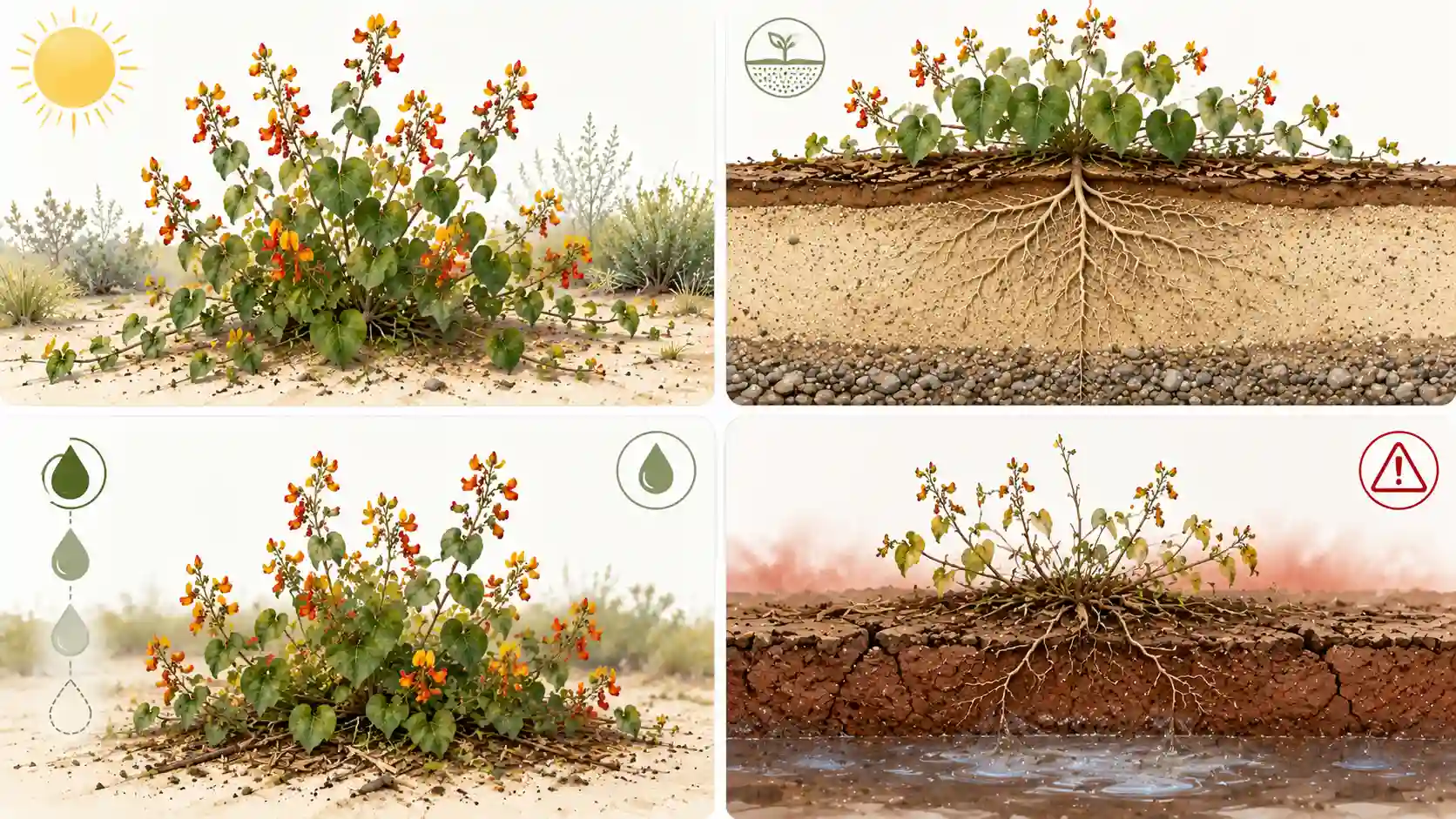
Chorizema cordatum care is relatively simple when its native conditions are replicated. It requires well-drained soil, moderate sunlight, and minimal fertilization.
Soil and Drainage Requirements
Excellent drainage is essential. Heavy clay soils often cause root rot. Sandy or gritty soils with low fertility are ideal. Raised beds are recommended in poorly drained areas.
Sunlight Needs
Full sun to partial shade is best. At least 4–6 hours of direct sunlight ensures strong flowering. Excess shade significantly reduces bloom production.
Watering Requirements
Young plants require regular watering during establishment. Once mature, they are drought-tolerant and require minimal summer watering. Overwatering is a major risk.
Fertilization Practices
Use low-phosphorus native plant fertilizer sparingly. Excess nutrients lead to leafy growth with fewer flowers.
Pruning Chorizema cordatum
Light pruning after flowering encourages bushy growth and better flowering next season. Avoid cutting into old woody stems.
Chorizema cordatum Leaves — Identification and Features
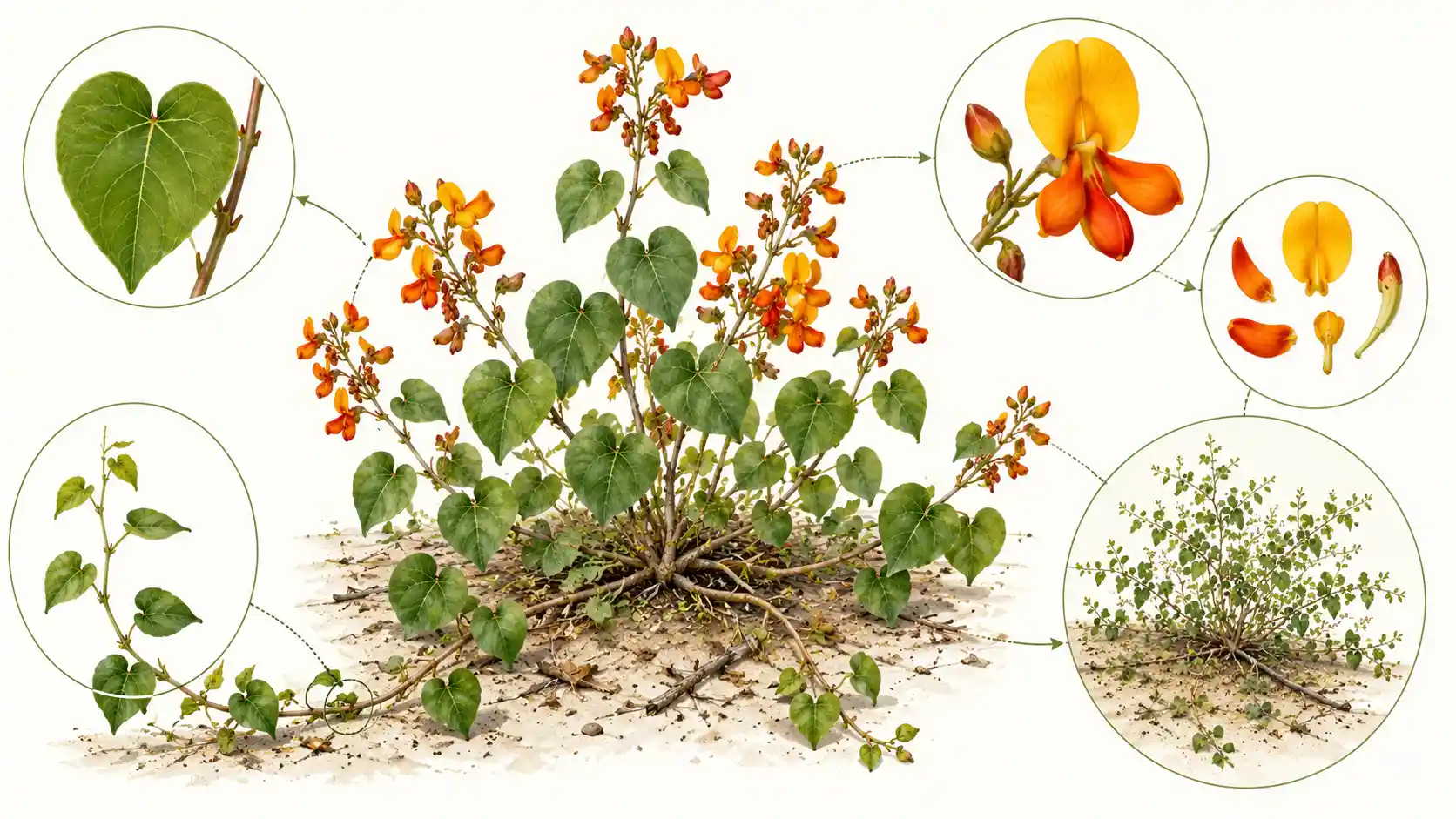
Chorizema cordatum leaves are deep green with a distinctive heart-shaped base and holly-like serrated edges. The leaves are alternately arranged along trailing stems, making them easy to identify in native landscapes.
The combination of leaf shape and structure is the reason for the common name heart leaf flame pea. These leaves help distinguish it from similar native pea shrubs.
Common Chorizema cordatum Problems and How to Fix Them
Root Rot and Overwatering
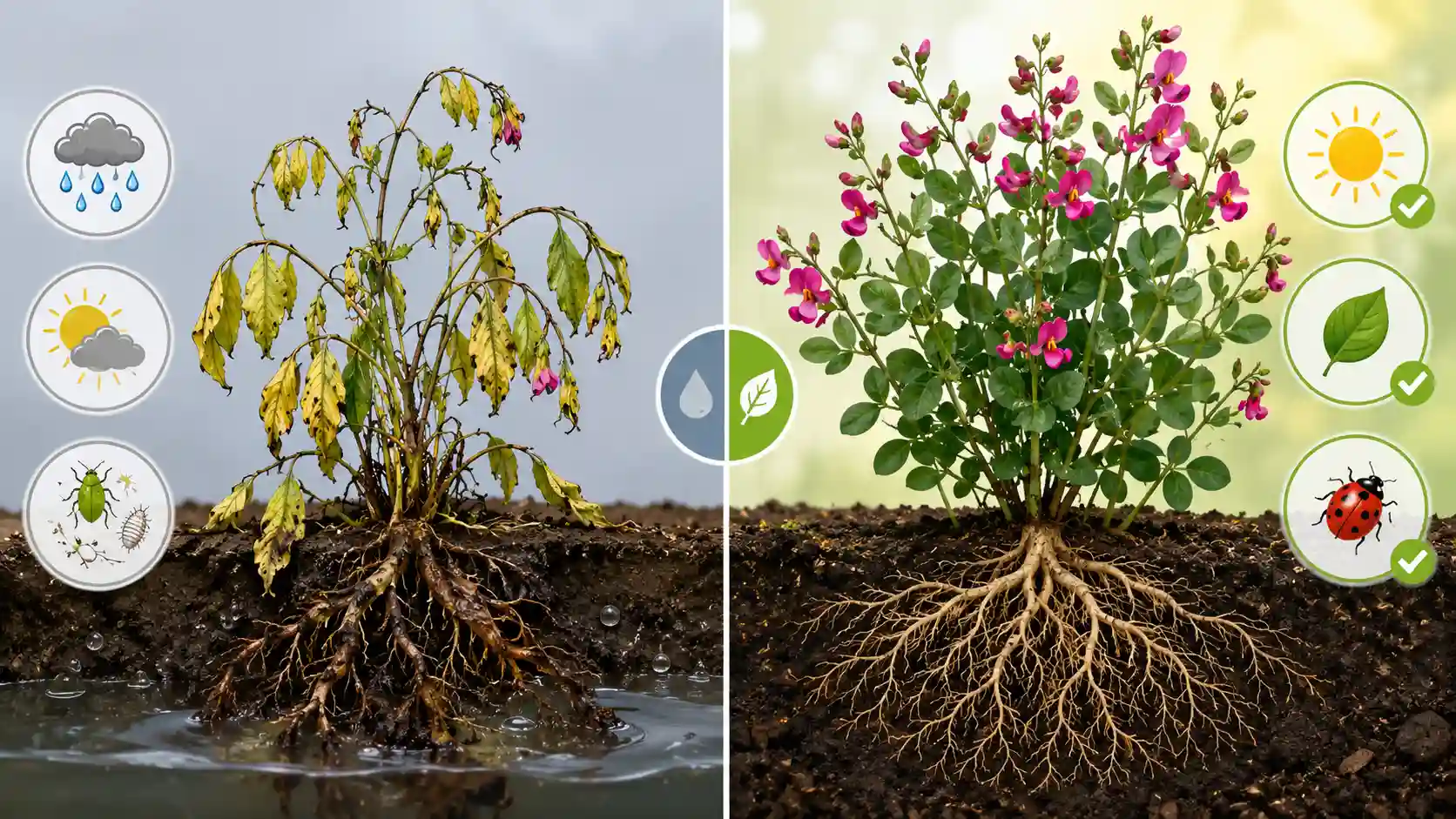
Root rot occurs in waterlogged soils. Symptoms include yellow leaves and collapsing stems. Improve drainage and reduce watering to prevent this issue.
Yellowing Leaves
Yellowing may result from overwatering, phosphorus toxicity, or natural aging. Adjust watering and fertilizer use based on symptoms.
Failure to Flower
Common causes include excessive shade, high nitrogen fertilizers, or improper pruning. Move the plant to a sunnier location if needed.
Pest Issues
Chorizema cordatum is generally pest-resistant. Occasional aphids or caterpillars may appear and can be controlled with neem oil or insecticidal soap.
Growing Chorizema cordatum from Seeds
Chorizema cordatum seeds require pre-treatment for successful germination. Scarification or hot water soaking (around 90°C, then cooled overnight soaking) improves germination rates.
Seeds are best sown in late summer to autumn. Germination typically occurs within 2–6 weeks. A free-draining native seed-raising mix is essential for healthy seedling development.
Chorizema cordatum in the Landscape — Uses and Placement
This plant is ideal for rockeries, native garden beds, coastal gardens, and cottage-style landscapes. It works well as ground cover or as a low spreading shrub under open-canopy trees.
It attracts bees, honeyeaters, and other pollinators, adding ecological value to gardens. In Chorizema cordatum Perth landscapes, it performs exceptionally well due to matching climate conditions.
Holly Flame Pea as a Container Plant
Chorizema cordatum can also be grown in containers using free-draining native potting mix. Container growth requires more frequent but careful watering. It is suitable for patios and small garden spaces.
Where to Buy Chorizema cordatum
Chorizema cordatum is commonly available at specialist native plant nurseries and select garden centers. Availability varies seasonally, with peak supply during autumn and winter.
It may occasionally be found at large retailers such as Bunnings, but specialist nurseries are more reliable sources. Plants may be labeled under names like heart leaf flame pea or flame pea plant.
Chorizema cordatum in Perth and Western Australia
Chorizema cordatum thrives in Perth and southwestern Western Australia due to its Mediterranean climate. Hot dry summers and cool wet winters closely match its natural habitat.
It is native to the Southwest Botanical Province and contributes to regional wildflower diversity. It is commonly used in restoration planting and ornamental native gardens across the region.
Common Beginner Mistakes When Growing Chorizema cordatum
- Planting in heavy clay or poorly drained soils
- Using high-phosphorus fertilizers unsuitable for natives
- Overwatering, especially during summer
- Growing in deep shade and expecting strong flowering
- Hard pruning into old woody growth
Avoiding these mistakes significantly improves plant health and flowering performance.
Conclusion
Chorizema cordatum is a visually striking and ecologically valuable Australian native wildflower known for its flame-colored blooms and distinctive heart-shaped leaves. When grown in the right conditions—well-drained soil, full sun, and minimal fertilization—it becomes a low-maintenance and highly rewarding garden plant.
Understanding its natural habitat is key to success. With proper care, Chorizema cordatum can thrive in native gardens, especially in Perth and southwestern Australia, offering seasonal color and supporting local biodiversity.
Frequently Asked Questions About Chorizema cordatum
When does Chorizema cordatum flower?
It flowers from late winter to spring, typically July to October, depending on seasonal conditions.
How big does Chorizema cordatum get?
It grows about 0.5–1 meter tall and 1–2 meters wide depending on conditions.
Is Chorizema cordatum drought tolerant?
Yes, once established after 1–2 seasons, it becomes highly drought tolerant.
Why are my Chorizema cordatum leaves turning yellow?
Common reasons include overwatering, phosphorus toxicity, or natural aging of older leaves.
Can Chorizema cordatum grow in a pot?
Yes, it grows well in containers with free-draining native potting mix and careful watering.
How do I grow Chorizema cordatum from seed?
Seeds require scarification or hot water treatment before sowing in autumn for spring germination.