Introduction
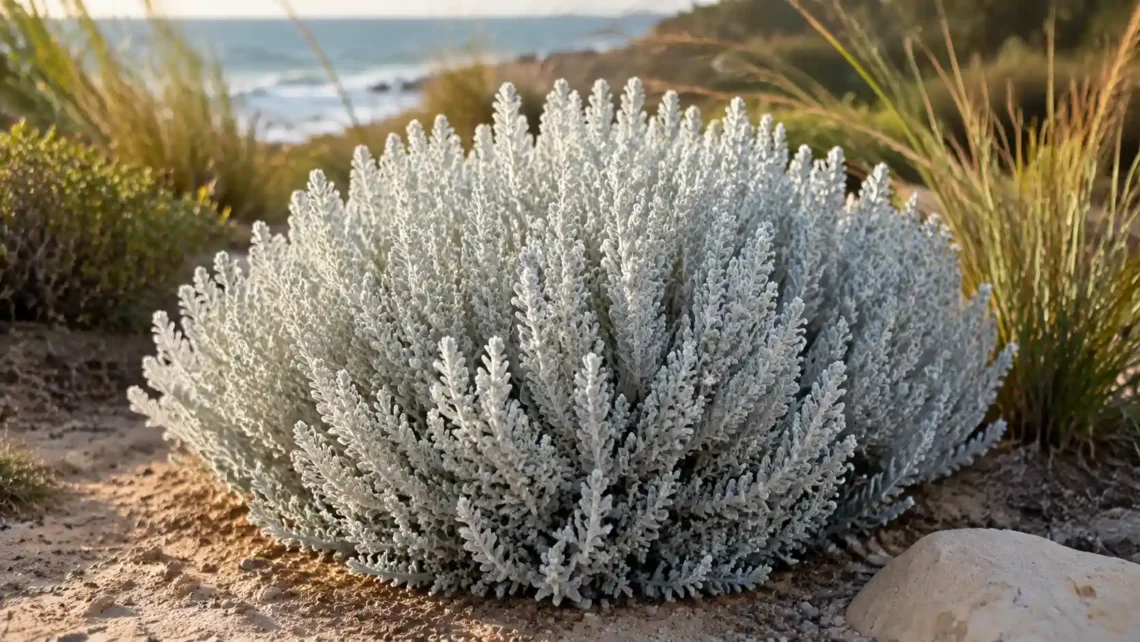
The dwarf cushion bush is a compact ornamental form of the Australian native cushion bush, most commonly identified as Leucophyta brownii ‘Nana’. It is valued for its dense, rounded structure and distinctive silver-white, woolly foliage that creates strong visual contrast in gardens. As a member of Leucophyta brownii, also known under the synonym calocephalus brownii, it belongs to the Asteraceae family and naturally grows in coastal, wind-exposed environments.
The main reason gardeners search for dwarf cushion bush (leucophyta brownii, cushion bush plant) is its compact growth habit, which makes it suitable for small gardens, borders, pots, and low-maintenance coastal landscapes where space is limited but visual structure is desired.
By Greenery Inside | Plant Care & Gardening Expert
Last Updated: June 2026
Quick Summary
- Dwarf cushion bush is a compact cultivar of Leucophyta brownii with silver, woolly foliage.
- It typically grows under 60 cm in height and width in most conditions.
- It thrives in full sun with free-draining soil and very low water requirements.
- It is ideal for edging, rock gardens, containers, and coastal planting schemes.
What Is a Dwarf Cushion Bush?
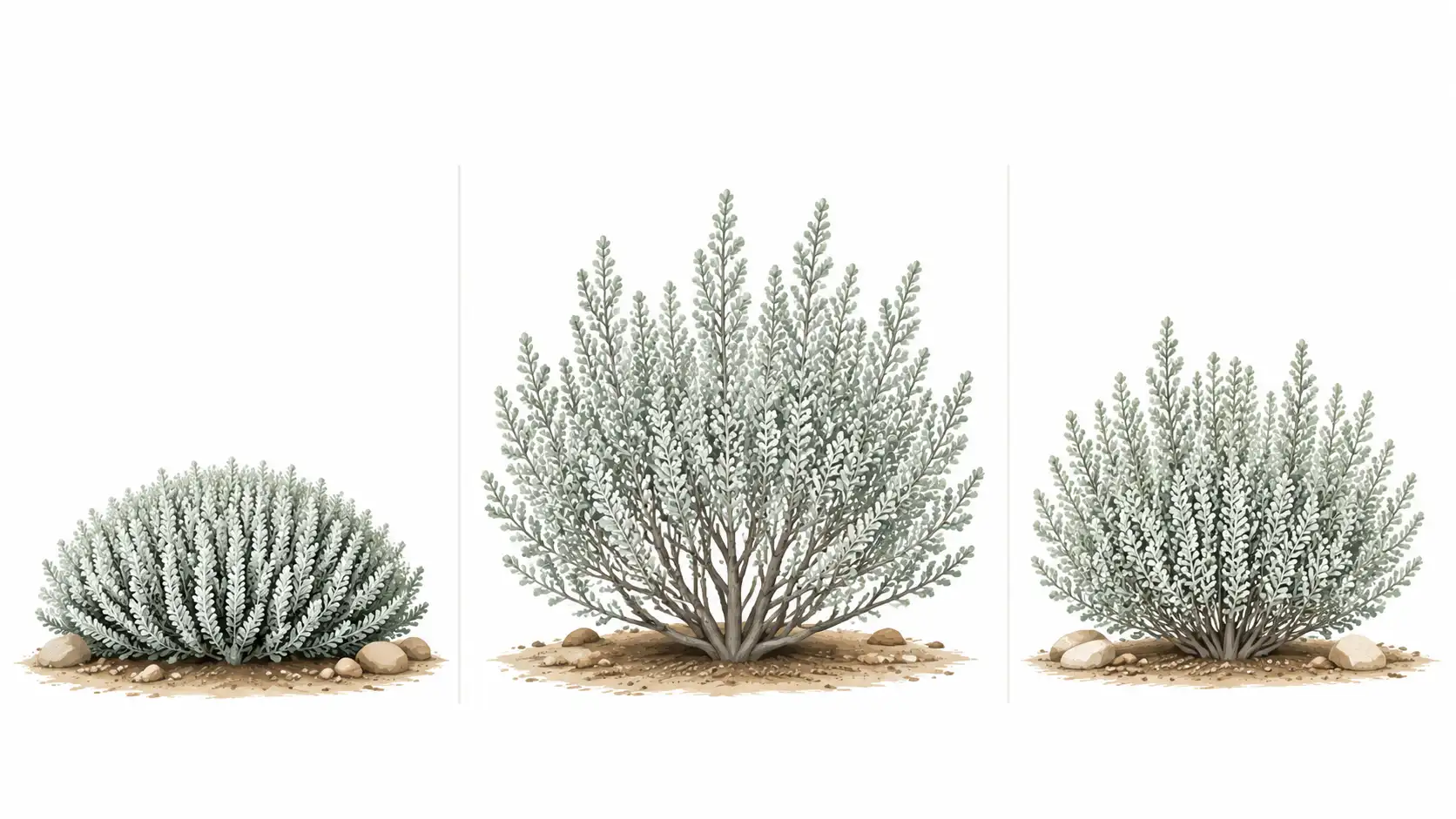
The dwarf cushion bush is a compact cultivar of Leucophyta brownii (synonym Calocephalus brownii), a hardy Australian native plant from the Asteraceae family. Naturally found in southern coastal Australia, this species is adapted to sandy soils, salt spray, and strong winds, making it highly resilient in exposed environments.
In horticulture, the term “dwarf” does not describe a separate species but refers to selected compact cultivars such as ‘Nana’ and ‘Silver Nugget’. These forms are bred or selected for smaller size, denser branching, and slower vertical growth compared to the standard species.
For botanical classification context, this plant belongs to the family Asteraceae and is closely studied in coastal ecology systems such as described in Australian native flora references like the Wikipedia overview of Leucophyta brownii.
Other common names include silver cushion bush, leucophyta cushion bush, and calocephalus brownii, all referring to the same botanical group with variations in size and form.
Dwarf Cushion Bush vs Standard Cushion Bush
The main difference between dwarf cushion bush and standard cushion bush lies in growth size and density. The standard Leucophyta brownii can reach around 1 meter in height and spread, often forming a looser, more open mound. In contrast, dwarf cultivars remain much smaller, more compact, and tightly rounded.
Dwarf forms are preferred for modern landscaping where controlled size and structure are important, especially in pots, edging, and small garden beds.
Dwarf Cushion Bush Varieties
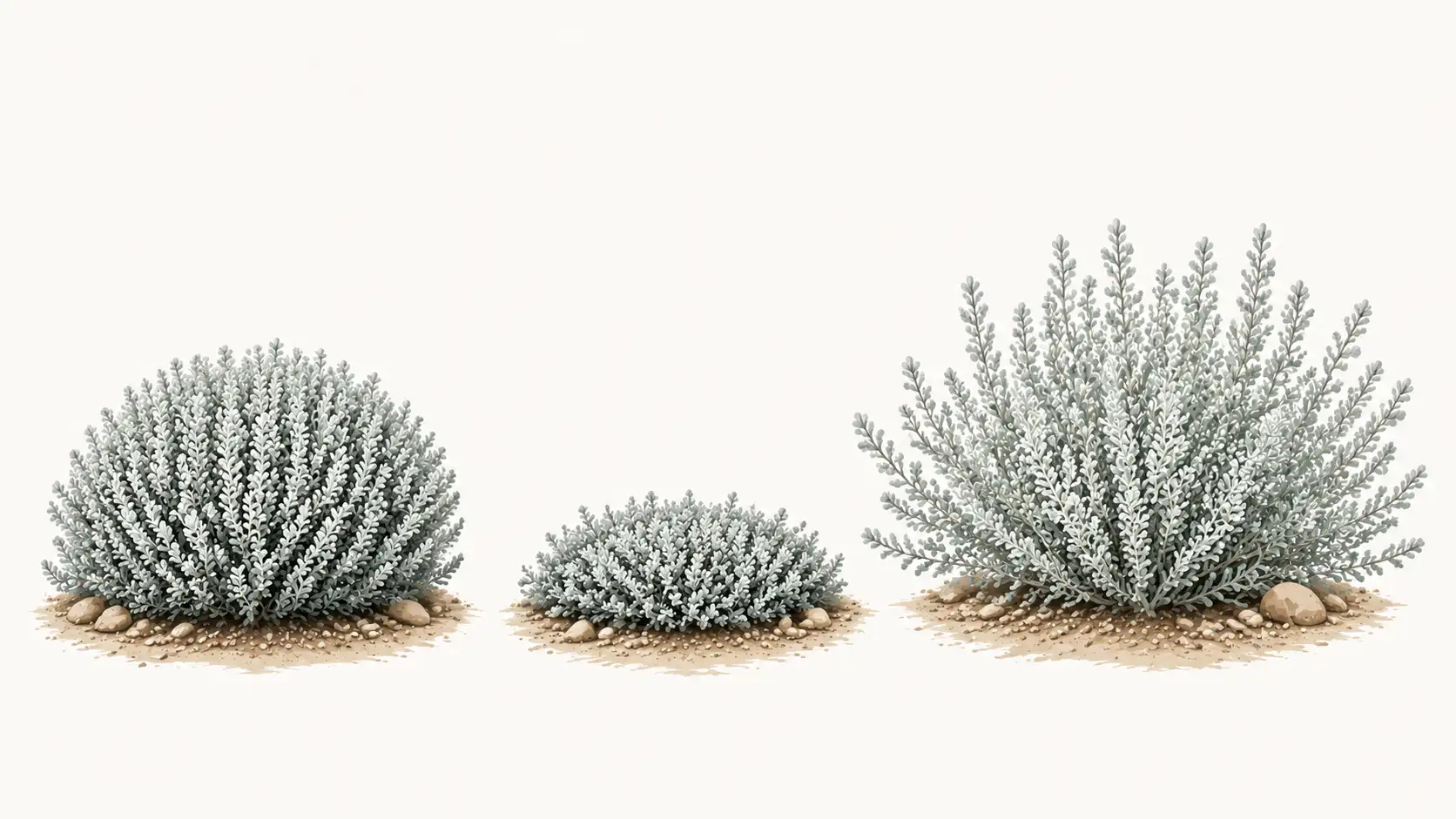
Several compact cultivars fall under the dwarf cushion bush category (leucophyta brownii nana, leucophyta brownii silver nugget, and related compact selections). These are widely used in ornamental and coastal planting schemes.
Common varieties include:
- ‘Nana’ – The most widely grown dwarf cushion bush form with tight, rounded growth and excellent edging performance.
- ‘Silver Nugget’ – A very compact, mound-forming selection often used for borders and rock gardens.
- ‘Silver Sands’ / ‘Moonshine’ (related forms) – Slightly larger but still compact, with silvery foliage and soft texture.
These cultivars are collectively referred to as dwarf cushion bush varieties and differ mainly in size, density, and landscape use.
Comparison Table: Dwarf Cushion Bush Cultivars
| Cultivar | Typical Mature Size | Growth Habit | Best Use |
| ‘Nana’ | 40–60 cm height/width | Dense, rounded | Edging, pots, low hedges |
| ‘Silver Nugget’ | 20–40 cm height/width | Very compact mound | Rock gardens, borders |
| Standard Leucophyta brownii | Up to 1 m | Looser, open form | Coastal mass planting |
Dwarf Cushion Bush Size
The dwarf cushion bush size generally remains significantly smaller than the standard species. Most cultivars grow between 30 cm and 60 cm in both height and width, depending on environmental conditions.
In pots, growth is often more restricted due to limited root space, resulting in tighter, more compact mounds. In open ground with ideal conditions, plants may reach the upper end of their size range.
Environmental factors affecting size include:
- Full sun exposure (promotes denser growth)
- Free-draining, low-nutrient soil (prevents excessive stretching)
- Occasional light pruning (encourages compact form)
- Coastal exposure (often reduces size but increases density)
Growth Rate
The dwarf cushion bush has a moderate growth rate, with most visible expansion occurring during spring and summer. During these warmer months, the plant produces new silvery stems that gradually build its rounded structure.
Growth slows significantly in cooler months, especially in regions with mild winters. Unlike fast-growing ornamental shrubs, it prioritizes structural density over rapid vertical expansion.
Growth speed is influenced by:
- High sunlight exposure (faster, denser growth)
- Poor to average soil fertility (prevents weak, leggy growth)
- Low watering frequency (encourages hardiness)
In our experience at Greenery Inside, plants placed in overly rich soil often grow unevenly and lose their tight cushion shape.
How to Space Dwarf Cushion Bush Plants
Proper dwarf cushion bush spacing is essential for achieving either a dense hedge or evenly filled mass planting.
Recommended spacing:
- Hedging: 30–40 cm apart for tight, continuous coverage
- Mass planting: 40–60 cm apart for individual mound definition
- Specimen planting: 60+ cm for isolated feature plants
Spacing should always consider the mature width of the selected cultivar, especially for more compact forms like ‘Silver Nugget’. For layered border designs, it is commonly paired with structural grasses like Variegated Lomandra: Features, Varieties, and Care Guide to improve visual contrast and spacing rhythm.
Dwarf Cushion Bush Care Guide
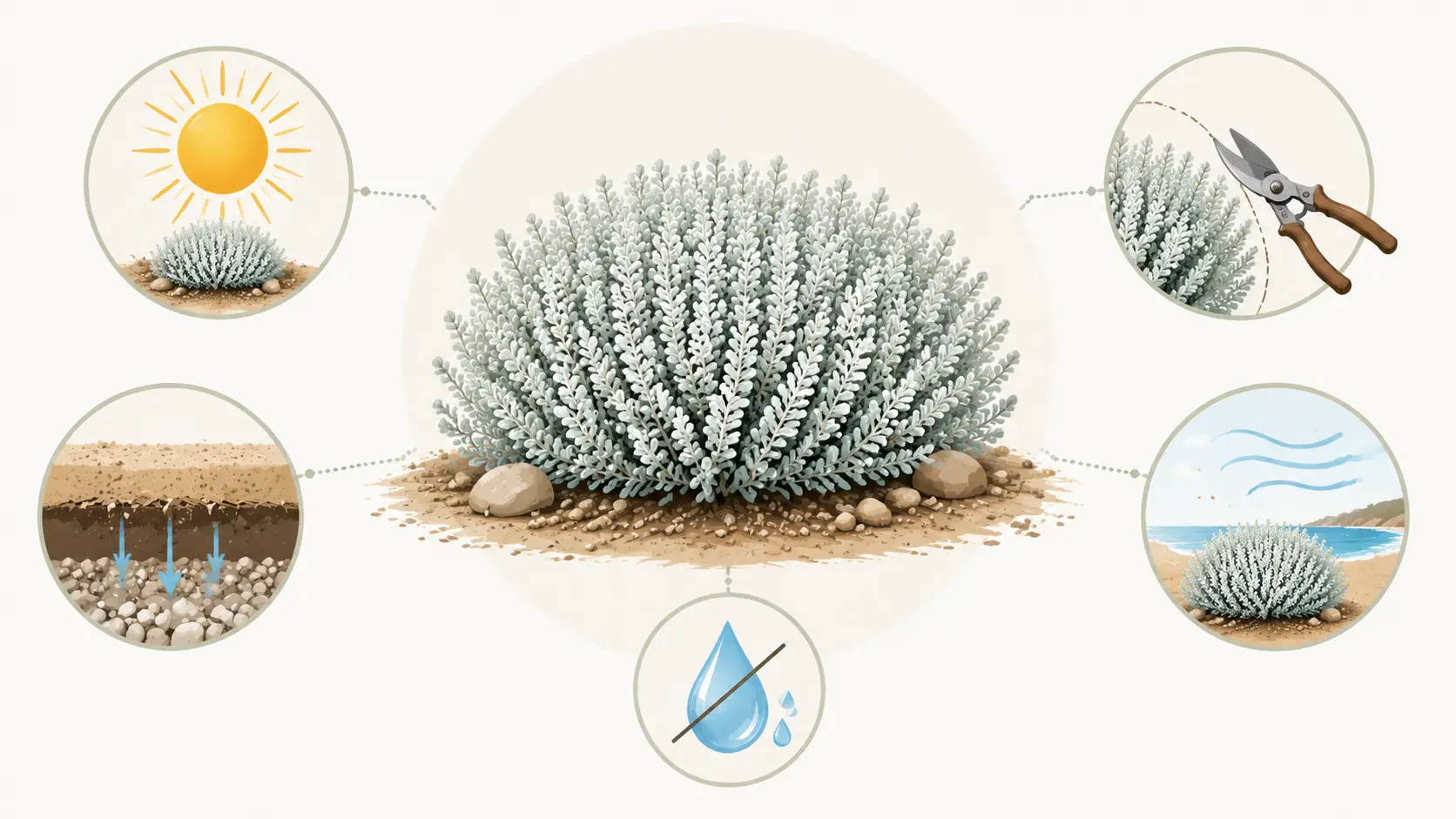
The dwarf cushion bush care routine is intentionally simple, reflecting its adaptation to harsh natural environments. Overcare is more harmful than neglect in most cases. Similar drought-tolerant planting strategies are used in Eremophila Ground Cover: Best Varieties, Care & Planting Guide, which shares similar soil and drainage requirements.
Watering Needs
Dwarf cushion bush requires minimal watering once established. It is highly drought-tolerant and sensitive to excess moisture.
- Water regularly only during establishment phase
- Reduce watering significantly after root development
- Avoid waterlogged soil at all costs
Overwatering is one of the most common causes of decline in Leucophyta brownii.
Light and Soil Requirements
This plant performs best in full sun and free-draining soil.
- Full sun ensures compact, dense growth
- Tolerates light shade but may become loose
- Prefers sandy, gravelly, or low-nutrient soils
- Highly tolerant of alkaline conditions
In our experience, shaded conditions quickly lead to weak structure and reduced silver coloration.
Pruning and Shaping
Pruning should be minimal and carefully managed.
- Light trimming maintains rounded shape
- Avoid cutting into old woody stems
- Do not perform hard pruning as regrowth is limited
Regular light shaping is more effective than heavy intervention.
Climate and Frost Tolerance
Dwarf cushion bush is well-suited to coastal and dry climates.
- Tolerates wind and salt spray
- Performs best in temperate to semi-arid climates
- Light frost tolerance once established
- May suffer in prolonged wet or humid conditions
Growing Dwarf Cushion Bush in Australia
The dwarf cushion bush australia landscape context is ideal for this plant, as it originates from southern coastal regions of the country. It also pairs well with flowering natives such as Grevillea Ivory Whip: Care, Size, Growth & Uses for low-maintenance coastal planting schemes.
It performs best in:
- Temperate coastal zones
- Semi-arid inland regions
- Mediterranean-style climates
Across Australia, it is widely used in low-water gardens, roadside plantings, and coastal landscaping due to its resilience and low maintenance needs. In Australian native landscapes, it is often combined with silver-toned plants like Acacia Podalyriifolia: Care, Size, Growth & Uses to create contrasting drought-tolerant garden palettes.
For broader native landscape planning, dwarf cushion bush is often included in designs inspired by the Australian Native Garden Trees Guide, which focuses on resilient Australian planting systems.
Common Problems With Dwarf Cushion Bush
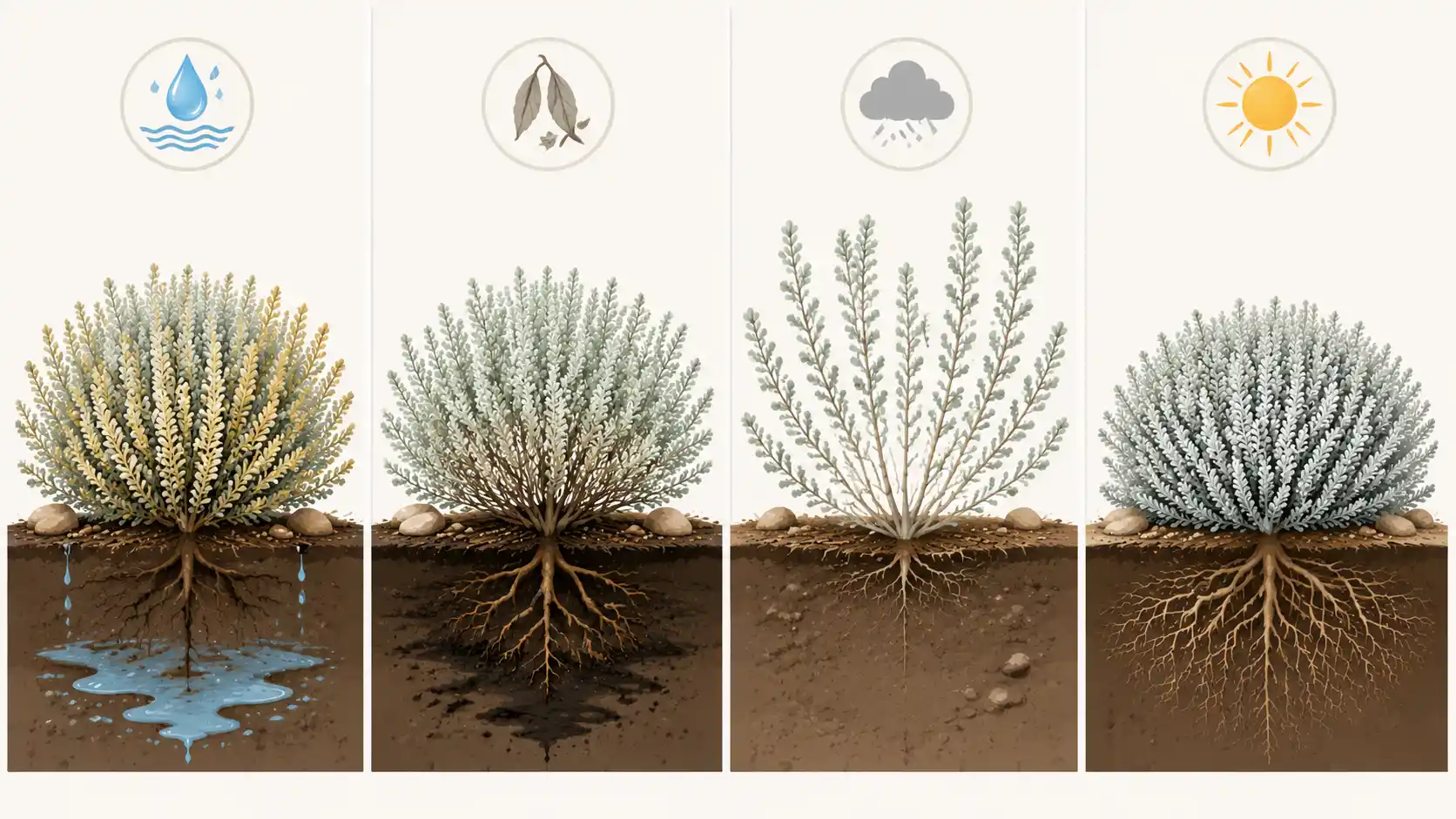
Yellowing or Dying Foliage
Yellowing often indicates poor drainage or excessive moisture retention.
- Cause: Overwatering or heavy soil
- Fix: Improve drainage, reduce watering
- Prevention: Use sandy or gravelly soil mixes
Overwatering and Root Rot
Root rot is one of the most serious issues for this species.
- Cause: Waterlogged soil conditions
- Fix: Remove affected roots and replant in dry soil
- Prevention: Ensure free drainage and avoid frequent watering
Sparse or Leggy Growth
Leggy growth reduces the plant’s signature cushion form.
- Cause: Insufficient sunlight
- Fix: Relocate to full sun
- Prevention: Avoid shaded planting areas
Coastal resilience challenges are similar to those found in Coastal Cushion Banksia: 7+ Essential Care & Growth Tips, especially in wind and salt-exposed environments.
Beginner Mistakes to Avoid
Many cultivation issues arise from misunderstanding the plant’s natural needs.
Common mistakes include:
- Overfeeding in nutrient-rich soil
- Hard pruning into bare woody sections
- Planting in poorly drained garden beds
- Growing in deep shade
- Watering on a fixed schedule instead of soil condition
Avoiding these mistakes ensures long-term plant structure and health.
Where to Buy Dwarf Cushion Bush
When selecting a dwarf cushion bush, quality and correct identification are essential.
Look for:
- Clearly labeled cultivars (Nana, Silver Nugget)
- Compact, dense growth at purchase stage
- Healthy, white-silver foliage without browning
- Well-rooted tubestock or potted plants
Avoid mislabelled standard Leucophyta brownii plants sold as dwarf forms, as they may grow significantly larger than expected.
Conclusion
The dwarf cushion bush is a low-maintenance, compact Australian native plant ideal for modern water-wise gardens. As a selected form of Leucophyta brownii, it offers a naturally sculptural appearance with silver foliage and a dense, rounded habit. Its success depends on simple conditions: full sun, excellent drainage, and minimal watering.
When these requirements are met, the dwarf cushion bush becomes a reliable landscape feature for borders, containers, and coastal planting schemes.
FAQs
What is the difference between cushion bush and dwarf cushion bush?
The main difference is size. Dwarf cushion bush cultivars remain compact (under 60 cm), while standard cushion bush can grow up to around 1 meter with a looser structure.
How big does a dwarf cushion bush grow?
Most dwarf cushion bush plants grow between 30 cm and 60 cm in height and width, depending on soil, sun exposure, and cultivar type.
Is dwarf cushion bush frost tolerant?
It has light frost tolerance once established but may be damaged by prolonged or severe frost conditions.
How often should you water a dwarf cushion bush?
Only water regularly during establishment. Once mature, it needs very little watering and prefers dry conditions.
Can dwarf cushion bush be grown in pots?
Yes, it grows very well in pots as long as the container has excellent drainage and is not overwatered.
Why is my cushion bush turning brown or dying?
The most common reasons are overwatering, poor drainage, or insufficient sunlight, all of which stress the plant and damage its roots.