Introduction
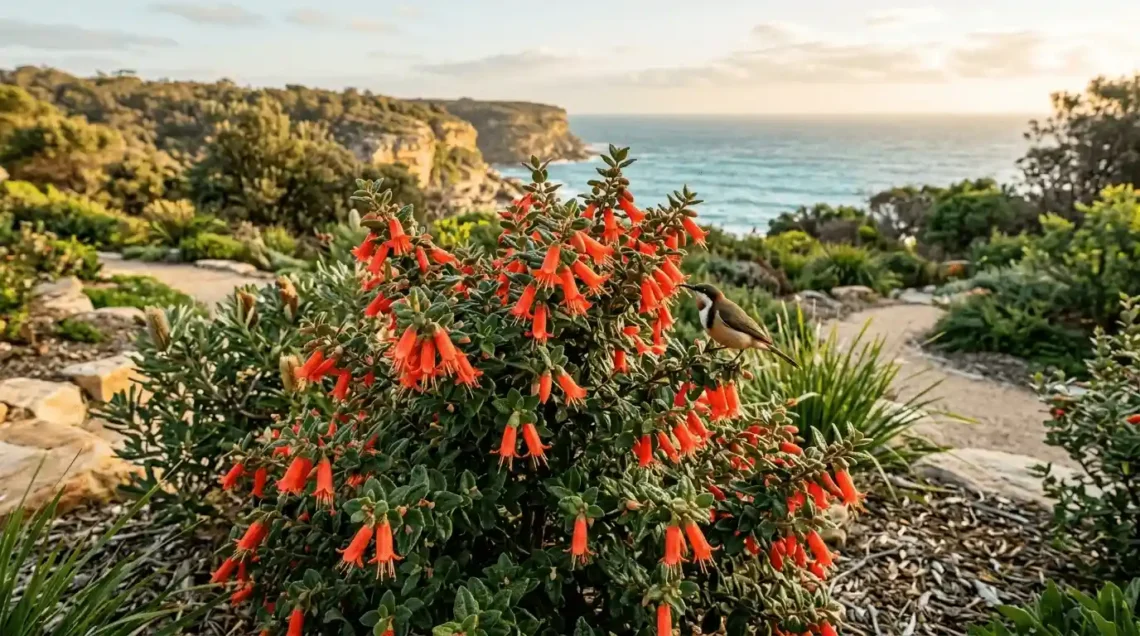
Correa Pulchella Orange Glow is a popular Australian native shrub admired for its bright orange tubular flowers, compact growth habit, and ability to attract wildlife. Often referred to as an Australian fuchsia correa, this cultivar belongs to the diverse Correa genus and is widely planted in native gardens, coastal landscapes, and low-maintenance outdoor spaces. Gardeners choose correa orange glow because it combines year-round evergreen foliage with long-lasting seasonal blooms while requiring relatively little care once established. Its adaptability, drought tolerance, and bird-friendly flowers make correa pulchella orange glow a valuable addition to both modern and traditional Australian gardens. Thanks to its compact size and wildlife-friendly flowers, Correa Orange Glow is often incorporated into landscapes featuring Australian Native Garden Trees and other low-maintenance native species.
By Greenery Inside | Plant Care & Gardening Expert
Quick Summary
- Correa Pulchella Orange Glow is a compact Australian native shrub known for bright orange bell-shaped flowers.
- It thrives in well-drained soil, full sun to part shade, and tolerates coastal conditions.
- The plant attracts birds and pollinators while requiring relatively low maintenance.
- It is commonly used in native gardens, borders, and wildlife-friendly landscapes.
What Is Correa Pulchella Orange Glow?
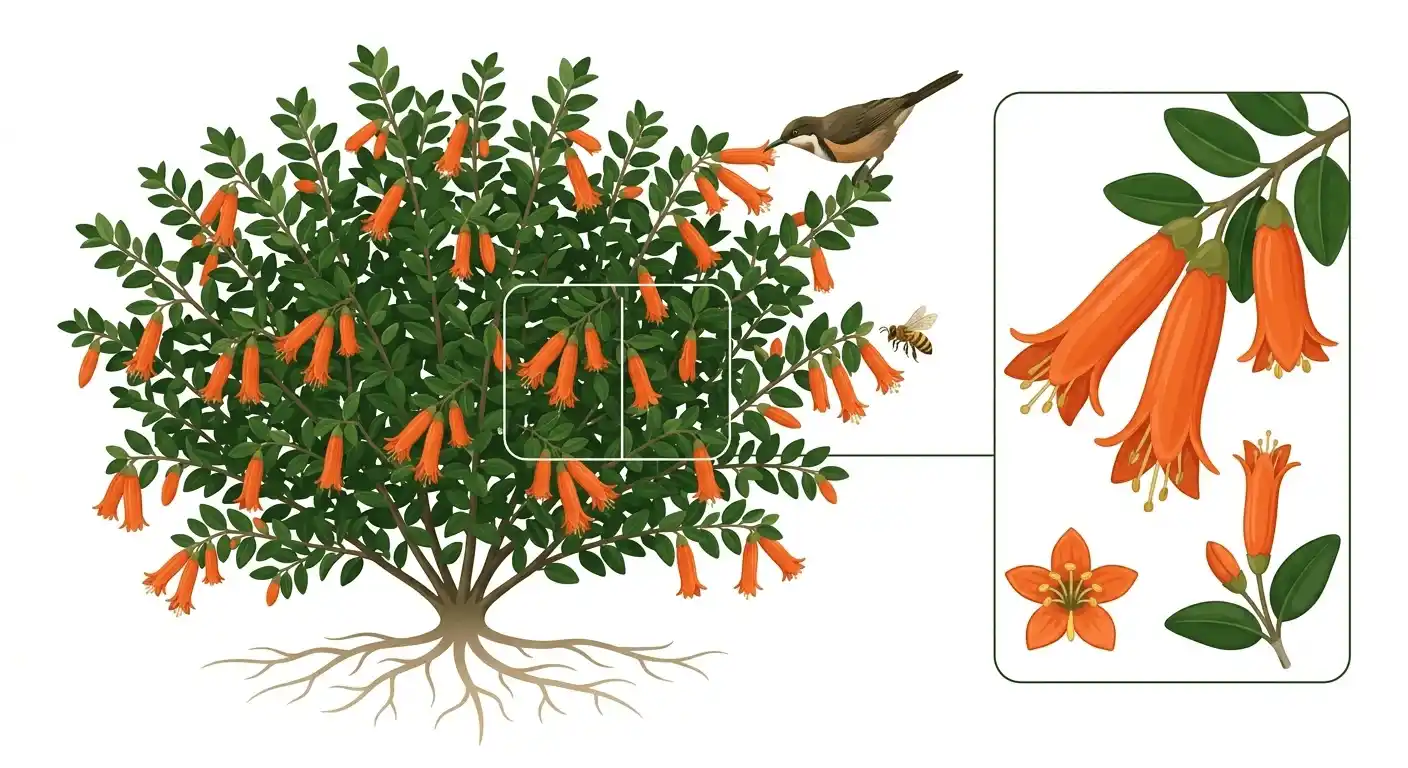
Correa Pulchella Orange Glow is a cultivated selection of Correa pulchella, a species native to southern Australia. It belongs to the Rutaceae family, which also includes citrus plants. The cultivar is prized for its vivid orange flowers, dense foliage, and adaptability to a range of garden conditions.
The plant is commonly known as an Australian fuchsia because its tubular flowers resemble those of traditional fuchsias. However, it is not related to true fuchsia plants. Instead, it is a uniquely Australian shrub valued for both ornamental appeal and ecological benefits.
Key Features of Orange Glow
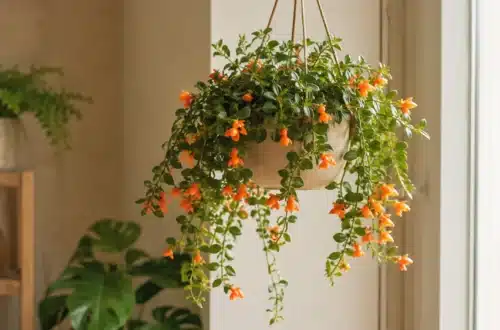
The most recognizable feature of Orange Glow is its vibrant orange tubular flowers that appear in abundance during the cooler months.
Key characteristics include:
- Bright orange bell-shaped blooms
- Dense evergreen foliage
- Compact and rounded growth habit
- Excellent bird-attracting qualities
- Adaptability to coastal and dry conditions
Its flowering display often provides color when many other shrubs are dormant, increasing its landscape value.
How It Differs From Other Correa Varieties
While many Correa cultivars share similar care needs, they differ in flower color, size, and growth habit.
For example:
- Correa Autumn Blaze produces larger red-orange flowers and often grows slightly taller.
- Correa Winter Glow is known for strong winter flowering and orange-red blooms.
- Correa Annabell typically displays pink-red flowers and a compact, dense form.
Orange Glow stands out for its bright orange floral display and manageable size, making it suitable for smaller gardens and border plantings.
Plant Size and Growth Habit
Correa Pulchella Orange Glow develops into a naturally rounded shrub with dense branching. Its compact size makes it suitable for urban gardens, native landscapes, and mixed shrub borders.
The correa pulchella orange glow size remains manageable without extensive pruning, making it an excellent low-maintenance option.
Typical Mature Height and Width
The average correa pulchella orange glow height ranges between 1 and 1.5 meters (3 to 5 feet).
Typical dimensions include:
| Measurement | Size Range |
| Height | 1–1.5 m |
| Width | 1–1.5 m |
| Growth Habit | Rounded and compact |
Its moderate spread allows it to fit comfortably into compact gardens and foundation plantings.
Factors That Influence Plant Size
Several environmental factors affect final plant size:
- Soil fertility and structure
- Sunlight exposure
- Water availability
- Local climate
- Pruning frequency
Plants grown in optimal conditions with adequate moisture during establishment often achieve their maximum size more quickly.
Growth Rate of Correa Orange Glow
Correa Orange Glow is generally considered a moderate-growing shrub. It establishes steadily and develops into a mature landscape specimen within several years.
Growth During the First Few Years
During the first one to two years, energy is directed toward root development.
Typical progression:
- Year 1: Root establishment and moderate top growth
- Year 2: Increased branching and flowering
- Year 3–4: Development of mature form and full flowering potential
In our experience growing Australian native shrubs, consistent watering during the first growing season significantly improves establishment success.
Environmental Conditions That Affect Growth
Growth performance depends on:
- Mild to temperate climates
- Well-drained soils
- Consistent moisture during establishment
- Adequate sunlight
- Balanced nutrient levels
Excessively wet soils often slow development and increase stress.
Correa Pulchella Orange Glow Care Guide
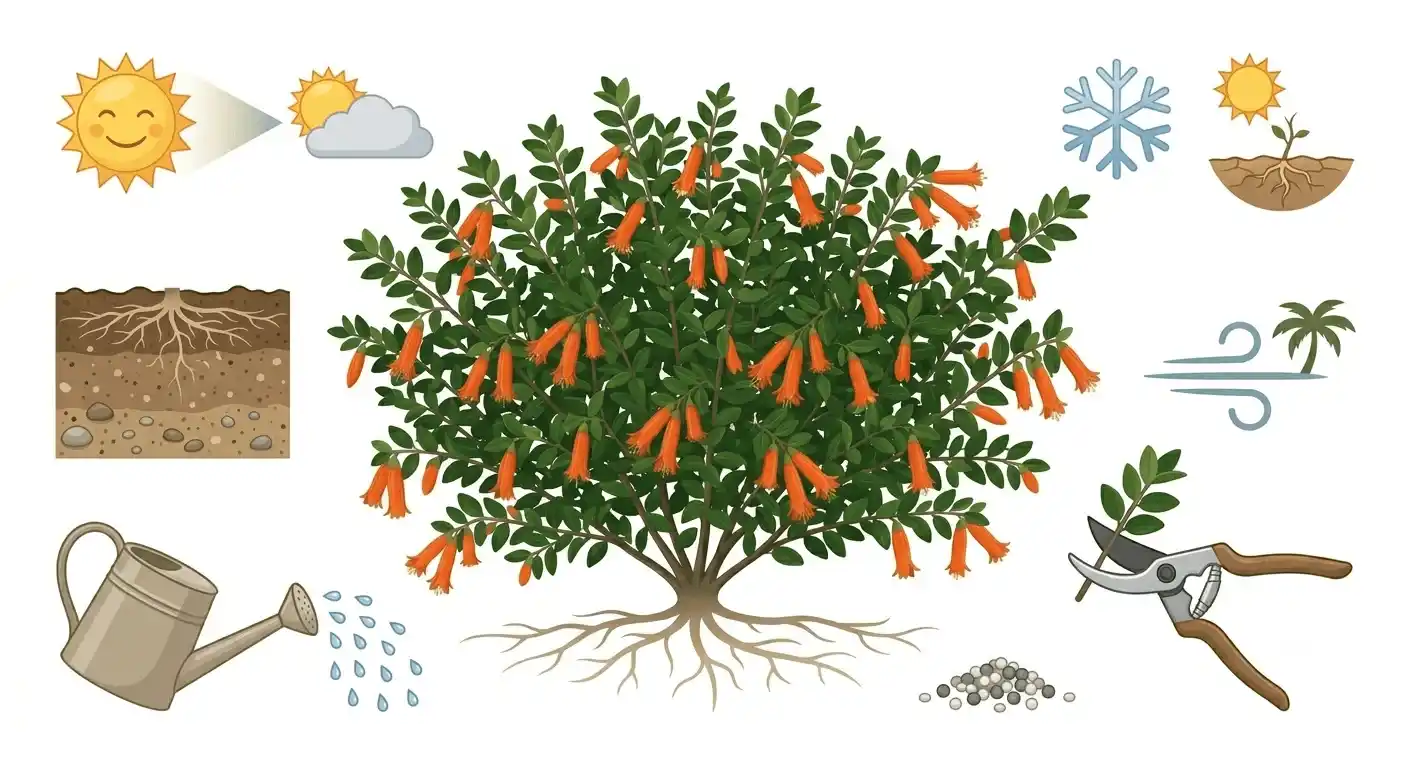
Proper correa pulchella orange glow care focuses on replicating natural Australian growing conditions. Like many correa plant selections, it performs best with moderate attention and good drainage.
Light Requirements
Correa plants perform well in:
- Full sun
- Partial shade
For maximum flowering, a position receiving at least six hours of sunlight daily is preferred. Although Correa Orange Glow flowers best with plenty of sunlight, gardeners with lower-light spaces may prefer other Shade Loving Australian Natives.
Soil Preferences
Well-drained soil is critical.
Suitable soil types include:
- Sandy soils
- Loamy soils
- Light clay soils with improved drainage
Poor drainage is one of the most common causes of plant decline.
Watering Needs
Newly planted specimens require regular watering until established.
General recommendations:
- Water deeply during establishment
- Reduce frequency once mature
- Avoid constantly wet soil
Established plants demonstrate good drought tolerance.
Fertilizing Recommendations
Australian native plants often respond best to low-phosphorus fertilizers.
Recommended approach:
- Apply native plant fertilizer in spring
- Avoid excessive feeding
- Use slow-release formulations when possible
Greenery Inside recommends selecting fertilizers specifically formulated for Australian natives.
Pruning and Maintenance
Pruning encourages compact growth and improved flowering.
Best practices include:
- Light trimming after flowering
- Removal of damaged branches
- Avoiding severe pruning into old wood
Regular maintenance helps maintain a dense, attractive form.
Climate and Frost Tolerance
Orange Glow performs well in:
- Coastal environments
- Temperate regions
- Areas with moderate frost
Once established, it also demonstrates good drought resistance.
As of 2026, many native plant growers continue recommending Correas for water-wise landscapes due to their adaptability and resilience.
Flowering Characteristics and Seasonal Interest
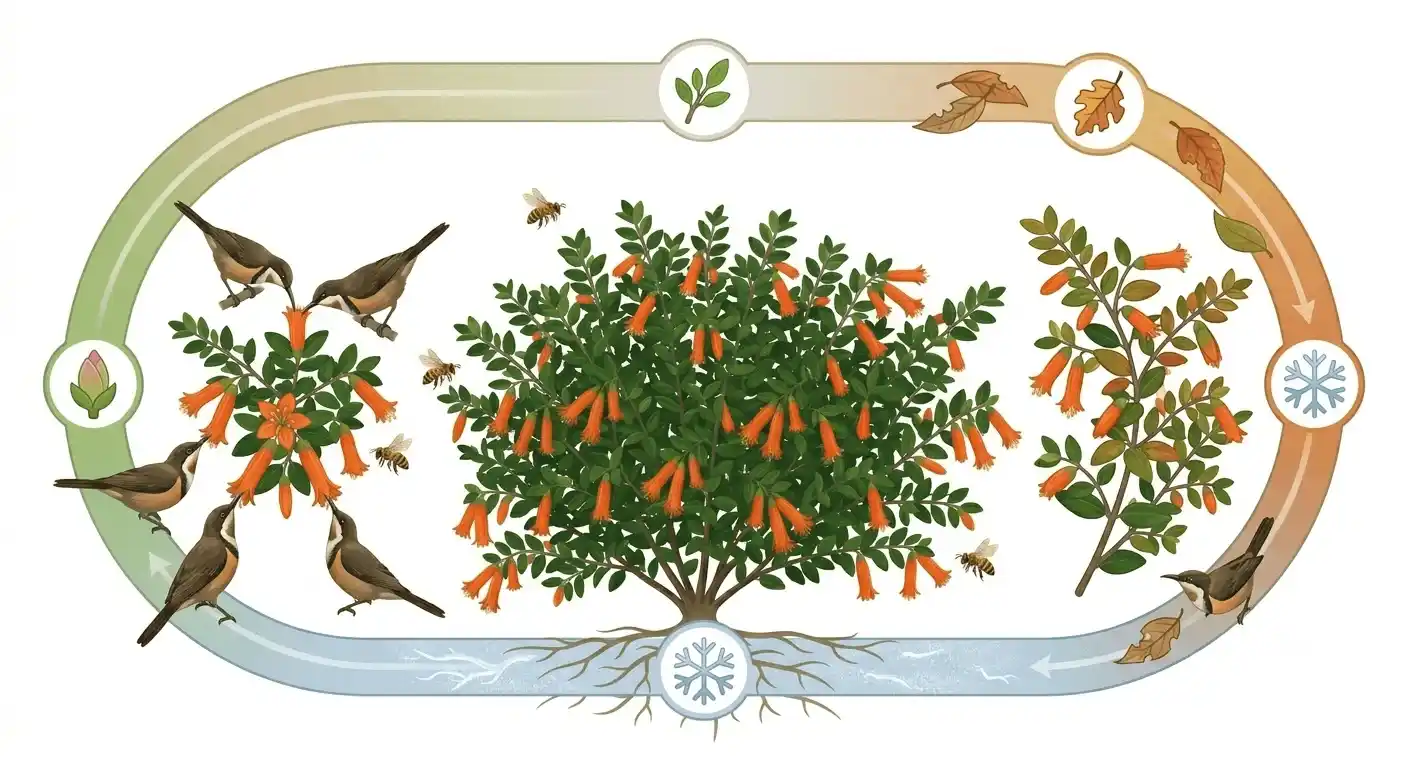
One of the biggest attractions of Correa Orange Glow is its extended flowering period and colorful seasonal display.
Flower Color and Form
Correa flowers feature a distinctive tubular structure designed to attract nectar-feeding birds.
Characteristics include:
- Rich orange coloration
- Tubular flower shape
- Bell-like appearance
- High nectar production
Individual correa flower blooms often remain attractive for extended periods.
When Does Orange Glow Bloom?
Flowering commonly occurs from autumn through winter and may extend into spring depending on local conditions.
Regional factors influencing bloom time include:
- Temperature
- Rainfall
- Sunlight levels
Cooler climates often produce the most extended flowering displays.
Wildlife Benefits
Orange Glow supports local biodiversity by attracting:
- Honeyeaters
- Small nectar-feeding birds
- Native bees
- Other pollinators
Its flowers provide a valuable food source during cooler seasons when fewer plants are blooming. Correa Orange Glow pairs well with other Native Plants That Attract Butterflies, helping create a diverse habitat for pollinators and beneficial insects.
Landscaping Uses for Correa Orange Glow
Correa Orange Glow is versatile and works well in multiple garden styles.
Feature Planting
Its bright flowers make it effective as:
- A focal point
- An accent shrub
- A feature near pathways
Borders and Mass Plantings
When planted in groups, Orange Glow creates strong seasonal color impact.
Spacing should allow adequate airflow while maintaining visual density.
Wildlife and Bird Gardens
The shrub is highly valued in wildlife-focused landscapes because it provides:
- Nectar resources
- Shelter
- Habitat diversity
Coastal and Drought-Tolerant Gardens
Its tolerance of salt-laden winds makes it suitable for coastal sites.
It is also frequently included in water-wise landscape designs.
Correa Orange Glow vs Other Popular Correa Varieties
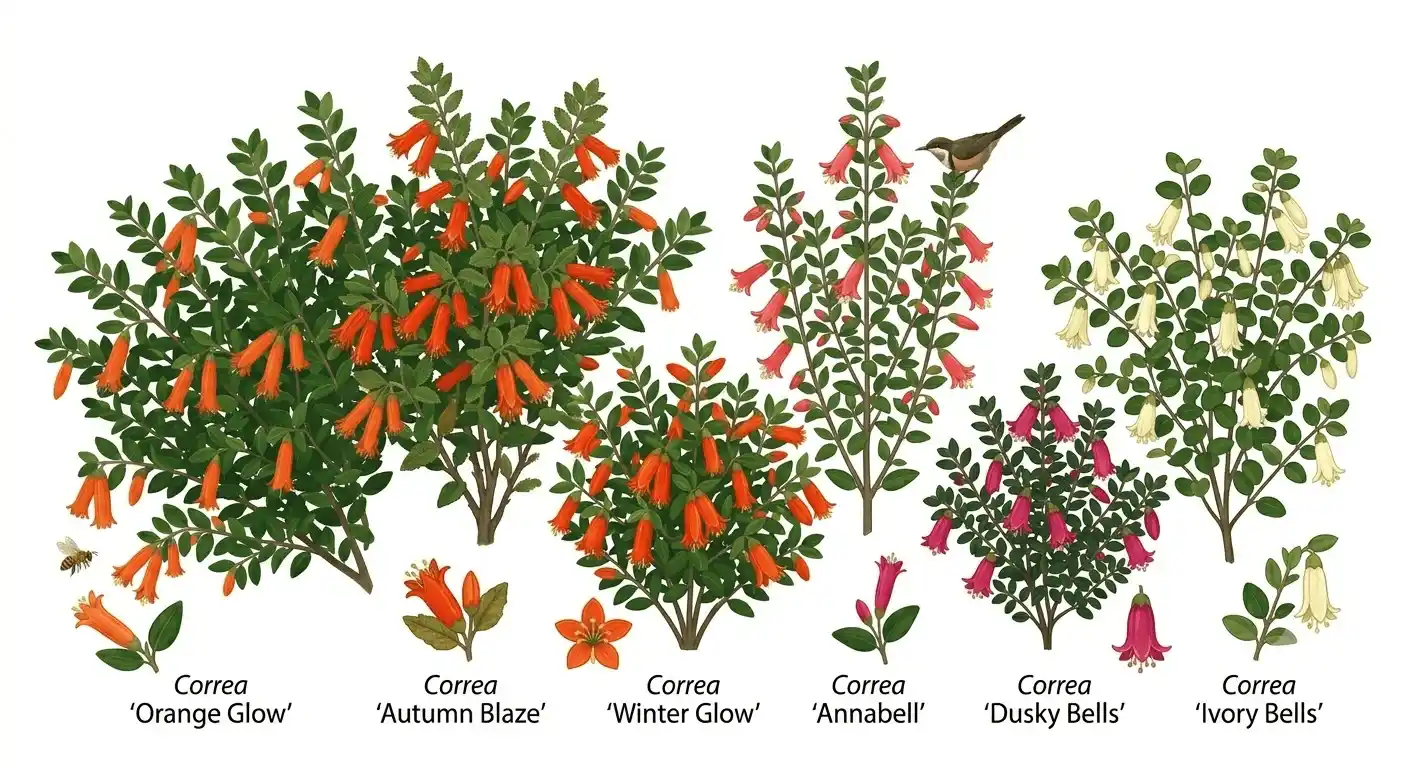
While Orange Glow is valued for its vibrant orange flowers, gardeners seeking softer tones may also explore other Native Pink Flowers Australia species and cultivars.
| Variety | Flower Color | Mature Size | Notable Feature |
| Orange Glow | Orange | Compact | Bright flowering display |
| Autumn Blaze | Red-orange | Medium | Long flowering season |
| Winter Glow | Orange-red | Medium | Winter color |
| Annabell | Pink-red | Compact | Dense growth |
| Dusky Bells | Deep pink | Compact | Hedge suitability |
| Ivory Bells | Cream-white | Compact | Light-colored flowers |
Correa Orange Glow vs Autumn Blaze
Correa pulchella autumn blaze generally produces deeper red-orange flowers and may grow slightly larger.
Correa autumn blaze is often selected for prolonged flowering, while Orange Glow is preferred for brighter orange coloration.
Correa Orange Glow vs Winter Glow
Correa winter glow is valued for strong winter performance and orange-red flowers.
Orange Glow often displays a brighter orange tone and slightly more compact habit.
Correa Orange Glow vs Dusky Bells
The correa dusky bells cultivar features deep pink flowers and is commonly used as a correa dusky bells hedge.
Compared to the correa dusky bells plant, Orange Glow offers warmer flower coloration and stronger visual contrast in native landscapes.
Correa Orange Glow vs Ivory Bells
Correa ivory bells is distinguished by its cream-white flowers.
Gardeners seeking lighter color palettes often choose Ivory Bells, while Orange Glow provides a bold and vibrant display.
Understanding the Correa Genus
The Correa genus includes numerous species and cultivars collectively known as correas plant selections. These evergreen shrubs are valued for ornamental flowers, adaptability, and wildlife benefits.
Correa Alba
Correa alba is among the most widely cultivated species. Gardeners interested in lower-growing forms may also consider Correa Alba Prostrate, which provides excellent ground-cover performance in coastal gardens.
Characteristics include:
- White flowers
- Dense foliage
- Coastal tolerance
The correa alba plant typically reaches a correa alba height of 1–2 meters. It is sometimes referred to as correa white or white correa.
Correa Reflexa
Correa reflexa is one of Australia’s most variable Correa species.
Notable forms include:
- Correa reflexa kangaroo island
- Other regional selections
Correa kangaroo island forms often exhibit unique flower colors and growth habits.
Other Notable Correa Cultivars
Additional popular cultivars include:
- Correa carmine bells
- Correa ‘Amber Chimes’
Both are valued for distinctive flower colors and strong garden performance.
Common Problems and How to Fix Them
Although generally hardy, Correa Orange Glow can experience several common issues.
Poor Flowering
Possible causes:
- Insufficient sunlight
- Excess fertilizer
- Improper pruning
Solutions:
- Increase light exposure
- Use low-phosphorus fertilizer
- Prune after flowering
Yellowing Leaves
Yellow leaves may result from:
- Overwatering
- Poor drainage
- Nutrient deficiencies
Improving drainage often resolves the problem.
Root Rot and Overwatering
Symptoms include:
- Wilting
- Yellow foliage
- Blackened roots
Corrective actions:
- Reduce watering
- Improve soil drainage
- Remove severely affected roots
Pest and Disease Concerns
Potential issues include:
- Scale insects
- Aphids
- Occasional fungal diseases
Organic controls such as horticultural oils and proper airflow are often effective.
Common Beginner Mistakes When Growing Correa Orange Glow
Planting in Poorly Drained Soil
This is the most common cause of failure. Correas require free-draining conditions.
Over-Fertilizing Australian Natives
Excess phosphorus can damage sensitive native plant roots.
Excessive Pruning
Heavy pruning may reduce flowering and damage the natural growth habit.
Choosing the Wrong Location
Deep shade and waterlogged areas often lead to poor performance.
Growing Correa Pulchella Orange Glow in Australia
Correa pulchella orange glow Australia plantings are particularly successful in temperate and coastal regions.
Best Australian Climate Zones
Ideal areas include:
- Coastal regions
- Temperate climates
- Mild inland locations
Protection may be beneficial in areas with severe frost.
Performance in Native Gardens
Orange Glow integrates naturally into Australian landscapes and complements other native shrubs.
Its compact form and long flowering season make it a valuable addition to any Modern Australian Native Garden design.
Its wildlife value and low water requirements make it especially attractive for sustainable gardening.
Where to Buy Correa Pulchella Orange Glow
When searching for correa pulchella orange glow for sale, choose reputable nurseries specializing in Australian native plants.
Choosing Healthy Plants
Look for:
- Healthy root systems
- Green foliage
- Strong branching
- No signs of disease
Avoid plants showing yellowing or root-bound conditions.
Container-Grown vs Ground-Grown Specimens
| Type | Advantages | Considerations |
| Container-Grown | Easy transport and planting | May become root-bound |
| Ground-Grown | Often larger at purchase | Requires careful transplanting |
Conclusion
Correa Pulchella Orange Glow is a highly attractive Australian native shrub valued for its bright orange tubular flowers, evergreen foliage, wildlife benefits, and low-maintenance nature. Its compact growth habit makes it suitable for small gardens, borders, coastal landscapes, and native plantings. With well-drained soil, moderate watering during establishment, and occasional pruning, the plant can provide years of reliable color and habitat value. For gardeners seeking a resilient and versatile shrub, correa pulchella orange glow remains one of the best Australian native choices for both ornamental appeal and ecological benefits.
Frequently Asked Questions
How big does Correa Pulchella Orange Glow grow?
Correa Pulchella Orange Glow typically reaches 1–1.5 meters in height and width, forming a compact rounded shrub suitable for most garden sizes.
Is Correa Orange Glow drought tolerant?
Yes. Once established, Correa Orange Glow demonstrates good drought tolerance and performs well in water-wise landscapes.
When does Correa Pulchella Orange Glow flower?
Flowering usually occurs from autumn through winter and may continue into spring depending on climate and growing conditions.
Can Correa Orange Glow grow in full sun?
Yes. It grows well in full sun and partial shade, although full sun generally encourages the heaviest flowering.
Is Correa Pulchella Orange Glow suitable for coastal gardens?
Yes. The plant tolerates coastal winds and mild salt exposure, making it a strong choice for seaside landscapes.
What is the difference between Orange Glow and Autumn Blaze Correa?
Orange Glow typically produces brighter orange flowers and maintains a compact form, while Autumn Blaze often has red-orange flowers and a slightly larger growth habit.
How often should I prune Correa Orange Glow?
Light pruning after flowering is usually sufficient. Annual maintenance encourages dense growth and continued flowering.
Does Correa Orange Glow attract birds and pollinators?
Yes. Its nectar-rich flowers attract honeyeaters, native birds, bees, and other pollinating insects, making it valuable in wildlife-friendly gardens.