Introduction
Thomasia macrocarpa is a distinctive Australian native shrub prized for its large, papery flowers and adaptability to low-maintenance landscapes. Native to the south-west of Western Australia, this ornamental species thrives in well-drained soils and sunny conditions, making it an excellent choice for native gardens, water-wise landscapes, and pollinator-friendly planting schemes. Although it belongs to the diverse Thomasia genus, Thomasia macrocarpa stands out because of its unusually large blooms and compact growth habit. Gardeners often compare it with related species such as Thomasia grandiflora, Thomasia purpurea, Thomasia solanacea, and Thomasia petalocalyx when selecting plants for Australian landscapes. Understanding its identification, care requirements, mature size, and common growing challenges helps ensure long-lasting, healthy growth. Thomasia macrocarpa works especially well in structured native landscapes, similar to those described in Australian native garden design principles such as Australian Native Garden Trees, where layering shrubs and trees creates a resilient, low-maintenance ecosystem.
By Greenery Inside | Plant Care & Gardening Expert
Quick Summary
- Thomasia macrocarpa is an Australian native shrub admired for its large, papery pink to purple flowers and ornamental appeal.
- It performs best in full sun or light shade with well-drained soil and requires relatively little maintenance once established.
- Mature size, proper watering, and excellent drainage are key factors in maintaining vigorous growth and abundant flowering.
- The species supports native pollinators and complements biodiversity-focused gardens.
- Comparing Thomasia macrocarpa with other Thomasia species makes identification and plant selection easier.
What Is Thomasia Macrocarpa?
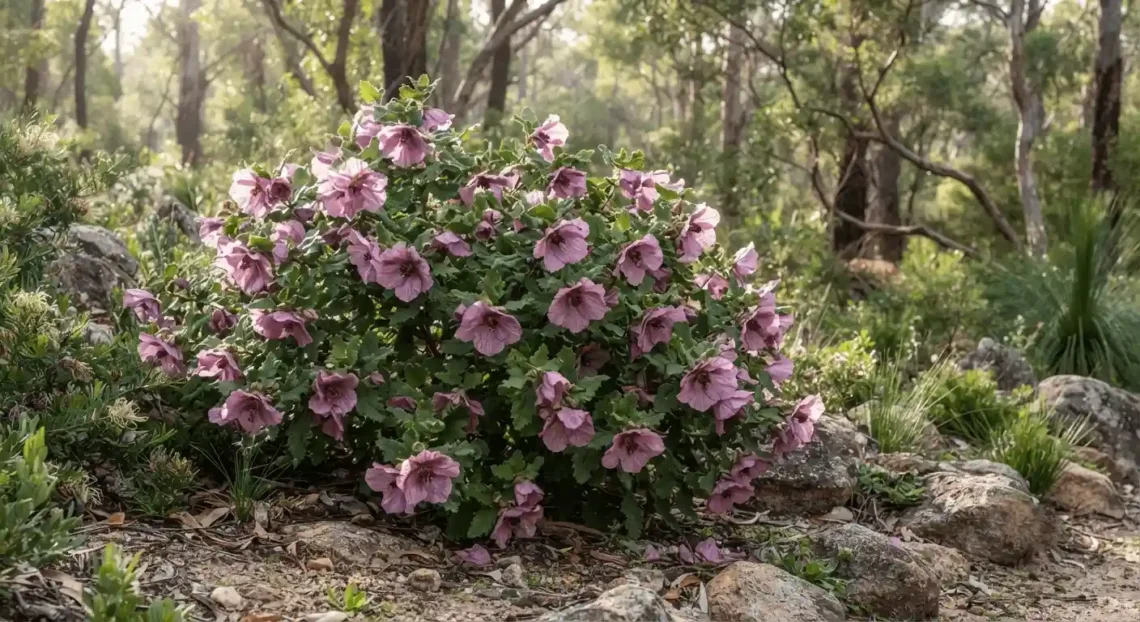
Thomasia macrocarpa is a flowering evergreen shrub native to Western Australia that is cultivated primarily for its striking ornamental flowers. It is well known for producing large clusters of papery blooms that appear from winter through spring, adding vibrant colour to native landscapes when many other shrubs remain relatively dormant.
It is also commonly used in structured planting designs found in Modern Australian Native Garden, where drought-tolerant shrubs are combined for year-round visual impact and ecological balance.
Unlike commercial crops grown for food or timber, Thomasia macrocarpa is valued almost exclusively for its decorative qualities and ecological contribution. Its flowers provide nectar and pollen for insects, while its dense branching habit offers shelter for small wildlife.
In our experience growing Australian native shrubs, Thomasia macrocarpa performs best when planted in conditions that closely resemble its natural habitat. Providing excellent drainage from the beginning significantly reduces future maintenance and improves flowering consistency.
Its combination of attractive flowers, drought tolerance after establishment, and compatibility with native planting schemes has made it increasingly popular among Australian gardeners seeking sustainable landscape plants.
Botanical Classification
Understanding the botanical classification of Thomasia macrocarpa helps place the species within Australia’s rich native flora. Thomasia macrocarpa belongs to the Malvaceae family, which includes a wide range of flowering plants described in detail in botanical references such as Malvaceae Family Overview
| Classification | Details |
| Scientific Name | Thomasia macrocarpa |
| Common Name | Thomasia macrocarpa |
| Family | Malvaceae |
| Genus | Thomasia |
| Plant Type | Evergreen flowering shrub |
| Native Region | South-west Western Australia |
The Thomasia genus contains dozens of shrub species that are endemic to Australia. Most are recognised for their colourful, bell-shaped or papery flowers and adaptability to nutrient-poor soils.
Members of the genus share many characteristics, including compact growth habits, attractive blossoms, and suitability for native gardens. However, Thomasia macrocarpa is distinguished by producing some of the largest flowers within the group, reflected by the species name macrocarpa, meaning “large-fruited.”
Natural Habitat and Distribution
Thomasia macrocarpa naturally occurs across parts of the south-west of Western Australia, one of the world’s internationally recognised biodiversity hotspots. The region experiences a Mediterranean climate characterised by cool, wet winters and warm, dry summers.
In its native environment, the shrub commonly grows in:
- Sandy soils
- Gravelly slopes
- Open woodlands
- Heathlands
- Coastal inland areas with reliable drainage
The plant has adapted to survive periods of seasonal drought by developing an efficient root system suited to free-draining soils. Unlike many ornamental shrubs, it generally performs poorly in permanently wet ground.
Greenery Inside recommends selecting a planting site with conditions similar to its natural habitat whenever possible. Replicating these environmental conditions typically results in healthier foliage, improved flowering, and fewer disease problems.
Although native to Western Australia, Thomasia macrocarpa can also be cultivated successfully in other regions with Mediterranean or temperate climates, provided winter waterlogging is avoided.
Thomasia Macrocarpa Identification Features
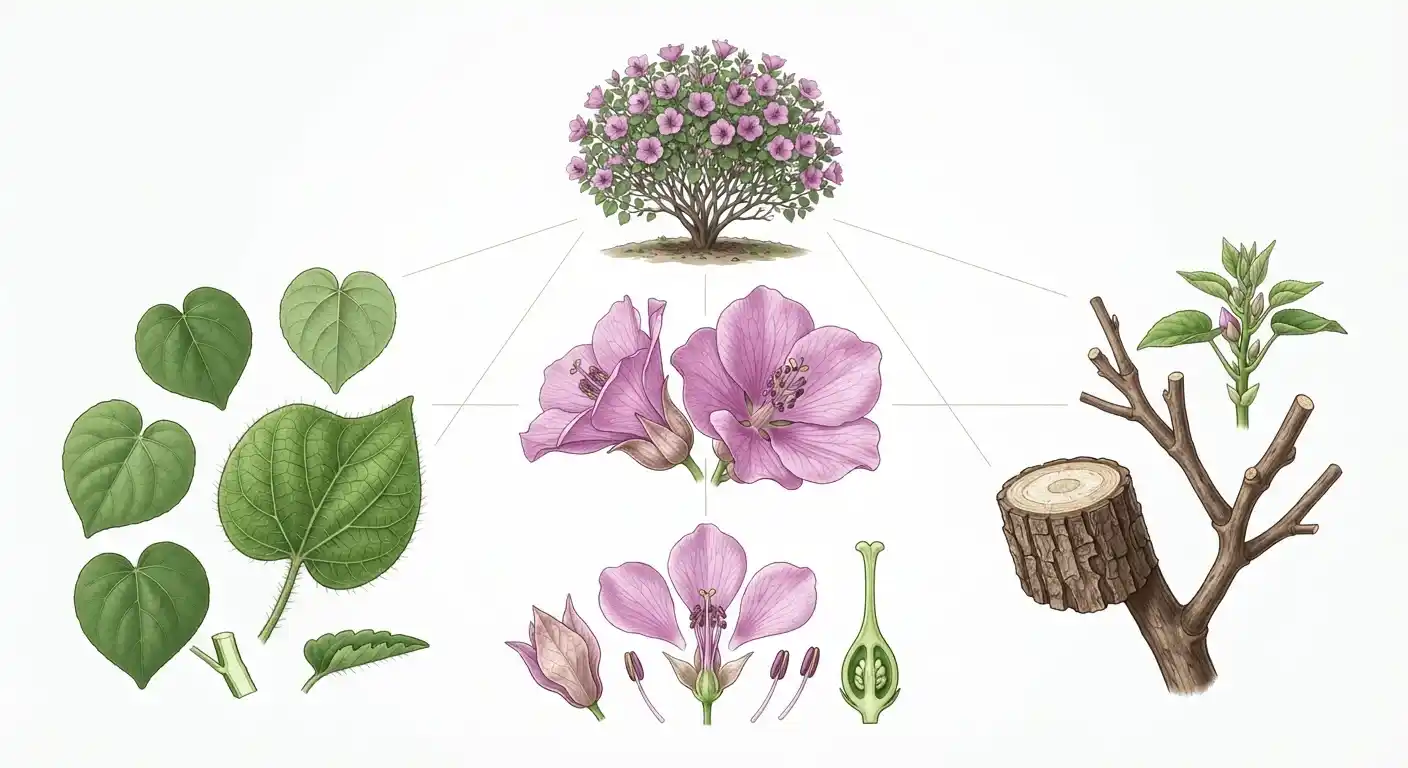
Correct identification is important because several species within the Thomasia genus have similar growth habits. Thomasia macrocarpa is most easily recognised by its unusually large papery flowers, compact shrub form, and softly textured foliage.
These characteristics make it a standout specimen in Australian native gardens and help distinguish it from closely related species.
Flowers
The flowers are the most distinctive feature of Thomasia macrocarpa.
Large clusters of blooms develop along the branches, creating an impressive display during the flowering season. Each flower has a papery texture that remains attractive for an extended period, contributing to the shrub’s ornamental value.
Key flower characteristics include:
- Large flower size compared with most other Thomasia species
- Pink to mauve-purple colouring, sometimes with deeper centres
- Bell-shaped to cup-like appearance
- Soft papery texture
- Dense flowering clusters
- Winter to spring blooming period
The papery appearance often leads gardeners to associate the plant with Australia’s so-called “paper flowers.” However, Thomasia macrocarpa is botanically distinct from other plants commonly known by that informal name.
Its prolonged flowering season makes it especially valuable for gardens that require colour during cooler months.
Leaves and Stems
The foliage provides an attractive backdrop to the colourful flowers while contributing to the shrub’s dense appearance.
Leaves are generally:
- Oval to broadly heart-shaped
- Softly textured
- Medium green
- Slightly hairy on some surfaces
- Arranged alternately along the stems
Young stems are slender and flexible before gradually becoming woody as the shrub matures. Numerous side branches create a naturally bushy form without requiring extensive pruning.
Healthy plants display evenly coloured foliage with strong new growth emerging during the cooler growing season.
Overall Growth Habit
Thomasia macrocarpa develops into a dense, rounded shrub with a naturally compact framework. Its branching structure creates a full appearance that works well as both a feature plant and part of mixed native borders.
Unlike sprawling shrubs that require continual shaping, this species generally maintains an attractive silhouette with only occasional maintenance pruning after flowering.
Its moderate density provides year-round visual interest while also offering habitat for beneficial insects and small native wildlife.
From a landscape design perspective, Thomasia macrocarpa combines well with other Australian natives that prefer similar growing conditions, creating layered planting schemes with contrasting foliage textures and extended seasonal colour.
Thomasia Macrocarpa Size and Growth Rate
Understanding thomasia macrocarpa size helps gardeners choose the right planting location and avoid overcrowding. This Australian native shrub has a naturally compact to medium-sized growth habit, making it ideal for residential gardens, native borders, and wildlife-friendly landscapes. Although its mature dimensions can vary slightly depending on climate and soil quality, it generally remains a manageable shrub that requires only minimal maintenance.
In our experience growing Australian native plants, specimens planted in full sun with excellent drainage develop a stronger structure, healthier foliage, and more abundant flowering than those grown in shaded or poorly drained locations.
Mature Height and Width
A mature Thomasia macrocarpa typically grows:
- Height: 1.5–3 metres (5–10 feet)
- Width: 1.5–2.5 metres (5–8 feet)
The shrub naturally forms a rounded, bushy shape with dense branching, making it an attractive feature plant or a valuable addition to mixed native plantings. Unlike vigorous shrubs that quickly outgrow their space, Thomasia macrocarpa maintains a balanced form and rarely requires extensive pruning to stay compact.
Several environmental factors influence its mature size, including:
- Soil drainage and fertility
- Sunlight exposure
- Local climate
- Annual rainfall
- Pruning practices
- Overall plant health
Plants grown under ideal conditions generally become fuller and produce more flowers, while those exposed to prolonged drought or poor soil may remain smaller without affecting their long-term health.
Growth Rate
Thomasia macrocarpa has a moderate growth rate. During the first one to two years, it focuses on developing a healthy root system before producing stronger top growth and heavier flowering.
Growth is most active during the cooler months of autumn, winter, and spring when soil moisture is naturally available. During hot, dry summers, growth slows considerably as the shrub conserves energy and moisture.
| Feature | Typical Range |
| Mature Height | 1.5–3 m (5–10 ft) |
| Mature Width | 1.5–2.5 m (5–8 ft) |
| Growth Rate | Moderate |
| Lifespan | 10–20+ years with proper care |
With suitable growing conditions and basic maintenance, Thomasia macrocarpa can remain healthy and ornamental for decades, providing reliable seasonal flowers and evergreen structure.
Thomasia Macrocarpa Care Guide
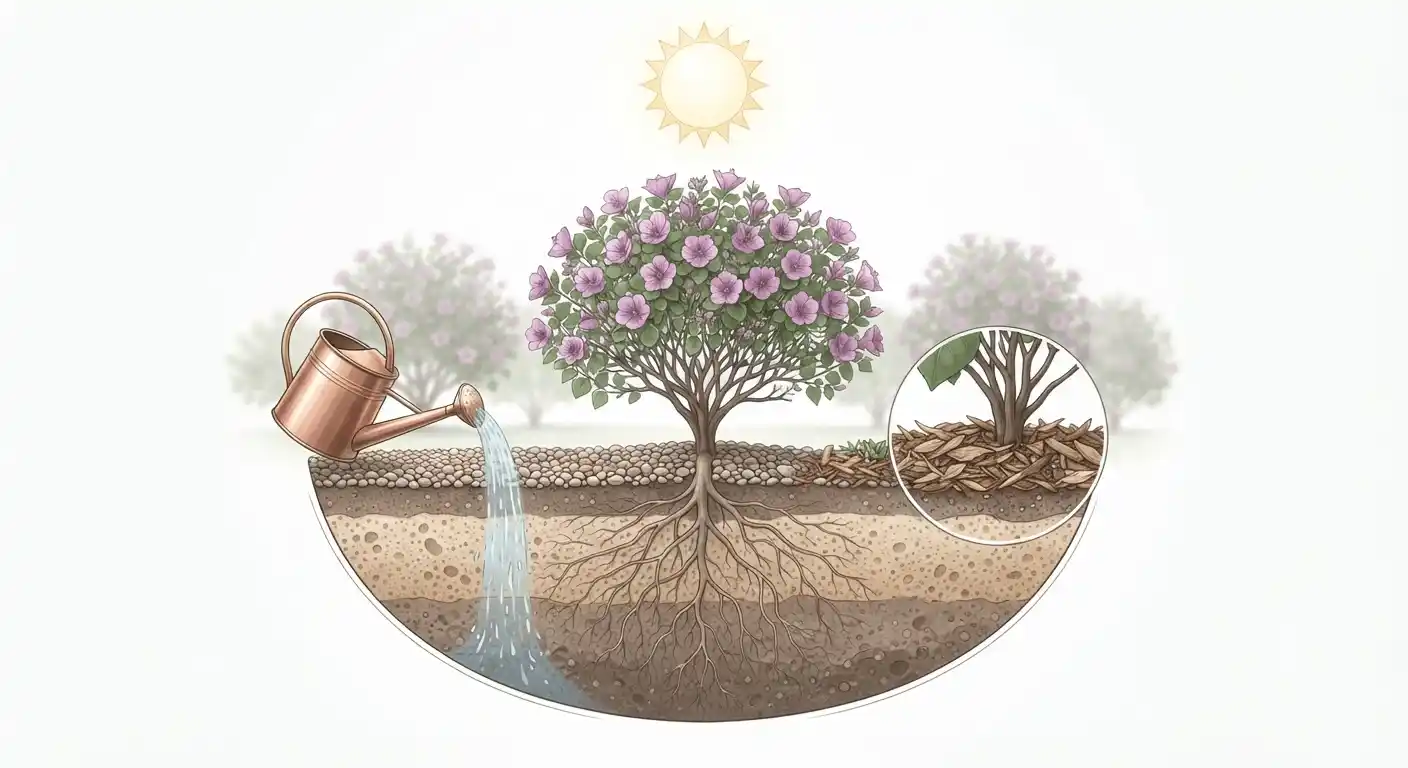
Providing the right thomasia macrocarpa care is relatively simple because this species has naturally adapted to Australia’s nutrient-poor soils and seasonal dry conditions. Once established, it becomes a low-maintenance shrub that rewards gardeners with attractive foliage and impressive flowering while requiring less attention than many exotic ornamental plants.
Greenery Inside recommends focusing on proper drainage, adequate sunlight, and moderate watering rather than excessive fertilizing. These simple care practices encourage strong root development, consistent flowering, and long-term plant health.
Light Requirements
Thomasia macrocarpa performs best in full sun, where it receives at least six hours of direct sunlight each day. In hotter inland regions, light afternoon shade can help reduce heat stress without significantly affecting flowering.
Ideal light conditions include:
- Full sun for maximum flowering
- Morning sun with light afternoon shade in very hot climates
- Open planting locations with good air circulation
Plants grown in excessive shade often produce fewer flowers, longer stems, and thinner growth as they stretch toward available light.
Soil Preferences
Well-drained soil is the most important requirement for growing a healthy Thomasia macrocarpa. In its natural habitat, the shrub grows in sandy, gravelly, and free-draining soils where excess moisture quickly drains away from the roots.
The best soil conditions include:
- Sandy loam
- Gravelly soil
- Slightly acidic to neutral pH
- Moderate organic matter
- Excellent drainage
Heavy clay soils should be improved before planting by incorporating coarse sand, gravel, or organic matter, or by planting on raised beds or mounds to prevent waterlogging.
Watering Needs
Regular watering is essential while young plants establish their root systems. Once mature, Thomasia macrocarpa becomes relatively drought tolerant and usually requires supplemental watering only during prolonged dry periods.
A practical watering schedule includes:
- Water deeply once or twice each week during establishment.
- Reduce watering after the first growing season.
- Water only during extended dry weather once established.
In our experience, deep watering at longer intervals encourages roots to grow deeper into the soil, producing stronger and more drought-resistant plants than frequent shallow watering.
Fertilizing
Like many Australian native plants, Thomasia macrocarpa performs well without heavy feeding.
If additional nutrients are needed, apply:
- A slow-release native plant fertilizer
- Low-phosphorus fertilizer in early spring
- Well-aged compost to improve soil structure
Avoid fertilizers with high phosphorus levels, as many members of the Australian flora, including species within the Thomasia genus, are sensitive to excessive phosphorus.
Mulching
Applying mulch around the base of the shrub offers several important benefits:
- Conserves soil moisture
- Suppresses weed growth
- Maintains more consistent soil temperatures
- Gradually improves soil quality as organic material decomposes
Suitable mulch materials include:
- Aged bark
- Wood chips
- Leaf litter
- Coarse organic mulch
Maintain a mulch layer about 5–8 cm (2–3 inches) deep while keeping it away from the main stem to reduce the risk of fungal diseases and stem rot.
Pruning
Thomasia macrocarpa requires only light pruning to maintain its natural rounded shape.
The best time to prune is immediately after flowering has finished.
Remove:
- Dead or damaged branches
- Weak stems
- Crossing branches
- Spent flowers if desired
Light annual pruning encourages denser growth and often results in better flowering the following season. Avoid cutting heavily into old woody stems because recovery can be slow.
Climate and Frost Tolerance
This species is well suited to Mediterranean and temperate climates that experience cool, wetter winters and warm, dry summers.
It generally tolerates:
- Mild frost
- Seasonal drought after establishment
- Coastal conditions with moderate salt exposure
- Warm summer temperatures
However, prolonged waterlogging, poorly drained soil, and persistently humid conditions can reduce plant vigor and increase the likelihood of disease.
As of the 2026 growing season, horticultural experts continue to recommend planting Thomasia macrocarpa during autumn or early winter. Cooler temperatures combined with seasonal rainfall allow roots to establish before the arrival of summer heat.
Best Growing Conditions
- Full sun or light afternoon shade
- Well-drained sandy or gravelly soil
- Deep, occasional watering after establishment
- Low-phosphorus native plant fertilizer
- Good air circulation
- Organic mulch around the root zone
Conditions to Avoid
- Heavy clay soils
- Constantly wet roots
- Standing water
- Excess fertilizer
- Deep shade
- Crowded planting with poor airflow
Signs of Healthy Growth
- Dense, bushy branching
- Rich green foliage
- Vigorous seasonal flowering
- Firm, healthy stems
- Consistent new growth
- No yellowing leaves or stem dieback
Flowering Season and Ornamental Value
One of the standout features of Thomasia macrocarpa is its spectacular display of large, papery flowers. These blooms appear during the cooler months when many ornamental shrubs are less active, making the plant an excellent choice for extending seasonal colour in Australian gardens.
Flowering generally begins in late winter and continues through spring, although the exact timing depends on local climate and growing conditions.
The flowers are characterized by:
- Large, eye-catching clusters
- Pink to mauve-purple colouring
- Bell-shaped to cup-shaped form
- Distinctive papery texture
- Long-lasting ornamental display
These flowers provide an important food source for native bees and other beneficial pollinating insects, helping support local biodiversity while enhancing the visual appeal of the landscape.
Because of their delicate, paper-like appearance, Thomasia macrocarpa is sometimes associated with the informal name “paper flower Australia.” However, it is botanically different from other Australian plants commonly known as paper flowers, which belong to separate genera and plant families.
Beyond its flowering season, the shrub remains attractive throughout the year thanks to its evergreen foliage and naturally rounded growth habit. It can be used as a specimen plant, within mixed native shrub borders, or in habitat gardens where year-round structure is desired.
Greenery Inside recommends combining Thomasia macrocarpa with other Australian native shrubs that flower at different times of the year. This creates a landscape with continuous seasonal interest while providing a longer-lasting source of nectar and habitat for beneficial wildlife.
Common Thomasia Macrocarpa Problems and Solutions
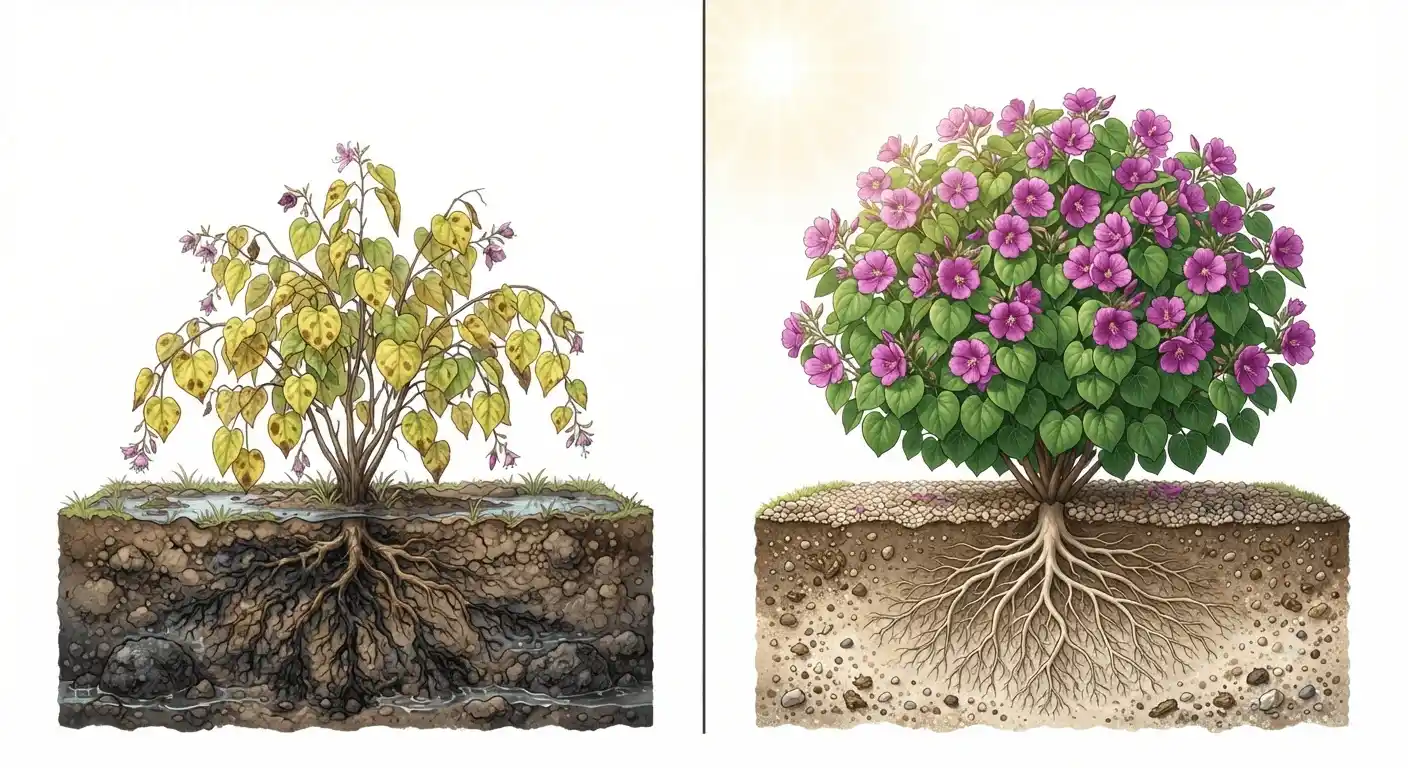
Although Thomasia macrocarpa is considered a hardy Australian native shrub, it can develop health issues if grown outside its preferred conditions. Most thomasia macrocarpa problems are linked to watering practices, soil drainage, sunlight, or environmental stress rather than serious diseases. Identifying symptoms early allows gardeners to correct problems before they affect flowering or long-term growth.
Poor Flowering
Poor flowering is one of the most common concerns among gardeners. Healthy foliage with few or no blooms usually indicates that one or more growing conditions are limiting flower production.
Why it happens
- Too much shade
- Excess nitrogen fertilizer
- Pruning at the wrong time
- Immature plants
- Poor overall plant vigor
How to fix it
- Move the plant to a sunnier location if possible.
- Apply only a low-phosphorus fertilizer formulated for Australian native plants.
- Prune immediately after flowering rather than before flower buds develop.
- Improve drainage and maintain consistent growing conditions.
How to prevent it
- Plant in full sun.
- Avoid overfeeding.
- Follow the natural flowering cycle when pruning.
- Allow young plants sufficient time to mature before expecting heavy flowering.
Yellow Leaves
Yellow foliage often signals that the plant is experiencing stress. While occasional aging leaves are normal, widespread yellowing usually points to an underlying issue.
Why it happens
- Overwatering
- Poor drainage
- Nutrient imbalance
- Root stress
- Extended periods of cloudy weather
How to fix it
- Reduce watering frequency.
- Improve soil drainage.
- Remove damaged foliage if necessary.
- Check for signs of root decline.
How to prevent it
- Plant in free-draining soil.
- Water deeply but infrequently.
- Avoid compacted or waterlogged ground.
In our experience, persistent yellow leaves almost always improve once drainage problems are corrected. Healthy roots are the foundation of vigorous growth in Thomasia macrocarpa.
Root Rot from Poor Drainage
Root rot is one of the few serious problems that can permanently damage Thomasia macrocarpa. It develops when roots remain in saturated soil for extended periods, allowing fungal pathogens to attack weakened root tissue.
Why it happens
- Heavy clay soil
- Poor drainage
- Excessive irrigation
- Standing water around the root zone
How to fix it
- Stop watering until the soil dries.
- Improve drainage immediately.
- Remove severely affected plants if root damage is extensive.
- Replant only in well-drained soil.
How to prevent it
- Choose sandy or gravelly soil.
- Plant on raised beds where drainage is limited.
- Water only when necessary.
Preventing root rot is far easier than treating it, making proper site selection one of the most important steps before planting.
Heat and Drought Stress
Although established plants tolerate dry periods reasonably well, prolonged heat waves combined with extremely dry soil can cause temporary stress.
Why it happens
- Extended drought
- High summer temperatures
- Hot drying winds
- Newly planted shrubs with shallow root systems
How to fix it
- Water deeply during prolonged dry spells.
- Apply organic mulch to reduce moisture loss.
- Provide temporary afternoon shade during extreme heat if practical.
How to prevent it
- Establish plants before summer.
- Maintain mulch around the root zone.
- Water deeply rather than frequently.
Pest and Disease Issues
One advantage of growing Thomasia macrocarpa is its generally good resistance to pests and diseases. Serious infestations are uncommon when plants are healthy and growing in suitable conditions.
Occasionally gardeners may notice:
- Aphids on young shoots
- Scale insects
- Minor fungal leaf spots during unusually wet weather
These problems rarely cause significant damage and can often be managed by improving airflow, removing affected growth, or encouraging beneficial insects.
Common Problems at a Glance
| Problem | Likely Cause | Recommended Solution |
| Poor flowering | Shade, incorrect pruning, excess fertilizer | Increase sunlight, prune after flowering, use native fertilizer |
| Yellow leaves | Overwatering or poor drainage | Improve drainage and reduce watering |
| Root rot | Waterlogged soil | Replant in well-drained soil and avoid standing water |
| Heat stress | Extended drought and extreme temperatures | Deep watering and organic mulch |
| Minor pests | Aphids or scale | Encourage beneficial insects and remove heavily affected growth |
Thomasia Macrocarpa Varieties and Related Species
Unlike many ornamental shrubs, there are very few recognized thomasia macrocarpa varieties available in cultivation. Most plants sold by Australian native nurseries are grown from seed or propagated from naturally occurring forms rather than named cultivars.
Instead of selecting between cultivated varieties, gardeners often compare Thomasia macrocarpa with other closely related Thomasia species that differ in flower colour, growth habit, size, and habitat preferences.
Thomasia Grandiflora
Thomasia grandiflora is one of the closest relatives of Thomasia macrocarpa and is often chosen for similar landscape applications.
Key characteristics include:
- Large pink to purple flowers
- Compact shrub habit
- Dense branching
- Suitable for native garden displays
While both species produce attractive blooms, Thomasia grandiflora generally differs in flower structure and overall plant proportions.
Thomasia Purpurea
Thomasia purpurea is recognised for its rich purple flowers and naturally compact growth.
Distinguishing features include:
- Smaller flowers than T. macrocarpa
- Deep purple colouring
- Bushy, rounded habit
- Adaptation to dry native landscapes
It is well suited to water-wise gardens where colourful flowering shrubs are desired.
Thomasia Solanacea
Thomasia solanacea differs from Thomasia macrocarpa in both foliage and overall appearance.
It is identified by:
- Different leaf shape
- Smaller flowers
- Distinct branching habit
- Adaptation to its own native distribution
Although less commonly cultivated, it remains an attractive Australian native shrub for collectors and specialist native gardens.
Thomasia Petalocalyx
Thomasia petalocalyx is valued for its unique floral structure and ornamental appeal.
Its notable features include:
- Distinctive flower shape
- Compact growth
- Adaptation to well-drained soils
- Attractive native garden performance
Like most members of the genus, it performs best in sunny locations with excellent drainage.
Thomasia Foliosa
Thomasia foliosa is distinguished primarily by its dense leafy growth and attractive foliage.
Compared with Thomasia macrocarpa, it generally has:
- More abundant foliage
- Different leaf characteristics
- Compact shrub form
- Suitability for native shrub borders
Although less widely grown, it provides additional diversity within Australian native landscapes.
Comparison of Related Thomasia Species
| Species | Flower Colour | Mature Size | Native Habitat | Best Garden Use |
| Thomasia macrocarpa | Pink to mauve-purple | 1.5–3 m | South-west Western Australia | Feature shrub, wildlife garden |
| Thomasia grandiflora | Pink to purple | Medium | Western Australia | Ornamental native borders |
| Thomasia purpurea | Deep purple | Compact | Southern Australia | Water-wise gardens |
| Thomasia solanacea | Pink to mauve | Medium | Native Australian woodlands | Native collections |
| Thomasia petalocalyx | Pink to purple | Compact | Western Australia | Feature planting |
| Thomasia foliosa | Pink-purple | Compact | Native Australian habitats | Mixed native shrub plantings |
Thomasia Macrocarpa vs Other Thomasia Species
While all members of the Thomasia genus share characteristics such as attractive flowers and adaptation to Australian conditions, Thomasia macrocarpa stands out because of its larger blooms and bold ornamental presence.
| Feature | Thomasia macrocarpa | Other Thomasia Species |
| Flower Size | Among the largest in the genus | Usually smaller |
| Flower Colour | Pink to mauve-purple | White, pink, purple, or mauve depending on species |
| Leaf Shape | Broad oval to heart-shaped | Varies by species |
| Mature Size | 1.5–3 m | Compact to medium shrubs |
| Care Requirements | Low maintenance with excellent drainage | Similar across most species |
| Landscape Use | Feature shrub, wildlife garden, native borders | Rockeries, shrub borders, collectors’ gardens |
Gardeners seeking dramatic floral displays often choose Thomasia macrocarpa, while those looking for smaller shrubs or different flower colours may prefer species such as Thomasia purpurea or Thomasia grandiflora.
Regardless of the species selected, all members of the genus benefit from well-drained soil, good sunlight, and low-phosphorus fertilization. Matching each species to the appropriate growing conditions ensures healthier plants, longer flowering periods, and more sustainable Australian native gardens.
Landscaping Uses for Thomasia Macrocarpa
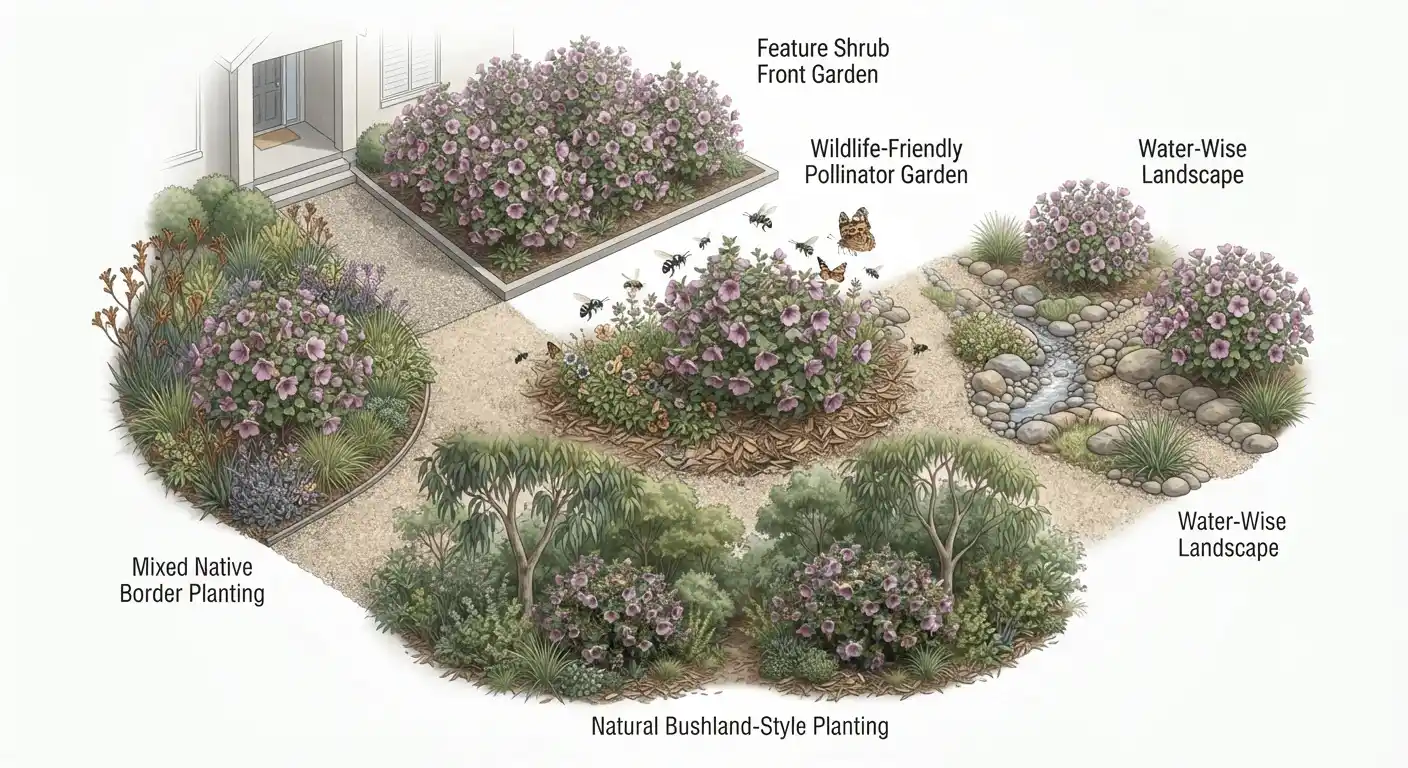
With its large papery flowers, compact growth habit, and adaptability to Australian conditions, Thomasia macrocarpa is a versatile shrub for a wide range of landscape designs. It provides year-round structure through its evergreen foliage while delivering an impressive floral display from late winter into spring.
Because it is a native species, it blends naturally with other Australian plants and supports local biodiversity. Its moderate size also makes it suitable for both small residential gardens and larger naturalistic landscapes.
Popular landscaping uses include:
- Feature shrub: Its striking flowers make it an attractive focal point in garden beds.
- Native hedge: Dense branching provides informal screening while maintaining a natural appearance.
- Pollinator garden: Flowers attract native bees and other beneficial insects during the flowering season.
- Habitat restoration: Suitable for revegetation and biodiversity-focused planting projects within its climatic range.
- Water-wise landscaping: Once established, it performs well in drought-conscious gardens with minimal supplemental irrigation.
- Mixed shrub borders: Combines well with other Australian native flowering shrubs to create seasonal colour and textural contrast.
- Coastal gardens: Suitable for many coastal locations where soils are free draining and salt exposure is moderate.
In our experience, Thomasia macrocarpa looks particularly effective when planted alongside native species with contrasting foliage colours and staggered flowering periods. This creates a landscape that remains visually interesting throughout the year while supporting a wider range of pollinators.
Common Beginner Mistakes When Growing Thomasia Macrocarpa
Although Thomasia macrocarpa is relatively easy to grow, a few common mistakes can reduce flowering, slow growth, or even shorten the plant’s lifespan. Most problems are preventable with proper planning and routine maintenance.
Overwatering
Many gardeners assume native shrubs require frequent irrigation. In reality, excessive watering is one of the leading causes of poor plant health.
Allow the soil to dry slightly between watering once the plant has become established.
Planting in Heavy Clay Soil
Poor drainage is the biggest threat to Thomasia macrocarpa. Heavy clay soils trap moisture around the roots, increasing the likelihood of root rot.
If drainage is poor, improve the soil before planting or grow the shrub in a raised bed.
Applying Too Much Fertilizer
Australian native plants generally require fewer nutrients than many exotic ornamentals.
Using large amounts of fertilizer, particularly products high in phosphorus, may damage sensitive root systems and reduce overall plant health.
Growing in Too Much Shade
While the shrub tolerates light shade, dense shade limits flower production and encourages weak, elongated growth.
Choose a location that receives plenty of direct sunlight for the best display.
Poor Airflow
Crowded planting reduces air circulation around the foliage, increasing humidity and the risk of fungal issues.
Always leave enough space between shrubs to allow mature growth.
Planting Too Close Together
A young plant may appear small, but it gradually develops into a broad, rounded shrub. Crowded plants compete for light, water, and nutrients while making future maintenance more difficult.
Greenery Inside recommends allowing adequate spacing based on the plant’s mature width rather than its size at planting.
Seasonal Care Tips Throughout the Year
Seasonal maintenance helps Thomasia macrocarpa remain healthy, vigorous, and productive throughout the year. Adjusting watering, pruning, and general care to match seasonal conditions encourages better flowering and stronger long-term growth.
Spring
Spring is typically the peak flowering period for many plants.
During this season:
- Enjoy the peak floral display.
- Remove faded flowers after blooming.
- Apply a light application of low-phosphorus native fertilizer if required.
- Inspect for new growth and overall plant health.
Summer
Hot weather slows active growth as the shrub conserves moisture.
Summer care should focus on:
- Deep watering during extended dry periods.
- Maintaining organic mulch.
- Monitoring for signs of heat stress.
- Avoiding unnecessary pruning during extreme temperatures.
Autumn
Autumn is one of the best times to establish new plants because cooler temperatures reduce transplant stress.
Seasonal tasks include:
- Plant new shrubs.
- Refresh mulch around established plants.
- Reduce watering as temperatures decline.
- Prepare plants for winter rainfall.
Winter
Winter is generally the beginning of active growth for many Australian native shrubs.
During winter:
- Monitor soil drainage after heavy rain.
- Remove damaged branches if necessary.
- Watch for developing flower buds.
- Avoid disturbing roots during prolonged wet conditions.
As of the 2026 growing season, many Australian native plant specialists continue to recommend autumn and early winter planting because natural rainfall encourages strong root development before summer arrives.
Environmental Benefits of Growing Thomasia Macrocarpa
Growing Thomasia macrocarpa provides more than ornamental value. As an Australian native species, it contributes to healthier, more sustainable gardens while supporting local ecosystems.
Supports Native Biodiversity
Native shrubs provide food and shelter for insects, birds, and other wildlife that have evolved alongside Australia’s unique flora.
Adding Thomasia macrocarpa to a garden increases plant diversity and creates valuable habitat.
Attracts Pollinators
Its nectar-rich flowers attract:
- Native bees
- Hoverflies
- Butterflies
- Other beneficial insects
These pollinators improve the health of surrounding plants and contribute to overall ecosystem balance. Plants like Thomasia macrocarpa play an important role in supporting pollinator populations, similar to other native species featured in guides on Native Plants That Attract Butterflies, which highlight how Australian flora sustains biodiversity in home gardens.
Conserves Water
Once established, Thomasia macrocarpa requires considerably less irrigation than many introduced ornamental shrubs.
Its natural drought tolerance makes it an excellent choice for water-wise gardens and regions with seasonal rainfall.
Creates Wildlife Habitat
The shrub’s dense branching provides shelter for small birds, insects, and other beneficial wildlife while helping create layered native landscapes.
Encourages Sustainable Gardening
Because it requires relatively little fertilizer, moderate watering, and minimal pruning, Thomasia macrocarpa supports environmentally responsible gardening practices by reducing water consumption and maintenance inputs.
Conclusion
Thomasia macrocarpa is an outstanding Australian native shrub that combines striking ornamental flowers with dependable garden performance. Its large papery blooms, compact growth habit, and relatively low maintenance requirements make it a valuable addition to native landscapes, wildlife gardens, and water-wise planting schemes.
Providing full sun, excellent drainage, moderate watering during establishment, and minimal pruning allows the shrub to reach its full potential. Understanding thomasia macrocarpa size, proper care requirements, flowering habits, and the most common growing problems helps gardeners maintain healthy plants that continue to flower year after year.
Although cultivated thomasia macrocarpa varieties are limited, comparing this species with related plants such as Thomasia grandiflora, Thomasia purpurea, Thomasia solanacea, Thomasia petalocalyx, and Thomasia foliosa makes selecting the right shrub for a particular landscape much easier.
For gardeners seeking a beautiful native flowering shrub that supports biodiversity while thriving in well-drained Australian gardens, Thomasia macrocarpa remains an excellent long-term choice.
Frequently Asked Questions
What is Thomasia macrocarpa?
Thomasia macrocarpa is an evergreen flowering shrub native to south-west Western Australia. It belongs to the Malvaceae family and is known for its large papery pink to mauve-purple flowers, making it a popular ornamental plant in Australian native gardens.
How large does Thomasia macrocarpa grow?
A mature plant typically reaches 1.5 to 3 metres (5–10 feet) in height and 1.5 to 2.5 metres (5–8 feet) in width, depending on growing conditions, soil quality, and maintenance.
How do you care for Thomasia macrocarpa?
Grow Thomasia macrocarpa in full sun or light shade with well-drained soil. Water regularly during establishment, apply a low-phosphorus native fertilizer only when needed, mulch around the root zone, and prune lightly after flowering to encourage healthy growth.
When does Thomasia macrocarpa flower?
The shrub usually flowers from late winter through spring. The exact flowering period varies with climate and seasonal weather conditions, but cooler temperatures generally promote the best floral display.
What causes Thomasia macrocarpa problems like yellow leaves or poor flowering?
The most common causes include overwatering, poor drainage, excessive shade, incorrect pruning, and unsuitable fertilizer. Correcting these growing conditions usually restores healthy growth and improves flowering.
Is Thomasia macrocarpa suitable for drought-tolerant gardens?
Yes. Once established, Thomasia macrocarpa is considered drought tolerant and performs well in water-wise landscapes. Occasional deep watering during prolonged dry periods is usually sufficient to maintain healthy growth.
What is the difference between Thomasia macrocarpa and Thomasia grandiflora?
Both are Australian native shrubs with attractive flowers, but Thomasia macrocarpa generally produces larger blooms and develops a broader shrub form. Thomasia grandiflora may differ slightly in flower structure, plant proportions, and landscape applications.
Are there different varieties of Thomasia macrocarpa?
Named cultivated varieties are limited. Most plants available through native nurseries are propagated from naturally occurring populations rather than selected ornamental cultivars. Gardeners often choose between related Thomasia species instead of different varieties of Thomasia macrocarpa.