Introduction
Banksia Honey Pots is a compact cultivar of Banksia spinulosa that has become a favorite in Australian gardens due to its manageable size, striking flower spikes, and ability to attract wildlife. Often referred to as honeypot banksia, honey pots banksia, or honey pot banksia, this versatile native shrub performs well in garden beds, borders, and containers. Its golden-orange flower spikes provide long-lasting seasonal interest while supporting birds and beneficial pollinators. Because of its adaptability and relatively low-maintenance nature, banksia honey pots is widely used in both residential landscapes and native garden designs throughout Australia. As a compact Australian native plant, Banksia Honey Pots is often featured in gardens designed around Australian Native Garden Trees and wildlife-friendly landscapes.
By Greenery Inside | Plant Care & Gardening Expert
Quick Summary
- Banksia Honey Pots is a compact form of Banksia spinulosa valued for its golden flower spikes and wildlife-friendly nature.
- The plant is suitable for gardens, borders, and growing in pots.
- It performs best in well-drained soil and sunny locations.
- Regular maintenance helps promote flowering and healthy growth.
- Its compact growth habit makes it ideal for smaller landscapes and courtyards.
What Is Banksia Honey Pots?
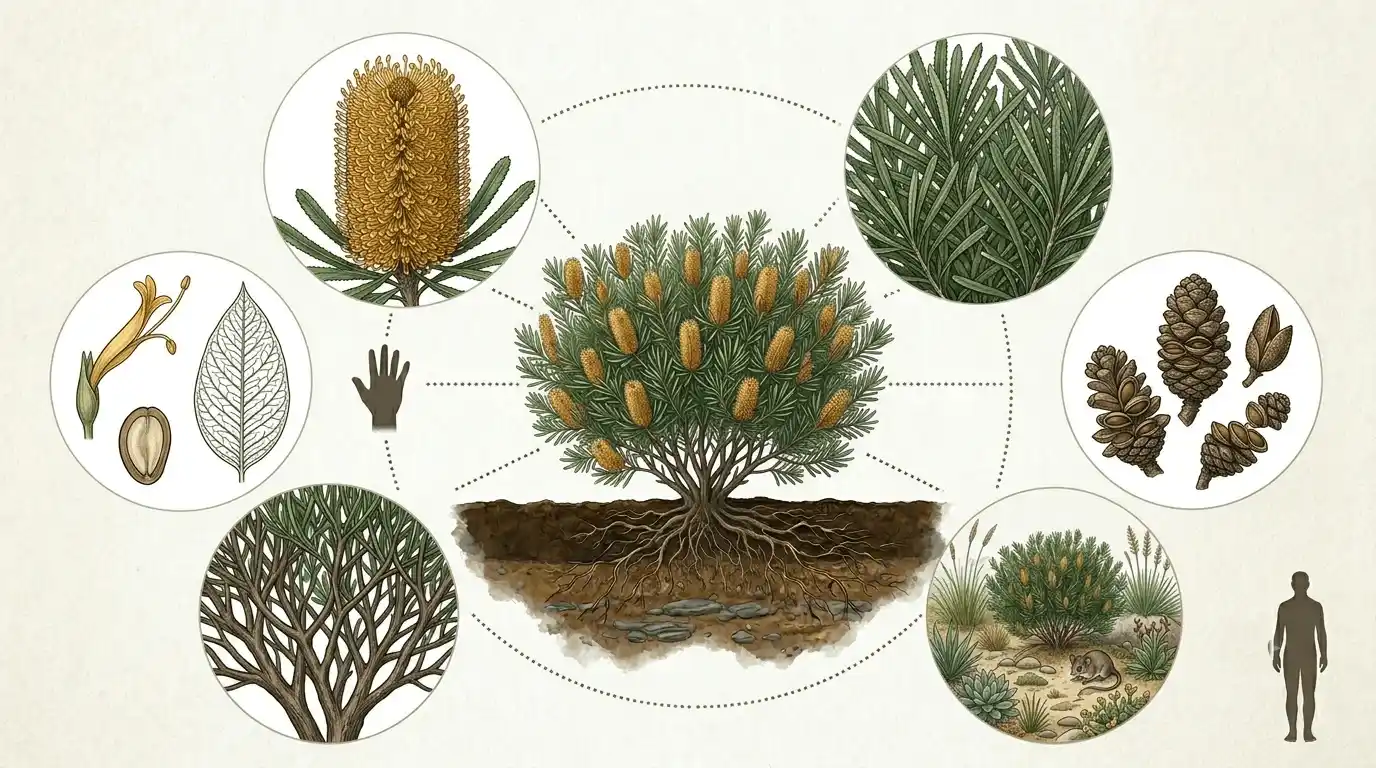
Banksia Honey Pots is a cultivated selection of Banksia spinulosa, commonly known as Hairpin Banksia. It was developed to provide gardeners with a smaller, more compact version of the species while retaining the attractive flowers and resilience associated with Australian native plants.Gardeners interested in exploring other species can compare this cultivar with many other Banksia Tree Varieties grown throughout Australia.
The relationship between honeypot banksia and the broader Banksia spinulosa species is straightforward. Honey Pots is a named cultivar that shares the same botanical heritage but has been selected for its compact form, dense branching, and suitability for modern garden spaces.
Botanical Classification
Banksia Honey Pots belongs to the following classification:
- Family: Proteaceae
- Genus: Banksia
- Species: Banksia spinulosa
- Cultivar: Banksia spinulosa ‘Honey Pots’
This Australian native plant originates from species naturally found along the eastern regions of Australia, where banksias play important ecological roles in native ecosystems.
Distinguishing Characteristics
Several features make Banksia Honey Pots easy to identify:
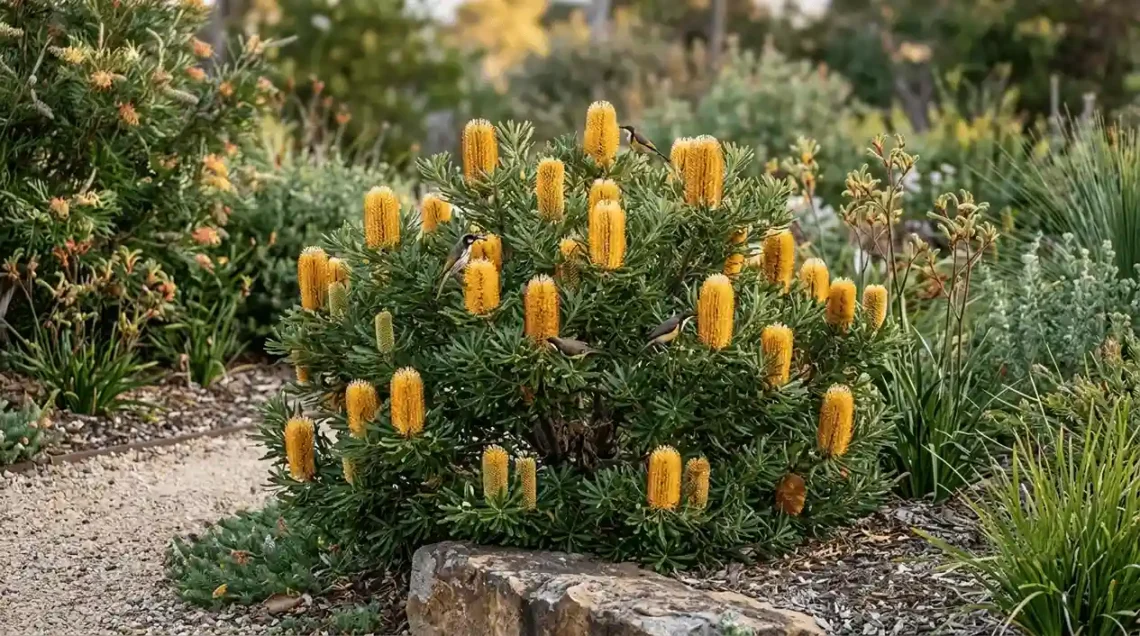
- Cylindrical golden-yellow flower spikes with orange and bronze tones.
- Narrow, dark green foliage.
- Dense, compact branching structure.
- Extended flowering periods compared to many shrubs.
- Attractive seed cones that remain after flowering.
Its year-round foliage and seasonal blooms provide continuous visual appeal in both formal and informal landscapes.
Banksia Honey Pots Size and Growth Habit
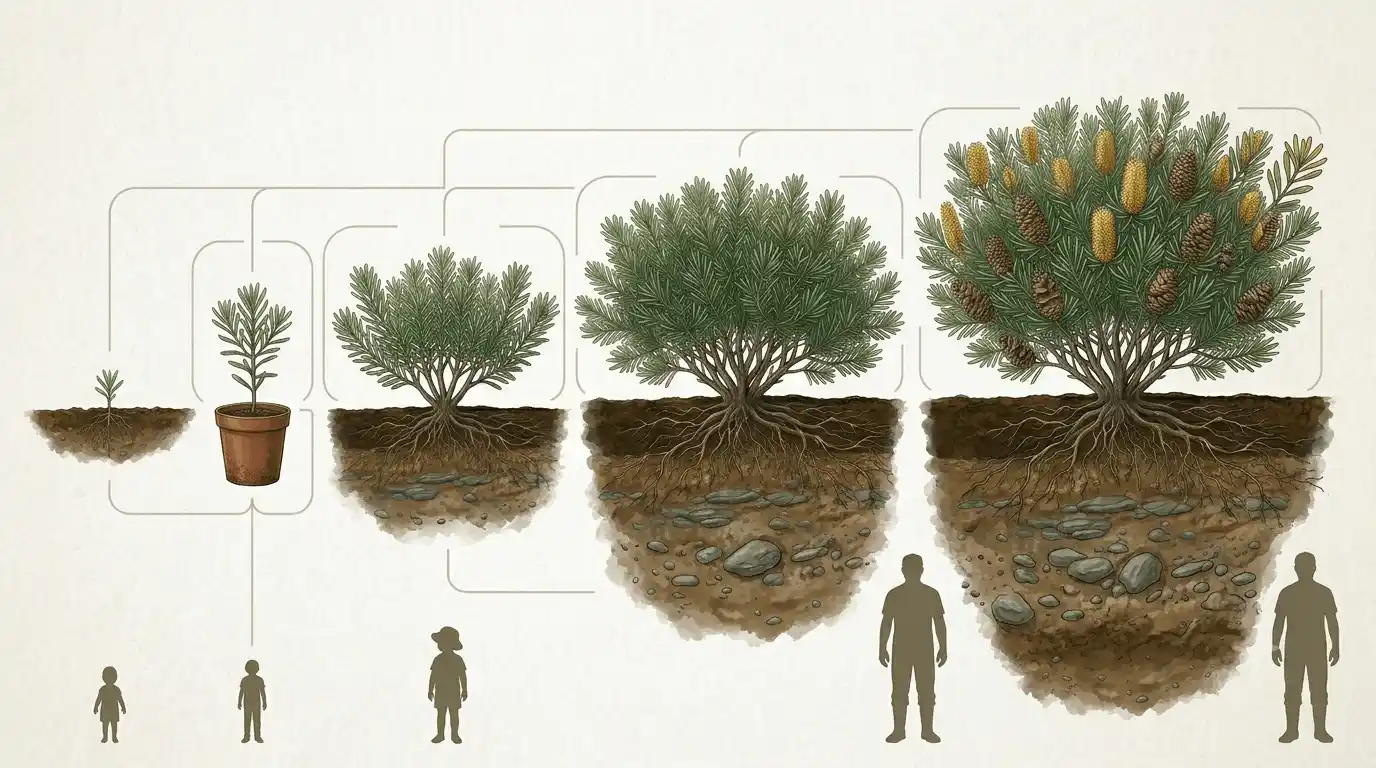
One of the most common questions gardeners ask relates to banksia honey pots size. This cultivar is specifically valued for its compact dimensions and tidy growth habit.
Mature Height and Width
Under typical garden conditions, Banksia Honey Pots reaches:
| Dimension | Average Size |
| Height | 1–1.5 metres |
| Width | 1–1.5 metres |
Environmental conditions such as soil quality, sunlight exposure, and watering practices can influence final size.
Growth Rate
Banksia Honey Pots has a moderate growth rate.
Growth is generally strongest during:
- Spring
- Early summer
- Mild autumn periods
Factors affecting development include:
- Sunlight availability
- Soil drainage
- Climate conditions
- Nutrient availability
Indoor vs Outdoor Growth Potential
Banksia Honey Pots is primarily an outdoor plant.
Outdoor cultivation provides:
- Adequate sunlight
- Better airflow
- Natural flowering conditions
While banksia in pots can thrive outdoors, indoor cultivation is generally not recommended because insufficient light often reduces growth and flowering performance.
Ideal Growing Conditions for Honey Pots Banksia
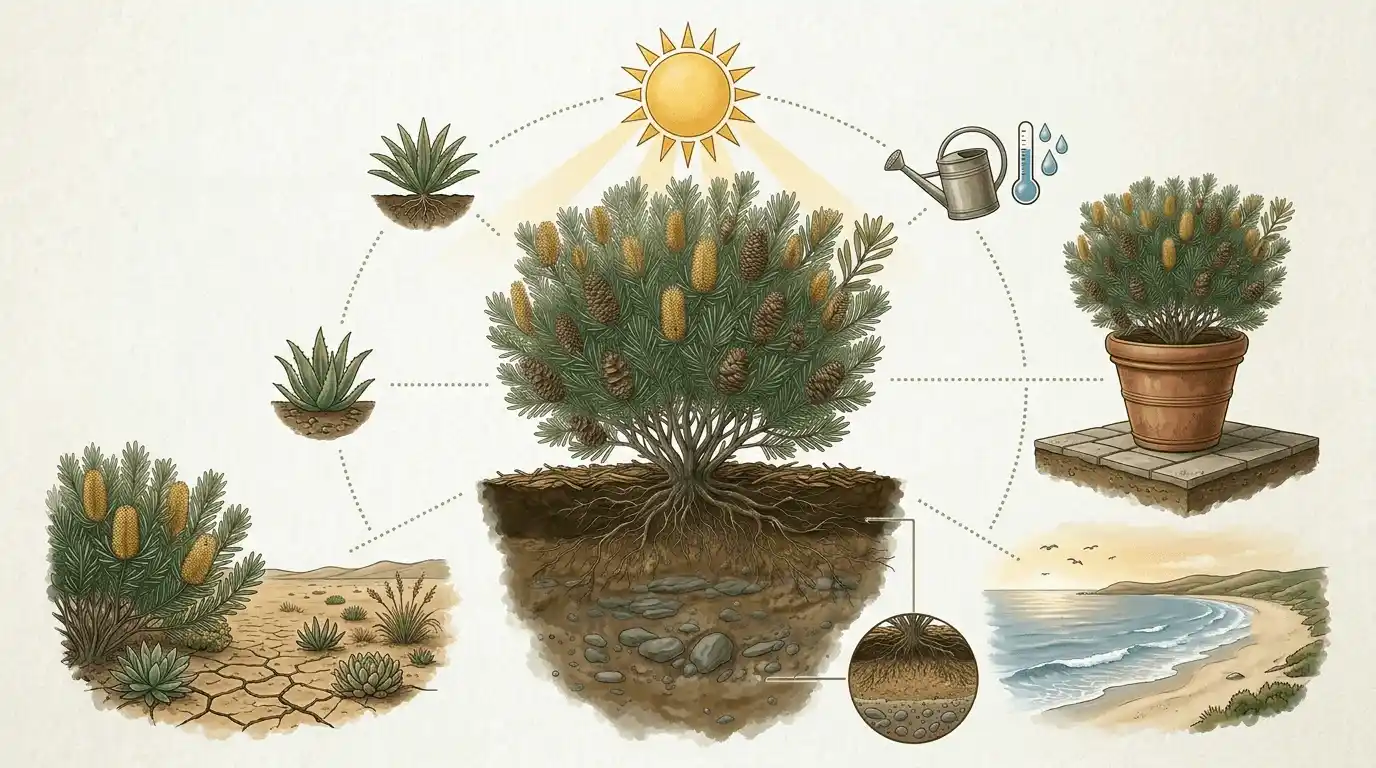
Understanding the natural environment of Banksia spinulosa helps gardeners recreate ideal growing conditions.
Sunlight Requirements
Banksia Honey Pots performs best in full sun.
For optimal flowering:
- Provide at least six hours of direct sunlight daily.
- Avoid heavily shaded planting locations.
- Partial shade may reduce flower production.
Soil Preferences
Excellent drainage is the most important soil requirement.
Preferred soil types include:
- Sandy soils
- Sandy loams
- Well-drained native garden soils
Avoid:
- Heavy clay soils
- Waterlogged areas
- Poorly drained garden beds
Climate and Hardiness Zones
Many gardeners search for banksia honey pots zone information. This cultivar adapts well to a wide range of Australian climates.
It performs well in:
- Coastal regions
- Temperate climates
- Mediterranean climates
- Subtropical regions
It shows moderate frost tolerance once established and excellent heat tolerance during Australian summers. Its coastal tolerance also makes it suitable for gardens near the ocean.
How to Grow Banksia Honey Pots in Pots
Banksia Honey Pots is one of the most suitable banksias for container growing because of its compact size and controlled growth habit.
Choosing the Right Pot
Select a container that:
- Has multiple drainage holes.
- Is wider than the root ball.
- Allows future root development.
Large containers generally support healthier long-term growth.
Best Potting Mix
Use a high-quality native plant potting mix.
Helpful drainage amendments include:
- Coarse sand
- Perlite
- Fine gravel
Greenery Inside recommends avoiding heavy moisture-retentive mixes, as excess water can damage roots.
Watering Container-Grown Plants
During establishment:
- Water regularly for the first several months.
After establishment:
- Water deeply but less frequently.
- Allow partial drying between watering sessions.
As of 2026, many native plant growers continue recommending moisture monitoring rather than fixed watering schedules because seasonal conditions vary significantly.
Repotting and Long-Term Maintenance
Signs repotting is needed include:
- Roots emerging from drainage holes.
- Reduced growth.
- Faster drying of potting mix.
Repot every few years as necessary and lightly prune roots if required during transplanting.
Banksia Honey Pots Care Guide
Proper care supports long-term plant health and flowering performance.
Watering Needs
Established Banksia Honey Pots displays good drought tolerance.
General watering guidelines:
- Water regularly during establishment.
- Reduce frequency once mature.
- Increase watering during prolonged heatwaves.
Overwatering remains one of the most common causes of plant decline.
Fertilizing Banksia Honey Pots
Use fertilizers specifically formulated for Australian native plants.
Important considerations:
- Banksias are sensitive to phosphorus.
- Avoid high-phosphorus fertilizers.
- Apply during active growth periods.
In our experience growing Australian natives, light feeding produces better long-term results than excessive fertilization.
Pruning and Shaping
Prune after flowering to:
- Encourage dense growth.
- Maintain compact shape.
- Remove spent flower spikes.
Regular light pruning is generally more effective than heavy cutting.
Mulching Tips
Mulching provides several benefits:
- Conserves soil moisture.
- Suppresses weeds.
- Moderates soil temperature.
Suitable mulch materials include:
- Bark mulch
- Leaf mulch
- Native garden mulch
Keep mulch several centimeters away from stems to reduce moisture-related issues.
Flowering Characteristics of Honey Pot Banksia
Flowering is one of the most attractive features of this cultivar.
Flower Color and Appearance
The flower spikes typically display:
- Golden-yellow tones
- Orange highlights
- Bronze and amber shades as flowers mature
These upright flower spikes contrast beautifully against the dark green foliage.
Flowering Season
Flowering commonly occurs from autumn through winter, although timing varies by region.
Regional factors influencing bloom periods include:
- Temperature
- Rainfall
- Climate zone
Some plants may produce flowers beyond the primary flowering season.
Wildlife Benefits
Honey Pot Banksia produces abundant nectar.Because its nectar-rich flowers support pollinators, Banksia Honey Pots pairs well with other Native Plants That Attract Butterflies in biodiversity-focused gardens.
Benefits include attracting:
- Honeyeaters
- Native bees
- Butterflies
- Other pollinating insects
Greenery Inside recommends including native flowering plants nearby to create a more diverse wildlife habitat.
Common Problems and Solutions
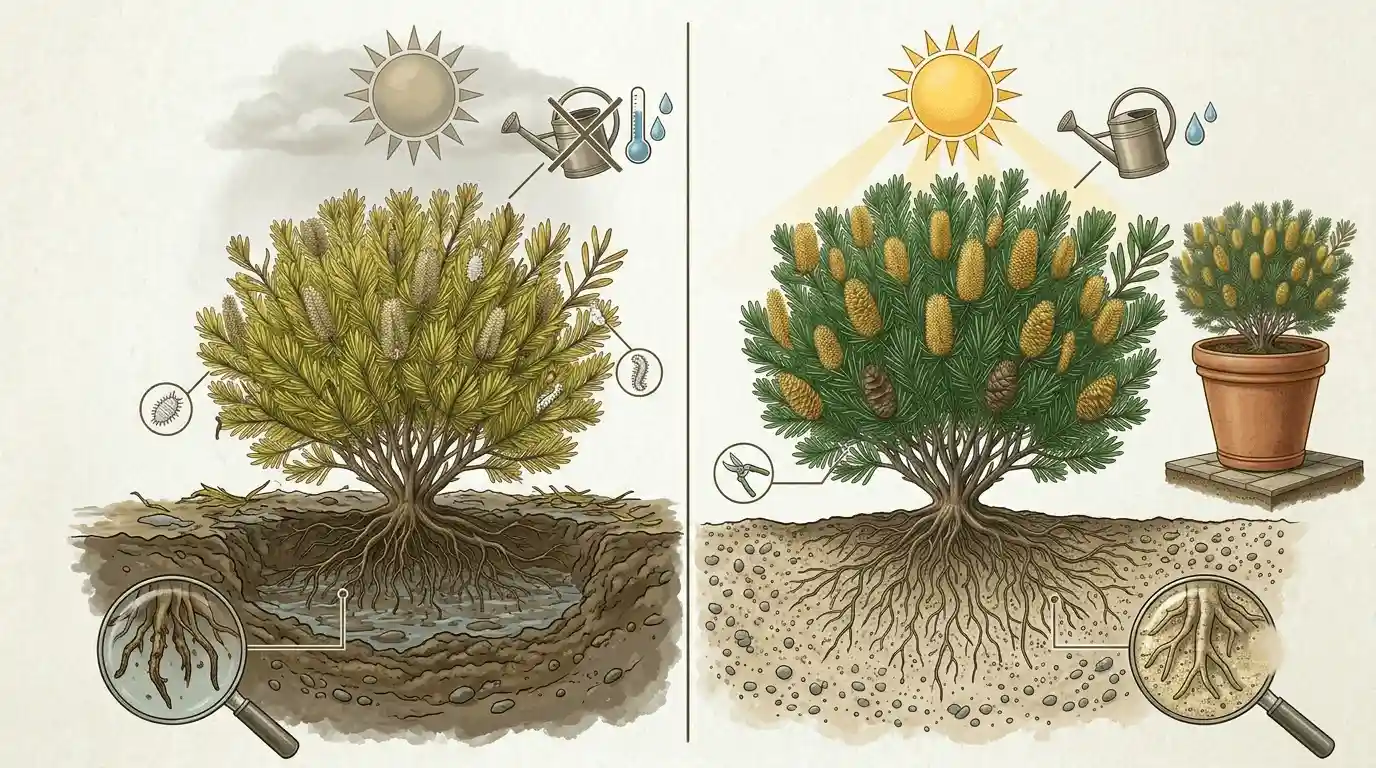
Although generally resilient, Banksia Honey Pots can occasionally experience cultivation problems.
Yellowing Leaves
Common causes include:
- Poor drainage
- Nutrient imbalance
- Overwatering
Solutions:
- Improve drainage.
- Review watering practices.
- Use suitable native plant fertilizers.
Poor Flowering
Poor flowering is usually caused by insufficient sunlight, nutrient issues, or improper pruning.
To improve flowering:
- Increase sun exposure.
- Use appropriate fertilizers.
- Prune at the correct time.
Root Rot and Drainage Problems
Symptoms include:
- Wilting foliage
- Yellow leaves
- Declining growth
Prevention strategies:
- Use free-draining soil.
- Avoid waterlogging.
- Ensure adequate drainage in containers.
Pest and Disease Issues
Banksia Honey Pots is relatively resistant to serious pests and diseases.
Occasional issues may include:
- Scale insects
- Aphids
- Minor fungal problems
Management typically involves:
- Monitoring plant health
- Improving airflow
- Removing affected growth
Banksia Honey Pots vs Other Banksia Varieties
Understanding differences between varieties helps gardeners choose the best plant for their landscape.For gardeners seeking a taller screening option, Banksia Sentinel offers a very different growth habit while retaining many of the wildlife benefits associated with banksias.
Banksia Honey Pots vs Standard Banksia Spinulosa
Compared with standard Banksia spinulosa, Honey Pots is:
- More compact
- Denser in growth
- Better suited to smaller gardens
Flower production remains impressive despite the reduced size.
Banksia Honey Pots vs Larger Banksia Species
Compared to larger banksias, Honey Pots offers:
- Easier maintenance
- Greater container suitability
- Better performance in limited spaces
Larger species generally require more room and less restrictive growing environments.
Comparison Table
| Feature | Banksia Honey Pots | Standard Banksia Spinulosa | Larger Banksia Species |
| Mature Height | 1–1.5 m | 2–3 m | 4–15+ m |
| Growth Habit | Compact | Shrubby | Large shrub/tree |
| Container Suitability | Excellent | Moderate | Limited |
| Maintenance | Low | Moderate | Moderate to High |
| Space Requirement | Small | Medium | Large |
| Flower Display | Abundant | Abundant | Species dependent |
Landscaping Uses for Banksia Honey Pots
This cultivar fits many landscape styles.Its compact size and year-round appeal make it an excellent choice for a Modern Australian Native Garden design.
Garden Borders and Feature Plantings
Ideal uses include:
- Garden edging
- Feature planting
- Mixed native borders
Its compact form creates strong visual structure.
Native and Wildlife Gardens
Banksia Honey Pots works exceptionally well in wildlife-friendly landscapes.
Companion plants may include:
- Grevilleas
- Westringias
- Callistemons
These combinations increase biodiversity and nectar availability.
Small Gardens and Courtyards
Because of its modest size, Honey Pots is highly suitable for:
- Courtyard gardens
- Urban landscapes
- Small residential spaces
- Patio containers
Common Beginner Mistakes When Growing Honey Pots Plant
Several mistakes frequently affect new growers.
Overwatering
Overwatering often occurs because gardeners assume native plants require constant moisture.
Prevention methods:
- Allow partial soil drying.
- Check soil moisture before watering.
- Improve drainage.
Using the Wrong Fertilizer
High-phosphorus fertilizers can damage banksias.
Choose:
- Native plant fertilizers
- Low-phosphorus formulations
Avoid general-purpose fertilizers unless confirmed safe for Proteaceae species.
Planting in Poorly Drained Soil
Poor drainage is one of the most damaging cultivation mistakes.
Consequences include:
- Root rot
- Yellowing leaves
- Reduced growth
Raised beds and soil amendments can improve drainage where needed.
Banksia Honey Pots in Different Australian Regions
Banksia Honey Pots adapts well to many Australian growing environments.
Growing Banksia Honey Pots in Brisbane
Brisbane’s humid subtropical climate supports healthy growth.
Important considerations include:
- Managing excess summer moisture.
- Ensuring excellent drainage.
- Providing airflow around plants.
Growing Banksia Honey Pots in Perth
Perth’s Mediterranean climate suits Banksia Honey Pots particularly well.
Benefits include:
- Dry summers
- Mild winters
- Compatibility with water-wise gardening
Performance Across Australia
Banksia Honey Pots Australia gardeners appreciate its adaptability across multiple regions.
The cultivar performs successfully in:
- Queensland
- New South Wales
- Victoria
- South Australia
- Western Australia
- Suitable parts of Tasmania
Performance improves when local climate conditions are matched with appropriate soil preparation and maintenance.
Conclusion
Banksia Honey Pots is a compact and highly ornamental cultivar of Banksia spinulosa that combines attractive golden flower spikes with practical garden performance. Its manageable size, drought tolerance, and wildlife-friendly flowers make it suitable for garden beds, borders, courtyards, and containers. Success with banksia honey pots depends on providing full sun, excellent drainage, appropriate watering, and low-phosphorus fertilization. Whether used in native landscapes or small urban gardens, this Australian native offers year-round appeal and valuable ecological benefits while remaining relatively easy to maintain.
Frequently Asked Questions
How big does Banksia Honey Pots grow?
Banksia Honey Pots typically grows between 1 and 1.5 metres tall and wide. Growing conditions such as sunlight, soil quality, and watering practices can influence its final size.
Can Banksia Honey Pots be grown in pots?
Yes. Banksia Honey Pots is one of the best banksias for container growing because of its compact growth habit. Use a well-drained native plant potting mix and a container with excellent drainage.
How often should I water a Honey Pots Banksia?
Water regularly while the plant is establishing. Once mature, water deeply but less frequently, allowing the soil to partially dry between watering sessions.
What climate zones suit Banksia Honey Pots best?
Banksia Honey Pots performs well in temperate, subtropical, Mediterranean, and coastal climates. It tolerates heat well and can withstand light frost once established.
When does Banksia Honey Pots flower?
Flowering commonly occurs from autumn through winter, although timing can vary depending on local climate and growing conditions.
Is Banksia Honey Pots drought tolerant?
Yes. Established plants are considered drought tolerant and generally require less supplemental watering than many non-native ornamental shrubs.
Does Banksia Honey Pots attract birds and pollinators?
Yes. The nectar-rich flowers attract honeyeaters, native bees, butterflies, and other pollinating wildlife, making the plant valuable in biodiversity-focused gardens.
Why are the leaves on my Honey Pots plant turning yellow?
Yellowing leaves are commonly caused by overwatering, poor drainage, or nutrient imbalances. Improving drainage and adjusting watering practices usually helps resolve the issue.