Introduction
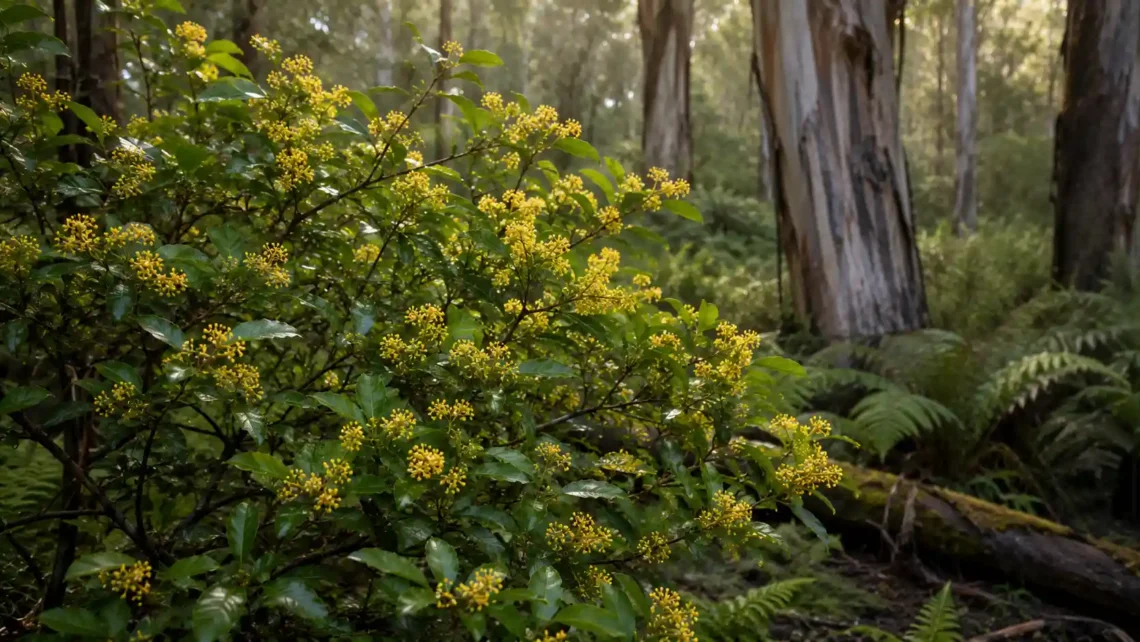
Pomaderris elliptica is an Australian native shrub commonly known as Yellow Dogwood. Belonging to the Rhamnaceae family, it is valued for its dense clusters of small yellow flowers that create a striking display during spring. Native to southeastern Australia and Tasmania, this adaptable understorey shrub naturally grows in moist, sheltered environments. Gardeners seek Pomaderris elliptica for its ornamental appeal, wildlife value, and relatively low-maintenance care requirements. Its attractive foliage and seasonal flowering make it a popular choice for native gardens, habitat plantings, and naturalistic landscapes.
Quick Summary
- Pomaderris elliptica is a native Australian shrub commonly known as Yellow Dogwood and belongs to the Rhamnaceae family.
- It produces dense clusters of small bright yellow flowers that typically appear during spring.
- The species is native to southeastern Australia and Tasmania, where it grows in moist, sheltered habitats.
- It is widely used in native gardens because of its ornamental value, habitat benefits, and easy-care nature.
- Established plants are relatively hardy when grown in suitable temperate conditions.
What Is Pomaderris elliptica?
Pomaderris elliptica is a flowering shrub native to Australia that is recognized for its yellow flower clusters, elliptic leaves, and dense growth habit. It belongs to the genus Pomaderris within the Rhamnaceae family. The genus Pomaderris belongs to the Rhamnaceae family and includes many Australian native shrubs (see genus overview on Wikipedia).
Botanical Identity, Genus, and Family Context
The genus Pomaderris contains numerous Australian native shrubs known for their small flowers and ecological importance. Pomaderris elliptica is one of the most recognizable species due to its abundant yellow blooms and attractive foliage.
Why It Is Called “Yellow Dogwood”
The common name Yellow Dogwood comes from the plant’s appearance rather than any botanical relationship to true dogwoods. True dogwoods belong to the Cornus genus, whereas Pomaderris elliptica belongs to the Rhamnaceae family. The similarity is primarily visual.
Subspecies: P. elliptica subsp. elliptica
Pomaderris elliptica subsp. elliptica is the most commonly referenced subspecies. It retains the characteristic elliptic leaves, yellow flowers, and shrub-like growth habit associated with the species.
Leaf Shape and Characteristics
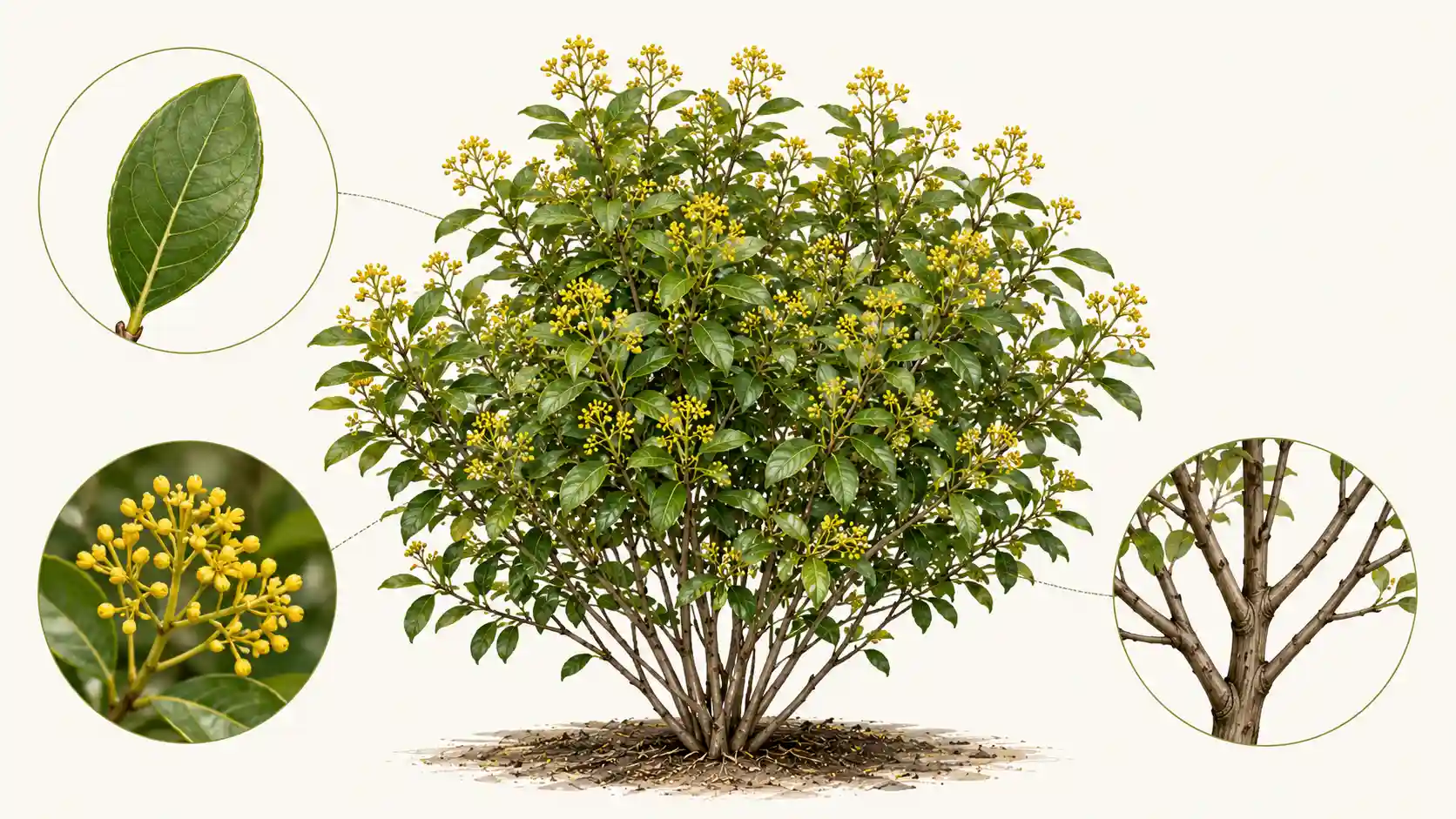
The leaves are elliptic in shape, which inspired the species name. They typically have a textured upper surface and a paler underside. Fine hairs on the leaf undersides may help reduce moisture loss and protect the plant from environmental stress.
Native Range and Natural Habitat
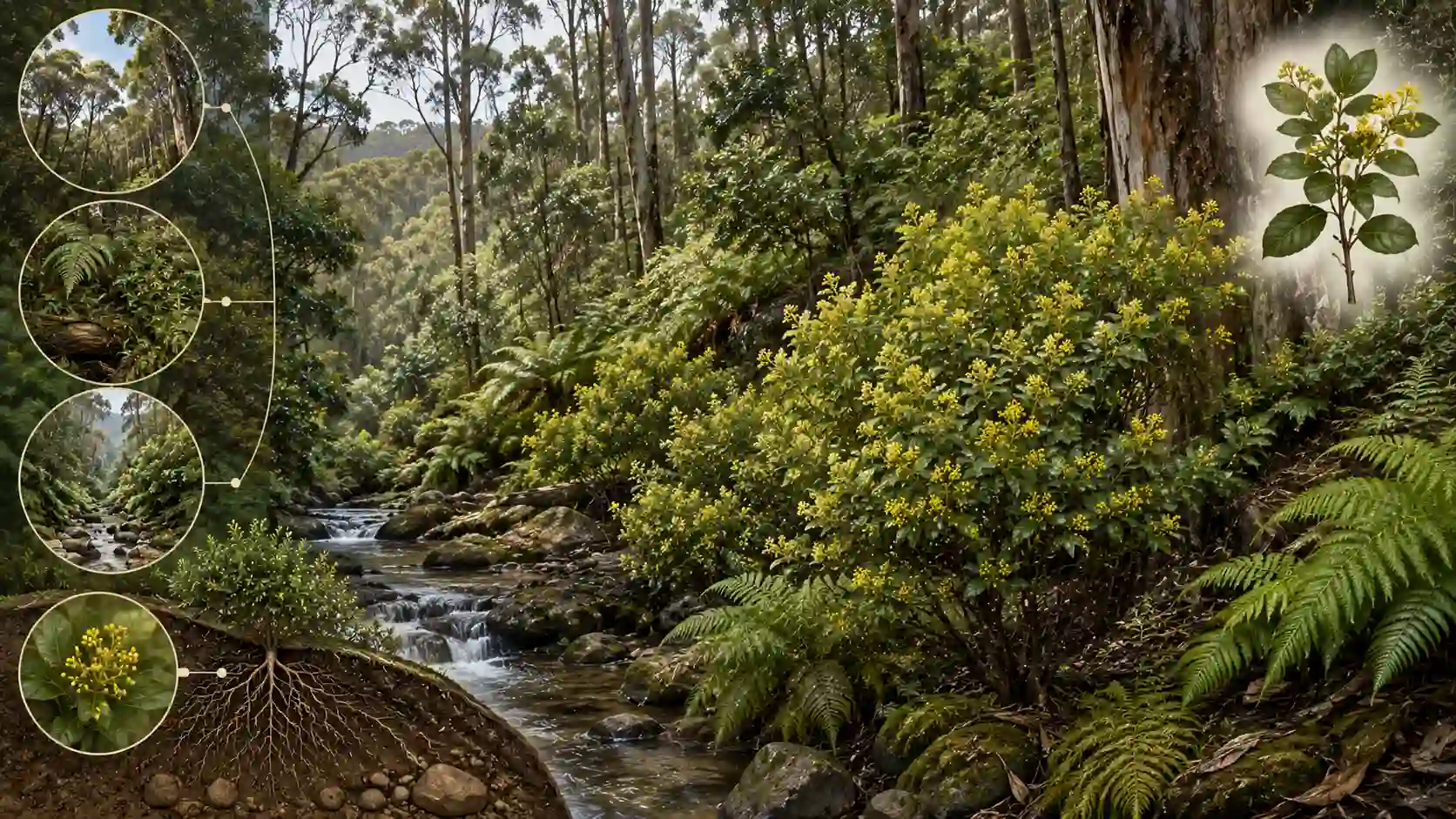
Pomaderris elliptica naturally occurs across southeastern Australia and Tasmania, where it thrives in moist and sheltered environments.
Distribution Across Southeastern Australia
The species is found in:
- New South Wales
- Victoria
- Tasmania
These regions provide the cool to temperate conditions favored by the plant. In similar coastal and forest ecosystems, species such as Banksia oblongifolia often coexist within the same temperate understorey environments.
Pomaderris elliptica in Tasmania
Tasmania represents an important part of the species’ natural distribution. The shrub contributes to native understorey ecosystems and supports local biodiversity by providing shelter and floral resources for insects.
Preferred Understorey Habitats
Natural habitats commonly include:
- Forest gullies
- Creek margins
- Moist slopes
- Wet sclerophyll forests
- Sheltered woodland areas
Taller shrubs such as Acacia fimbriata provide light canopy structure above Pomaderris elliptica in layered forest-style plantings.
Climate and Soil Conditions
The species naturally grows in areas with:
- Consistent moisture
- Moderate rainfall
- Well-drained soils
- Cool to temperate climates
Plant Size and Growth Form
Pomaderris elliptica typically grows as a medium-sized shrub with a dense canopy and upright habit.
Typical Height Range
Under favorable conditions, mature plants generally reach:
| Growing Condition | Typical Height |
| Garden Settings | 1–3 m |
| Natural Habitat | 2–4 m |
Spread and Canopy Density
The shrub often develops a broad, dense canopy that can provide screening and habitat value. Mature spread commonly ranges between 1 and 3 meters.
Indoor vs Outdoor Size Differences
Pomaderris elliptica is rarely grown indoors because it performs best in outdoor environments. Indoor cultivation typically limits growth and flowering potential.
Factors Affecting Size
Growth size may be influenced by:
- Soil fertility
- Moisture availability
- Light exposure
- Root competition
- Climate conditions
Growth Rate and Seasonal Patterns
Pomaderris elliptica has a moderate growth rate and generally establishes steadily when provided with suitable conditions.
Moderate Growth Rate Classification
Most plants achieve substantial growth within several growing seasons, especially when planted in prepared soil and watered regularly during establishment.
Spring Flowering Activity
The main flowering season typically occurs in spring. Dense clusters of yellow flowers create a bright display that attracts pollinating insects.
Factors Affecting Growth Speed
Growth can be improved through:
- Organic mulching
- Consistent watering
- Good soil preparation
- Reduced weed competition
How to Grow and Care for Pomaderris elliptica

Successful cultivation depends on providing moisture, appropriate light, and suitable soil conditions.
Watering Requirements
Pomaderris elliptica prefers consistent moisture, particularly during establishment.
Key watering guidelines:
- Water regularly after planting.
- Avoid prolonged dry periods.
- Reduce watering frequency after establishment.
- Prevent waterlogged conditions.
Light and Position
This species naturally grows as an understorey shrub.
Best light conditions include:
- Dappled shade
- Part sun
- Morning sunlight
Avoid intense afternoon sun in warmer regions, as it may cause leaf scorch.
Soil Preferences
The ideal soil is:
- Well-drained
- Rich in organic matter
- Slightly acidic
- Moist but not saturated
Mulching helps conserve moisture and suppress weeds.
Fertilisation and Pruning
Apply a low-phosphorus native plant fertiliser in early spring if needed.
Pruning recommendations:
- Prune after flowering.
- Remove damaged growth.
- Maintain shape with light trimming.
- Avoid heavy pruning into old wood.
Climate Tolerance
Pomaderris elliptica is best suited to:
- Temperate climates
- Cool-temperate regions
- Areas with mild frost
Established plants can tolerate light frosts.
Recommended Plant Spacing
For hedging or mass planting:
- Space plants approximately 1–1.5 meters apart.
This spacing promotes canopy development while maintaining airflow and reducing disease risk.
Pomaderris elliptica Varieties and Subspecies
Pomaderris elliptica shows variation across its natural range, although named cultivars are relatively uncommon.
Subspecies Differences
Pomaderris elliptica subsp. elliptica is the most widely recognized form and displays the typical species characteristics.
Named Cultivars
Named nursery cultivars are not commonly available compared with many ornamental native shrubs.
Regional Variation
Some regional populations may differ slightly in:
- Leaf size
- Growth habit
- Flower density
- Adaptation to local conditions
Tasmanian populations may show subtle differences compared with mainland forms due to environmental influences.
Pomaderris elliptica vs Related Species
| Species | Common Name | Flower Color | Typical Size | Key Difference |
| P. elliptica | Yellow Dogwood | Yellow | 1–4 m | Elliptic leaves; SE Australia and Tasmania |
| P. apetala | Toothed Pomaderris | Cream/White | 2–5 m | Larger shrub with toothed leaf margins |
| P. aspera | Rough Pomaderris | Cream | 2–6 m | Rough foliage and taller habit |
| P. lanigera | Woolly Pomaderris | Yellow | 1–3 m | Dense woolly undersides on leaves |
| P. paniculosa | Panicled Pomaderris | Cream–Yellow | 1–2.5 m | More open flower panicles |
Where to Find Pomaderris elliptica for Sale
Pomaderris elliptica is most commonly available through specialist native plant suppliers.
Native Plant Nurseries vs General Garden Centres
Native plant nurseries often provide:
- Better species knowledge
- Locally adapted stock
- Greater availability of native shrubs
Online Suppliers
When purchasing online, check:
- Plant provenance
- Local suitability
- Shipping practices
- Plant health guarantees
Tasmanian Provenance Considerations
Where possible, select plants sourced from local ecotypes that match regional growing conditions.
What a Healthy Specimen Looks Like
Look for:
- Healthy green foliage
- Strong stems
- Active new growth
- No signs of pests or disease
- Well-developed root systems
Common Problems and How to Fix Them
Yellowing Leaves
Yellowing leaves are often caused by overwatering, poor drainage, or nutrient deficiencies.
Fixes:
- Improve drainage
- Reduce watering frequency
- Apply a suitable native fertiliser
- Check soil moisture levels
Poor or No Flowering
Poor flowering is commonly linked to excessive shade or incorrect pruning.
Fixes:
- Increase light exposure
- Prune only after flowering
- Protect flower buds from frost damage
Slow Establishment
Newly planted shrubs may establish slowly if moisture levels are inconsistent.
Fixes:
- Apply mulch
- Water regularly during the first growing season
- Avoid root disturbance
Beginner Mistakes to Avoid
Common mistakes include:
- Planting in full sun in hot climates
- Overwatering mature plants
- Pruning before flowering
- Using high-phosphorus fertilisers
Using Pomaderris elliptica in the Garden
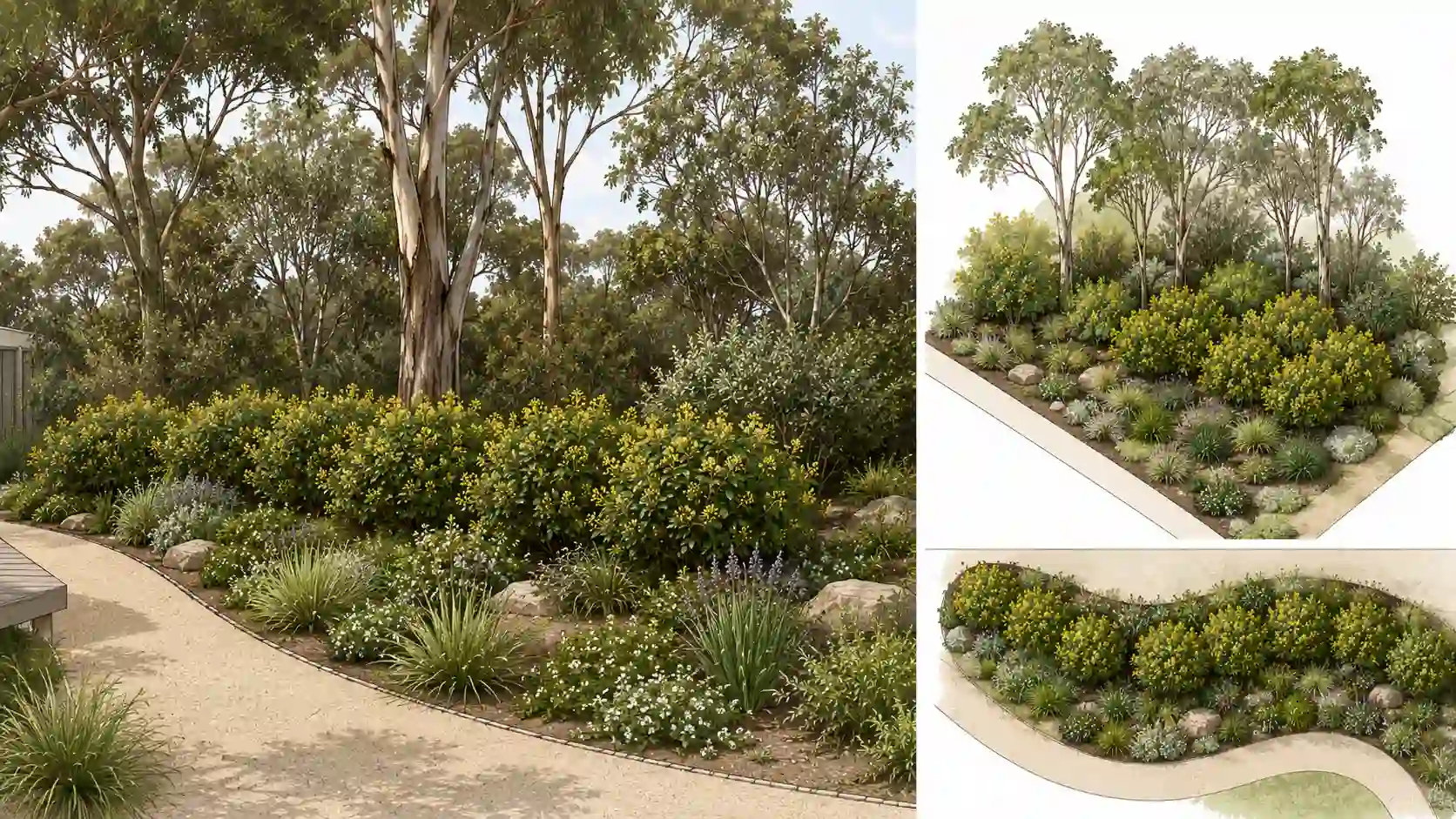
Pomaderris elliptica is a versatile native shrub suitable for habitat gardens, screening, and understorey plantings.
Native Understorey Plantings
The shrub integrates naturally beneath taller trees and complements woodland-style landscapes.
Companion Plants
Suitable companions include:
- Native grasses
- Ground covers
- Other Australian native shrubs
- Ferns in moist locations
It pairs well with silver-foliaged natives such as Acacia Podalyriifolia, which enhance contrast in mixed understorey plantings.
Pollinator Value
The bright yellow flowers attract:
- Native bees
- Beneficial insects
- Butterflies
Flowering climbers such as Hardenbergia Violacea enhance pollinator attraction when combined with Pomaderris elliptica in native garden designs.
Informal Hedges and Screens
Its dense growth habit makes it suitable for:
- Informal hedges
- Privacy screens
- Habitat corridors
Planting Spacing Guide
For mass plantings:
- 1–1.5 m spacing creates a dense effect.
- Wider spacing allows individual form to develop.
Pomaderris elliptica is often featured in broader design frameworks such as the Australian Native Garden Trees approach, where it is used as a mid-layer shrub in layered native landscapes.
Conclusion
Pomaderris elliptica is a rewarding Australian native shrub valued for its bright yellow spring flowers, attractive foliage, and adaptability to temperate environments. Commonly known as Yellow Dogwood, it thrives in moist, sheltered locations with well-drained soil and partial shade. With moderate growth, low-maintenance requirements, and strong habitat value, Pomaderris elliptica is an excellent choice for native gardens, understorey plantings, and informal screens. Selecting healthy plants and providing suitable growing conditions will help ensure long-term success.
FAQs
What is Pomaderris elliptica commonly called?
Pomaderris elliptica is commonly known as Yellow Dogwood. Despite the name, it is not related to true dogwoods in the Cornus genus.
Is Pomaderris elliptica native to Tasmania?
Yes. Pomaderris elliptica is native to Tasmania and forms part of the island’s natural forest understorey communities.
How big does Pomaderris elliptica grow?
Most plants reach between 1 and 4 meters in height, depending on environmental conditions and growing location.
What is the difference between Pomaderris elliptica and Pomaderris apetala?
Pomaderris elliptica typically has yellow flowers and elliptic leaves, while Pomaderris apetala often has cream to white flowers and more noticeably toothed leaf margins.
Where can I buy Pomaderris elliptica?
You can purchase Pomaderris elliptica from specialist native plant nurseries, selected garden centres, and reputable online native plant suppliers.
When does Pomaderris elliptica flower?
Pomaderris elliptica generally flowers during spring. Blooming performance depends on sunlight exposure, plant health, and seasonal conditions.
What are the subspecies of Pomaderris elliptica?
The most commonly referenced subspecies is Pomaderris elliptica subsp. elliptica, which represents the typical form of the species found across parts of its natural range.